







Time:2026-01-07 Views:1
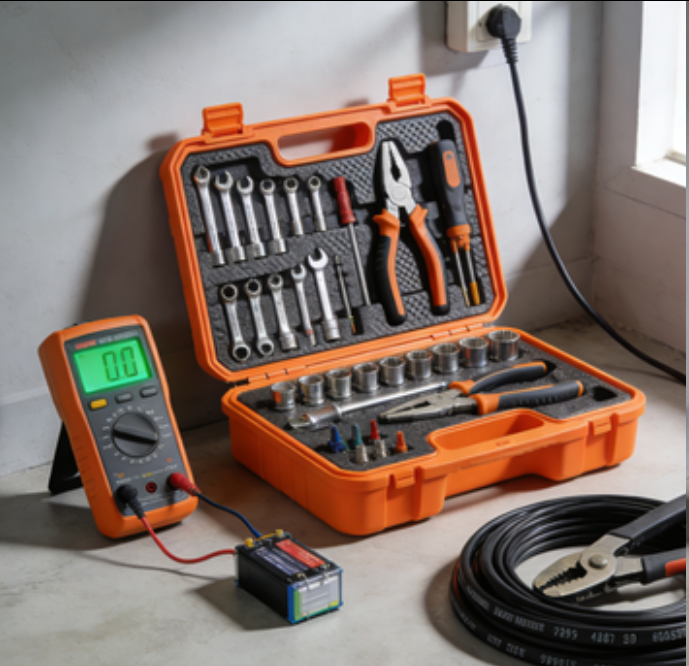
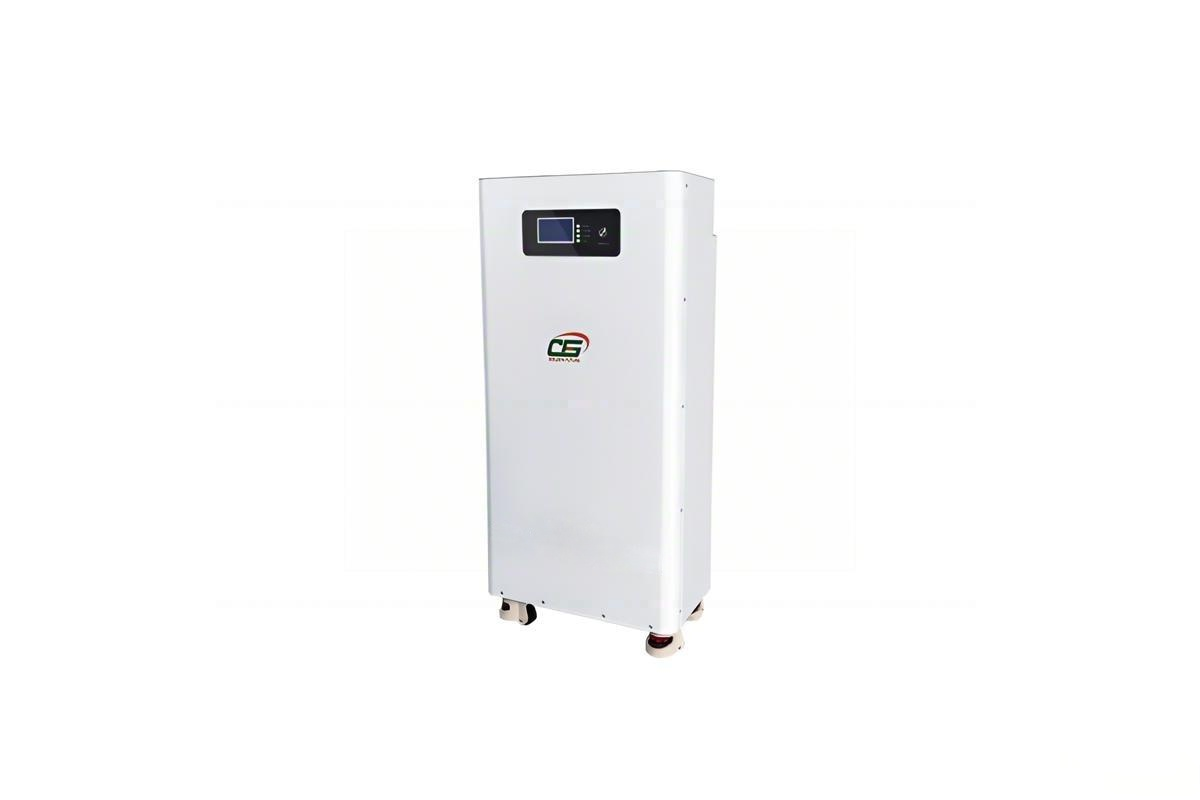
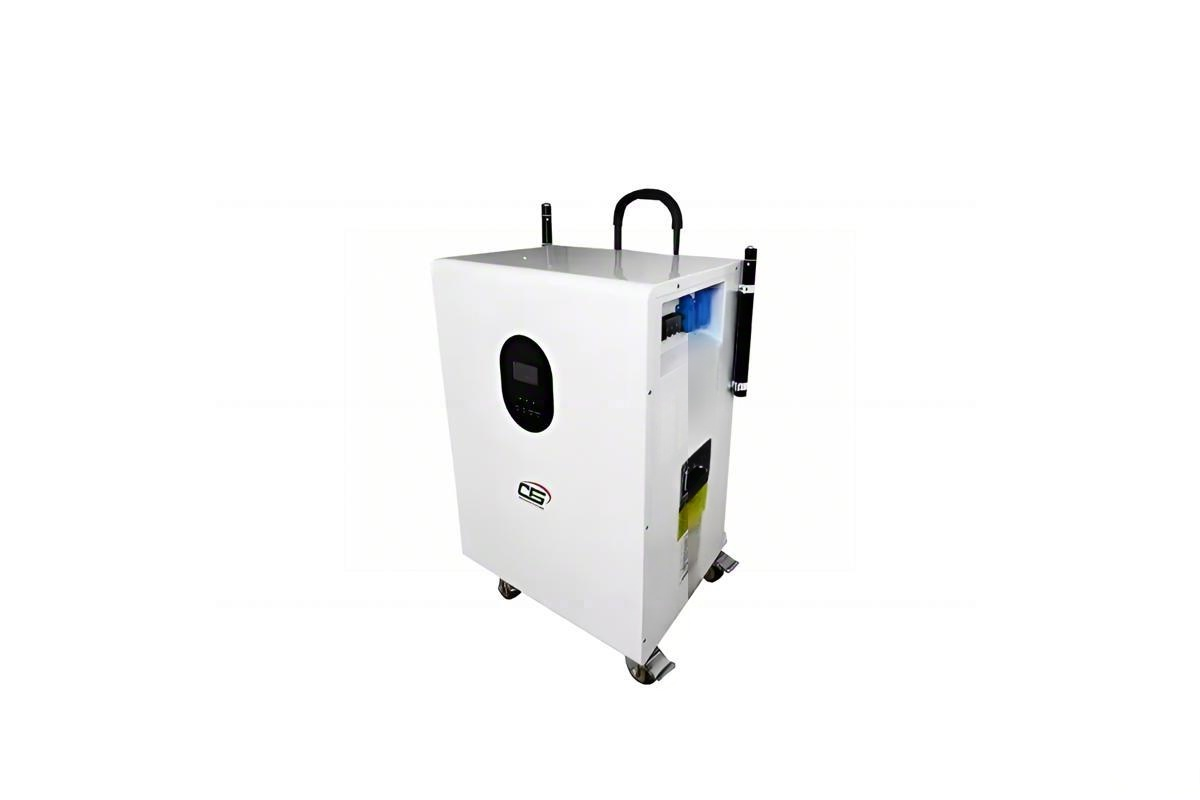
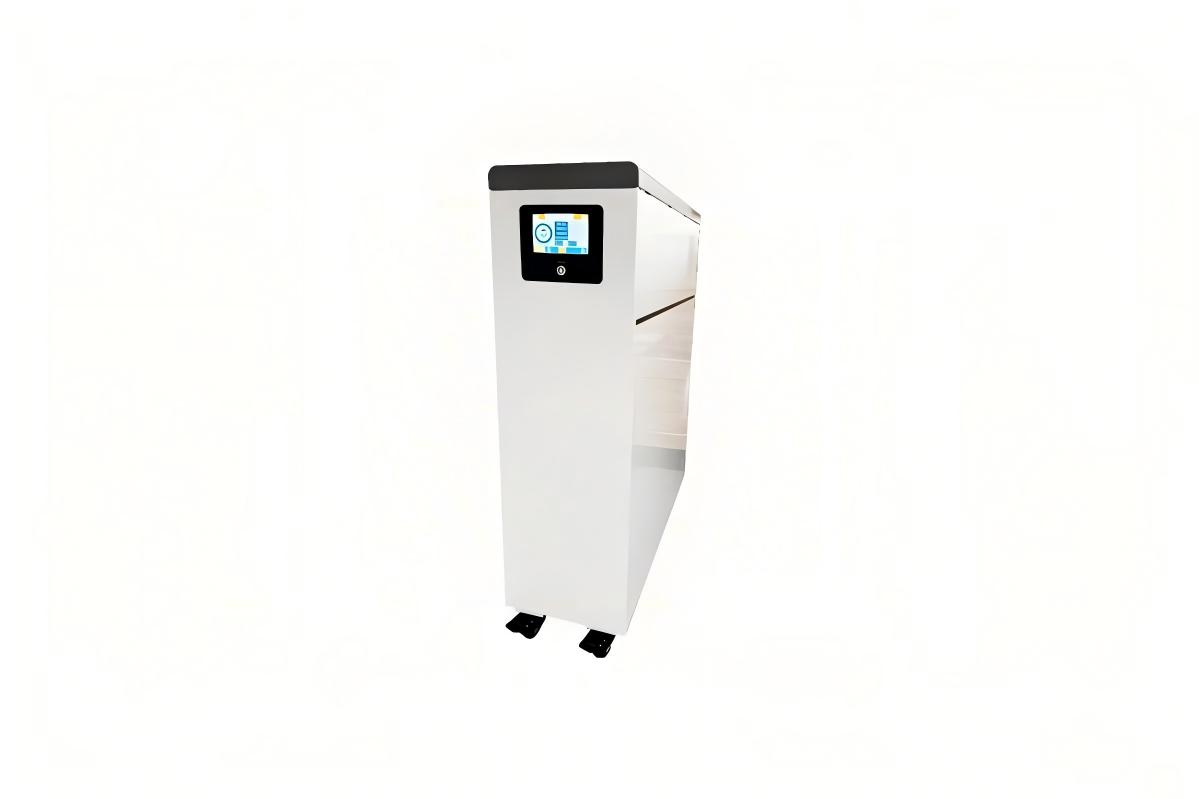
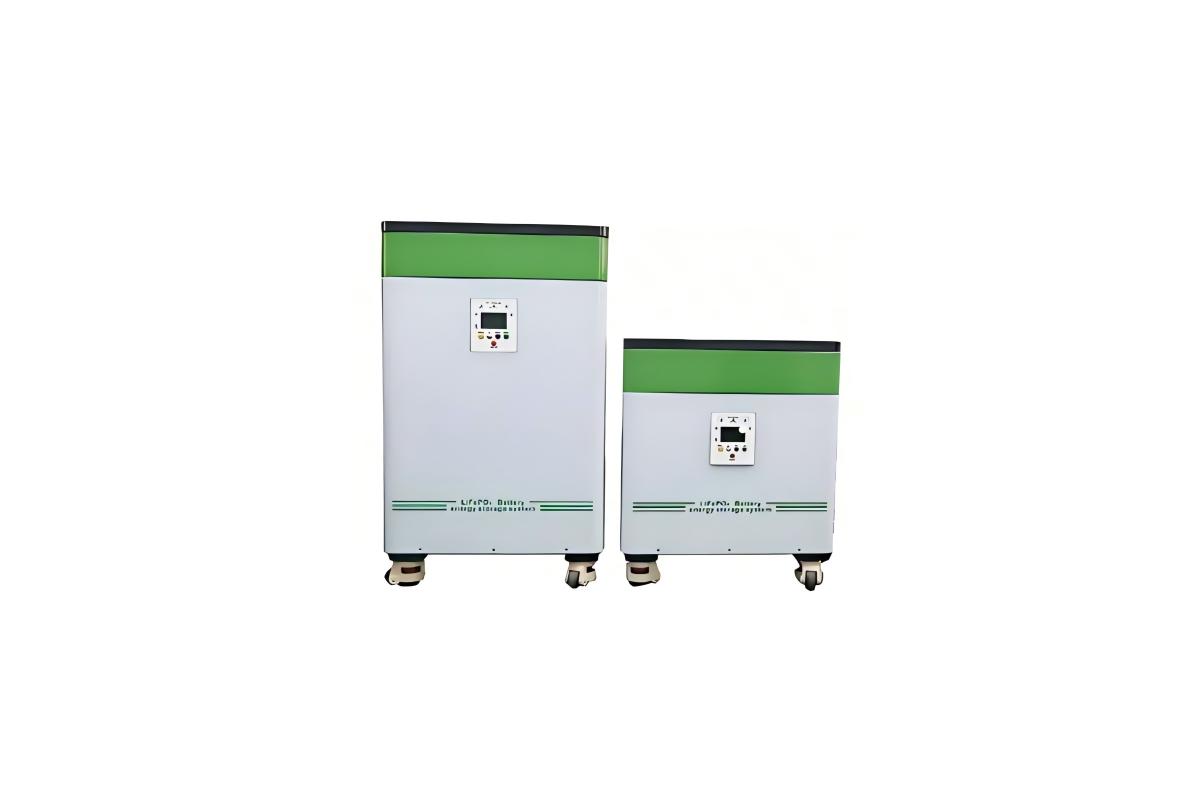
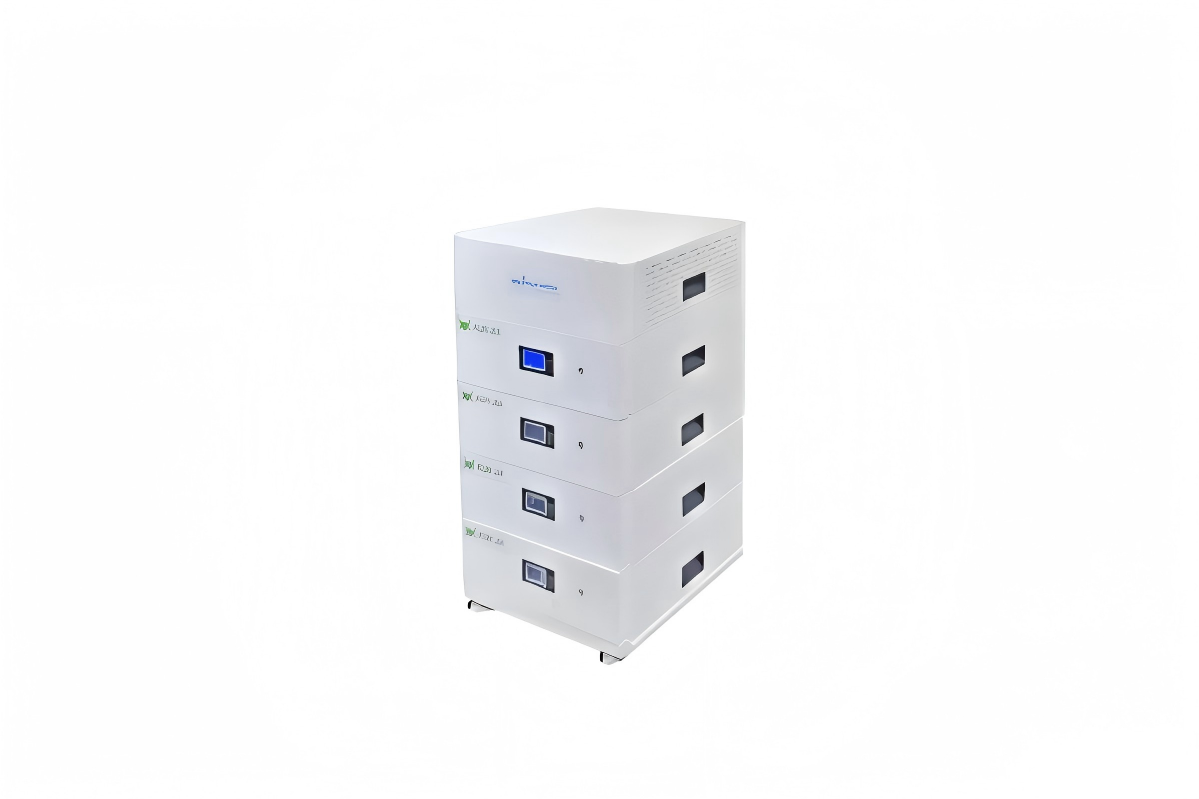
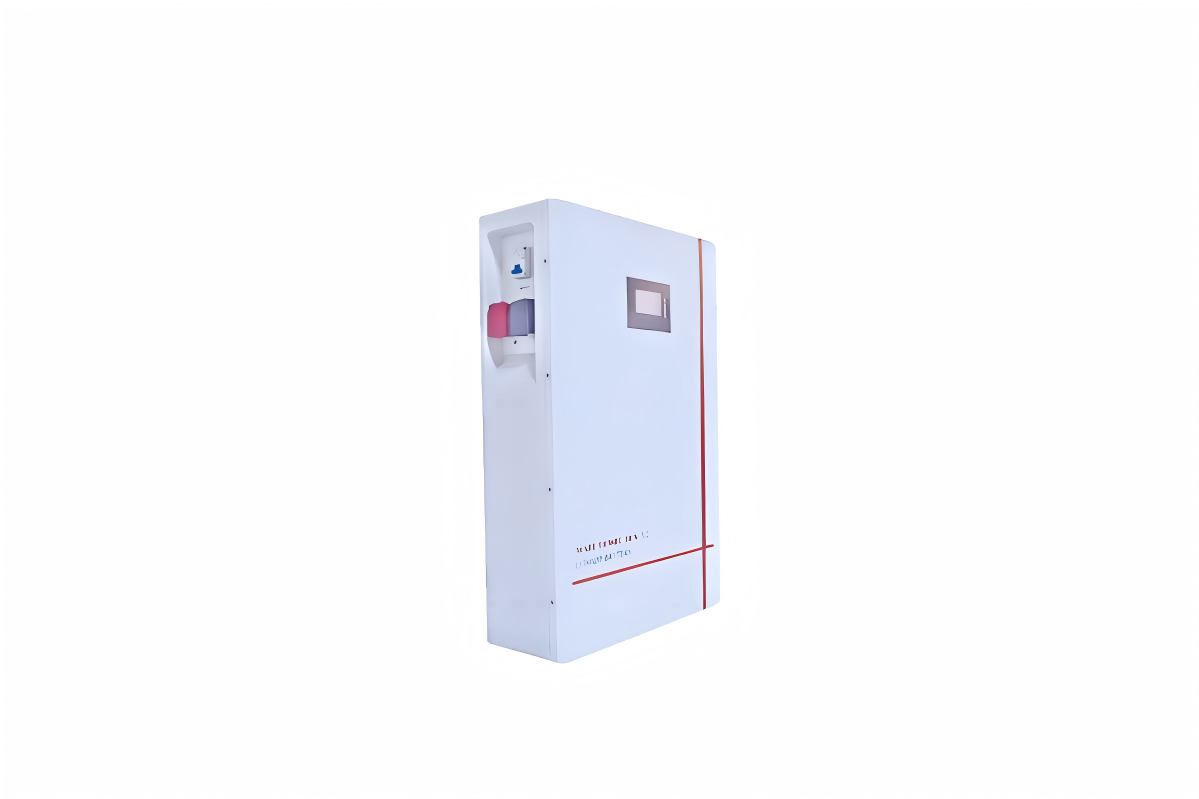
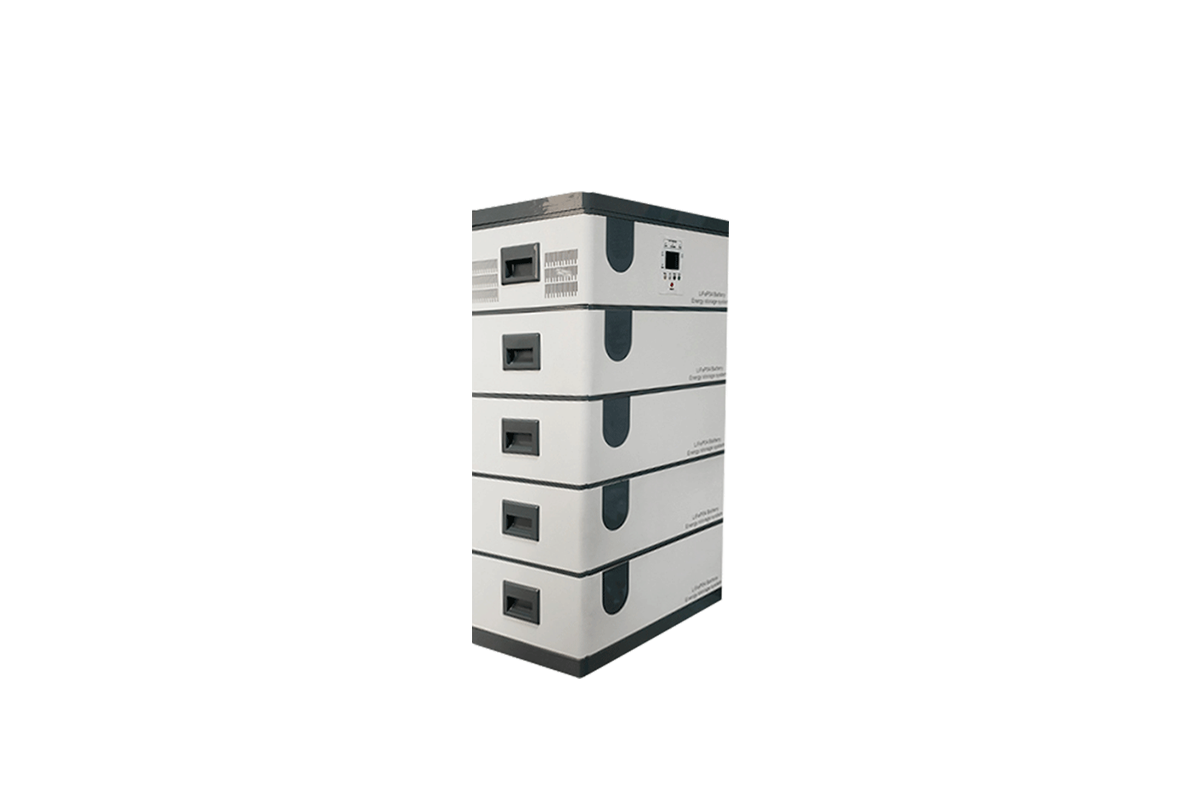
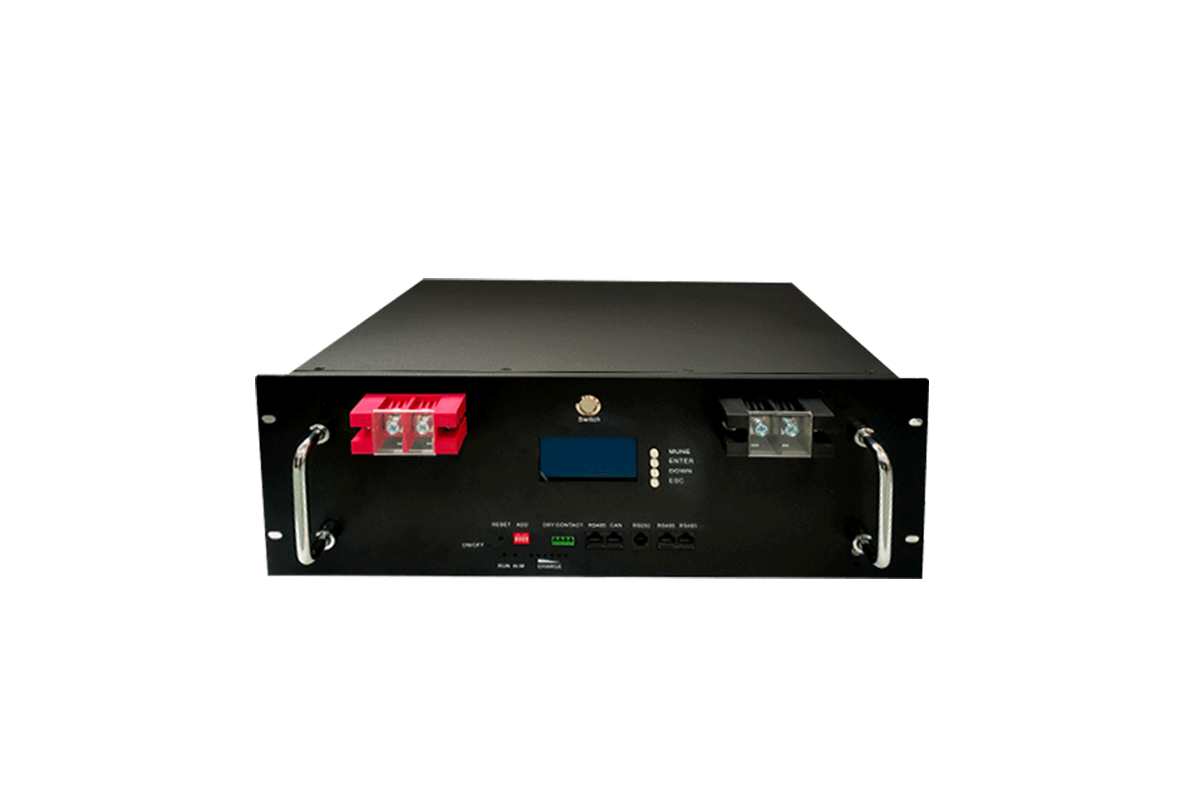
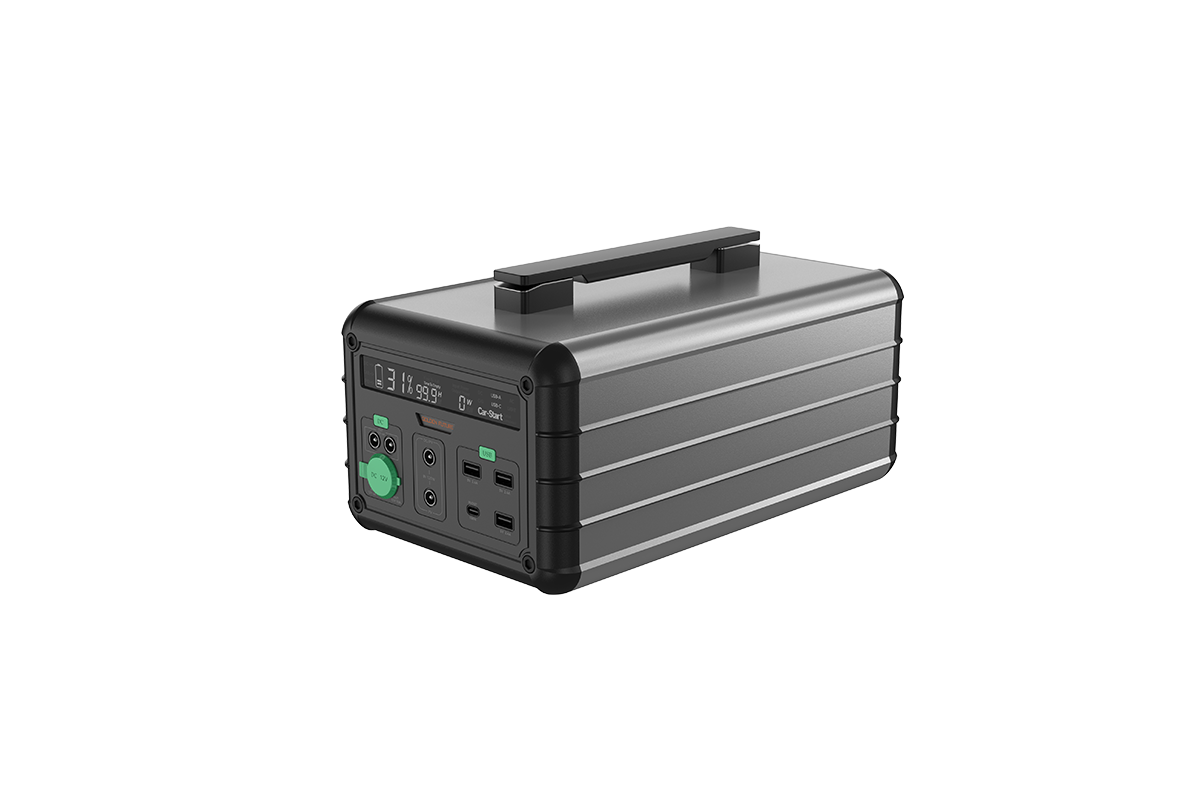
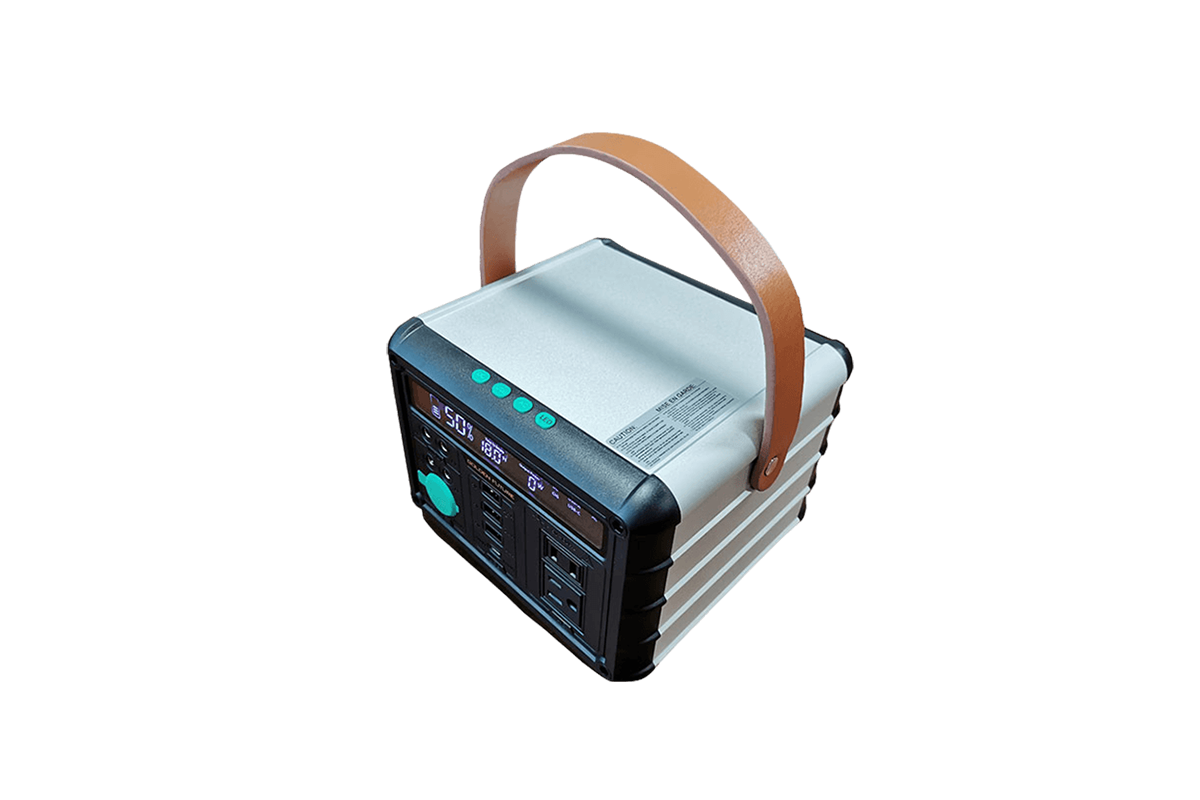
The installation of energy storage lithium batteries demands a comprehensive set of equipment to ensure a safe, efficient, and functional energy storage system. These components work in harmony to facilitate the storage, management, and utilization of electrical energy.
Firstly, the lithium - battery pack itself is the core component. Depending on the energy storage requirements, battery packs can vary in capacity, voltage, and the number of cells. They are typically available in modular designs, allowing users to scale up or down the storage capacity as needed. Alongside the battery pack, a battery management system (BMS) is indispensable. The BMS monitors crucial parameters such as the state of charge, voltage, current, and temperature of each battery cell. It protects the battery from over - charging, over - discharging, over - current, and over - temperature conditions, optimizing the battery's performance and extending its lifespan.
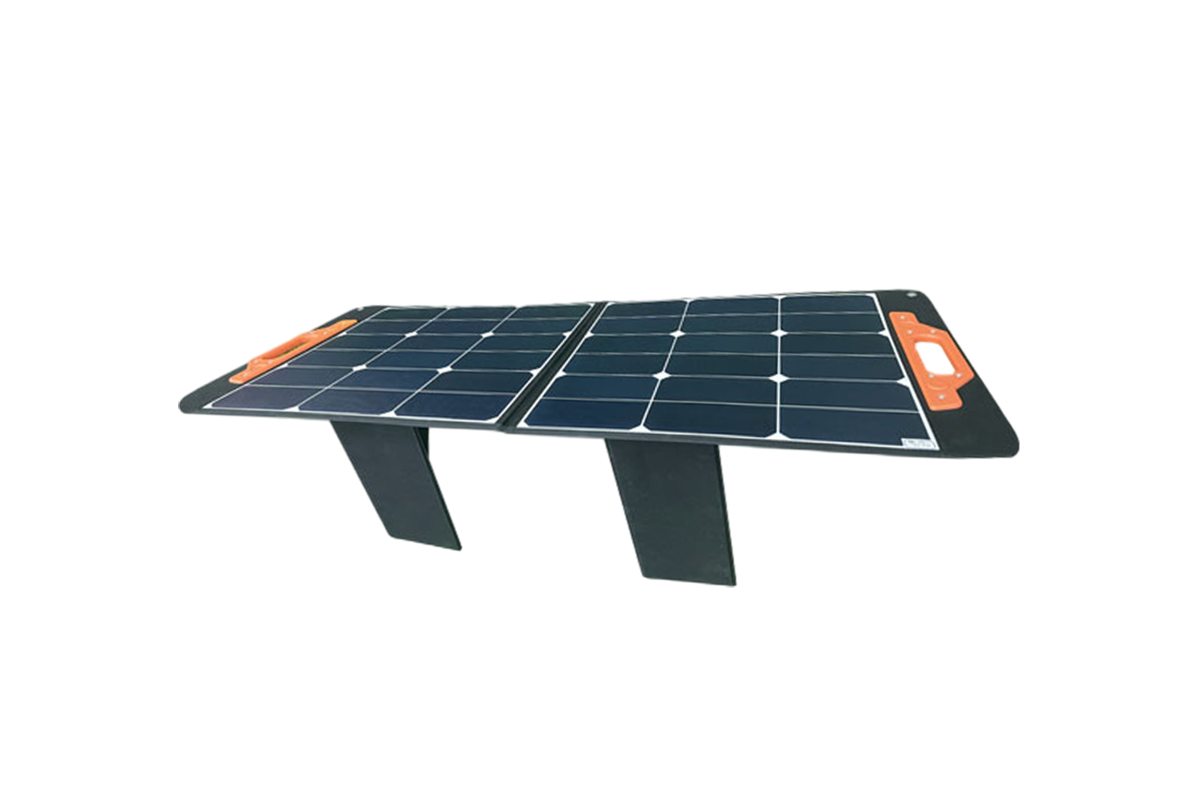
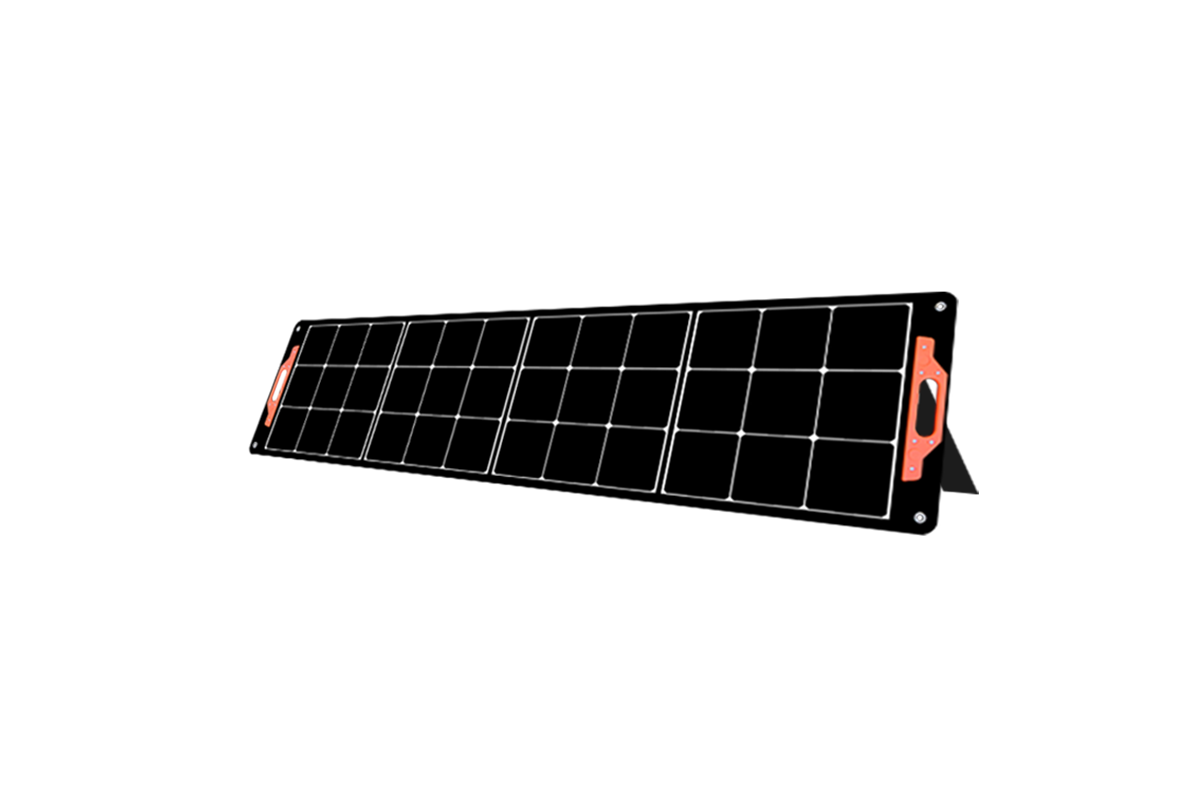
A charge controller is another essential piece of equipment, especially when integrating the lithium - battery system with renewable energy sources like solar panels. The charge controller regulates the flow of electricity from the energy source to the battery, ensuring that the charging process is carried out safely and efficiently. It prevents over - voltage and over - current issues that could damage the battery during charging.
For the conversion of direct - current (DC) stored in the lithium batteries into alternating - current (AC) for use in household appliances or feeding into the electrical grid, an inverter is required. Inverters come in different types, such as pure - sine - wave inverters, which produce high - quality AC power suitable for sensitive electronics, and modified - sine - wave inverters, which are more cost - effective but may not be suitable for all devices. The capacity of the inverter should match the power requirements of the connected load.
In addition to these main components, proper electrical wiring, connectors, and circuit breakers are necessary. Wiring should be of appropriate gauge to handle the current flow without overheating or causing excessive voltage drops. Connectors ensure secure and reliable electrical connections, while circuit breakers provide protection against short - circuits and over - current situations, safeguarding both the equipment and users. Mounting racks or enclosures are also needed to securely position the battery pack and other components, protecting them from physical damage and environmental factors. Grounding equipment is crucial for electrical safety, providing a path for electrical current to flow safely into the ground in case of a fault.




 59911926@qq.com/sales@goldenfuturehk.com
 13316809242 / 15816897019
 Inquiry
 Home >