





Time:2026-04-11 Views:483
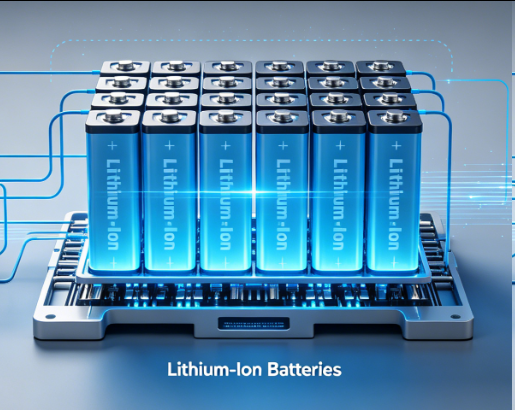
Energy storage battery systems are critical components in both residential and commercial renewable energy setups, ensuring stable power supply when solar or wind energy is insufficient. However, like any electrical system, they are prone to malfunctions that can disrupt operation, reduce efficiency, or even pose safety risks. Troubleshooting these systems requires a systematic approach, combining an understanding of battery chemistry, electrical circuits, and system integration. The first step in effective troubleshooting is to identify the specific symptom, as different issues manifest in distinct ways—such as failure to charge, sudden power cuts, abnormal heating, or error codes on the system controller.
One of the most common issues is the system’s failure to charge, which can stem from multiple causes. First, check the connection between the solar panels (if paired with a solar system) and the charge controller, as loose or corroded wires can interrupt the charging current. Additionally, the charge controller itself may be faulty, especially if it fails to regulate the voltage correctly, leading to overcharging or undercharging. Another possible cause is a damaged battery cell: in a series-connected battery pack, a single faulty cell can prevent the entire pack from charging properly. To diagnose this, use a multimeter to measure the voltage of individual cells; a significant deviation from the nominal voltage indicates a defective cell that needs replacement. It is also important to check the ambient temperature, as extreme cold or heat can affect the battery’s charging performance—most lithium-ion batteries operate optimally between 10°C and 45°C, and temperatures outside this range may trigger a safety shutdown.
Abnormal heating or overheating is another critical symptom that requires immediate attention, as it can lead to battery degradation or even thermal runaway. Overheating often occurs due to poor ventilation, so ensure that the battery enclosure has adequate airflow and is not blocked by debris. Another cause is overcharging, which can be caused by a malfunctioning charge controller or incorrect charging parameters. If the battery feels excessively hot to the touch, turn off the system immediately and disconnect the power source. Inspect the battery terminals for corrosion or loose connections, as poor contact can generate heat through electrical resistance. In some cases, internal short circuits within the battery pack can cause localized heating, which may require professional inspection to identify and resolve, as attempting to disassemble the pack without expertise can be dangerous.
Error codes displayed on the system controller are valuable diagnostic tools, as they provide specific clues about the nature of the problem. Refer to the manufacturer’s manual to interpret the error code—common codes may indicate low battery voltage, overcurrent, communication failures between components, or a faulty inverter. For example, an error code indicating “communication loss” between the battery and the inverter may be resolved by checking the communication cables, resetting the system, or updating the controller firmware. If the error persists after basic checks, contact the manufacturer’s technical support or a qualified technician, as it may involve internal component failures that require specialized equipment to repair. Regular maintenance, such as cleaning terminals, checking wire connections, and monitoring battery performance, can also prevent many common faults and extend the system’s lifespan.




 59911926@qq.com/sales@goldenfuturehk.com
 13316809242 / 15816897019
 Inquiry
 Home >