





Time:2025-12-04 Views:1
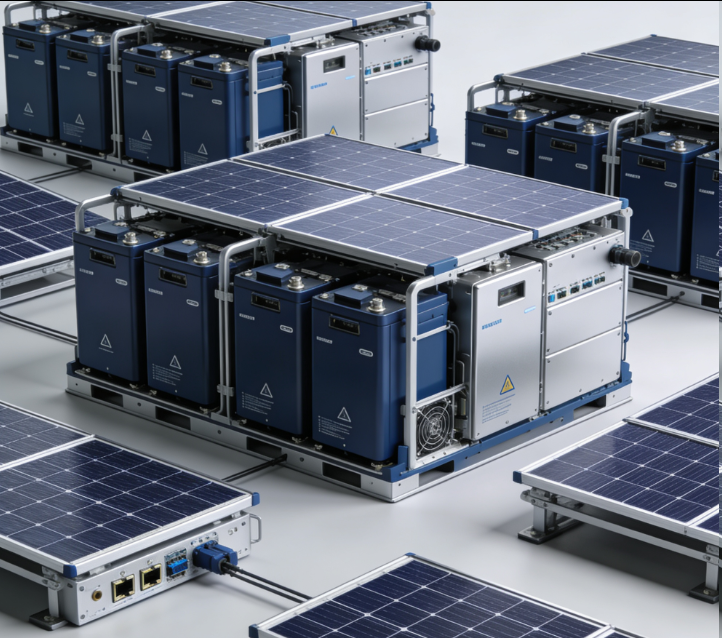
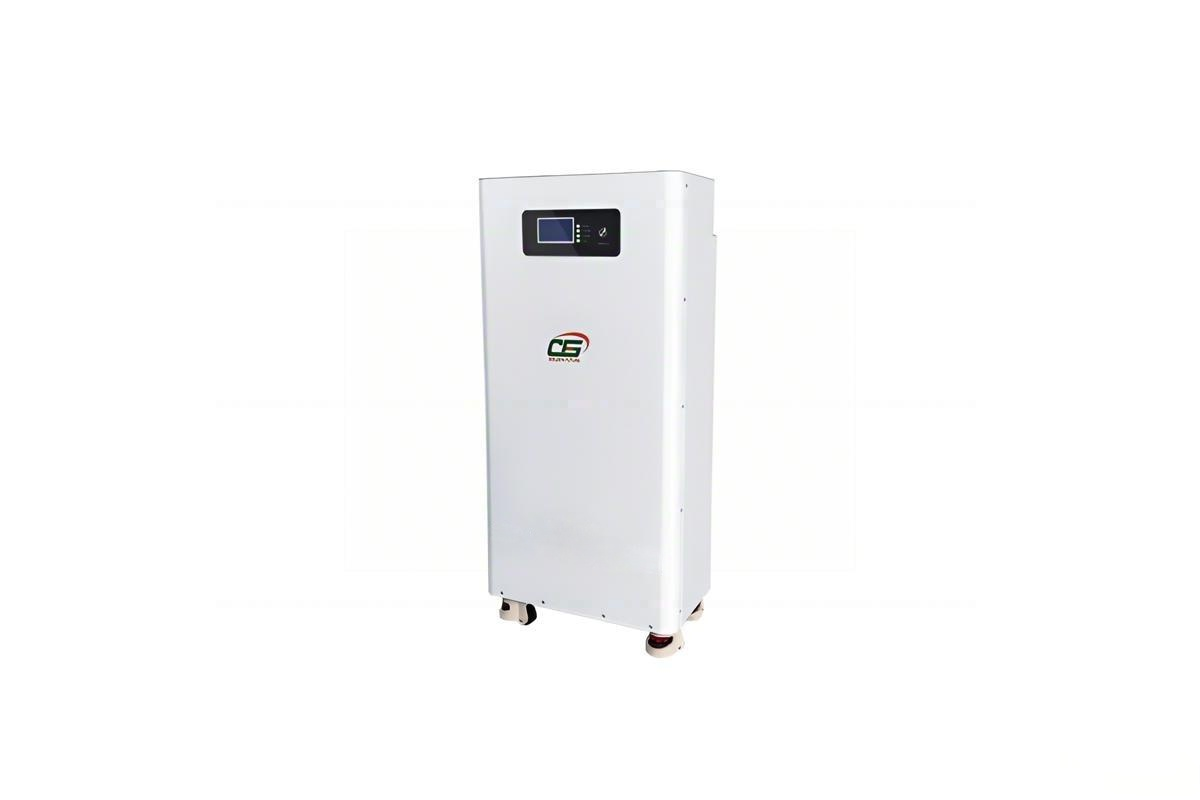
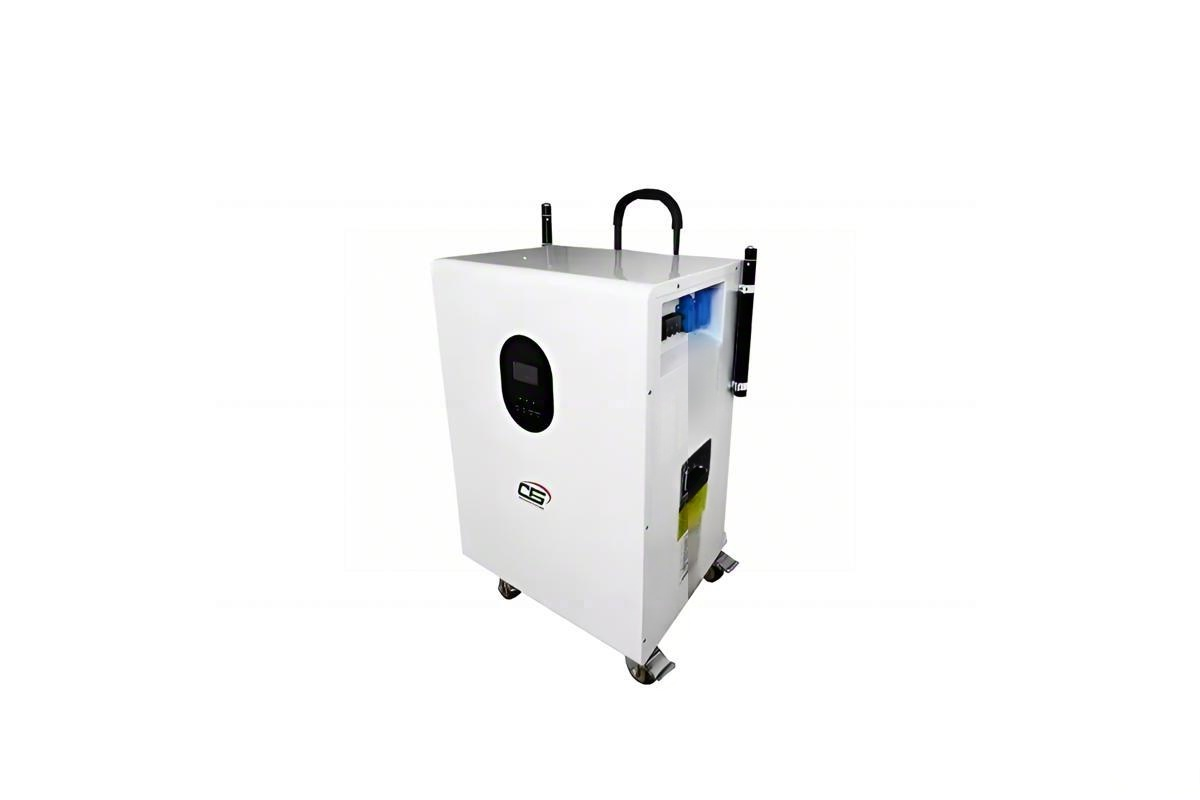
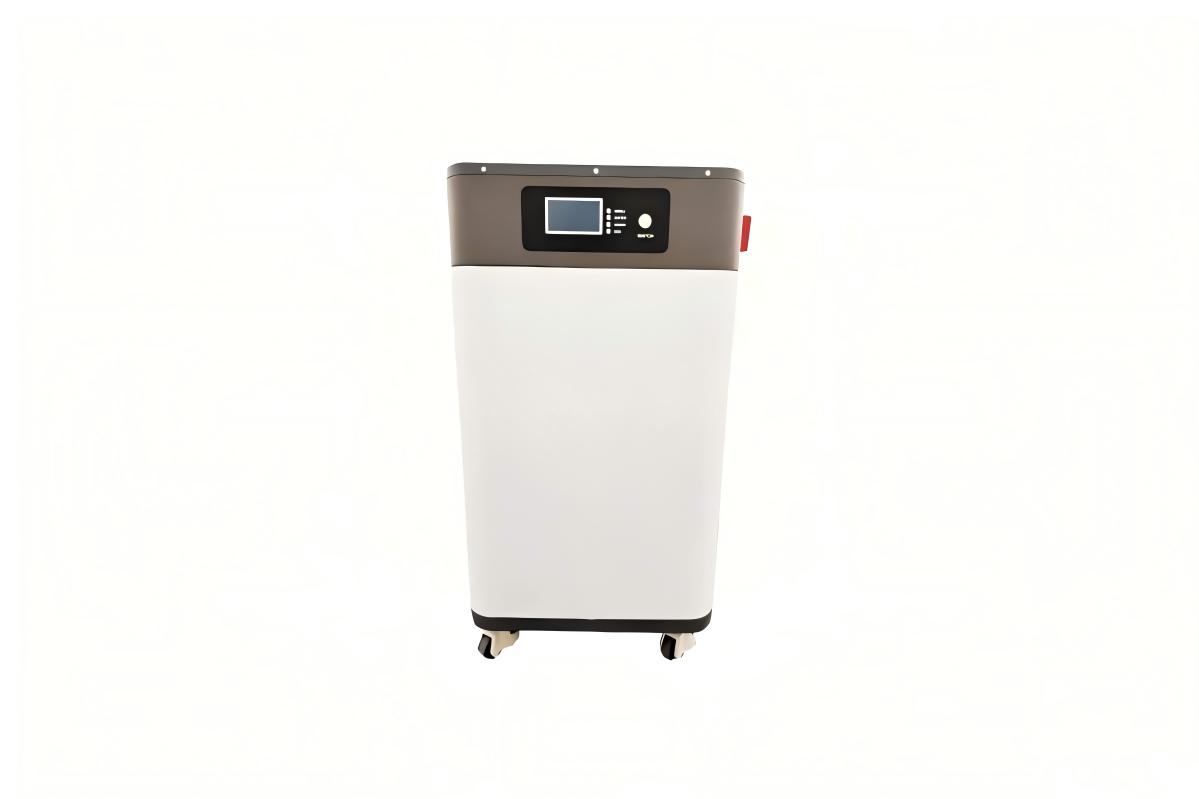
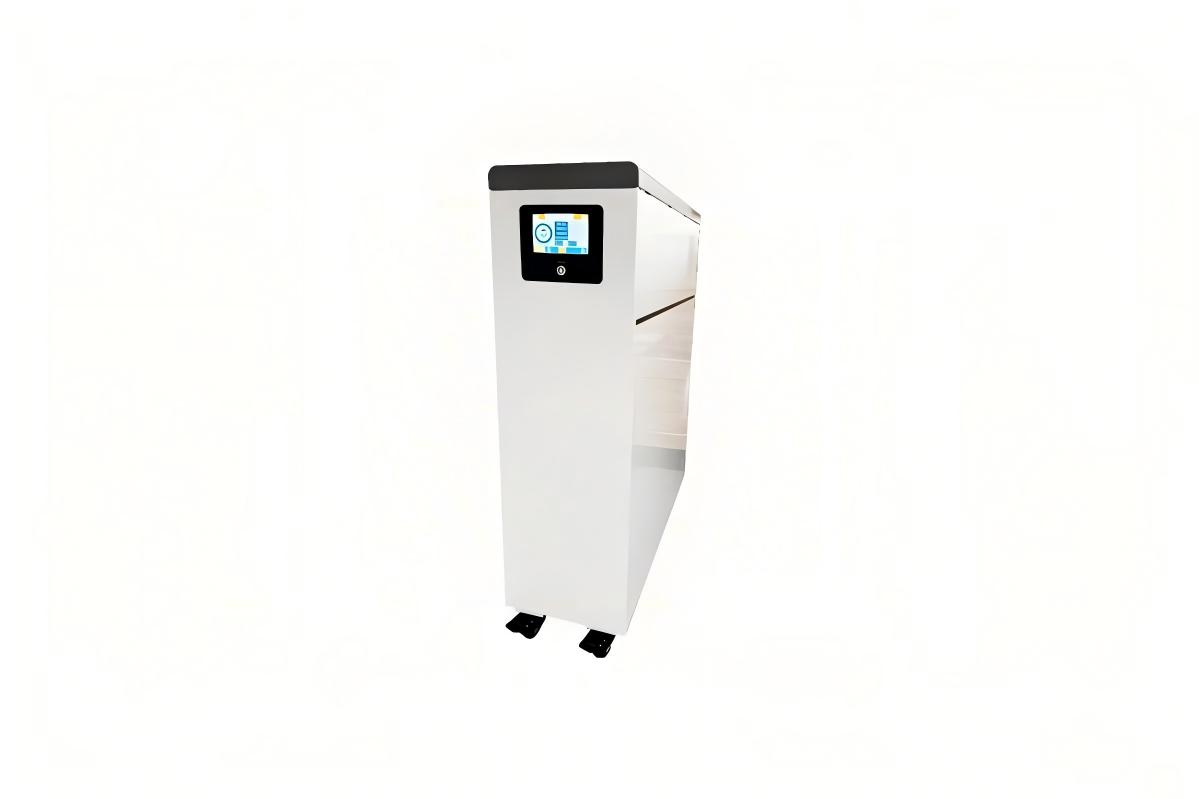
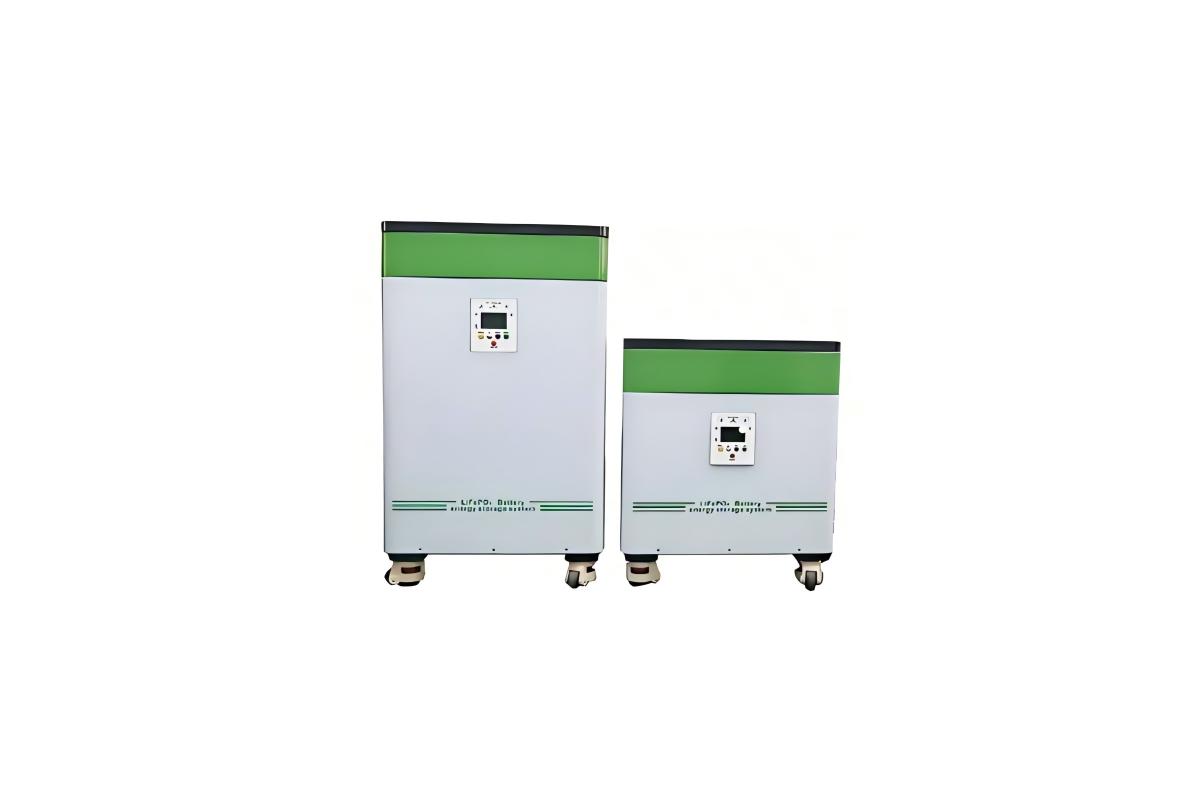
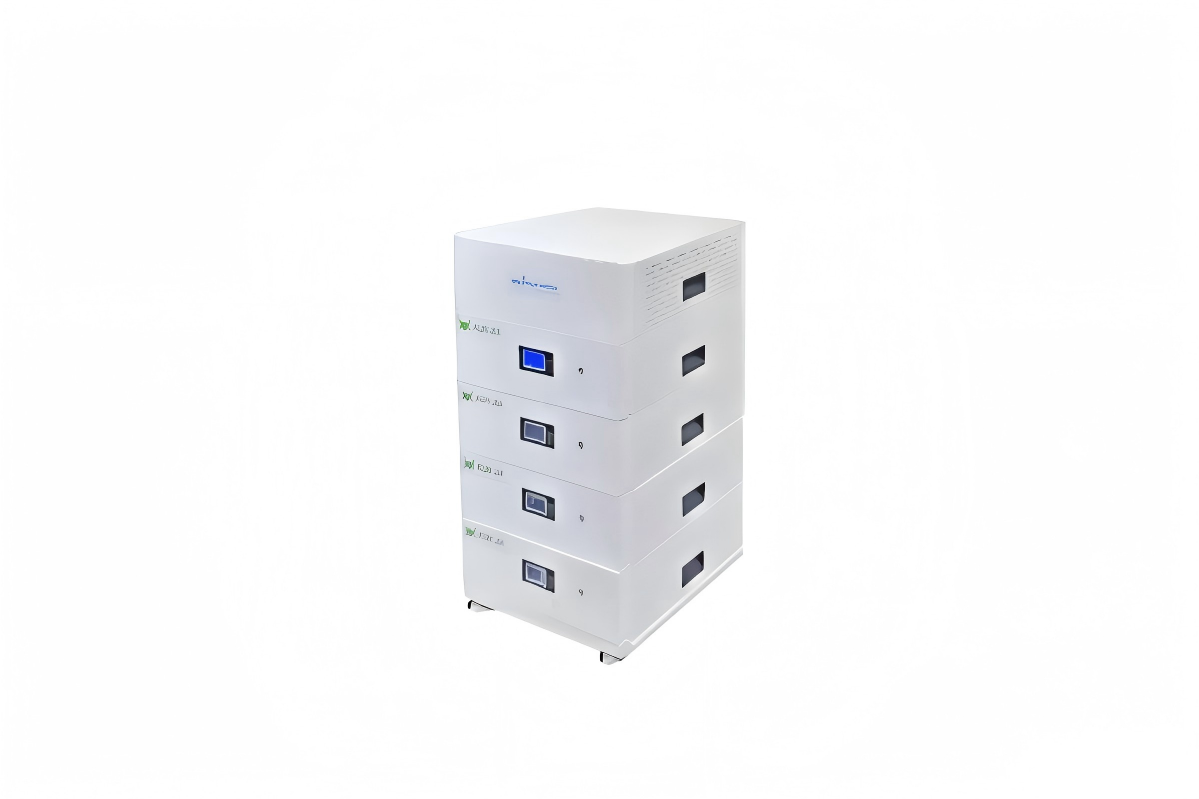
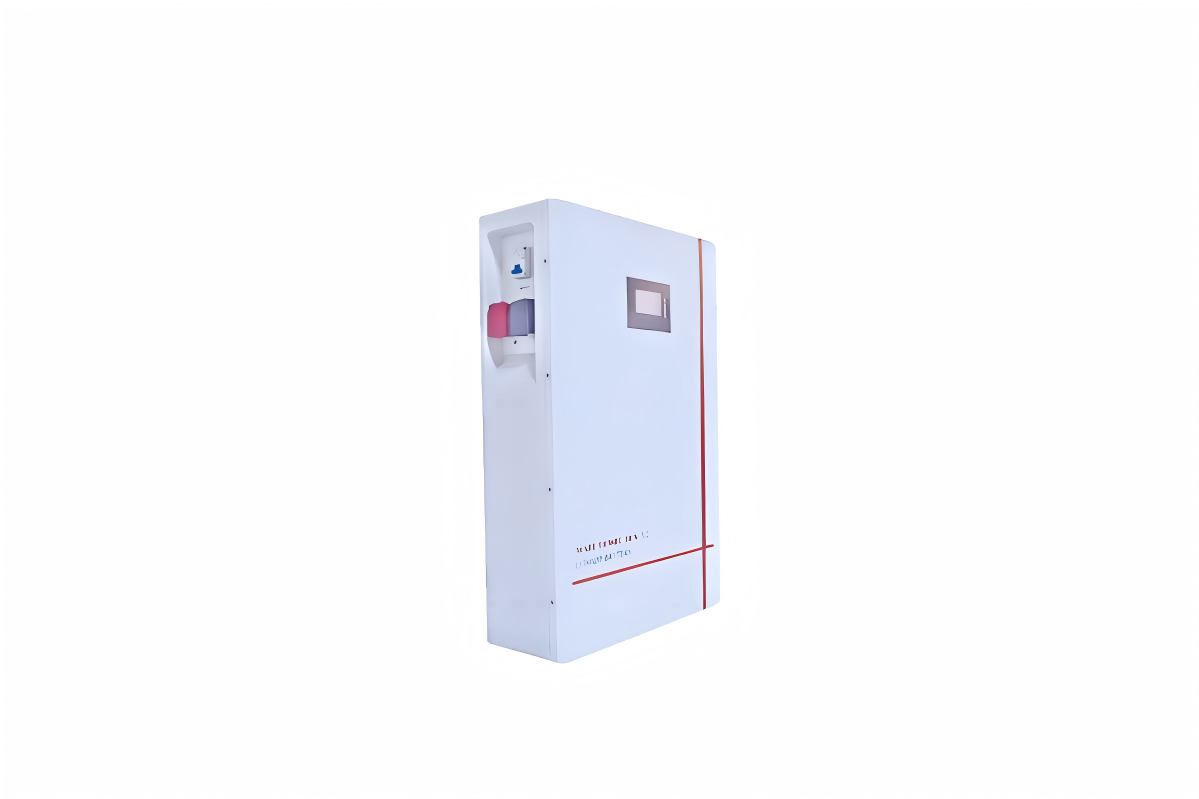
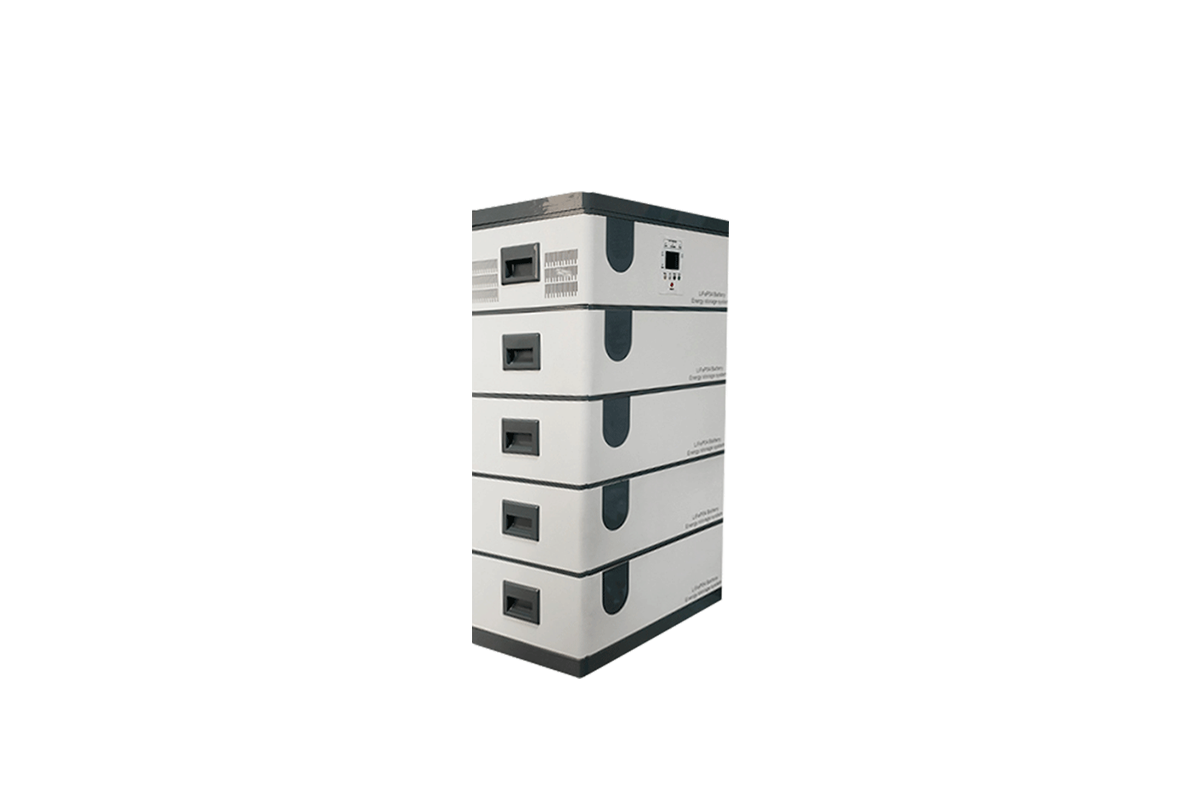
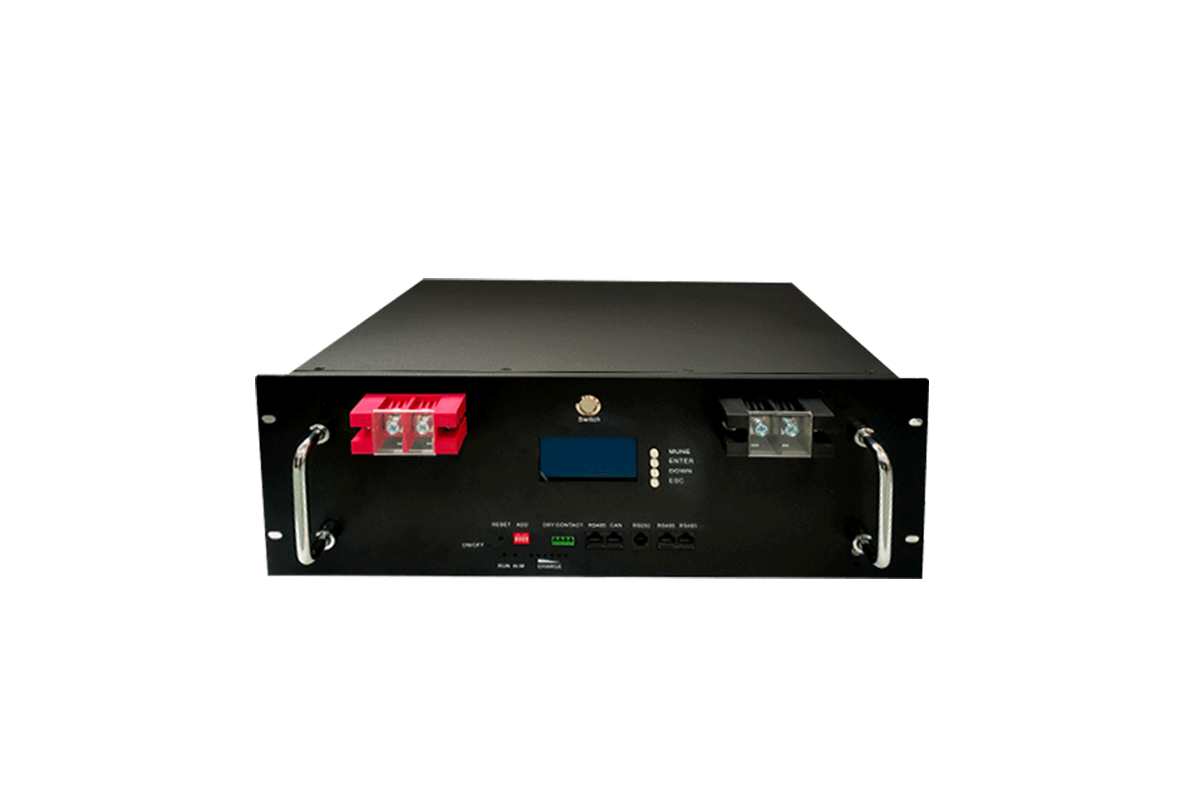
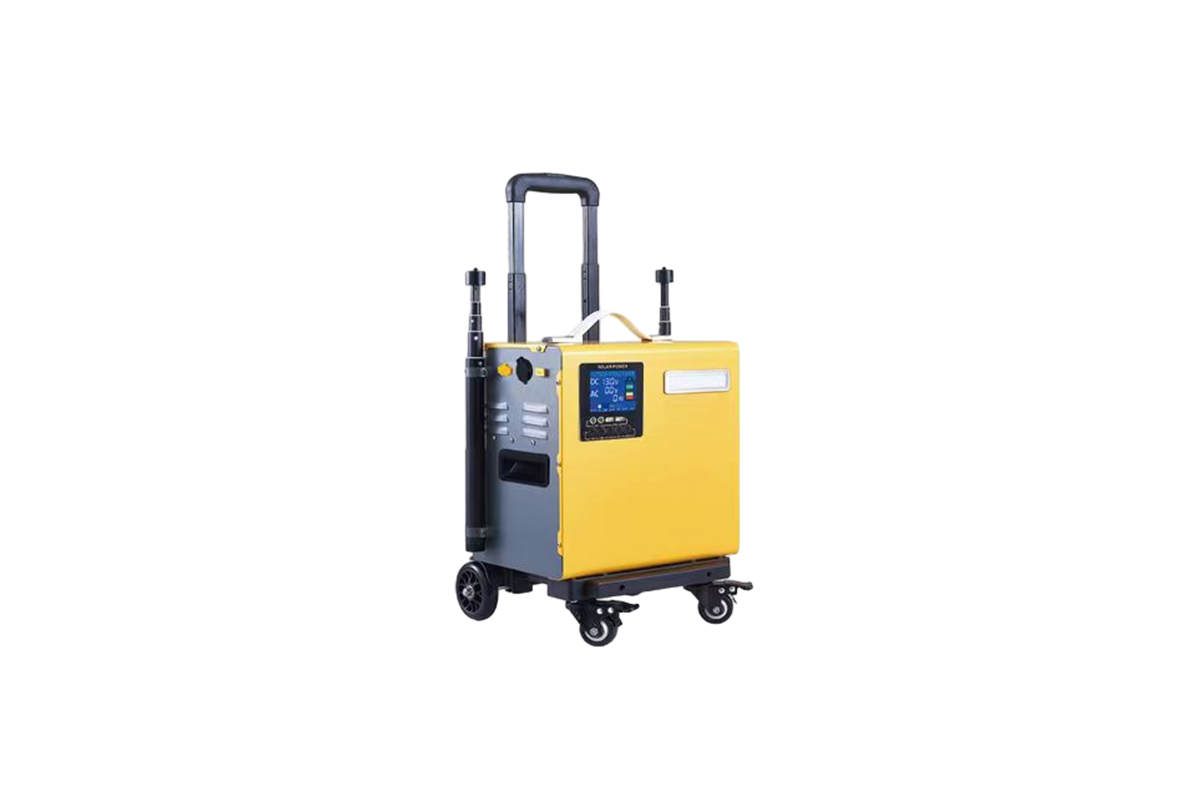
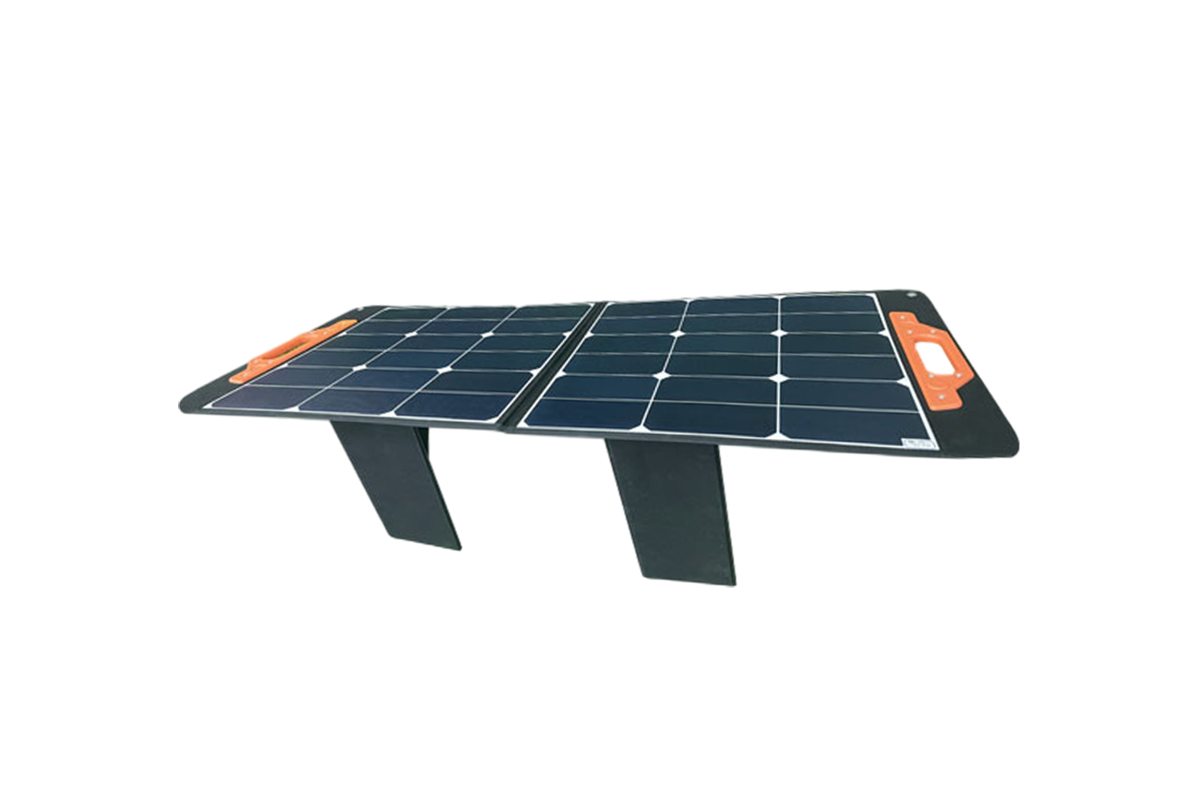
The Solar Photovoltaic (PV) Energy Storage Integrated System (often referred to as PV-ESS or Hybrid PV System) represents a cutting-edge approach to renewable energy, seamlessly combining solar power generation with on-site energy storage capabilities. This unified system transcends the limitations of traditional solar arrays, which can only supply electricity when the sun is shining. The integration primarily involves the PV panels, a Battery Energy Storage System (BESS), and an intelligent Hybrid Inverter or dual inverter setup, all managed by an Energy Management System (EMS).
The fundamental benefit of this integrated architecture is the ability to maximize self-consumption and enhance energy resilience. During peak solar production hours, when a home or business consumes less electricity than the panels generate, the surplus DC power is efficiently routed by the hybrid inverter to charge the BESS. This process, often utilizing a DC-coupled architecture, minimizes energy losses from multiple DC-to-AC conversions. When the sun sets or during cloudy periods, the stored energy is then discharged, converted to AC power by the inverter, and used to power the loads. This enables the consumer to achieve high degrees of energy independence, drastically reducing reliance on the utility grid, especially during periods of high Time-of-Use (TOU) rates. Furthermore, the system provides vital backup power (islanding capability) during grid outages, ensuring essential loads remain operational. The intelligent EMS constantly monitors generation, consumption, battery state-of-charge, and grid pricing to optimize energy flow, making the PV-ESS an indispensable tool for advanced, sustainable, and reliable energy management.




 59911926@qq.com/sales@goldenfuturehk.com
 13316809242 / 15816897019
 Inquiry
 Home >