





Time:2026-05-16 Views:60
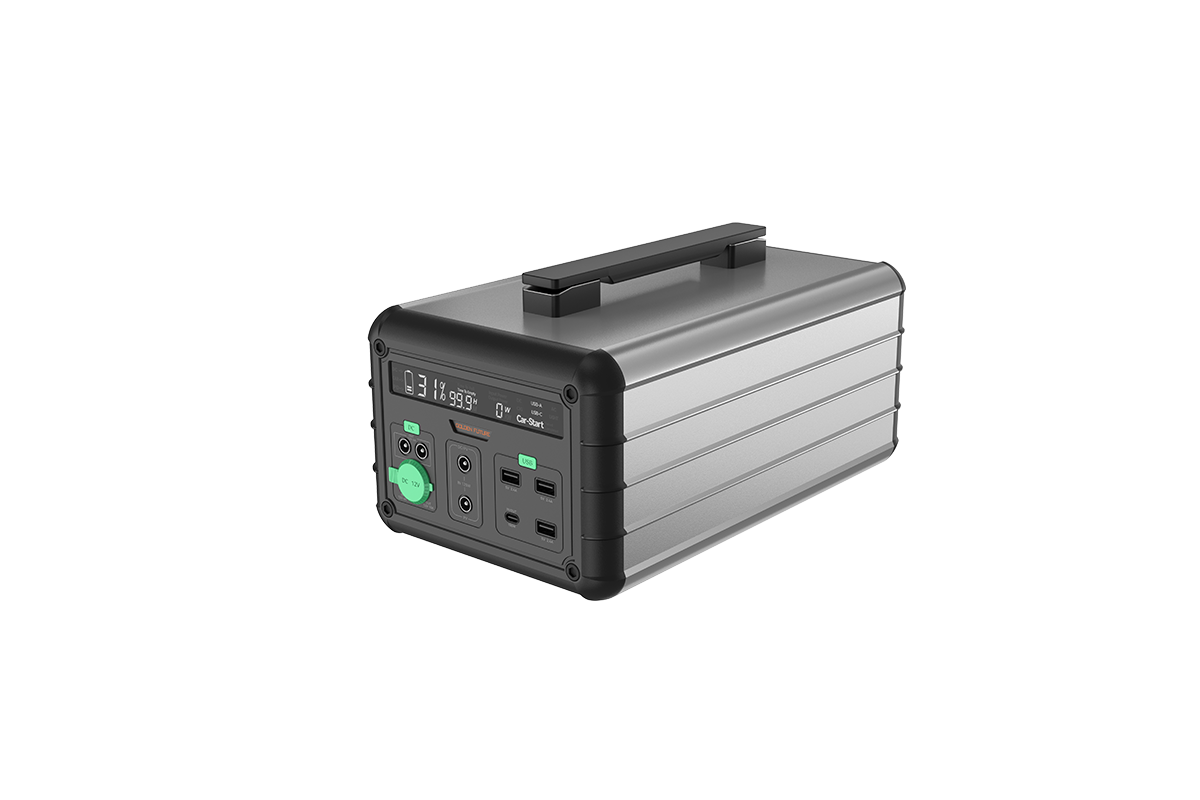
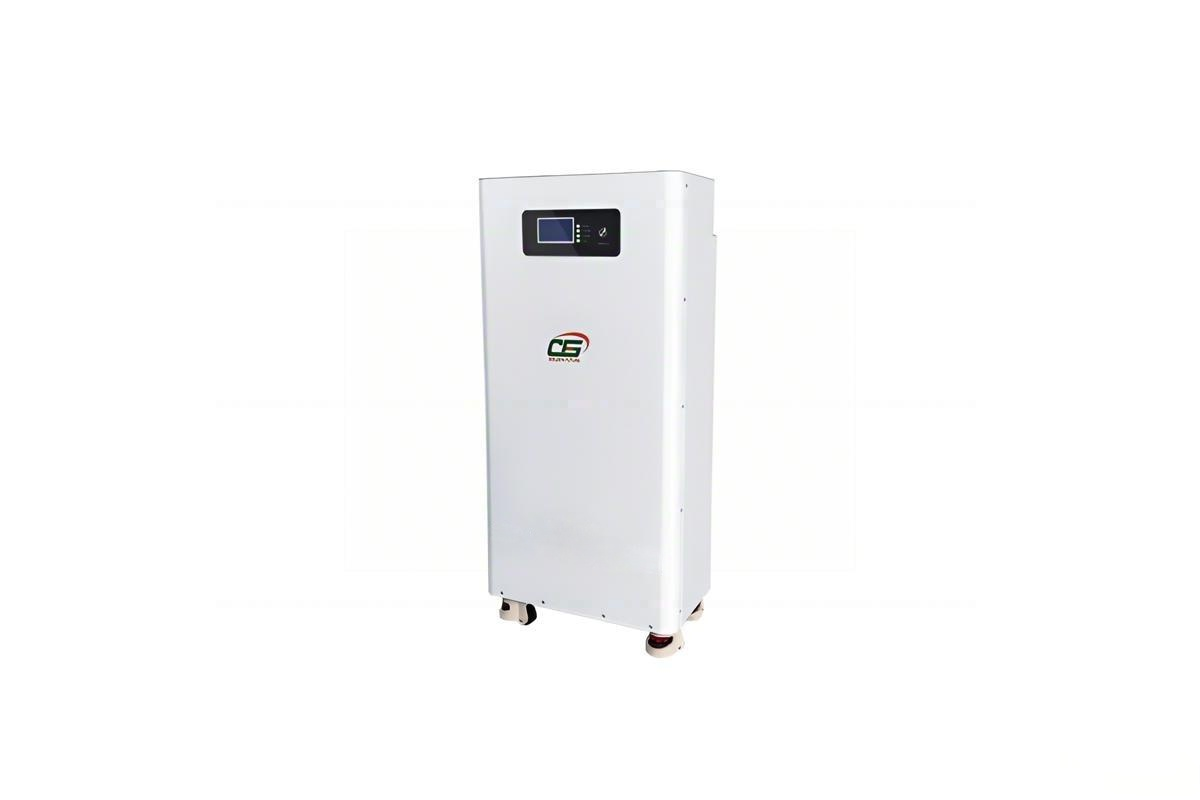
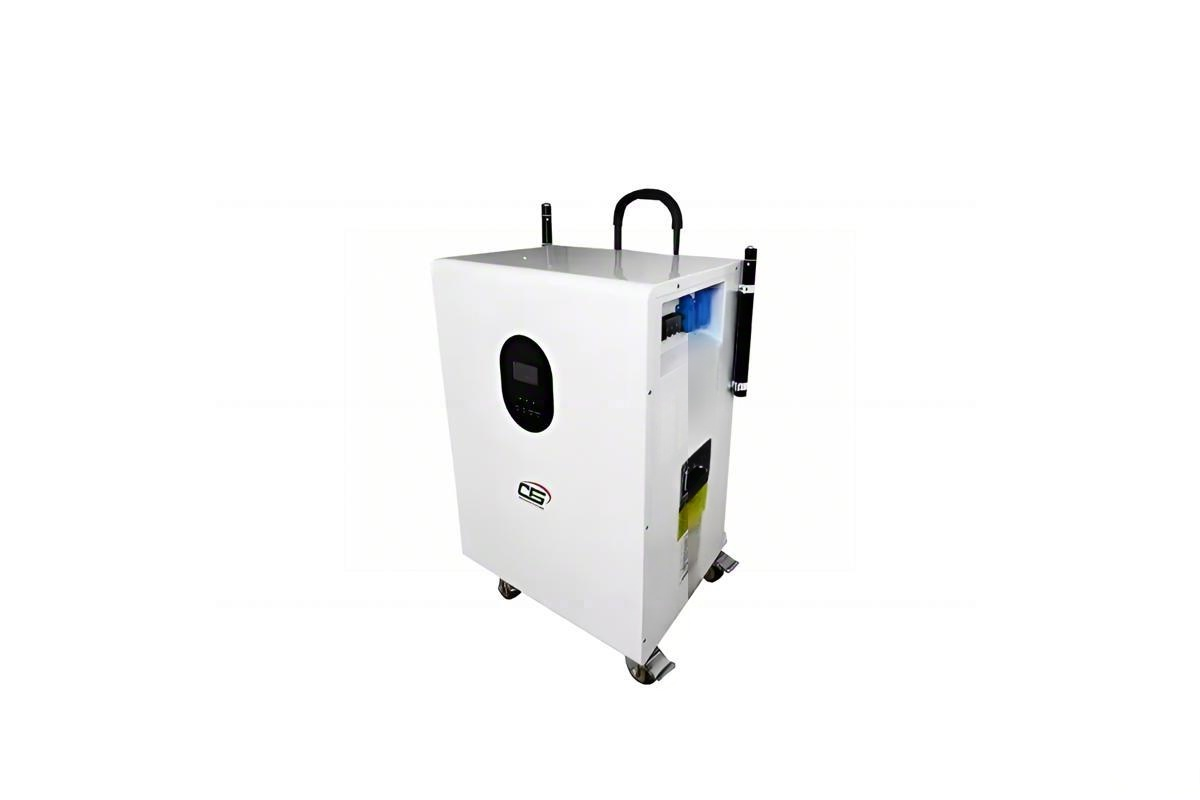
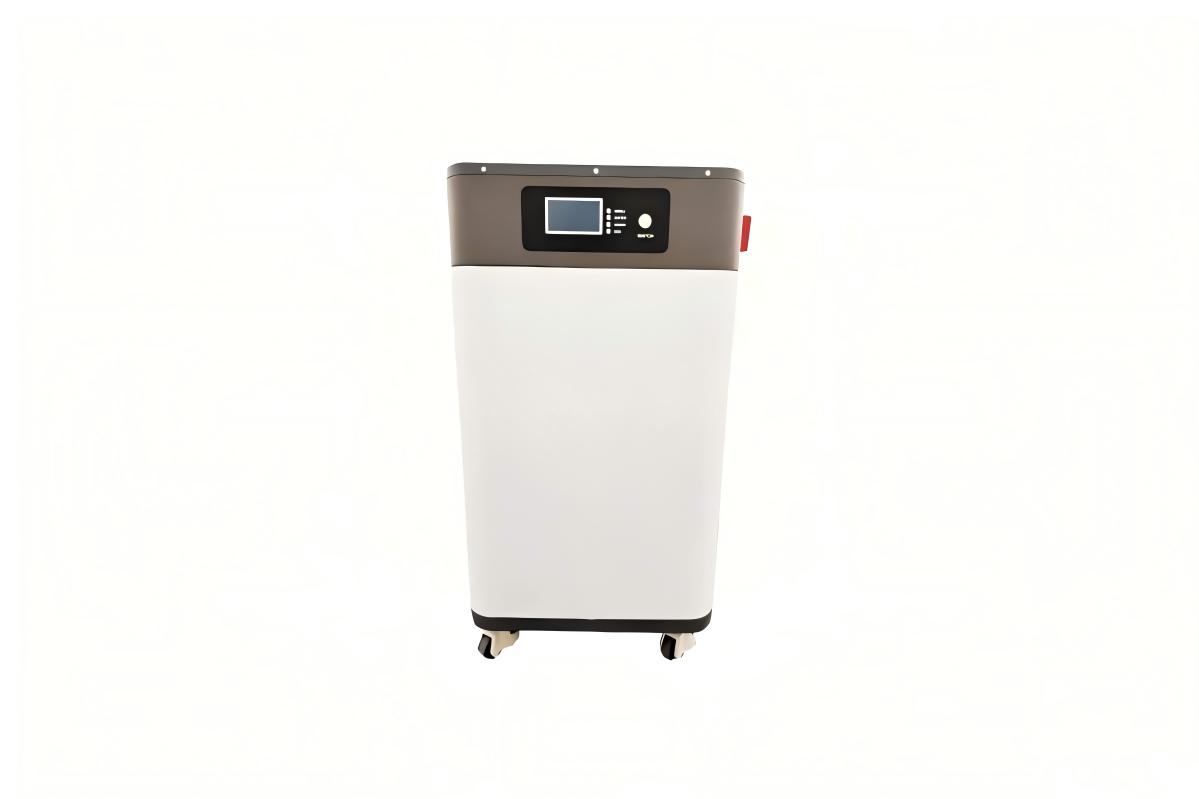
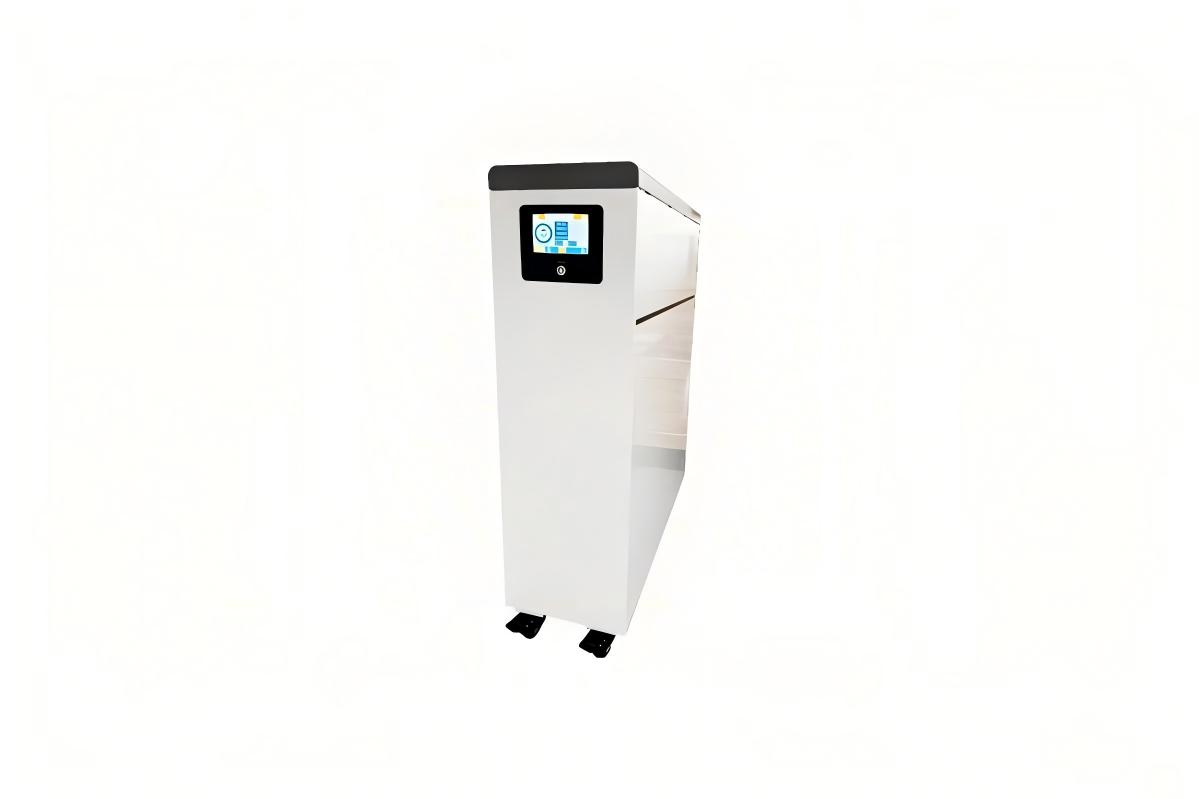
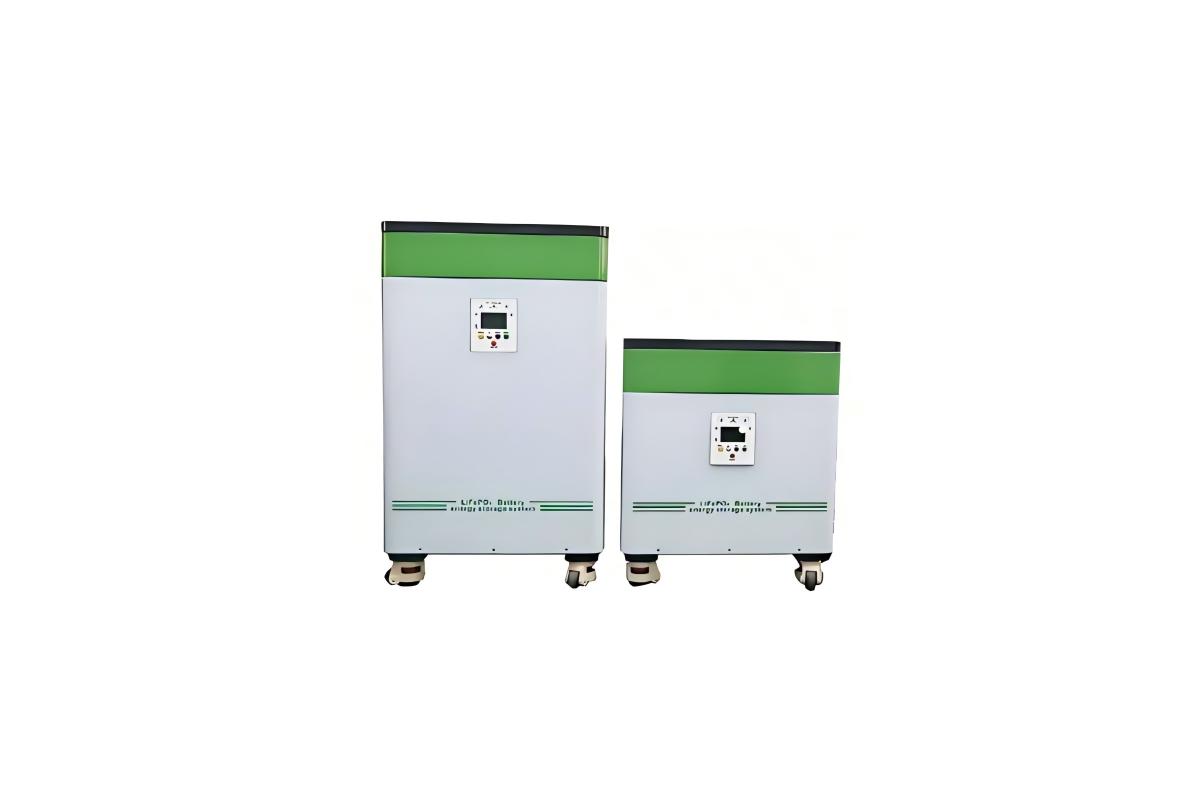
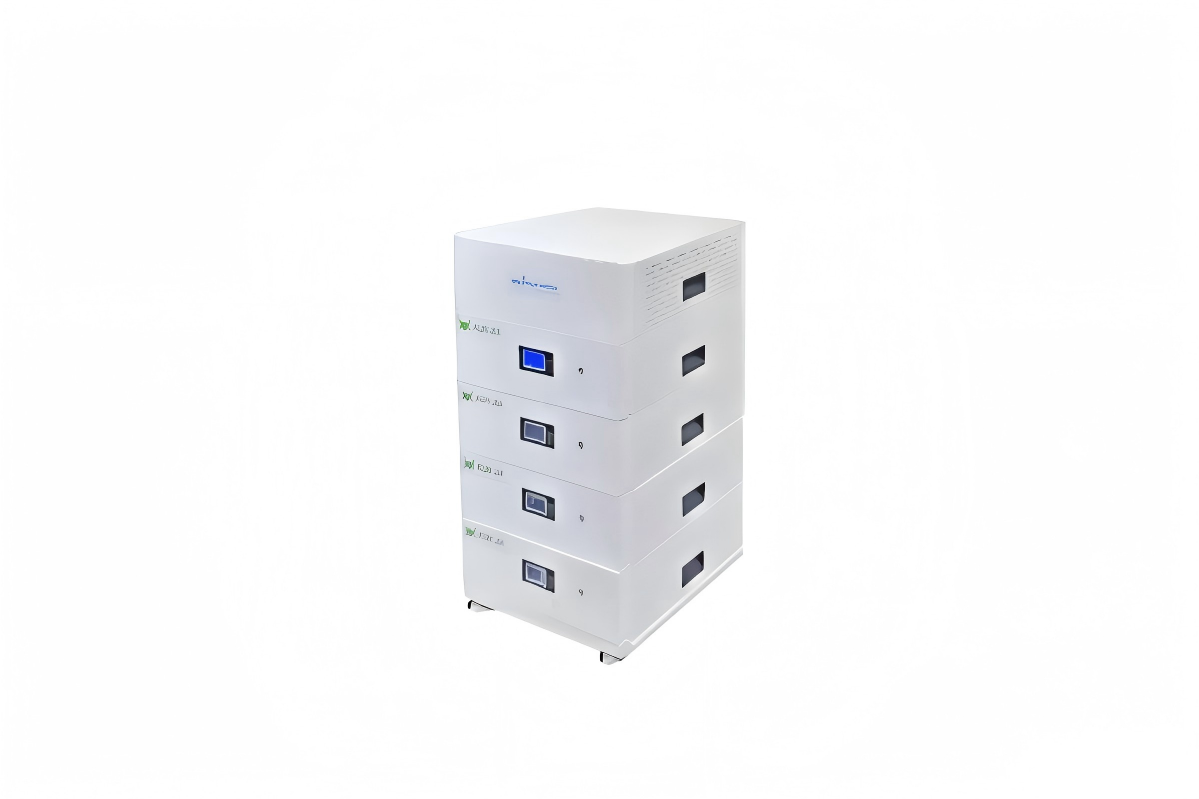
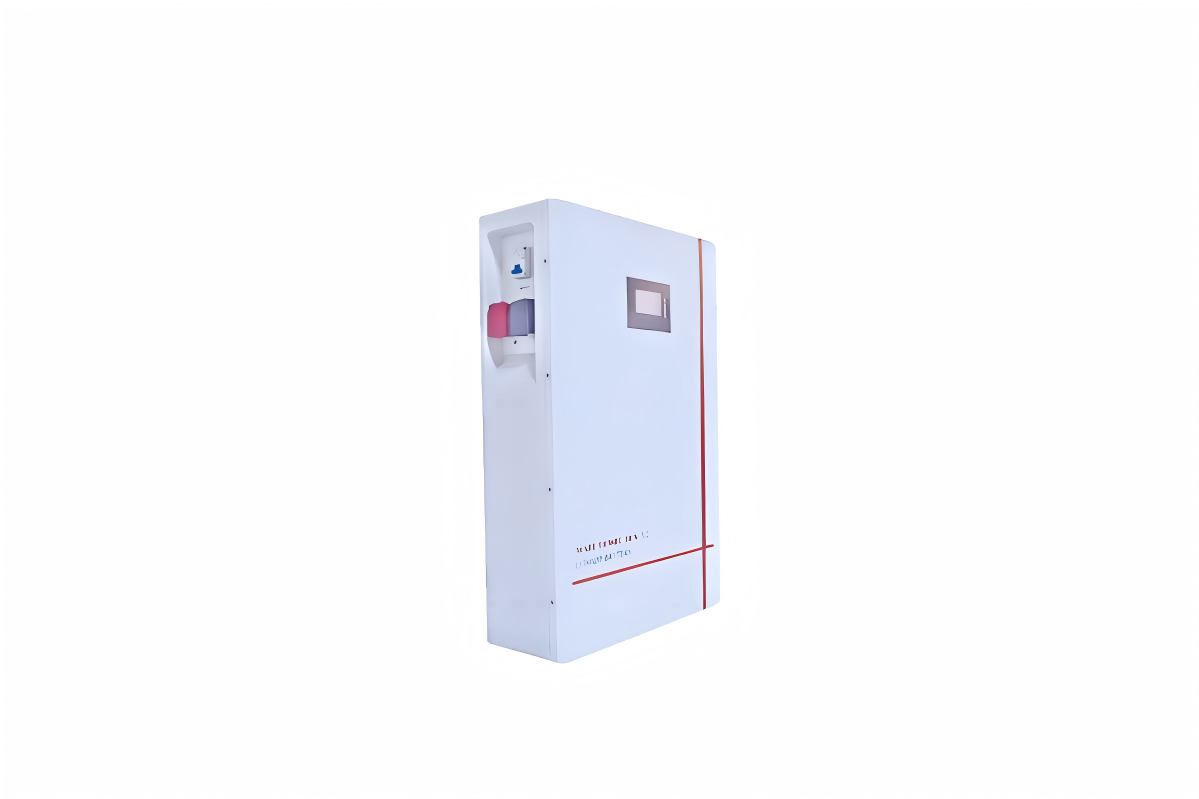
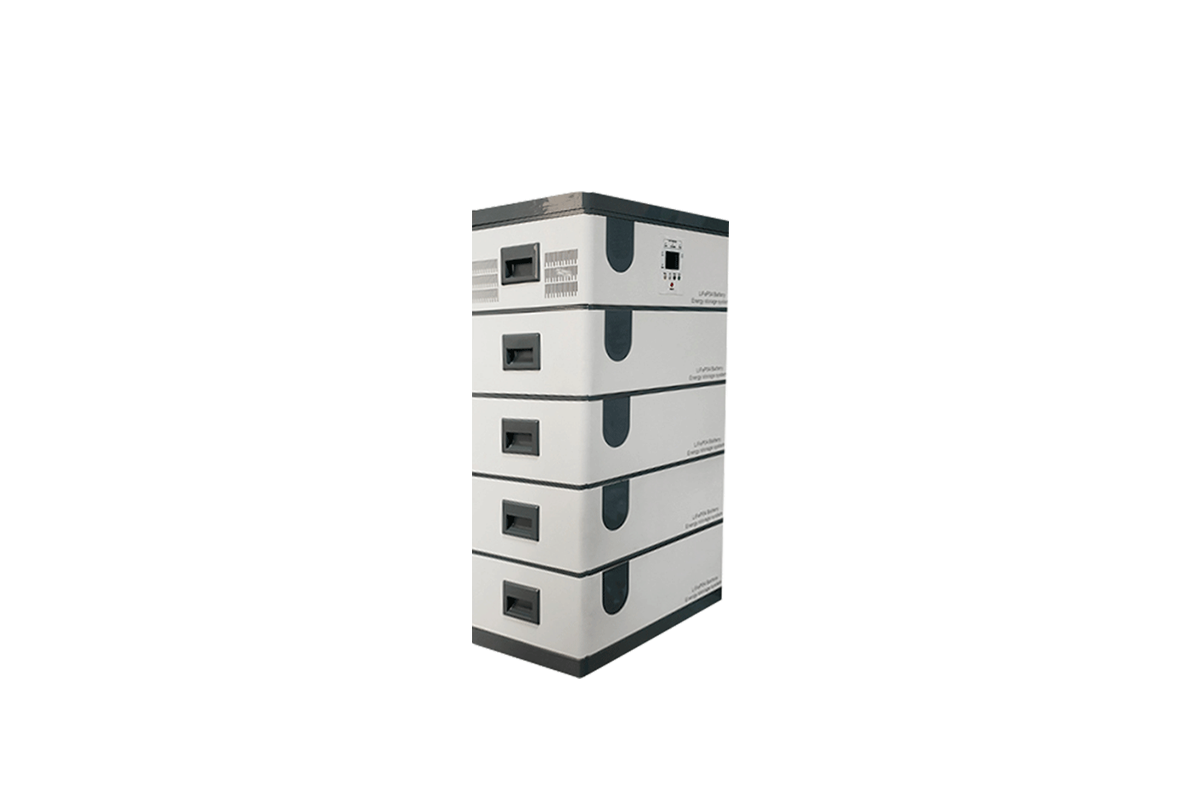
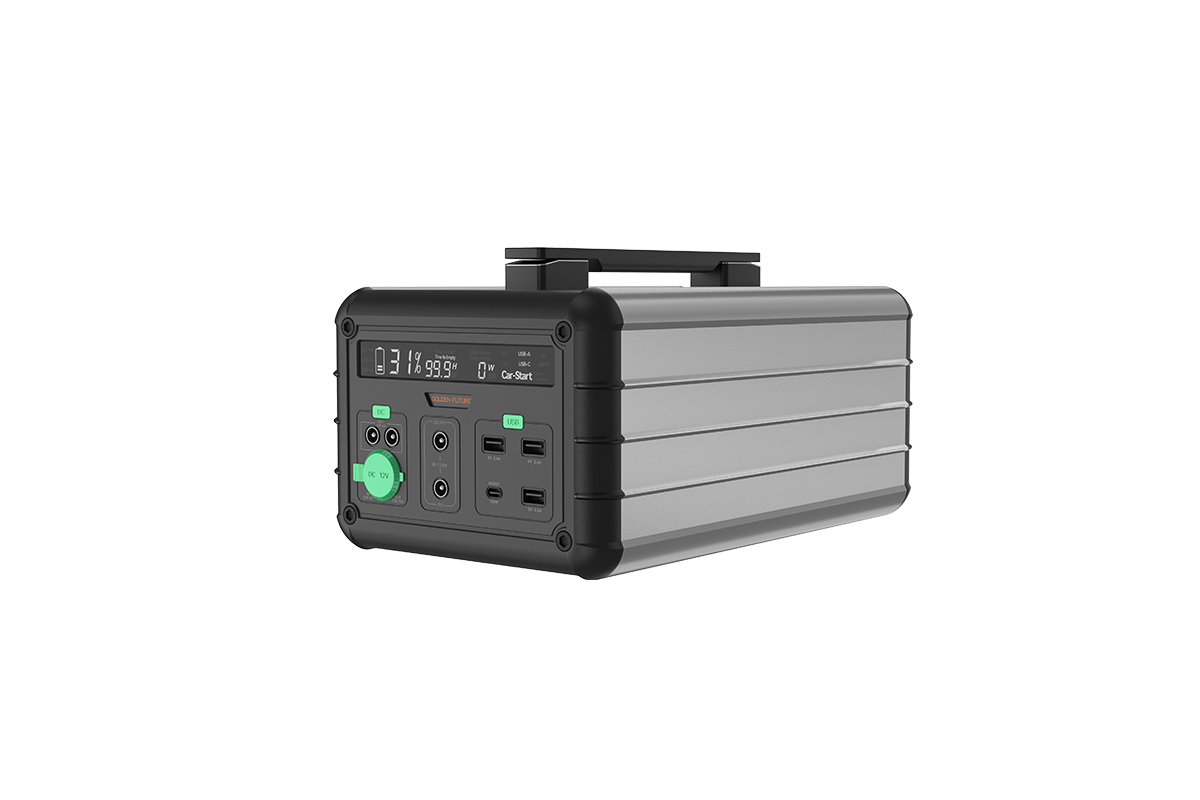
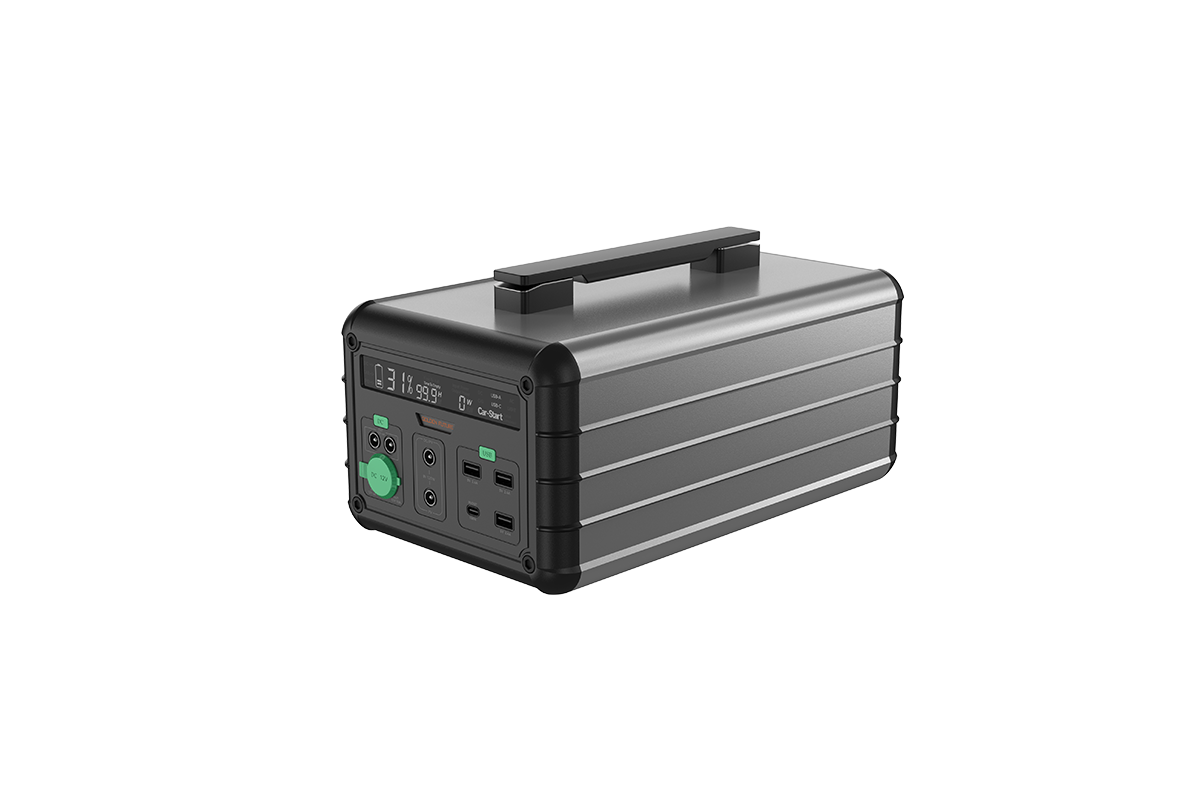
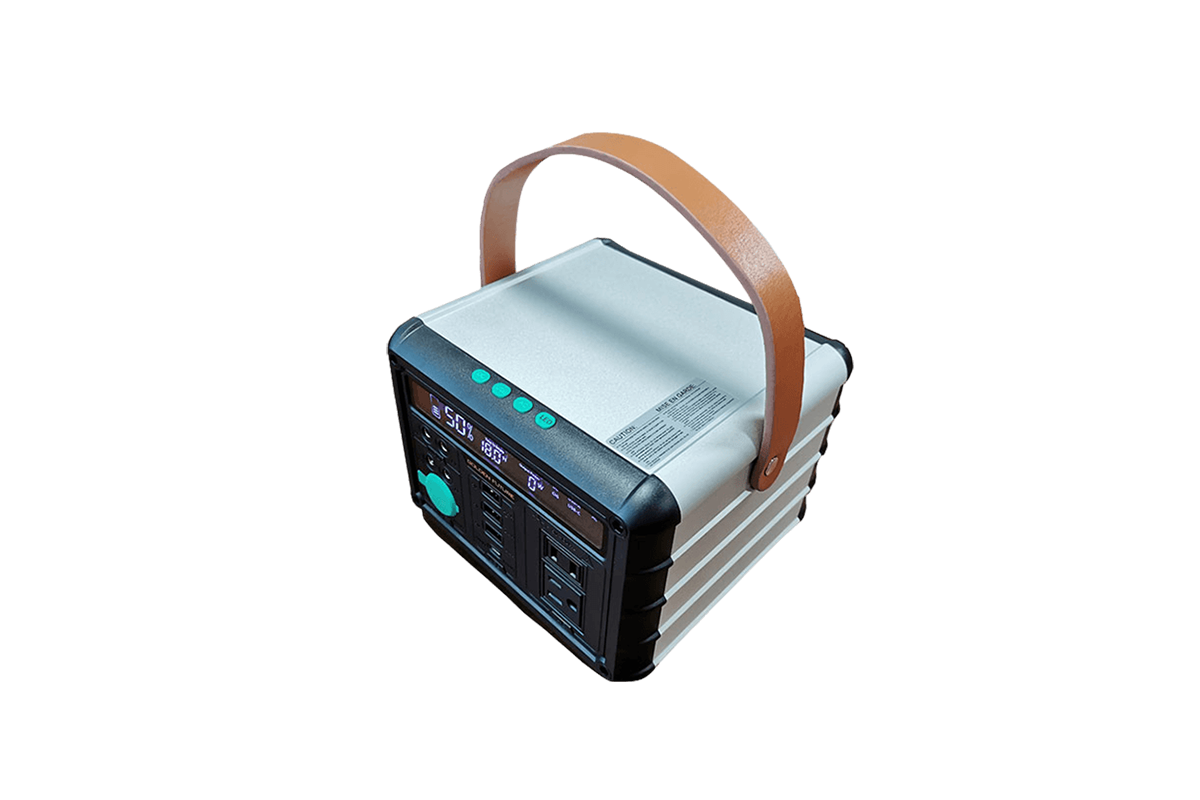
Selecting small-scale energy storage integrated equipment (typically below 100kW) requires a systematic approach that balances technical performance, application scenarios, cost-effectiveness, and long-term reliability. Unlike large-scale energy storage systems, small-scale integrated equipment is often deployed in residential, small commercial, or off-grid scenarios such as rural areas, small workshops, and communication base stations, where space is limited, installation conditions are relatively simple, and operational convenience is a key priority. The core of equipment selection lies in matching the system’s capacity, power rating, and functional features with the actual load demand and application environment, while ensuring compliance with relevant technical standards and safety requirements. In addition, factors such as battery life, maintenance costs, and after-sales support should also be taken into account to avoid excessive investment in equipment that fails to meet practical needs or lacks long-term operational stability.
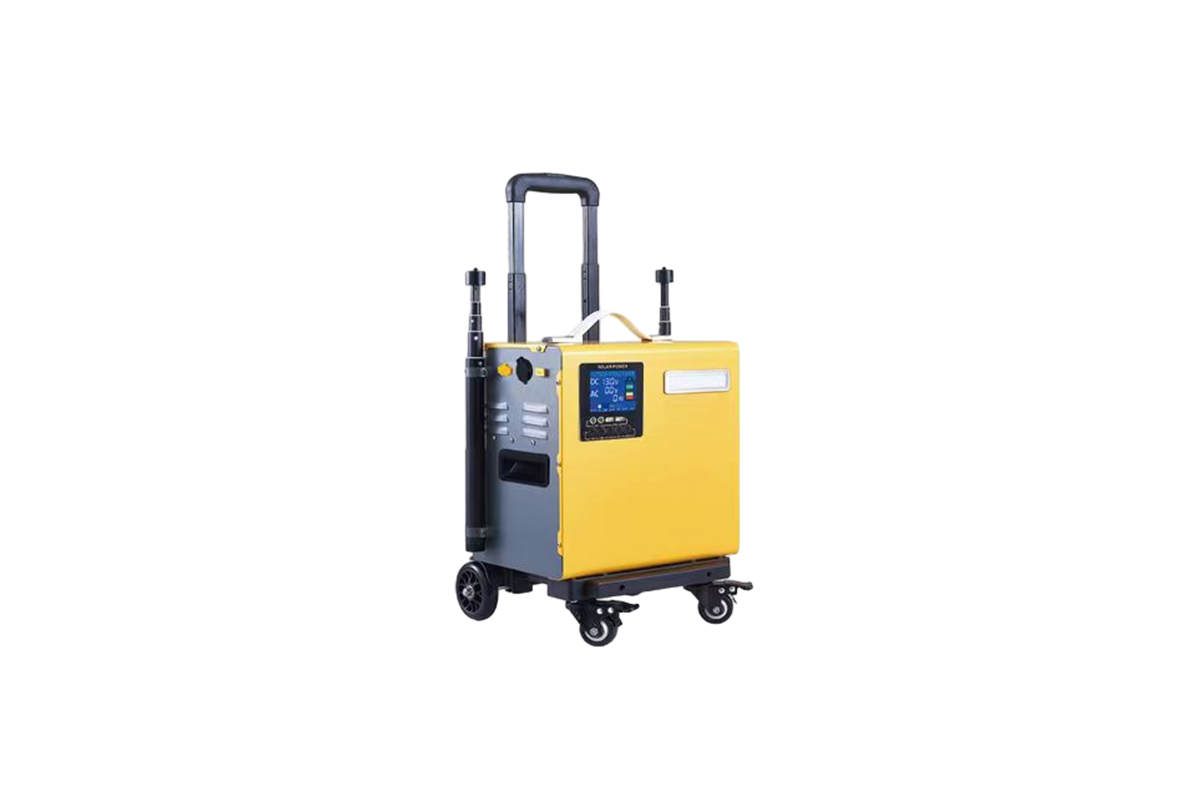
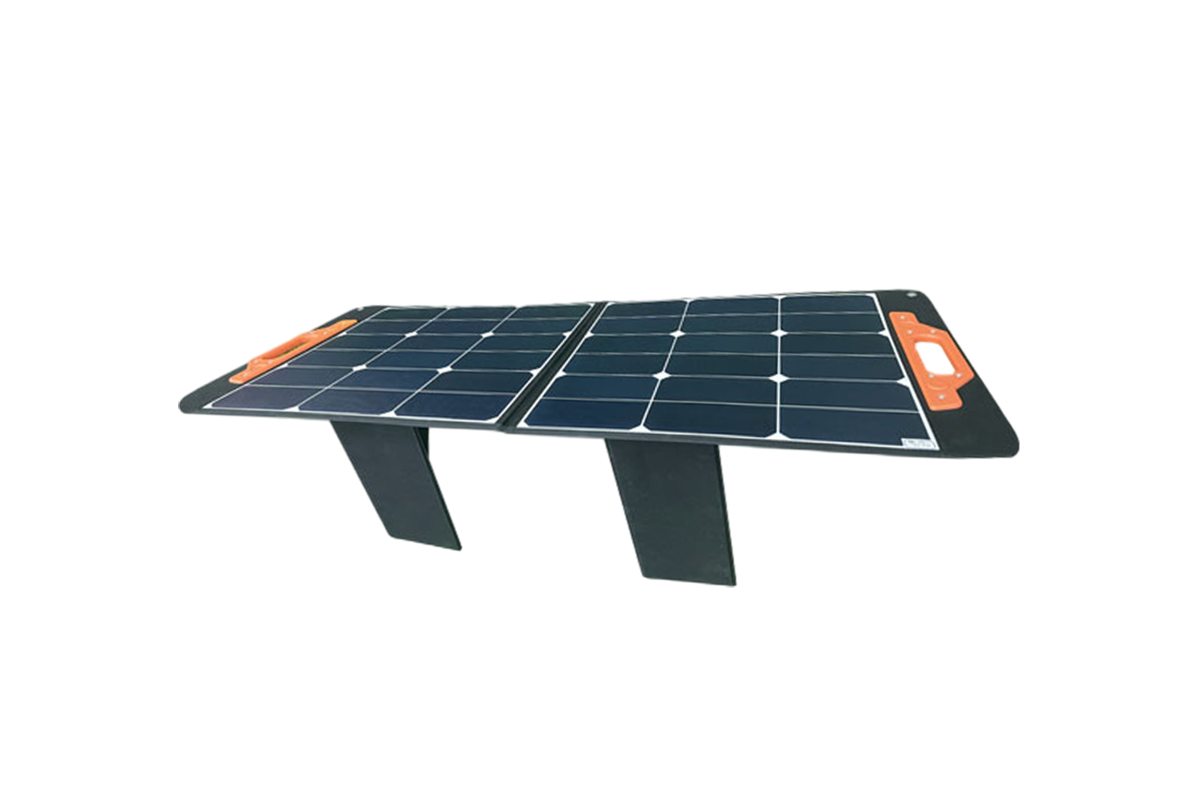
The first key factor in equipment selection is the determination of capacity and power rating, which should be based on a detailed analysis of the load characteristics. For residential scenarios, the daily power consumption of the household, the output of matching photovoltaic (PV) systems (if any), and the backup power demand during grid outages should be comprehensively considered. Common small-scale integrated equipment for residential use has a power rating of 3kW–10kW and a capacity of 5kWh–20kWh, which can meet the basic electricity needs of a family and provide backup power for 2–8 hours. For small commercial scenarios such as small shops and offices, the power rating is usually 10kW–30kW, with a capacity of 20kWh–50kWh, to cope with the relatively higher load demand and realize peak-shaving and valley-filling to reduce electricity costs. For off-grid scenarios such as remote rural areas and communication base stations, equipment with strong environmental adaptability and stable off-grid operation capabilities should be preferred, with a power rating of 30kW–60kW and a capacity that can meet continuous power supply for 24 hours or more depending on the load.
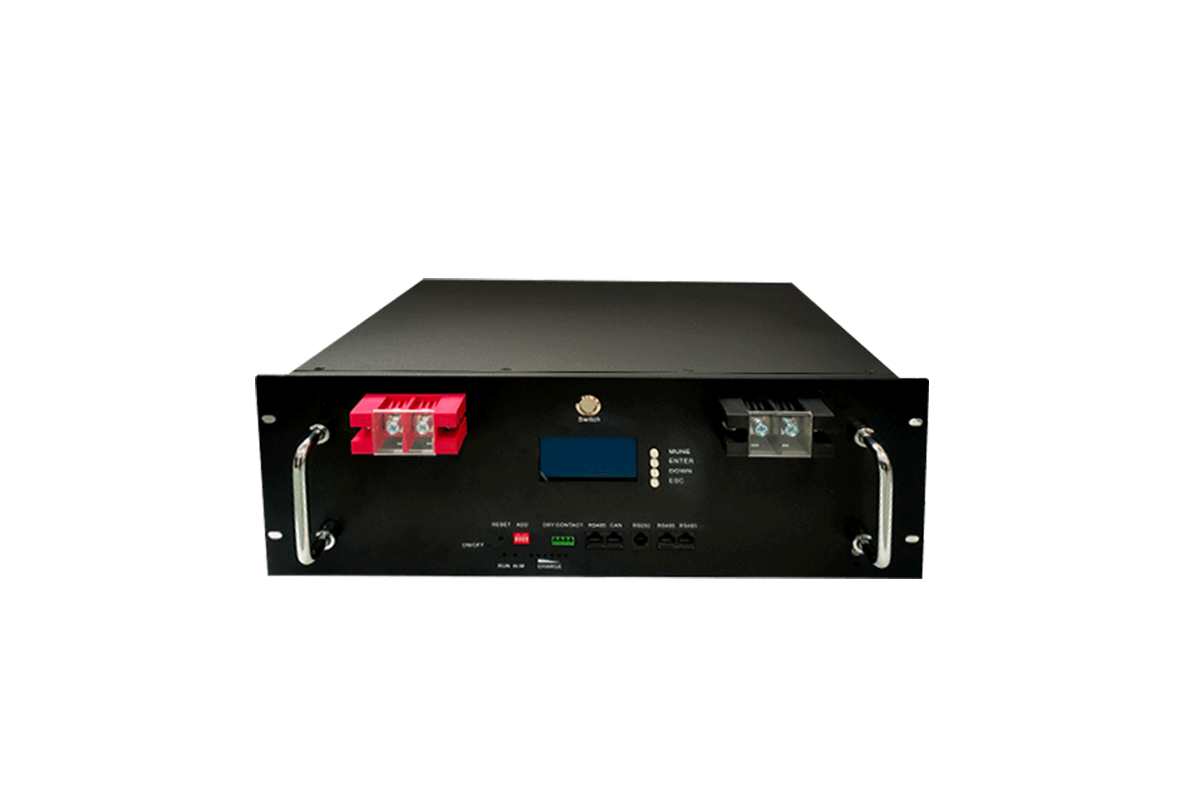
Another critical consideration is the selection of core components, including batteries, bidirectional inverters (or hybrid inverters), and battery management systems (BMS). Lithium-ion batteries are the mainstream choice for small-scale integrated equipment due to their high energy density, long cycle life, and low self-discharge rate, among which lithium iron phosphate (LiFePO4) batteries are more recommended for their superior safety and stability, with a cycle life of more than 6,000 cycles at 80% depth of discharge (DOD) . The hybrid inverter, as the core energy conversion component, should have both PV power conversion and battery charging/discharging functions, and be compatible with grid-tied and off-grid operation modes. It is necessary to ensure that the inverter’s AC output power matches the load and grid capacity, and that it supports functions such as anti-islanding protection and power export control . The BMS is responsible for monitoring the battery’s state of charge (SOC), state of health (SOH), voltage, and temperature, and should have overcharge, over-discharge, and over-temperature protection functions to extend the battery’s service life and ensure system safety. In addition, the integration level of the equipment should be considered; high-integration all-in-one equipment can reduce installation complexity and save space, which is more suitable for small-scale scenarios.
Finally, cost-effectiveness and after-sales support are important factors that cannot be ignored. While pursuing technical performance, it is necessary to balance the initial investment and long-term operation costs. For example, although the initial cost of LiFePO4 batteries is slightly higher than that of other lithium-ion batteries, their longer service life and lower maintenance costs can bring better economic benefits in the long run. At the same time, it is necessary to choose equipment suppliers with perfect after-sales service, who can provide timely technical support, maintenance services, and spare parts supply, to avoid system downtime caused by equipment failures and affect normal use. In addition, compliance with relevant certifications such as IEC 62619 for batteries and IEC 62109 for inverters should also be confirmed to ensure the equipment’s quality and safety .




 59911926@qq.com/sales@goldenfuturehk.com
 13316809242 / 15816897019
 Inquiry
 Home >