





Time:2026-06-30 Views:203
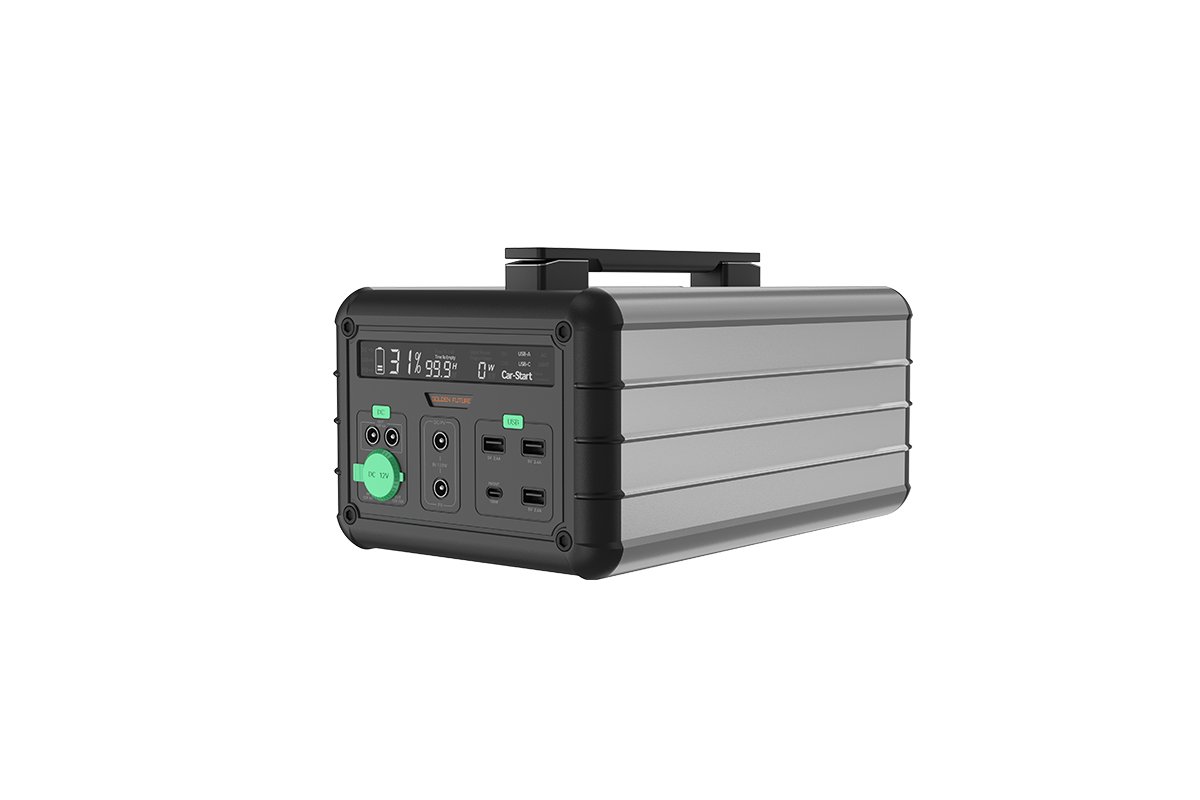
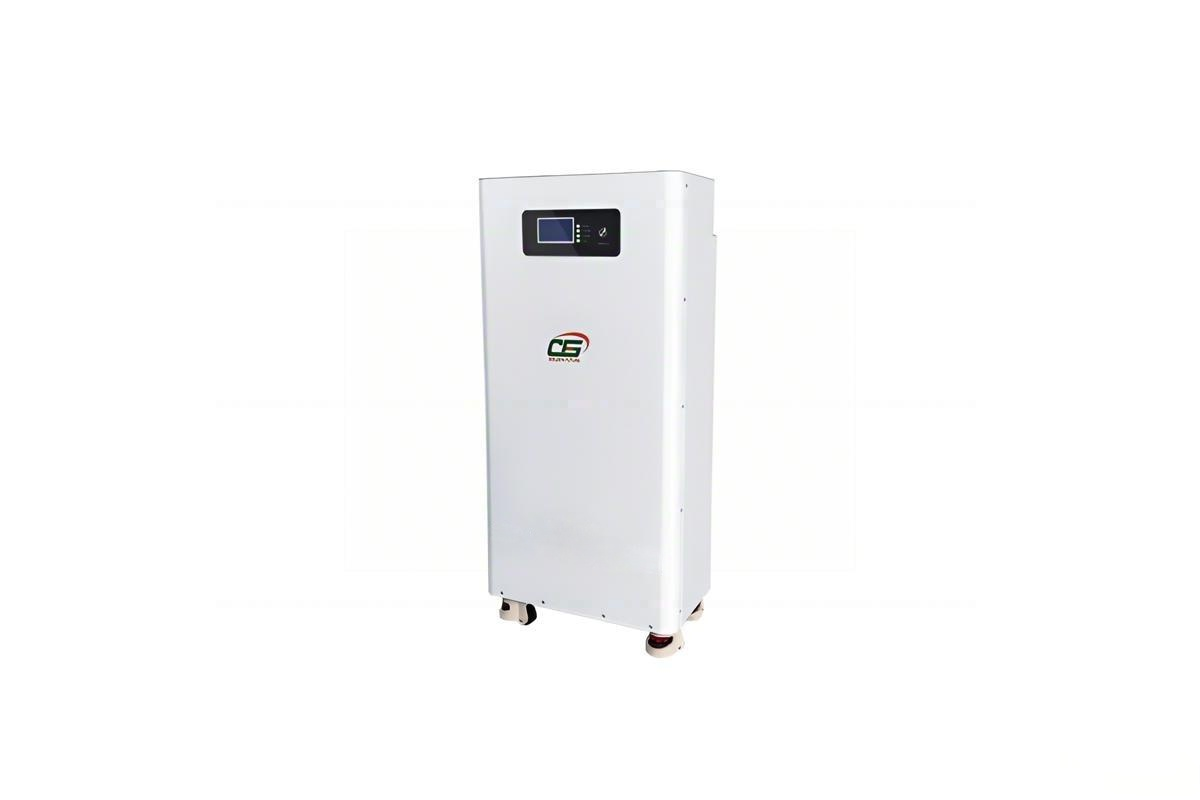
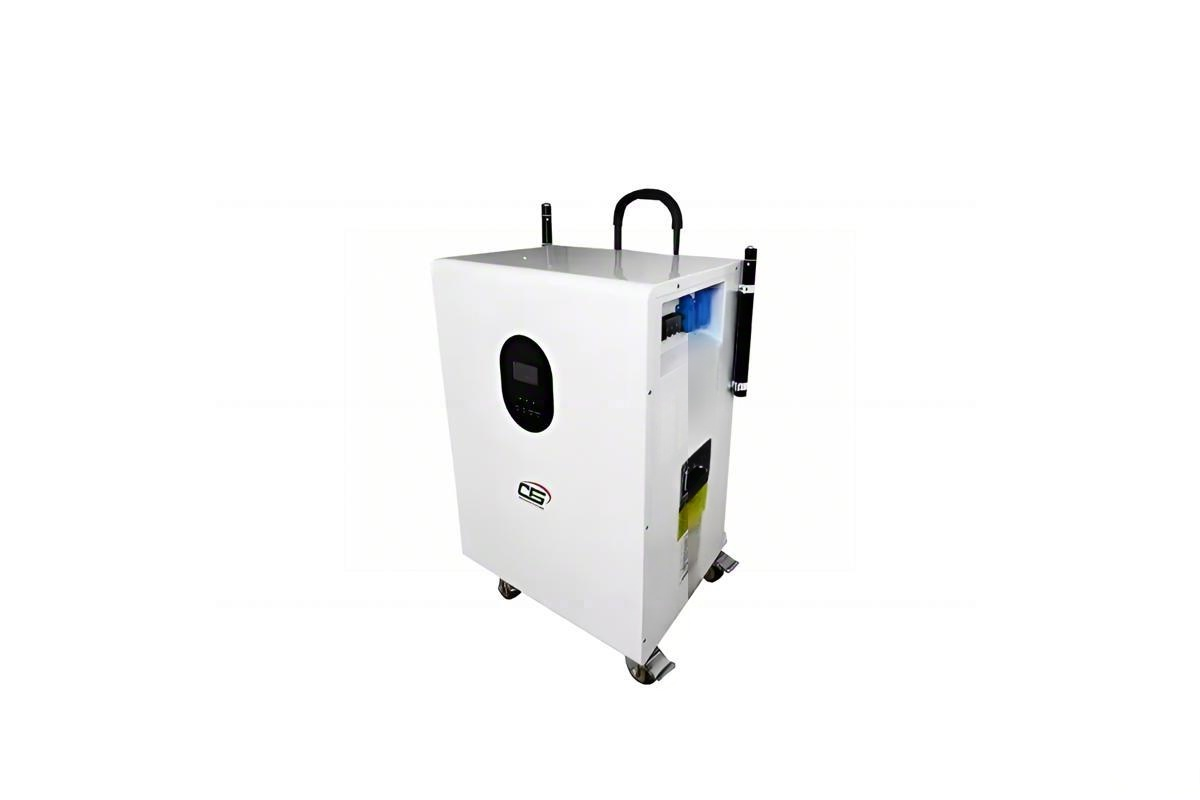
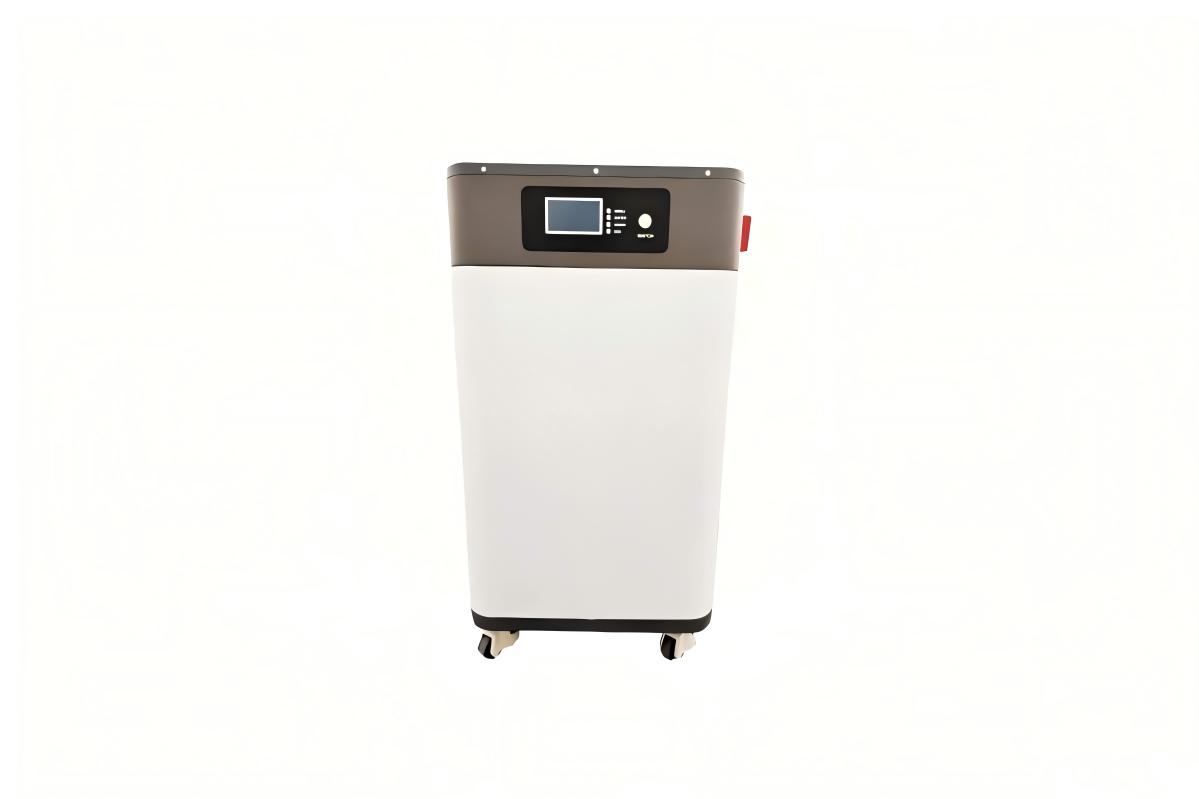
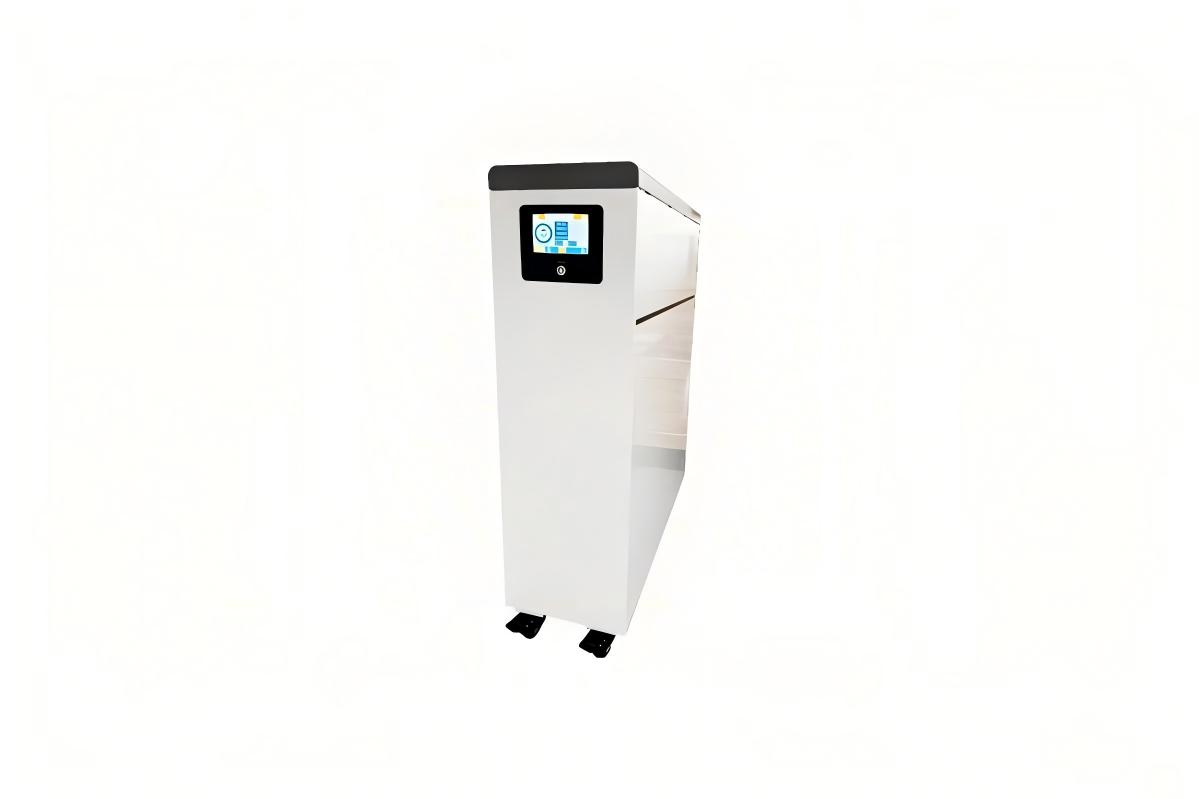
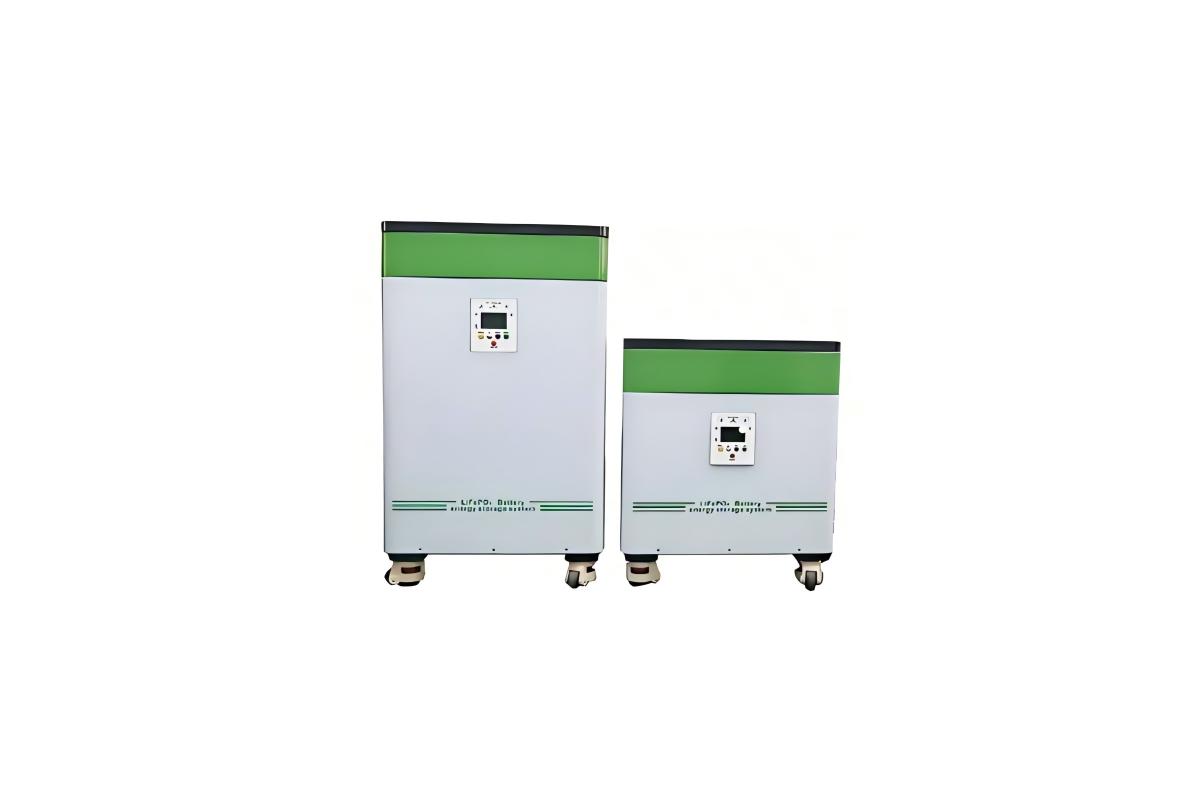
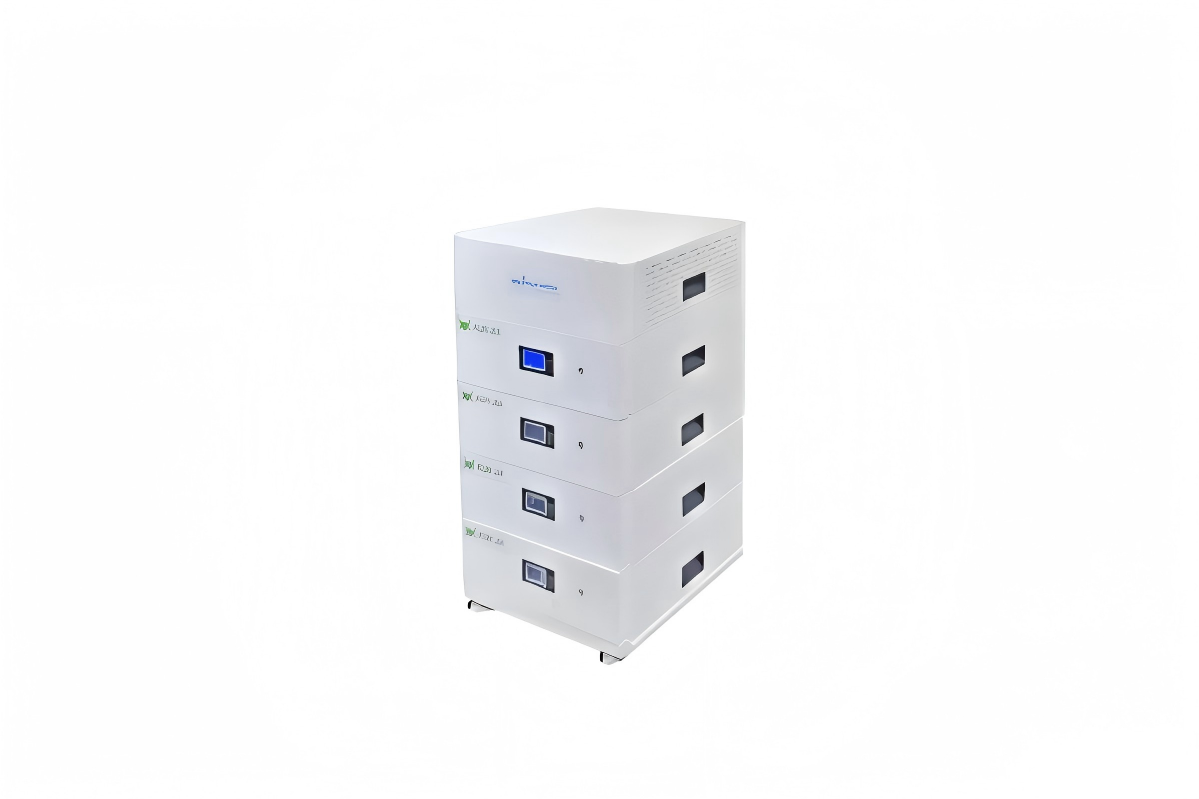
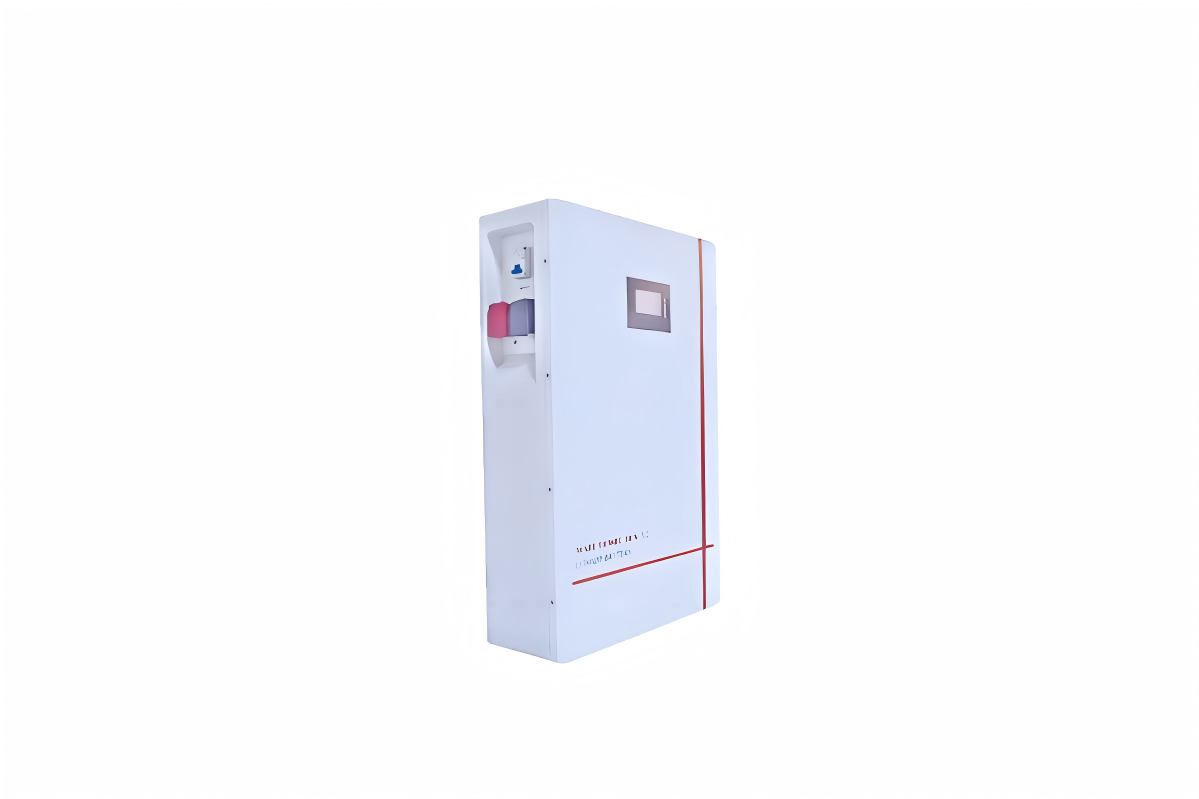
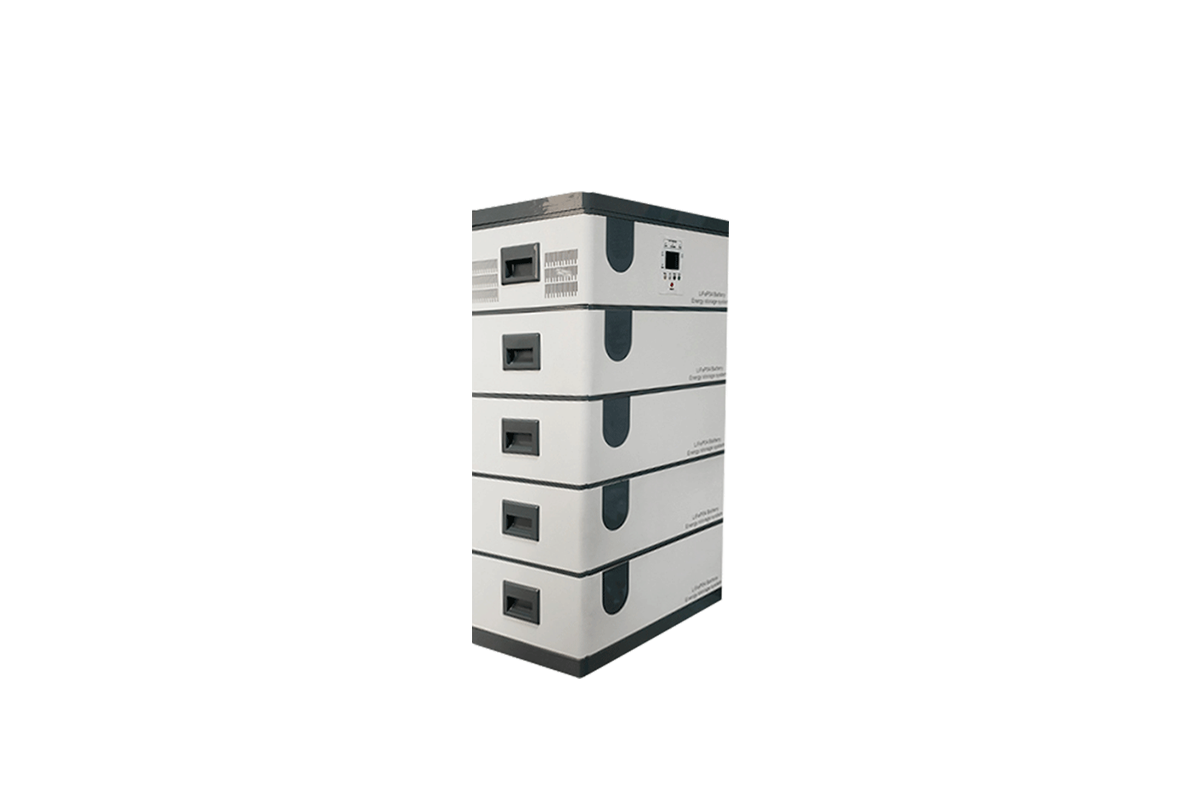
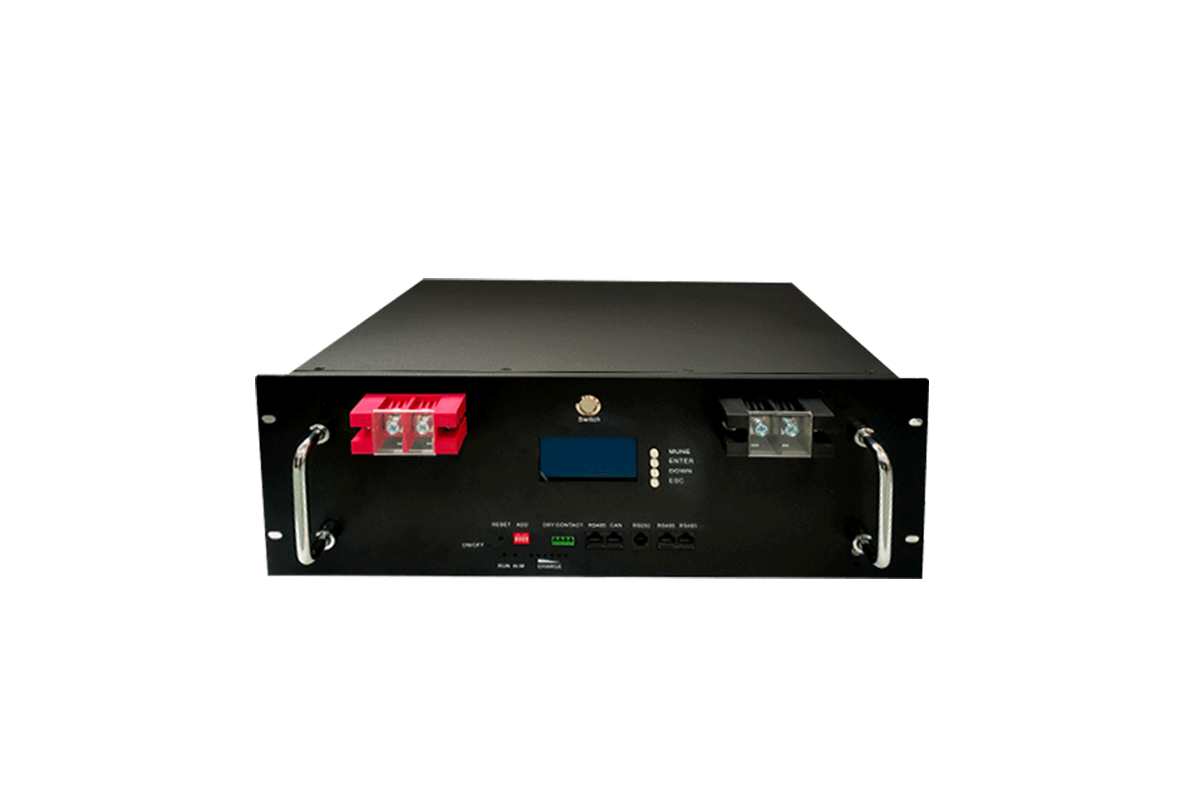
Series combined energy storage battery packs are core configurations widely adopted in large-scale energy storage systems, photovoltaic power stations, and industrial backup power supply scenarios. This assembly mode connects multiple single batteries in a series circuit to elevate the overall output voltage of the battery pack, which effectively meets the high-voltage operation requirements of energy storage inverters, power grid peak-shaving equipment, and high-power electrical systems. Unlike single batteries, series combined packs realize voltage superposition while maintaining a consistent current output, forming a stable high-voltage DC power supply system suitable for long-duration and high-stability power supply demands in industrial and commercial fields.
The structural design of series combined energy storage battery packs focuses heavily on consistency and safety control of single cells. All battery cells selected for series assembly undergo strict screening in terms of capacity, internal resistance, and voltage consistency, avoiding the problem of inconsistent cell attenuation caused by long-term series operation, which may lead to shortened overall service life. Equipped with a professional battery management system (BMS), the pack can monitor the real-time voltage, temperature, and charging and discharging state of each single cell, dynamically balance cell performance, and prevent overcharging, overdischarging, and thermal runaway risks during operation.
In practical application, series combined energy storage battery packs exhibit excellent adaptability in high-voltage energy storage scenarios. They are widely used in off-grid photovoltaic energy storage systems, industrial emergency backup power, communication base station energy storage, and micro-grid power supply systems. Through standardized series combination design, the battery pack can flexibly adjust the total voltage according to equipment demand, realizing modular assembly. Meanwhile, the integrated sealing and heat dissipation structure enhances environmental adaptability, enabling stable operation in high-temperature, low-temperature, and humid industrial environments, ensuring continuous and reliable energy storage and power supply performance.




 59911926@qq.com/sales@goldenfuturehk.com
 13316809242 / 15816897019
 Inquiry
 Home >