







Time:2026-05-26 Views:347
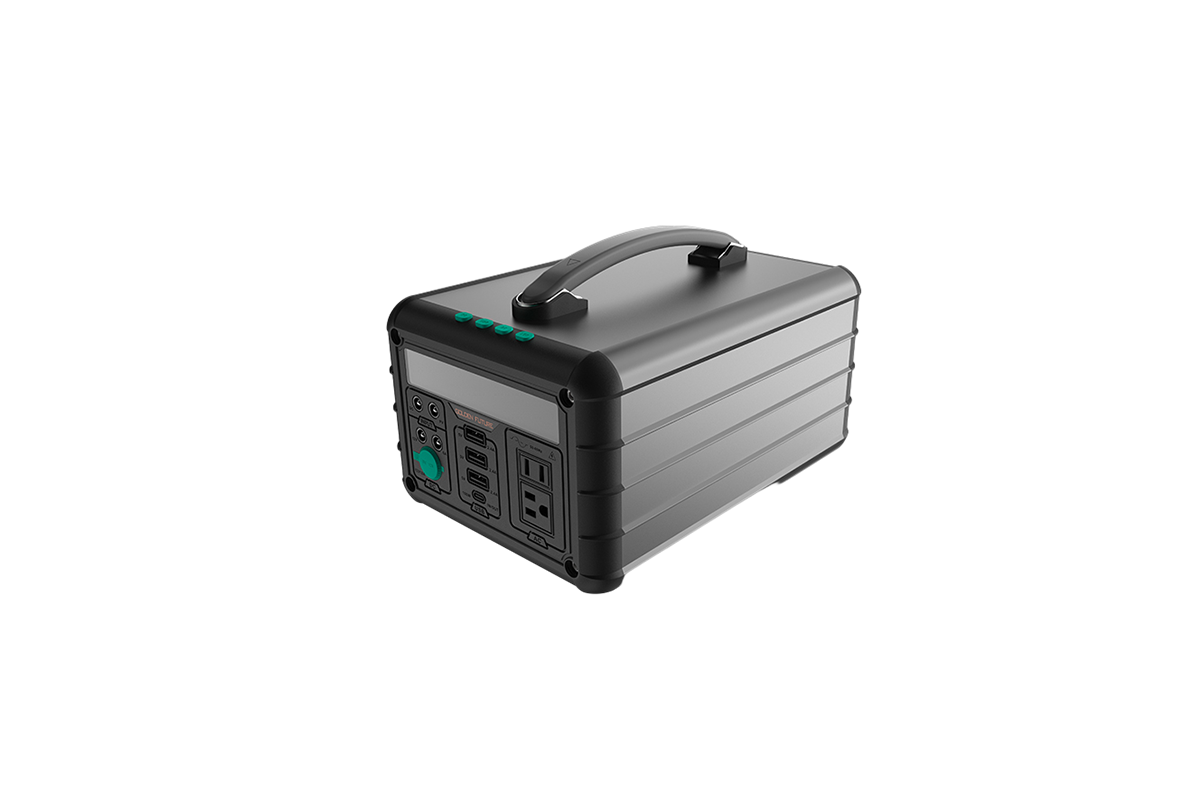
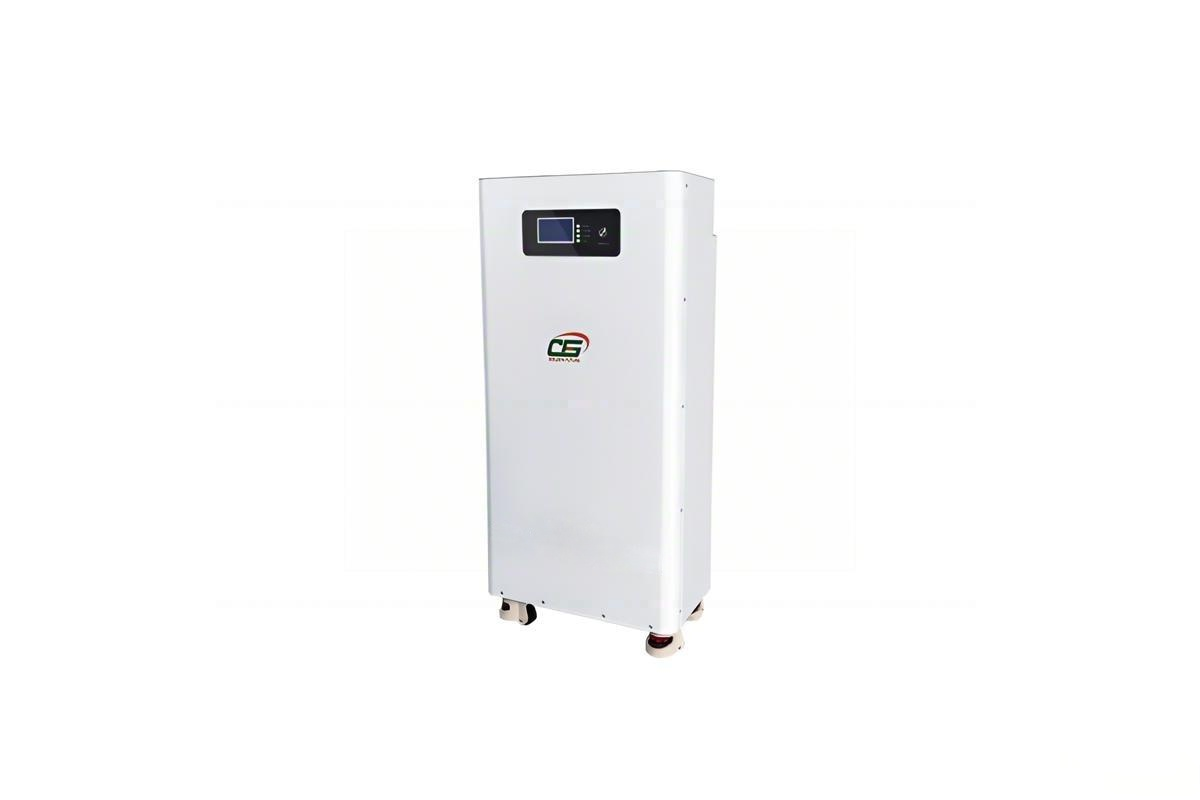
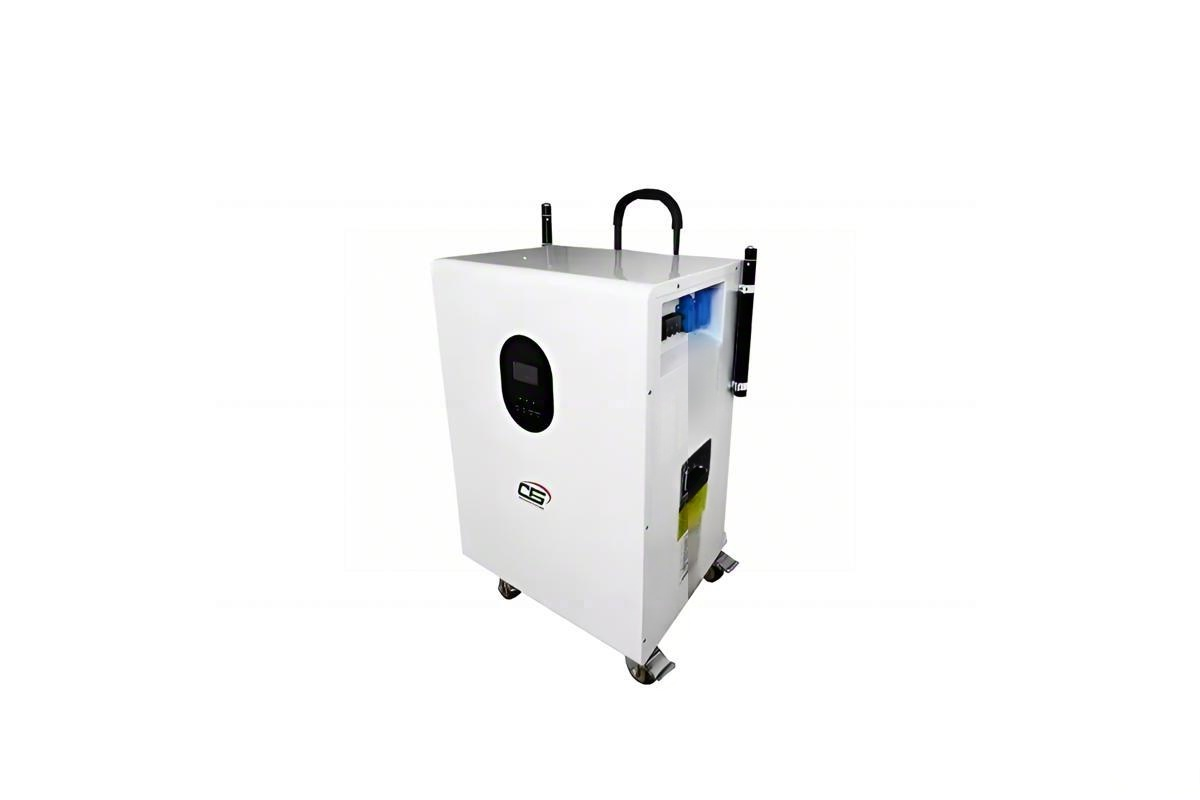
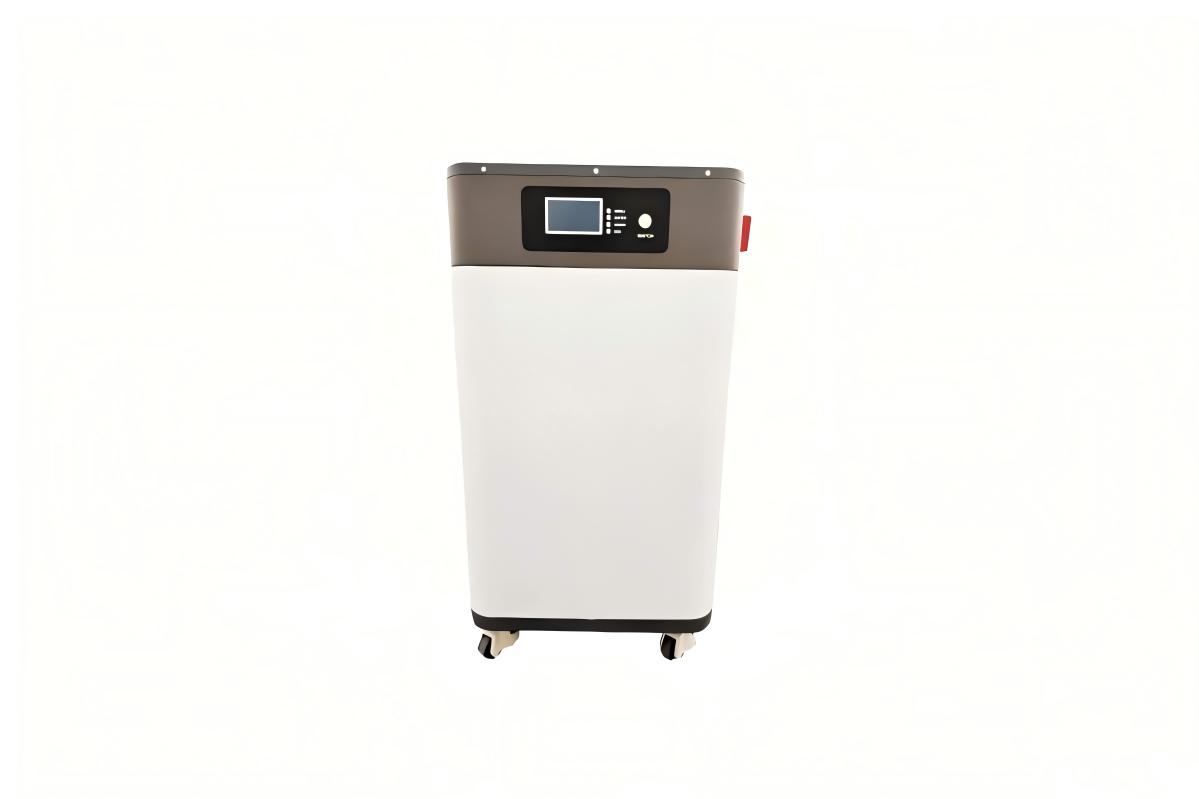
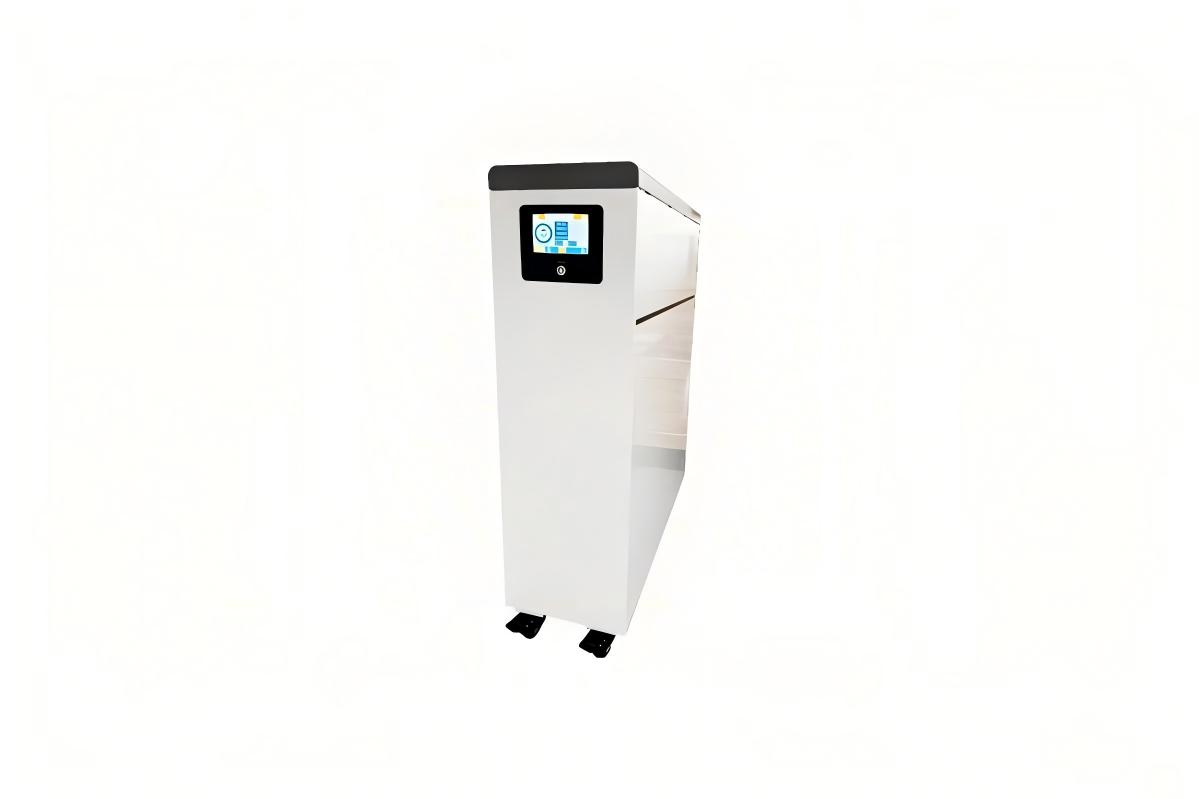
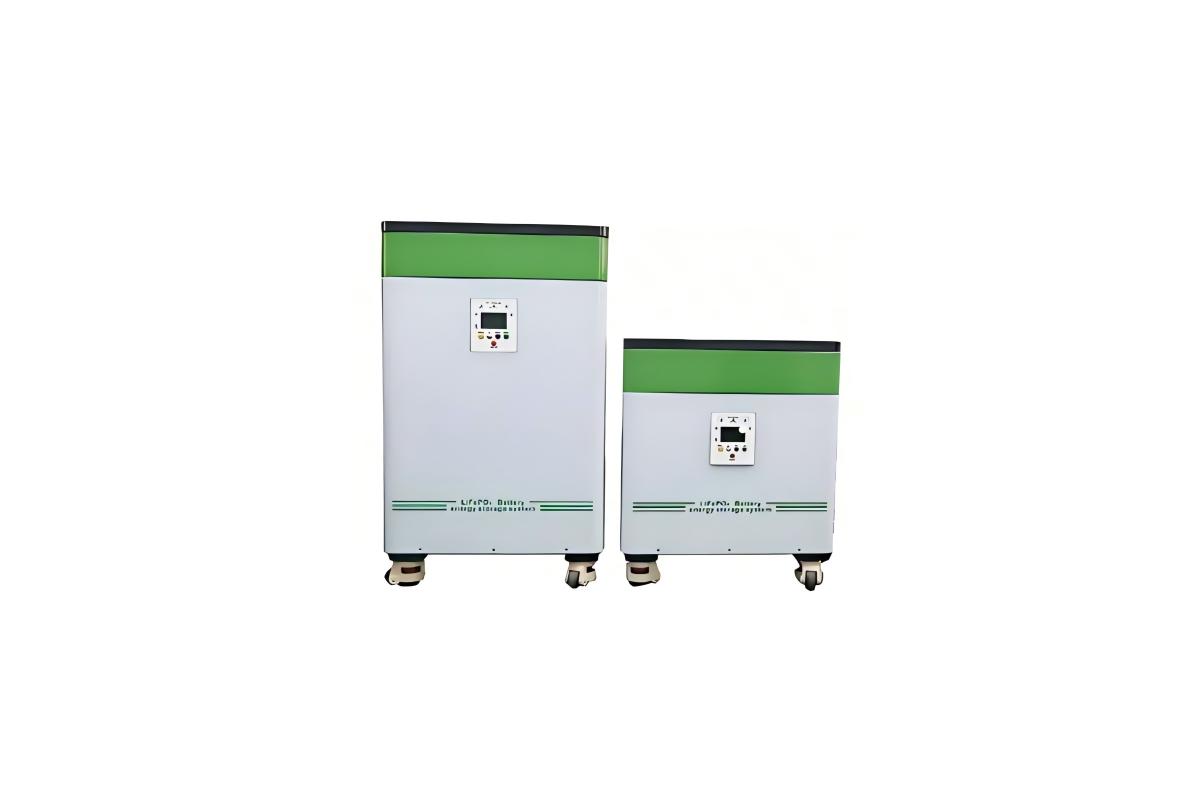
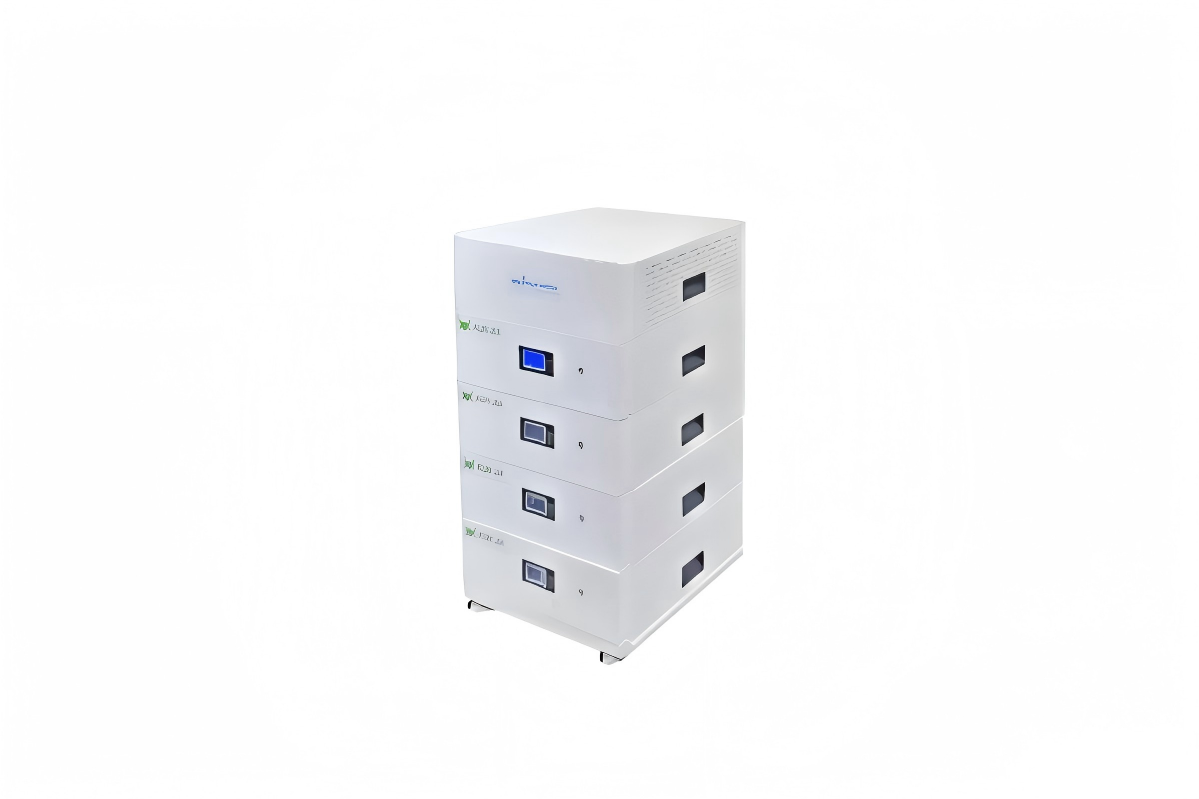
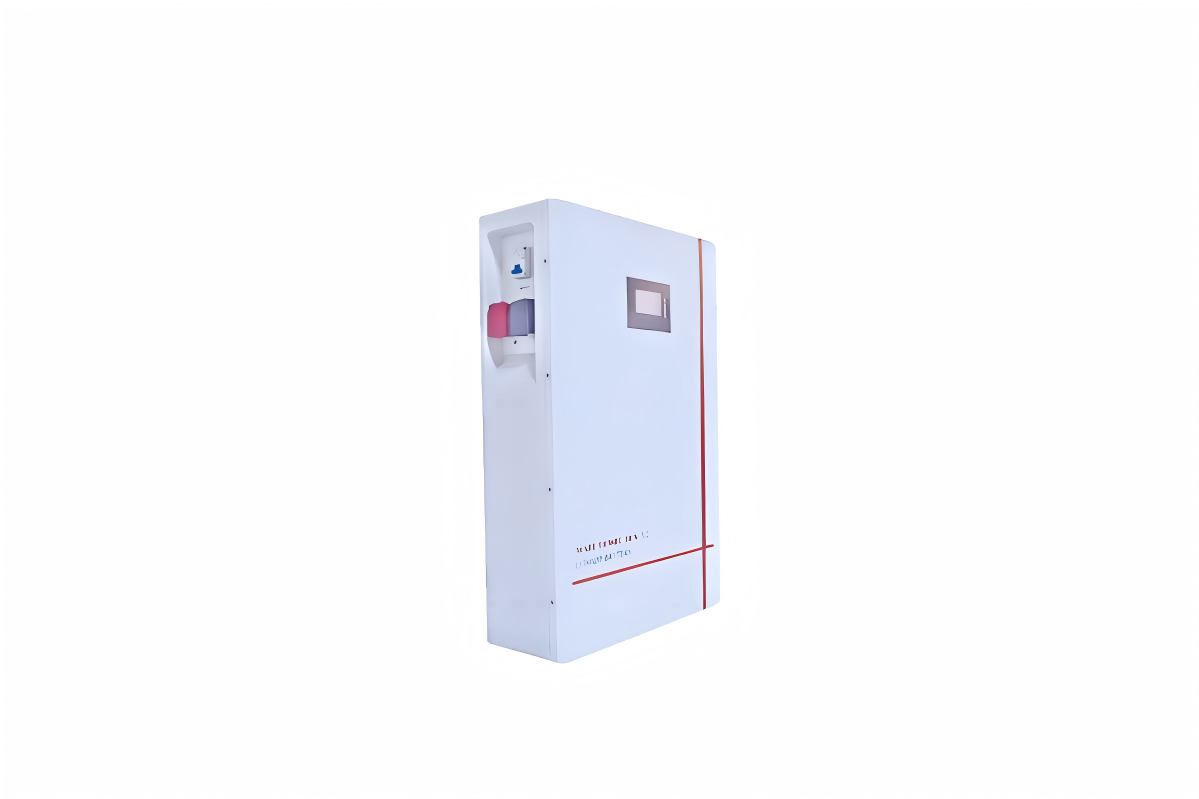
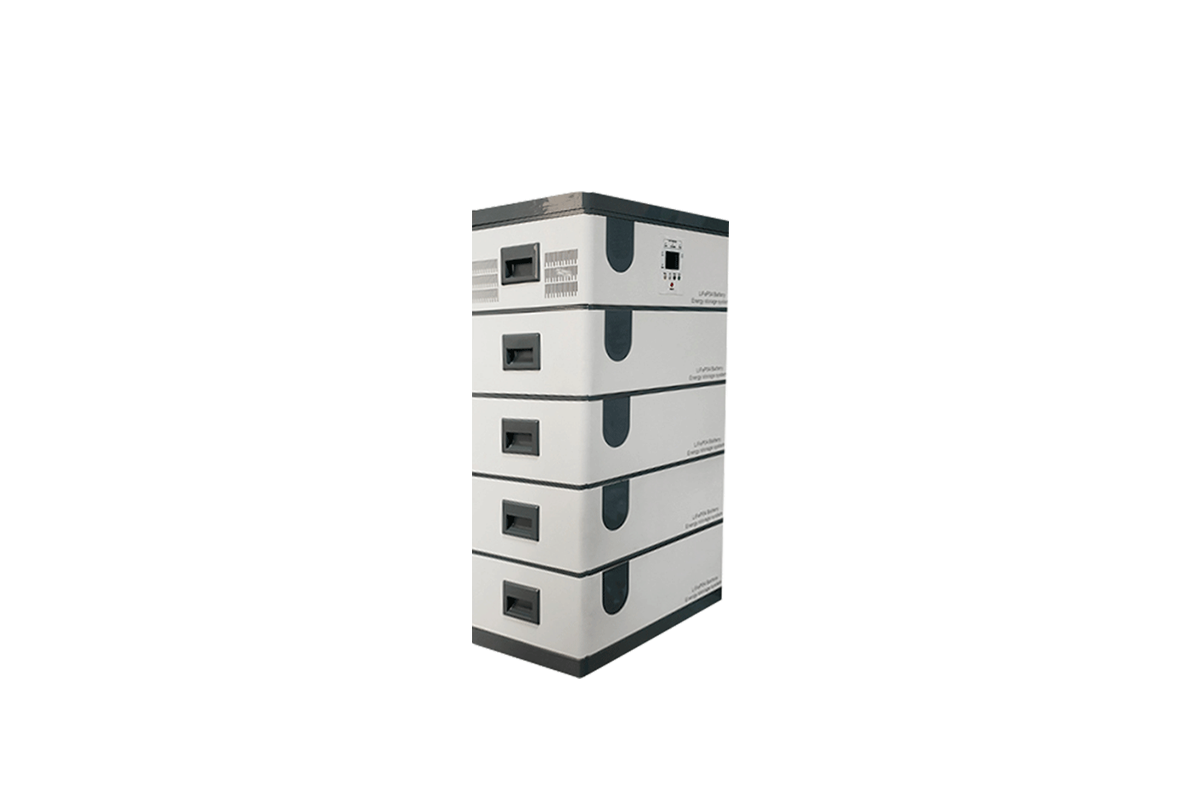
The installation of household energy storage batteries is a critical process that directly affects the safety, reliability, and service life of the entire energy storage system. To minimize potential risks such as fire, explosion, electric shock, and electrolyte leakage, strict compliance with relevant safety specifications and standards is mandatory. These specifications cover every link from pre-installation preparation and site selection to installation operation, post-installation inspection, and daily maintenance, ensuring the safe and stable operation of the battery system while protecting the safety of household property and personnel.
First, pre-installation preparation must be thorough. The selected energy storage battery must comply with national and international safety standards, such as GB 44240-2024 for lithium batteries in energy storage systems and the National Electrical Code (NEC) Article 480 and 706, and must bear the certification marks of recognized testing institutions. Before installation, it is necessary to check the battery’s appearance for scratches, cracks, deformation, or corrosion, ensure the battery’s parameters (rated voltage, capacity, charging/discharging current) match the household power demand and inverter specifications, and verify that the battery management system (BMS) is functioning properly. Additionally, installers must be professionally trained and hold relevant electrical operation certificates to avoid safety hazards caused by improper operation.
Site selection is another key aspect of safety specifications. The installation location must be dry, well-ventilated, and away from flammable, explosive, and heat-generating materials (such as gas stoves, heaters, and gasoline) as well as water sources (such as bathrooms and kitchens) to prevent fire or short circuits caused by high temperature, humidity, or chemical reactions. The ambient temperature of the installation site should be maintained between -10°C and 45°C, and the relative humidity between 20%RH and 80%RH to ensure the battery’s performance and safety. For indoor installation, avoid sleeping areas or rooms directly opening into sleeping areas, and install a smoke alarm in the battery room in accordance with the Ontario Electrical Safety Code (OESC) Rule 64-1100. The installation area must have sufficient working space, with a minimum clearance of 100mm to 200mm around the battery to ensure air circulation and facilitate heat dissipation and maintenance.
During the installation process, strict operational standards must be followed. The battery must be fixed firmly to prevent displacement or vibration during use, which could damage internal components or cause loose connections. When connecting the battery to the inverter and other equipment, ensure correct positive and negative polarity to avoid short circuits caused by reverse connection; use cables that meet specifications (such as copper-core cables with appropriate cross-sectional area) to prevent overheating due to insufficient current-carrying capacity. The BMS must be fully functional, with overcharge, over-discharge, over-current, and temperature monitoring and protection functions to immediately cut off the circuit or adjust parameters when abnormal conditions occur, preventing battery damage or safety accidents. After installation, a comprehensive inspection is required, including checking the tightness of connections, the functionality of the BMS, the insulation performance of cables, and the grounding and bonding of the entire system in accordance with NEC and manufacturer requirements.
Post-installation maintenance and emergency response are also part of the safety specifications. Regularly inspect the battery’s operating status, including voltage, current, temperature, and appearance, and avoid frequent overcharging or over-discharging to extend the battery’s service life and prevent safety risks. A dry powder or carbon dioxide fire extinguisher should be equipped near the battery installation site for emergency use in case of fire; if the battery smokes, catches fire, or leaks electrolyte, immediately cut off the power supply, evacuate personnel, and use the appropriate fire extinguisher to put out the fire before contacting professional maintenance personnel. When the battery reaches the end of its service life or malfunctions, it should be handed over to a professional recycling agency for proper disposal to avoid environmental pollution and safety hazards caused by random disposal.




 59911926@qq.com/sales@goldenfuturehk.com
 13316809242 / 15816897019
 Inquiry
 Home >