





Time:2026-06-12 Views:18
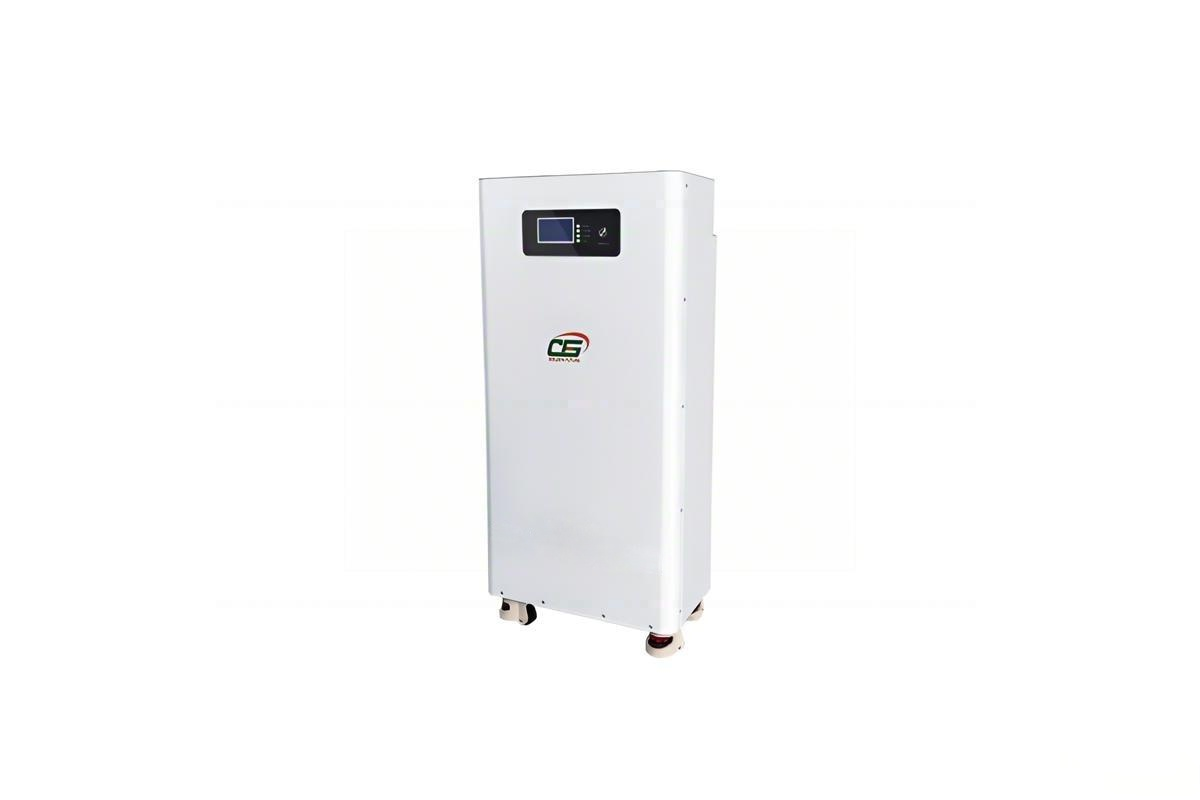
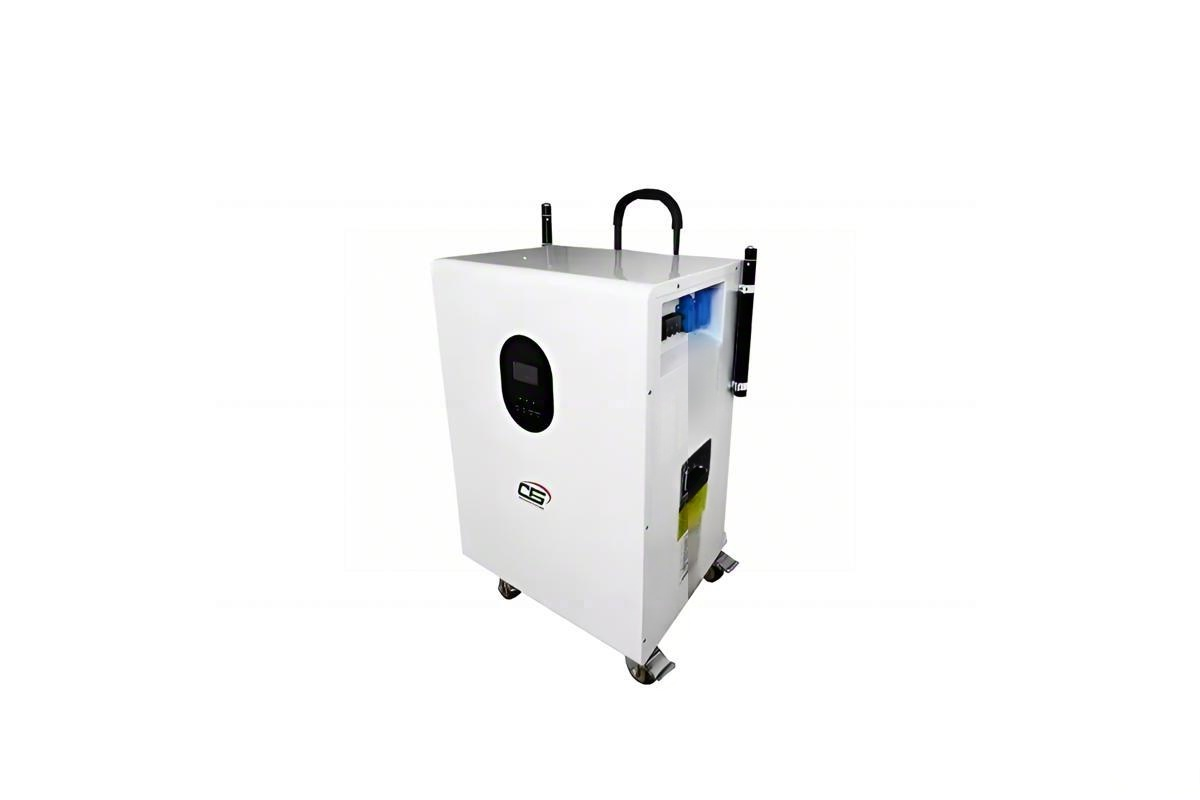
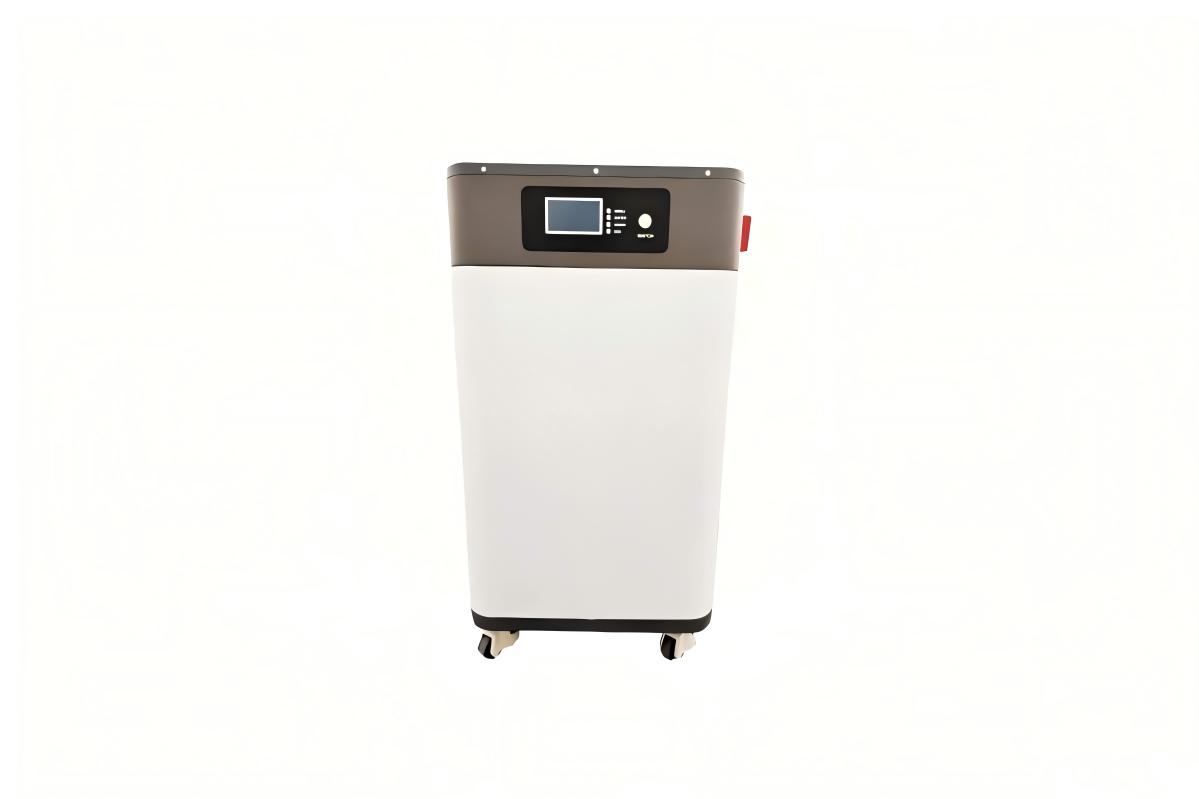
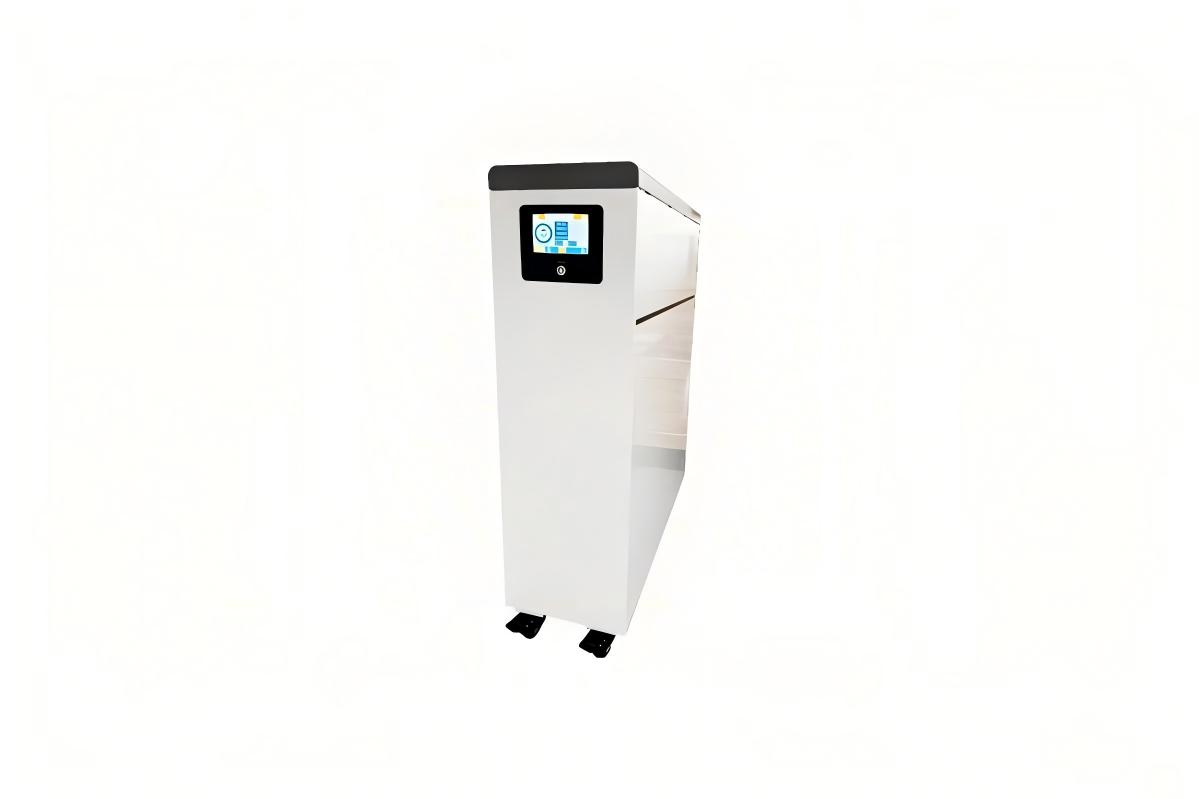
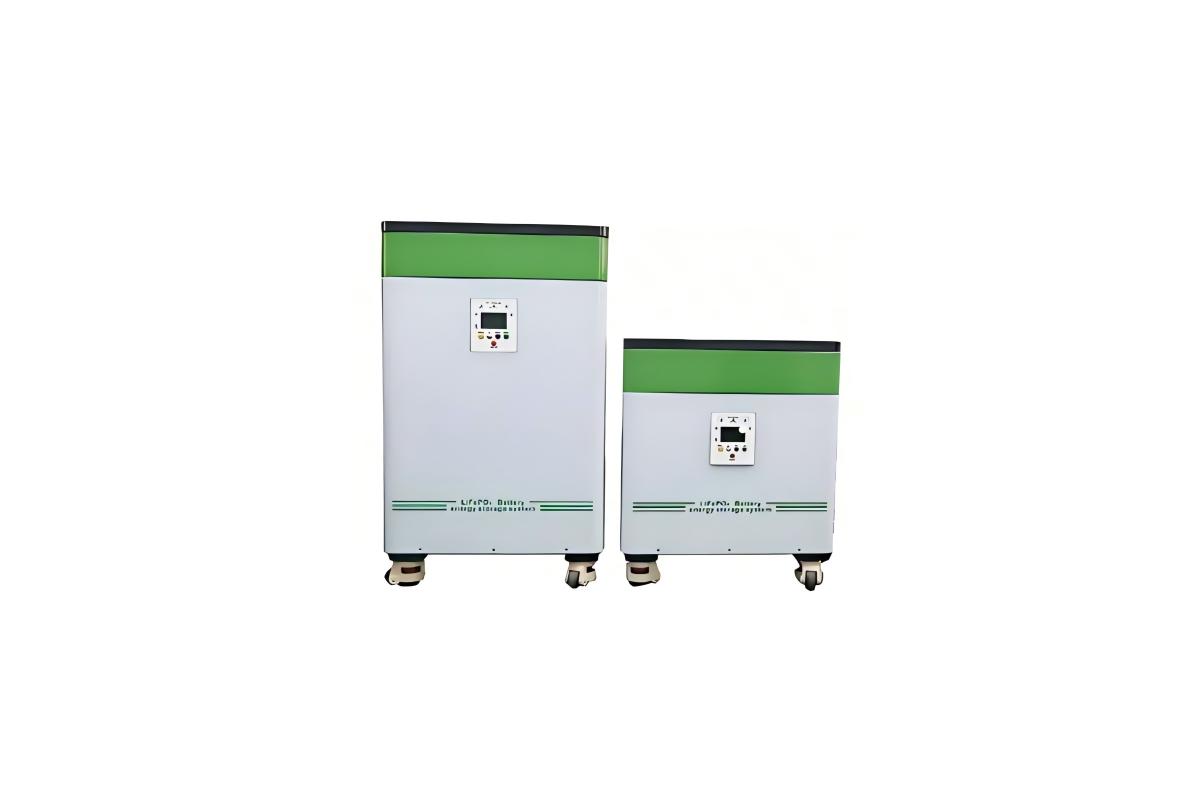
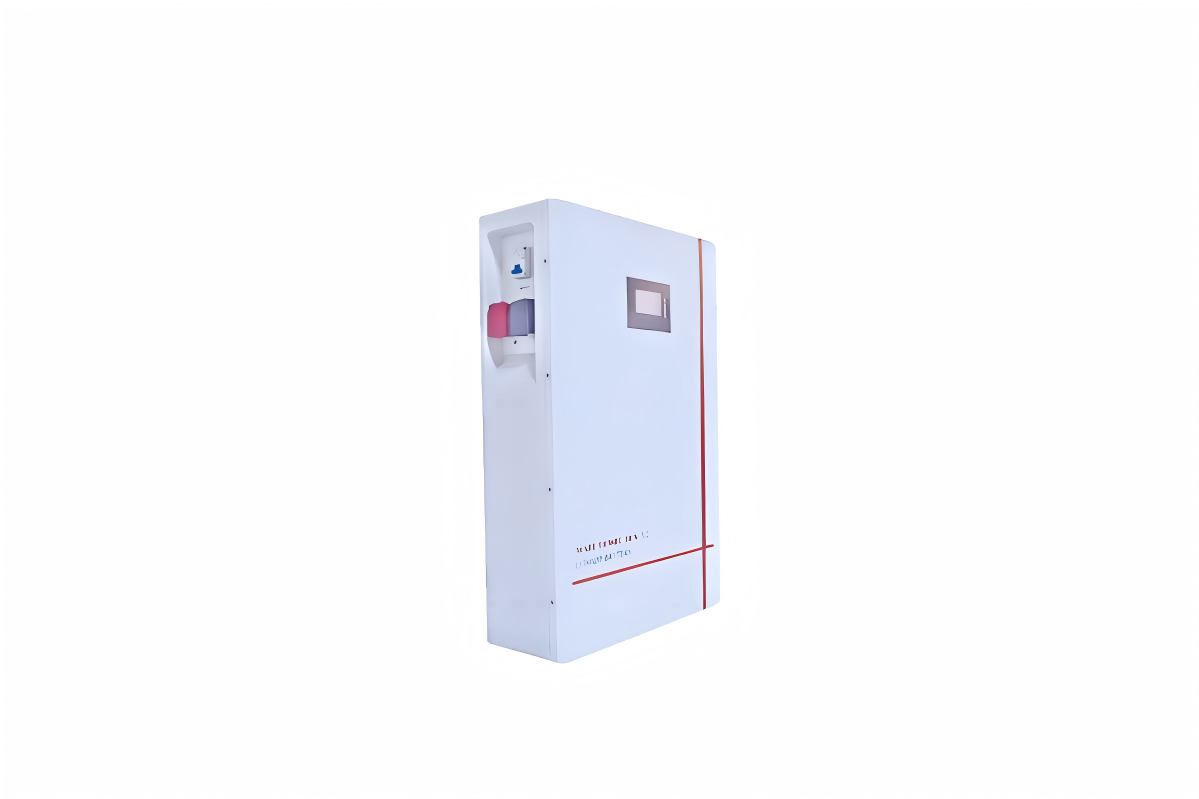
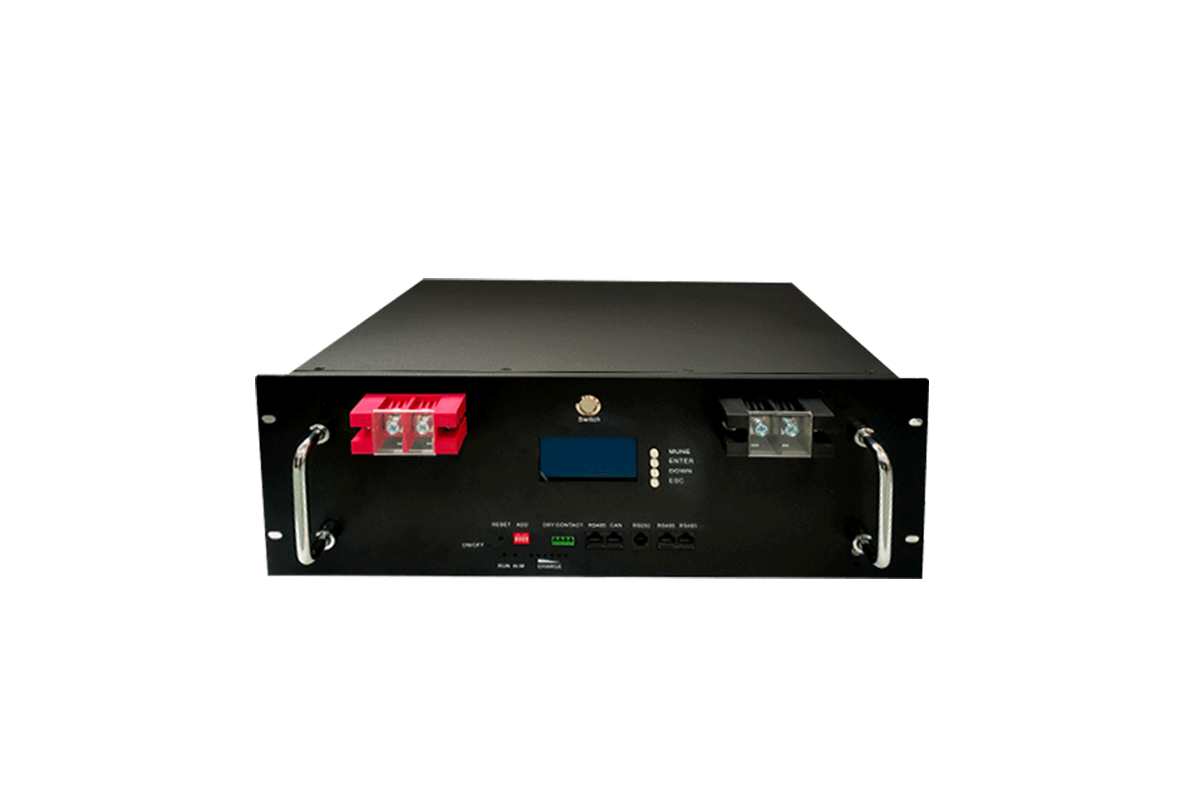
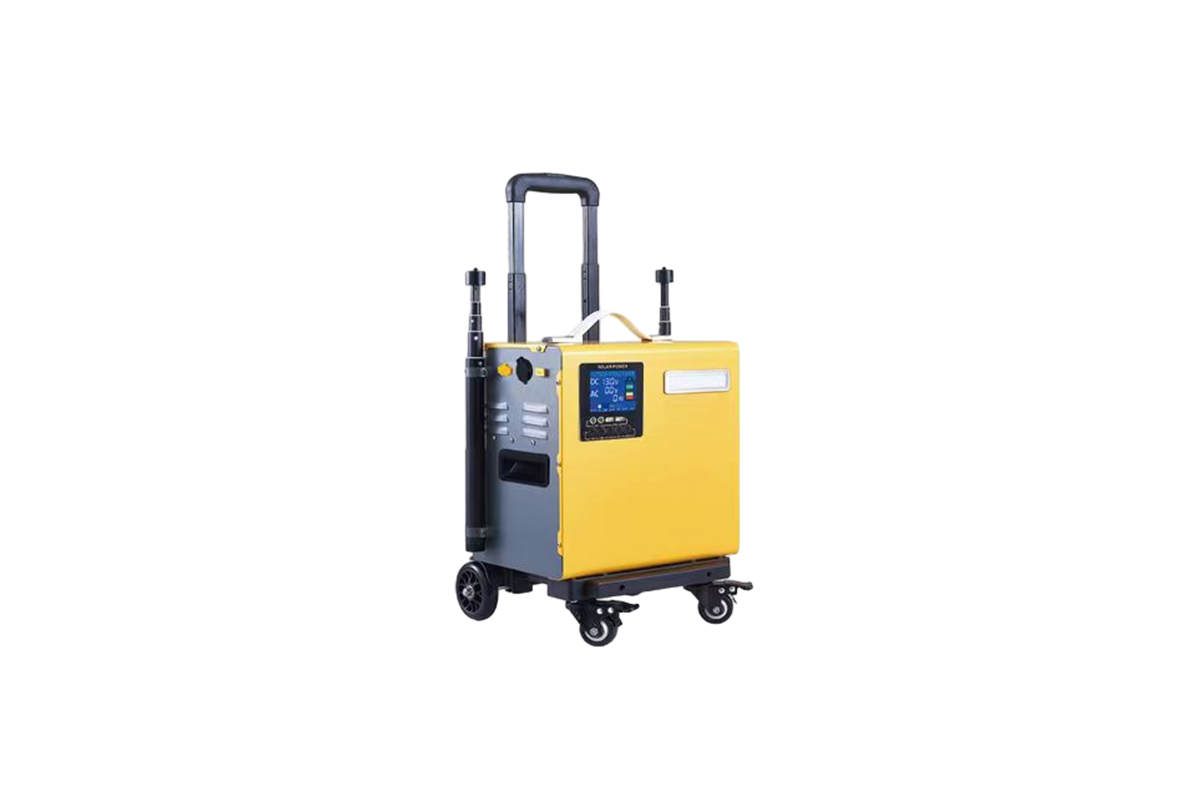
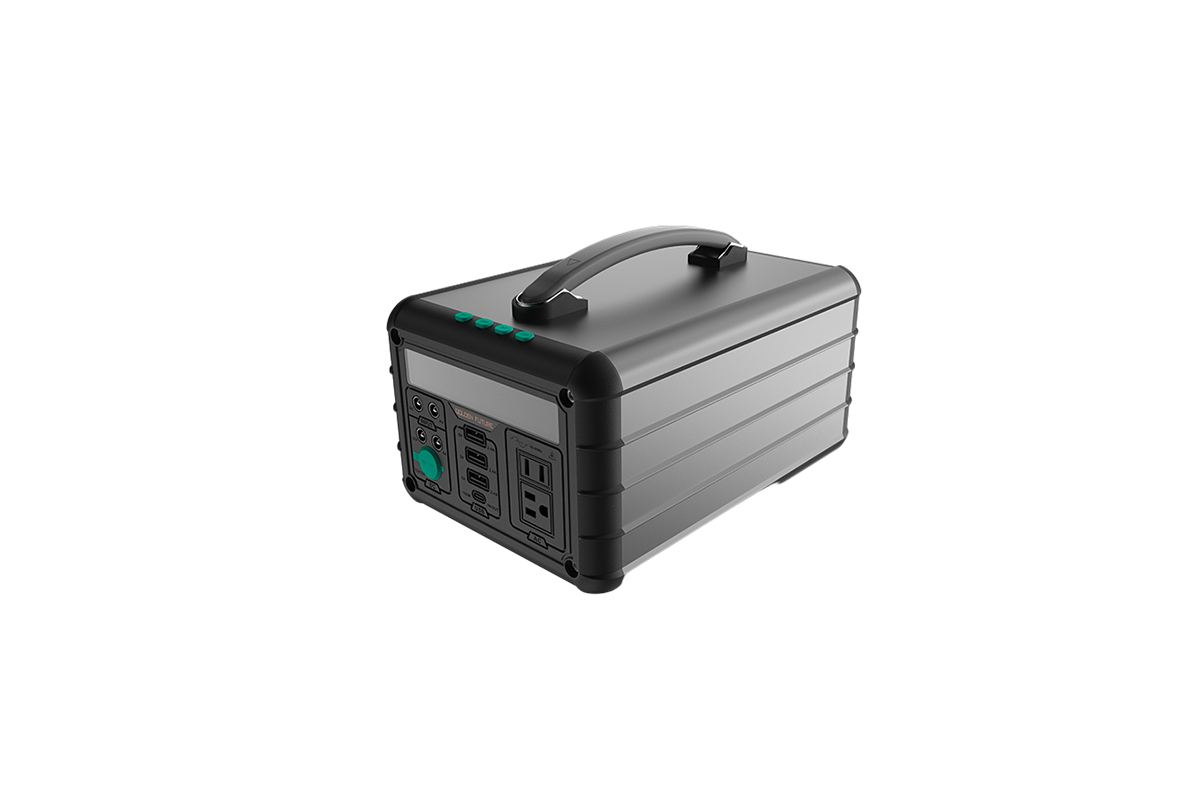
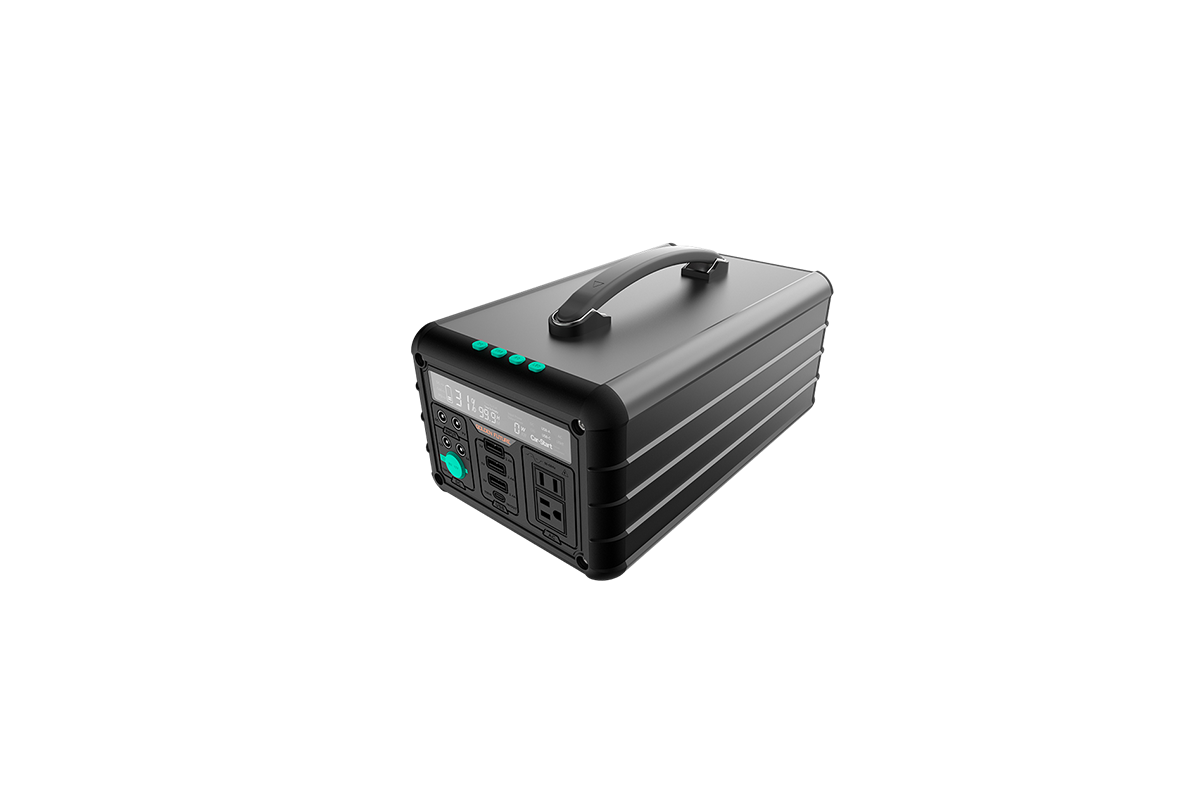
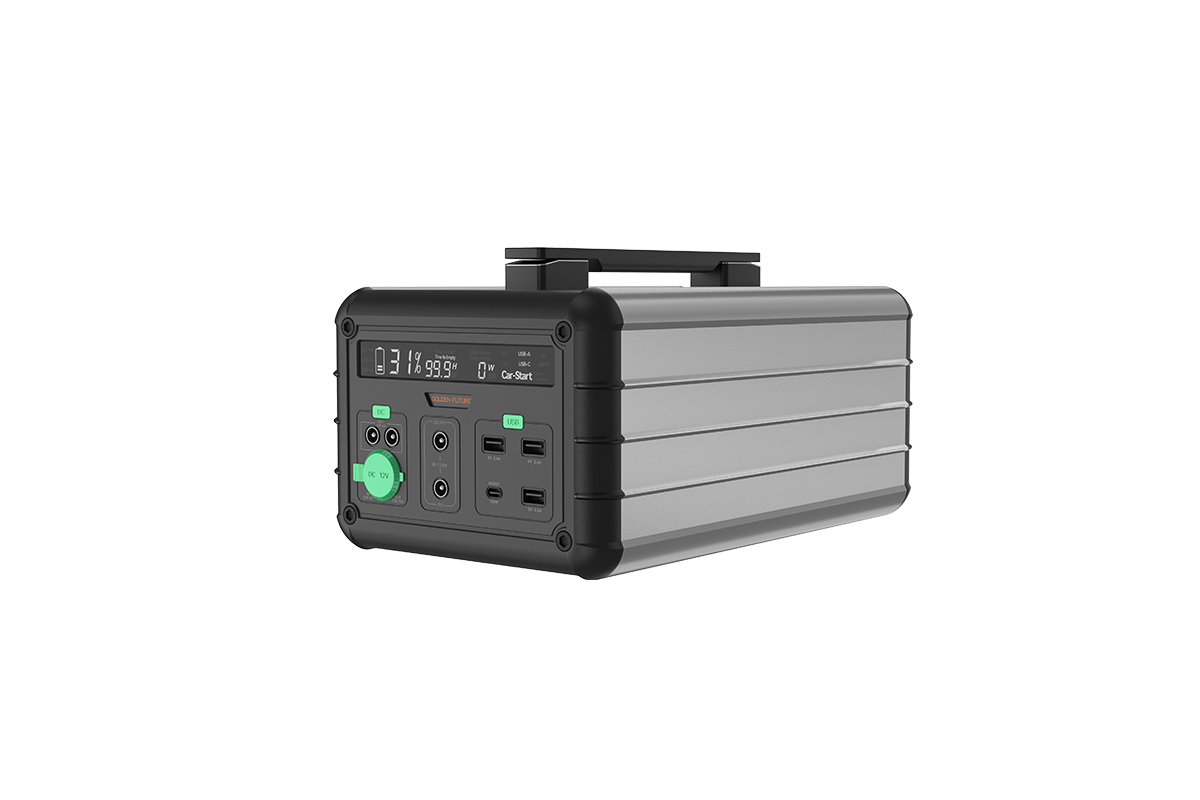
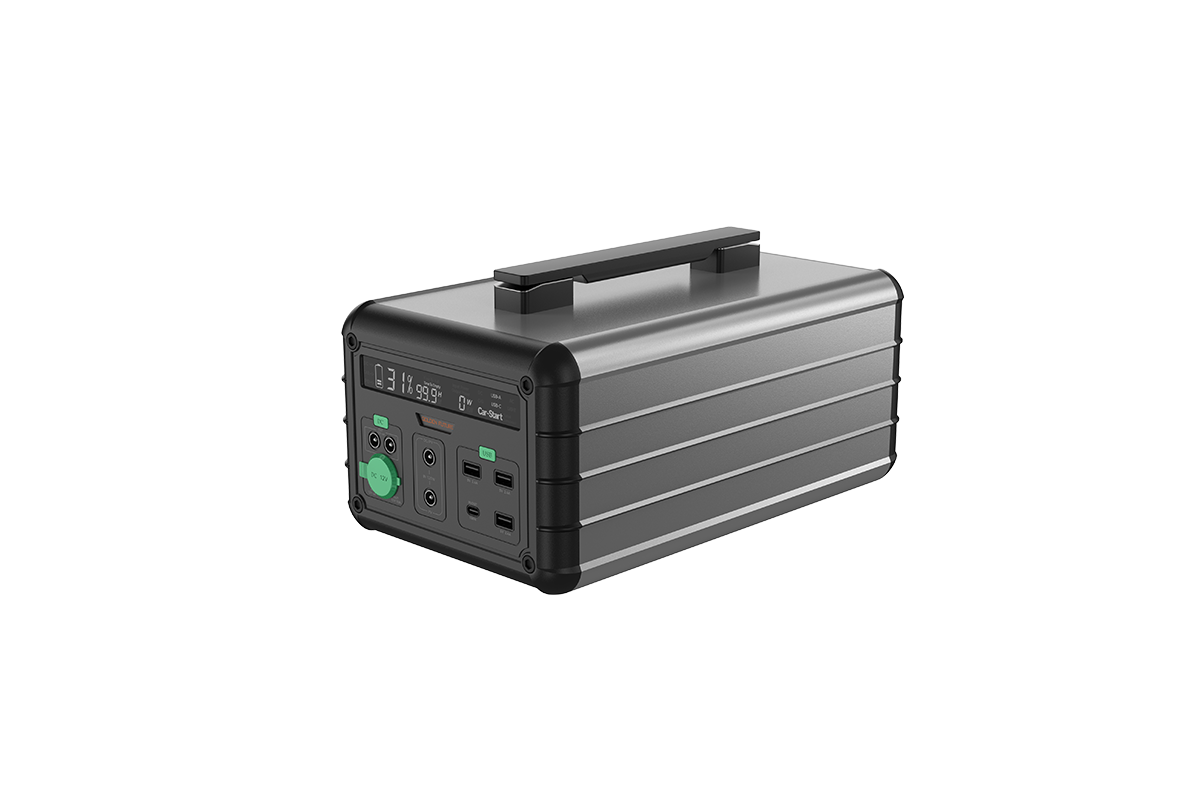
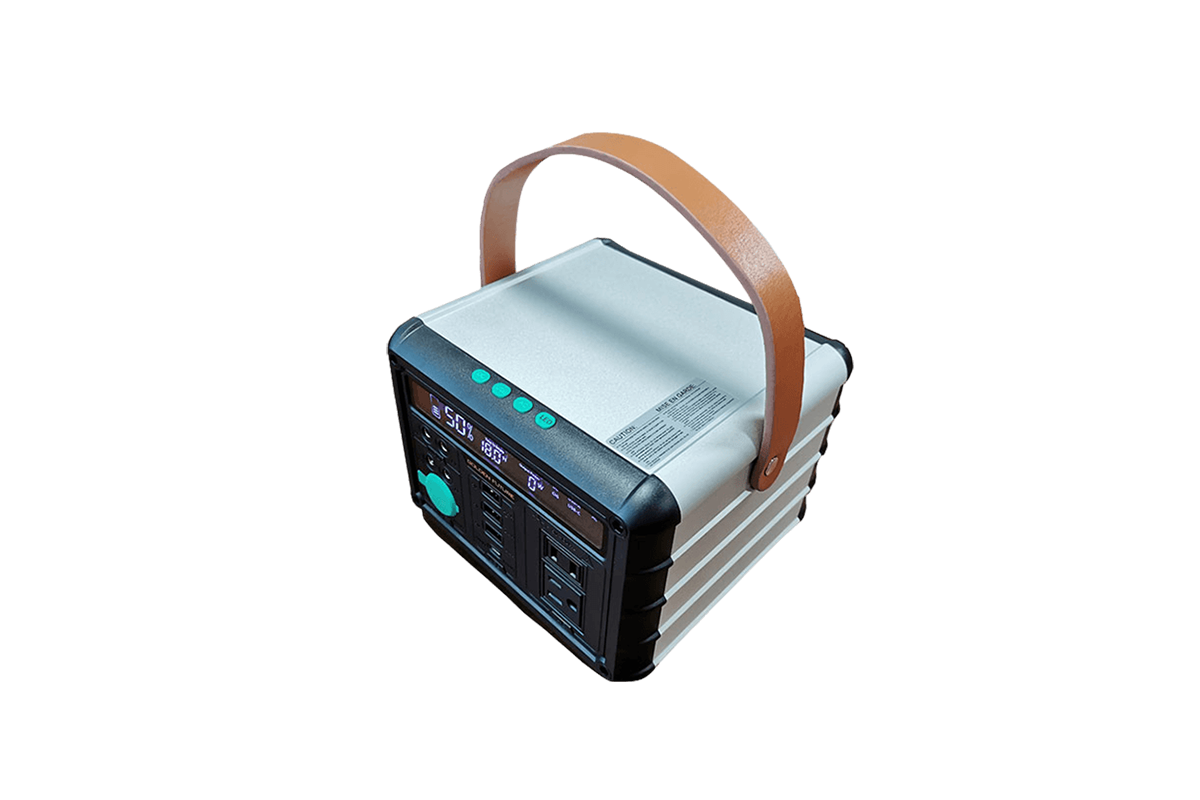
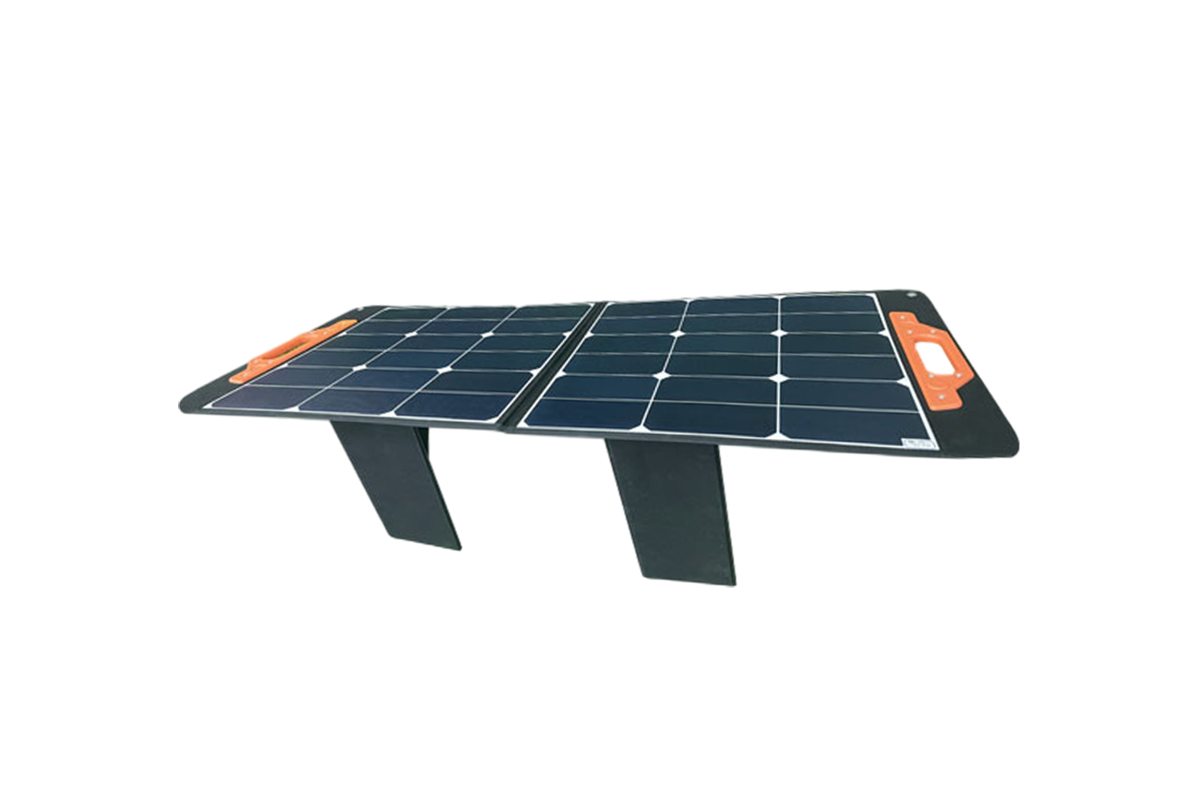
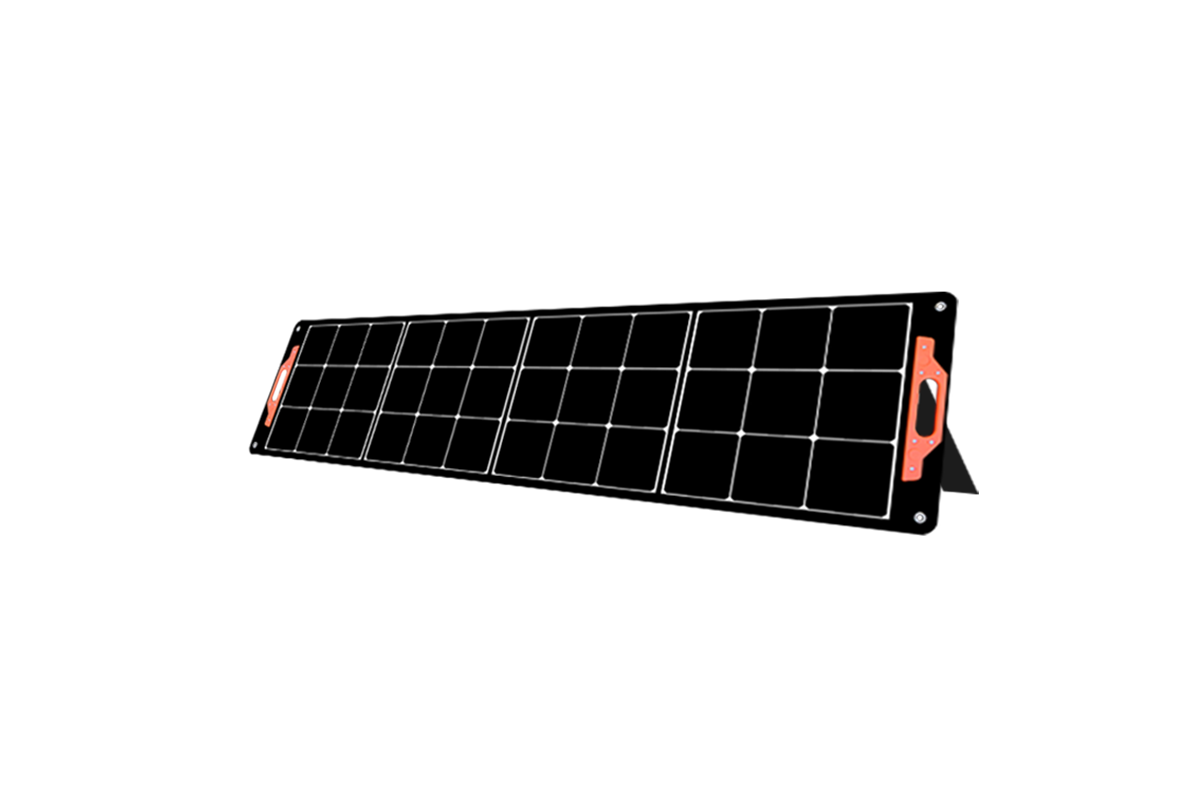
Residential self-built photovoltaic energy storage batteries have emerged as a core solution for modern households to achieve clean energy independence and reduce electricity costs, perfectly matching the decentralized power consumption needs of self-built houses, villas, and rural residential buildings. Unlike traditional grid-dependent power supply modes, this customized energy storage system is independently configured and installed by homeowners, paired with rooftop photovoltaic panels to collect solar energy during the daytime and store surplus power in high-performance batteries for nighttime use or power outage emergencies. It breaks the limitations of fixed grid electricity prices and unstable power supply, enabling families to make full use of idle roof and courtyard space to build a private green power supply system.
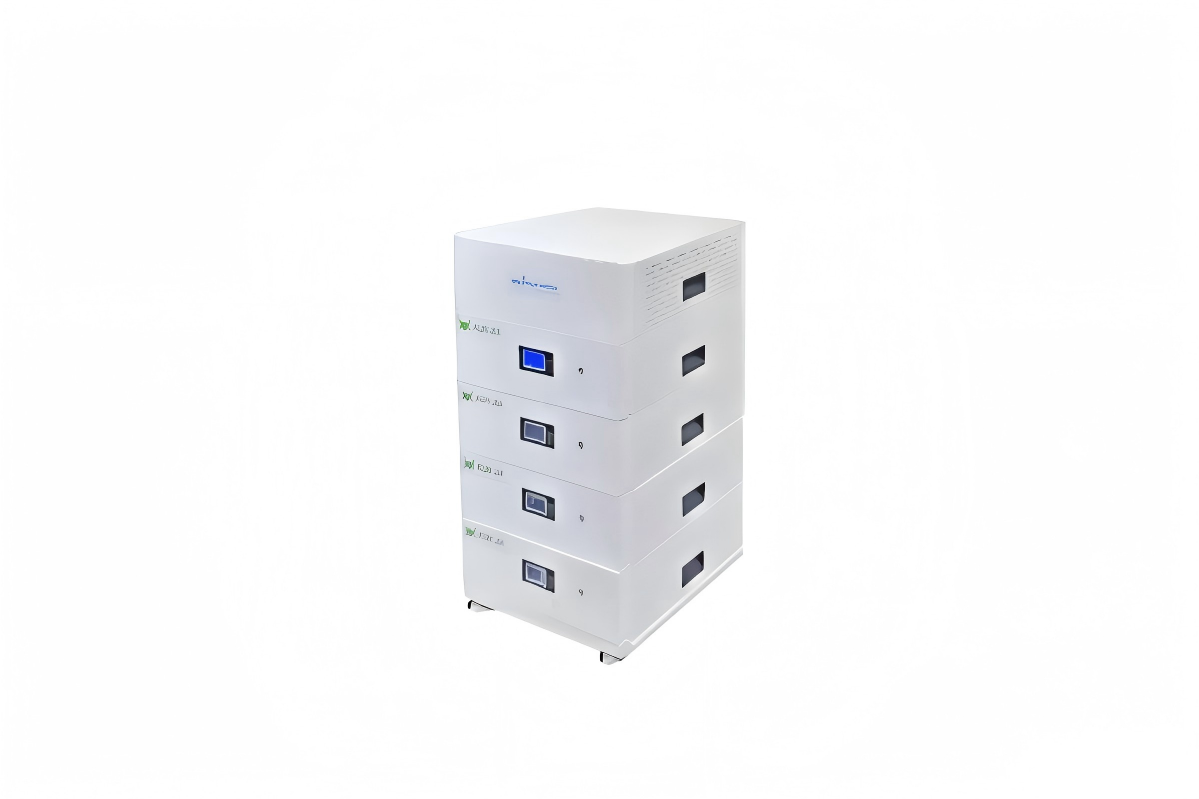
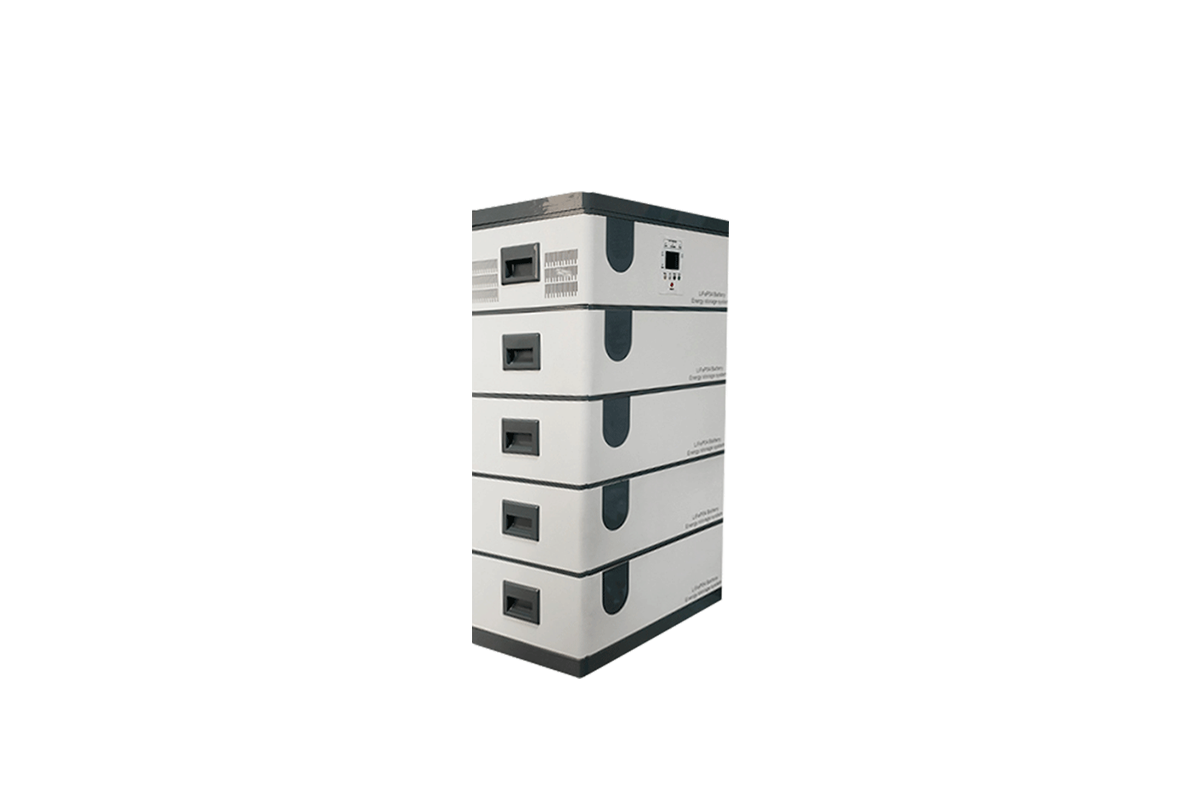
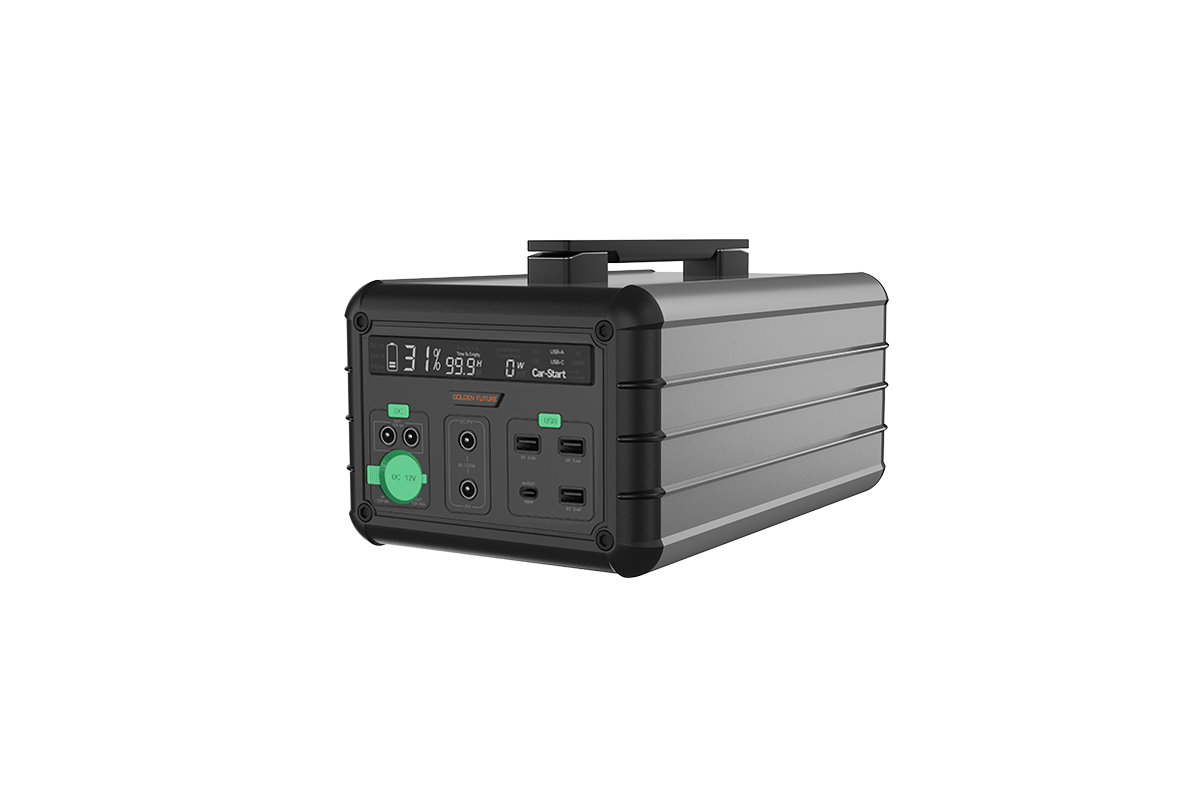
The mainstream self-built photovoltaic energy storage batteries adopt lithium iron phosphate (LiFePO4) technology, which is highly recognized for its superior safety, long cycle life, and stable performance in residential scenarios. These batteries support flexible capacity configuration, ranging from small 5kWh daily household use to large 20kWh high-power supply for full-house electrical equipment, and can be freely expanded according to household power consumption habits and photovoltaic panel power generation efficiency. Equipped with an intelligent battery management system (BMS), the equipment can automatically adjust charging and discharging strategies, avoid overcharging, over-discharging, and short-circuit risks, and effectively extend the service life of the battery pack, which can stably serve families for more than 15 years with daily cyclic use.
In terms of practical application value, self-built photovoltaic energy storage battery systems bring multiple economic and life benefits to residents. During peak electricity price periods, households can use stored solar power instead of grid electricity to cut daily electricity expenses significantly. In remote rural areas or regions with frequent grid fluctuations, the system effectively avoids power outages affecting household life, agricultural equipment operation, and home office work. In addition, the modular design simplifies the self-installation and maintenance process, allowing users to complete basic equipment debugging and daily maintenance without professional engineering teams, realizing truly autonomous, convenient, and low-cost residential green power management.




 59911926@qq.com/sales@goldenfuturehk.com
 13316809242 / 15816897019
 Inquiry
 Home >