






Time:2026-05-07 Views:540
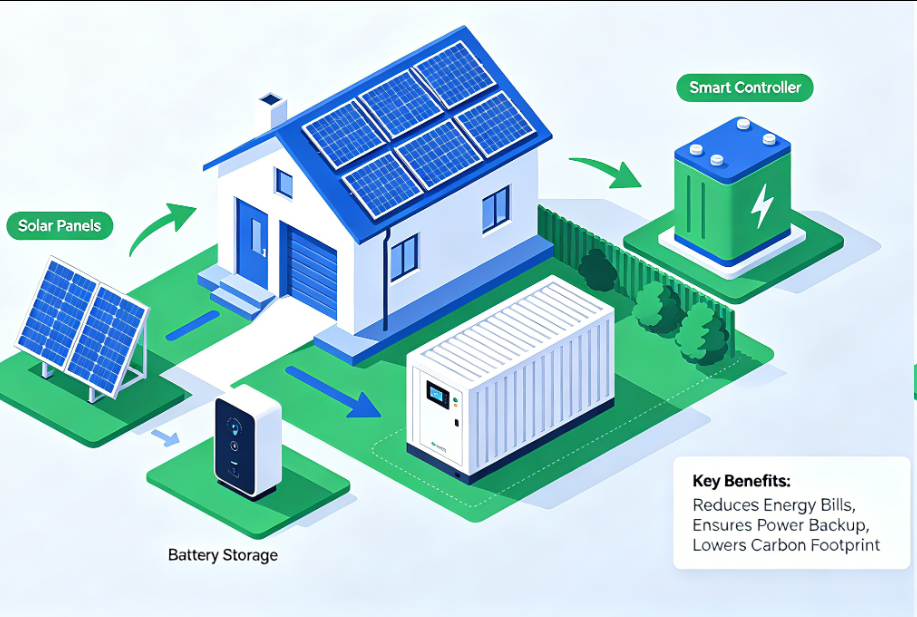
Installing a home energy storage system (HESS) requires installers to possess a combination of professional certifications, technical qualifications, and compliance with industry standards to ensure safety, efficiency, and regulatory compliance. First and foremost, installers must hold a valid electrical license issued by the local regulatory authority, as HESS installation involves electrical wiring, connection to the home’s main electrical panel, and potential grid interconnection—all of which require expertise in electrical safety and code adherence. In most regions, this means being a licensed electrician with specific experience in renewable energy systems, as residential energy storage often integrates with solar photovoltaic (PV) systems, requiring knowledge of both electrical and renewable energy technologies.
Beyond basic electrical licensing, installers should obtain manufacturer-specific certifications for the storage equipment they are installing. Reputable manufacturers typically offer training and certification programs to ensure installers are familiar with the unique specifications, wiring diagrams, and safety protocols of their products, such as lithium-ion battery systems or hybrid inverters. For example, certifications related to UL 9540 (Standard for Energy Storage Systems and Equipment) and UL 1741 (Standard for Inverters, Converters, Controllers, and Interconnection System Equipment for Use With Distributed Energy Resources) are widely recognized and often required to demonstrate proficiency in safe installation practices. Additionally, installers may need to comply with local building codes and fire safety regulations, which may require additional certifications in fire safety or structural installation, especially for indoor battery installations.
Furthermore, installers must have a thorough understanding of grid interconnection requirements if the HESS is designed to connect to the utility grid. This may involve completing training on net metering policies, grid safety standards (such as NFPA 705 and NFPA 855), and the submission of necessary documentation to the local utility company. In some regions, installers may also need to be registered with the local building safety division or obtain a specialized permit for energy storage installation, which requires demonstrating proof of qualifications and adherence to local regulations. Overall, the combination of electrical licensing, manufacturer certification, and knowledge of industry standards ensures that installers can safely and effectively install home energy storage systems, minimizing risks such as electrical shock, fire, or system failure.




 59911926@qq.com/sales@goldenfuturehk.com
 13316809242 / 15816897019
 Inquiry
 Home >