





Time:2026-10-13 Views:342
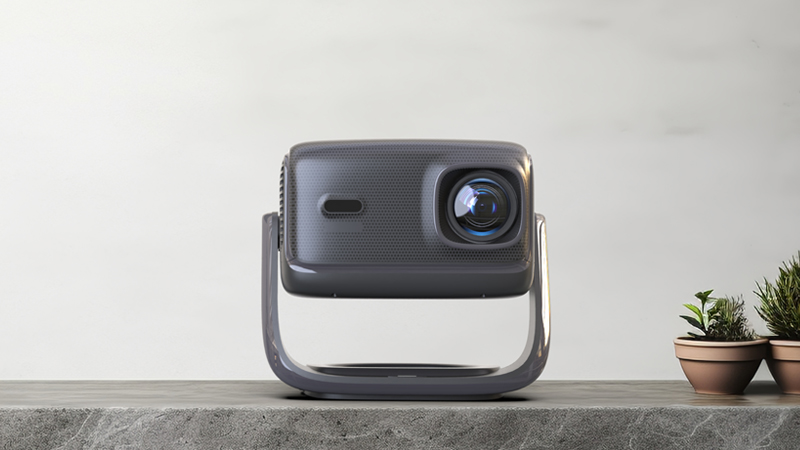
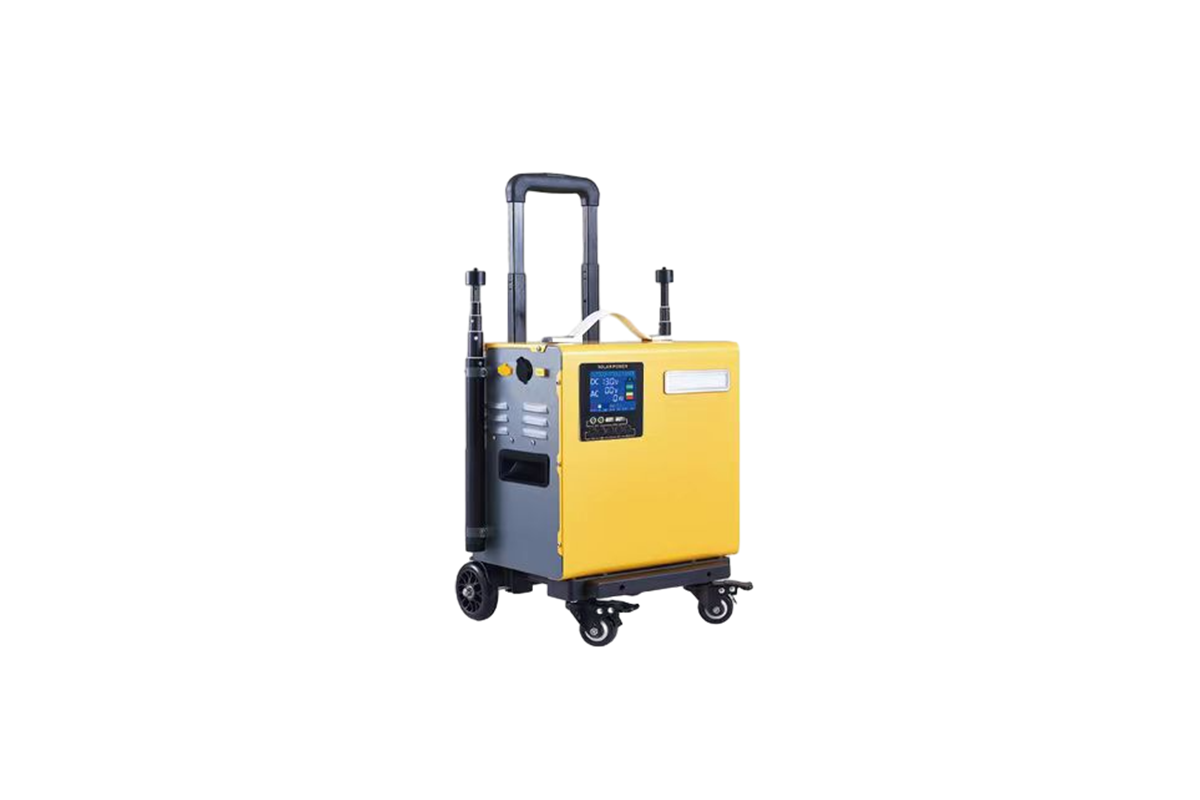
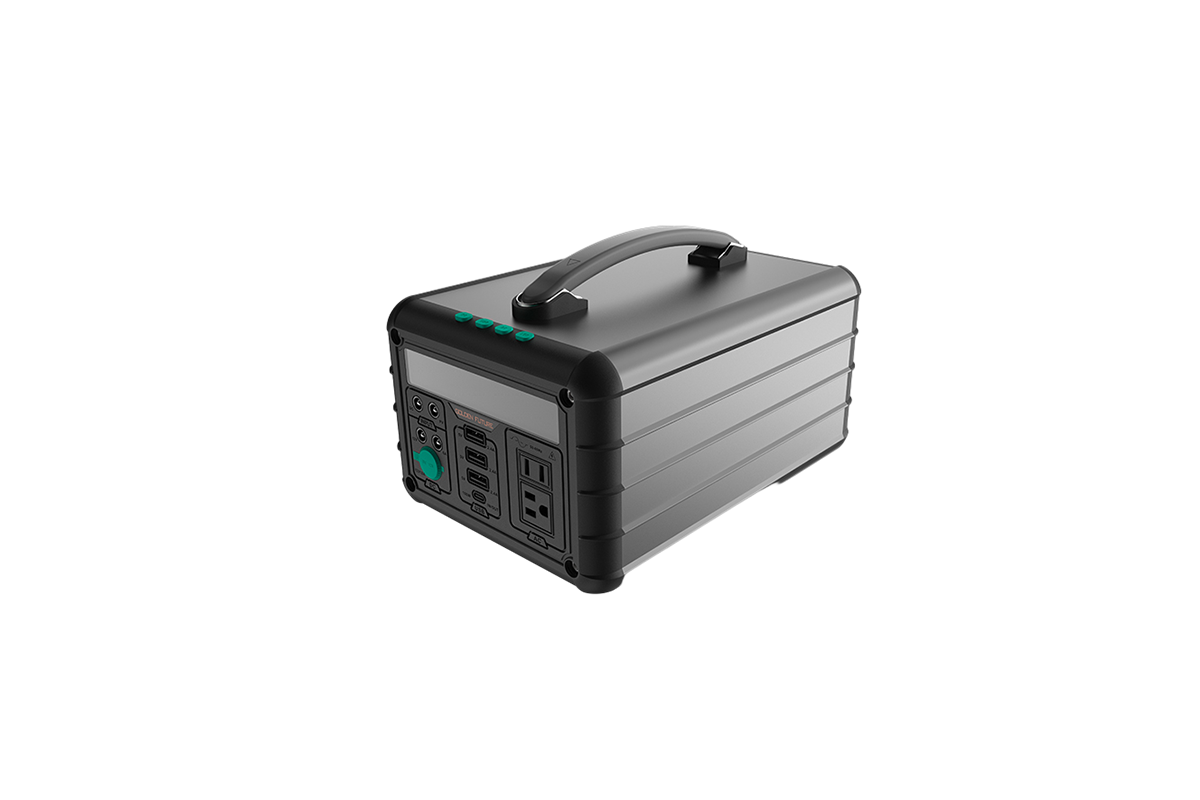
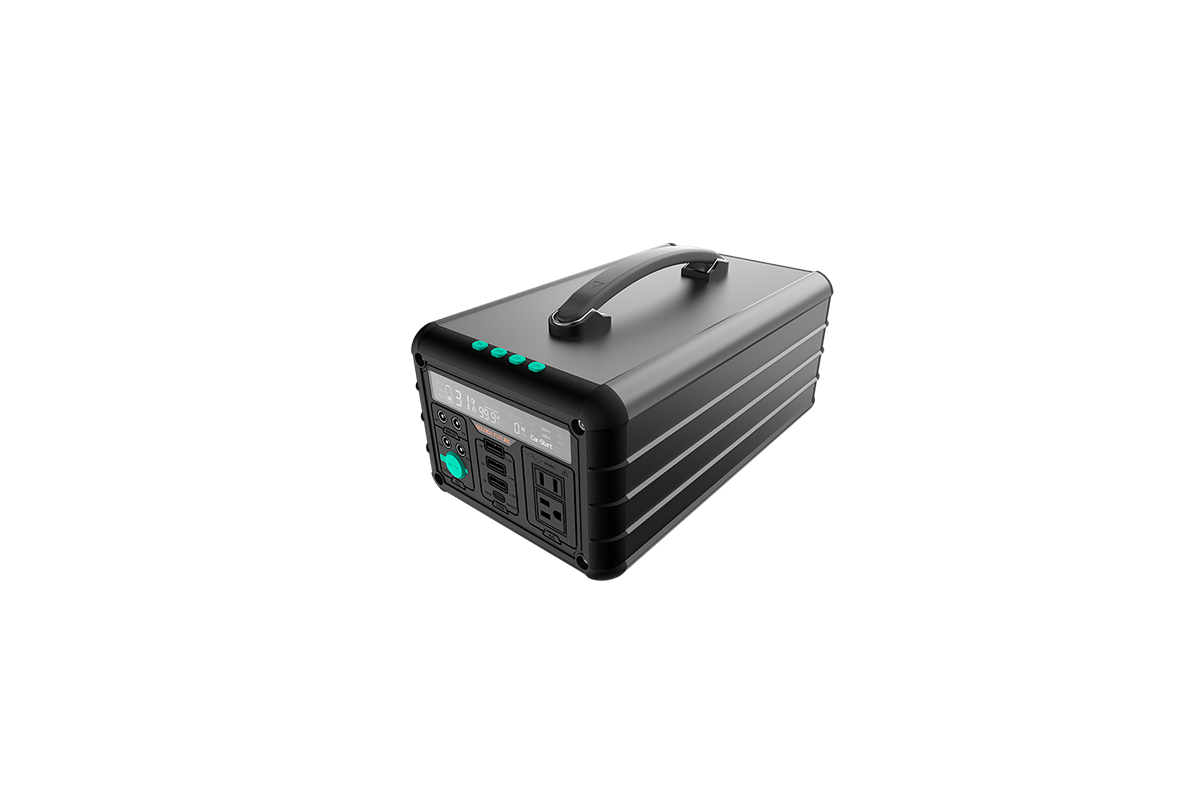
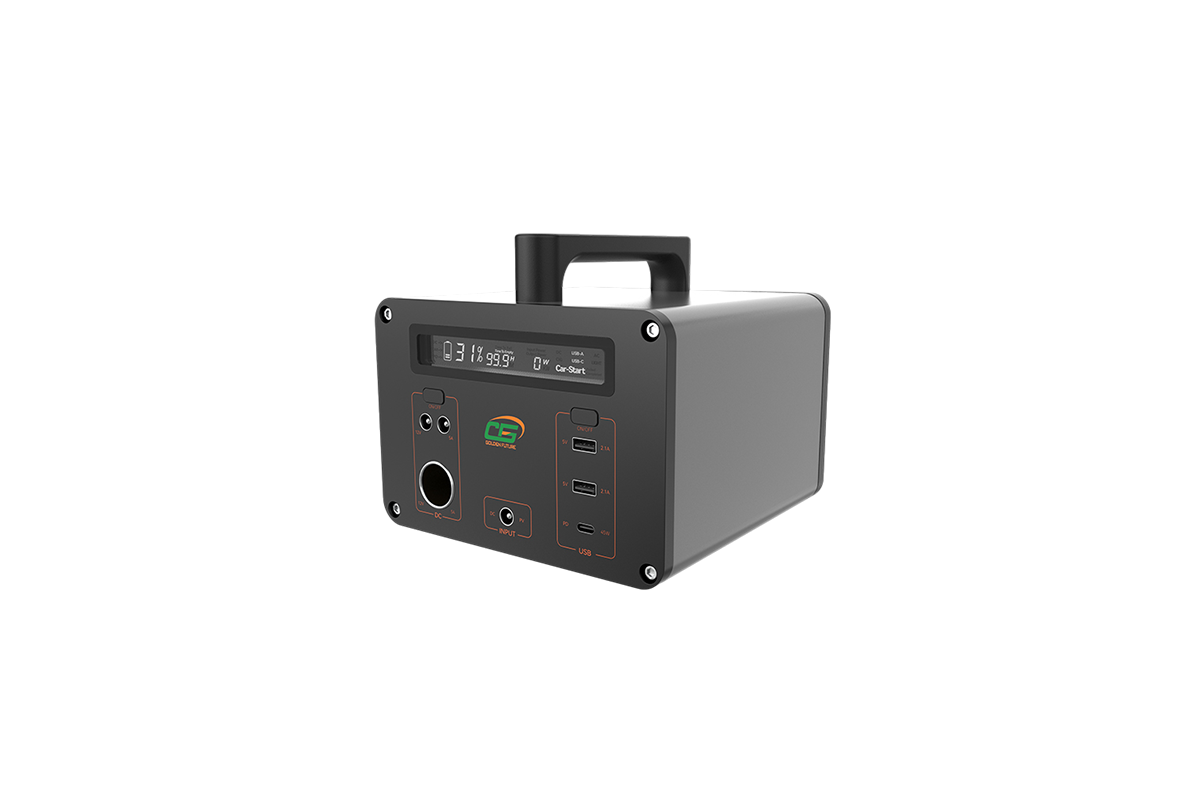
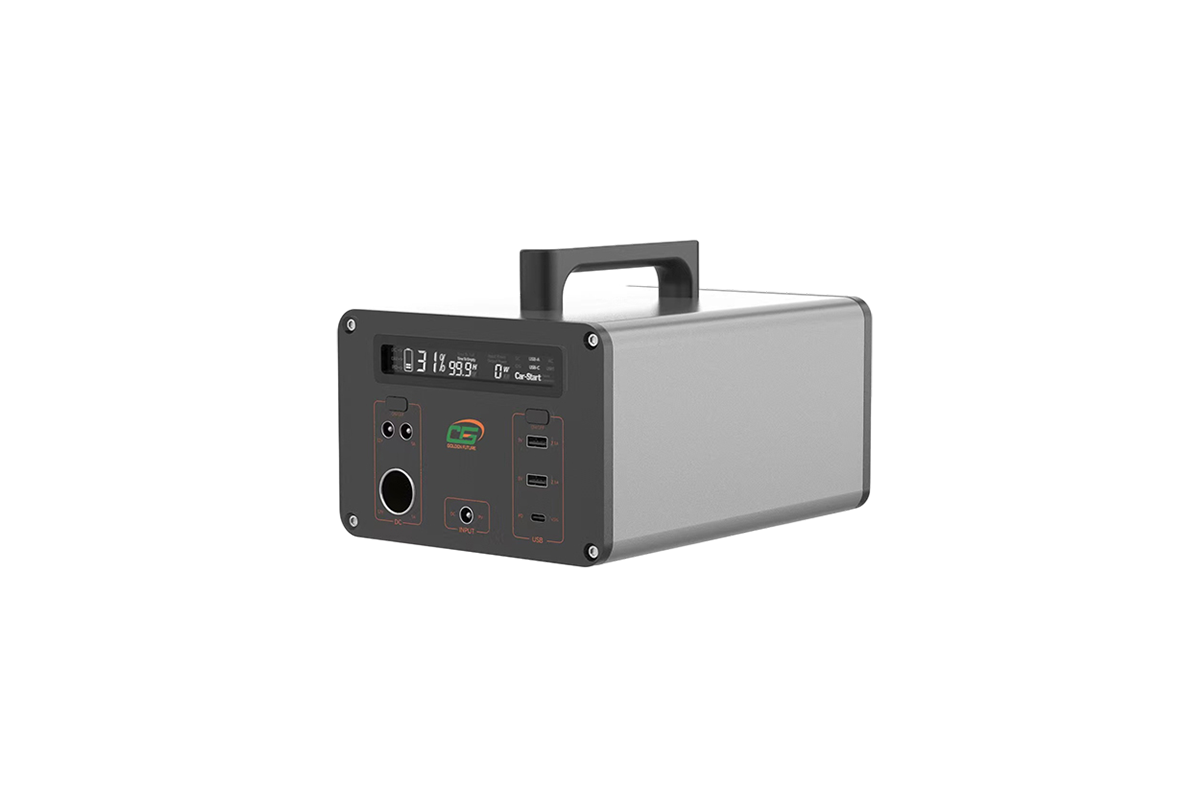
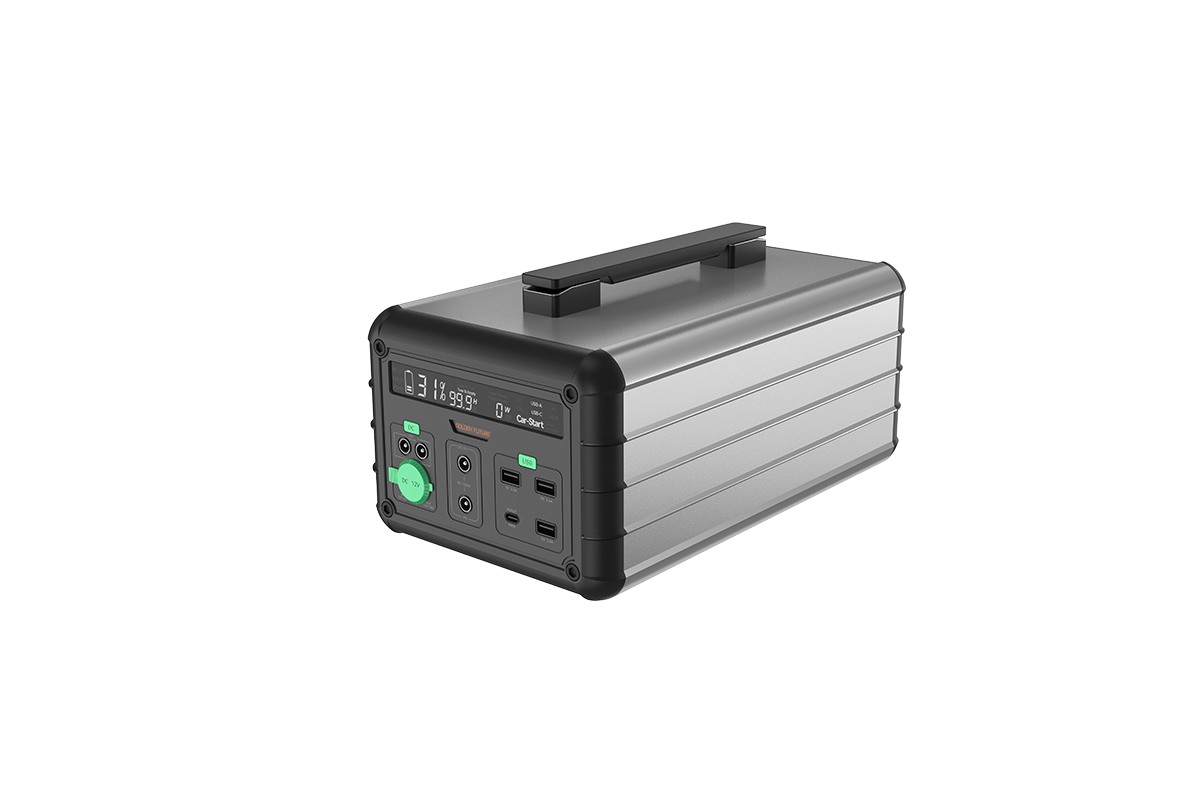
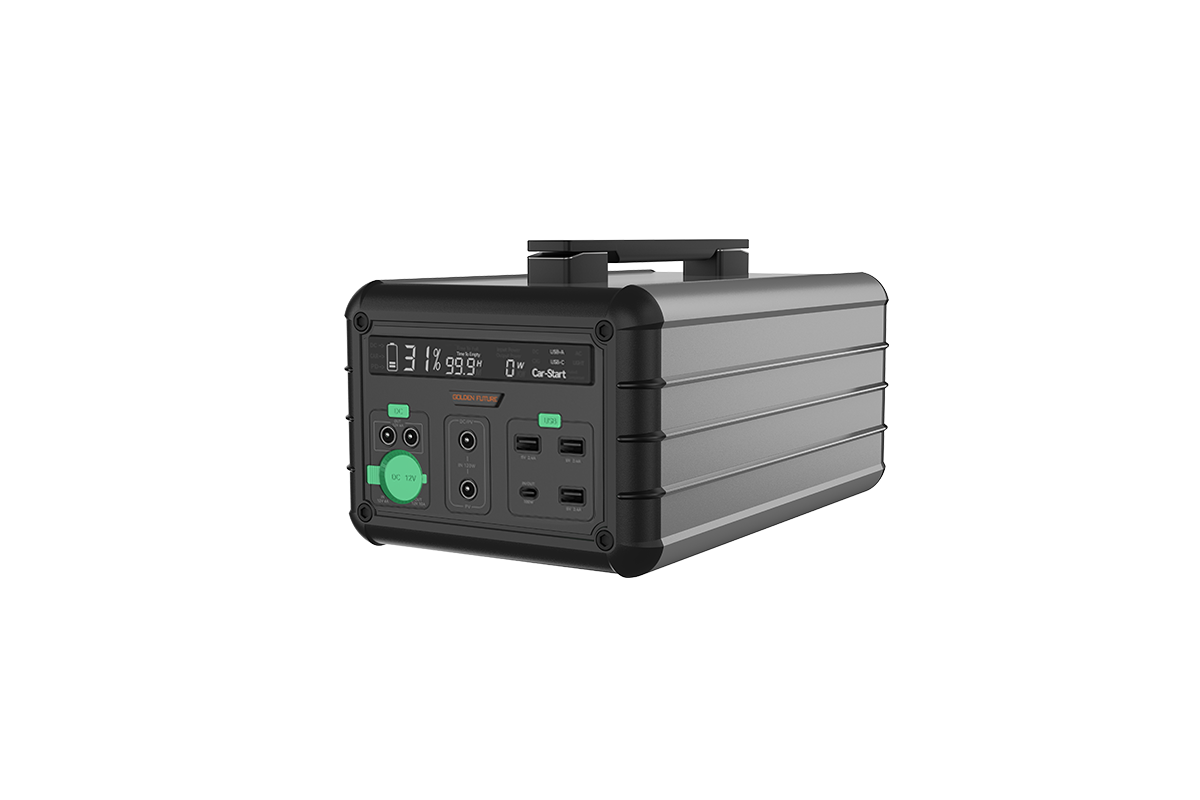
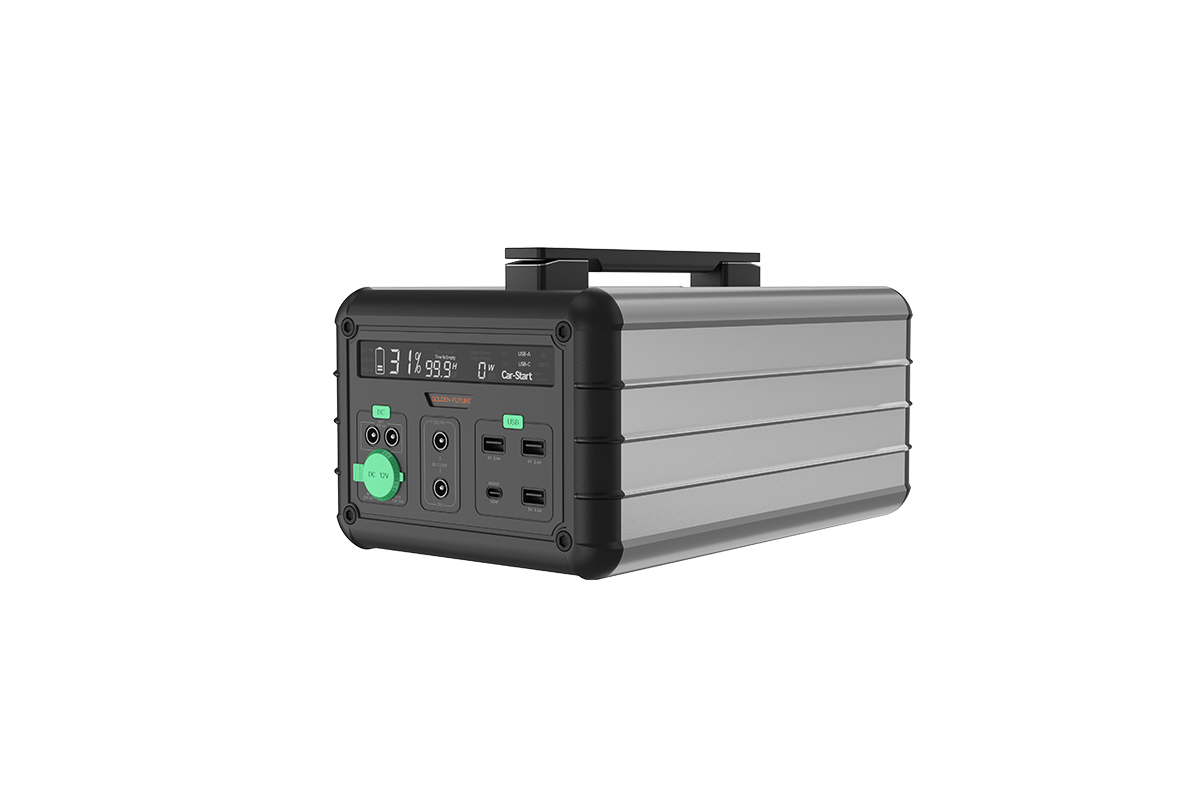
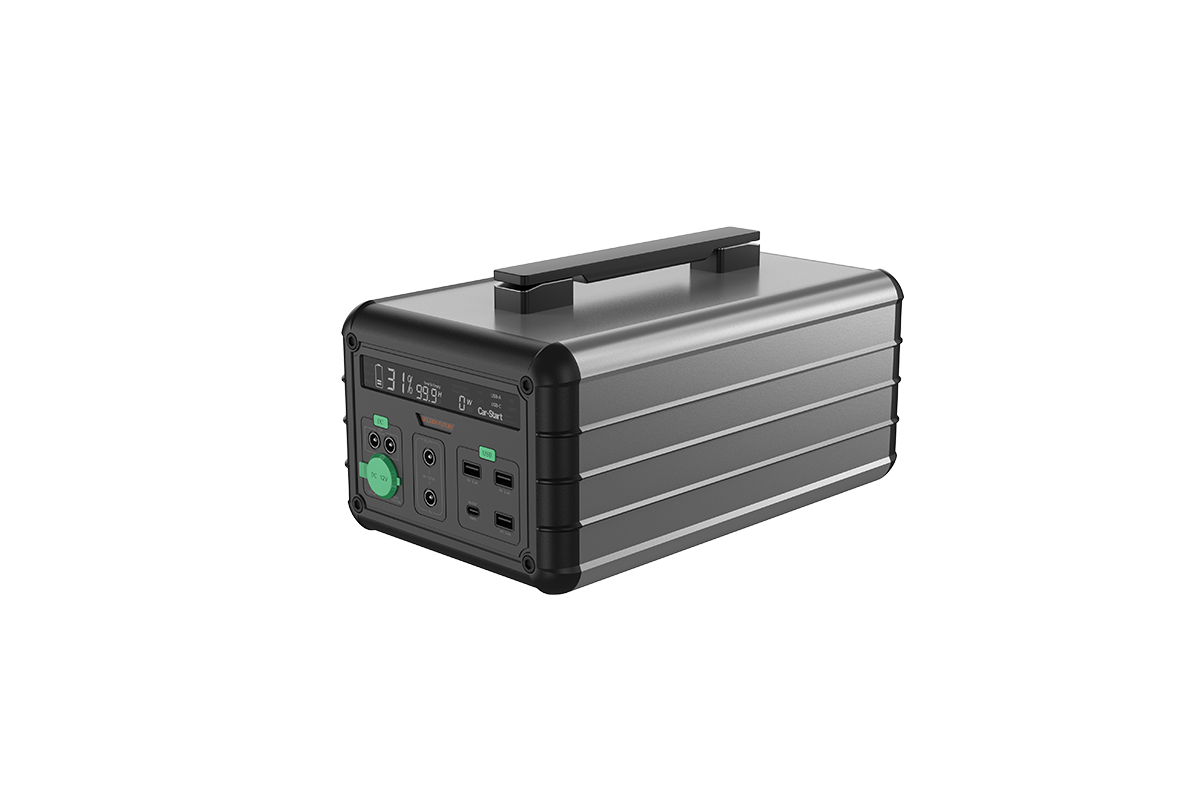
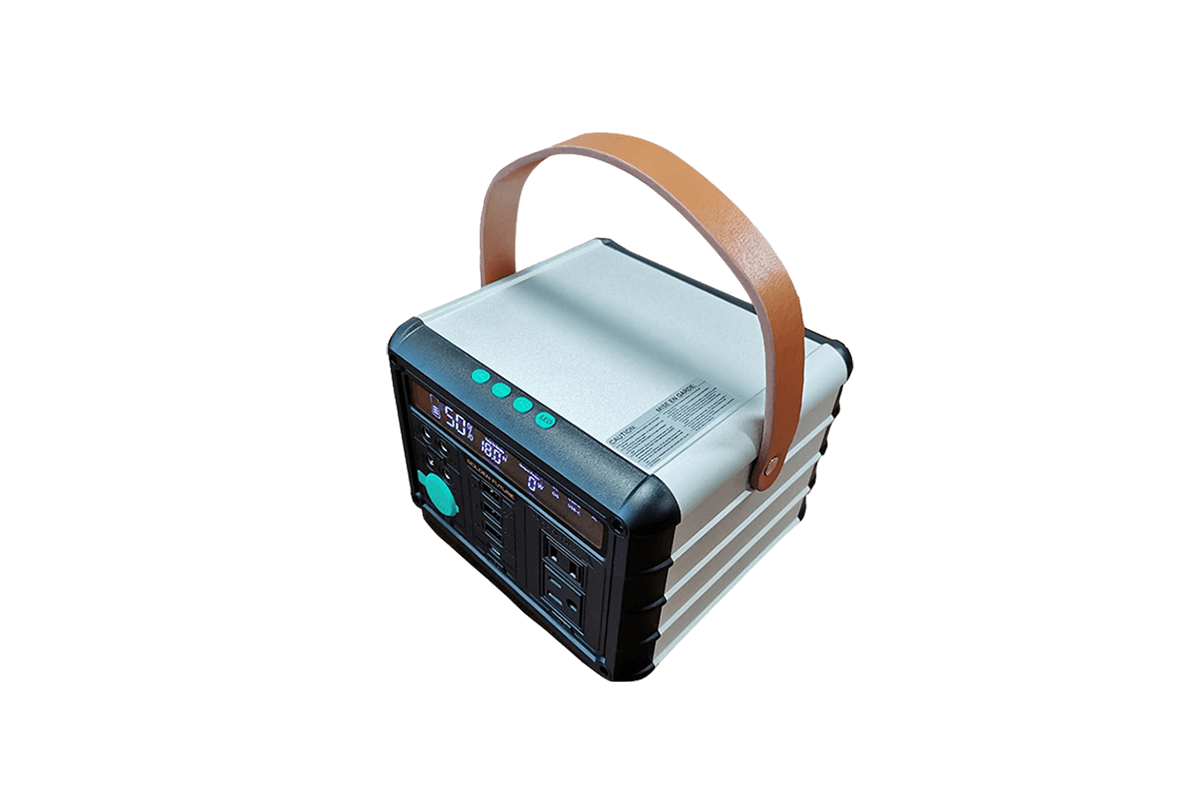
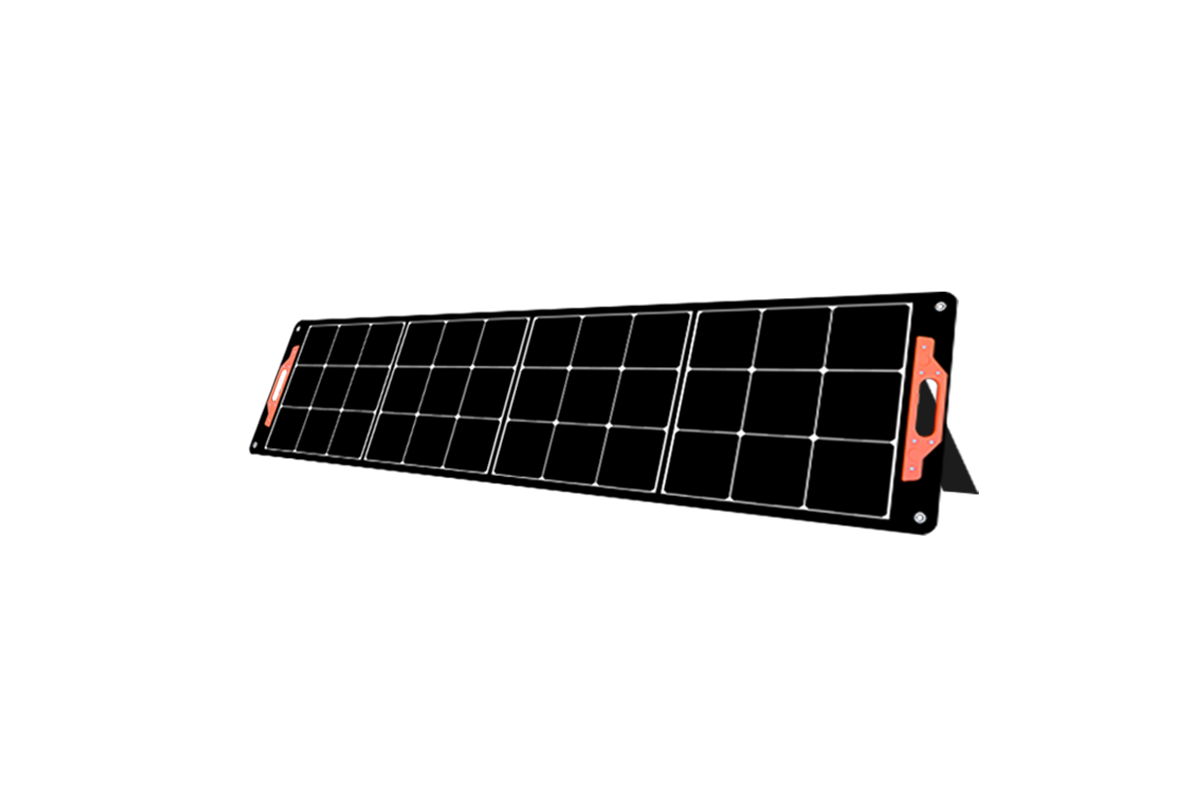
Portable power stations and household energy storage systems differ fundamentally in capacity design, which defines their core power supply positioning and application boundaries. Portable power stations are engineered for mobility and lightweight carrying, with their mainstream capacity ranging from 200Wh to 3000Wh in the consumer market. Miniature portable models below 500Wh are designed for small electronic devices such as mobile phones, laptops, and outdoor lights, while mid-to-high-end portable versions of 1000–3000Wh can power low-power outdoor electrical equipment including electric grills, portable refrigerators, and small fans. The capacity of portable stations is strictly limited by volume and weight constraints, as they need to be carried by hand or mounted on outdoor vehicles, making ultra-large capacity impossible to achieve. In terms of output power, most portable products provide continuous power from 200W to 2000W, supporting only short-term, low-to-medium power load operation.
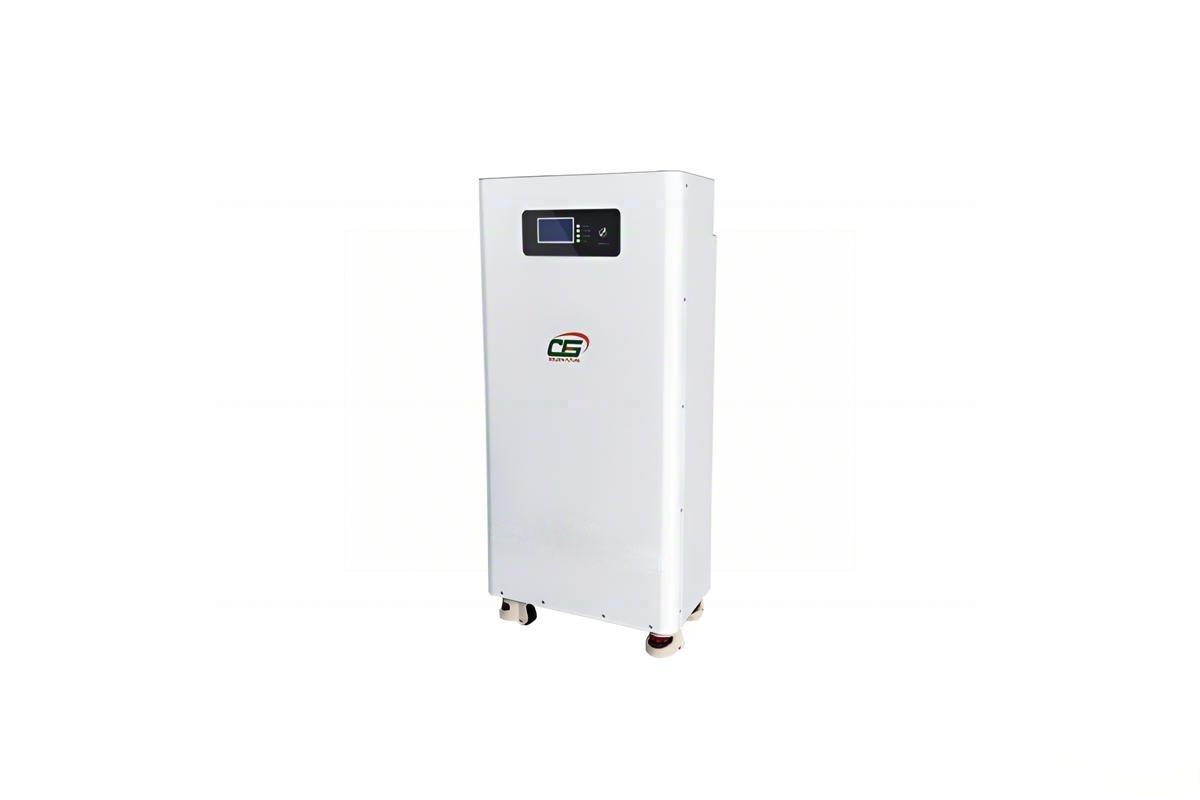
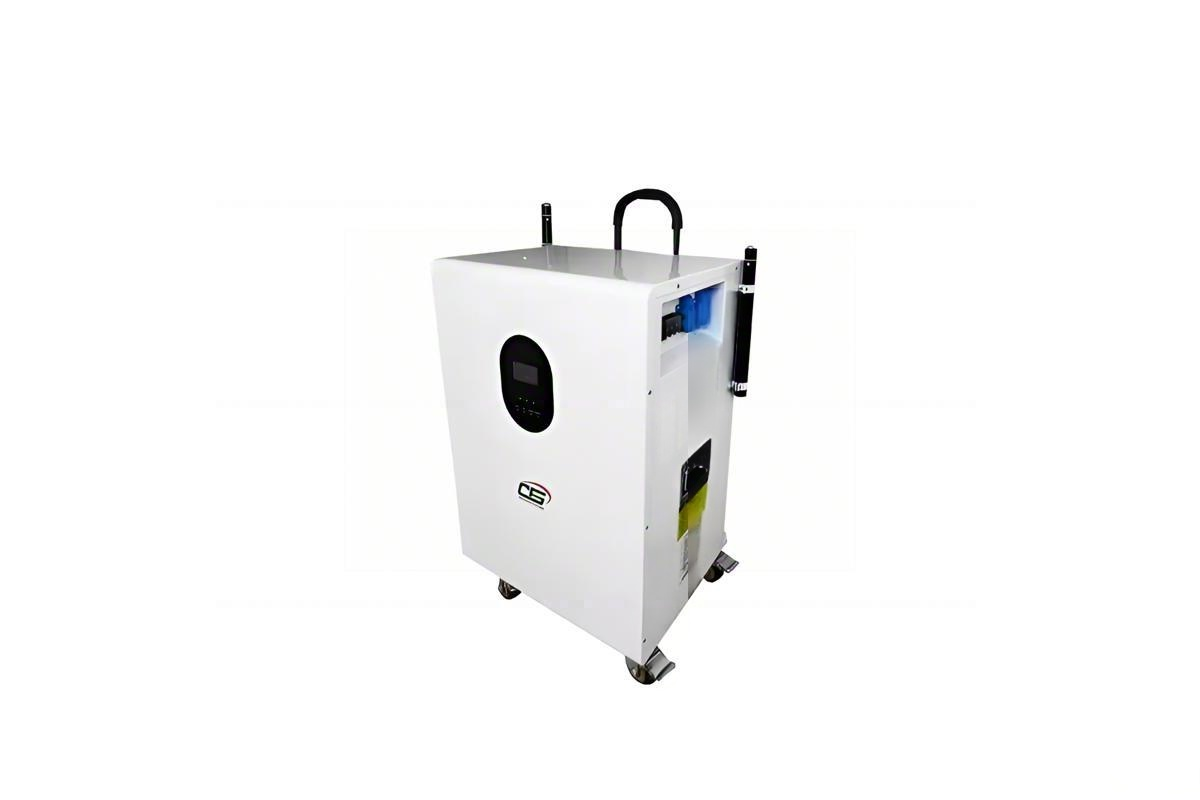
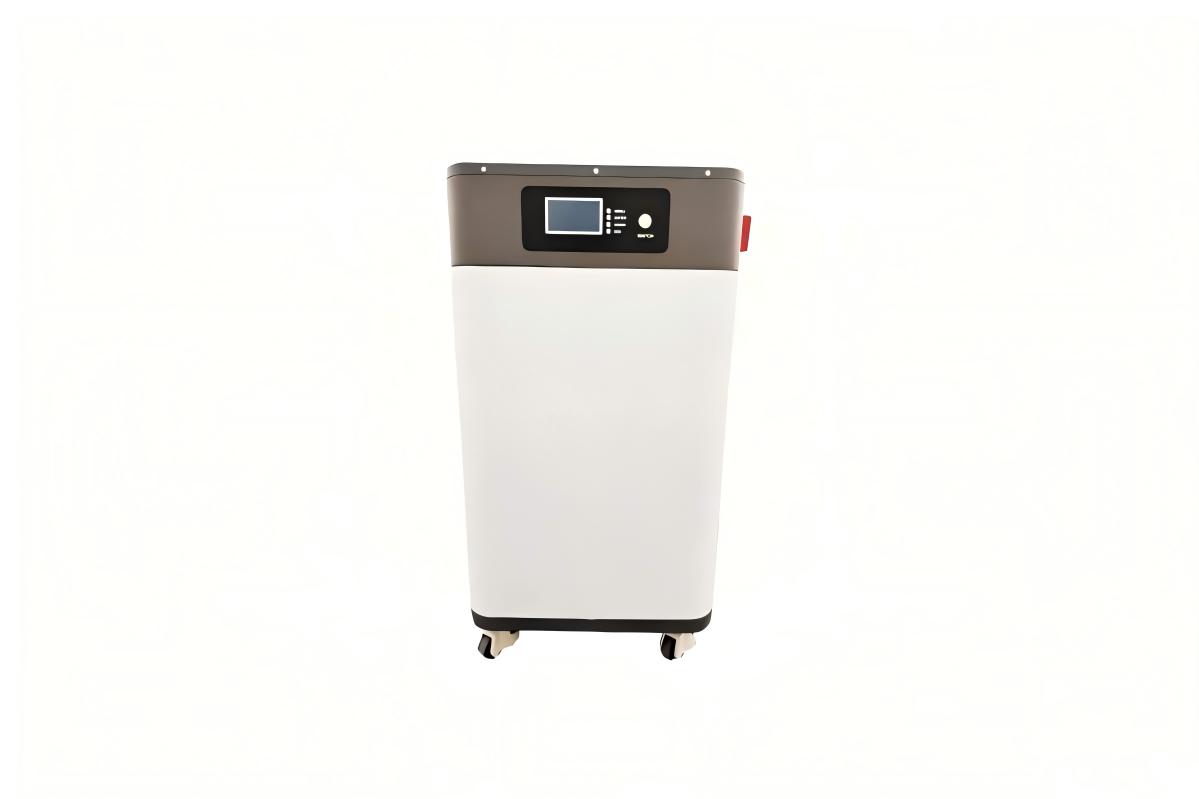
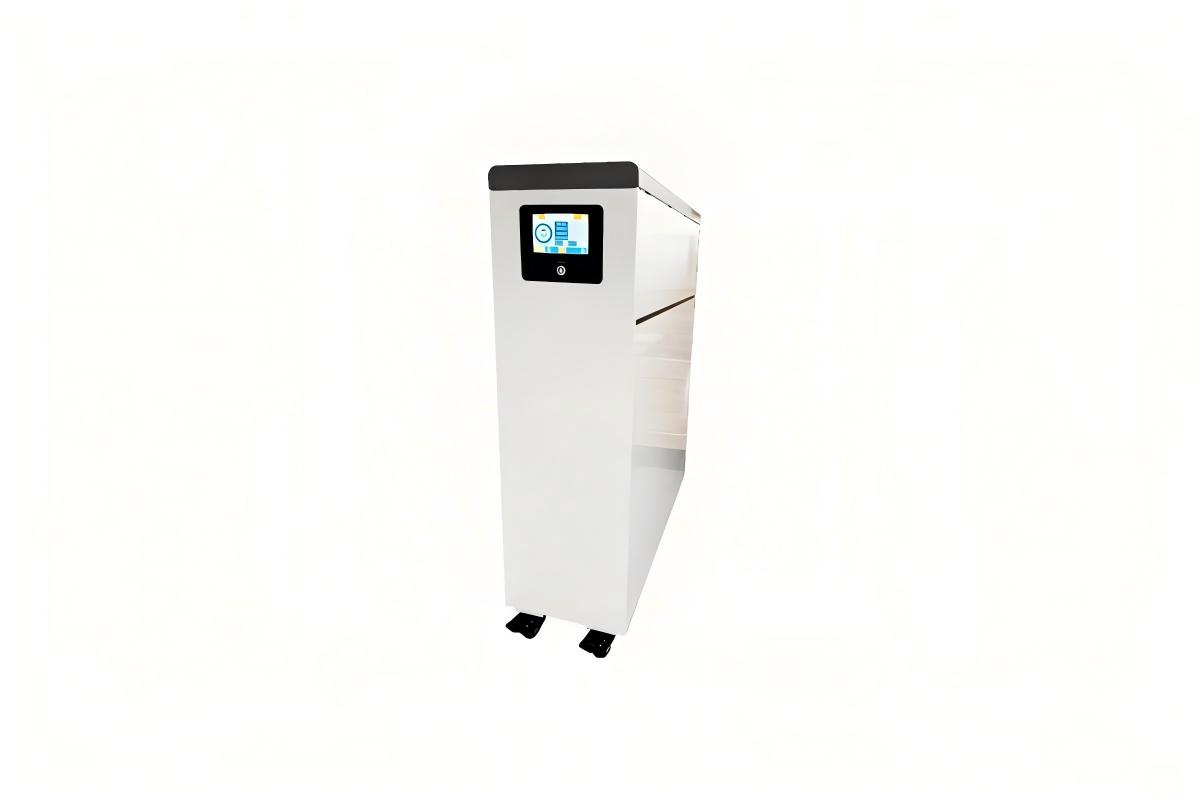
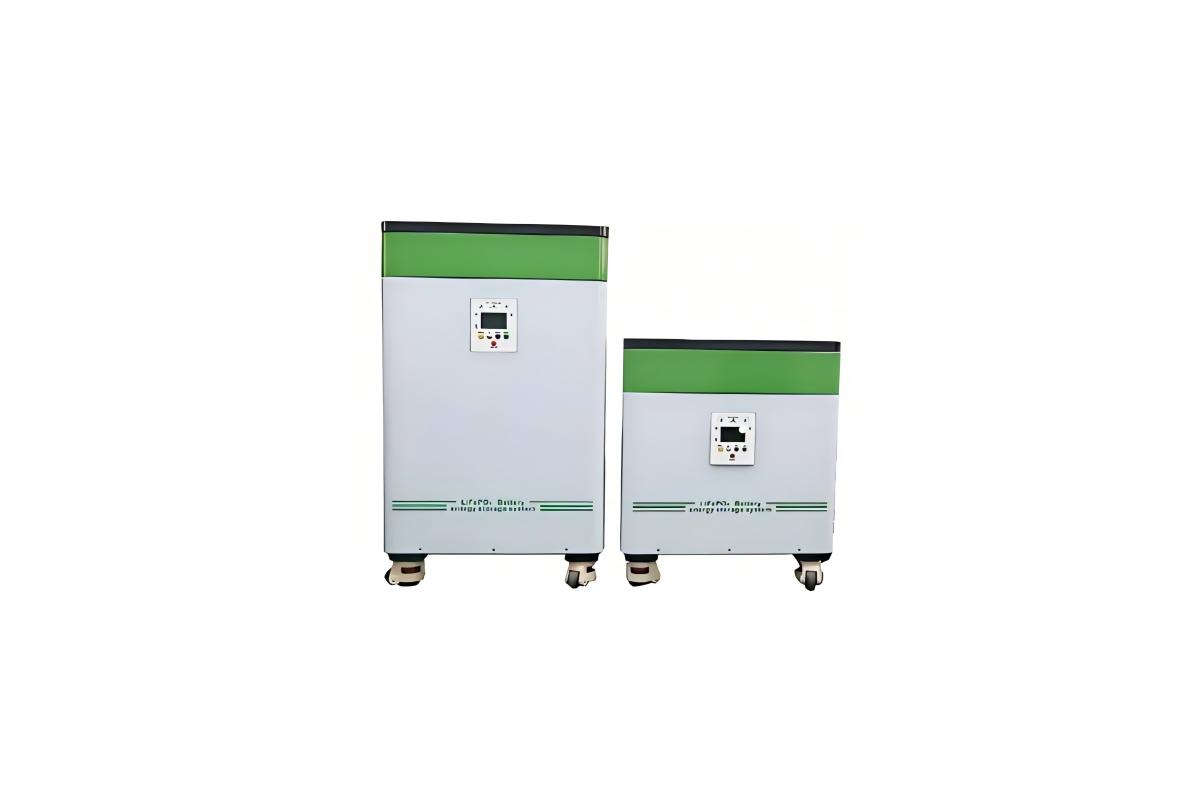
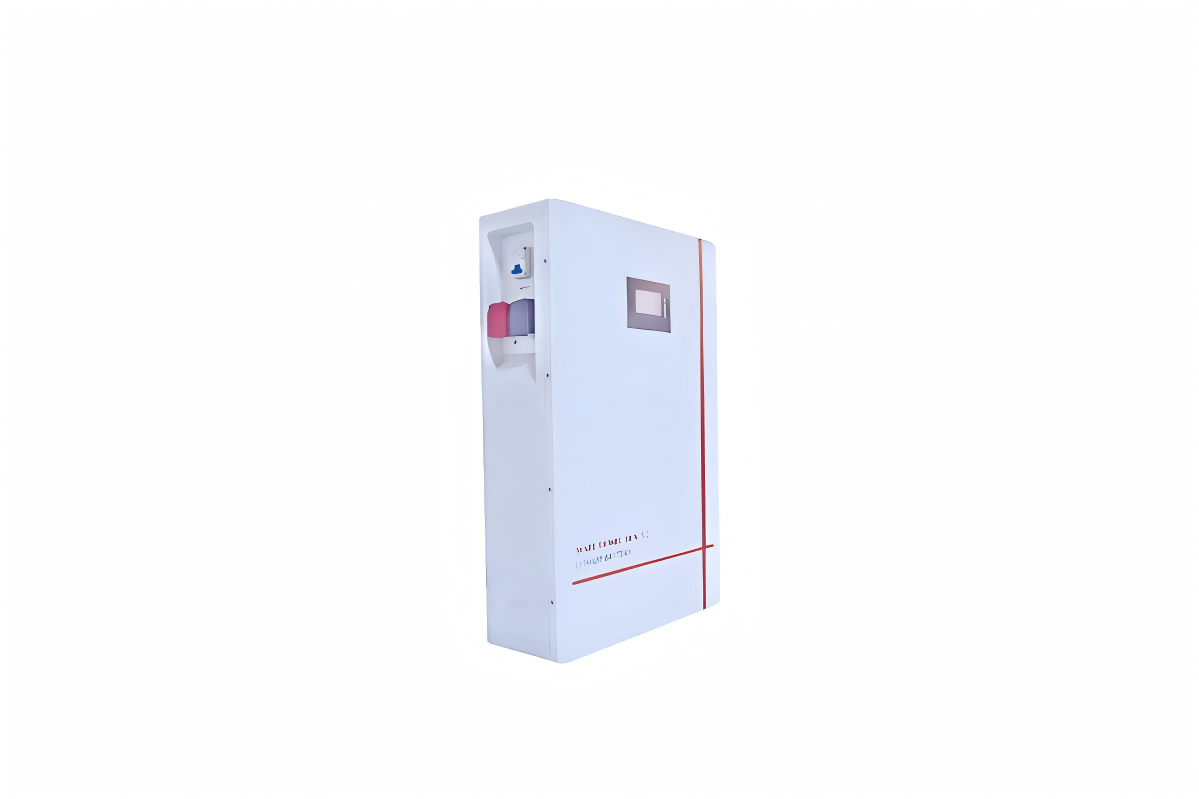
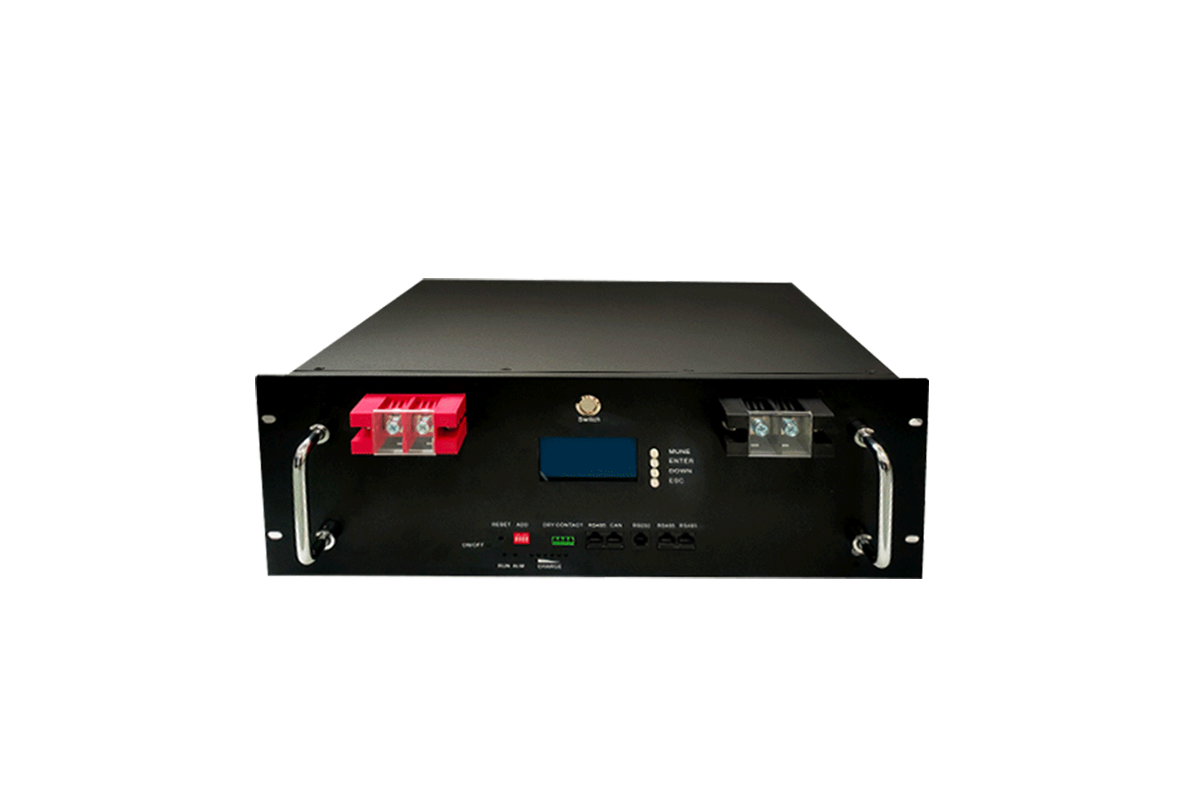
Household energy storage systems, by contrast, adopt fixed installation design and break through volume and weight limitations, with far superior capacity parameters. The mainstream capacity of household energy storage equipment starts from 5kWh, and mainstream household models cover 5kWh to 20kWh, while customized large-capacity versions can even reach 50kWh or higher. Such capacity is tailored to meet the daily power consumption needs of household whole-house electrical equipment, including air conditioners, refrigerators, washing machines, water heaters, and kitchen high-power appliances. In terms of output performance, household energy storage supports continuous high-power output of 3kW to 10kW, and it can bear the simultaneous operation of multiple high-power electrical devices for a long time.
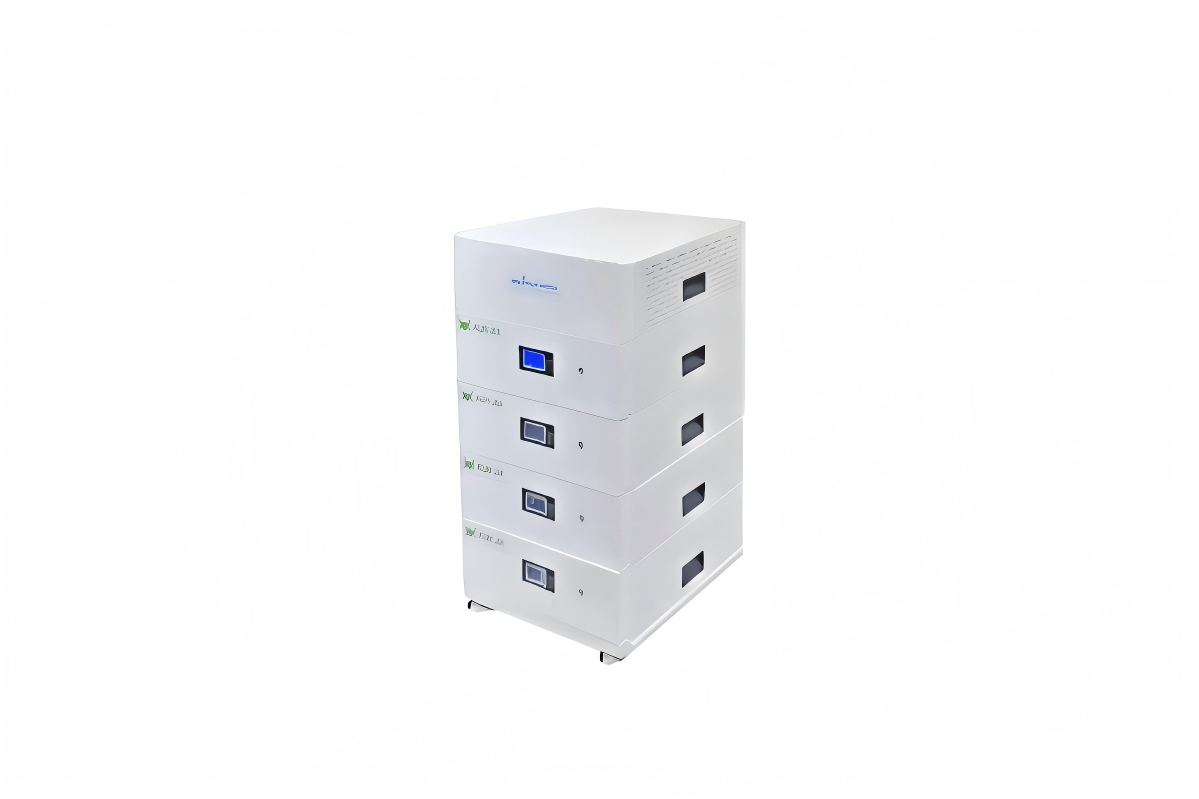
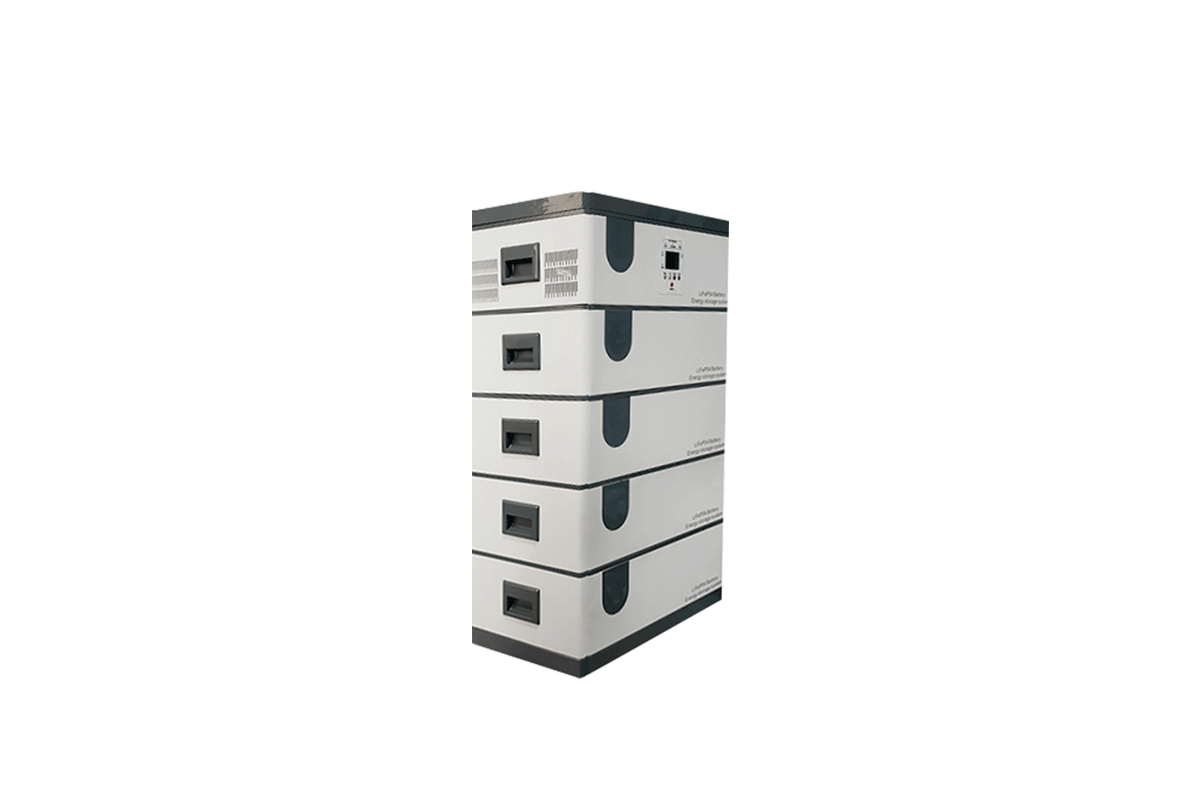
Another key capacity difference lies in expandability and cycle endurance. Most portable power stations adopt integrated non-expandable battery design, with fixed capacity and no room for later upgrade, and their battery cycle life is generally 800–1500 times. Household energy storage systems support modular capacity expansion, allowing users to superimpose battery modules according to household power demand changes, and their professional lithium iron phosphate batteries have a cycle life of more than 6000 times. In summary, portable power stations focus on small-capacity, flexible emergency power supply, while household energy storage centers on large-capacity, stable long-term energy reserve.




 59911926@qq.com/sales@goldenfuturehk.com
 13316809242 / 15816897019
 Inquiry
 Home >
