






Time:2026-03-27 Views:553
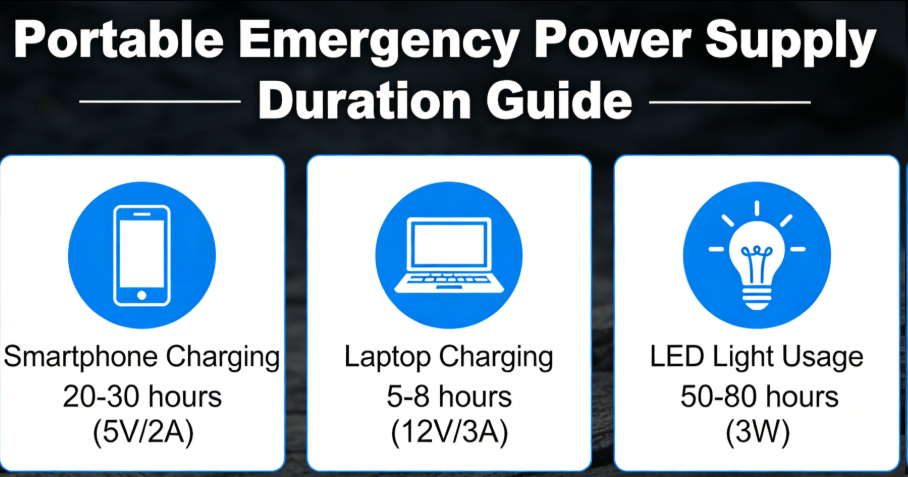
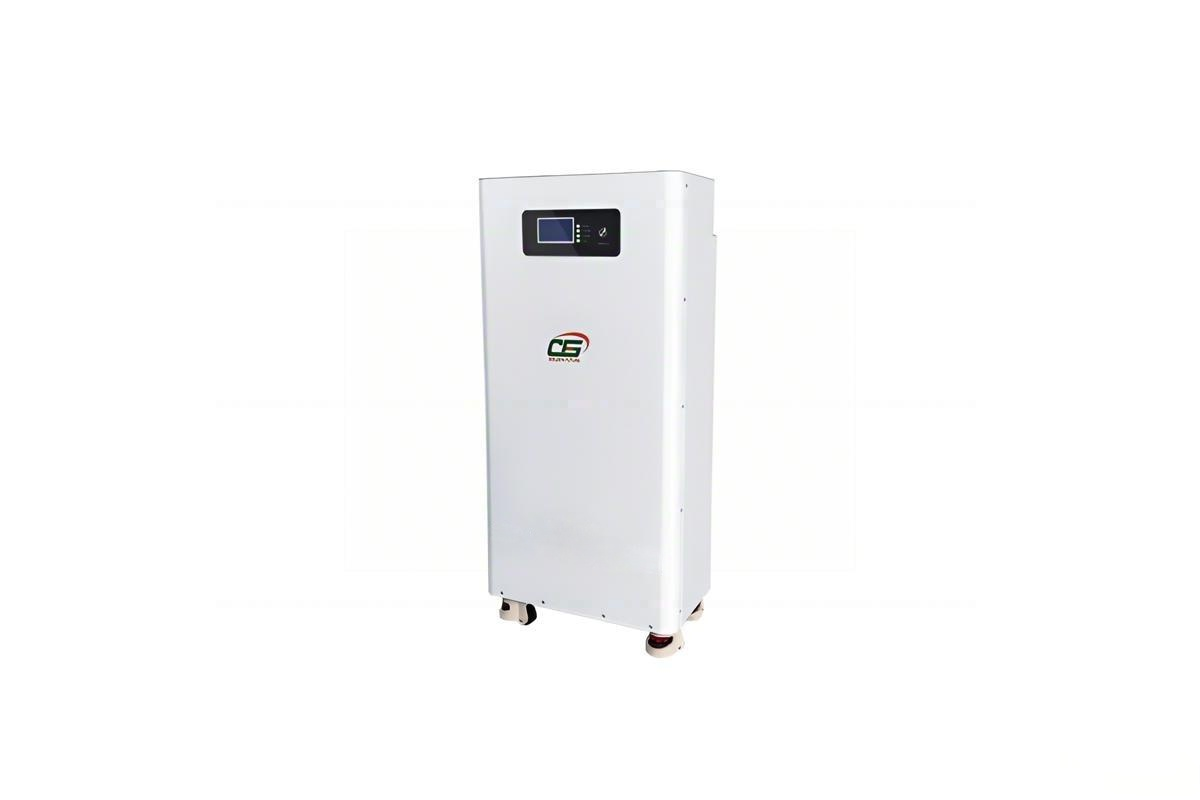
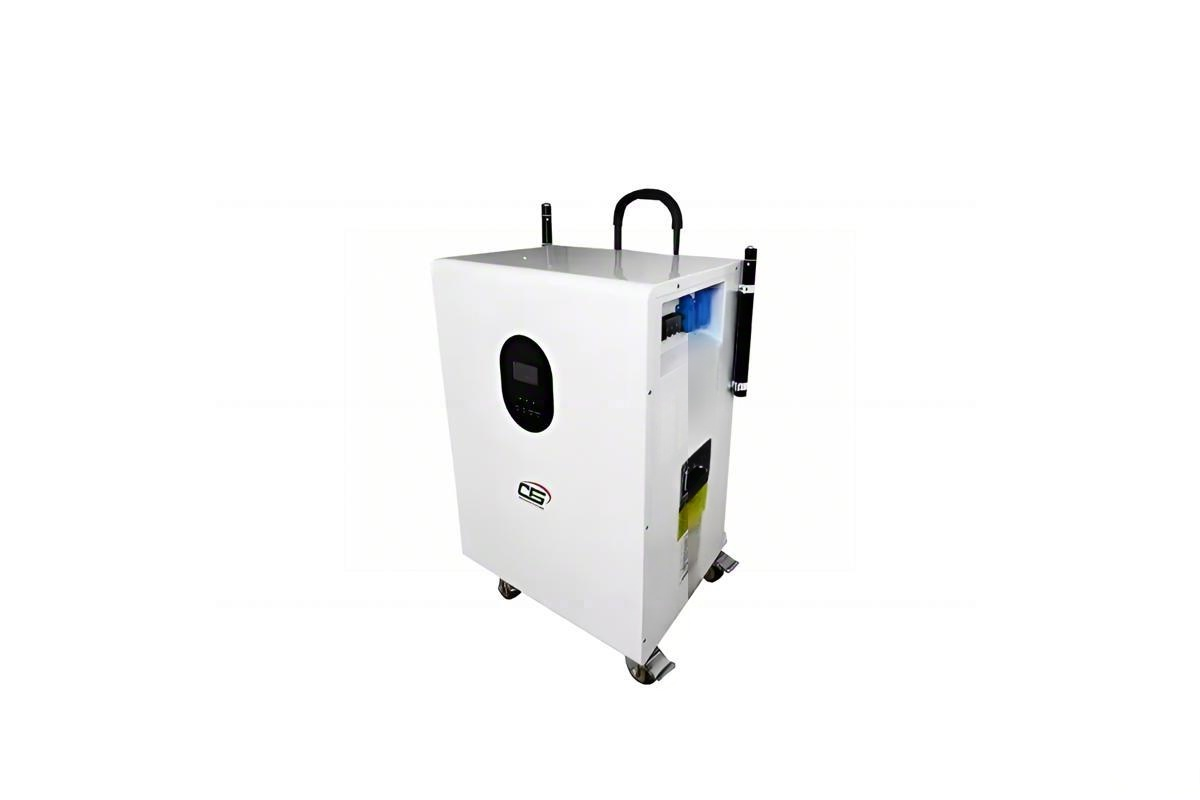
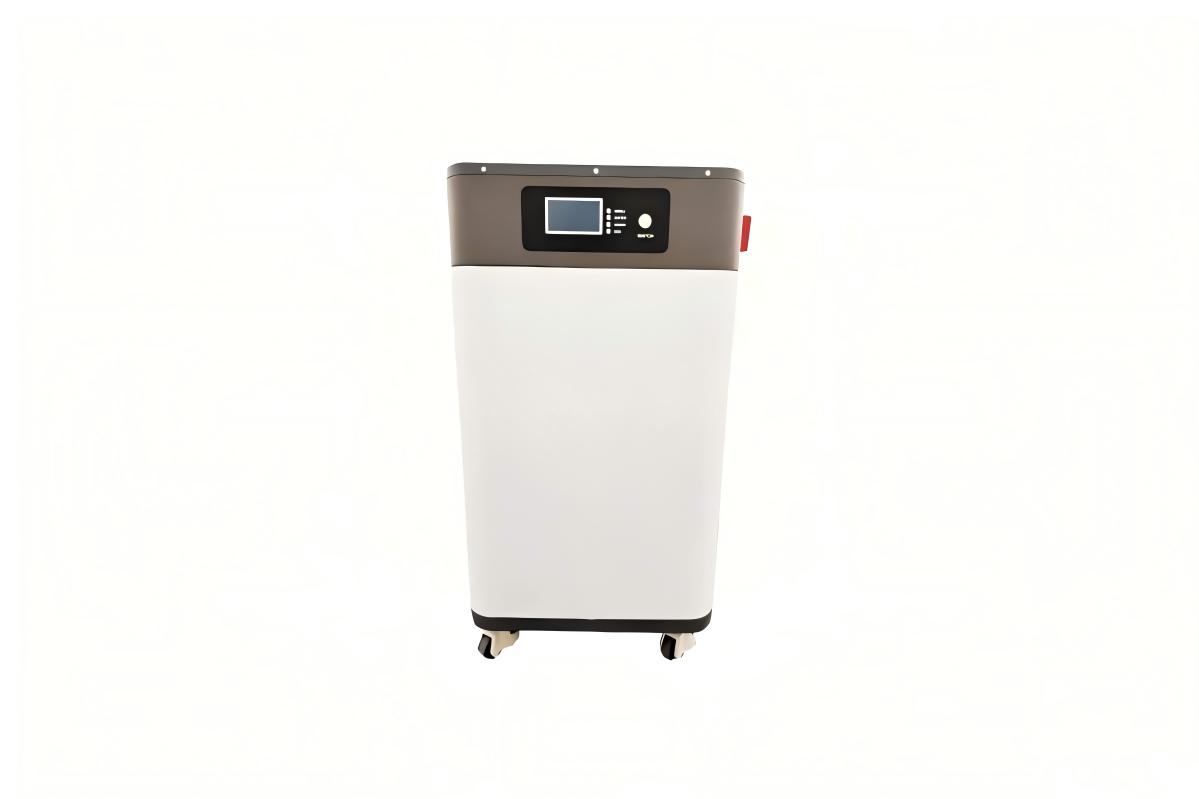
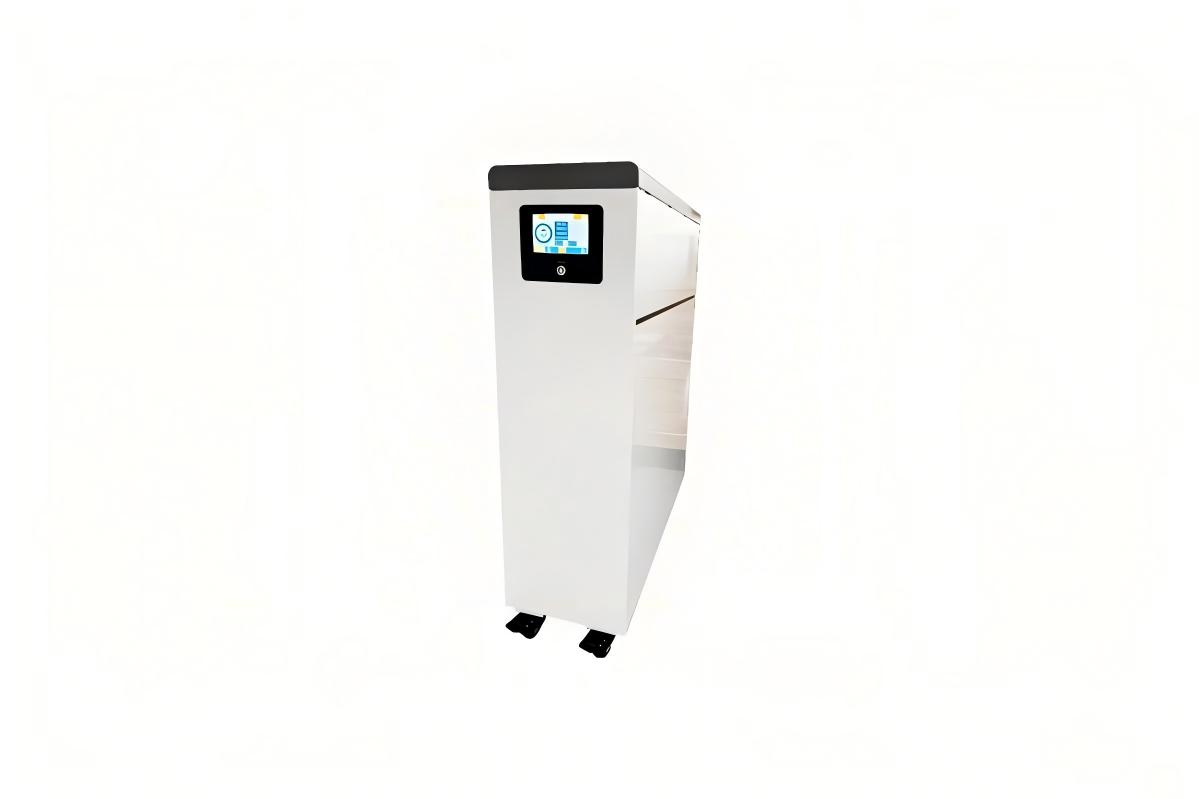
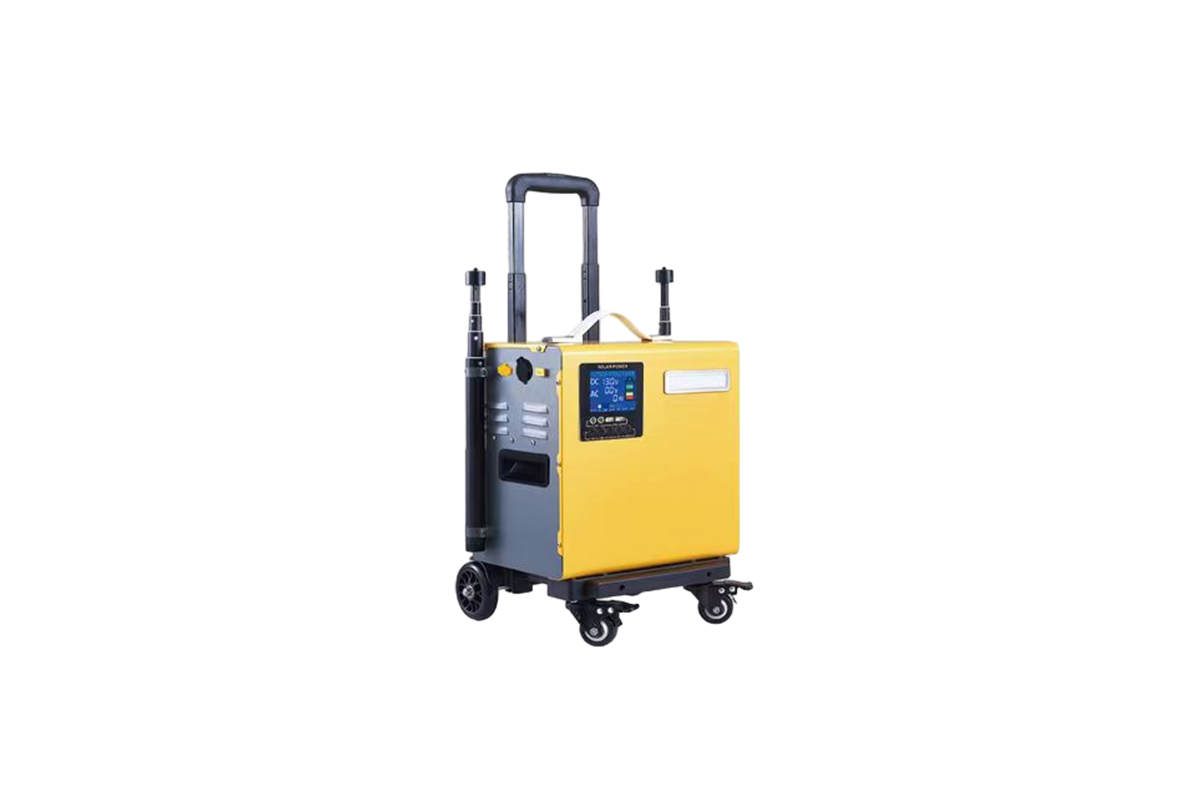
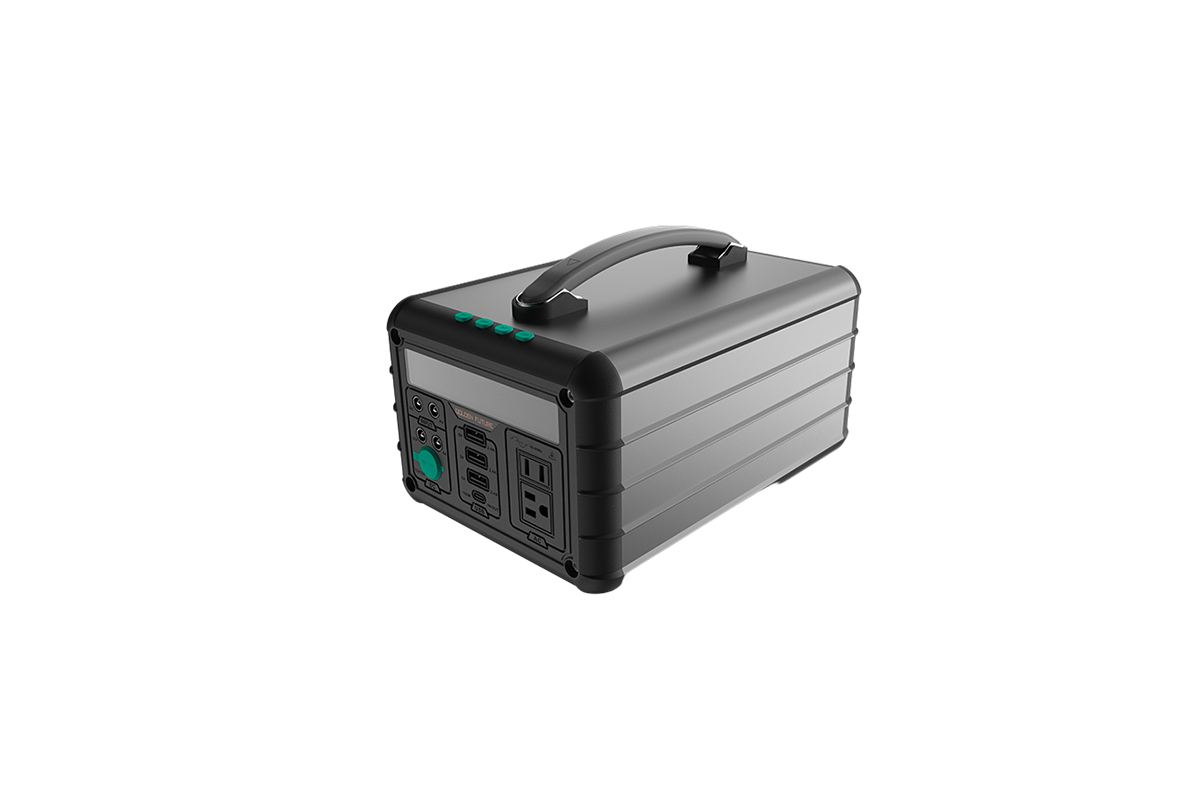
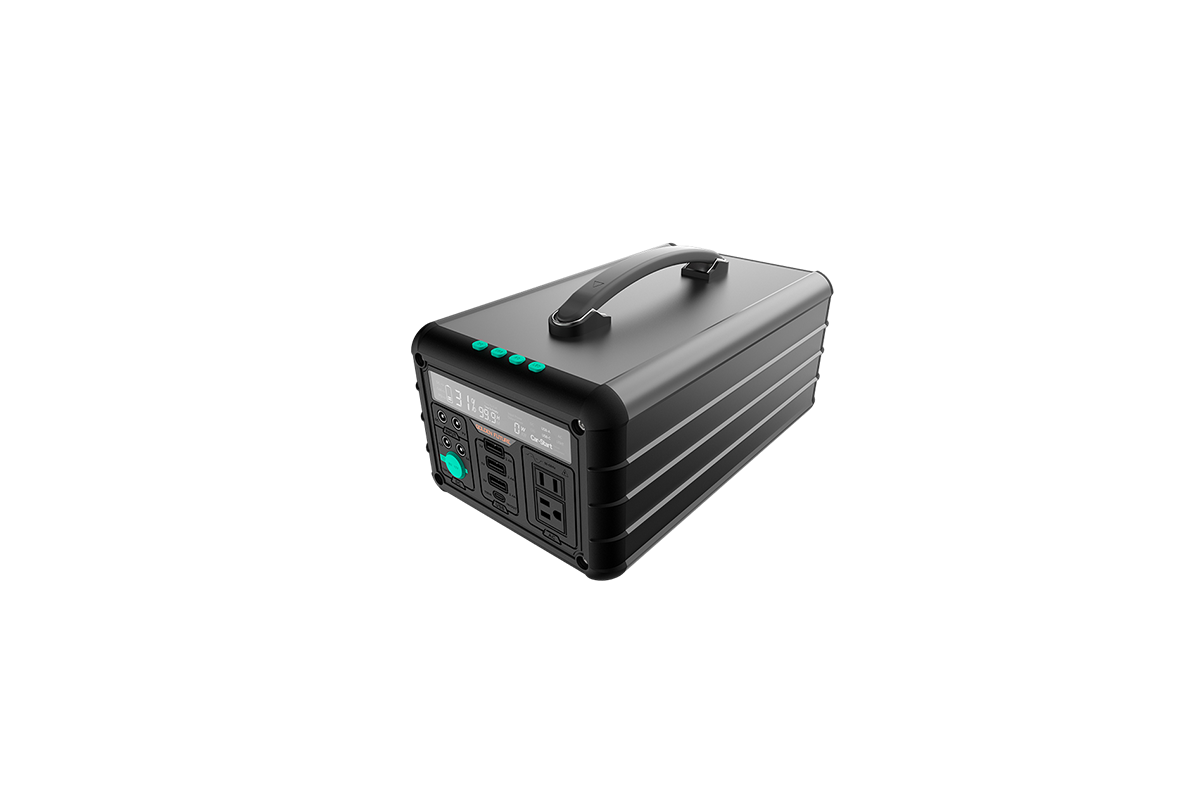
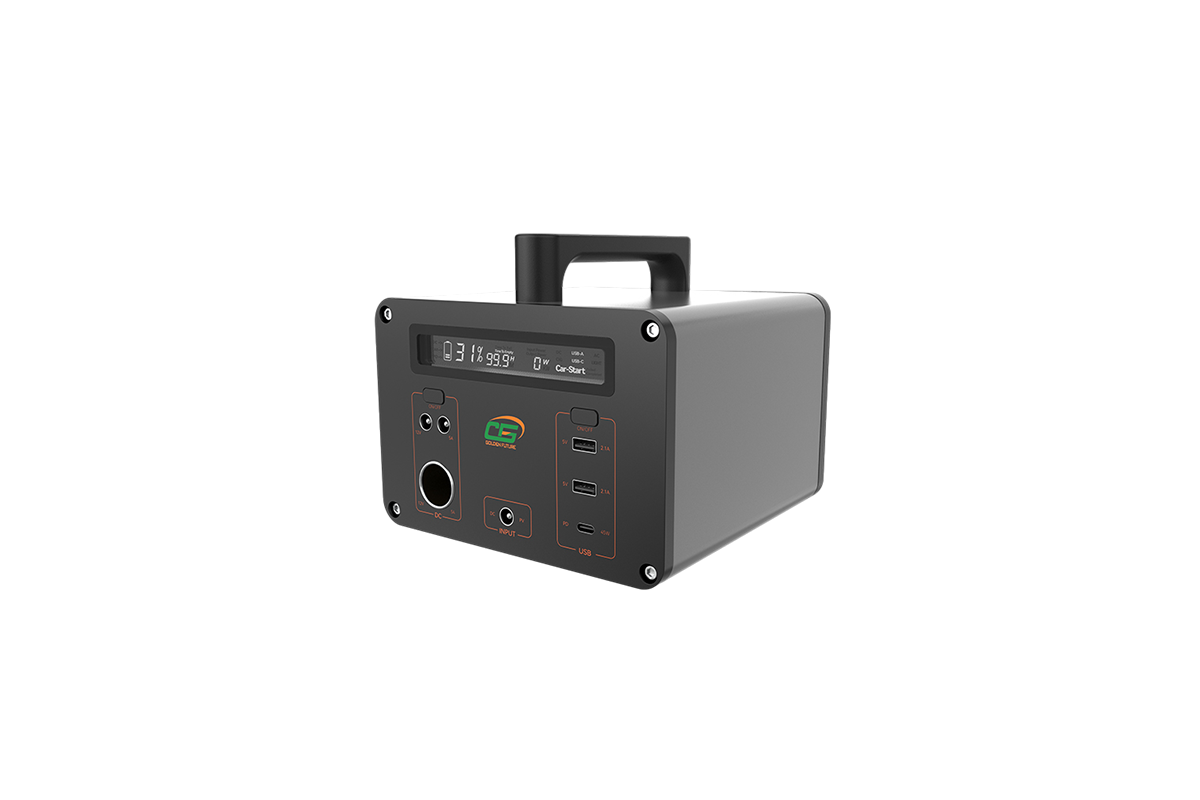
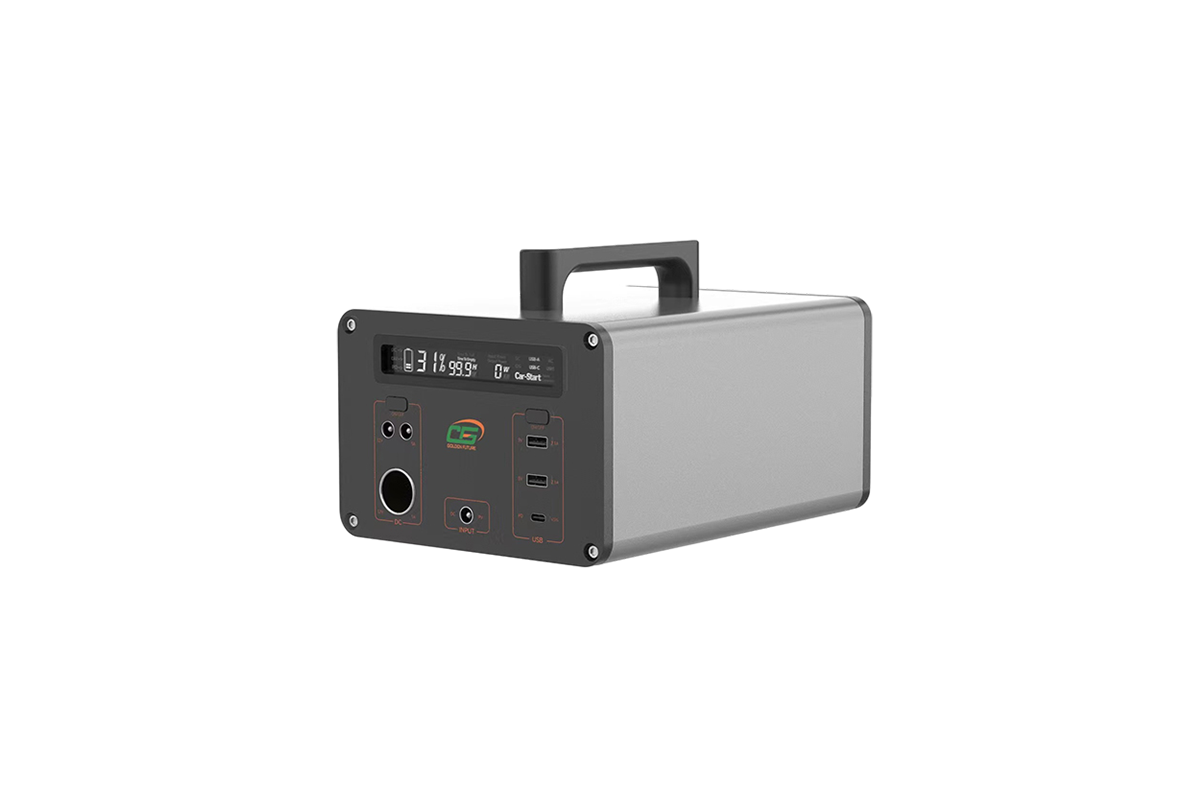
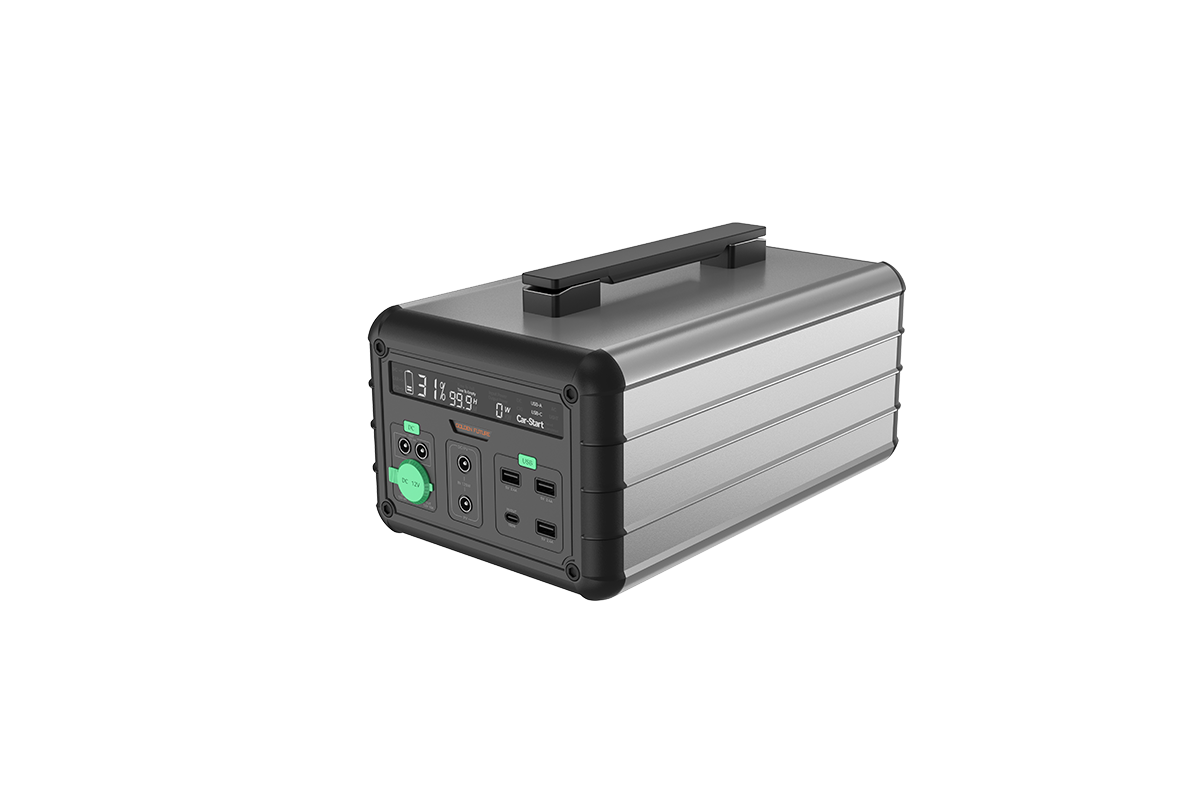
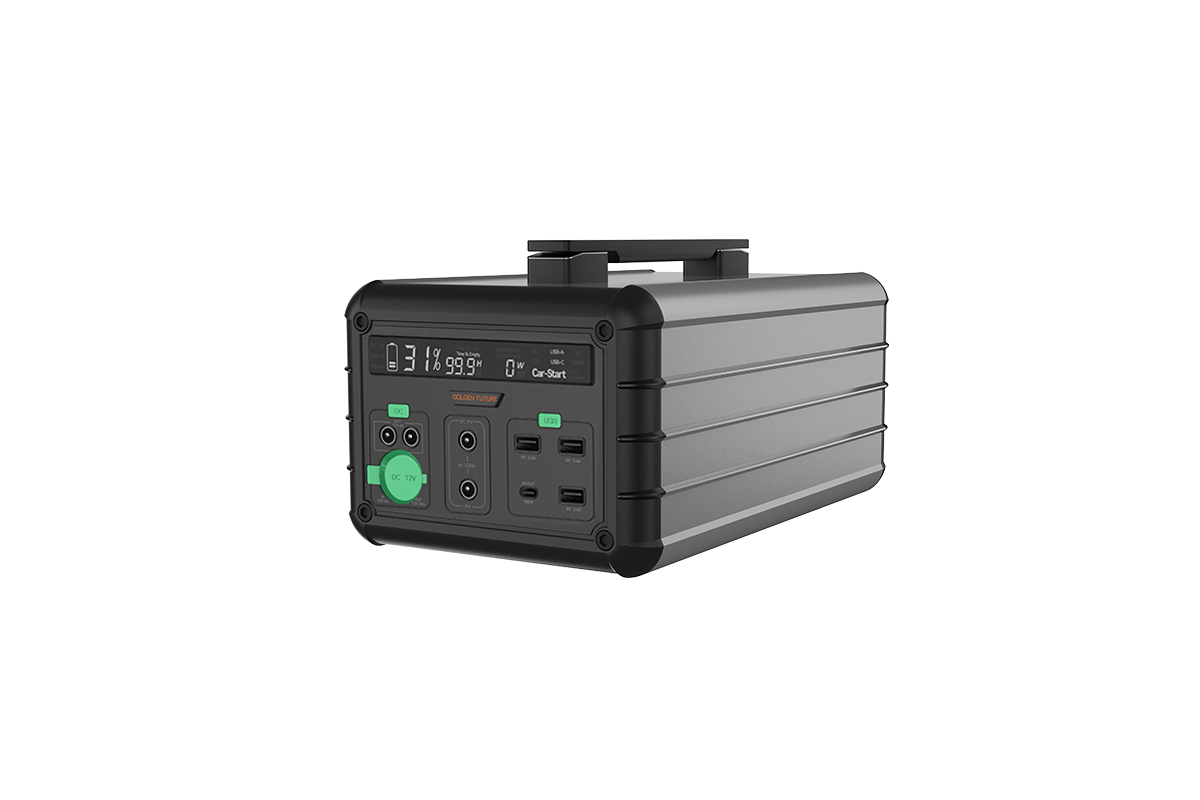
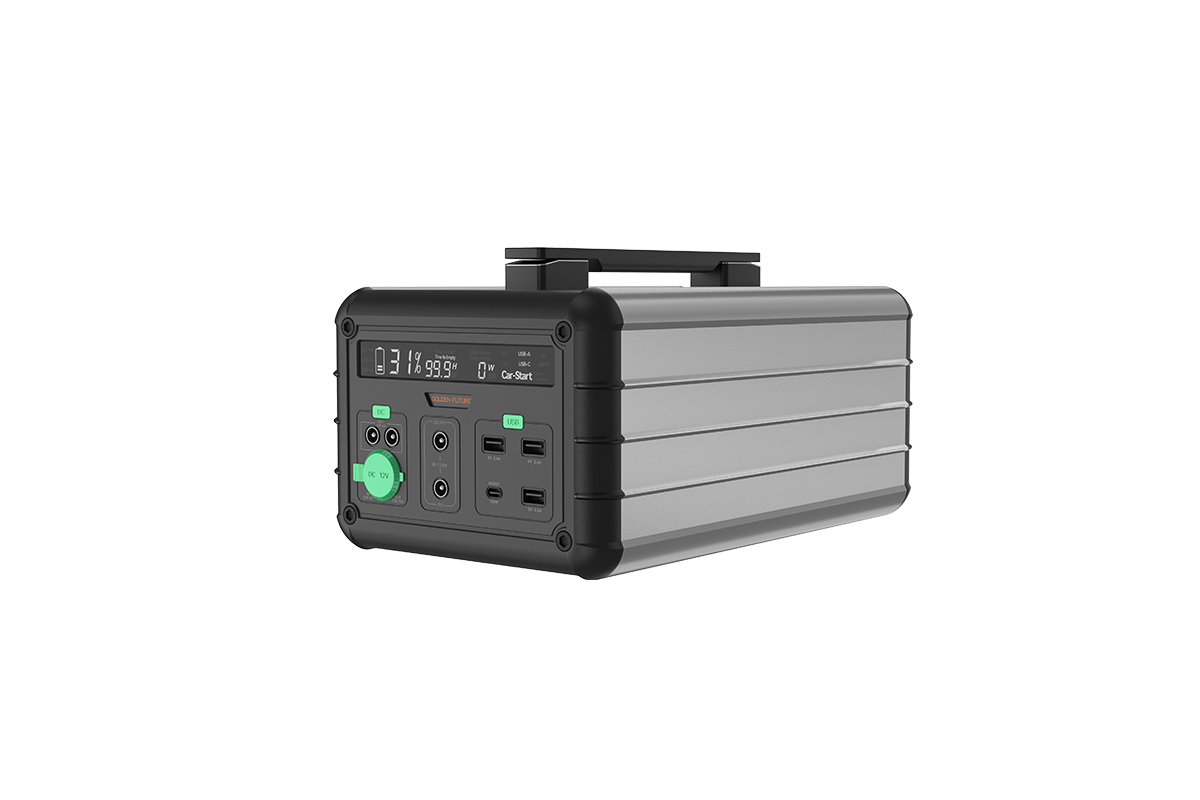
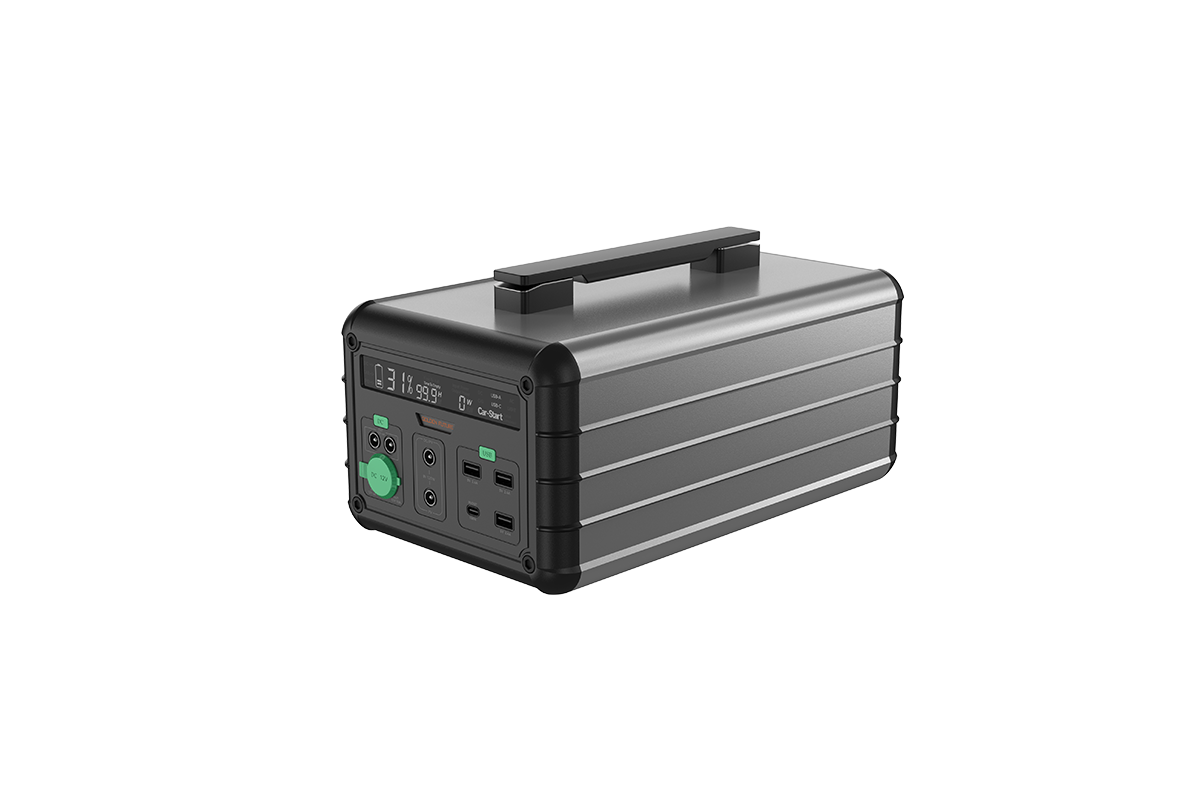
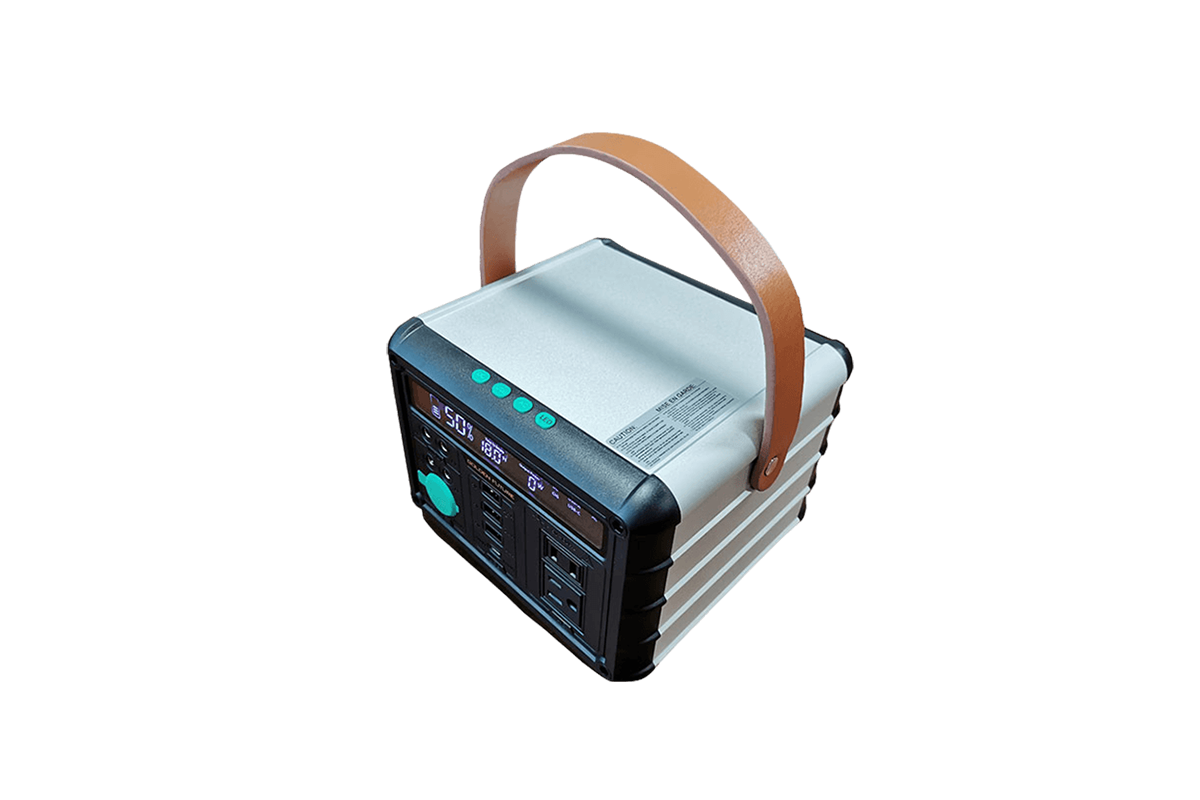
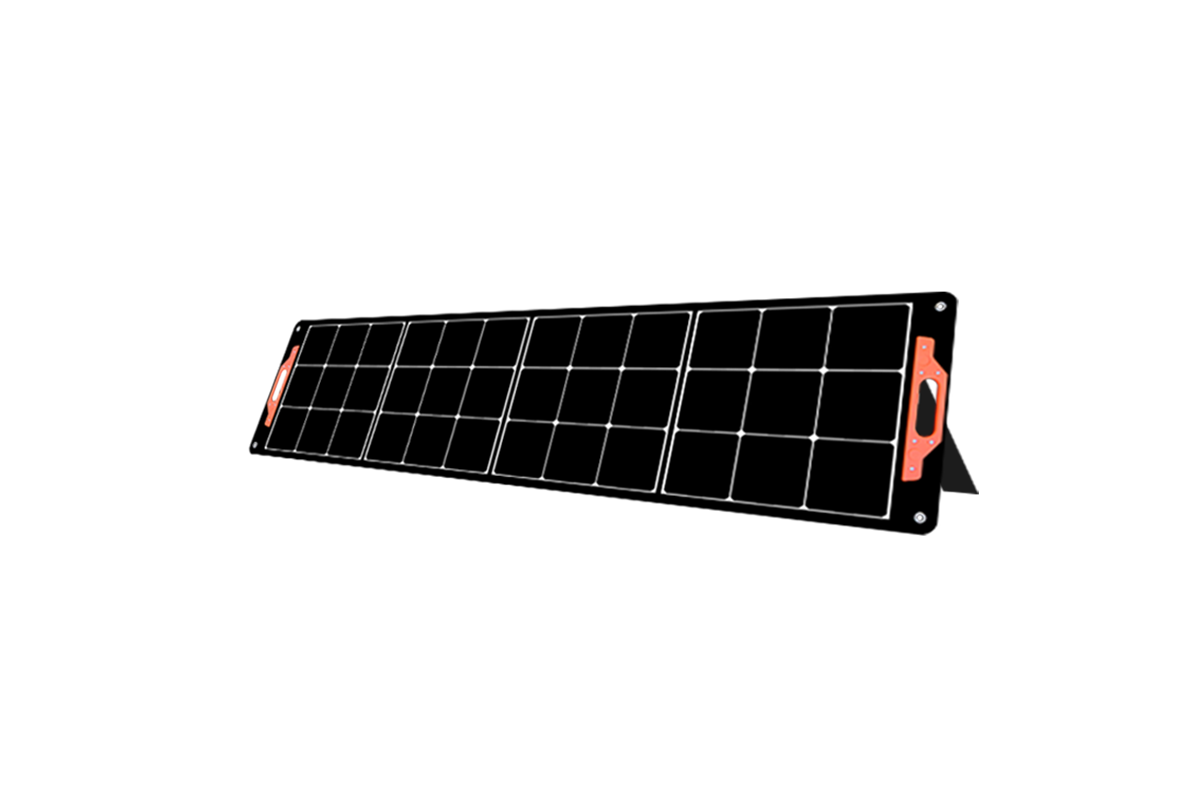
Portable emergency power supply duration is a critical performance metric that directly determines the effectiveness of emergency support in various scenarios, ranging from outdoor adventures and outdoor operations to unexpected power outages in residential or industrial settings. The core factors influencing the supply duration include the battery capacity of the unit, the power consumption of the connected devices, the discharge efficiency of the power management system, and environmental conditions such as temperature. For general consumer-grade portable emergency power supplies, the standard duration typically ranges from 30 minutes to 8 hours when powering small to medium-sized devices such as laptops, smartphones, and LED lights. For example, a 500Wh portable emergency power supply can power a 100W laptop for approximately 4-5 hours under ideal conditions, while a 200Wh unit can support a 10W smartphone charger for around 18-20 hours.
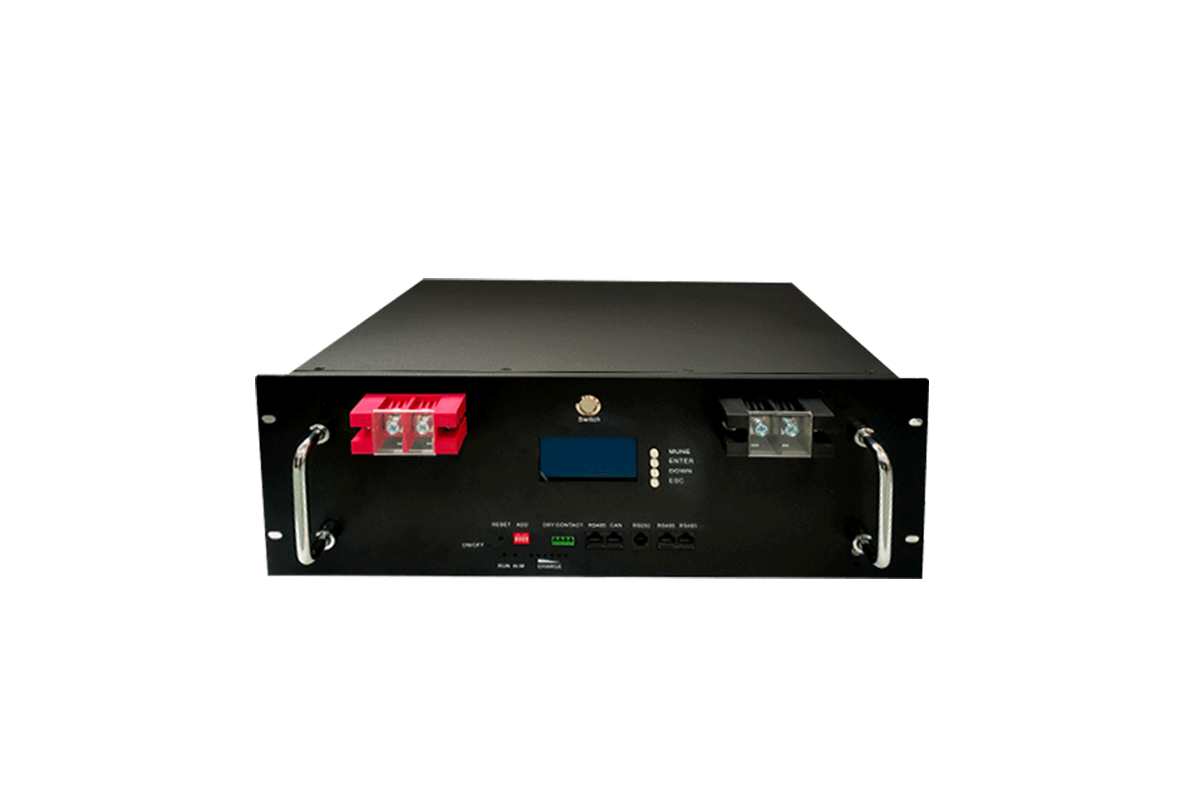
In professional and industrial scenarios, the demand for longer supply durations is significantly higher. Industrial-grade portable emergency power stations are often equipped with larger battery capacities, ranging from 1kWh to 10kWh, and can support high-power devices such as small communication base stations, medical monitoring equipment, and precision instruments for 2 to 12 hours. To extend the supply duration, users can adopt several practical strategies. First, selecting low-power devices is fundamental—replacing high-power electrical appliances with energy-efficient alternatives can directly reduce power consumption. Second, optimizing the power output mode of the emergency power supply, such as enabling energy-saving mode or adjusting the output voltage according to device requirements, can improve discharge efficiency. Third. regular maintenance of the battery, such as avoiding overcharging and deep discharging, can maintain the battery's capacity and extend its actual service life. In extreme environments, such as high temperatures above 35°C or low temperatures below -10°C, the battery performance will decline, leading to a shorter supply duration. Therefore, using thermal insulation measures or choosing models with temperature-resistant battery materials can help mitigate this impact.




 59911926@qq.com/sales@goldenfuturehk.com
 13316809242 / 15816897019
 Inquiry
 Home >