





Time:2026-09-10 Views:504
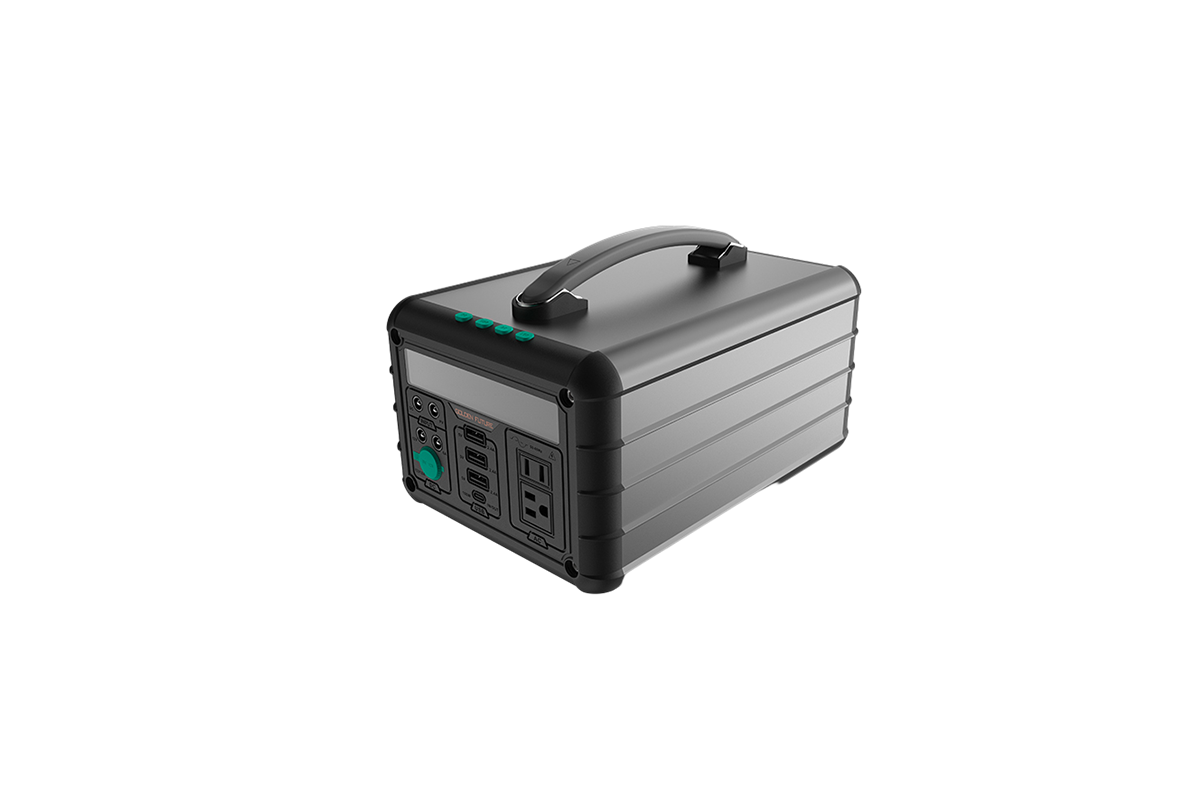
On-site commissioning of energy storage equipment is a critical and indispensable link in the entire energy storage system deployment process, serving as the core bridge between factory production and formal operational application. This systematic engineering work covers full-scale inspection, parameter calibration, functional testing, and fault elimination of all energy storage equipment and supporting auxiliary systems on site, ensuring that the equipment can operate stably, safely, and efficiently in actual power grid, industrial and commercial, and new energy power generation scenarios. Unlike laboratory testing, on-site commissioning faces complex and variable on-site environments, including unstable power grid voltage, variable ambient temperature and humidity, and inconsistent on-site wiring standards, which put forward higher requirements for the professionalism and accuracy of commissioning work.
The on-site commissioning process follows a standardized and rigorous workflow, divided into three core stages: pre-commissioning inspection, no-load commissioning, and on-load commissioning. In the pre-commissioning stage, technicians comprehensively check the equipment appearance, line connection, grounding system, and component integrity to eliminate hidden dangers such as loose wiring, damaged accessories, and unqualified grounding resistance. The no-load commissioning stage focuses on debugging the equipment’s basic operating parameters, including system communication connection, voltage and current detection accuracy, and program startup and shutdown logic, to verify the normal operation of the equipment’s control system and sensing modules. The on-load commissioning stage simulates actual operating conditions to test the equipment’s charging and discharging response speed, power regulation accuracy, and system coordination ability, ensuring that all performance indicators meet design standards.
Scientific and standardized on-site commissioning is the key to extending the service life of energy storage equipment and improving system operation efficiency. Through precise commissioning, potential equipment faults and design defects can be eliminated in advance, reducing the failure rate of subsequent equipment operation and avoiding economic losses caused by system downtime. In addition, on-site commissioning can complete the adaptive parameter adjustment of equipment according to the actual on-site power load and environmental conditions, optimize the energy storage system’s charge-discharge strategy, and maximize the energy utilization efficiency of the system. With the rapid development of new energy industry, the technical standards of energy storage equipment are constantly upgraded, and refined and intelligent on-site commissioning has become an important guarantee for the large-scale popularization and stable operation of energy storage systems.




 59911926@qq.com/sales@goldenfuturehk.com
 13316809242 / 15816897019
 Inquiry
 Home >