





Time:2026-07-10 Views:78
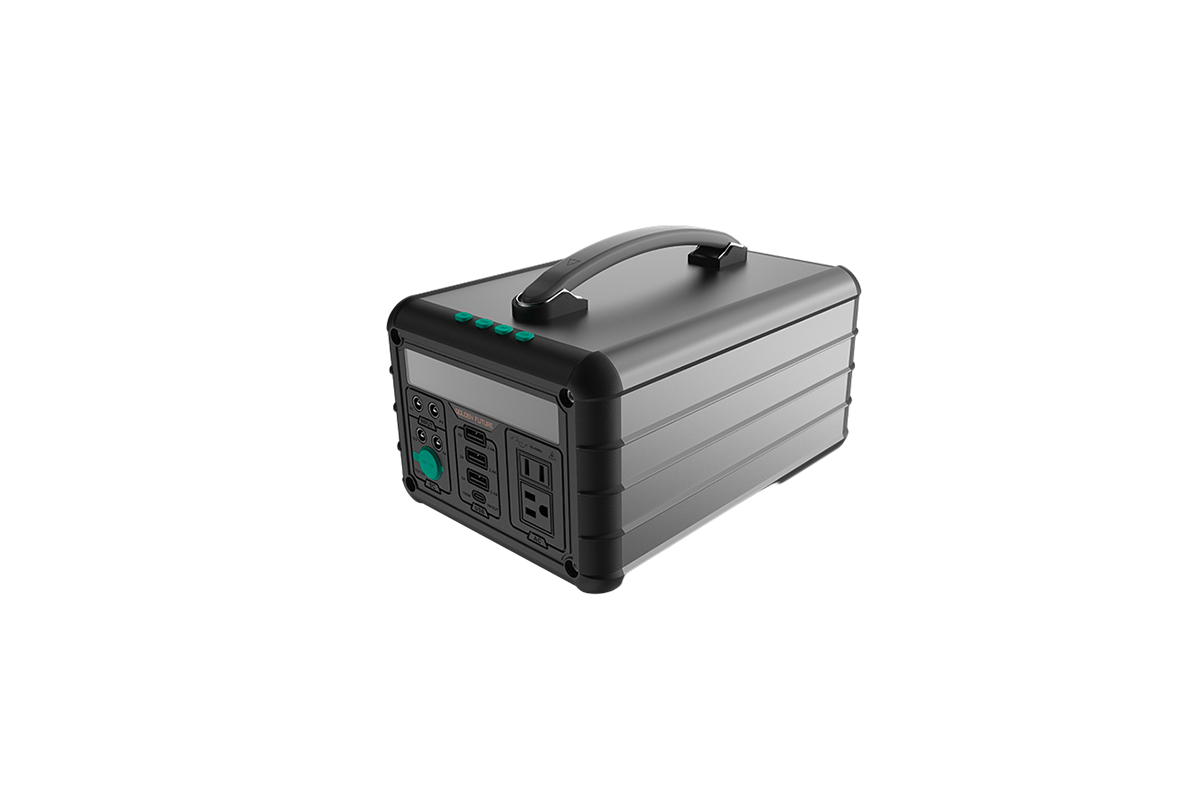
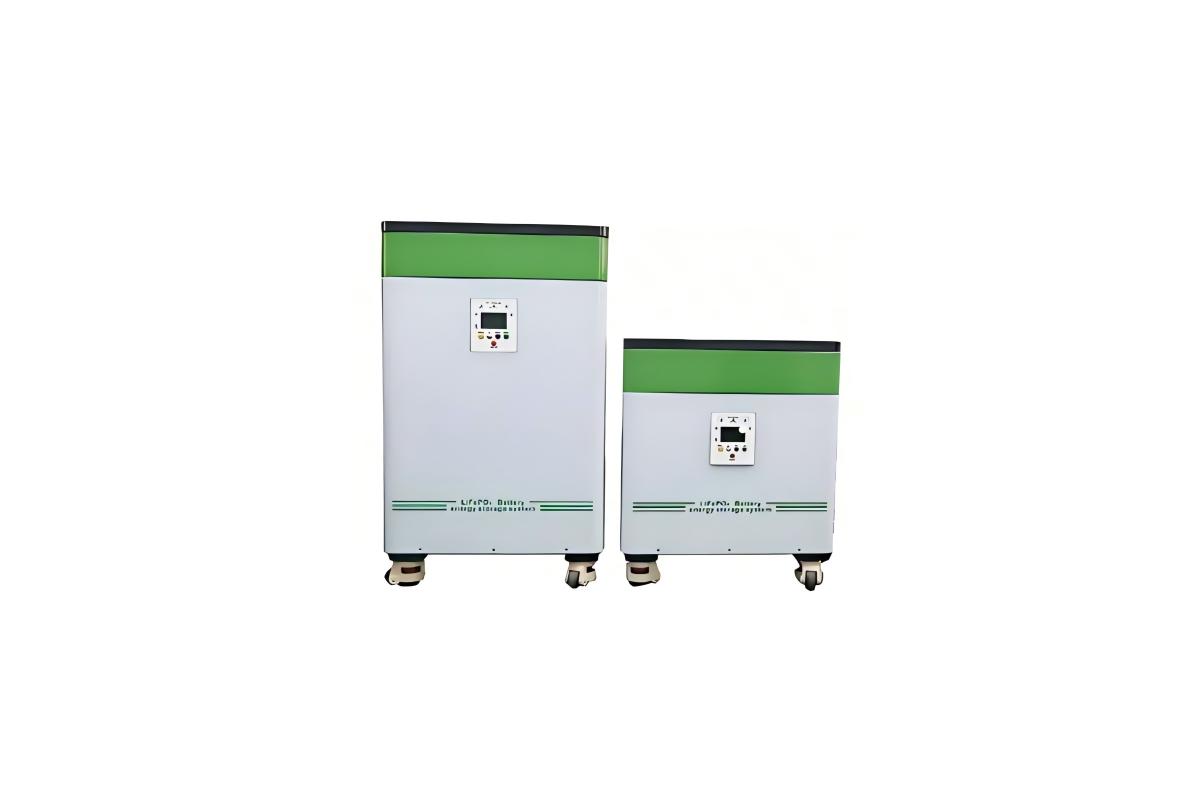
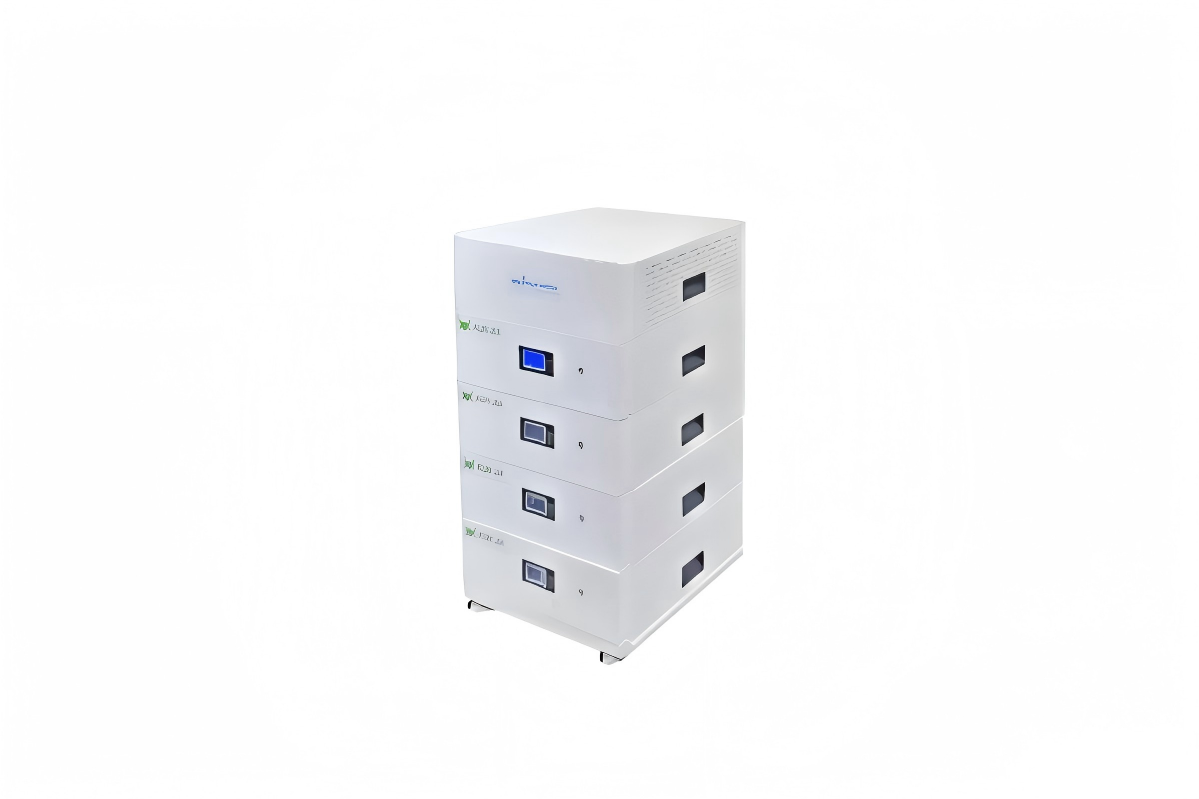
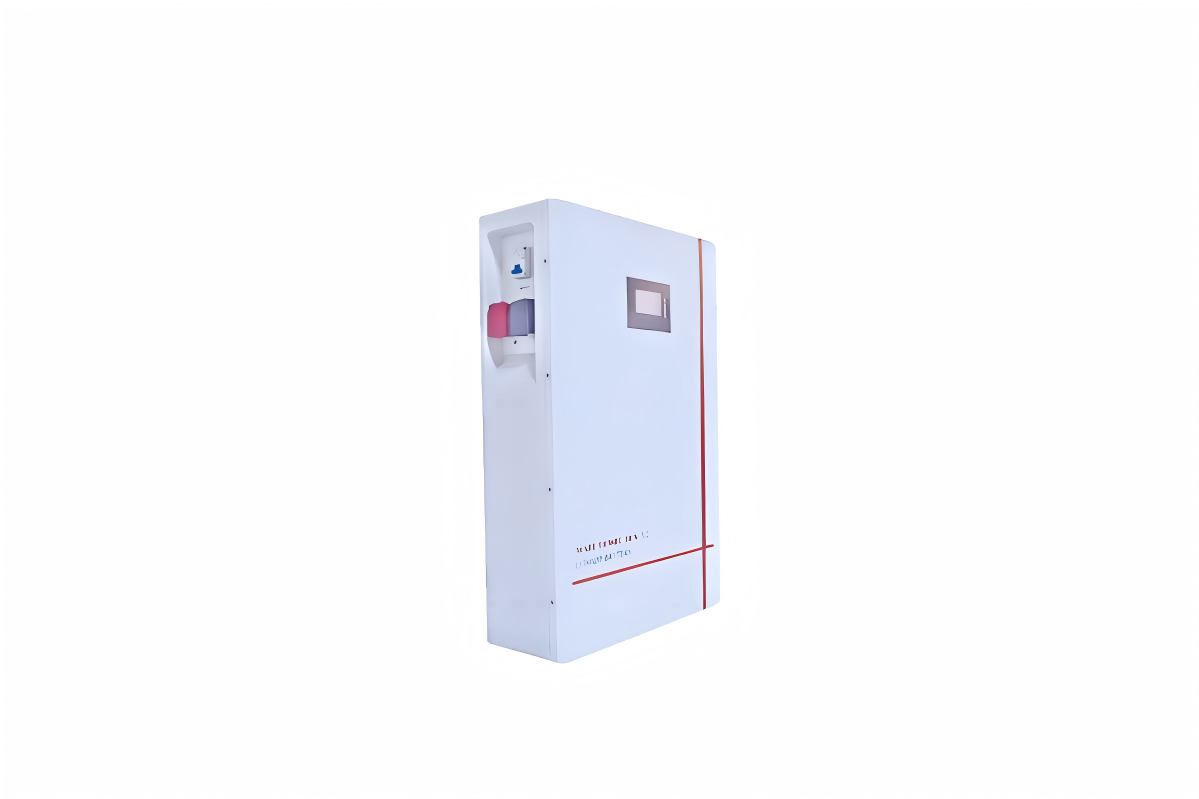
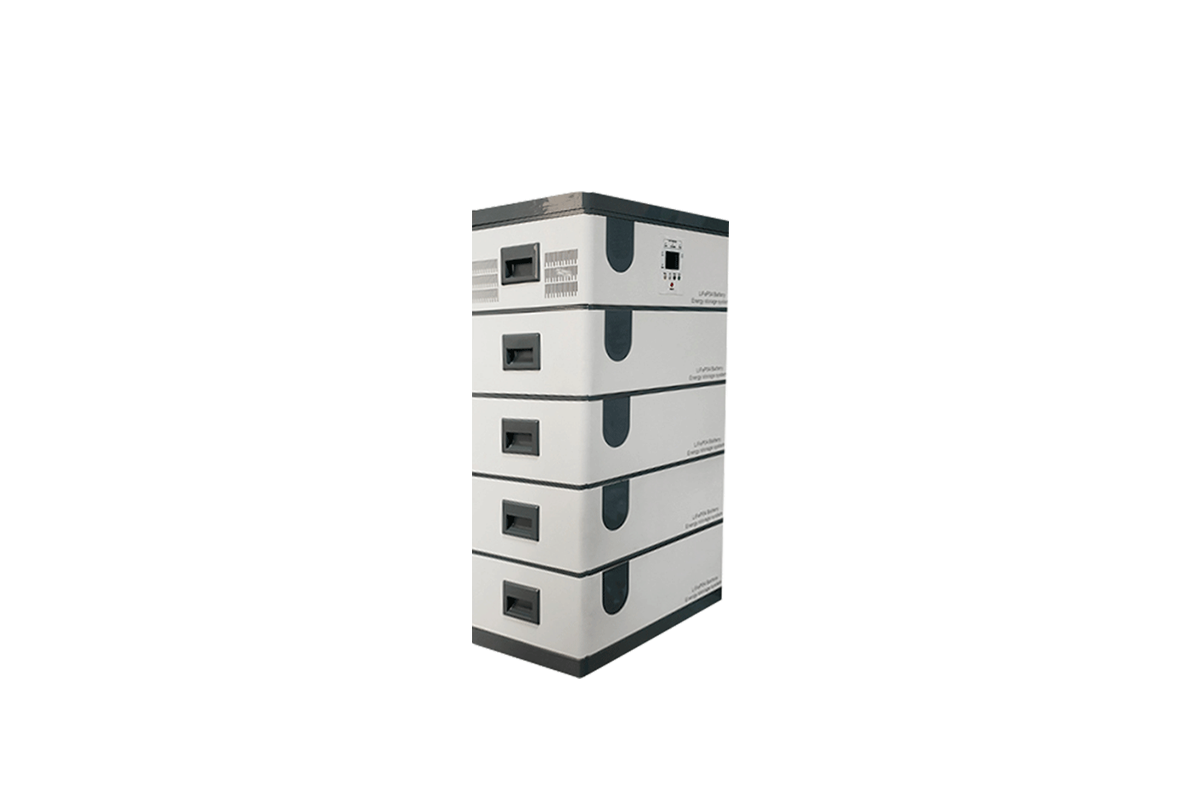
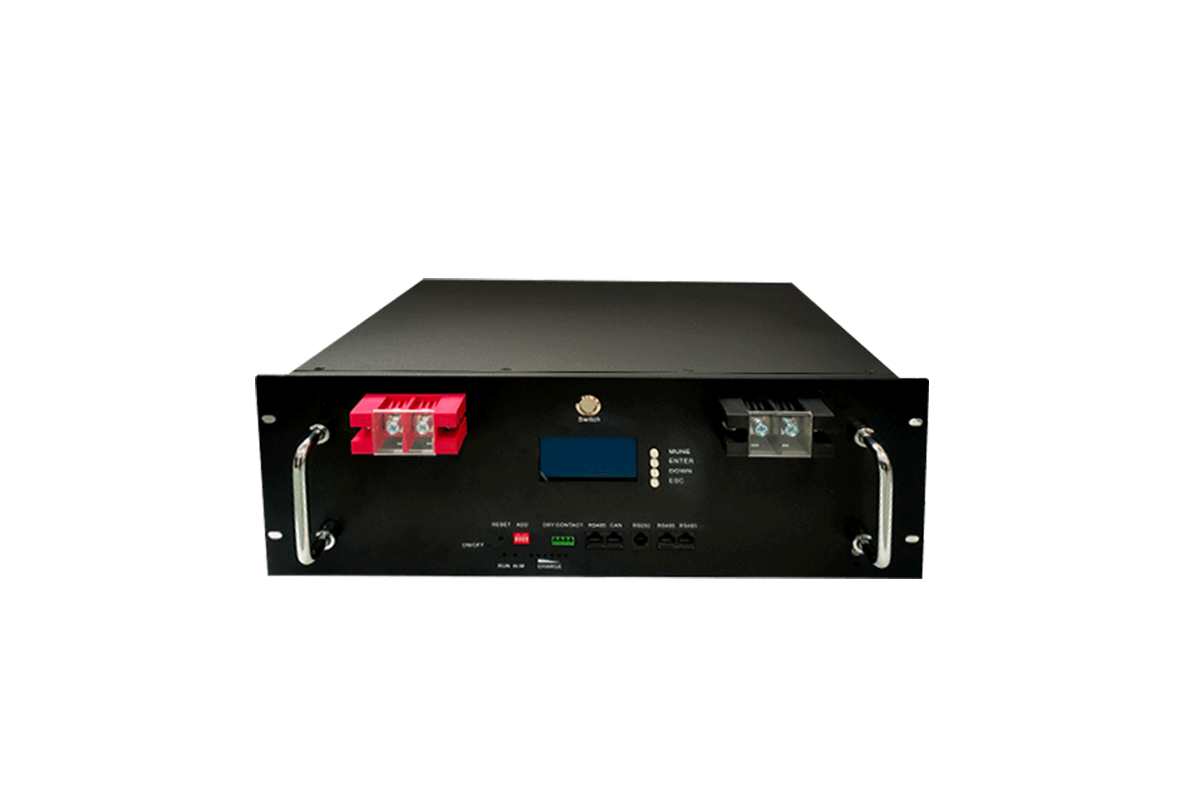
New energy storage special batteries are core electrochemical energy storage products independently developed and optimized for large-scale new energy power storage, peak shaving and valley filling, and grid auxiliary services, which differ fundamentally from traditional power batteries for electric vehicles. Dominated by high-performance lithium iron phosphate (LiFePO₄) technology in the current market, these batteries are professionally tailored to meet the long-cycle, high-stability, and high-safety operational demands of energy storage scenarios. Unlike conventional batteries, they focus on long-duration stable charge and discharge performance rather than instantaneous high power output, making them the core supporting equipment for wind power, photovoltaic power stations, and centralized energy storage power plants. With the rapid iteration of new energy industries, the technical parameters of such batteries have been continuously upgraded, realizing large-capacity integration, ultra-long cycle life, and strong environmental adaptability.
The core advantages of new energy storage special batteries lie in their excellent cycle stability and ultra-long service life, which can fully adapt to the 25-year long-term operation cycle of new energy power stations. Advanced mainstream models in the industry achieve a cycle life of 12,000 to 15,000 times, and some cutting-edge large-capacity cells can even maintain zero performance degradation after long-term operation at constant temperature, effectively reducing the overall replacement and operation costs of energy storage systems. In terms of safety performance, they adopt optimized cathode pre-lithium technology and high-temperature durable materials, with improved internal structural stability, which greatly suppresses battery volume expansion and thermal runaway risks during long-cycle operation. Meanwhile, the standardized modular design ensures high consistency of battery cells, avoiding system operation failures caused by individual cell differences and laying a solid foundation for large-scale cluster application.
In terms of technical iteration and industrial application, new energy storage special batteries are moving towards large capacity, high energy density and low cost. The newly launched 472Ah and 587Ah large-capacity energy storage cells have broken through the capacity limit of traditional storage batteries, enabling 20-foot container energy storage systems to achieve ultra-high energy density, significantly reducing the land occupation and integration cost of unit energy storage capacity. In addition to mature lithium iron phosphate technology, emerging sodium-ion storage batteries have gradually been put into commercial application, relying on abundant raw material resources and excellent low-temperature performance, becoming an important supplementary technical route for new energy storage scenarios. Widely used in centralized grid energy storage, industrial and commercial peak-valley energy storage, and new energy matching power storage, these batteries effectively solve the intermittency and volatility of renewable energy power generation, improve the utilization rate of new energy, and provide reliable support for the stable operation of smart power grids.




 59911926@qq.com/sales@goldenfuturehk.com
 13316809242 / 15816897019
 Inquiry
 Home >