





Time:2026-09-18 Views:277
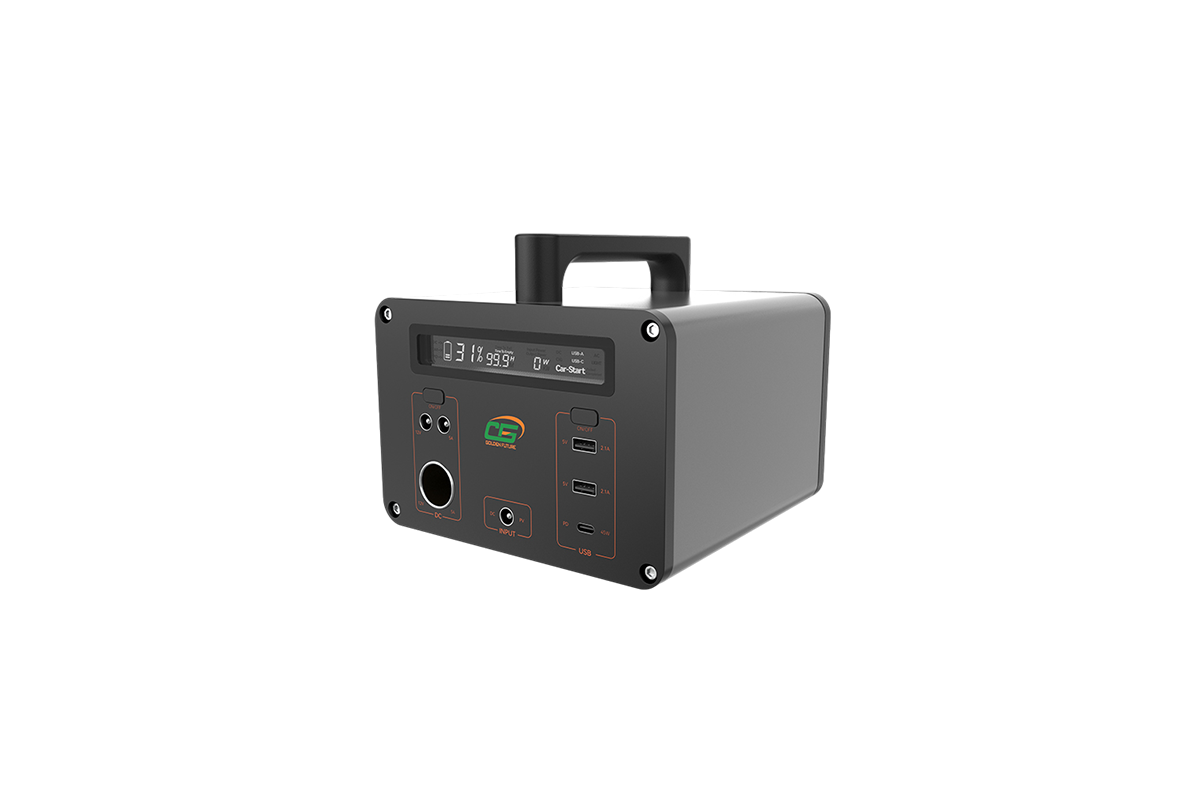
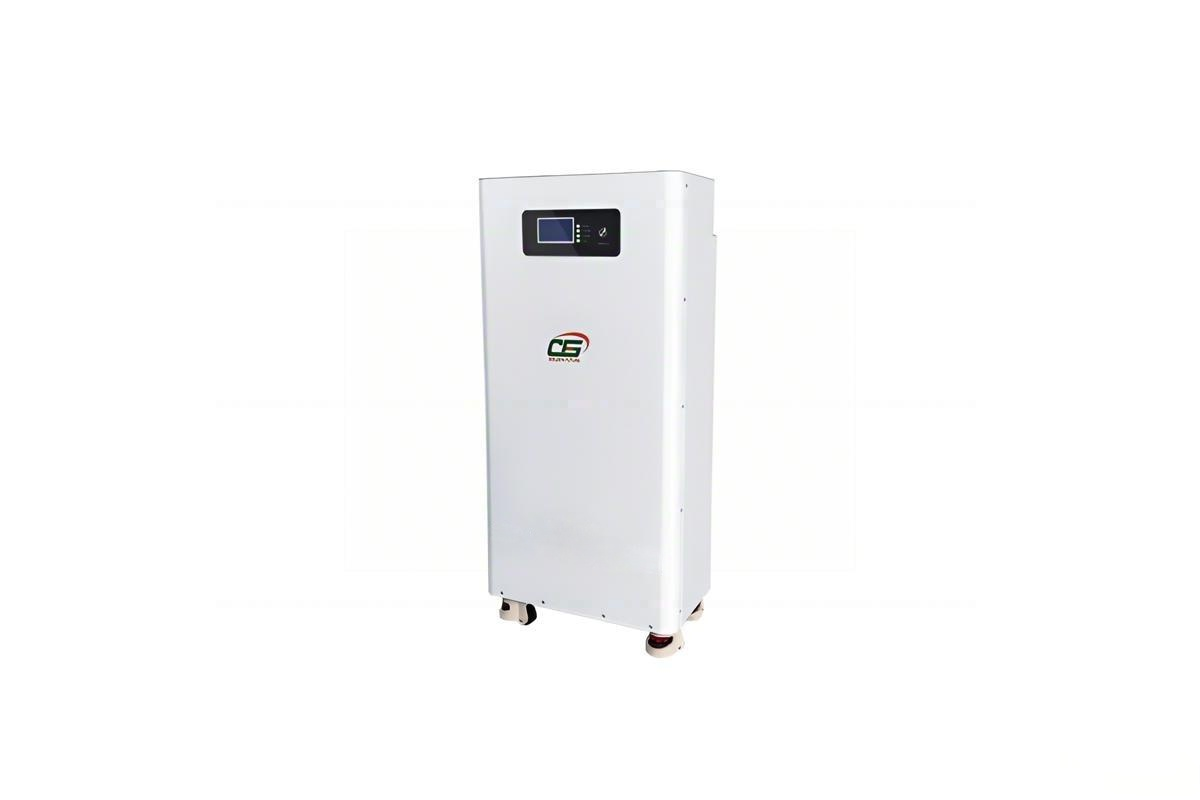
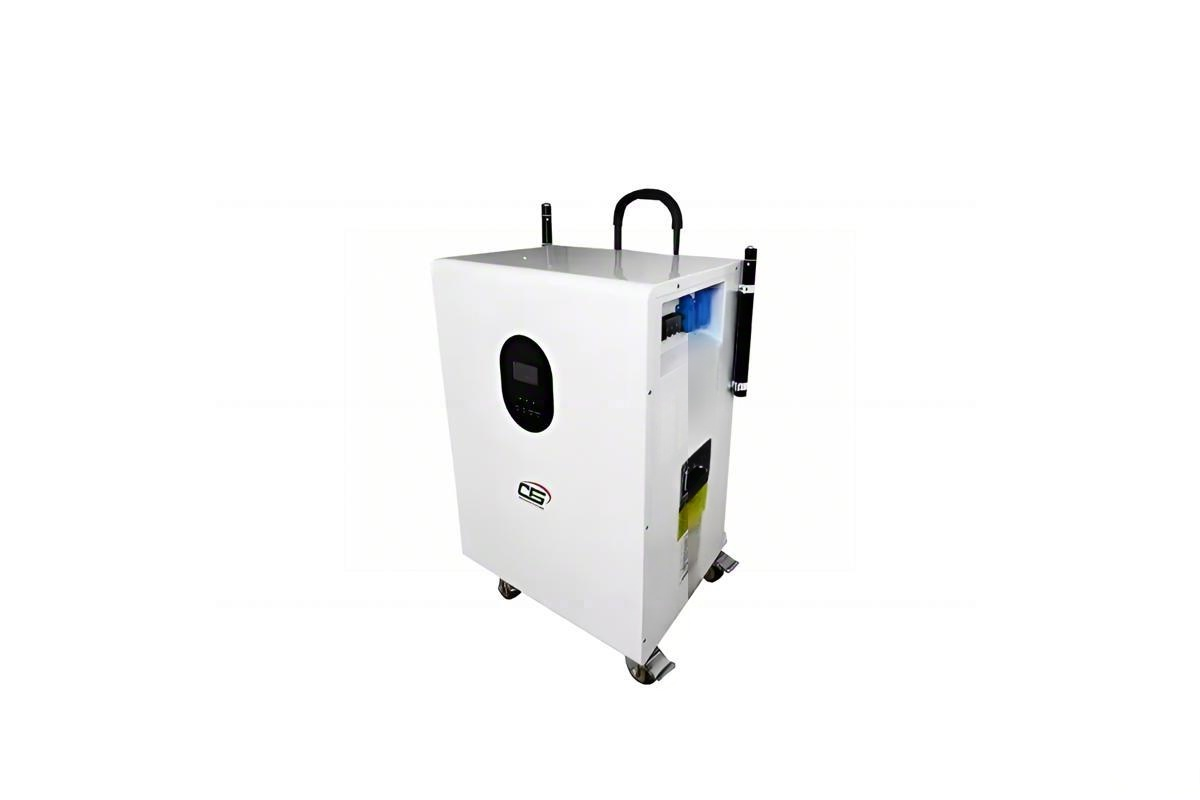
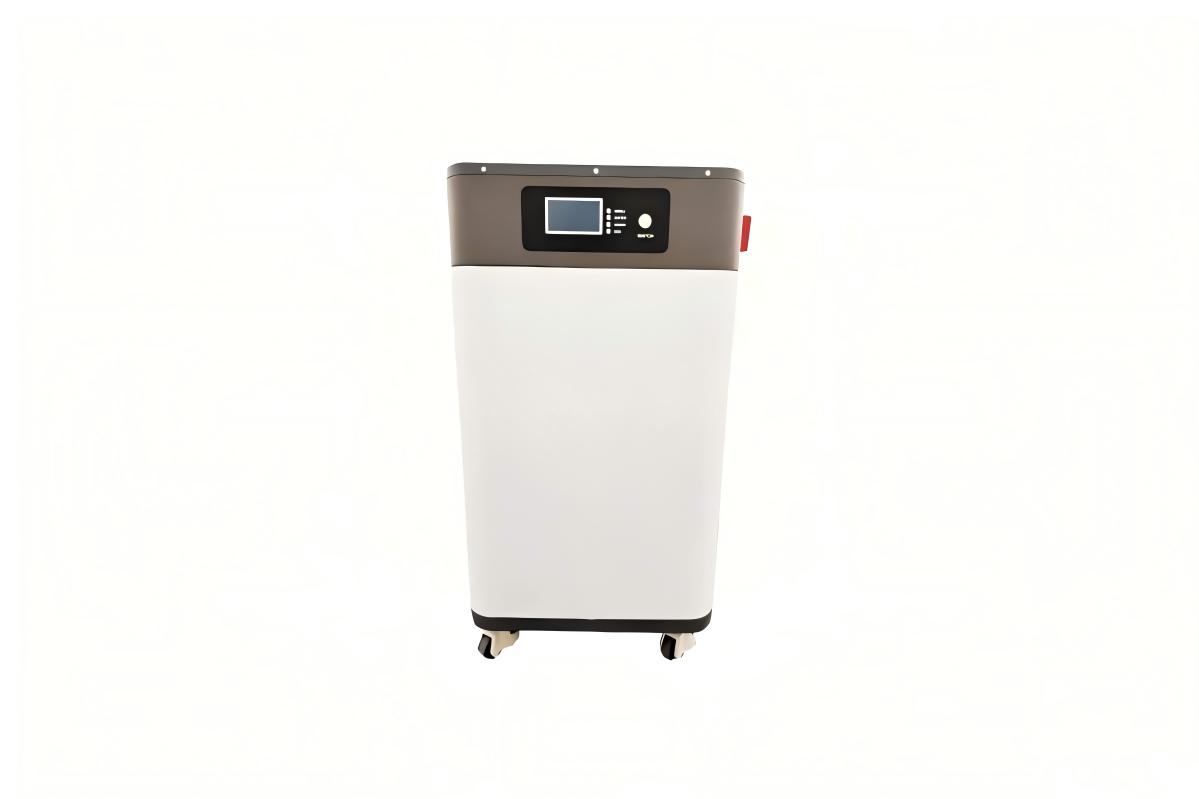
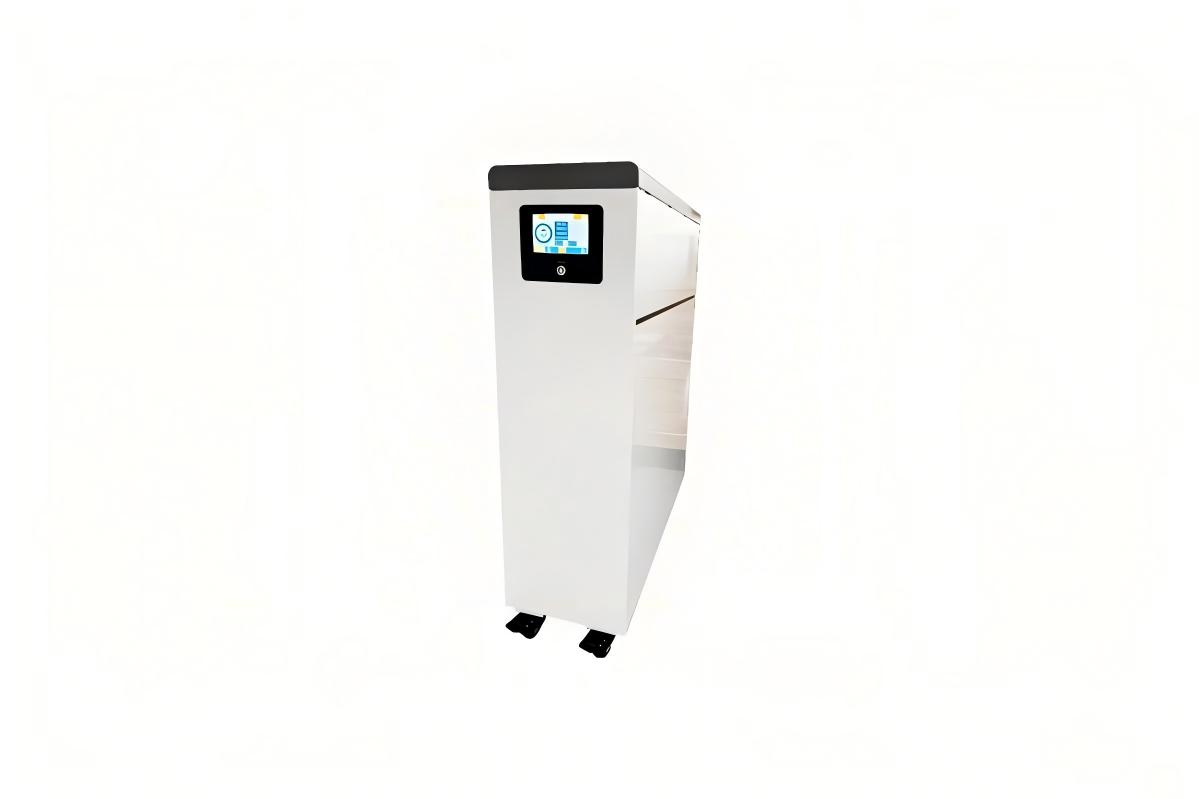
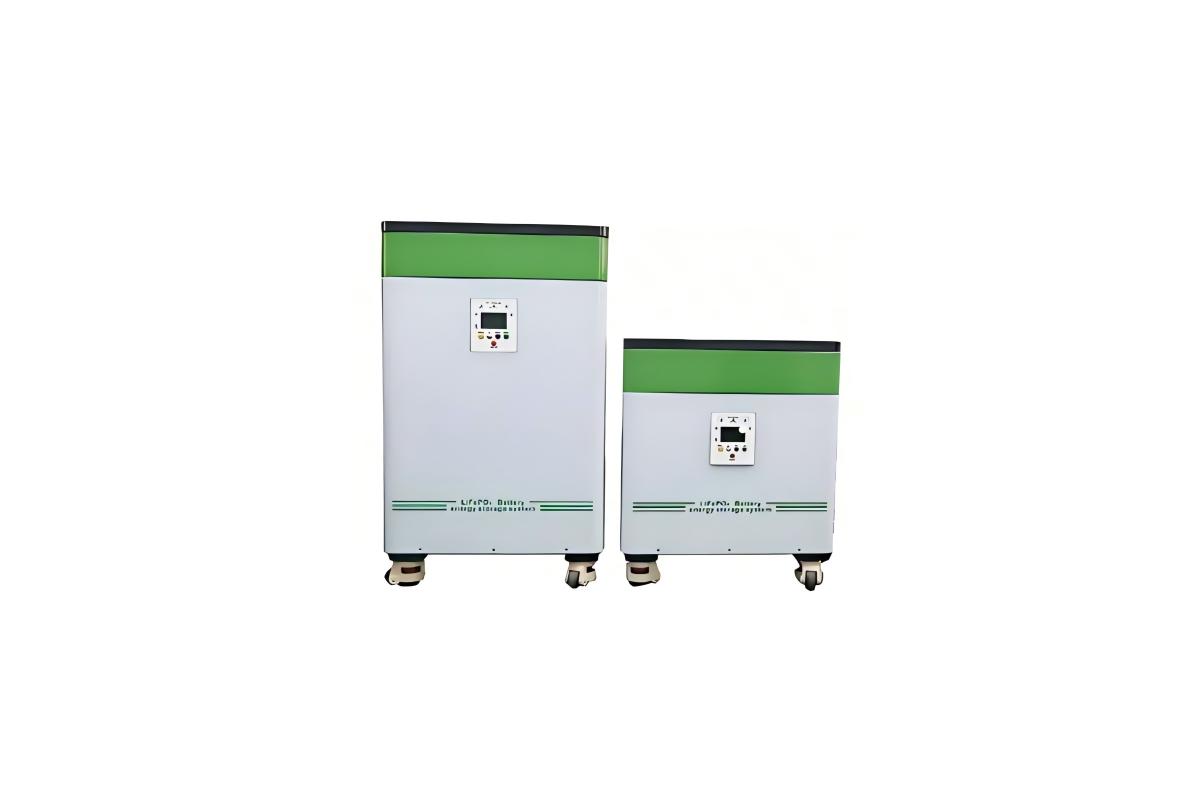
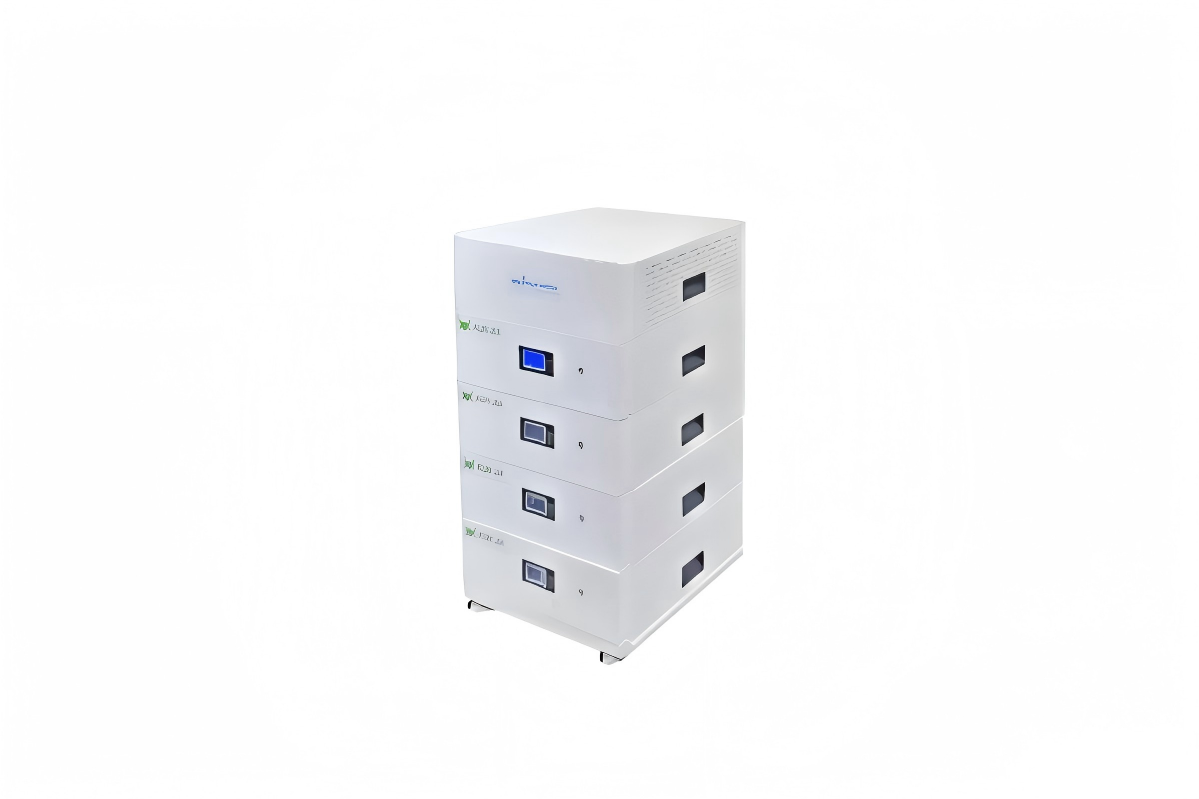
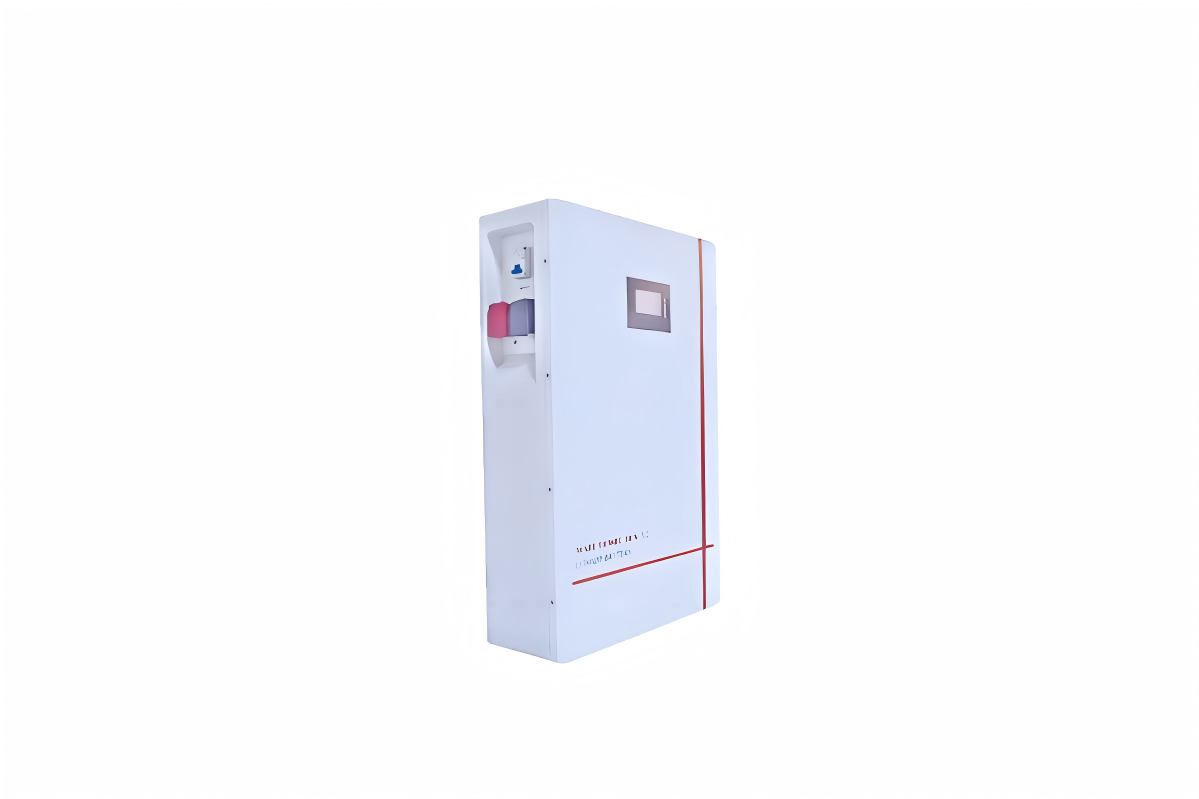
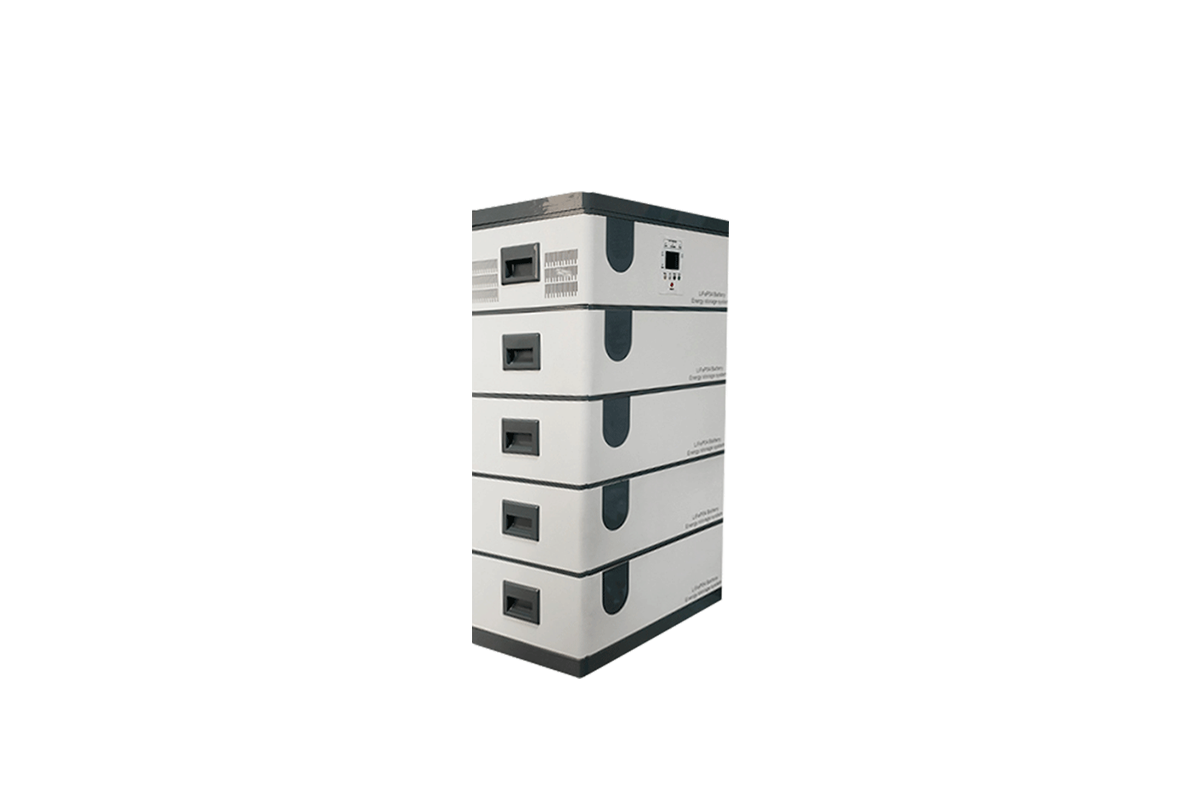
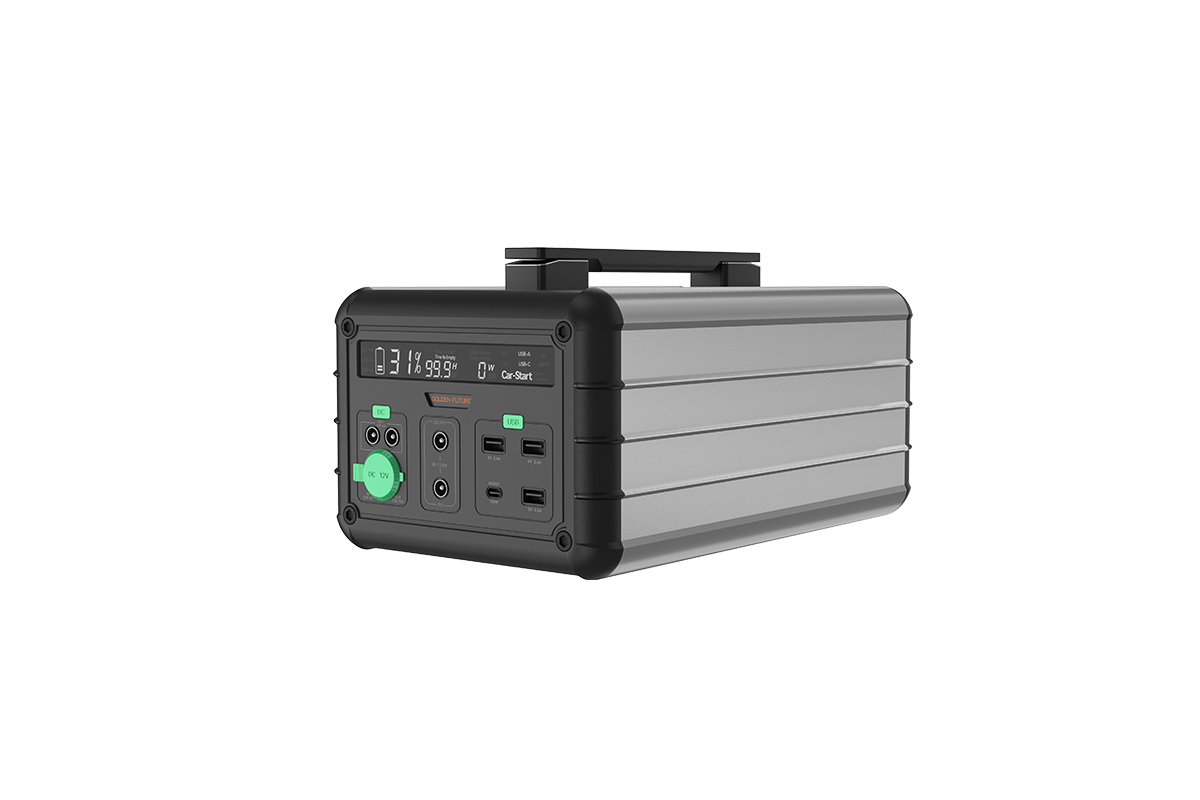
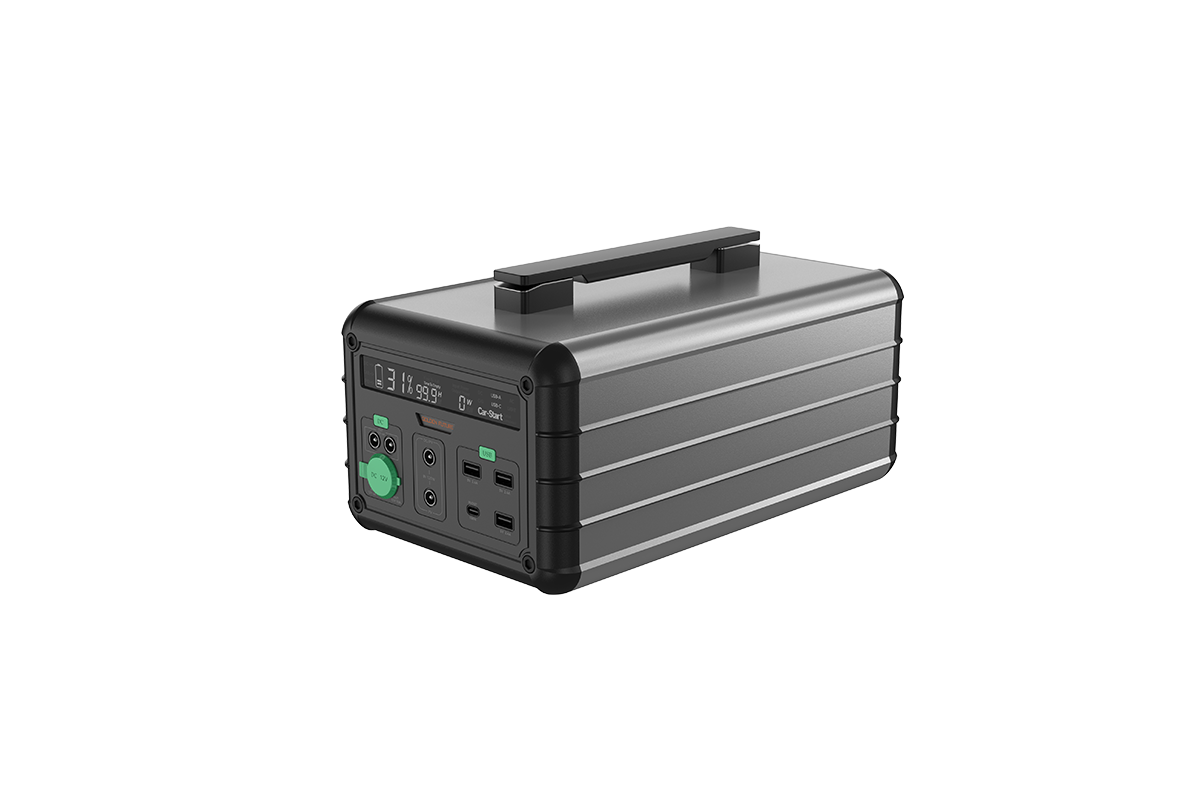
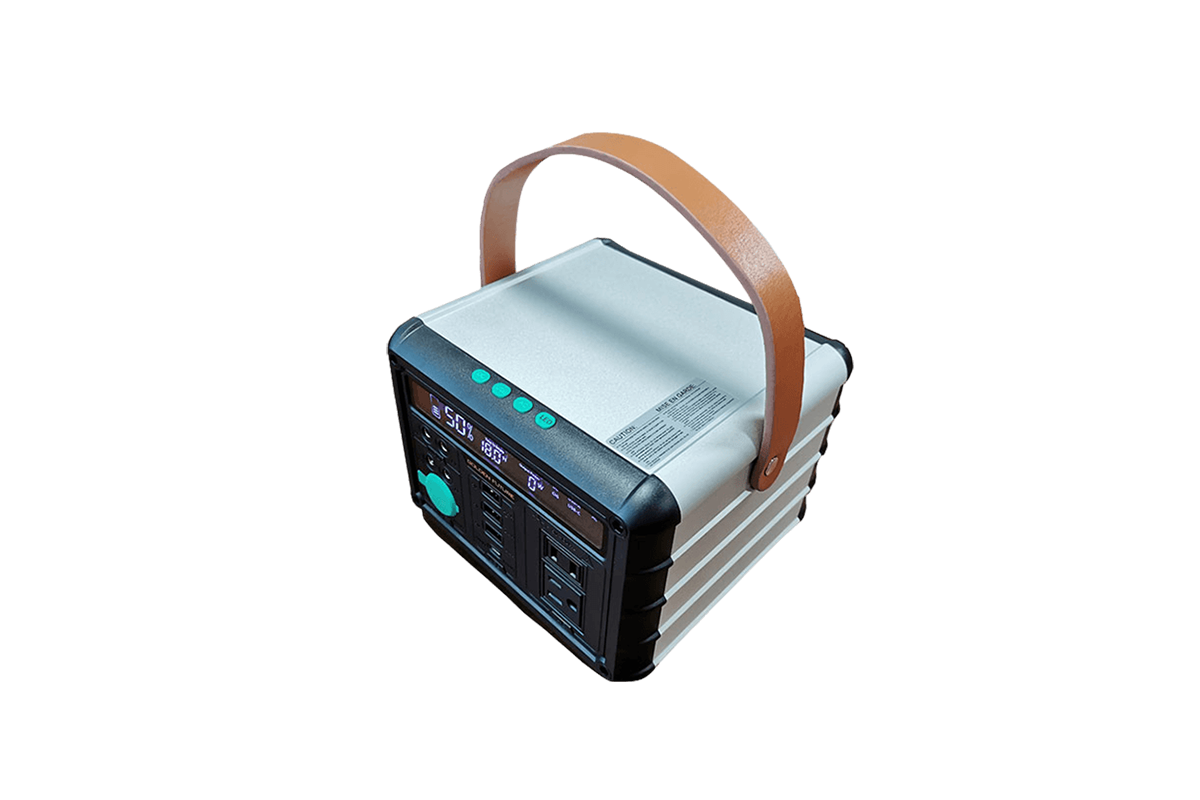
Moisture-proof and rust-proof energy storage cell is a high-durability battery core component optimized for humid, rainy and corrosive environmental scenarios, which solves the problems of internal moisture ingress, metal component rust and corrosion, and performance attenuation of ordinary energy storage cells in high-humidity and corrosive environments. As the core component of energy storage equipment, the performance and service life of the battery cell directly determine the overall operation effect of the energy storage system. Ordinary cells are prone to rust on metal electrodes, shell corrosion and internal short circuit caused by moisture, which seriously shortens the service life of the equipment. This cell adopts special material technology and sealing technology to achieve excellent moisture-proof and rust-proof performance.
The cell realizes full-dimensional moisture-proof protection through advanced sealing and waterproof technology. It adopts a fully enclosed integrated sealing structure, with high-performance waterproof and breathable membranes set at the reserved heat dissipation holes, which can effectively block external water vapor and moisture from entering the cell interior, while ensuring the normal heat dissipation of the cell during operation. The internal pole pieces, conductive terminals and other metal core components are treated with special anti-rust and anti-corrosion coating process, which forms a dense protective film on the metal surface, isolating air, moisture and corrosive substances, and preventing metal oxidation and rust corrosion. The shell adopts anti-corrosion and moisture-proof composite materials, which can resist the erosion of humid air, rainwater and weak corrosive media.
The moisture-proof and rust-proof energy storage cell has excellent environmental adaptability and long-term stability, and can operate stably for a long time in high-humidity areas, coastal foggy areas, outdoor open-air environments and chemical factory corrosive environments. It avoids cell capacity attenuation, internal resistance increase and service life shortening caused by moisture and rust, and maintains stable charge-discharge performance throughout the whole life cycle. In addition, the cell has good compatibility, which can be adapted to various energy storage battery packs and energy storage power supply equipment. It greatly reduces the failure rate and replacement frequency of energy storage equipment in harsh environments, improves the long-term operational reliability of the energy storage system, and reduces the overall operation and maintenance cost of the equipment.




 59911926@qq.com/sales@goldenfuturehk.com
 13316809242 / 15816897019
 Inquiry
 Home >