





Time:2026-03-14 Views:1
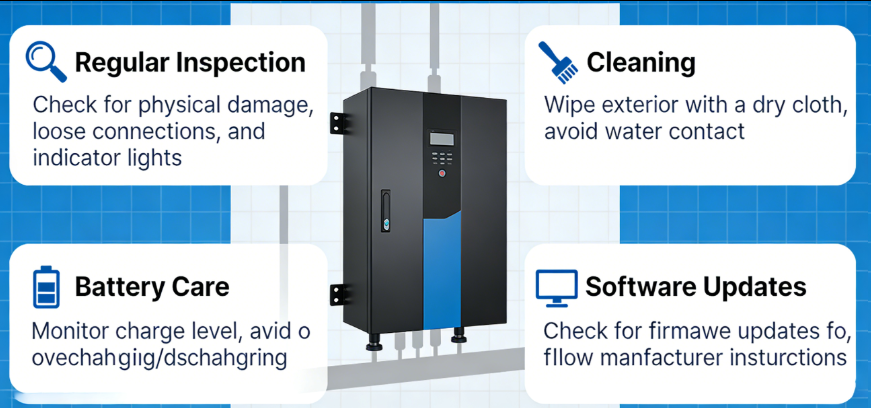
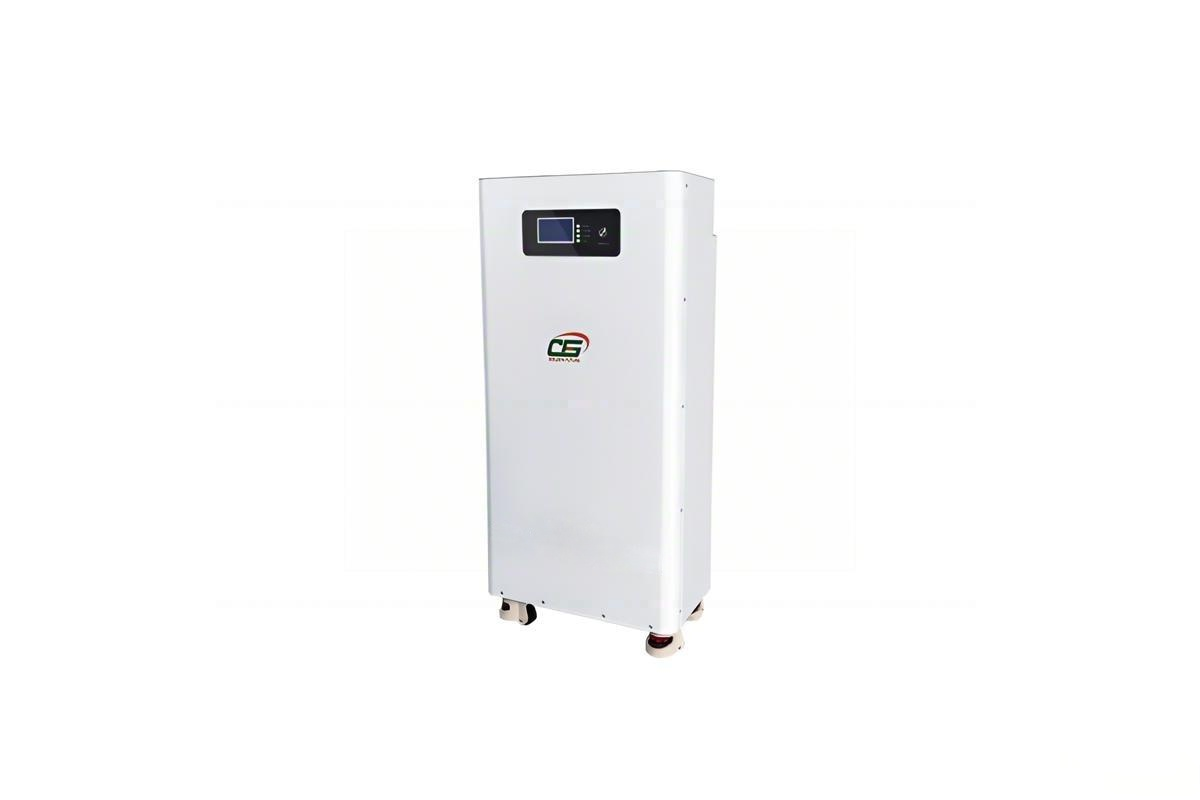
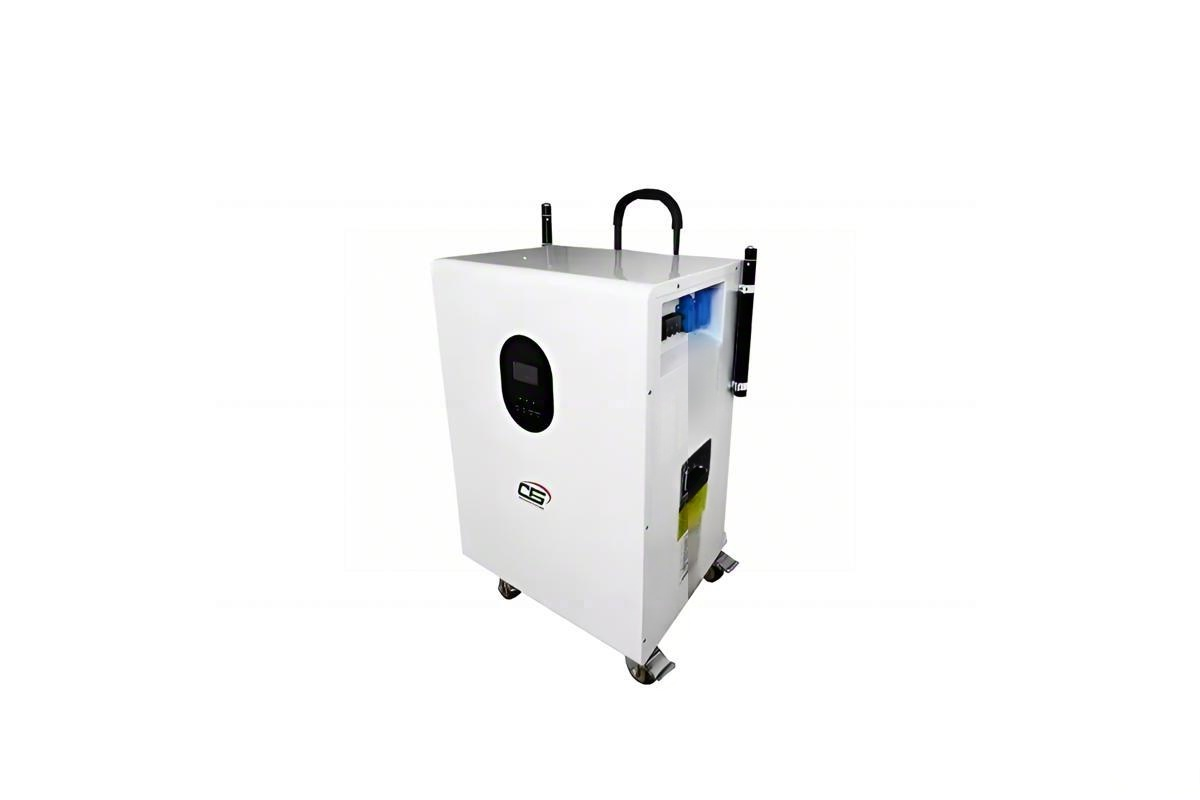
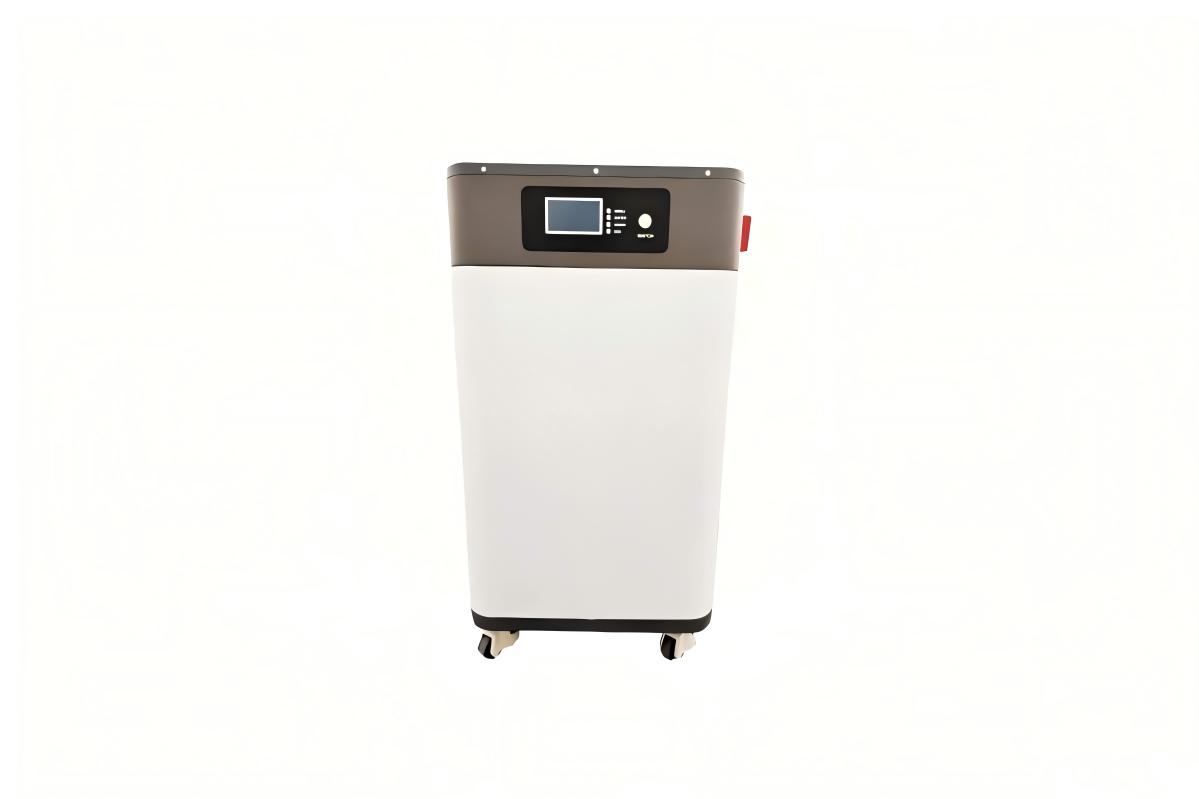
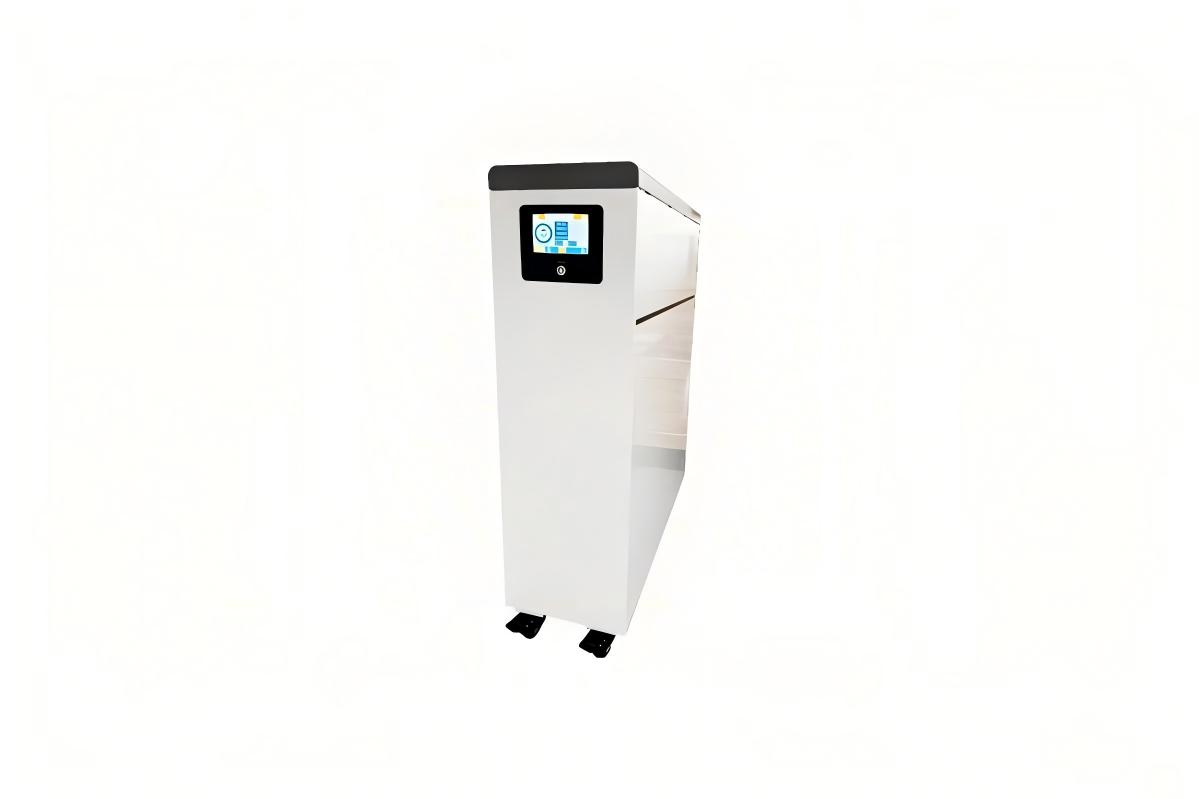
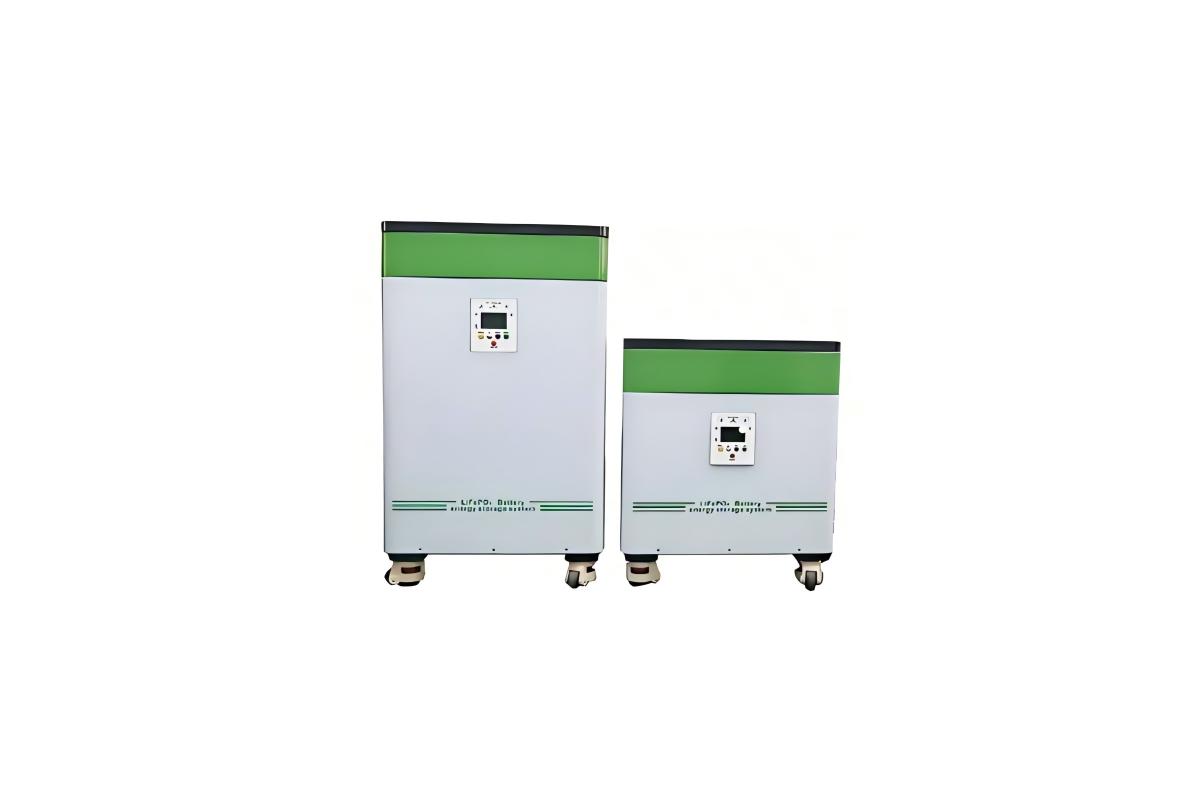
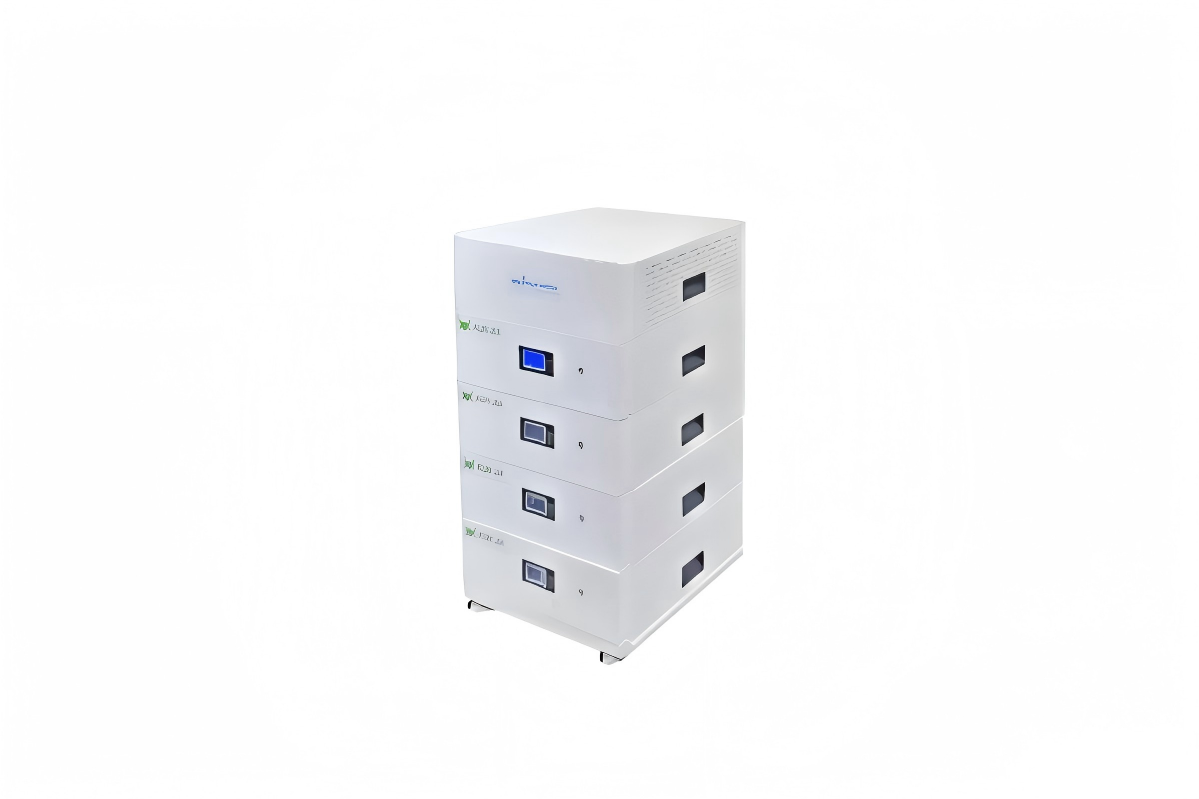
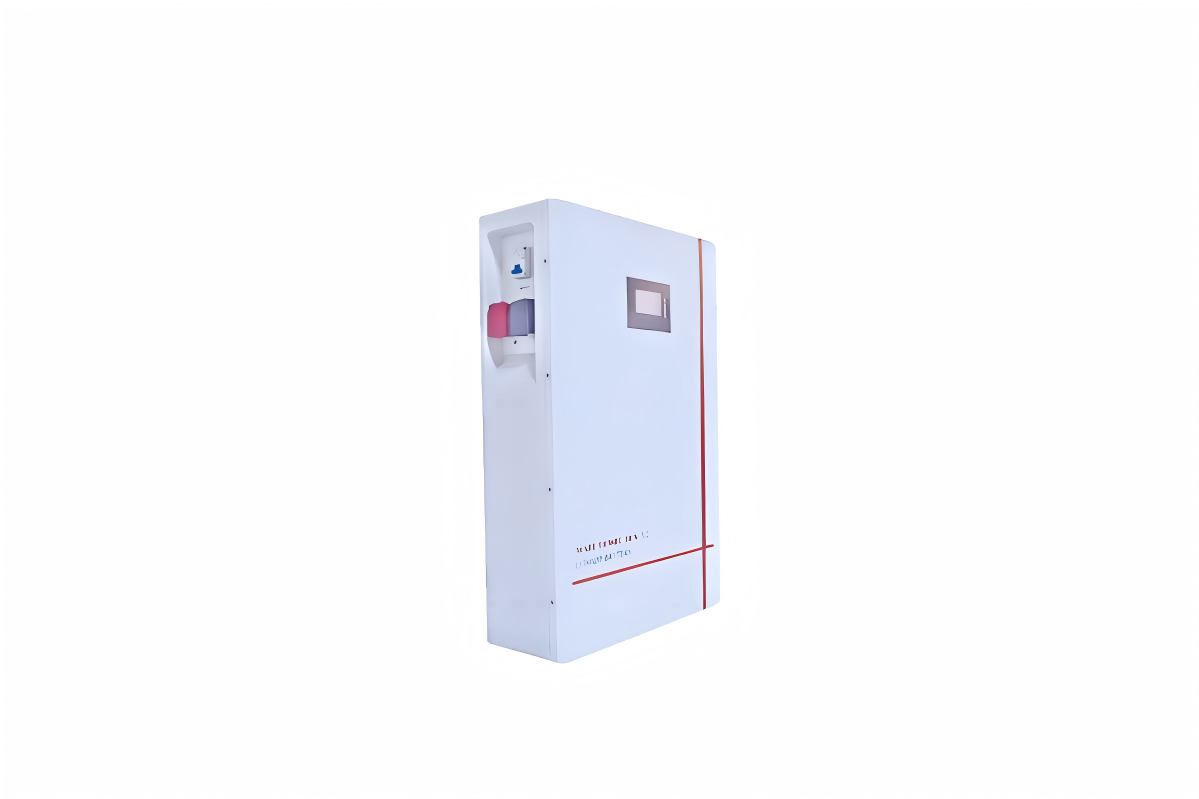
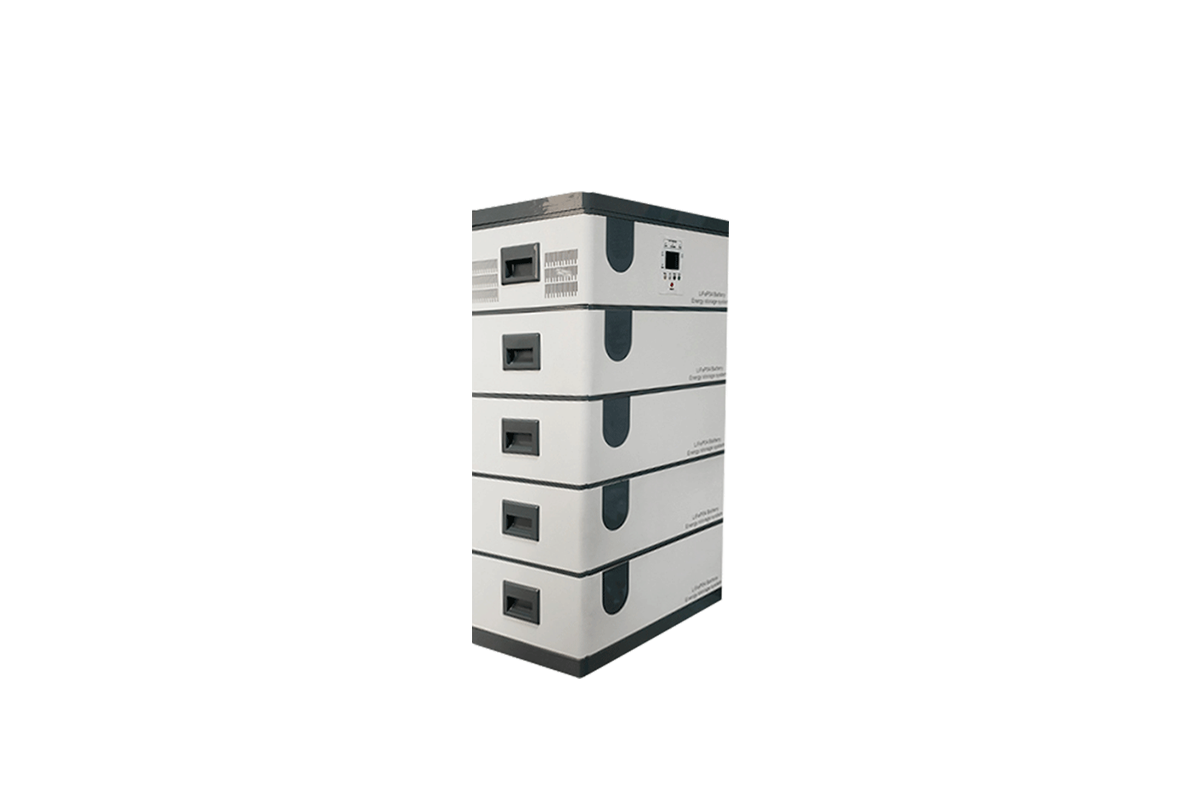
Proper maintenance of wall-mounted energy storage systems is essential to ensure long-term stable operation, extend service life, and maintain optimal energy storage efficiency. These systems, widely used in residential and small commercial scenarios, consist of core components such as lithium-iron-phosphate (LiFePO4) battery cells, battery management systems (BMS), inverters, and mounting brackets, all of which require regular inspection and upkeep to avoid performance degradation or safety hazards. Unlike traditional energy storage systems, wall-mounted units are installed in limited spaces, making routine maintenance more focused on accessibility, environmental adaptability, and component coordination.
Routine maintenance includes daily monitoring, periodic inspections, and professional servicing. Homeowners can use mobile apps or cloud platforms to monitor real-time parameters such as state of charge (SOC), charging/discharging rates, and temperature, enabling timely detection of abnormalities like overheating or voltage fluctuations. Monthly checks should focus on cleaning the system’s heat dissipation ports with a vacuum (avoiding liquid cleaners) and inspecting cable insulation for cracks or wear. Every three months, a full charge-discharge cycle is recommended to calibrate the SOC algorithm and ensure battery cell balance. Annually, professional technicians should conduct in-depth inspections, including testing internal resistance changes (ensuring ΔR ≤ 15%), updating BMS firmware, and verifying the stability of mounting brackets and waterproof seals.
Special attention should be paid to environmental adaptation and emergency handling. For outdoor units, ensure the IP65+ protection enclosure is intact to resist rain, dust, and extreme temperatures. Avoid covering heat dissipation ports, as this can reduce cooling efficiency by 30%. In case of abnormal heating, odor, or smoke, immediately cut off AC/DC switches and use dry powder fire extinguishers as emergency measures. Following these maintenance protocols can extend the system’s service life by up to 40% and maintain its efficiency above 90% over long-term use, ensuring reliable energy supply and maximizing return on investment.




 59911926@qq.com/sales@goldenfuturehk.com
 13316809242 / 15816897019
 Inquiry
 Home >