





Time:2026-07-06 Views:496
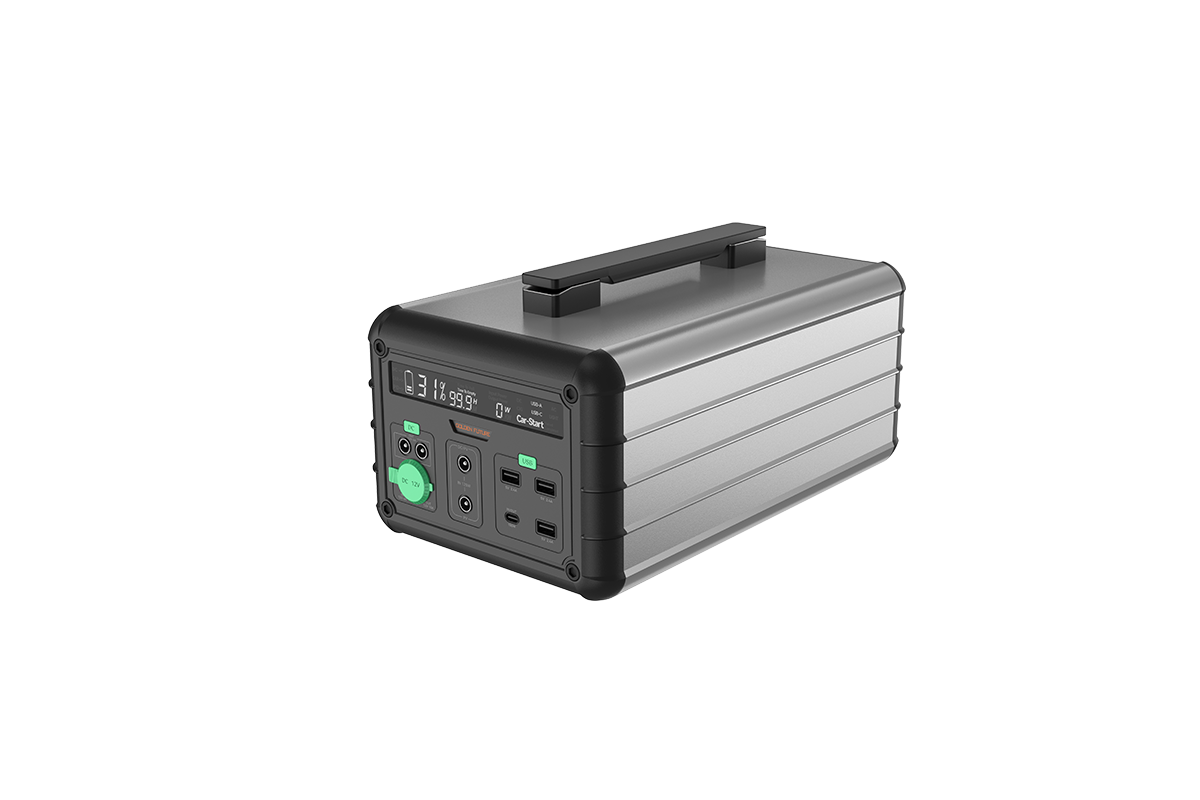
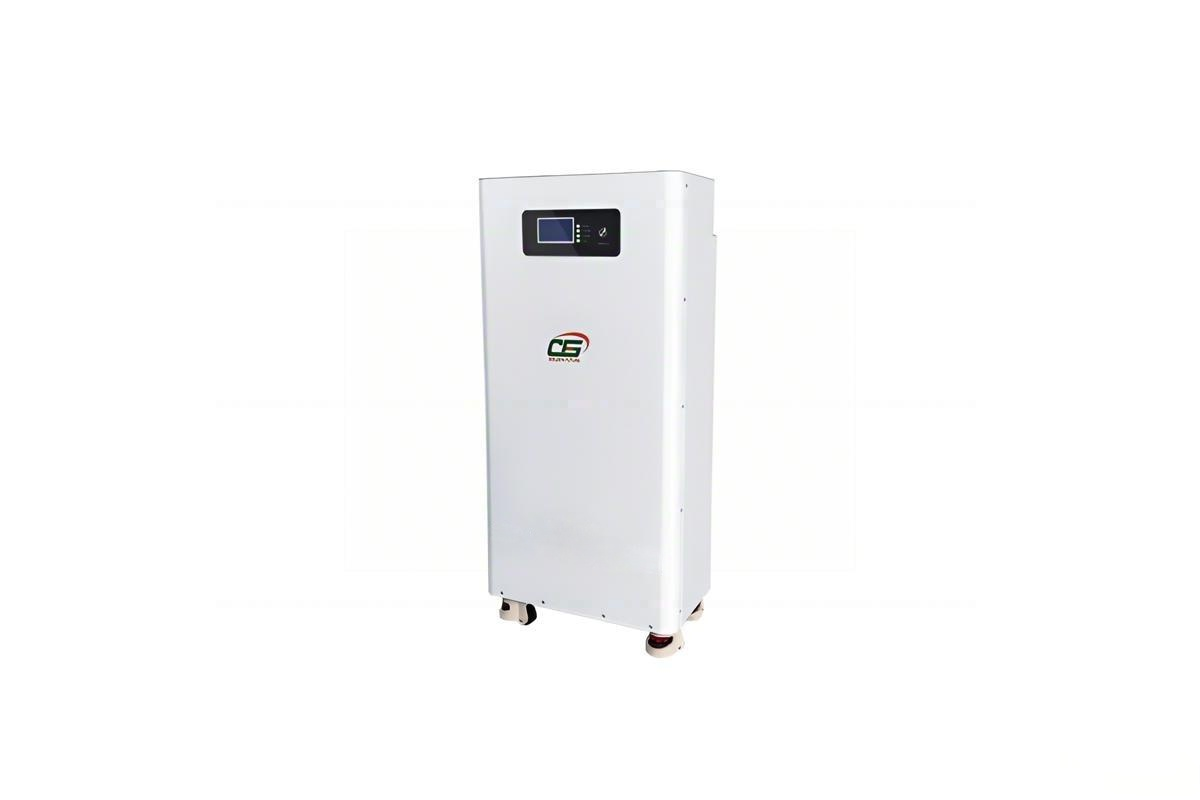
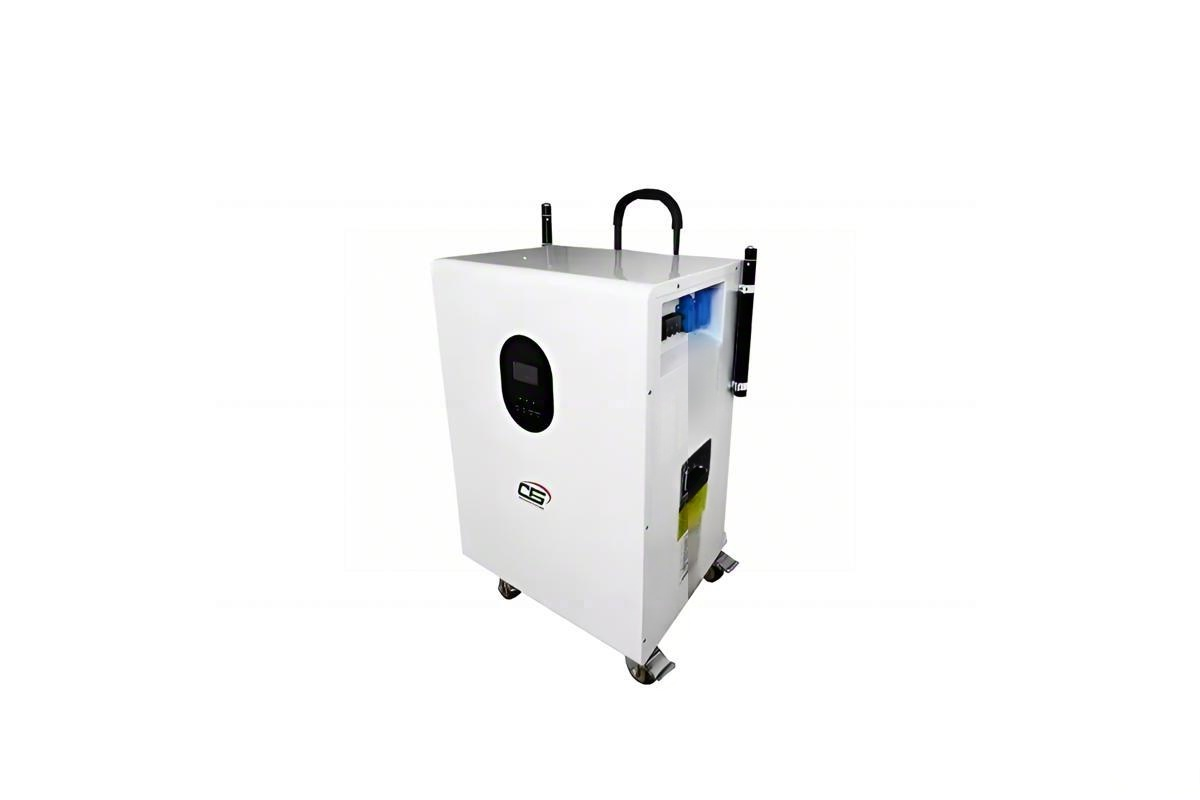
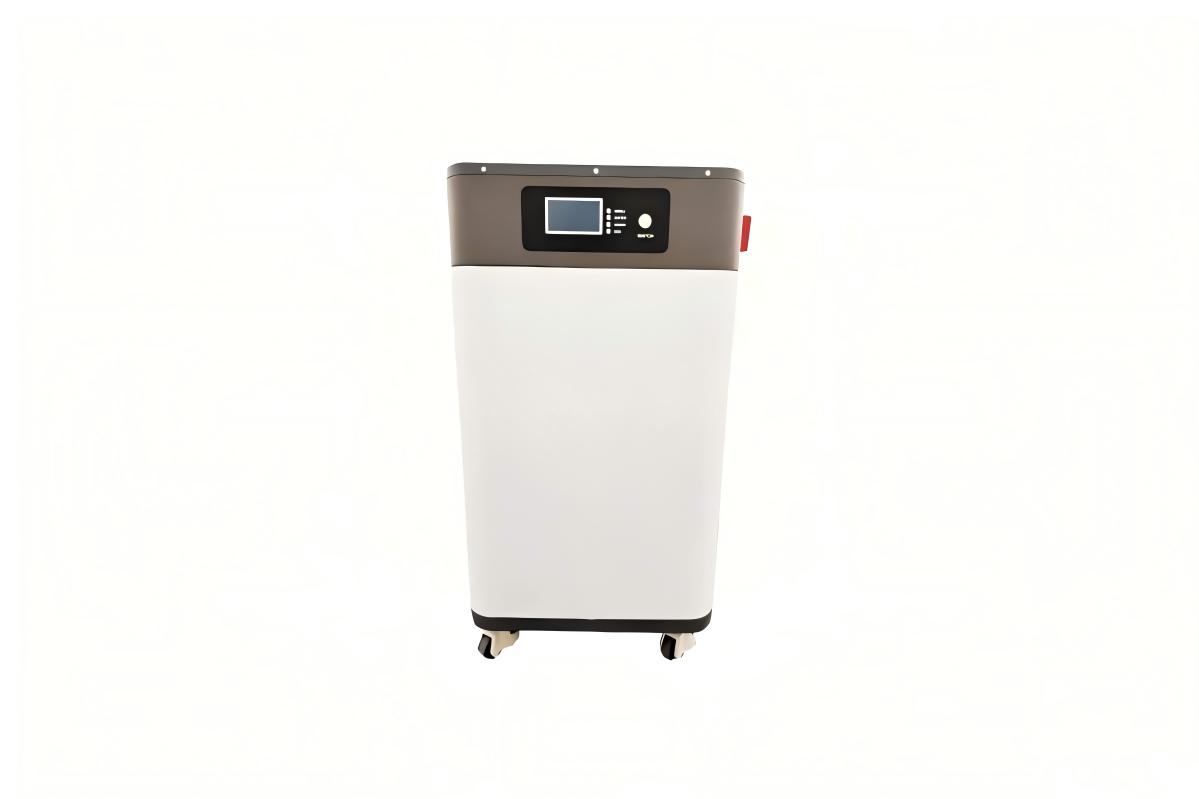
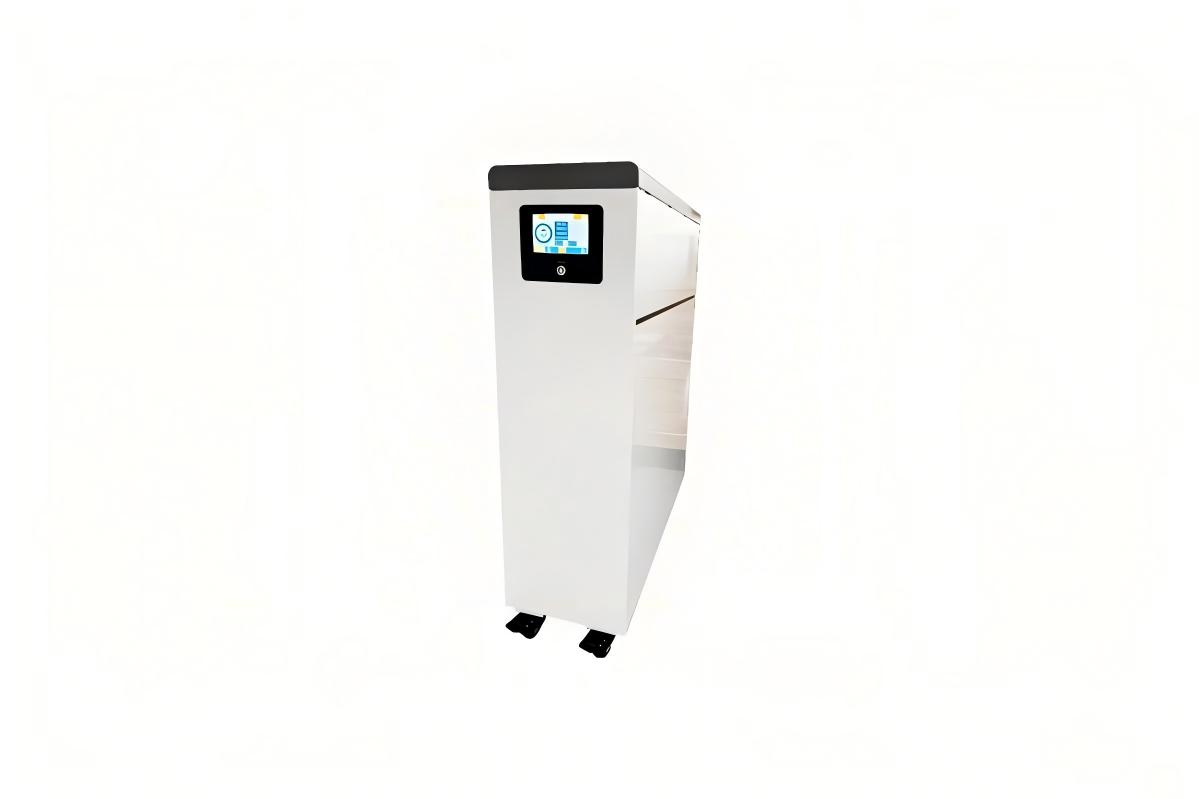
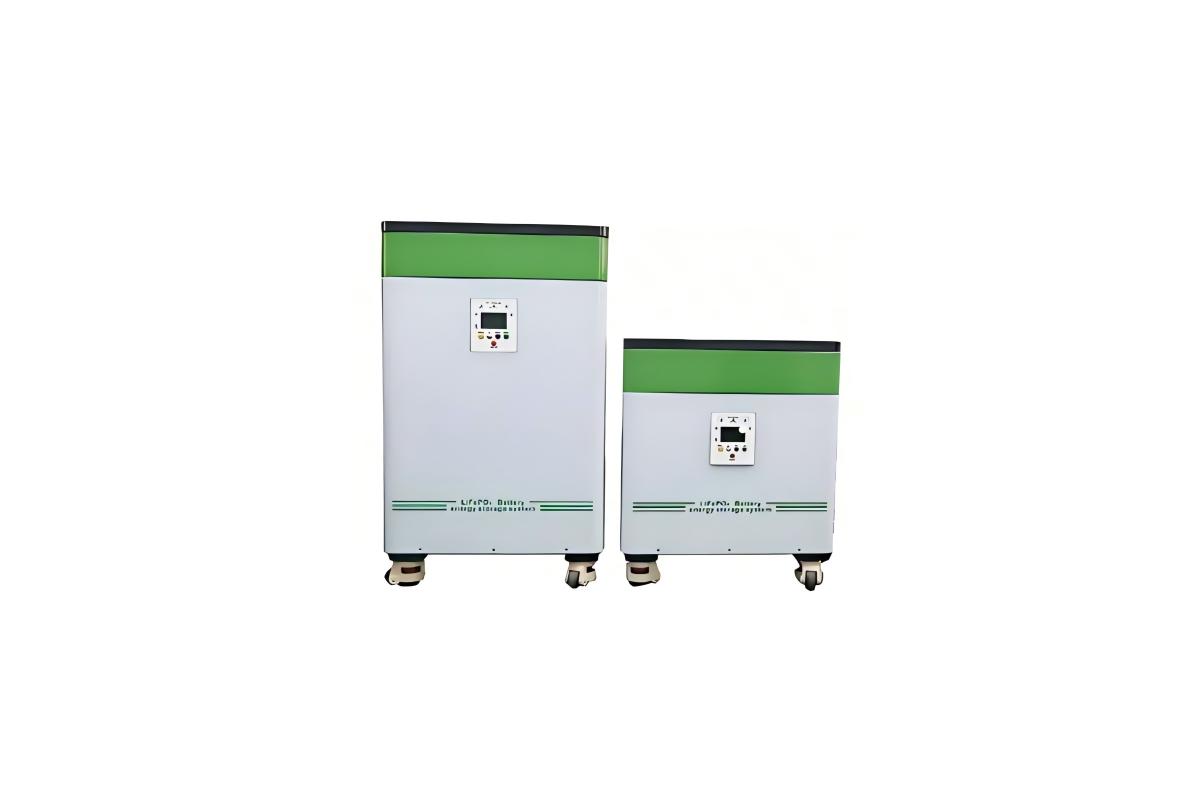
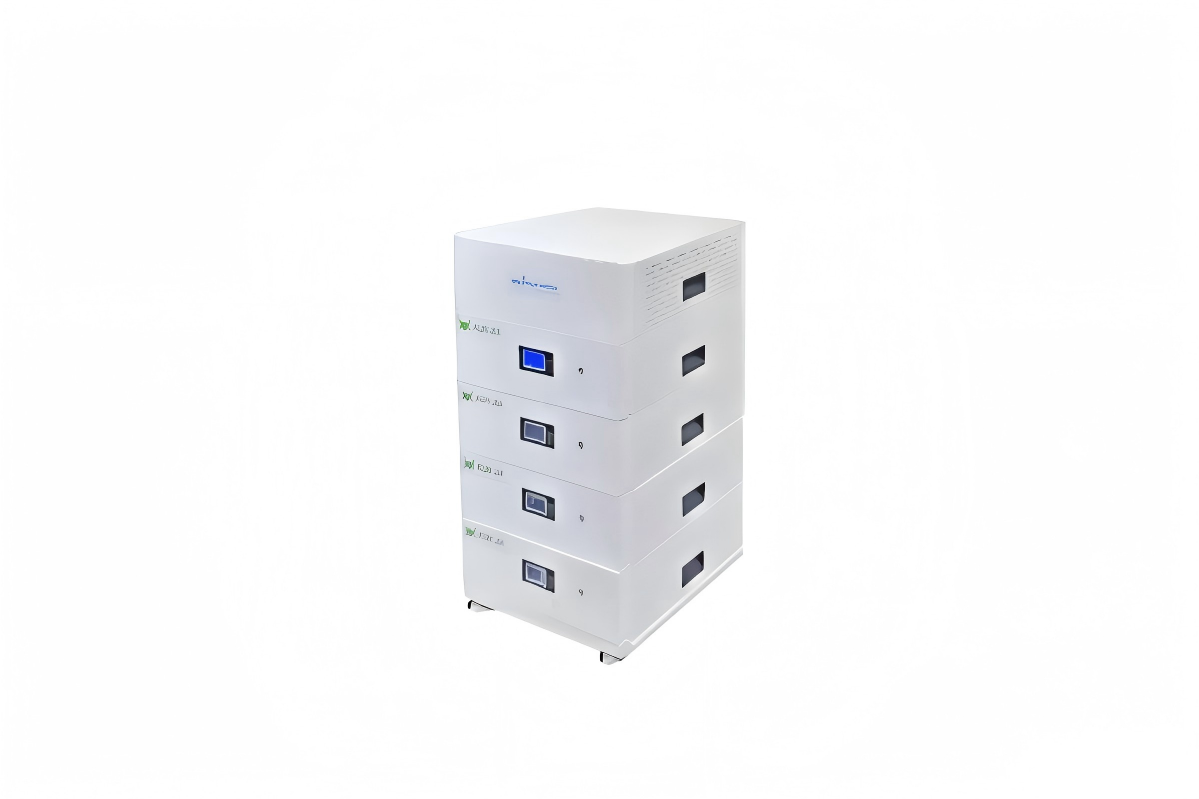
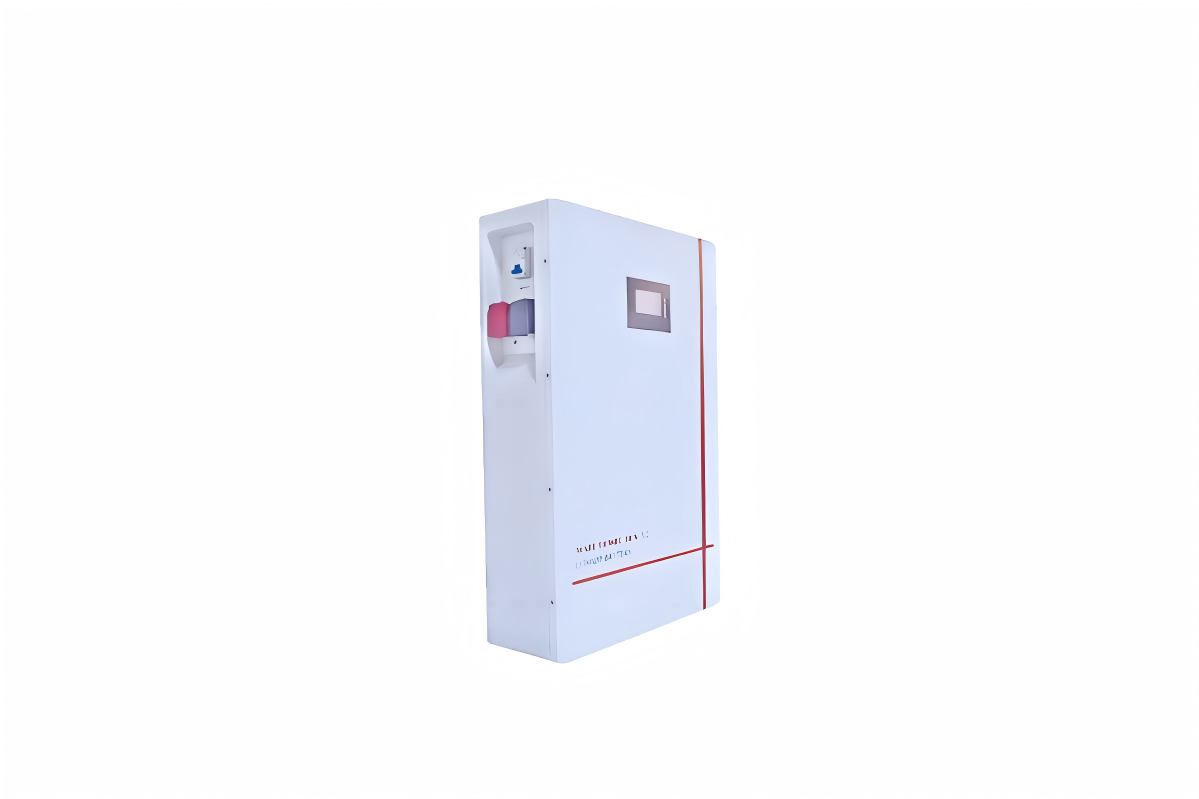
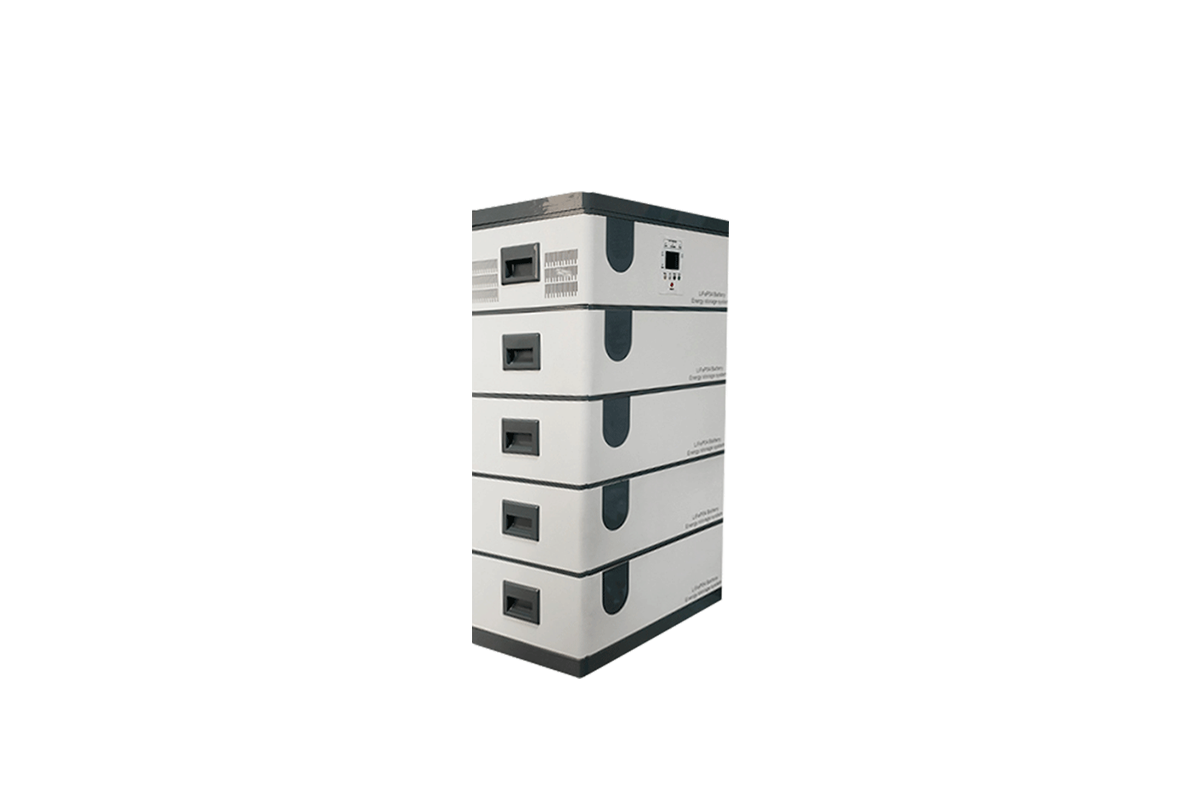
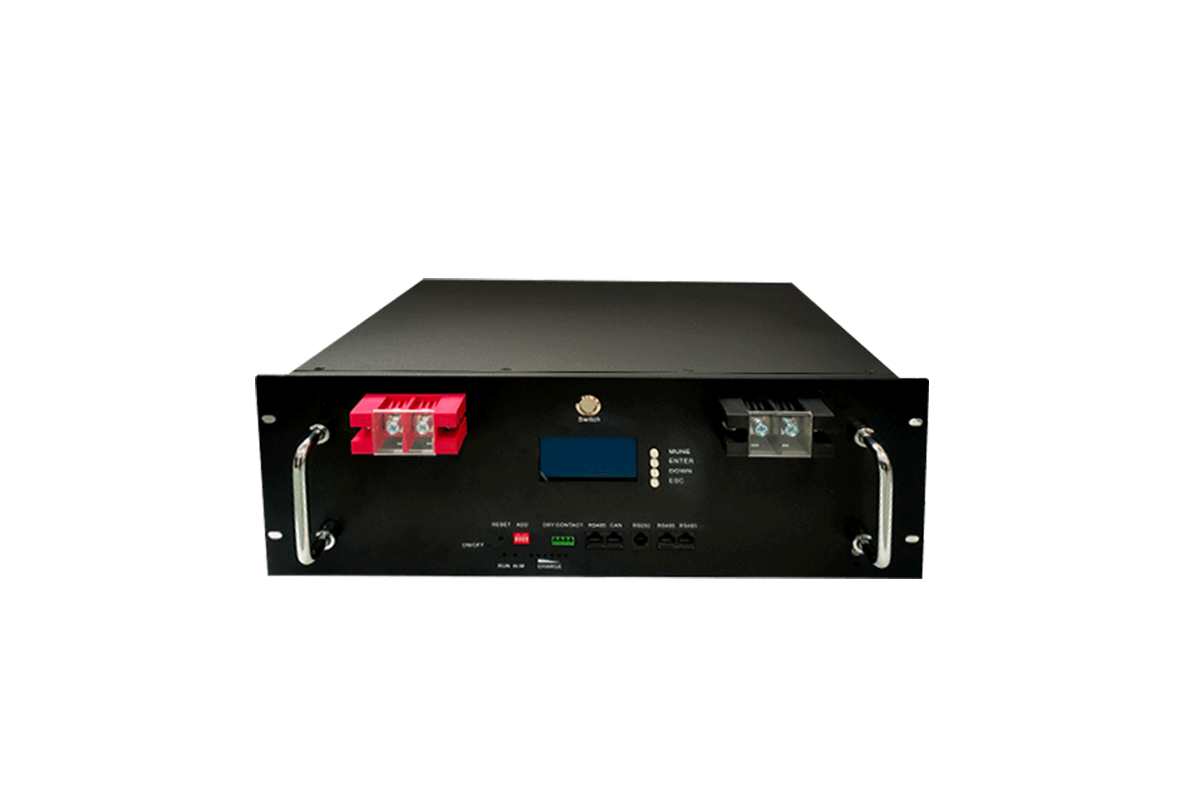
Maintenance-free energy storage battery is a mainstream sealed electrochemical energy storage device designed for long-cycle grid energy storage, industrial backup power and off-grid power supply scenarios, optimized to eliminate regular daily maintenance work for end users. Different from traditional flooded lead-acid batteries that require regular electrolyte replenishment, density detection and tank cleaning, this battery adopts fully sealed valve-regulated structure and oxygen recombination internal circulation technology. The internal electrolyte is fixed in glass fiber separator in colloidal state, which avoids electrolyte volatilization, leakage and stratification under long-term charge-discharge operation. It can operate stably in closed cabinet, outdoor container and buried installation environments without manual intervention for liquid supplement and acid adjustment throughout its design service life.
This type of battery boasts excellent environmental adaptability and low operational cost, with wide working temperature ranging from -20℃ to 55℃. It features low self-discharge rate, with monthly self-discharge coefficient controlled below 2%, which greatly reduces power loss during long-term standby storage. Its built-in safety pressure relief valve automatically releases excess gas under overcharge condition to prevent battery bulging and cracking. For large-scale energy storage power stations, commercial building backup power and rural distributed energy storage projects, it cuts labor maintenance cost, inspection time and supporting maintenance equipment investment by more than 80% compared with conventional batteries.
In terms of lifespan and application economy, standard maintenance-free energy storage batteries achieve a floating charge service life of 8 to 12 years at room temperature. They are compatible with solar photovoltaic matching systems, wind energy storage systems and municipal emergency power supply systems. The integrated anti-corrosion pole plate design slows down internal electrochemical corrosion, ensuring stable capacity output in frequent shallow cycle working mode. With no acid mist emission and no pollution to peripheral electrical equipment, it meets environmental protection standards of indoor centralized energy storage rooms, becoming the most cost-effective basic energy storage battery for civilian and industrial general scenarios.




 59911926@qq.com/sales@goldenfuturehk.com
 13316809242 / 15816897019
 Inquiry
 Home >