






Time:2026-07-29 Views:249
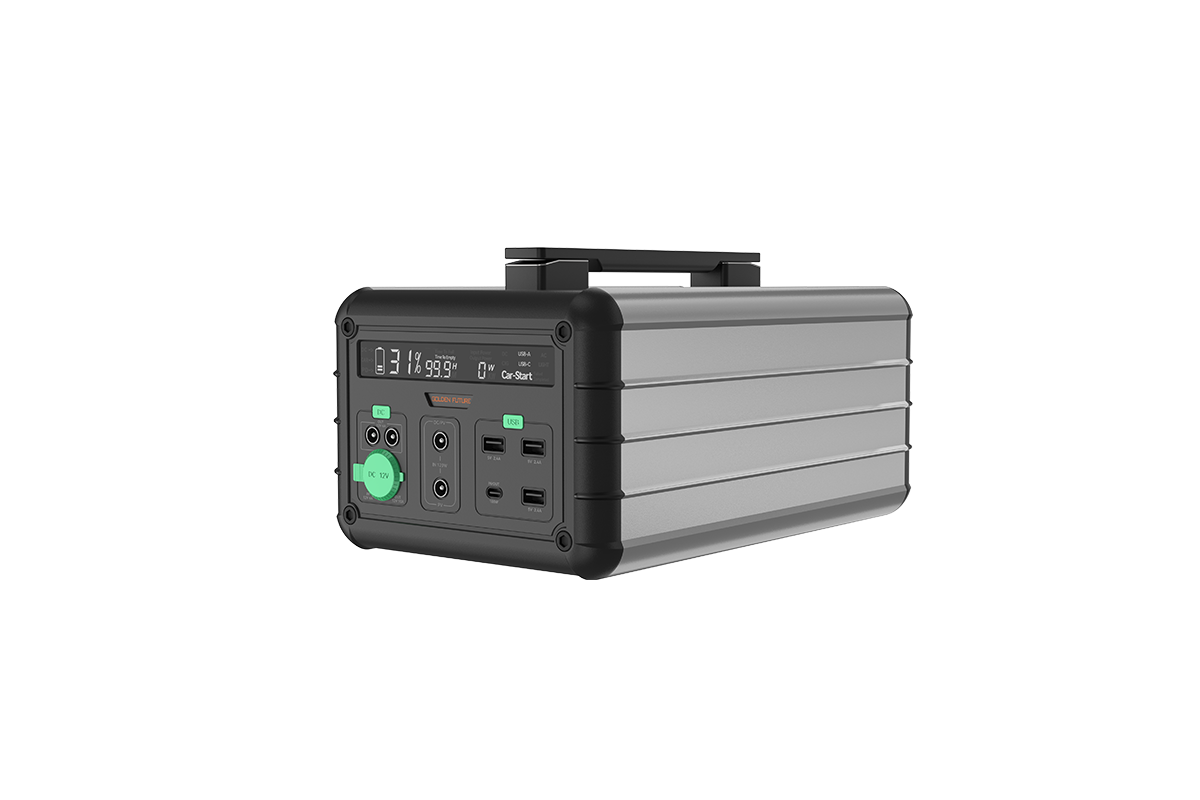
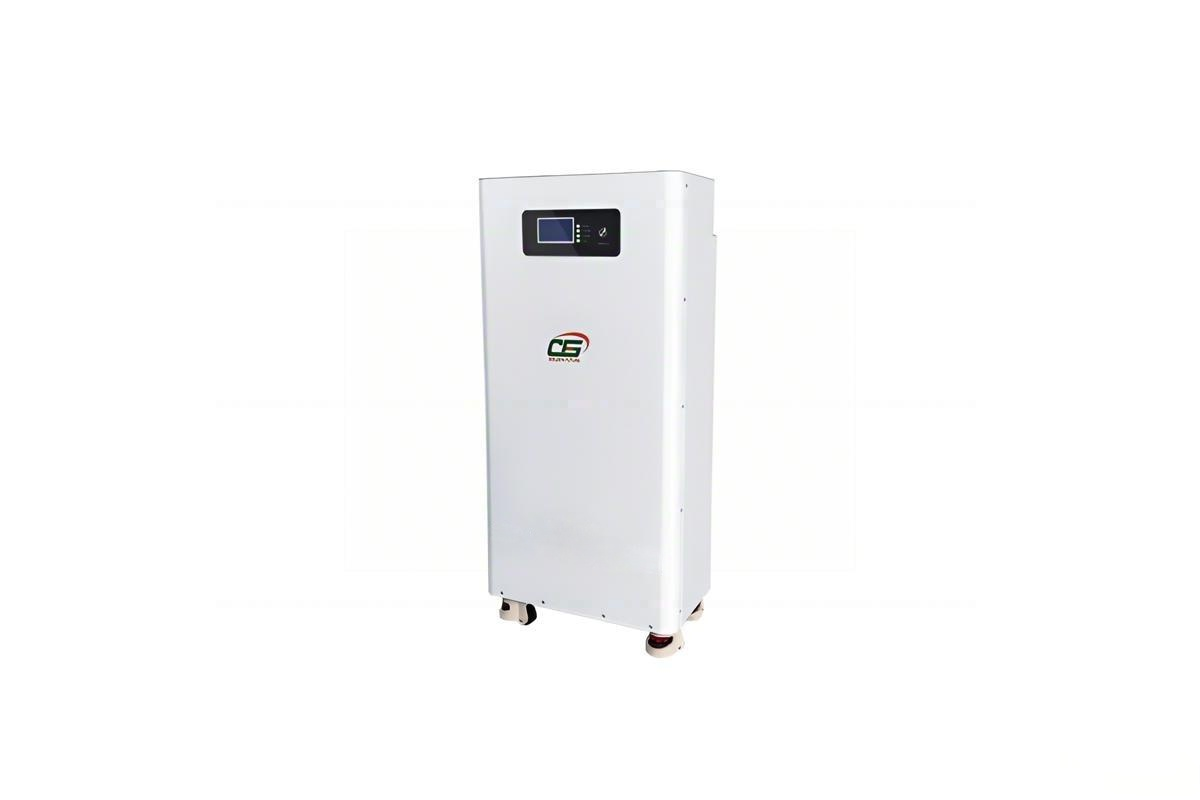
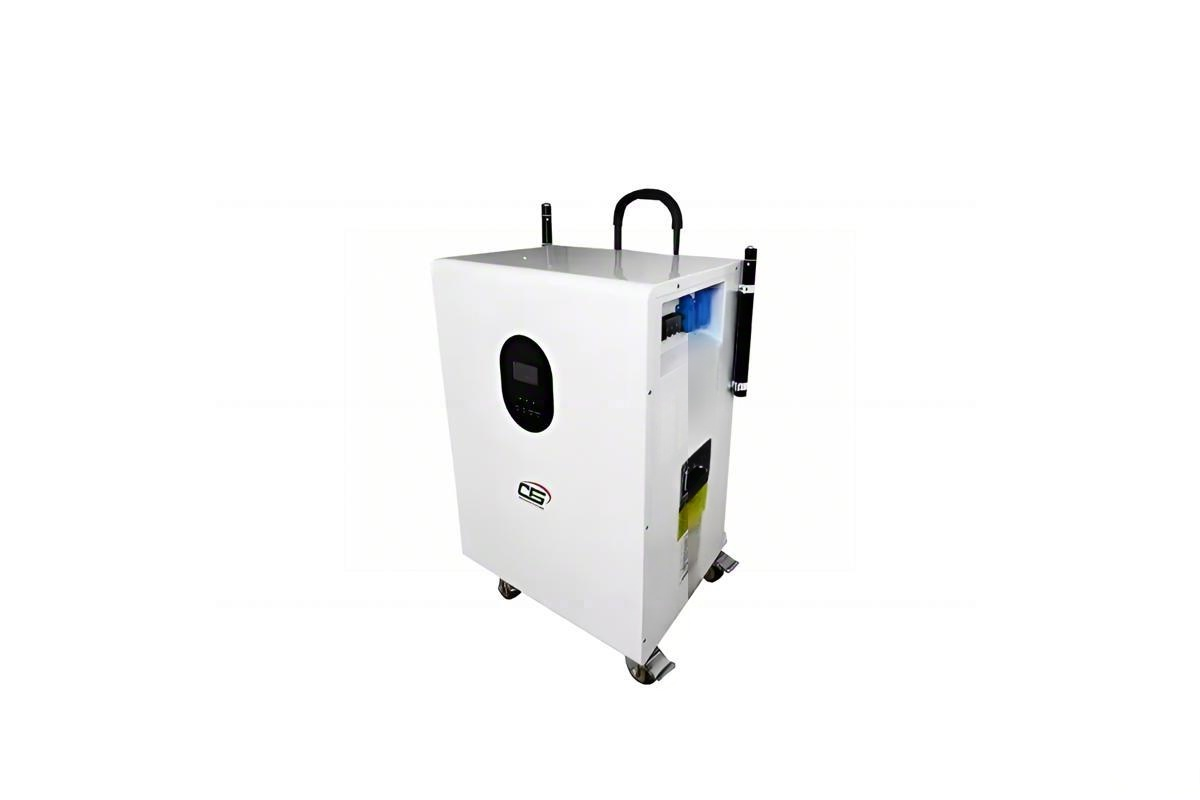
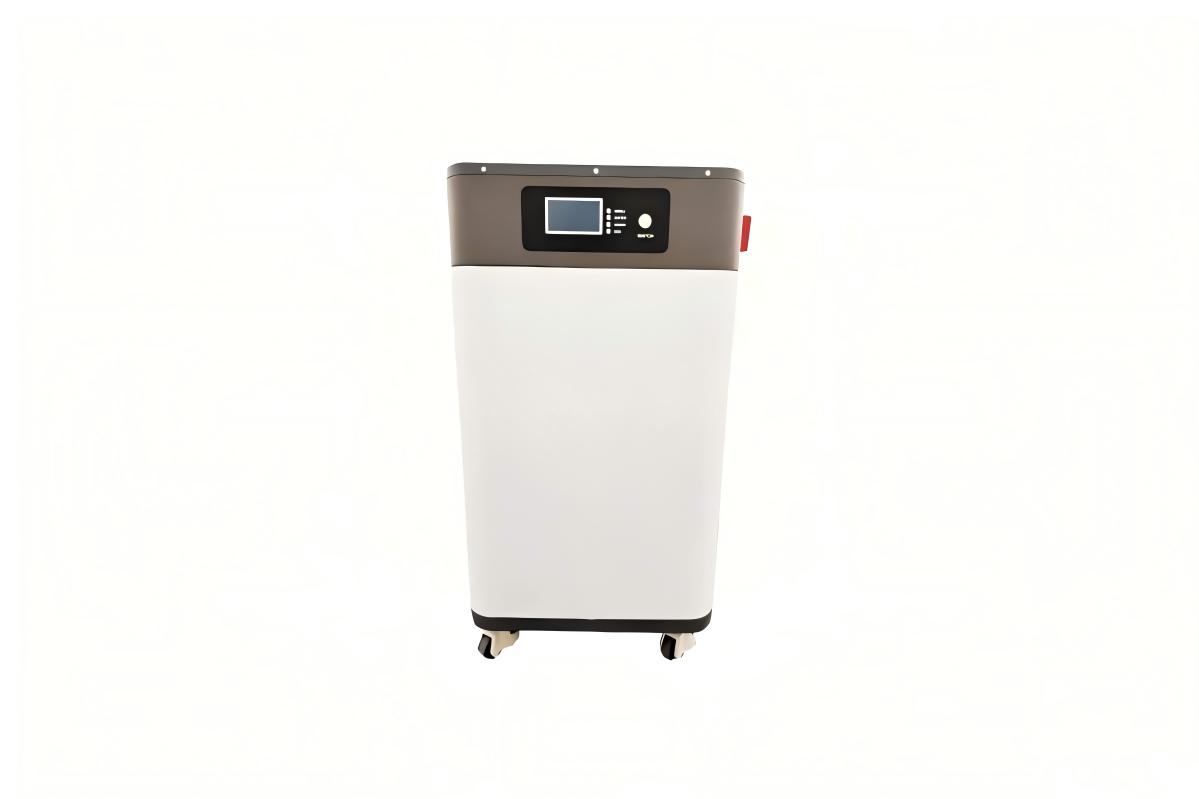
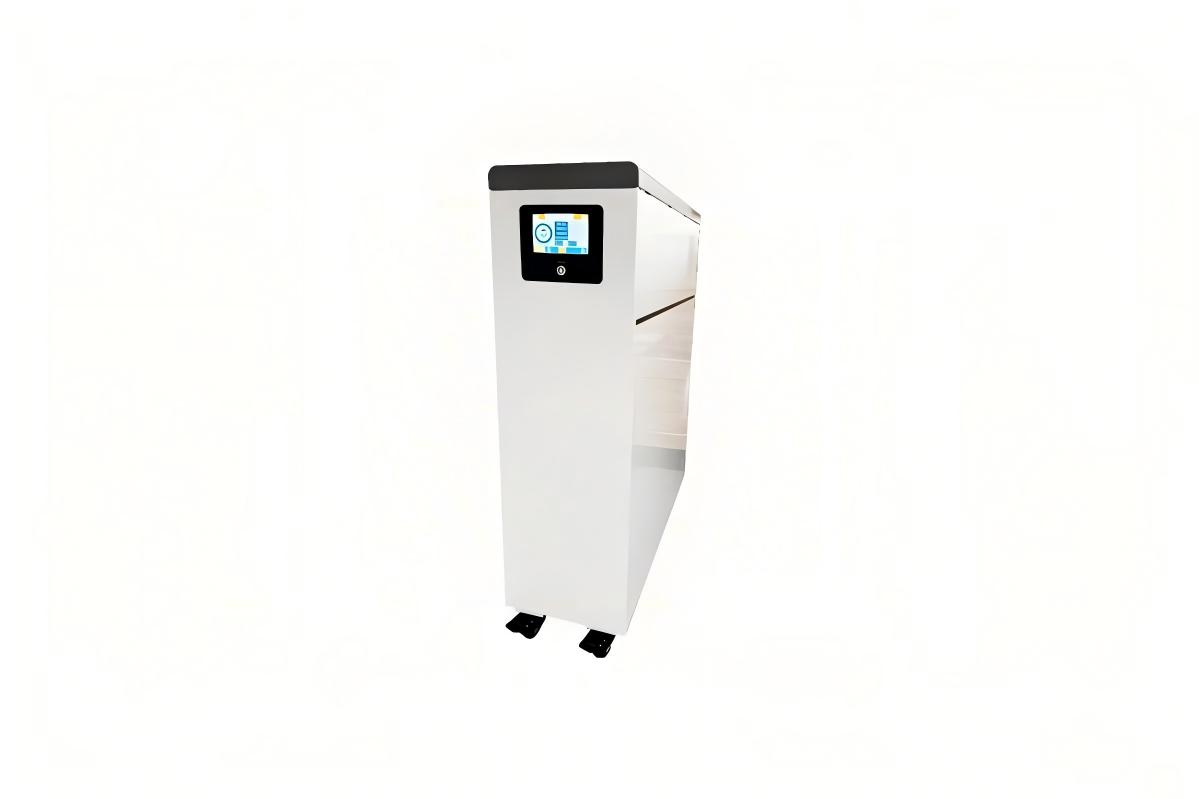
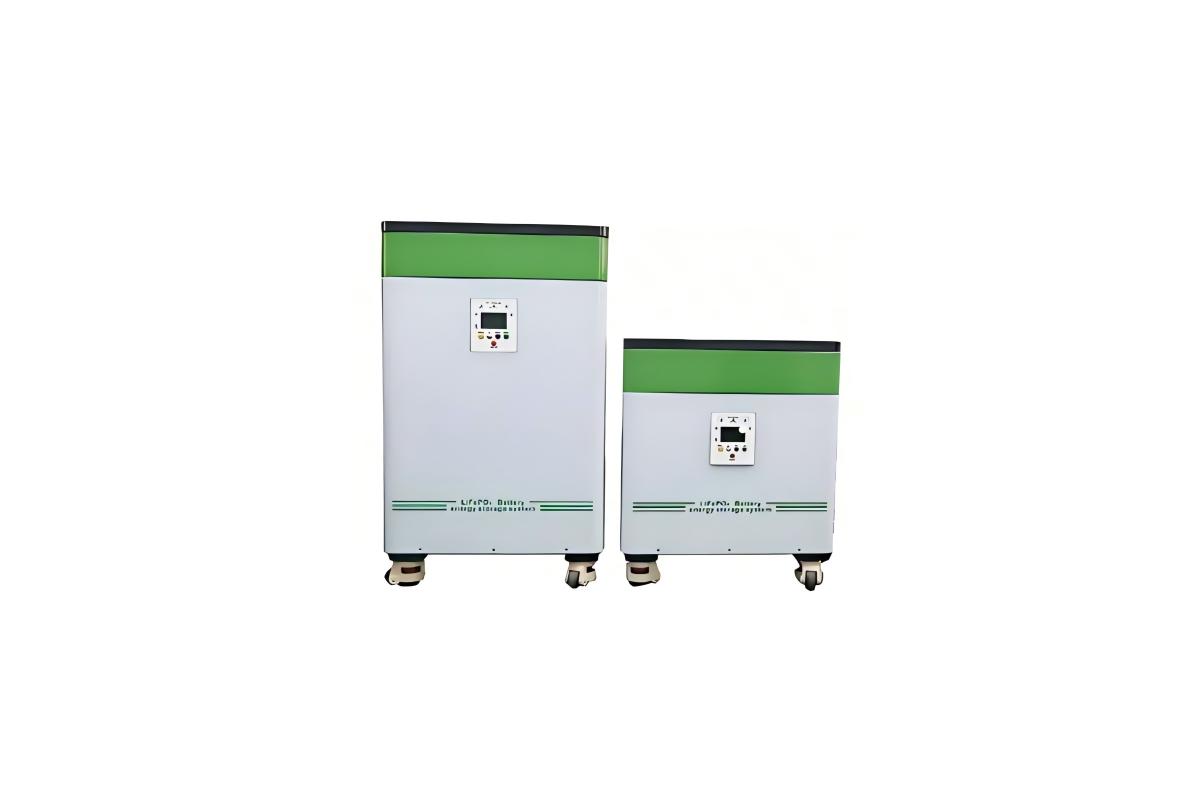
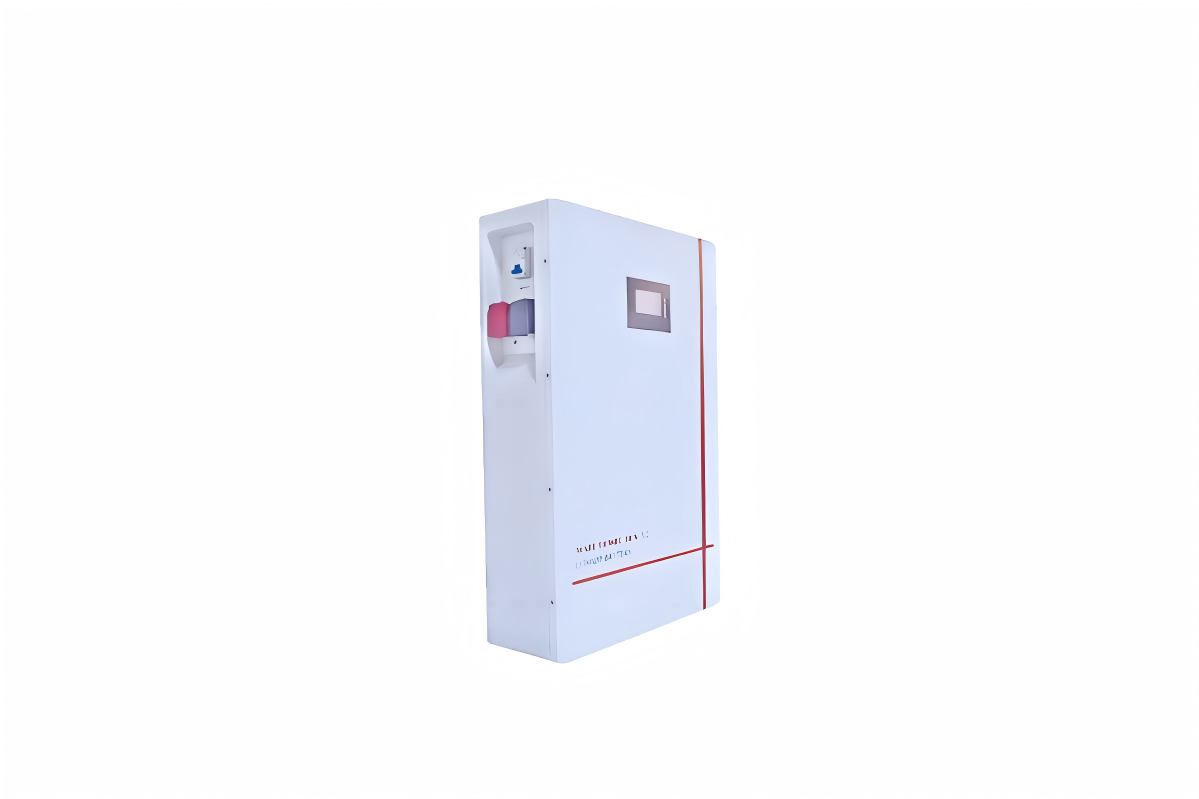
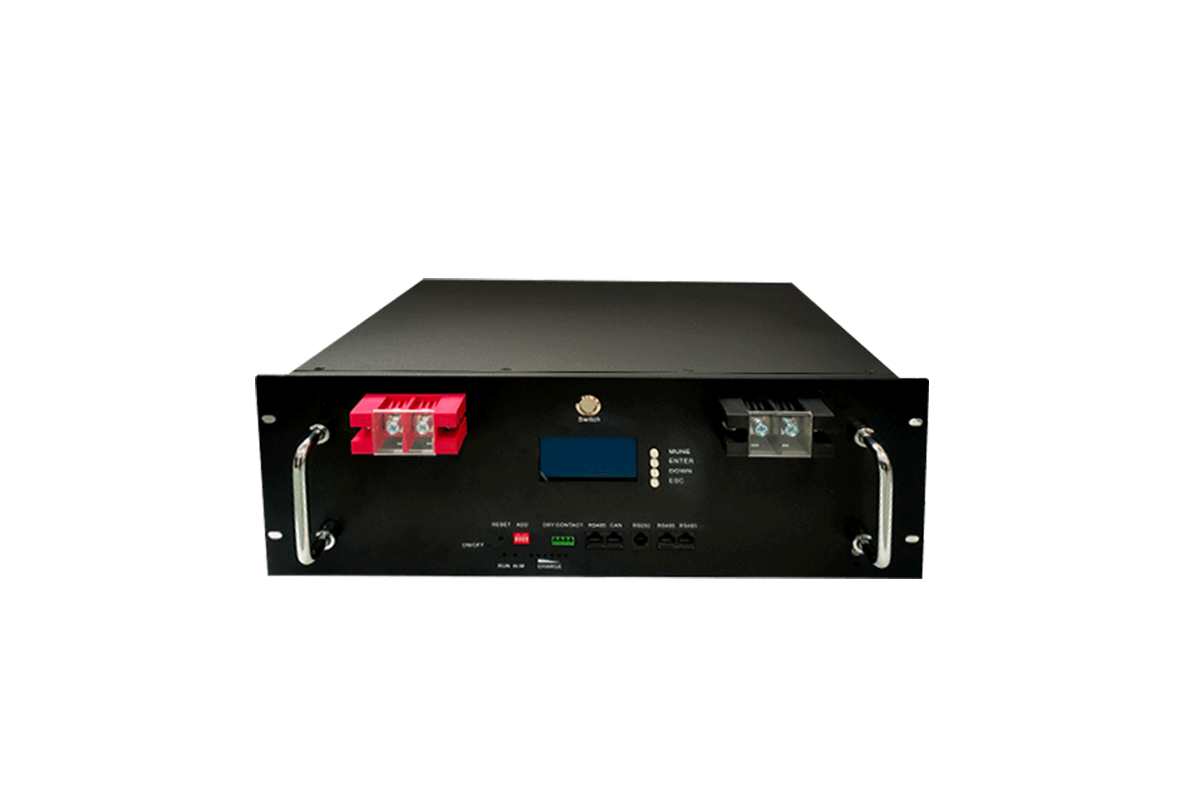
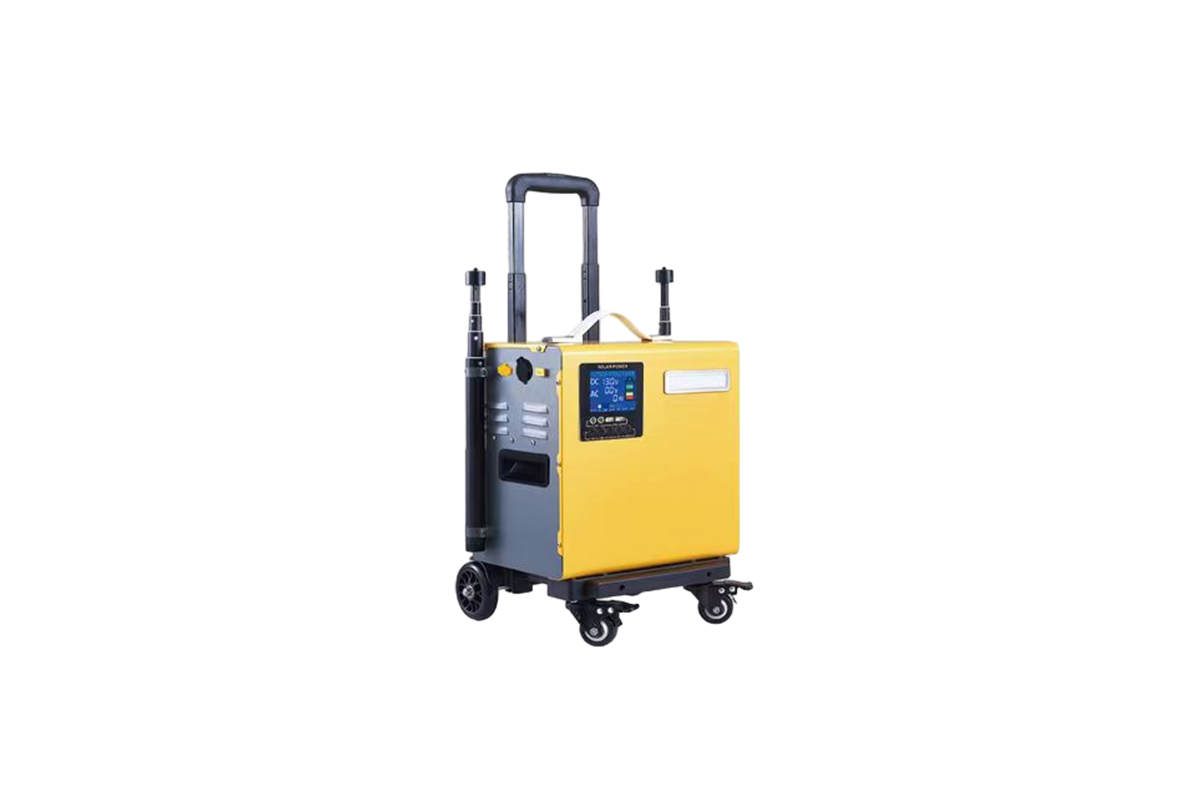
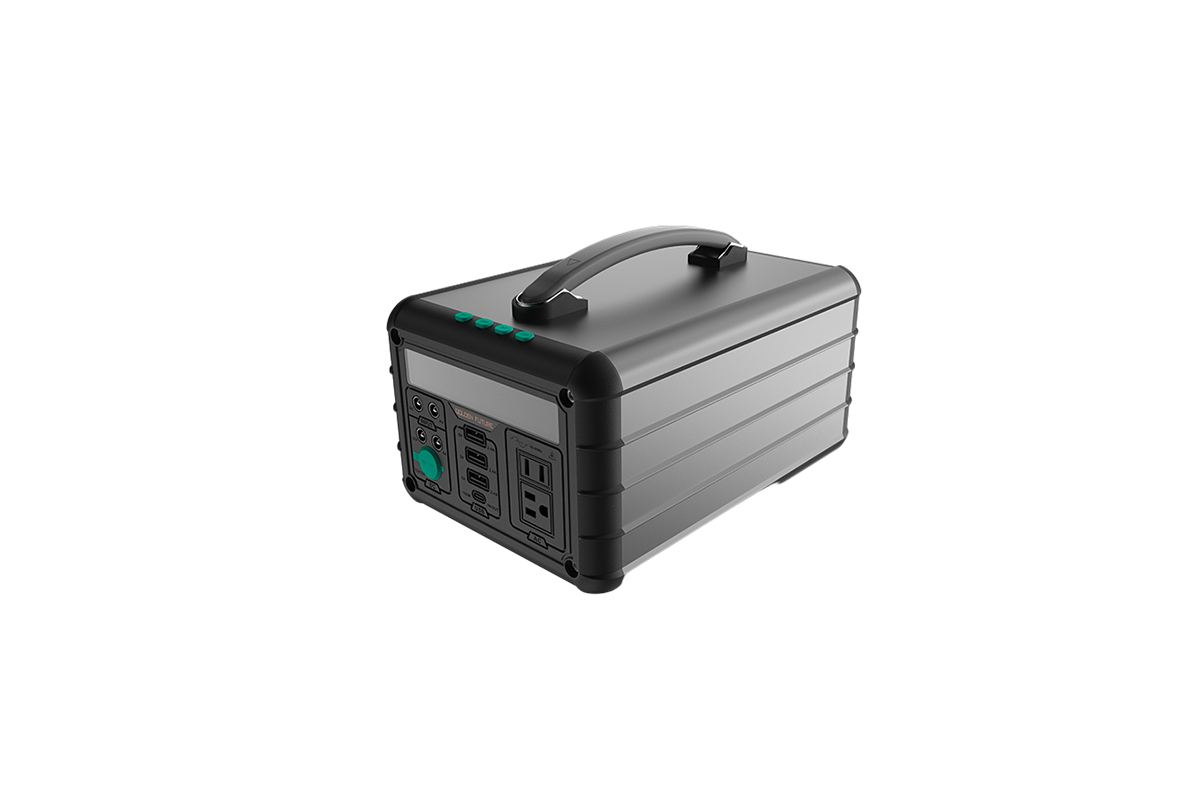
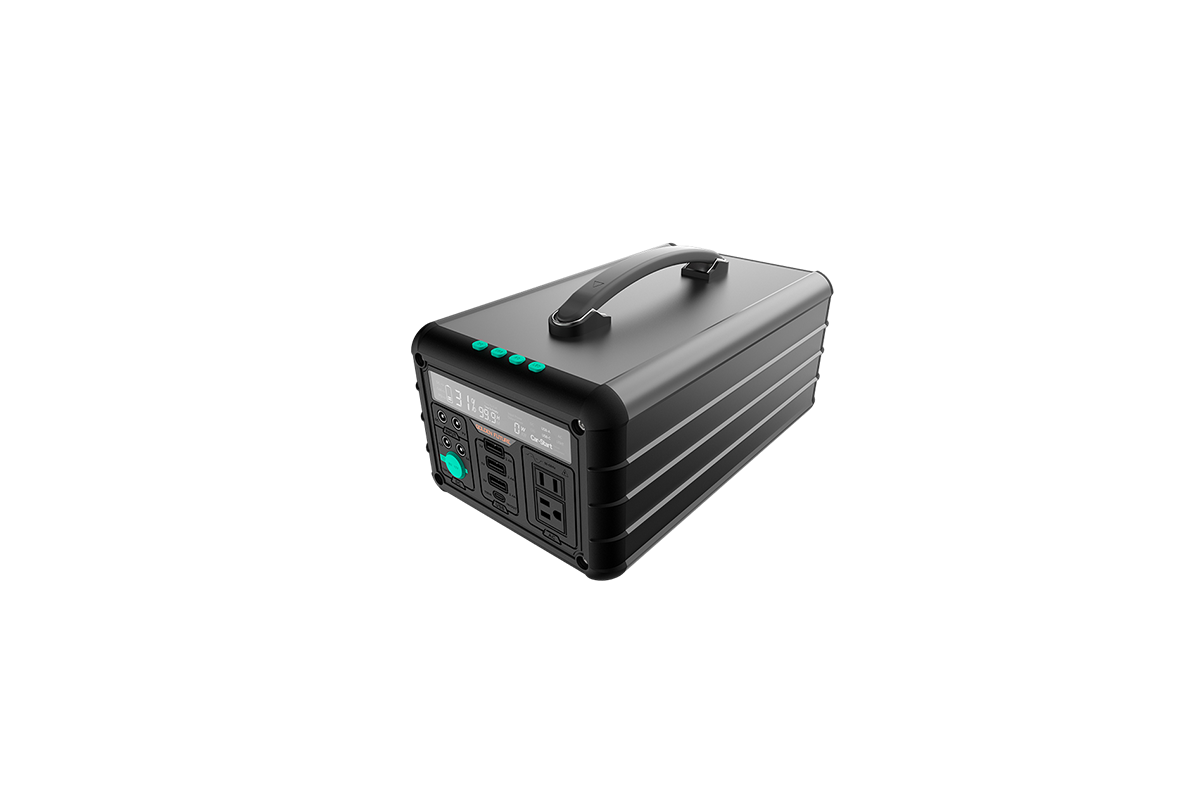
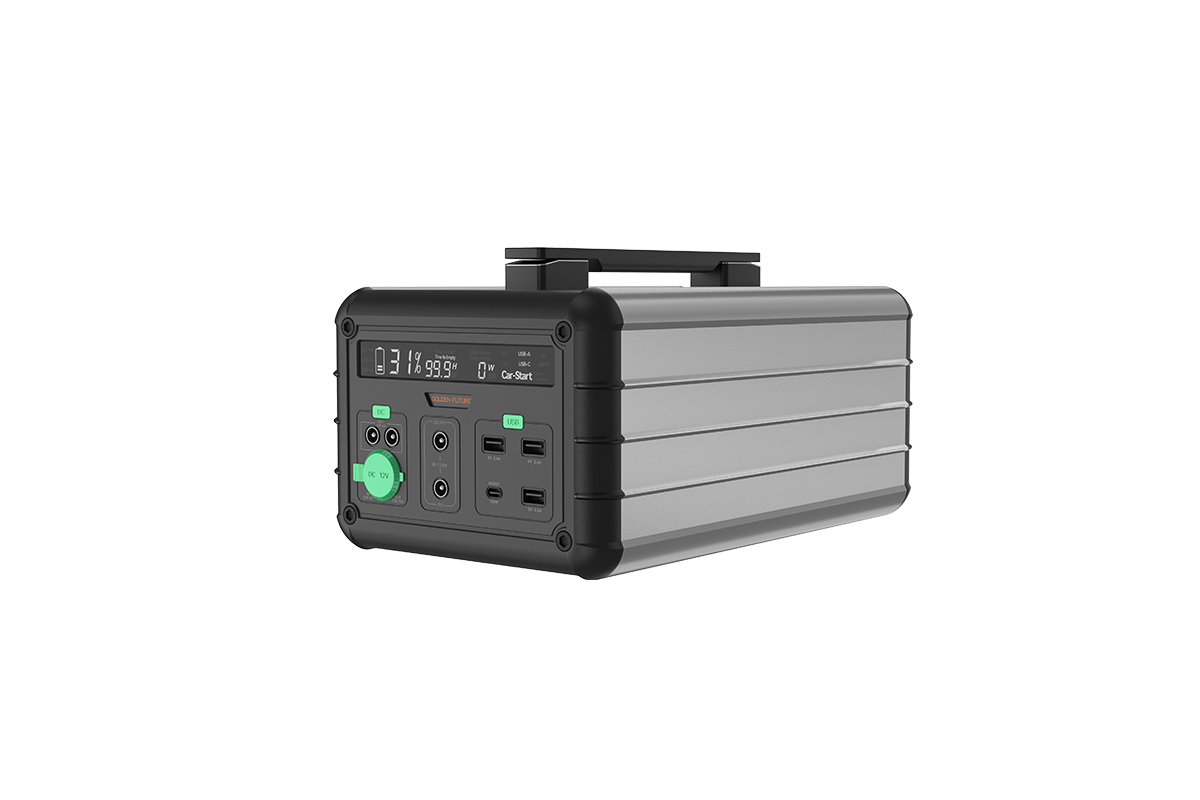
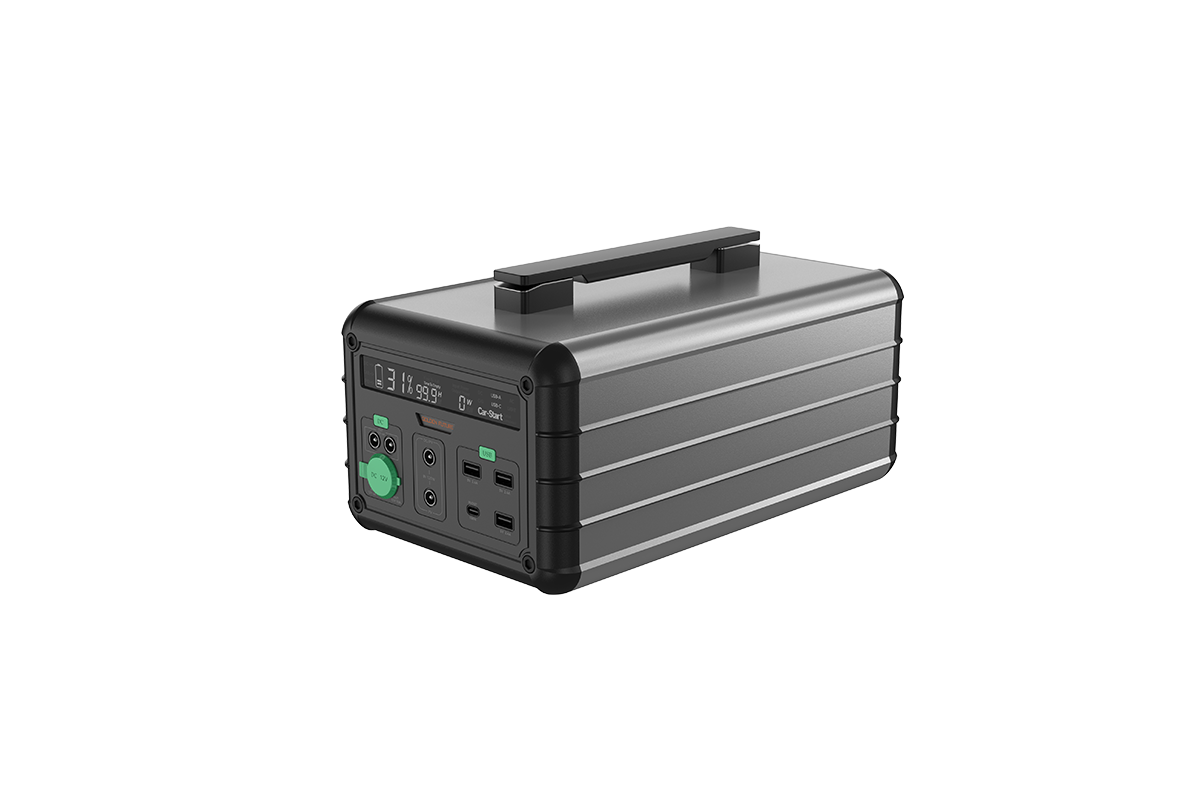
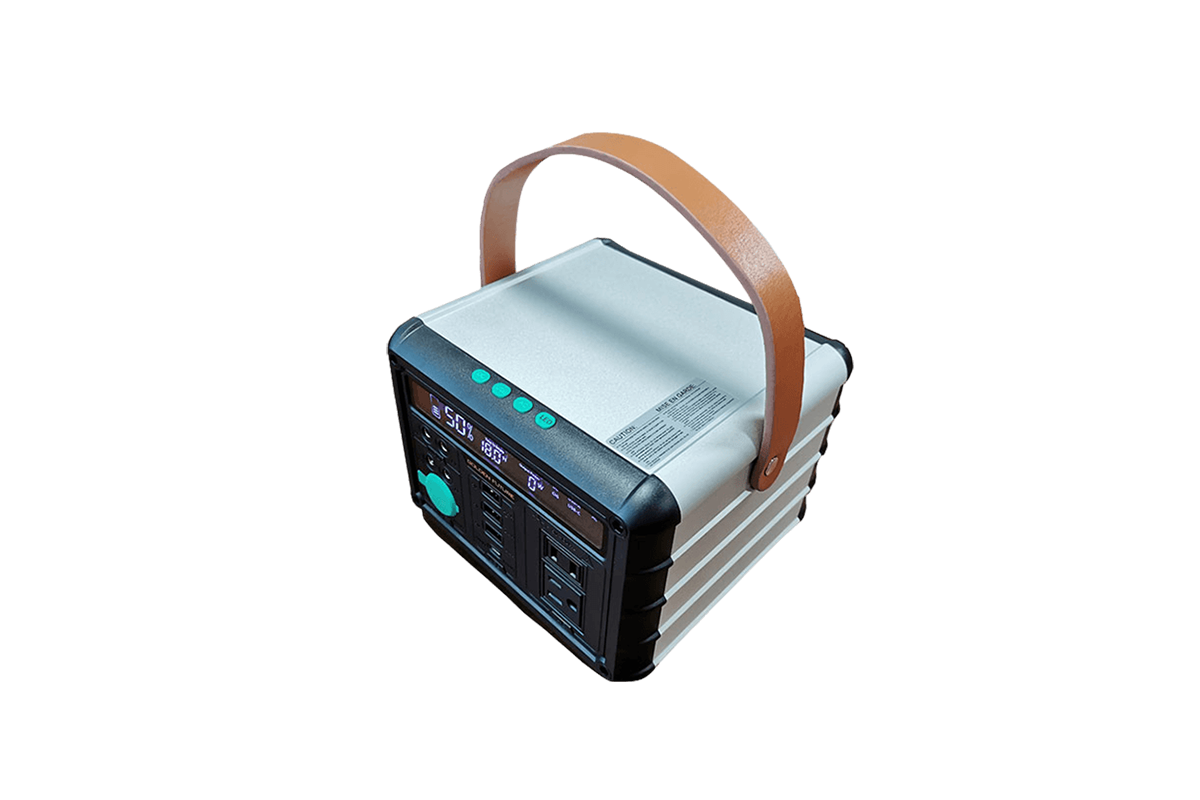
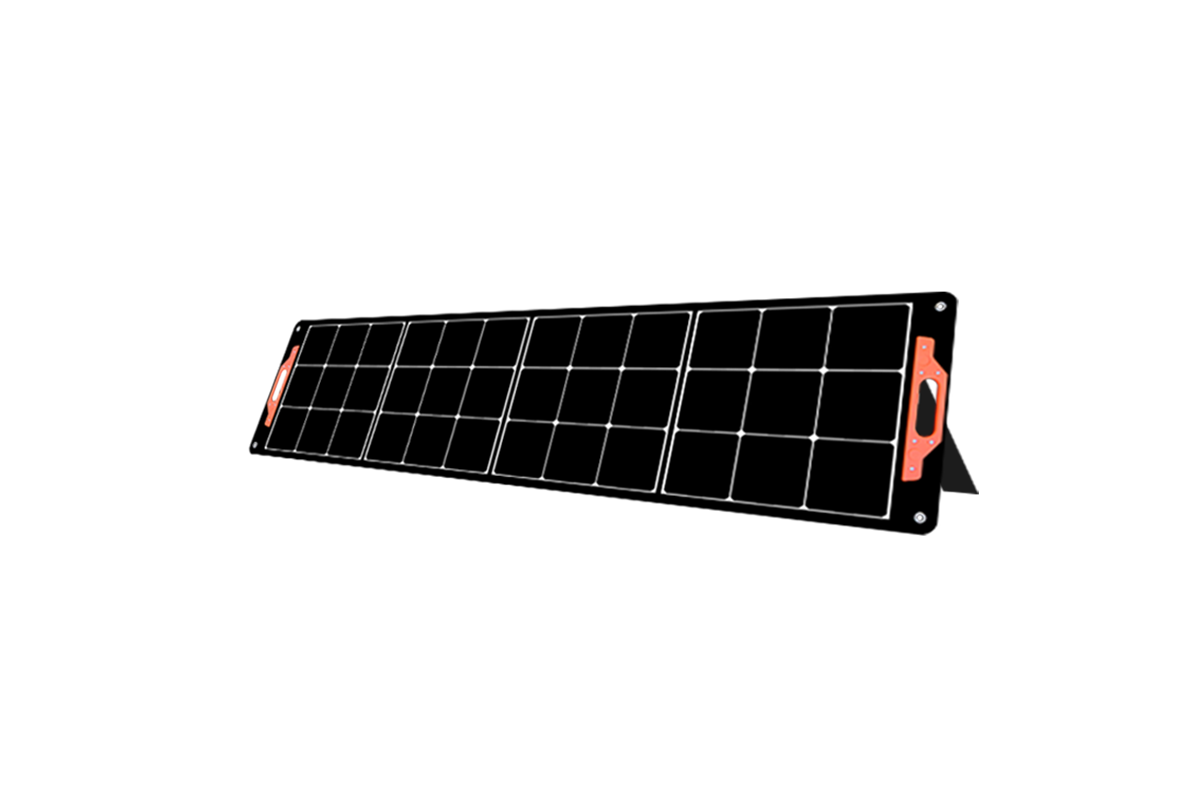
Low-voltage energy storage backup batteries, typically operating within 12V to 48V voltage ranges, are essential auxiliary power devices widely applied in residential, commercial, and industrial energy storage scenarios. Different from high-voltage battery systems that target large-scale grid energy storage, low-voltage backup batteries focus on decentralized power supply and emergency power guarantee, serving as a reliable power buffer for off-grid photovoltaic systems, household electrical equipment, communication base stations, and small industrial devices. With the rapid development of distributed new energy, these batteries have become core components of micro-energy storage systems, effectively solving the problems of power grid fluctuation and sudden power outages, and ensuring the continuous and stable operation of key electrical equipment in daily life and production.
Safety and accessibility are the most prominent advantages of low-voltage energy storage backup batteries. Due to their low operating voltage, the risk of electric shock, arc discharge, and thermal runaway is significantly reduced compared with high-voltage battery packs, enabling safe manual installation, maintenance, and daily inspection without professional high-voltage operation qualifications. Most mainstream low-voltage backup batteries adopt lithium iron phosphate (LiFePO4) cells with excellent thermal stability, which can withstand extreme temperature changes and frequent charge-discharge cycles. Equipped with an intelligent Battery Management System (BMS), the batteries realize full-range protection against overcharge, overdischarge, overcurrent, short circuit, and overheating, effectively avoiding battery damage and safety accidents caused by abnormal operating conditions.
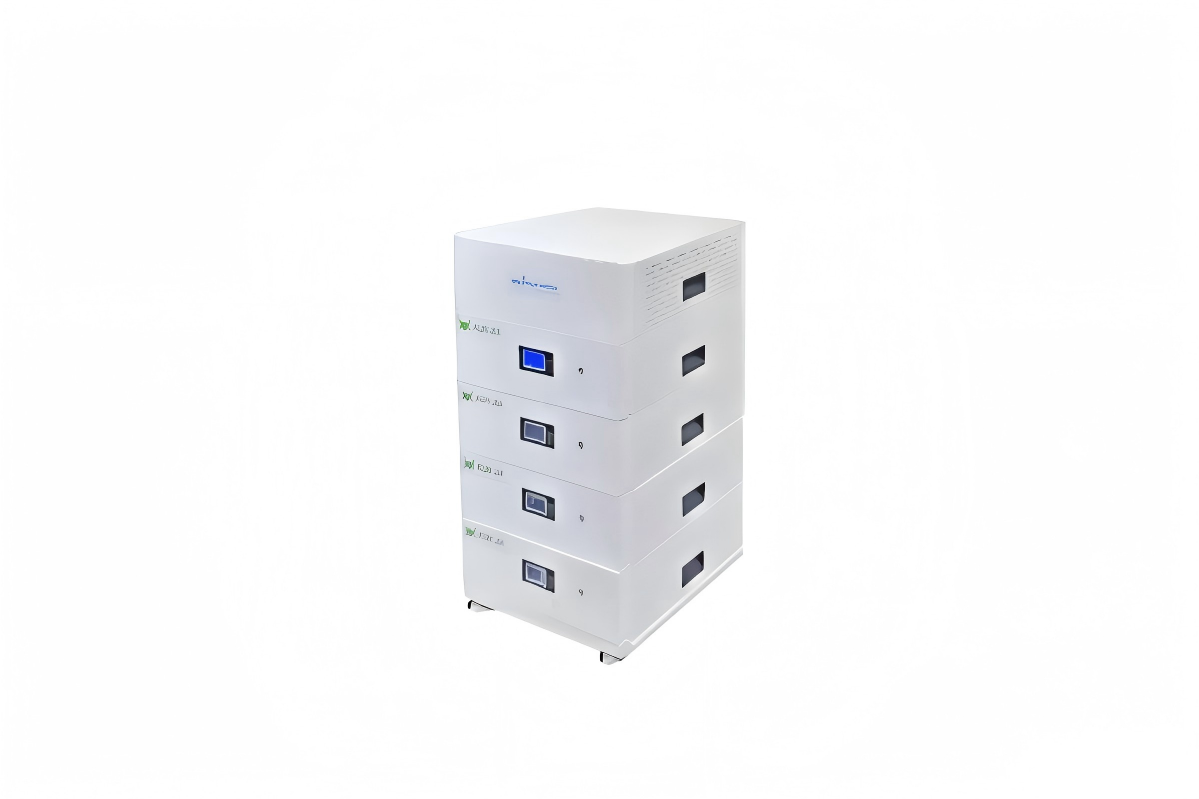
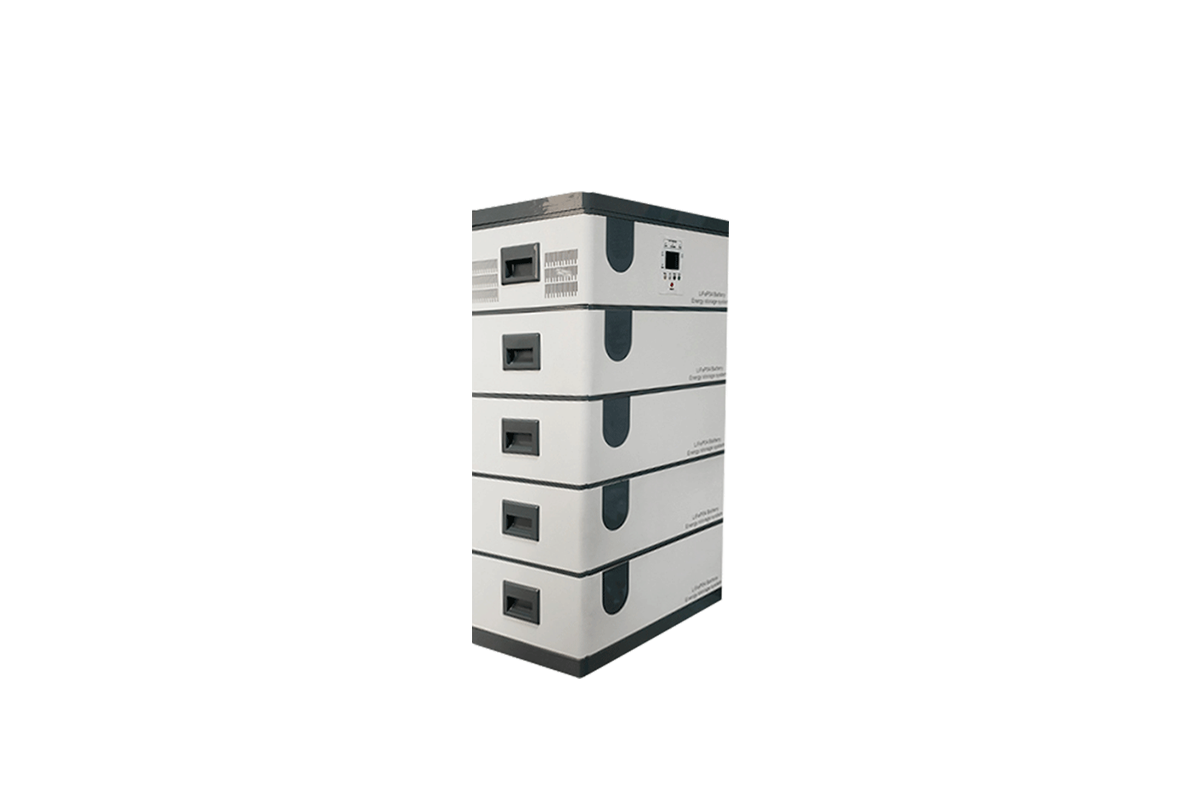
Modular scalability and high compatibility further enhance the practical value of low-voltage energy storage backup batteries. These batteries support flexible parallel connection, allowing users to expand the system capacity freely according to actual power demand, from small 5kWh household backup units to 100kWh industrial standby systems. They are highly compatible with mainstream off-grid inverters, hybrid inverters, and smart power management systems on the market, with no complex matching procedures required. In addition, the round-trip energy efficiency of low-voltage backup batteries can reach more than 95%, which minimizes energy loss during energy storage and release. Their cycle life exceeds 8000 times, supporting stable operation for more than 10 years, achieving a balance of long service life and low operating cost.
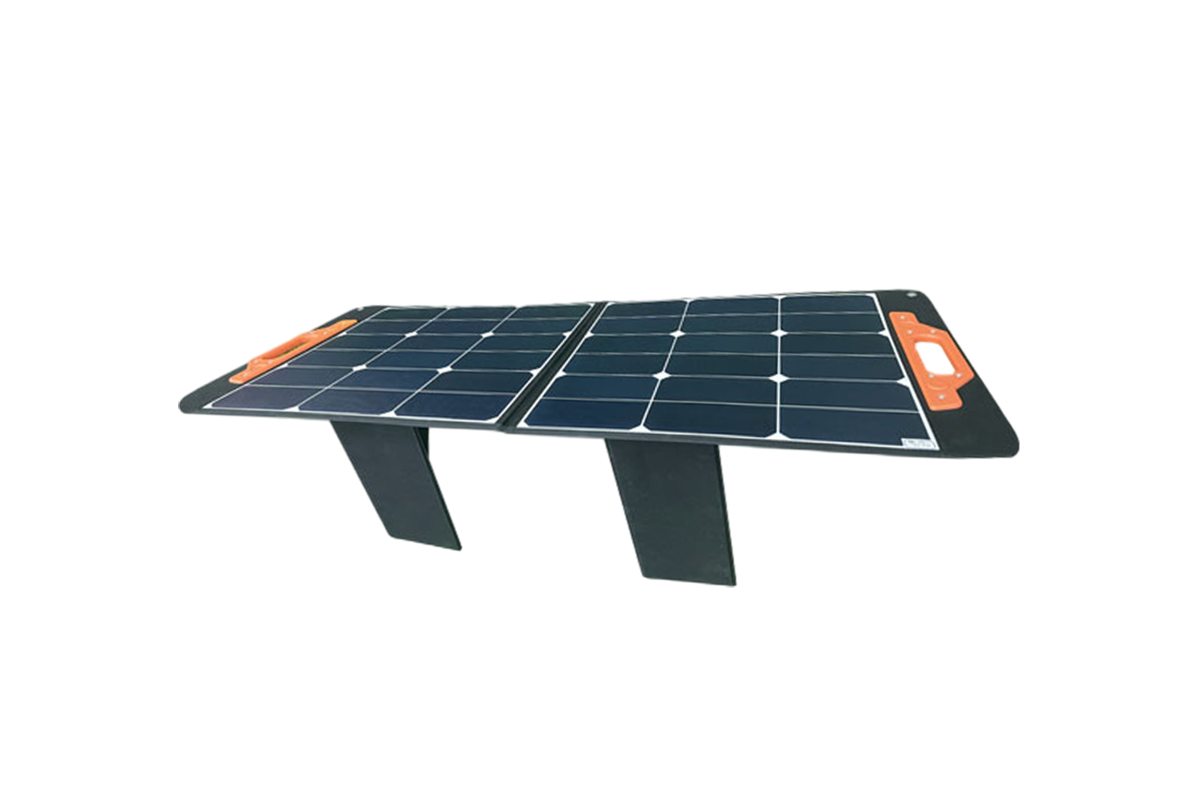
The application scenarios of low-voltage energy storage backup batteries are constantly expanding with the upgrading of smart energy systems. In residential scenarios, they store excess power generated by household solar panels to supply power for household loads during peak electricity consumption or power outages, reducing household electricity costs. In commercial scenarios, they provide emergency power supply for office equipment, monitoring systems, and lighting facilities to avoid economic losses caused by sudden power failures. In remote areas without stable grid coverage, they cooperate with new energy power generation equipment to build independent micro power grids, solving the basic power demand of residents and small production. With the advantages of low threshold, high safety, and flexible deployment, low-voltage backup batteries have become the most popular basic energy storage equipment in the civilian and small industrial energy storage markets.




 59911926@qq.com/sales@goldenfuturehk.com
 13316809242 / 15816897019
 Inquiry
 Home >