





Time:2026-07-25 Views:172
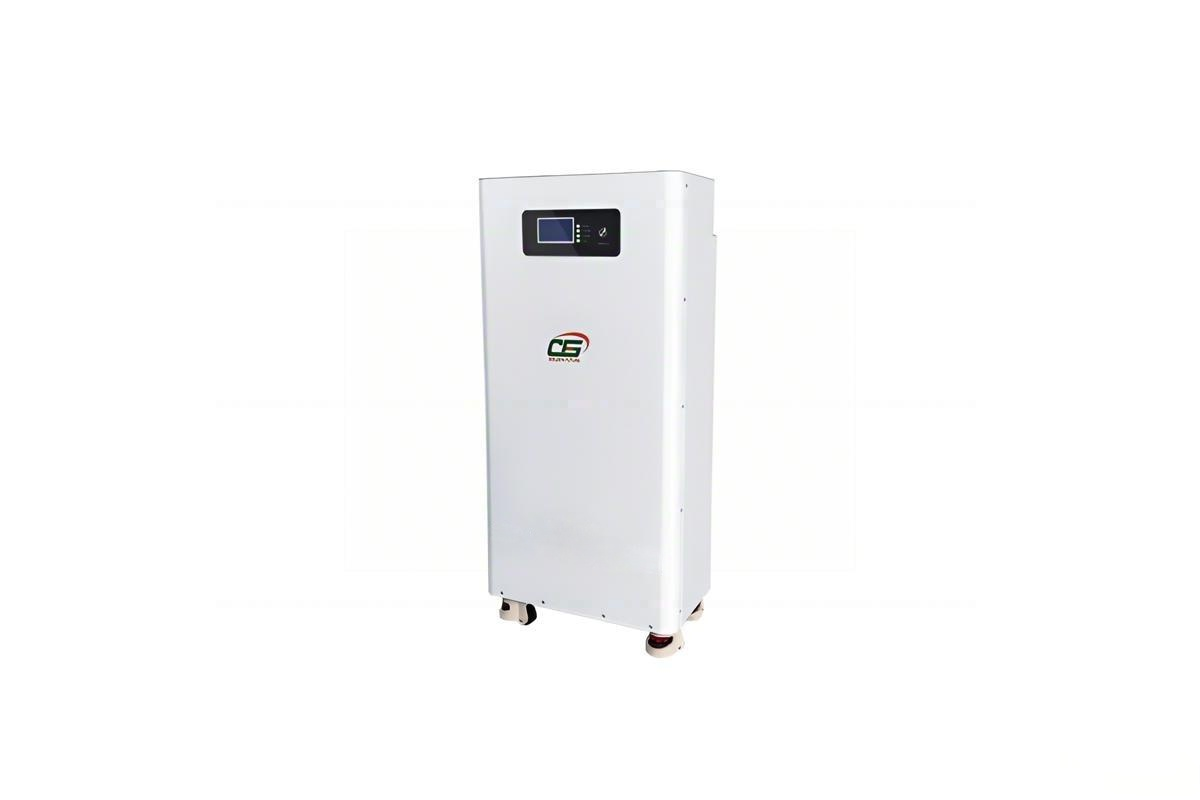
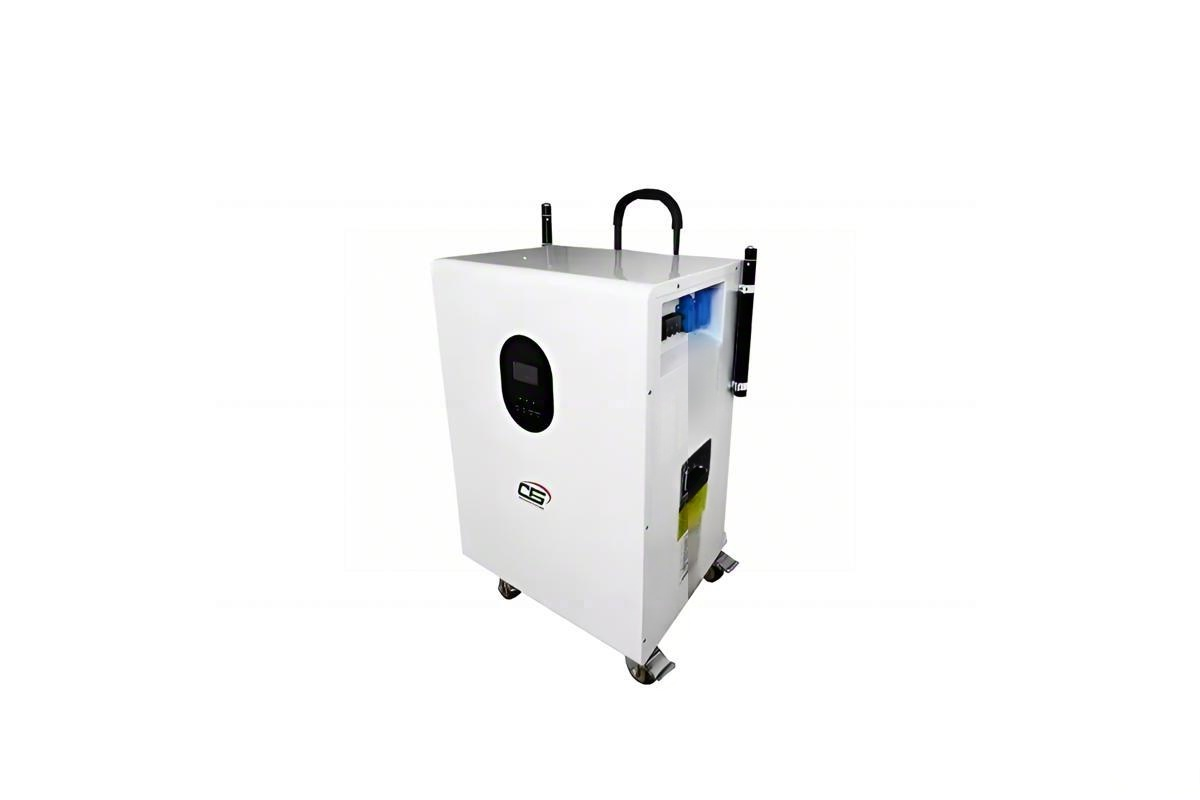
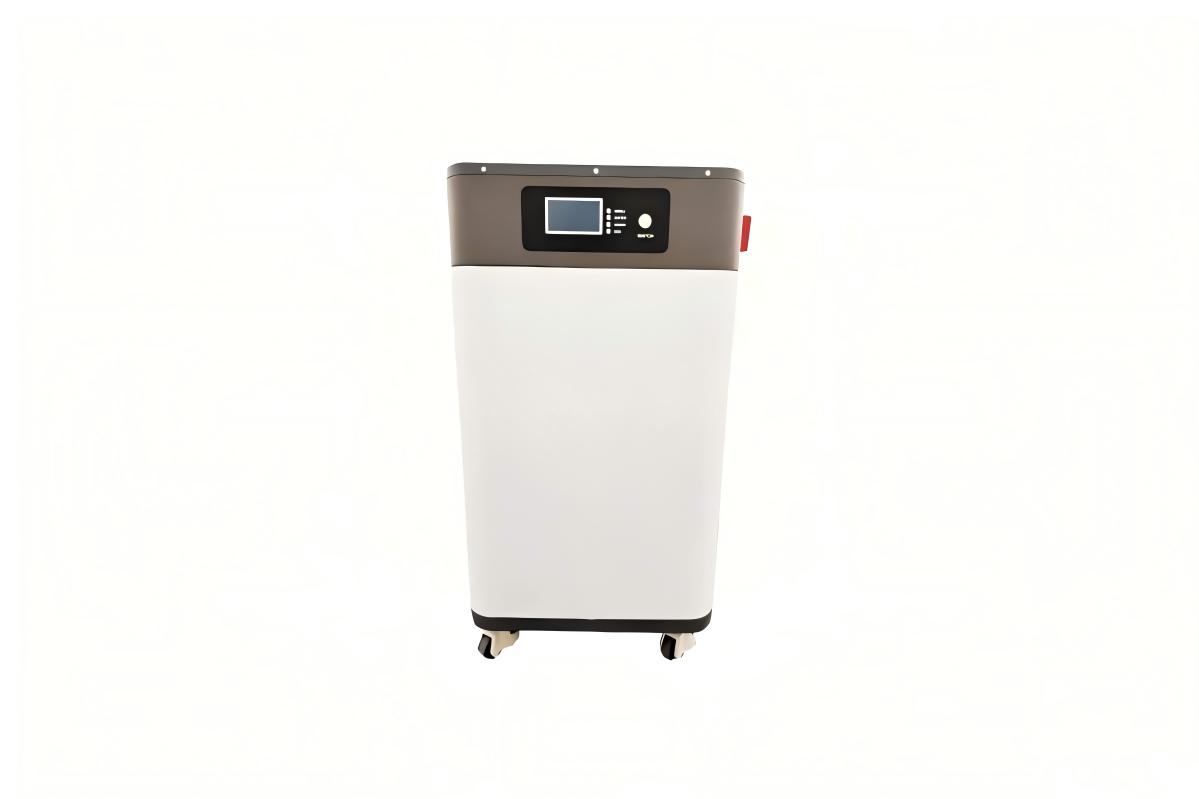
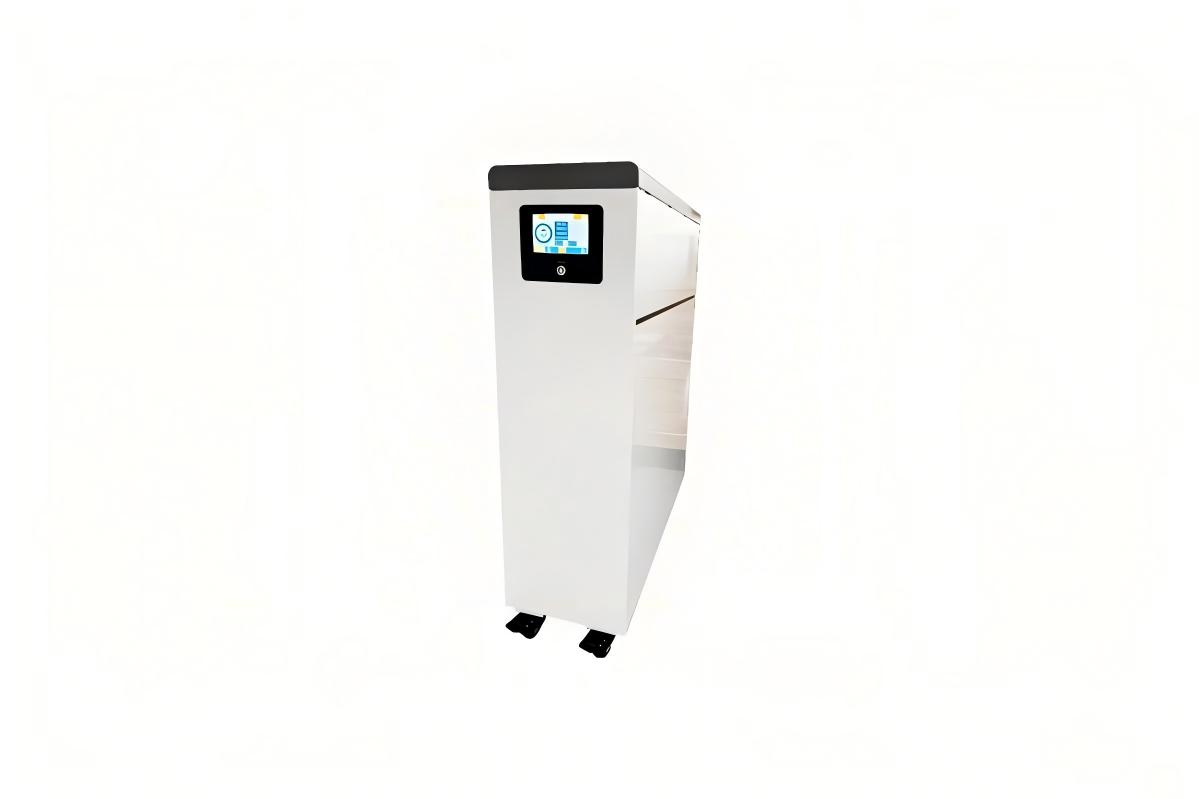
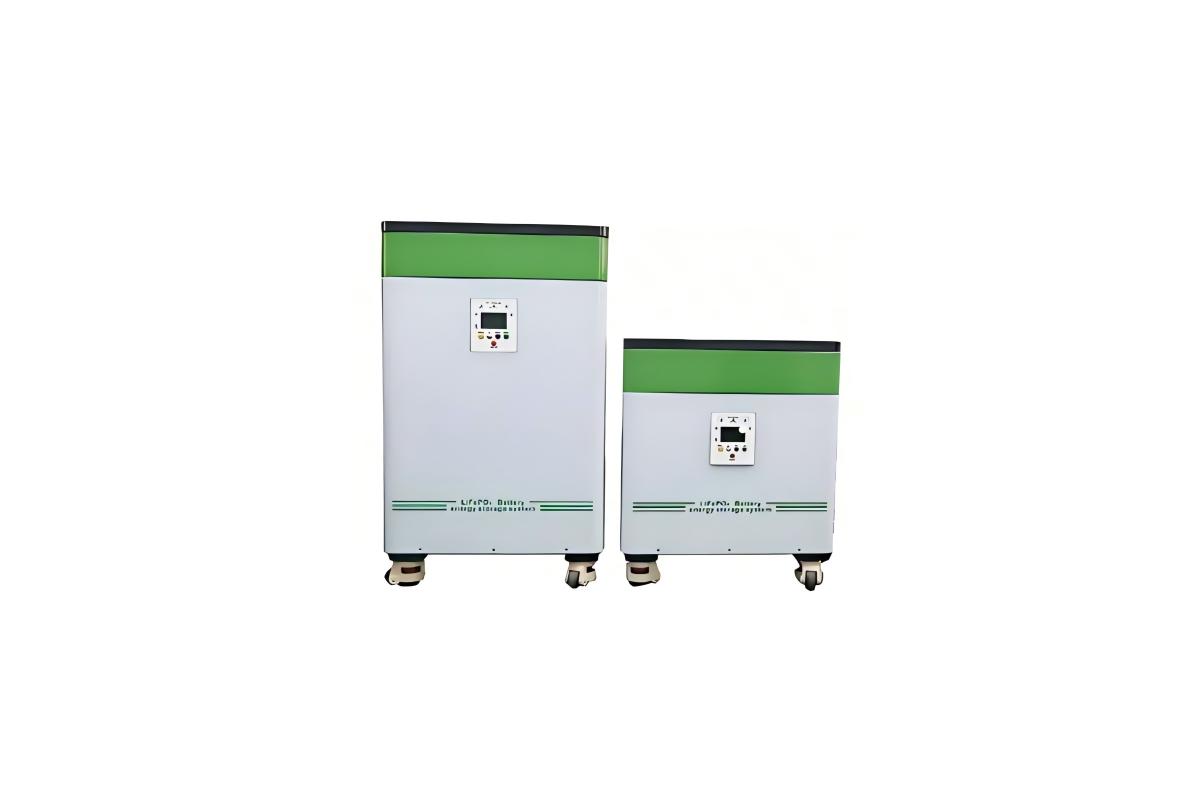
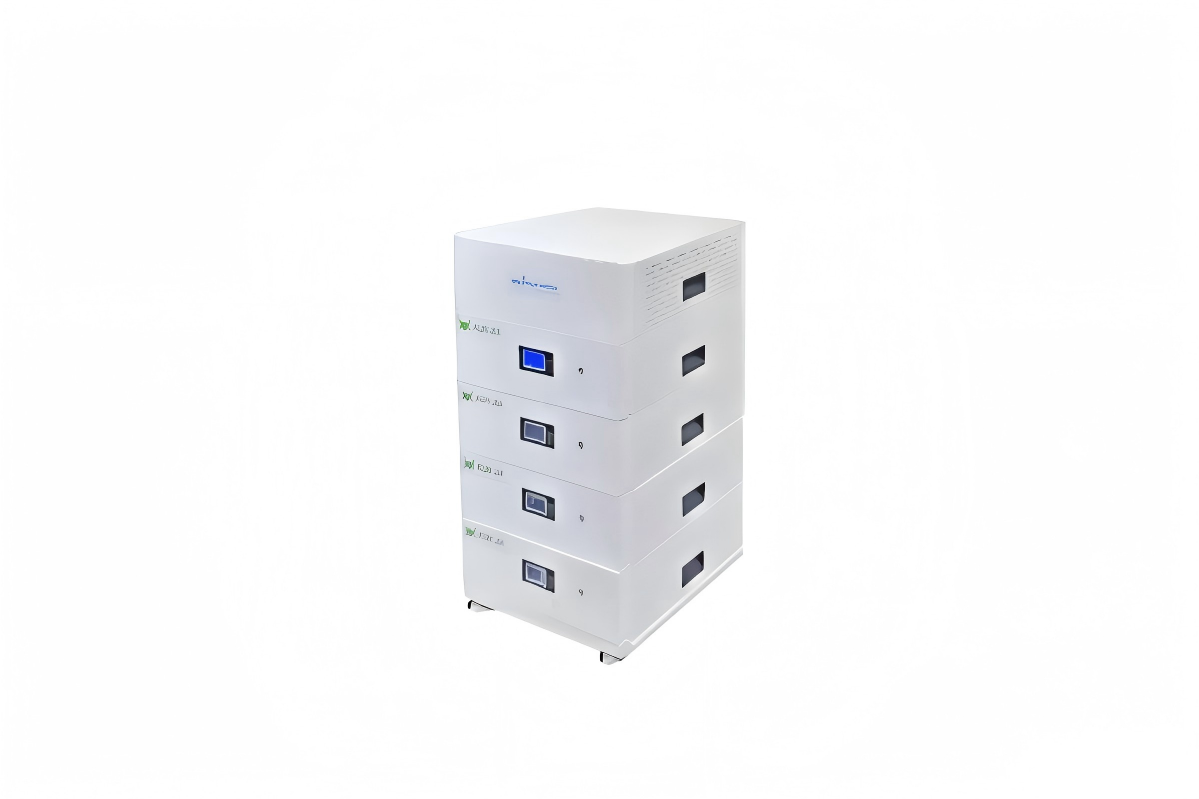
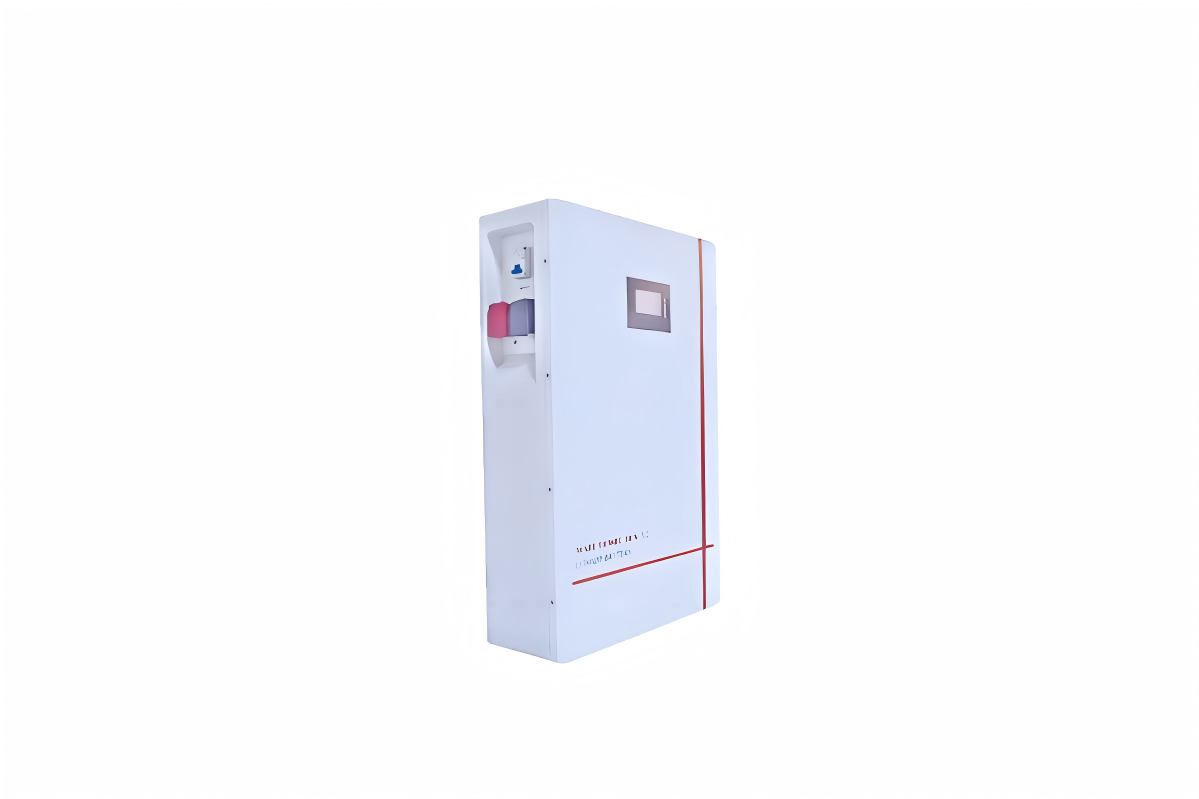
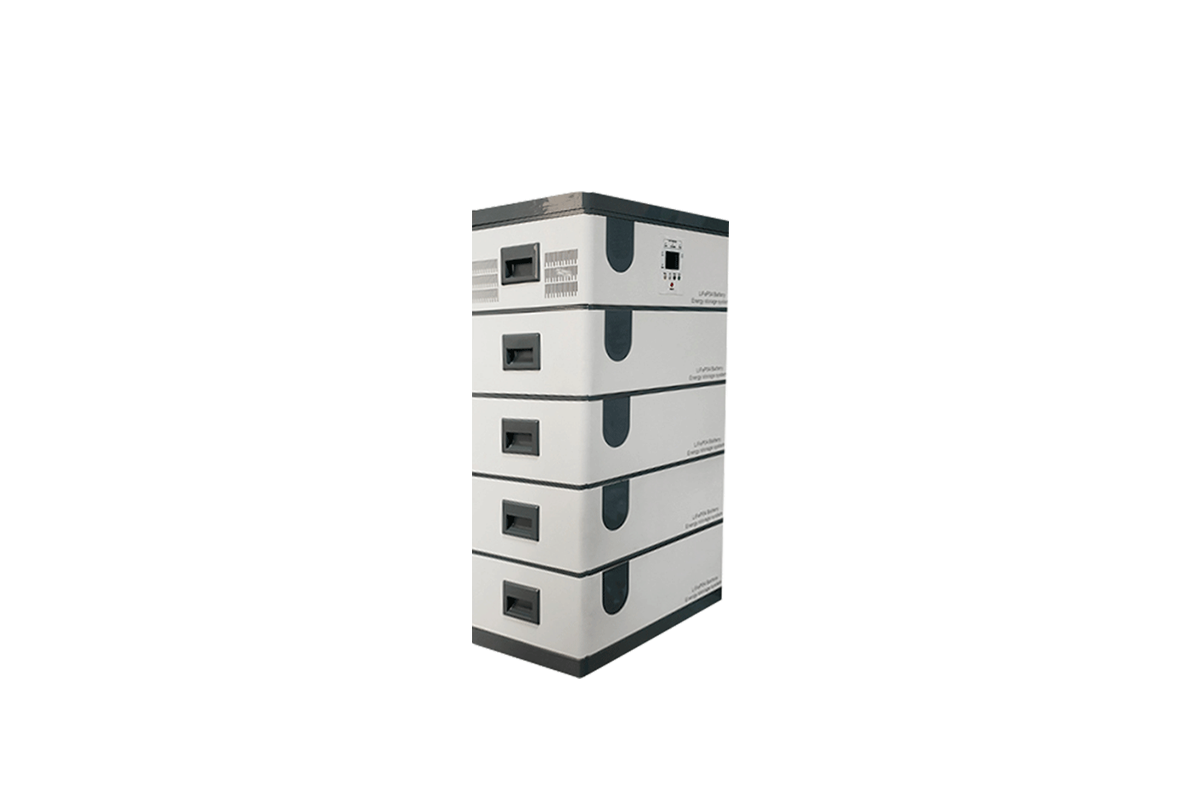
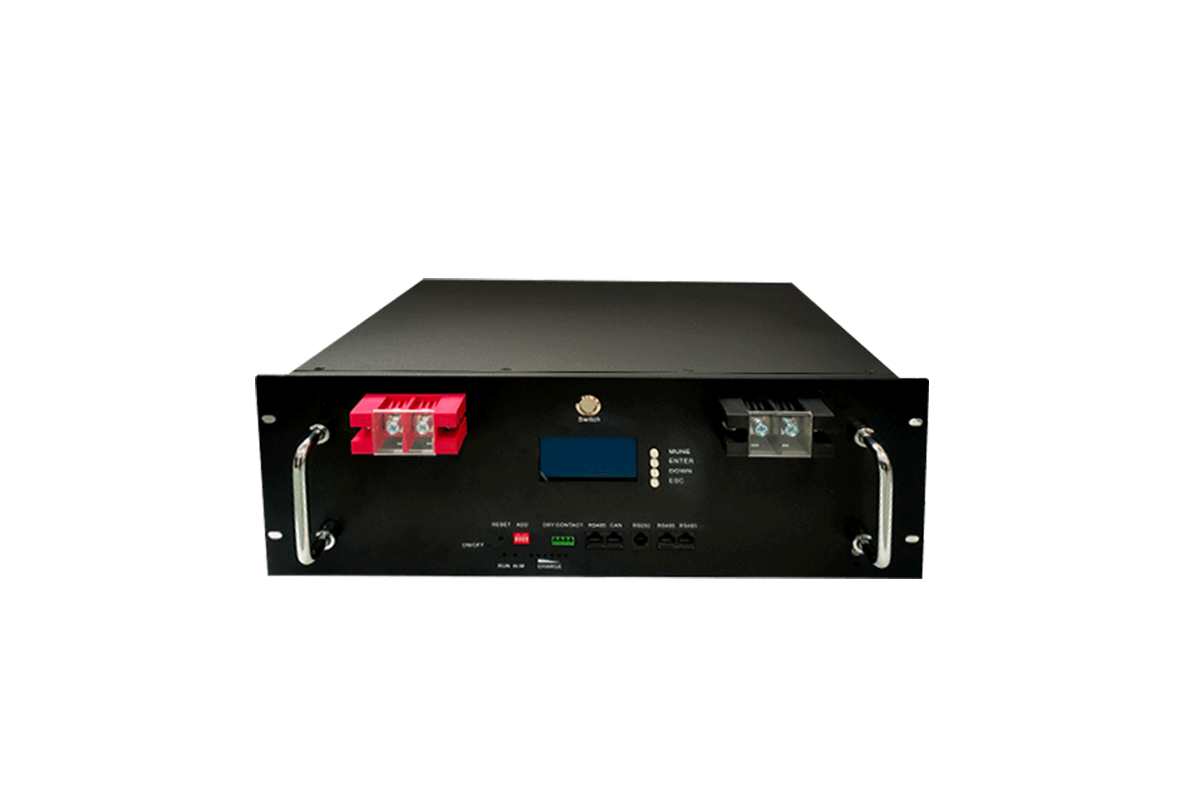
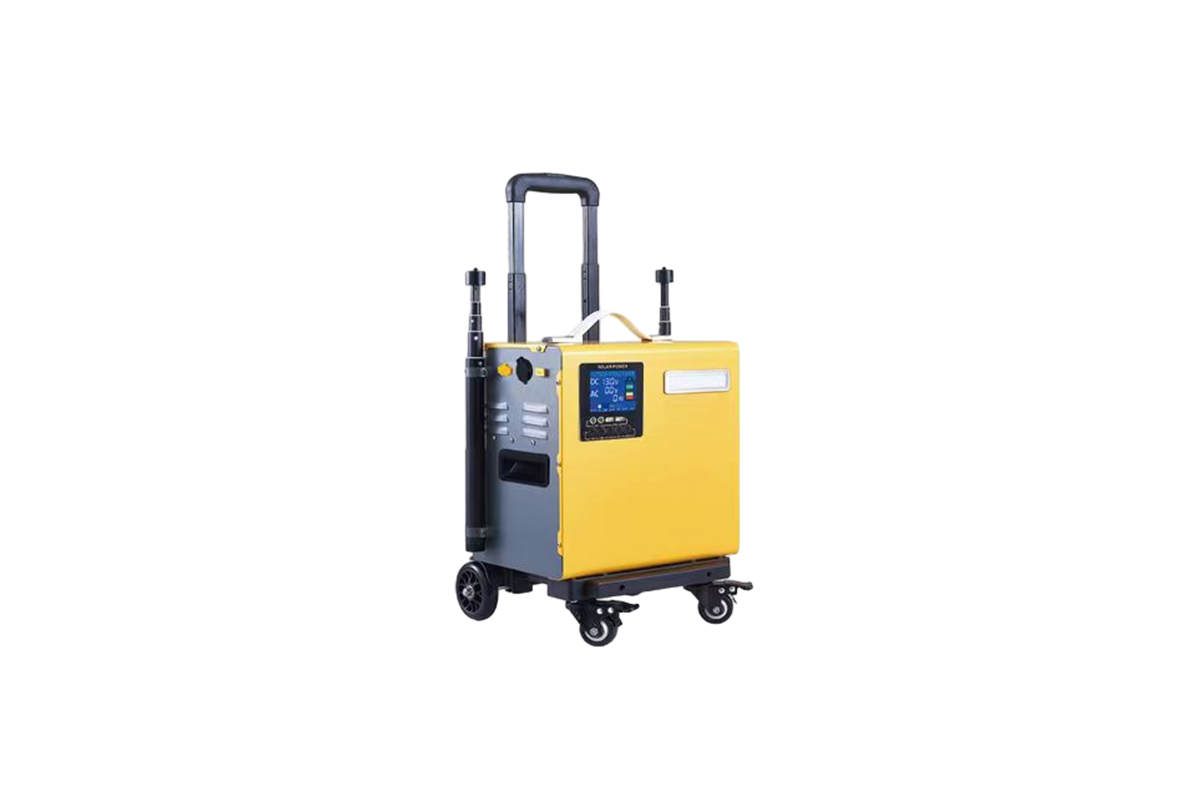
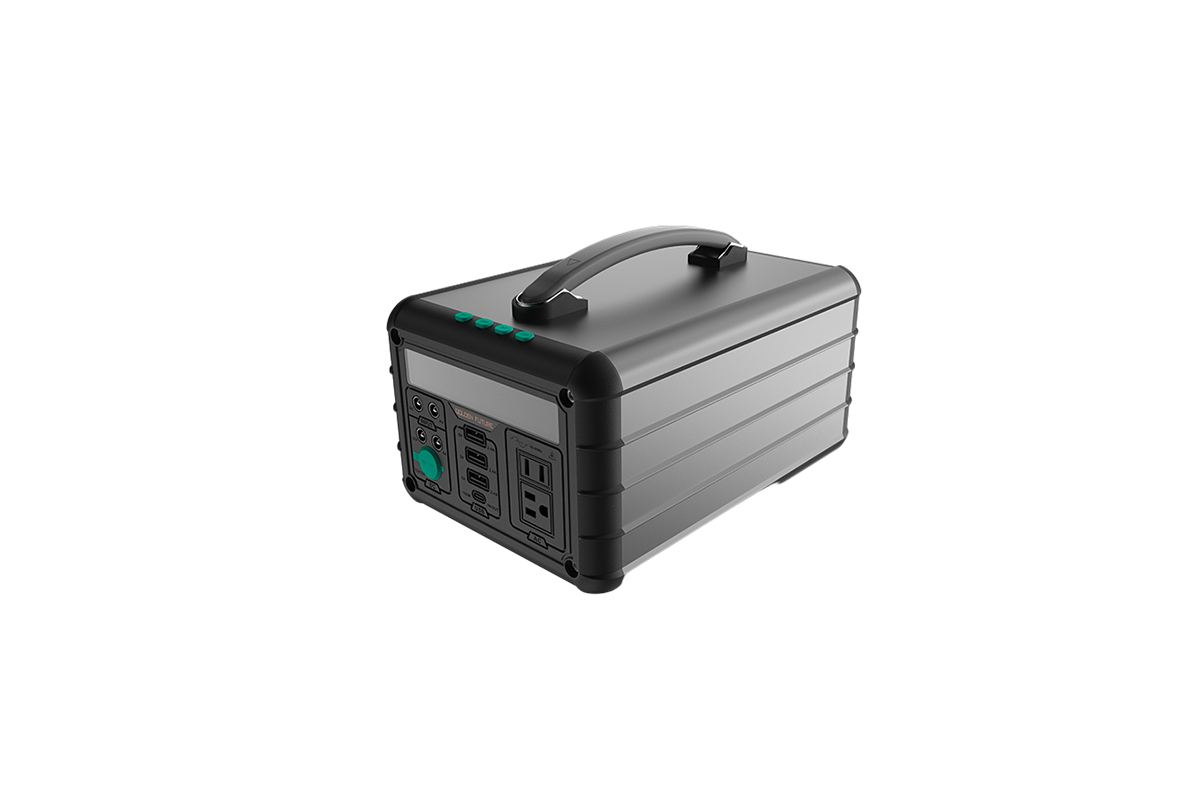
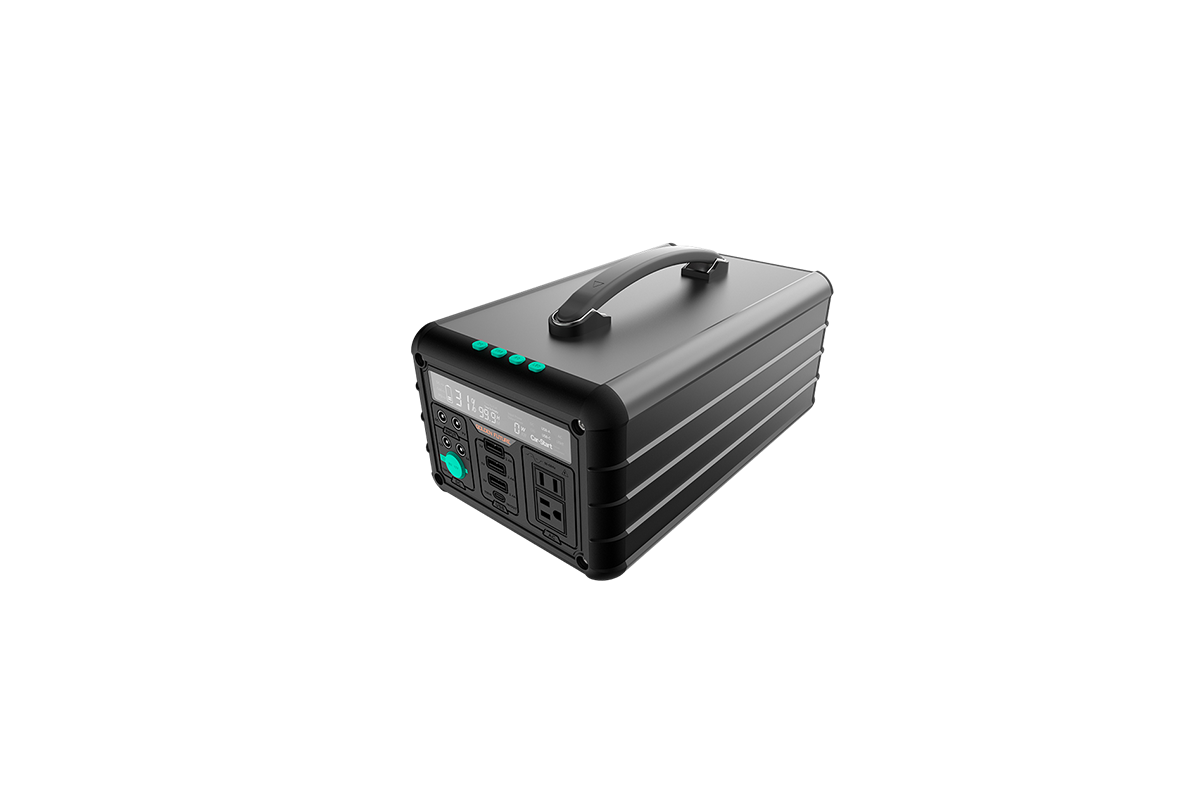
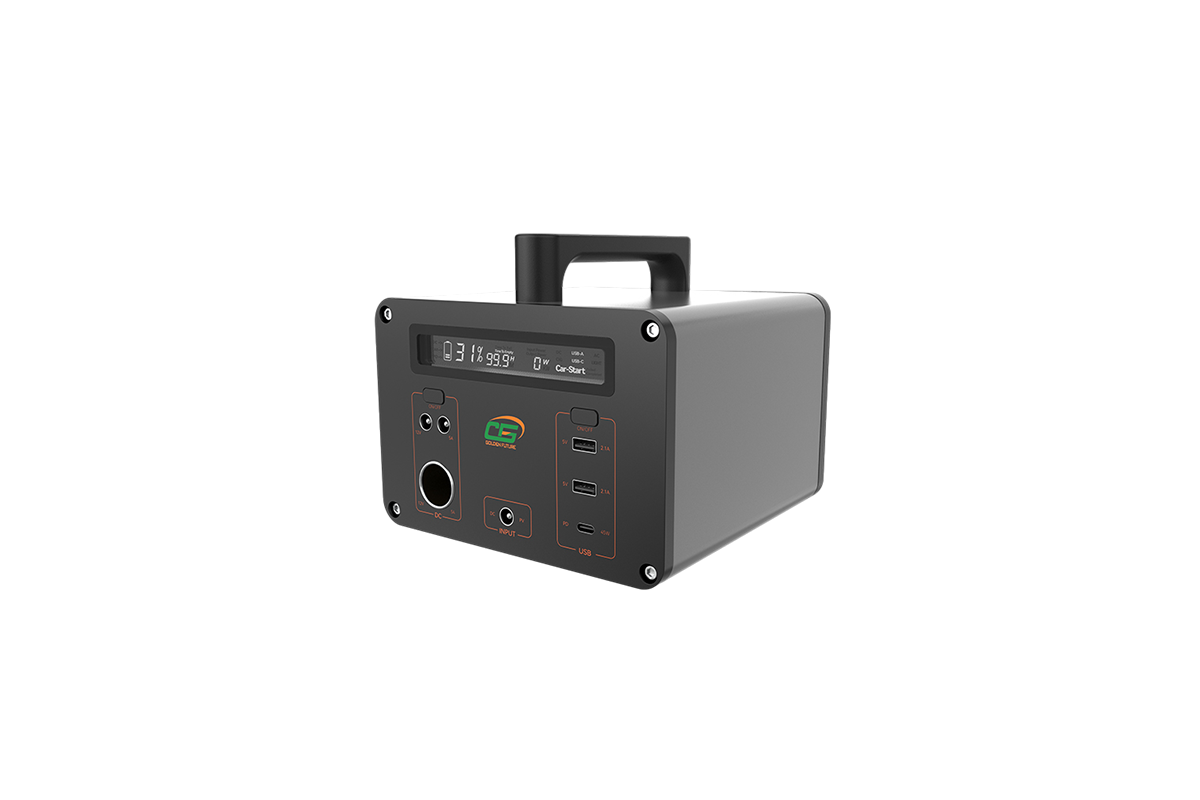
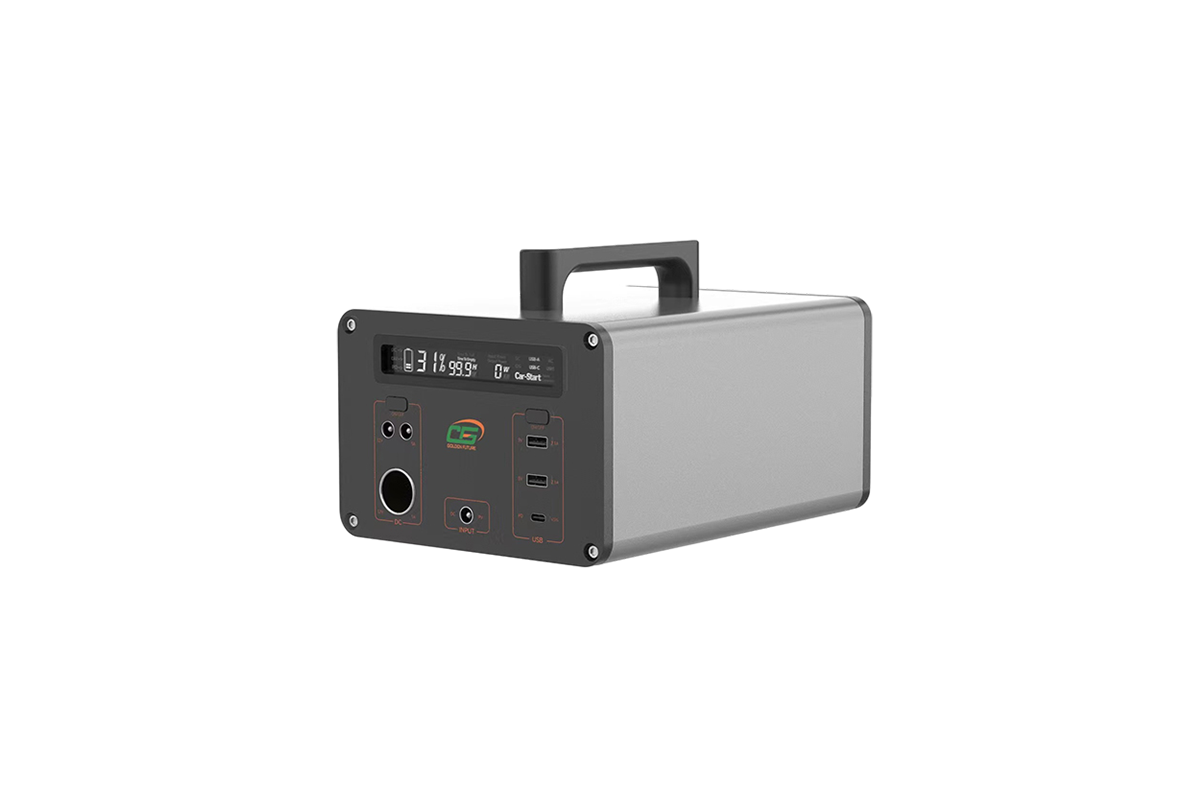
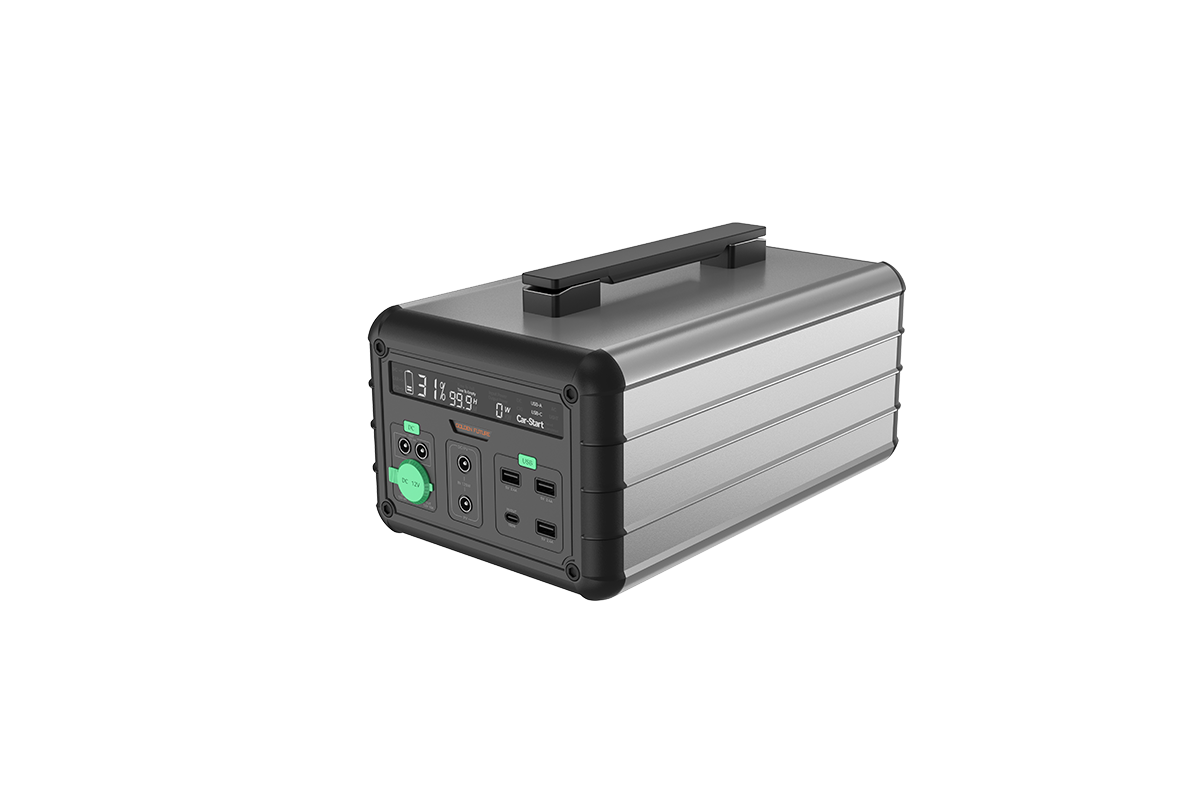
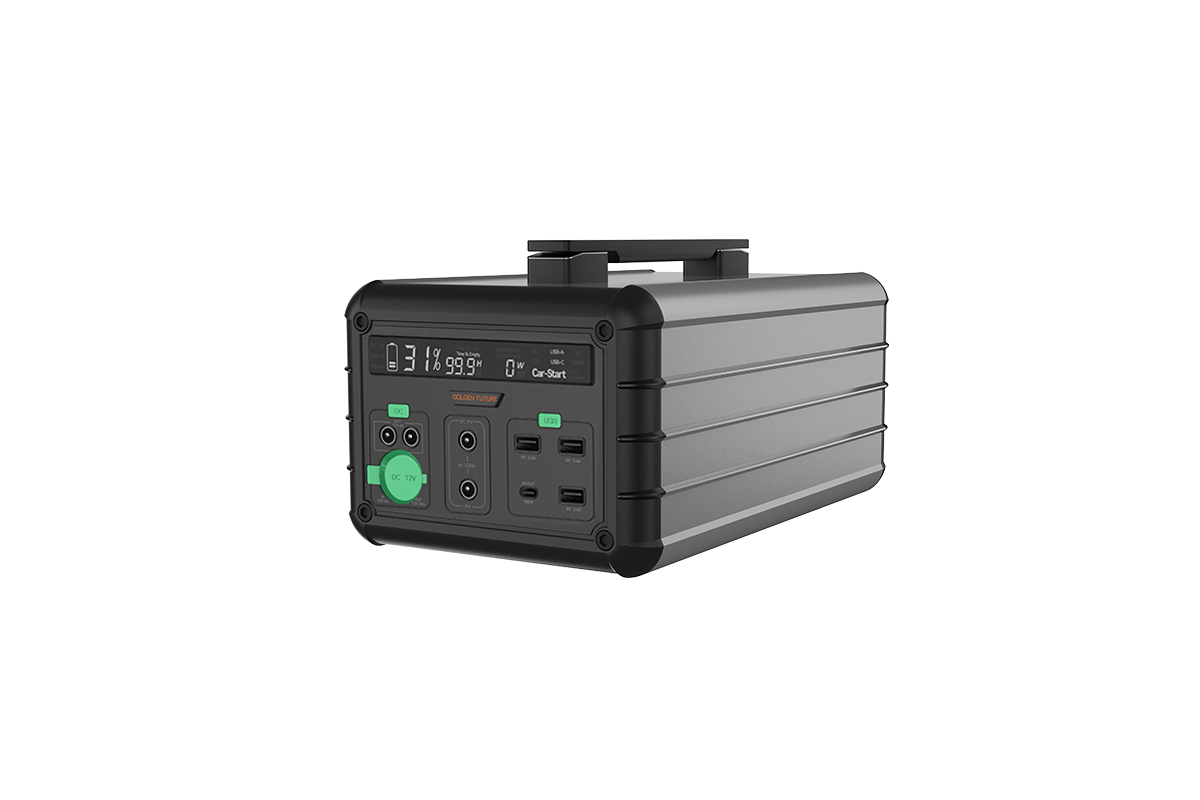
The low-temperature resistant lithium iron phosphate (LiFePO4) battery is a cutting-edge energy storage solution engineered to break the performance limitations of conventional lithium batteries in extreme cold environments. Traditional lithium batteries suffer from severe capacity attenuation, increased internal resistance, and risky lithium precipitation at subzero temperatures, failing to meet the stable power demand of outdoor, polar, and high-altitude scenarios. This upgraded LiFePO4 battery adopts independently optimized electrolyte formula and modified graphite anode technology, effectively inhibiting low-temperature side reactions and ion migration barriers that plague ordinary batteries. With a wide temperature adaptation range of -40℃ to 60℃, it maintains excellent charging and discharging stability in ultra-low temperature environments, solving the core pain point of insufficient power supply for energy storage equipment in cold regions.
In terms of low-temperature performance indicators, this battery achieves outstanding capacity retention and cycle stability that far exceed industry standards. Test data shows that it retains more than 83% of its room-temperature capacity at -30℃ and supports safe and efficient charging down to -20℃ without relying on external heating devices. Different from ordinary low-temperature batteries that require auxiliary heating systems which consume extra energy and increase system complexity, this product realizes passive low-temperature adaptation through electrode structure optimization and electrolyte modification, effectively improving the overall energy utilization efficiency of the system. Meanwhile, it supports a maximum 80C high-rate instantaneous discharge, which can quickly release stable power to cope with peak power demand of special equipment in low-temperature working conditions.
Safety and service life are further upgraded on the basis of low-temperature performance. The battery is equipped with a high-precision intelligent battery management system (BMS) that monitors temperature, voltage, and current in real time, intelligently adjusting charge and discharge strategies to avoid overcharging, overdischarging, and thermal runaway risks in cold environments. The patented diaphragm coating technology and laminated process enhance the internal structural stability of the battery, effectively resisting structural damage caused by low-temperature thermal expansion and contraction. It maintains a long cycle life of more than 2000 times even in long-term low-temperature operation, with no sharp decline in capacity. Widely applicable to polar exploration equipment, cold-region photovoltaic energy storage systems, outdoor communication base stations, and special industrial power supply equipment, it provides reliable and durable energy support for extreme environment scenarios.




 59911926@qq.com/sales@goldenfuturehk.com
 13316809242 / 15816897019
 Inquiry
 Home >