





Time:2026-06-11 Views:47
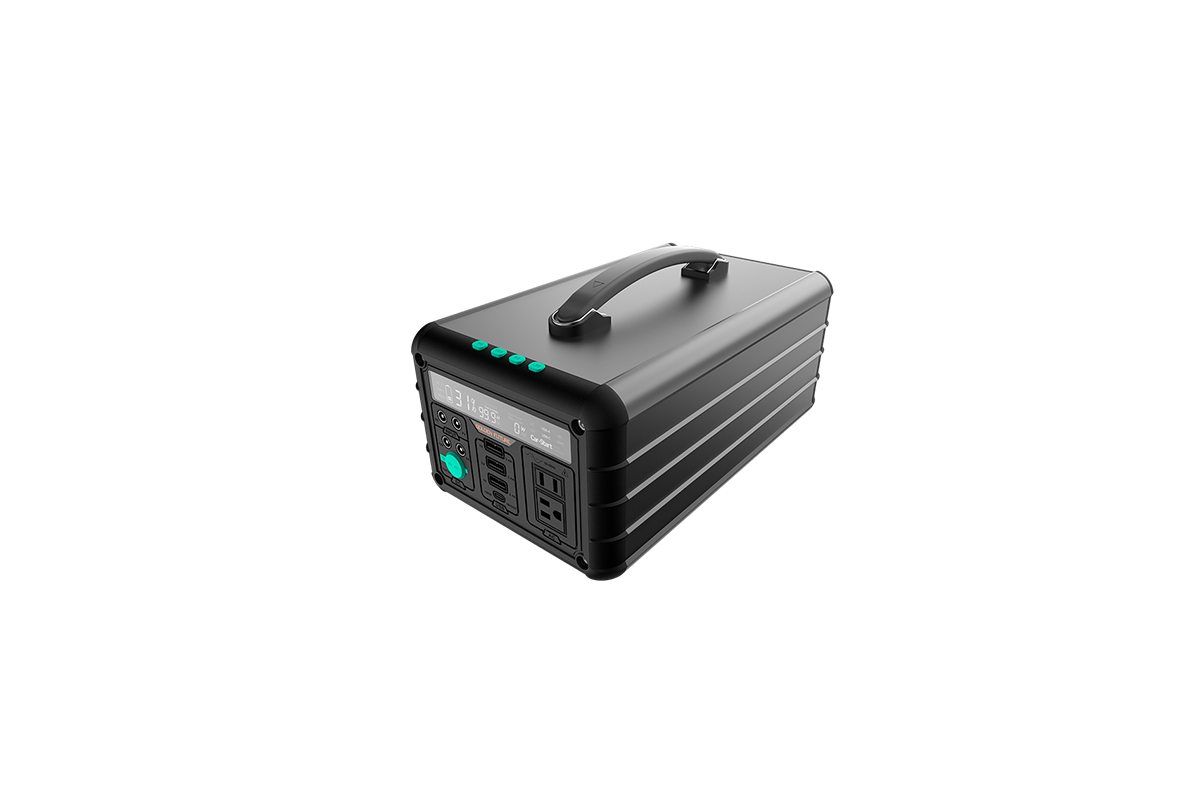
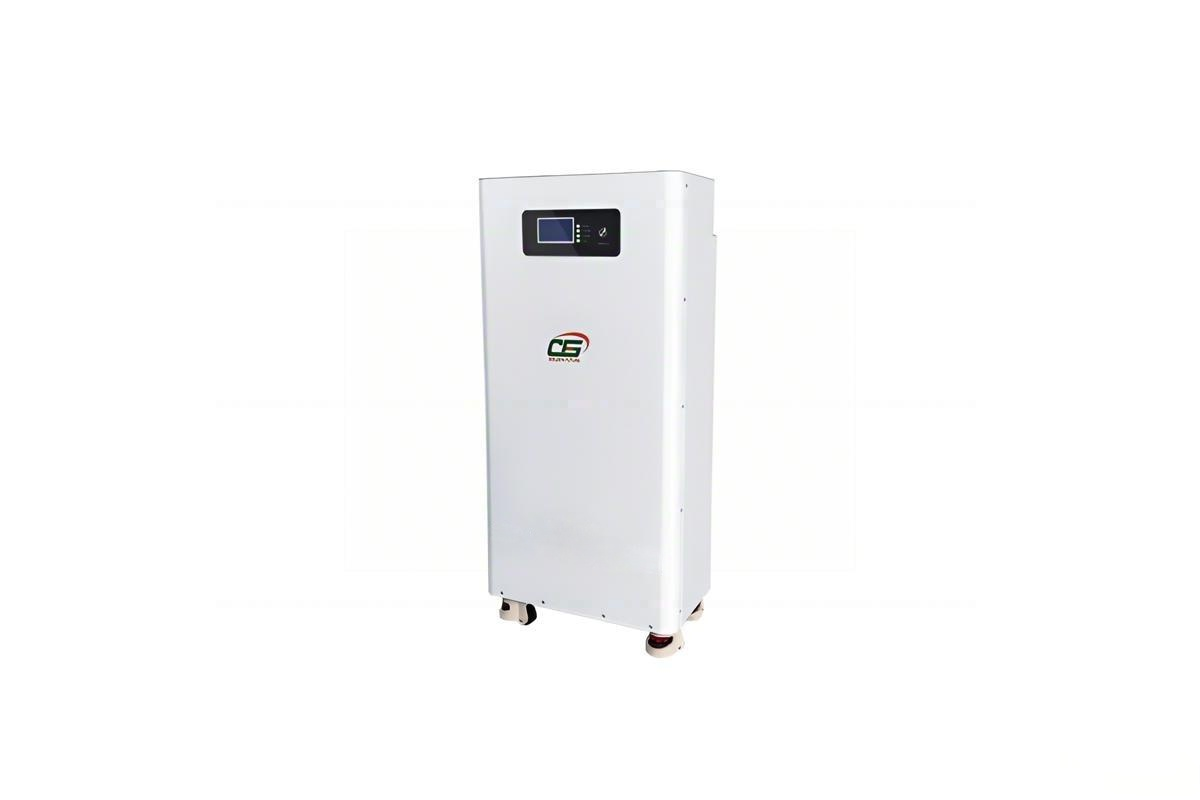
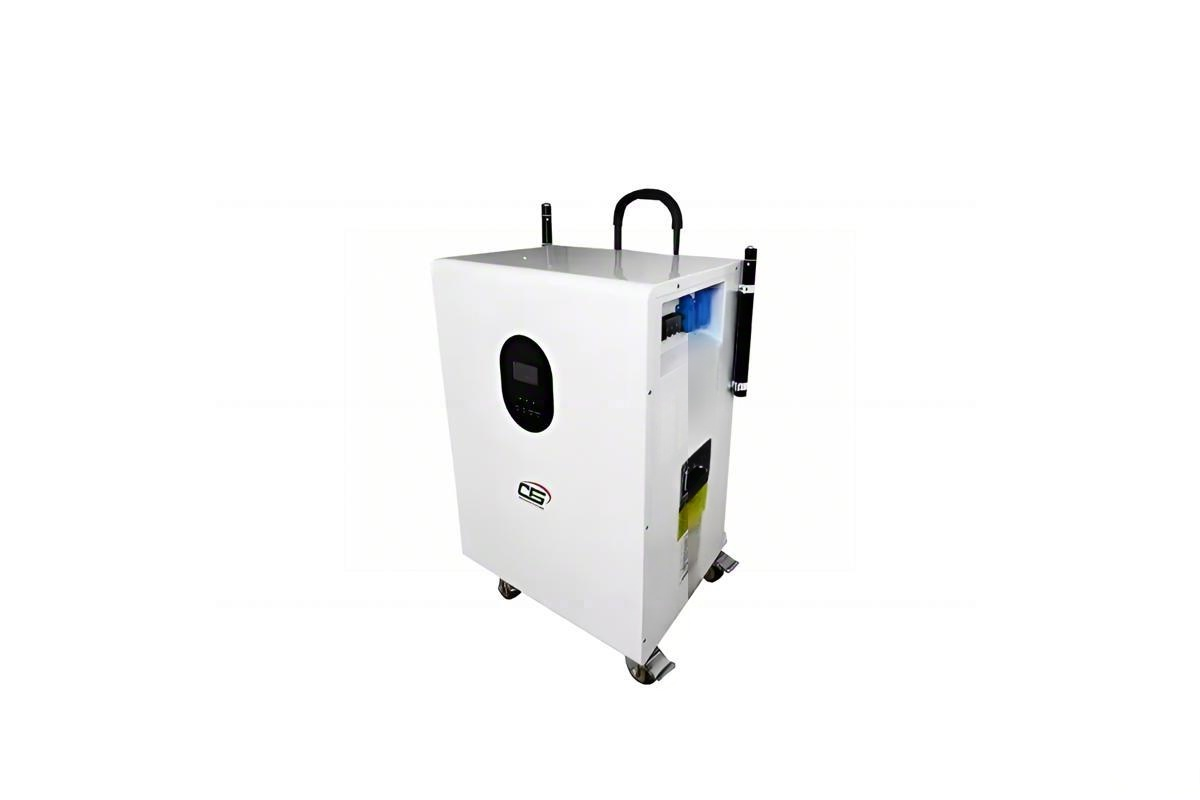
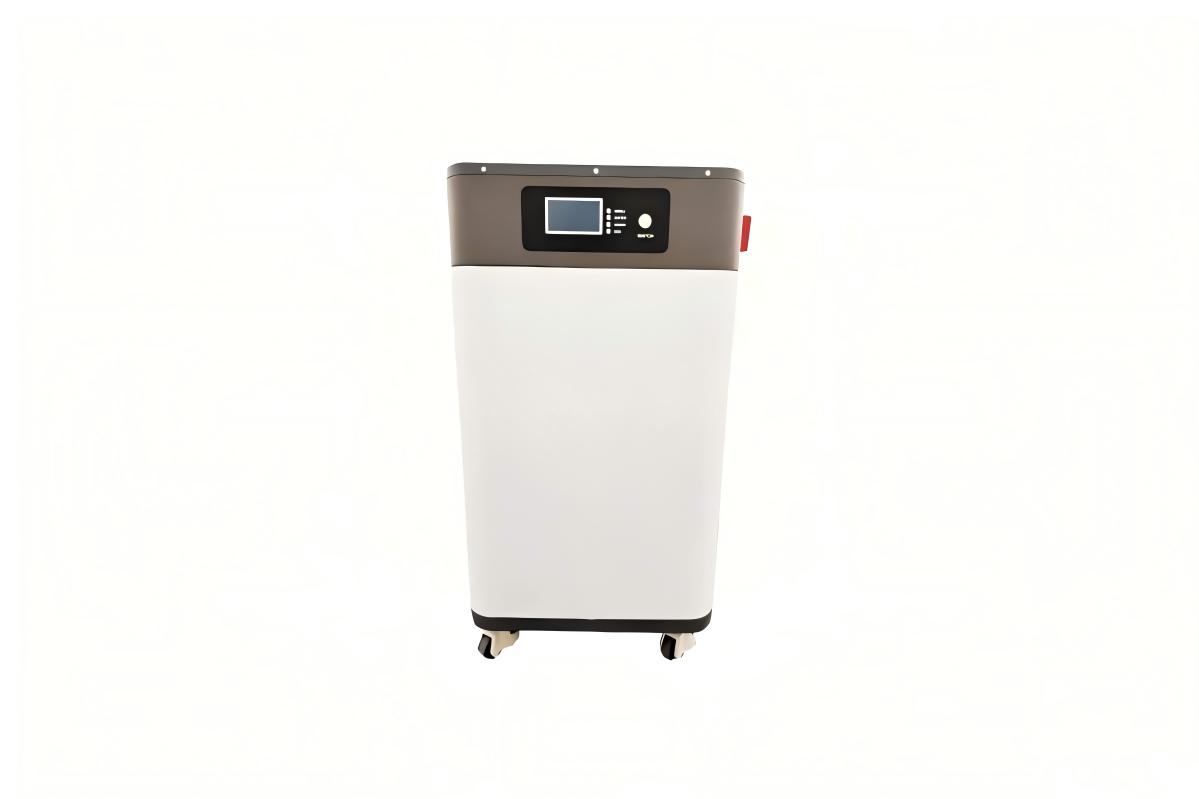
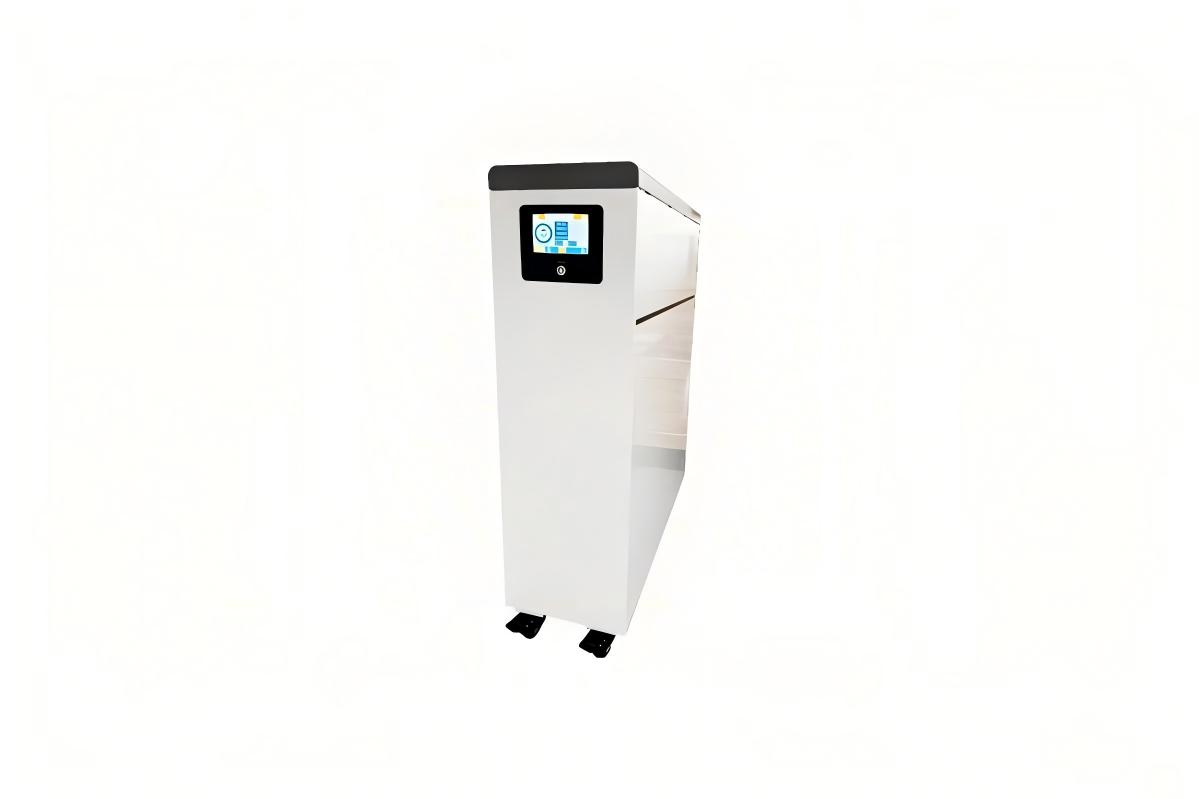
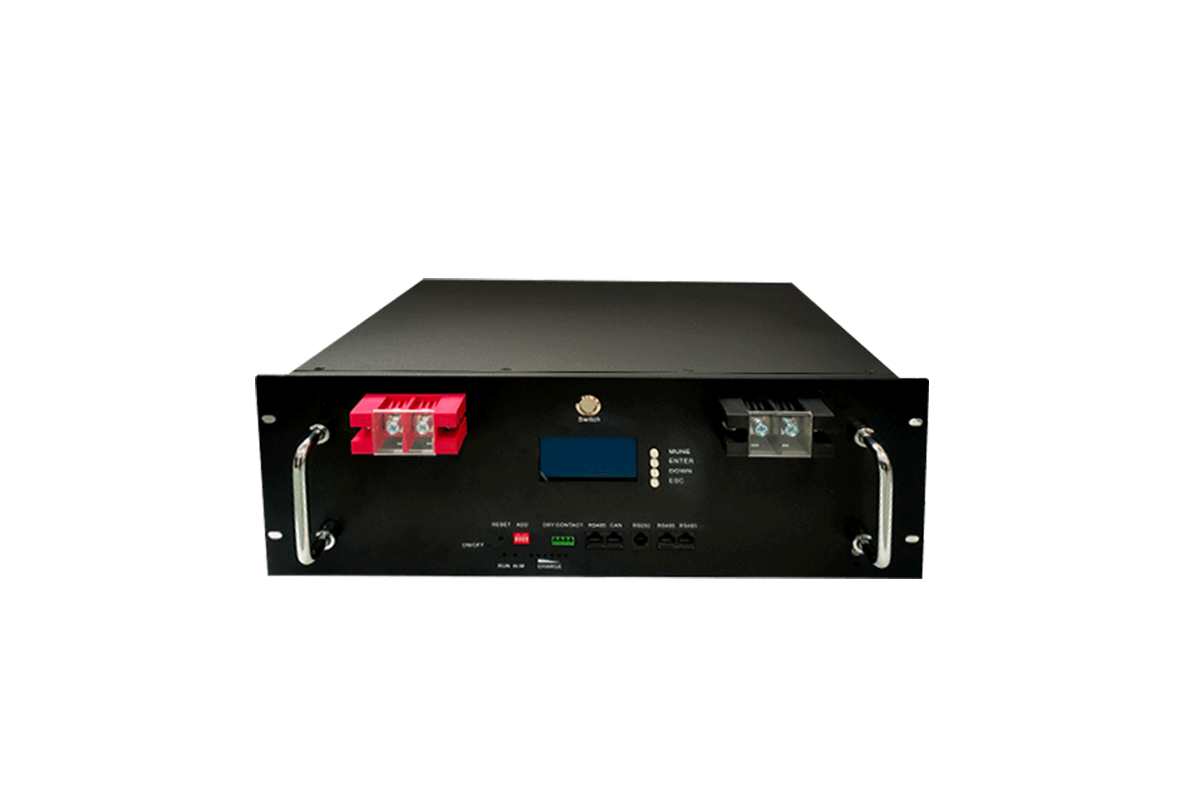
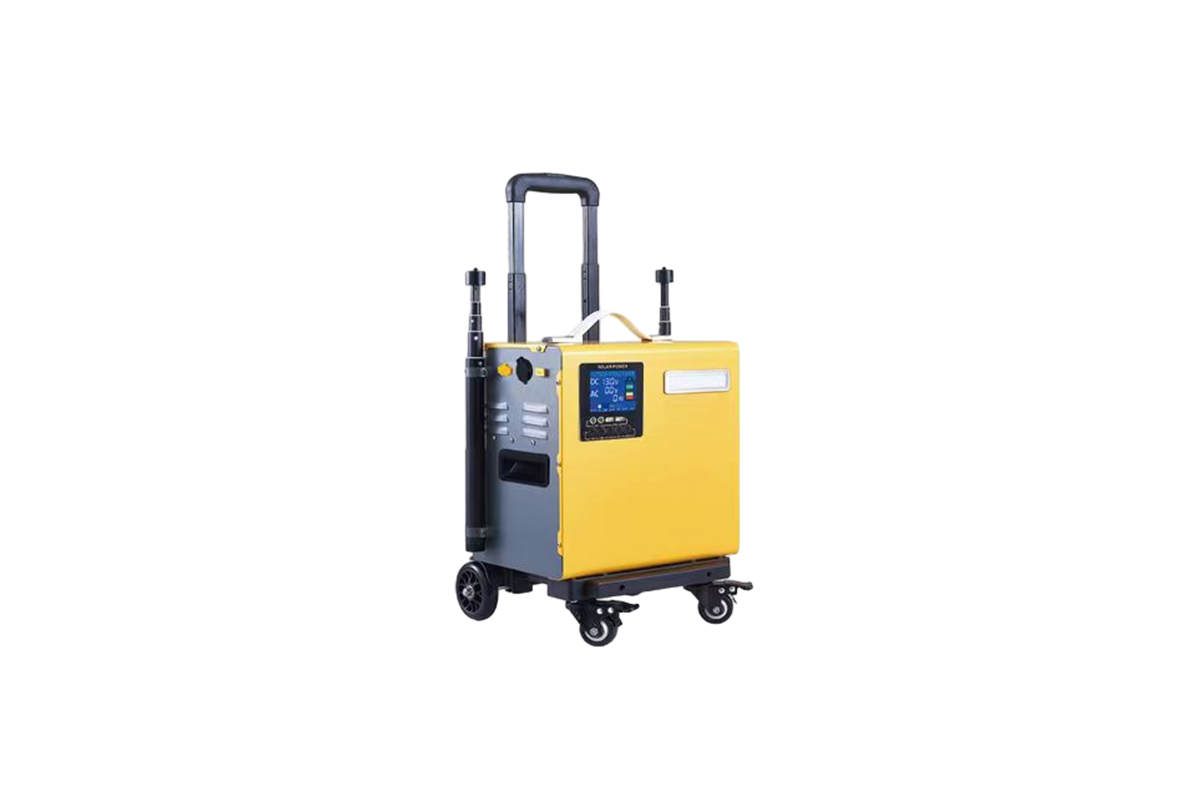
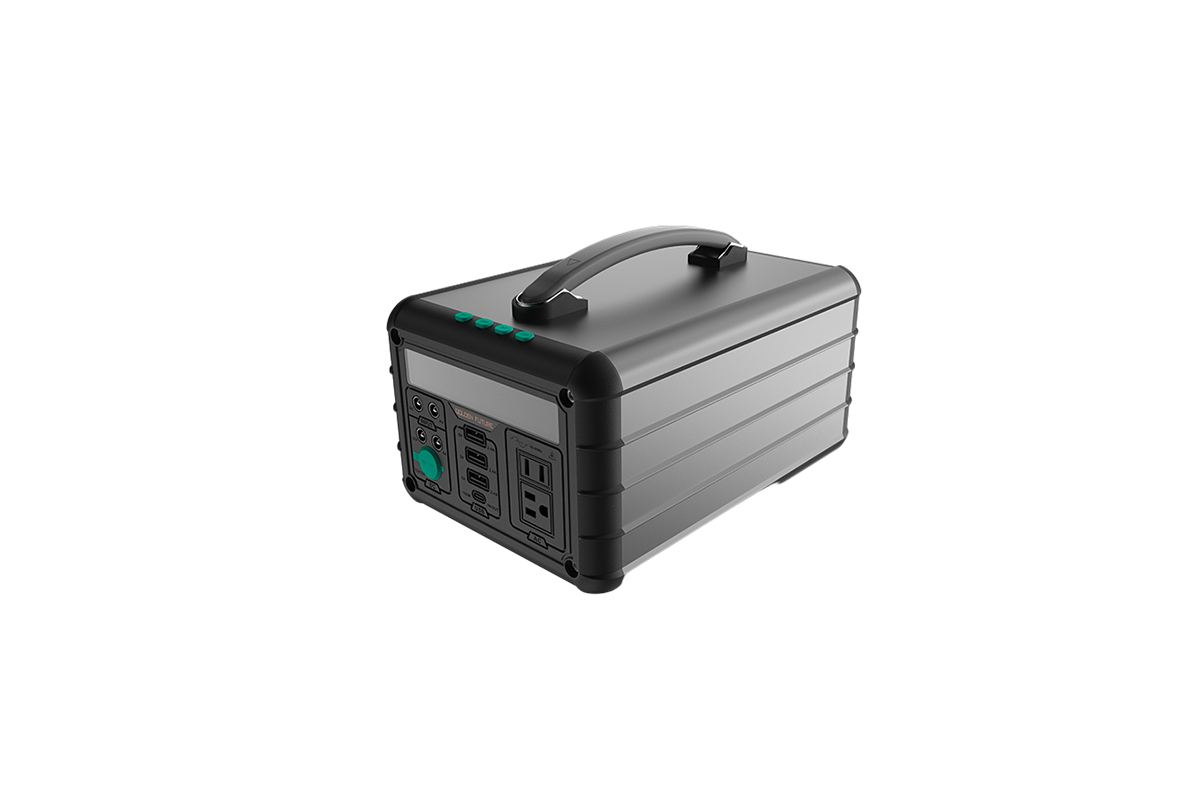
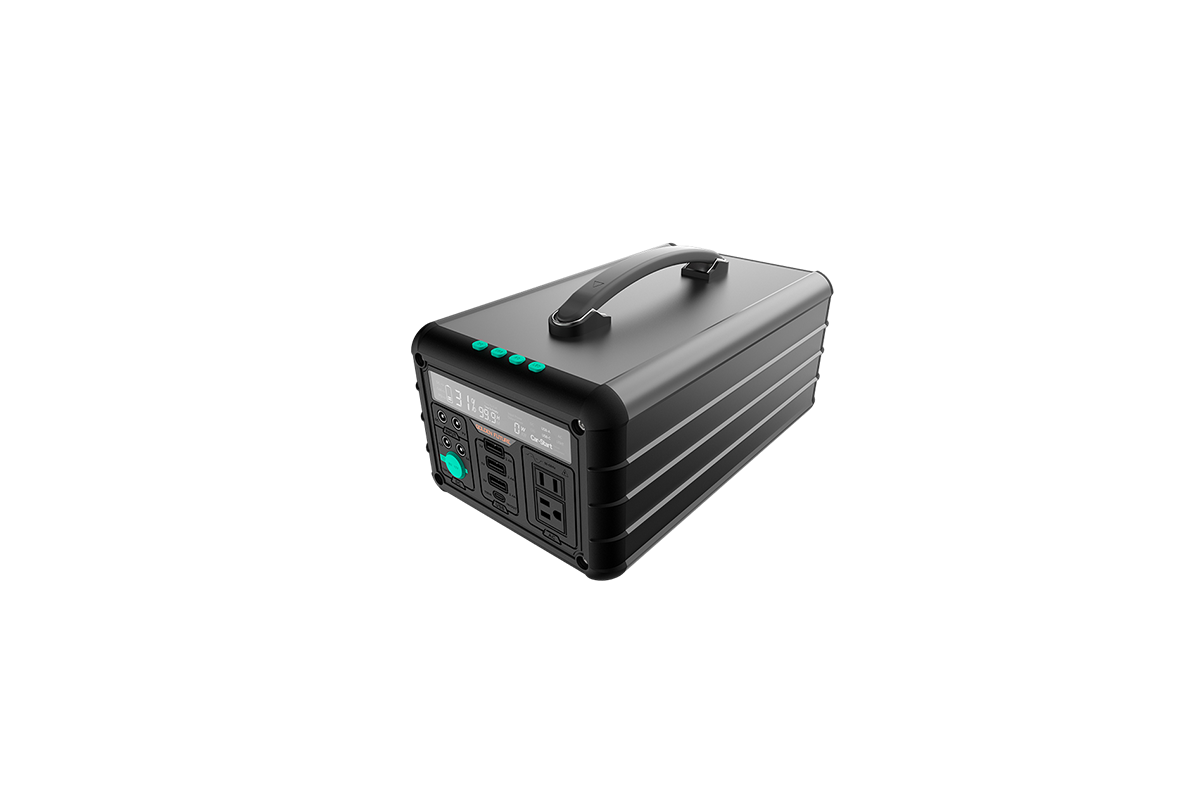
Low-temperature cold-resistant energy storage batteries are specially optimized electrochemical energy storage devices designed to solve the performance failure problem of conventional batteries in ultra-low temperature environments. Traditional lithium-ion and lead-acid batteries suffer from severe electrolyte viscosity increase, slow lithium-ion diffusion, and sharp rise in internal impedance at temperatures below 0°C, resulting in rapid capacity attenuation, reduced discharge power, and even inability to charge and discharge normally. In extreme cold environments of -20°C to -60°C, ordinary batteries may stop working completely, which severely restricts the development of energy storage and power supply projects in cold regions. In contrast, low-temperature resistant energy storage batteries adopt innovative electrolyte formula and electrode material modification technology, which fundamentally improves the low-temperature kinetic performance of the battery system.
The core technical advantages of low-temperature cold-resistant energy storage batteries lie in material innovation and structural optimization. These batteries use fluorinated carbonate and nitrile composite solvent electrolytes, which effectively reduce the freezing point of the electrolyte and maintain stable ionic conductivity even at -40°C, avoiding electrolyte crystallization failure. Meanwhile, they adopt zero-strain niobium tungsten oxide negative electrode materials and optimized lithium-ion diffusion channels, which greatly improve the lithium-ion migration efficiency in low-temperature environments and reduce the desolvation barrier of ions. Compared with conventional batteries, this type of battery can maintain more than 70% of its room-temperature capacity at -20°C and over 60% capacity at -40°C, and supports normal charging and discharging operations in ultra-low temperature scenarios.
In addition to excellent low-temperature performance, low-temperature resistant energy storage batteries retain the advantages of long cycle life and high safety of advanced energy storage batteries. The optimized electrode interface structure suppresses low-temperature side reactions and lithium dendrite growth, effectively reducing battery aging and failure risks in long-term low-temperature operation. Equipped with a professional low-temperature battery management system (BMS), it can intelligently monitor temperature, voltage and current, and activate mild self-heating technology according to environmental changes to ensure stable operation. These batteries are widely used in polar scientific research, high-altitude photovoltaic energy storage, northern winter power reserve, cold-region industrial equipment power supply, and low-temperature military equipment, becoming the core power guarantee for energy storage projects in extreme cold environments.




 59911926@qq.com/sales@goldenfuturehk.com
 13316809242 / 15816897019
 Inquiry
 Home >