





Time:2026-11-24 Views:38
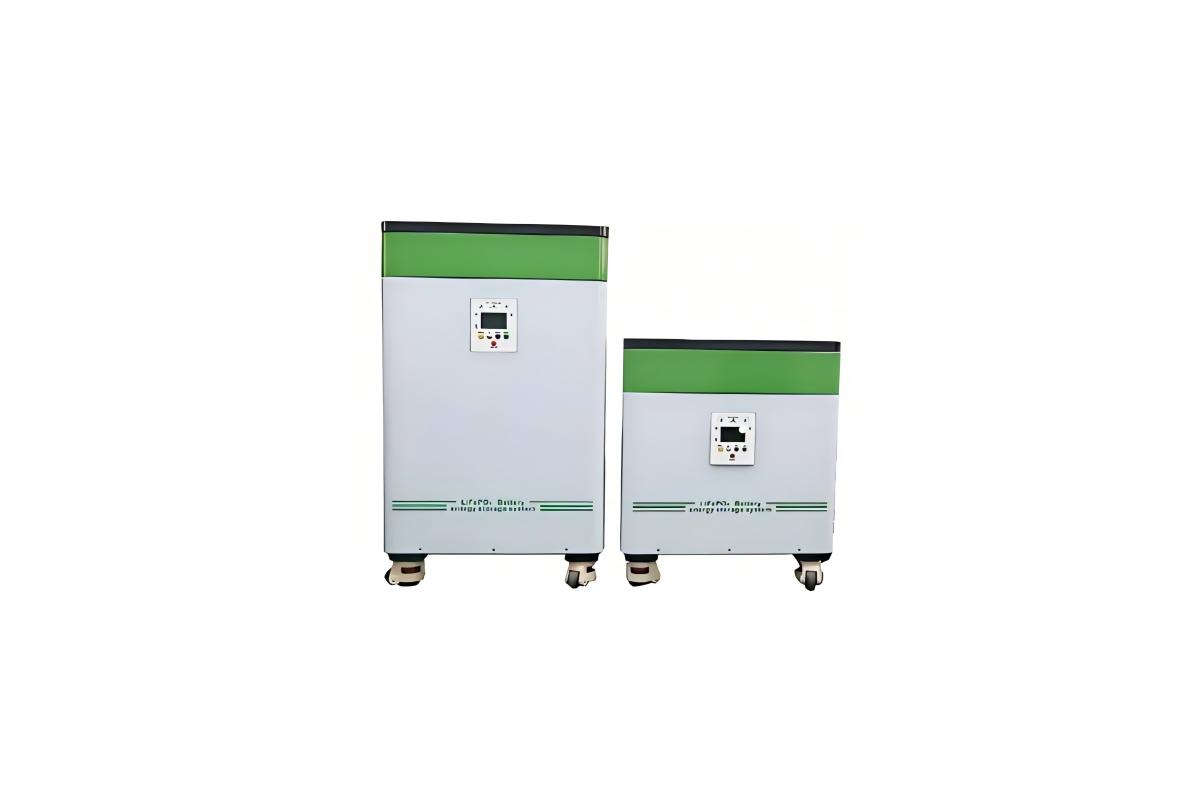
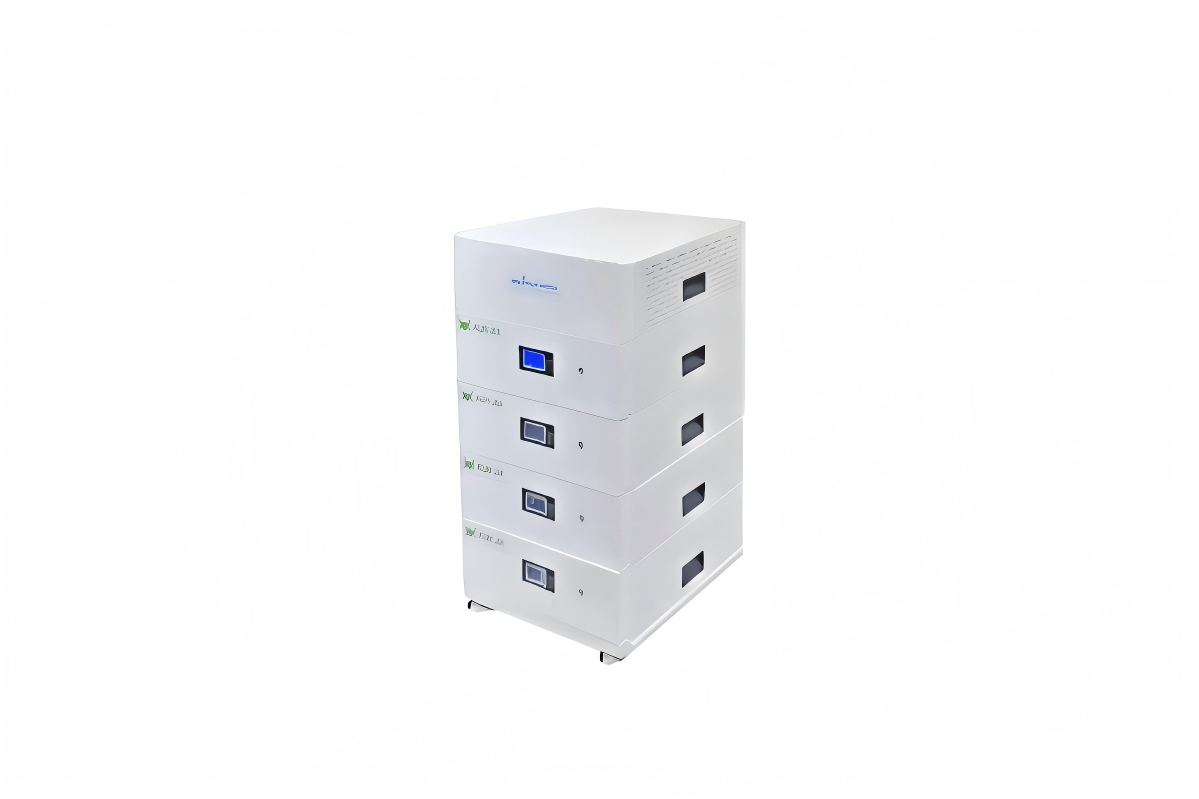
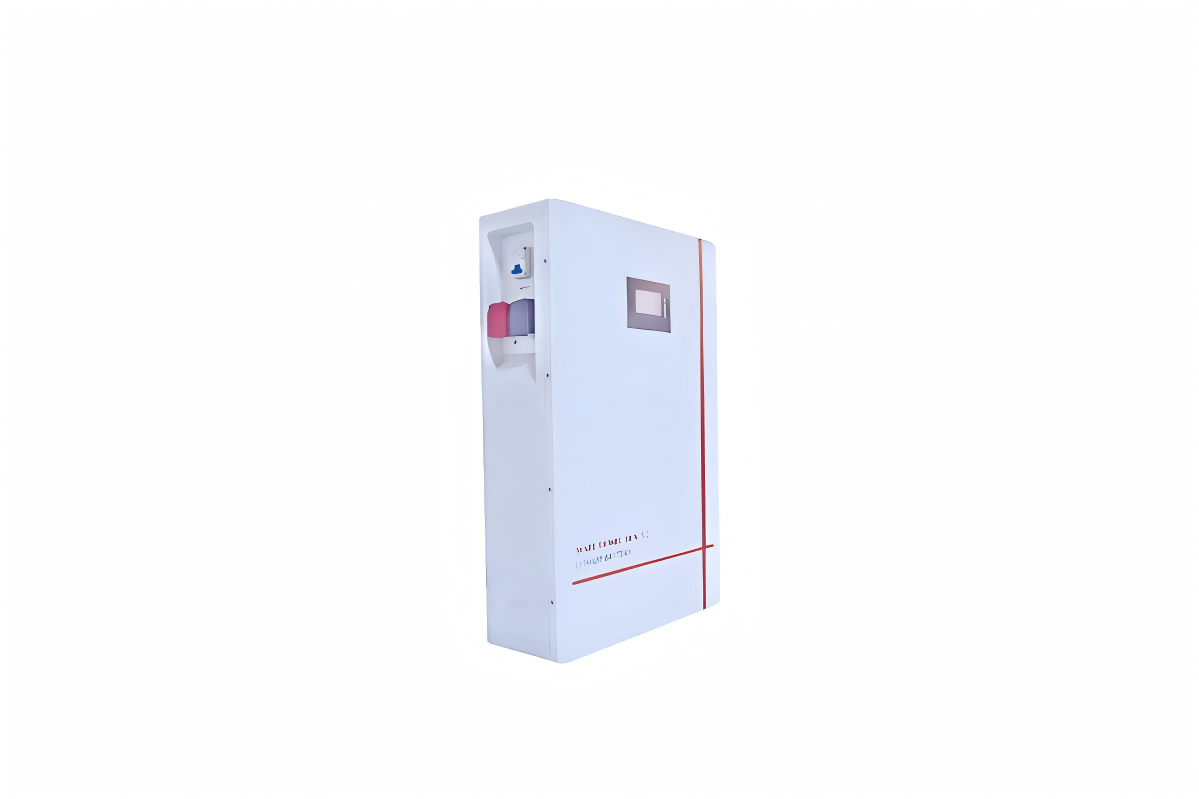
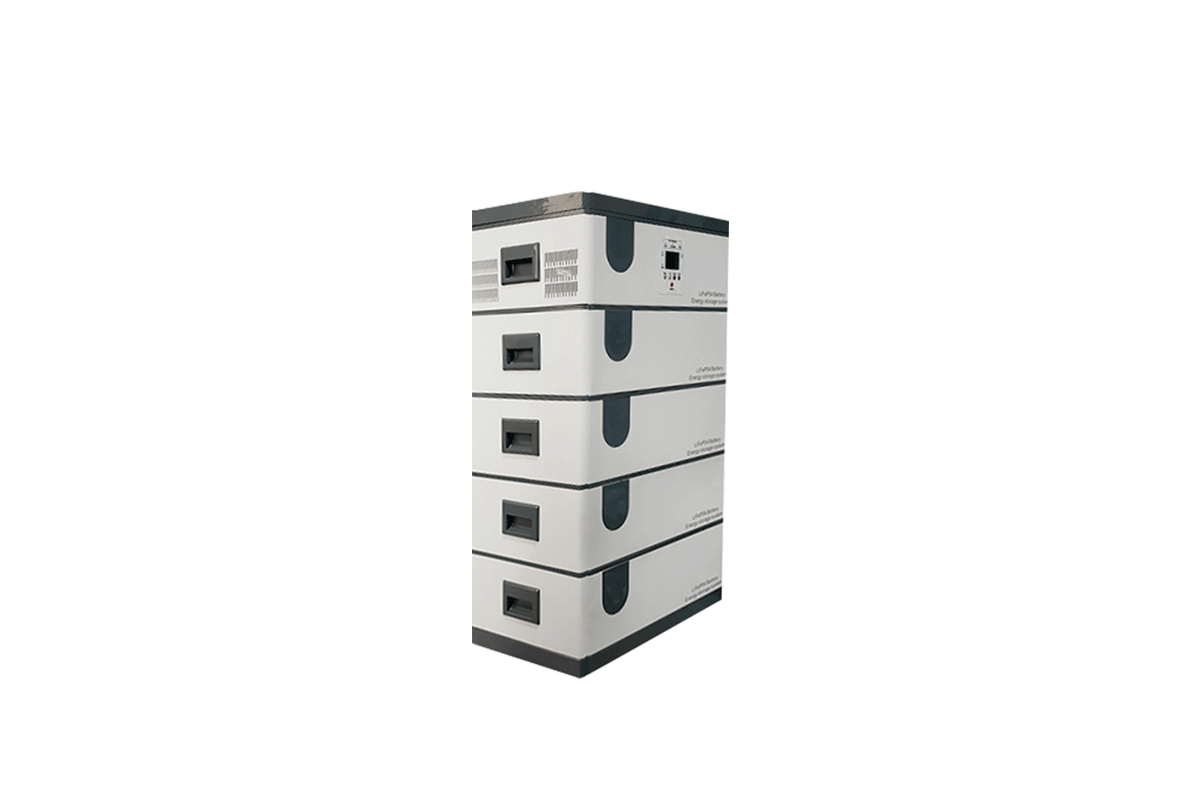
Lithium Iron Phosphate (LFP) energy storage batteries have emerged as one of the most mainstream and reliable energy storage solutions in the new energy industry, widely adopted in large-scale grid energy storage, industrial and commercial energy storage, and low-speed new energy vehicles. The core advantage of LFP batteries lies in their exceptional thermal stability and safety performance. With a thermal runaway temperature exceeding 500℃, the battery rarely generates open flames or explosions even under extreme conditions such as piercing, extrusion, and high-temperature impact, effectively avoiding major safety accidents in long-term energy storage operation. This superior safety feature makes it the preferred battery type for stationary energy storage scenarios that require high operational stability.
In terms of service life and cycle performance, LFP batteries demonstrate outstanding durability. Their complete charge-discharge cycle life can reach 3000 to 10000 times, far exceeding that of ternary lithium batteries and traditional lead-acid batteries. Under standard daily operation and maintenance conditions, the service life of LFP energy storage systems can stably reach 6 to 8 years, greatly reducing the frequency of battery replacement and the overall operation and maintenance costs of energy storage projects. In addition, LFP batteries have no memory effect, supporting random charge and discharge operation, which is highly compatible with the fluctuating power output characteristics of renewable energy sources such as wind power and photovoltaic power.
Cost controllability is another key competitive edge of LFP batteries. The raw materials of lithium iron phosphate do not contain precious metal elements such as cobalt and nickel, and the material supply is abundant and stable, making the production cost about 20% to 30% lower than that of ternary lithium batteries. This cost advantage enables large-scale popularization and application in grid peak shaving and valley filling, new energy power station energy storage, and user-side energy storage. However, LFP batteries have obvious shortcomings, including relatively low energy density of 120-180Wh/kg and poor low-temperature performance. Their capacity retention rate drops significantly in environments below -20℃, limiting their application in high-latitude and ultra-low temperature regions.
With the continuous upgrading of battery manufacturing technology, optimized designs such as blade batteries and cell grouping processes have further improved the volumetric energy density and structural stability of LFP batteries. At present, LFP batteries occupy a dominant position in the global energy storage market, and their market share in large-scale energy storage projects continues to rise, becoming the core pillar of supporting the stable development of new energy storage industries.
Ternary Lithium Energy Storage and Power Battery
Ternary lithium energy storage and power batteries, represented by nickel-cobalt-manganese ternary materials, are high-performance lithium-ion batteries that balance energy density and power performance, mainly applied in high-end new energy vehicles, high-power energy storage equipment, and portable power supply fields. The most prominent advantage of ternary lithium batteries is their ultra-high energy density, which can reach 200-300Wh/kg, significantly higher than lithium iron phosphate batteries. This feature enables ternary lithium batteries to store more electric energy under the same volume and weight conditions, perfectly meeting the lightweight and long-endurance requirements of power batteries for passenger vehicles and high-density energy storage scenarios.
Ternary lithium batteries have excellent low-temperature adaptability and power discharge performance, which is irreplaceable in many special scenarios. In a low-temperature environment of -20℃, the capacity retention rate of ternary lithium batteries can still reach 70%-80%, far better than LFP batteries that are prone to severe capacity attenuation in low temperatures. In addition, they support high-rate charge and discharge of 1C-2C, with fast response speed and strong power output capability, which can adapt to instantaneous high-power demand and fluctuating energy storage and discharge tasks. This makes them widely used in high-performance new energy vehicles, emergency power supply equipment, and dynamic energy storage scenarios that require rapid power regulation.
Nevertheless, ternary lithium batteries have inherent defects in safety and cost. Their thermal runaway temperature is only 200-300℃, and they are prone to intense heat accumulation, combustion and even explosion when facing thermal abuse, mechanical damage or overcharge. Therefore, ternary lithium battery systems require highly sophisticated Battery Management System (BMS) and thermal management systems to monitor and adjust the battery status in real time, increasing the technical threshold and auxiliary cost of the system. Moreover, the battery relies on scarce precious metals such as cobalt and nickel, resulting in high raw material costs and restricted supply chain stability, limiting its large-scale application in low-cost universal energy storage scenarios.
In terms of cycle life, the performance of ternary lithium batteries is relatively moderate, with a effective cycle life of 1000-2000 times, which is shorter than that of LFP batteries, leading to higher long-term replacement costs. At present, ternary lithium batteries are mainly positioned in high-end and high-value scenarios, focusing on meeting the demand for high energy density and high power performance, and have become an indispensable important product in the differentiated market of power and energy storage batteries.
Sodium-ion Energy Storage Battery
Sodium-ion energy storage batteries are a new generation of low-cost, high-safety electrochemical energy storage devices, which have developed rapidly in recent years and are regarded as an important alternative to lithium batteries and lead-acid batteries in the field of large-scale energy storage. Different from lithium batteries, sodium-ion batteries use sodium ions as the charge carrier, and sodium resources are abundant and widely distributed in nature, completely getting rid of the dependence on scarce lithium, cobalt and other precious metal resources. This fundamental resource advantage makes the production cost of sodium-ion batteries significantly lower than that of lithium batteries, showing great market potential in low-cost, large-capacity energy storage scenarios.
Sodium-ion batteries have excellent comprehensive safety and environmental adaptability. Their thermal stability is good, and they are not easy to trigger thermal runaway under extreme working conditions, with high overall safety of the battery system. Meanwhile, they have outstanding low-temperature performance, with a capacity retention rate of more than 80% at -20℃, which is far superior to lithium iron phosphate batteries, and can work stably in cold northern regions and high-altitude environments. In addition, sodium-ion batteries have no memory effect, support frequent fast charge and discharge, and have strong tolerance to charge and discharge depth, adapting to the frequent fluctuation of renewable energy power generation and the peak-valley adjustment demand of grid energy storage.
In terms of cycle performance, the current mainstream sodium-ion batteries have a cycle life of more than 2000 times, which is far longer than traditional lead-acid batteries, and can meet the service life requirements of medium and long-term energy storage projects. Their energy density can reach 150-175Wh/kg, which is higher than lead-acid batteries and close to the level of some low-density lithium iron phosphate batteries, fully meeting the capacity demand of stationary energy storage, household energy storage, and low-speed electric vehicles. Besides, sodium-ion batteries have good rate performance and structural stability, with low attenuation in long-term cyclic operation.
At this stage, sodium-ion batteries still have certain technical limitations. Their energy density is still lower than that of high-performance lithium batteries, so they are not suitable for high-end passenger vehicles and ultra-high density energy storage scenarios. In addition, the industrial chain maturity is not as good as lithium batteries, and there is still room for optimization in battery consistency and mass production stability. With the continuous breakthrough of electrode materials and manufacturing processes, sodium-ion batteries are gradually realizing large-scale industrialization, and are expected to occupy a core position in the fields of grid energy storage, industrial and commercial energy storage, and low-end power batteries in the future, promoting the low-cost popularization of the new energy storage industry.




 59911926@qq.com/sales@goldenfuturehk.com
 13316809242 / 15816897019
 Inquiry
 Home >
