






Time:2025-10-28 Views:1
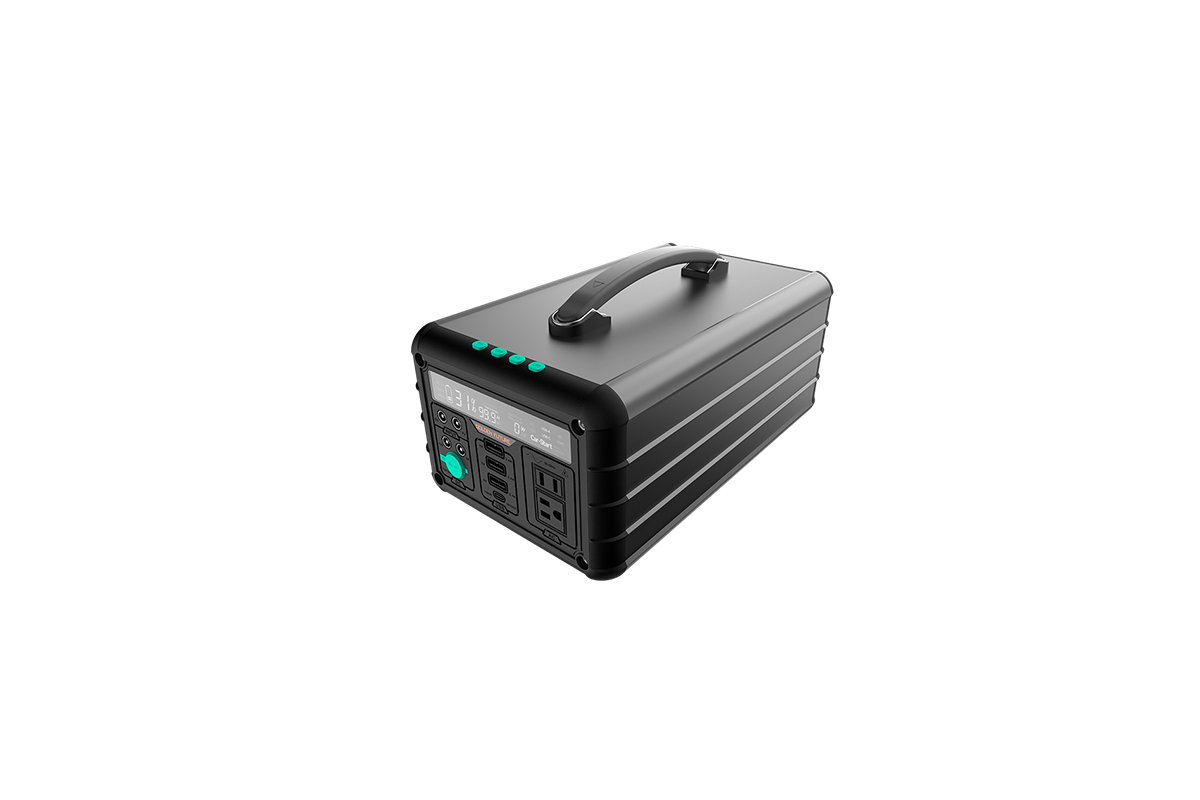
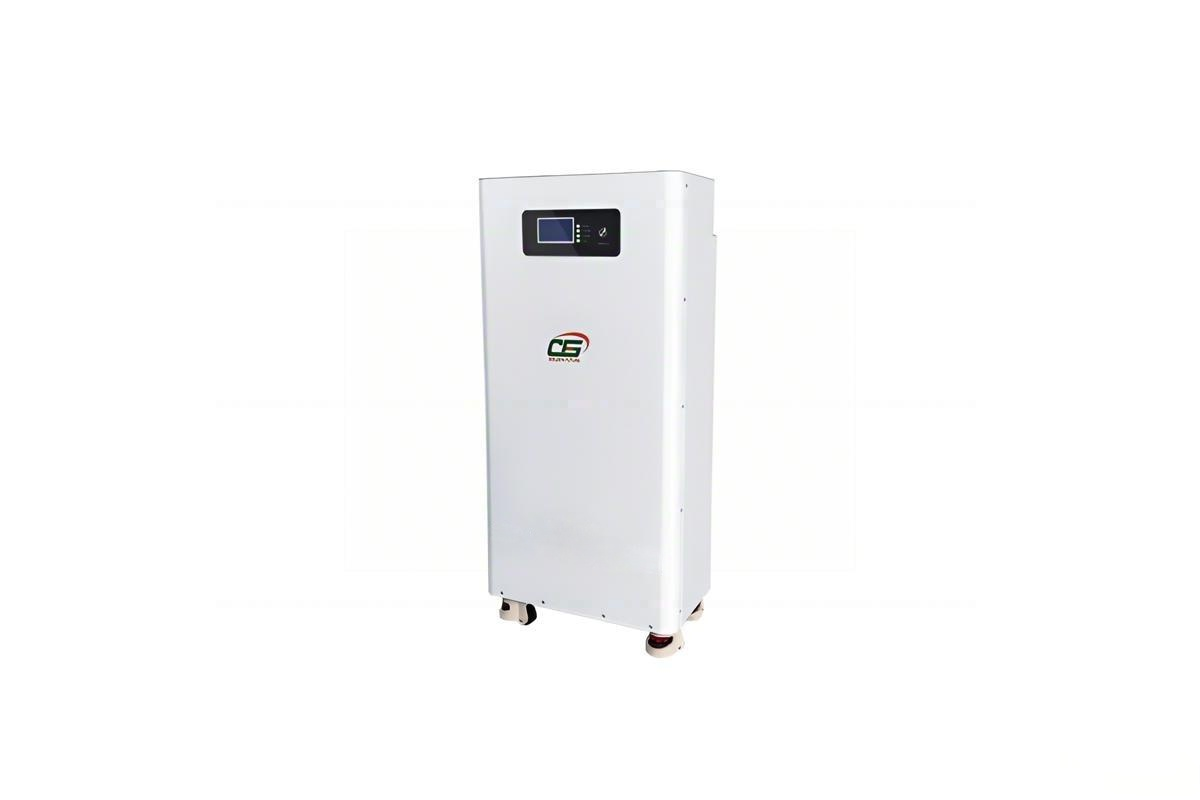
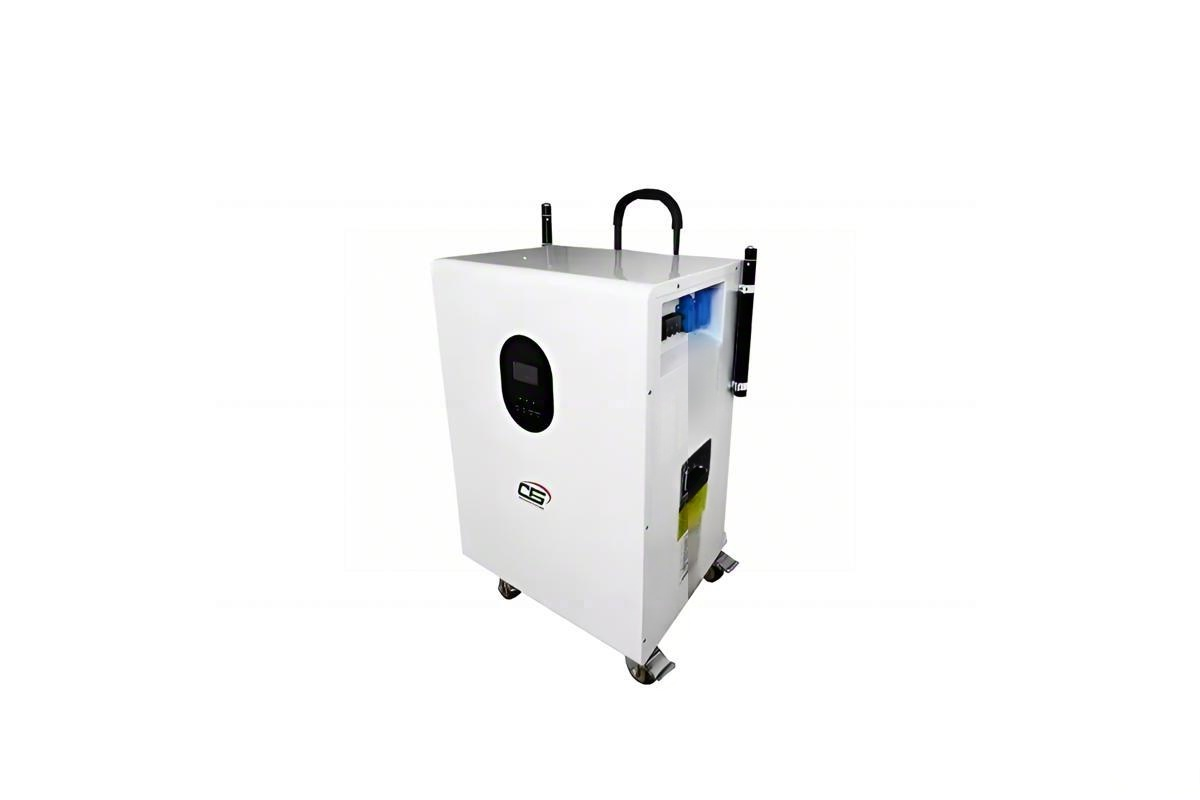
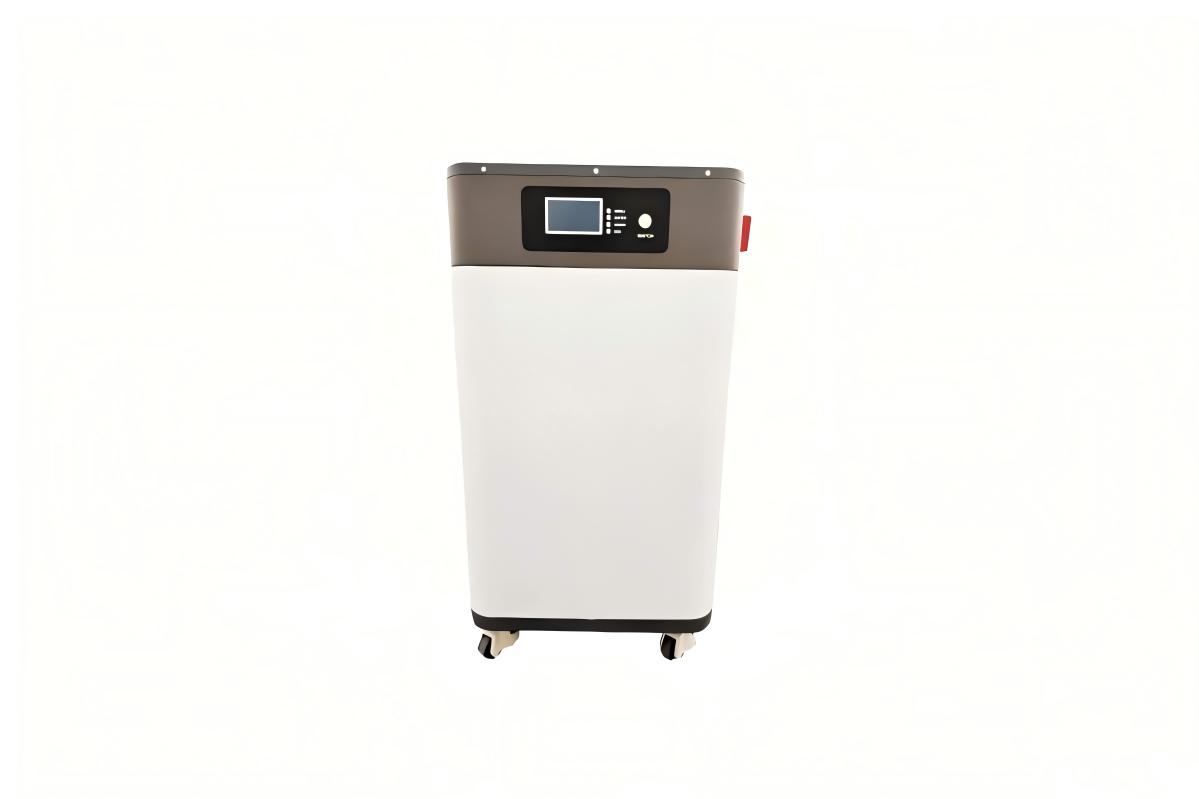
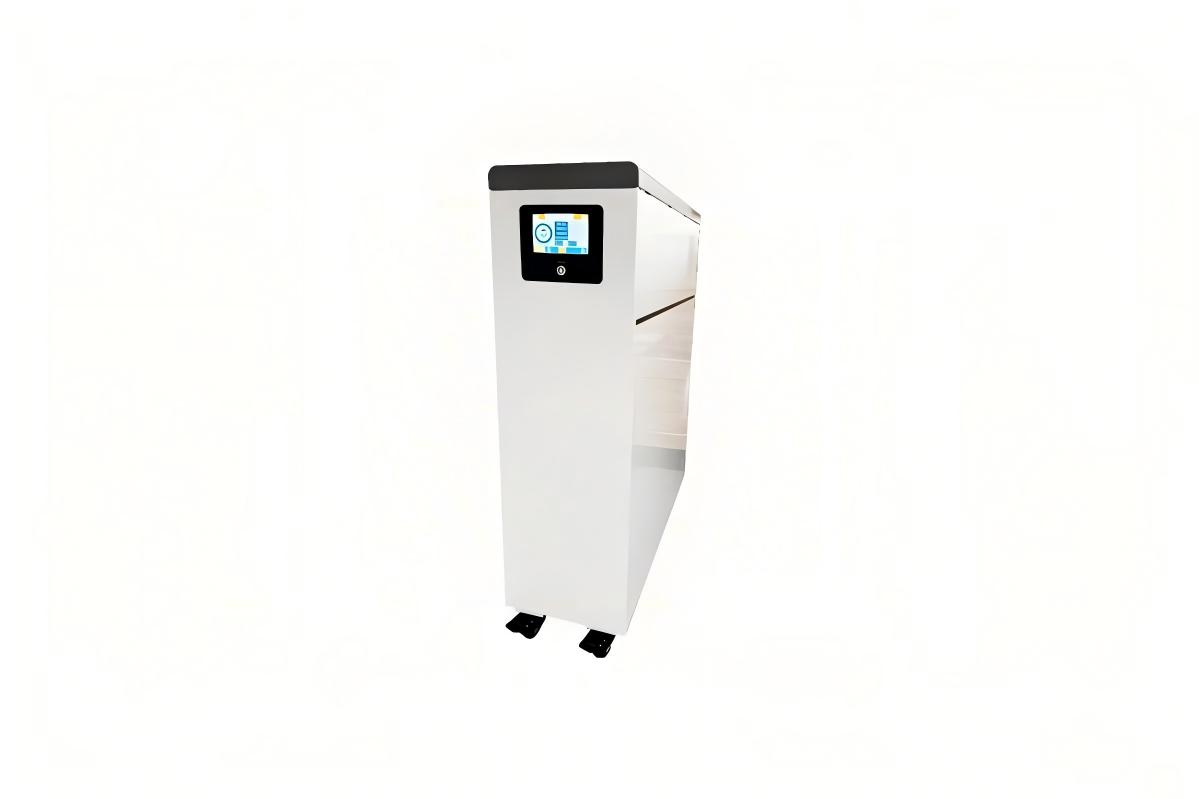
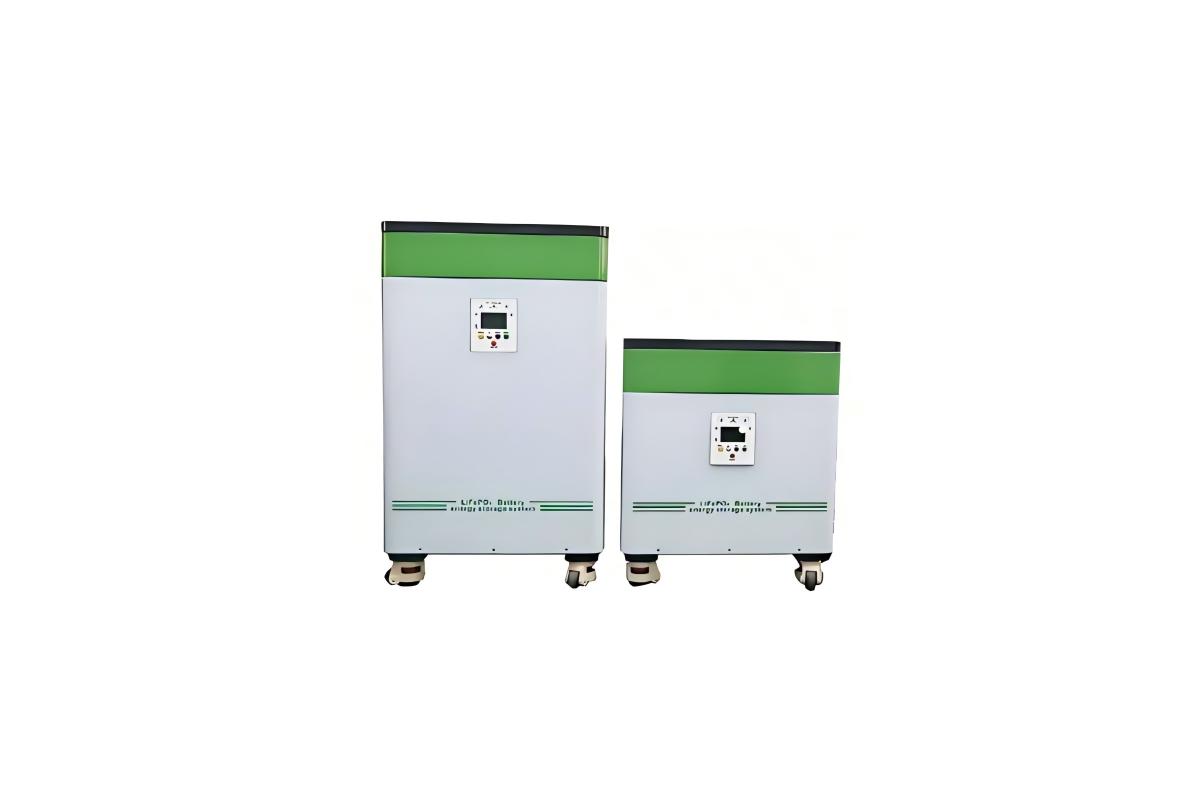
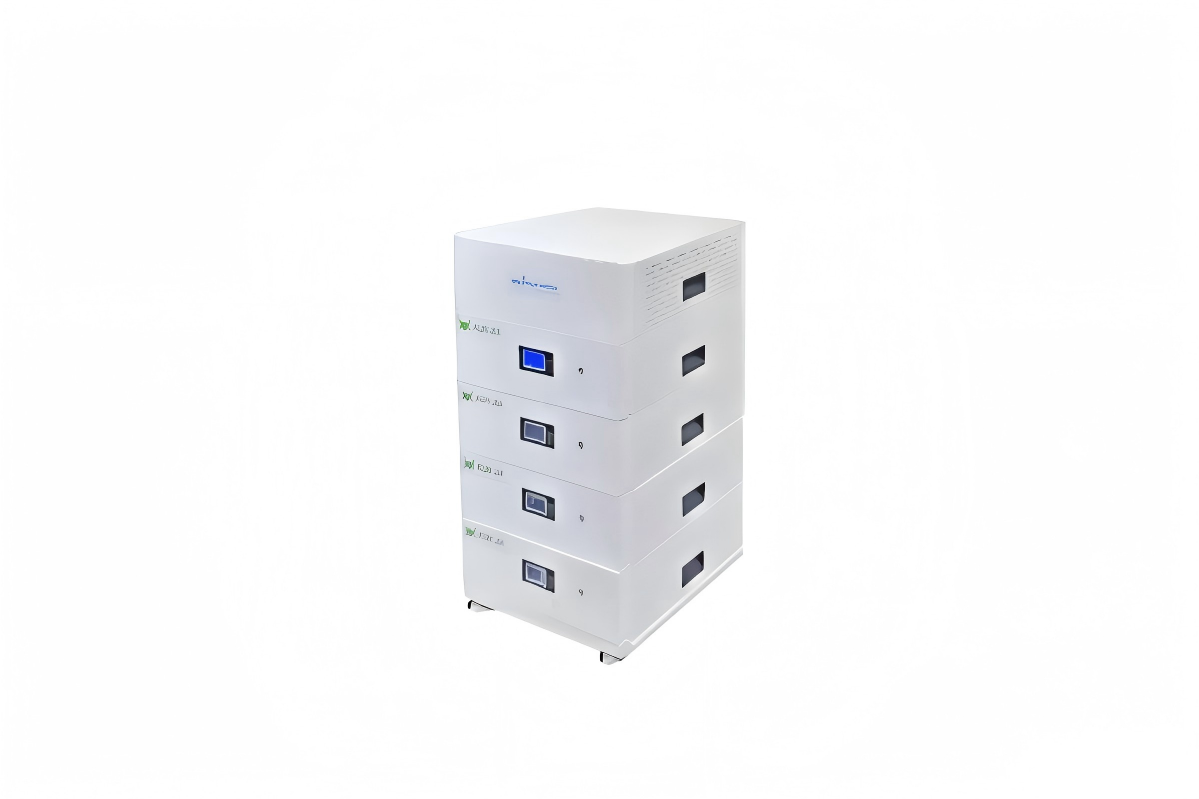
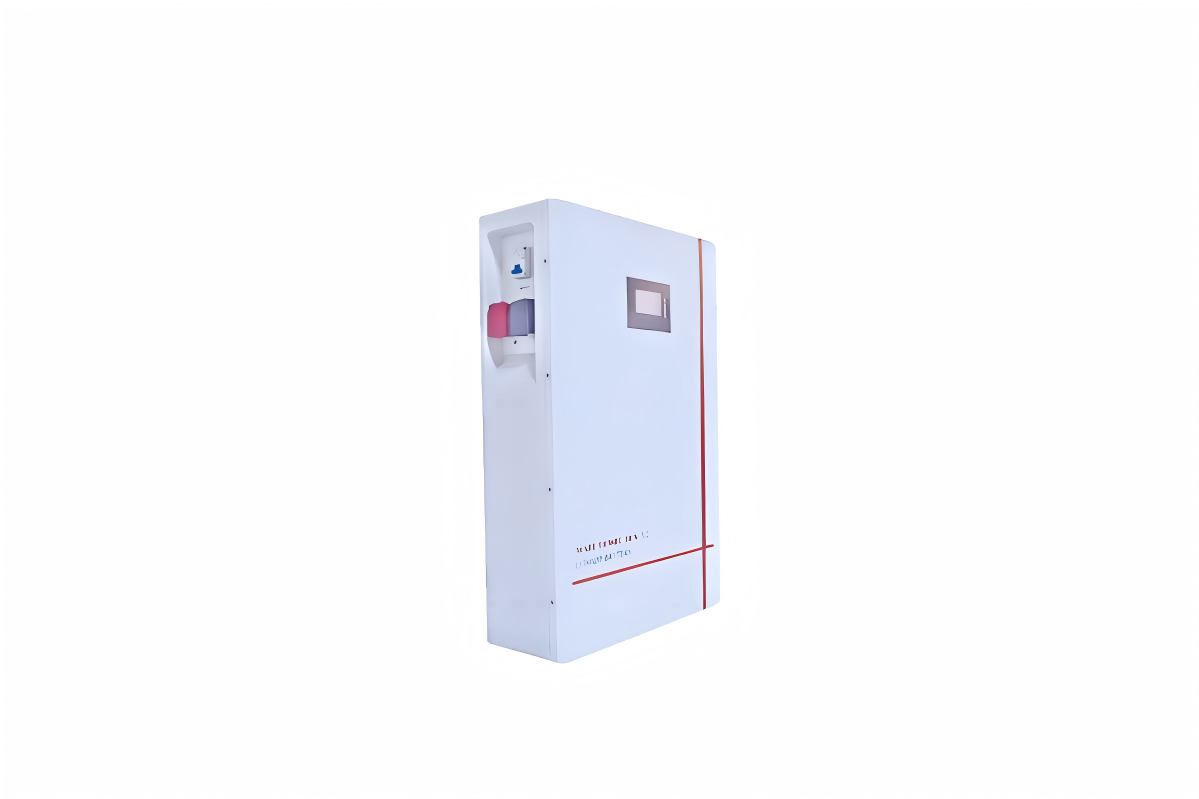
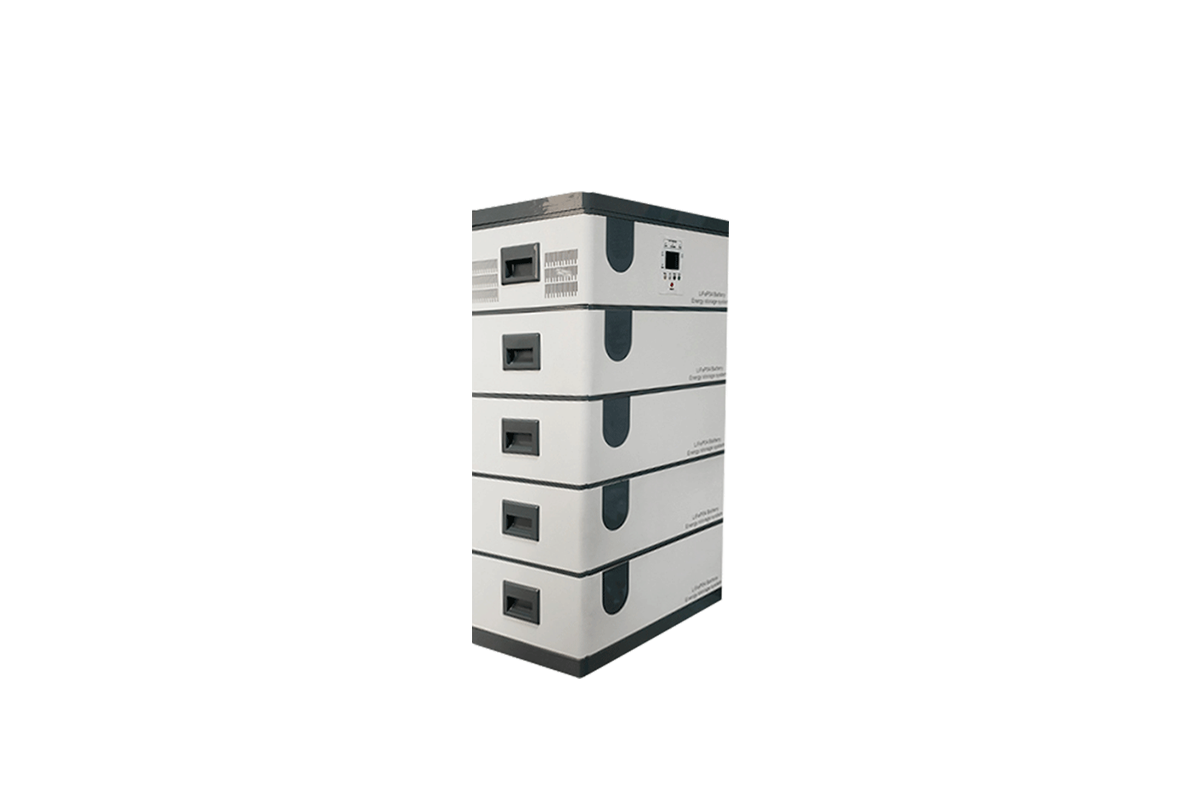
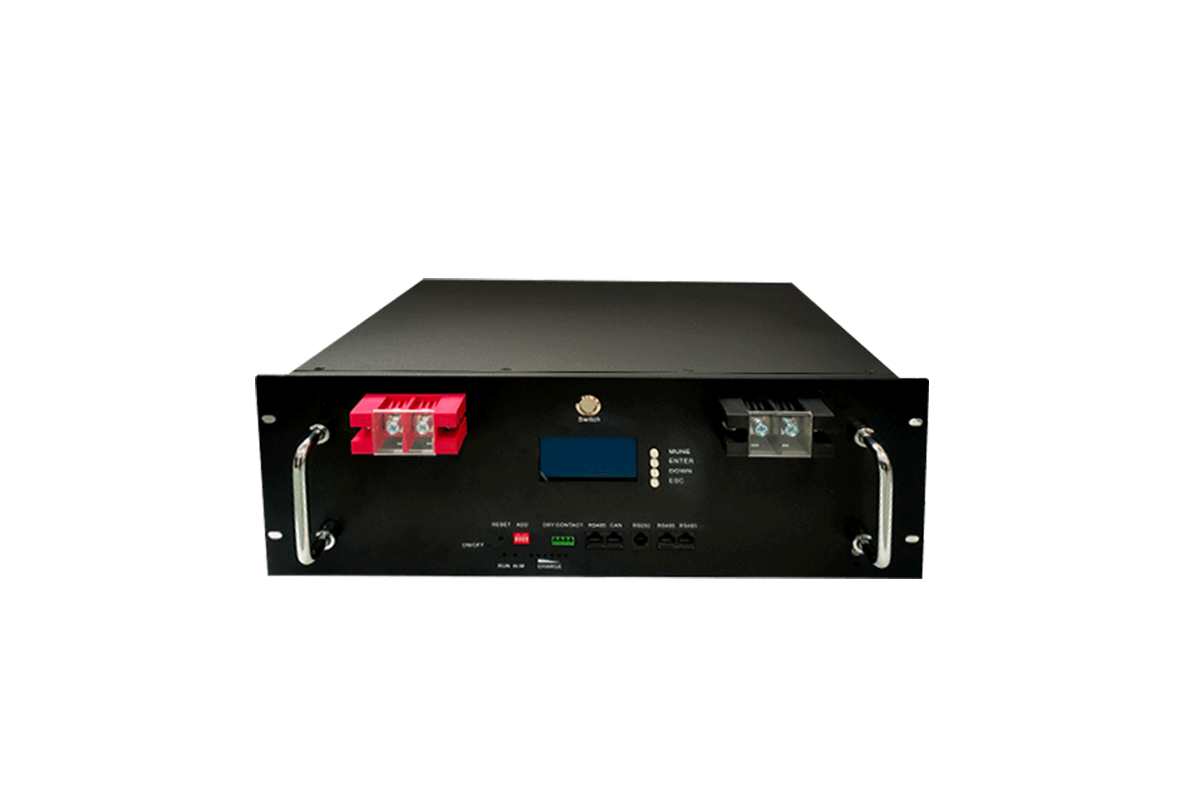
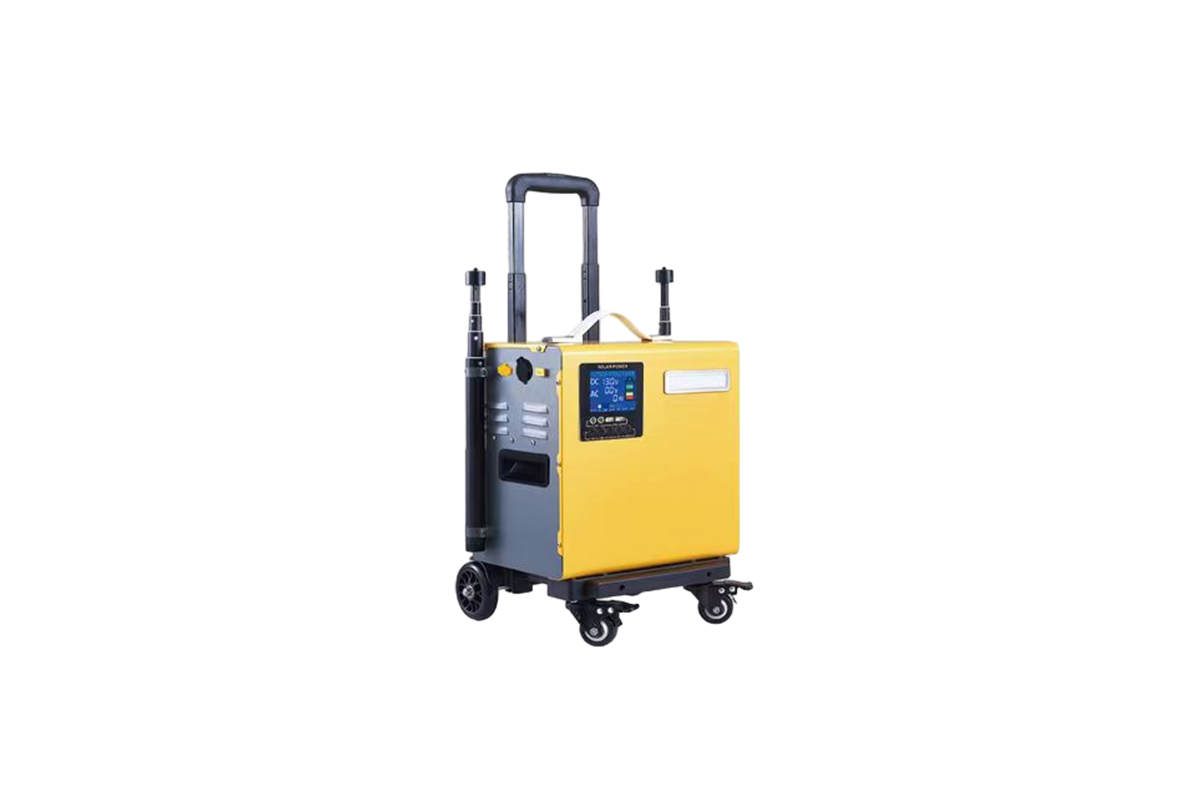
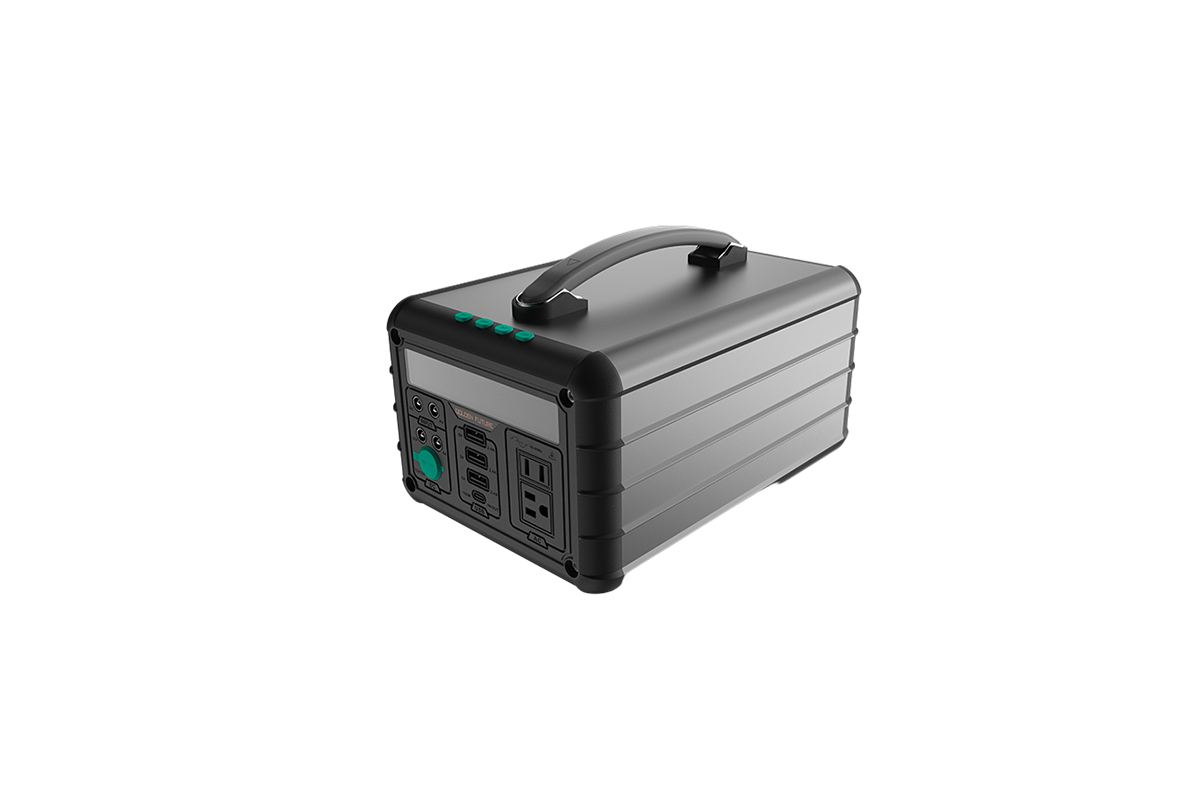
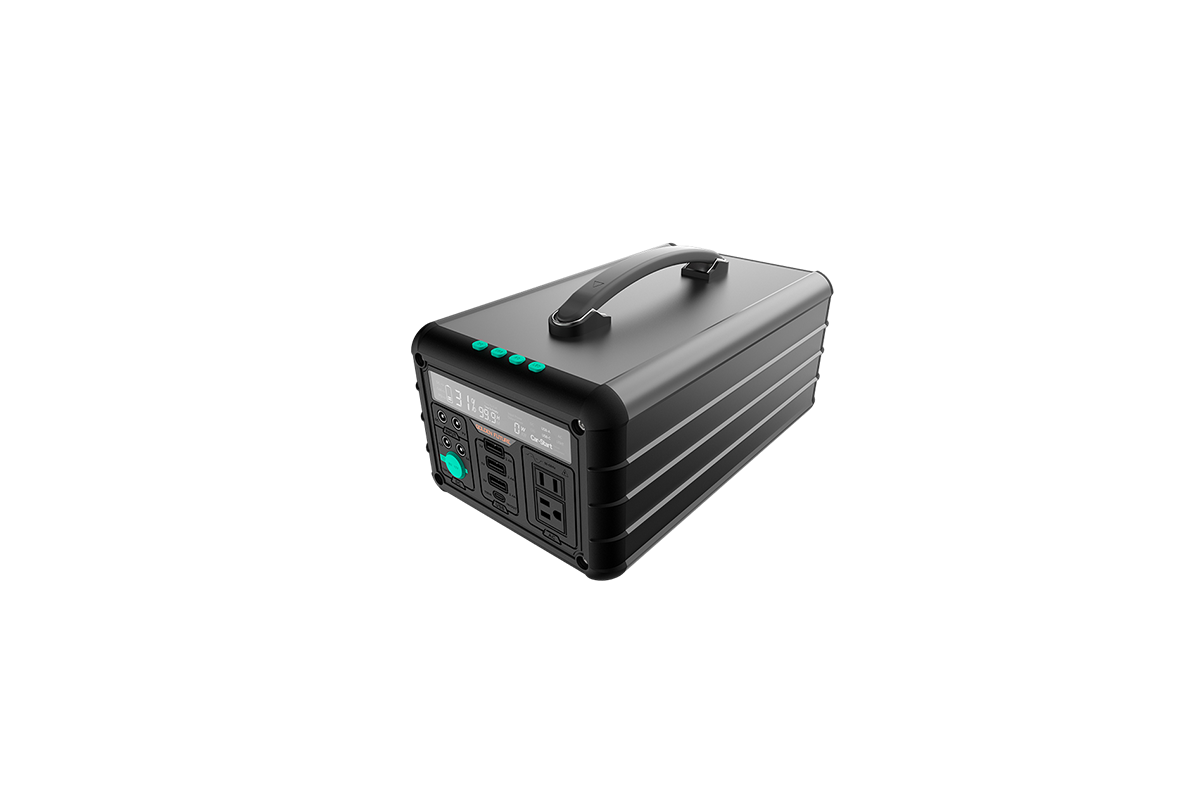
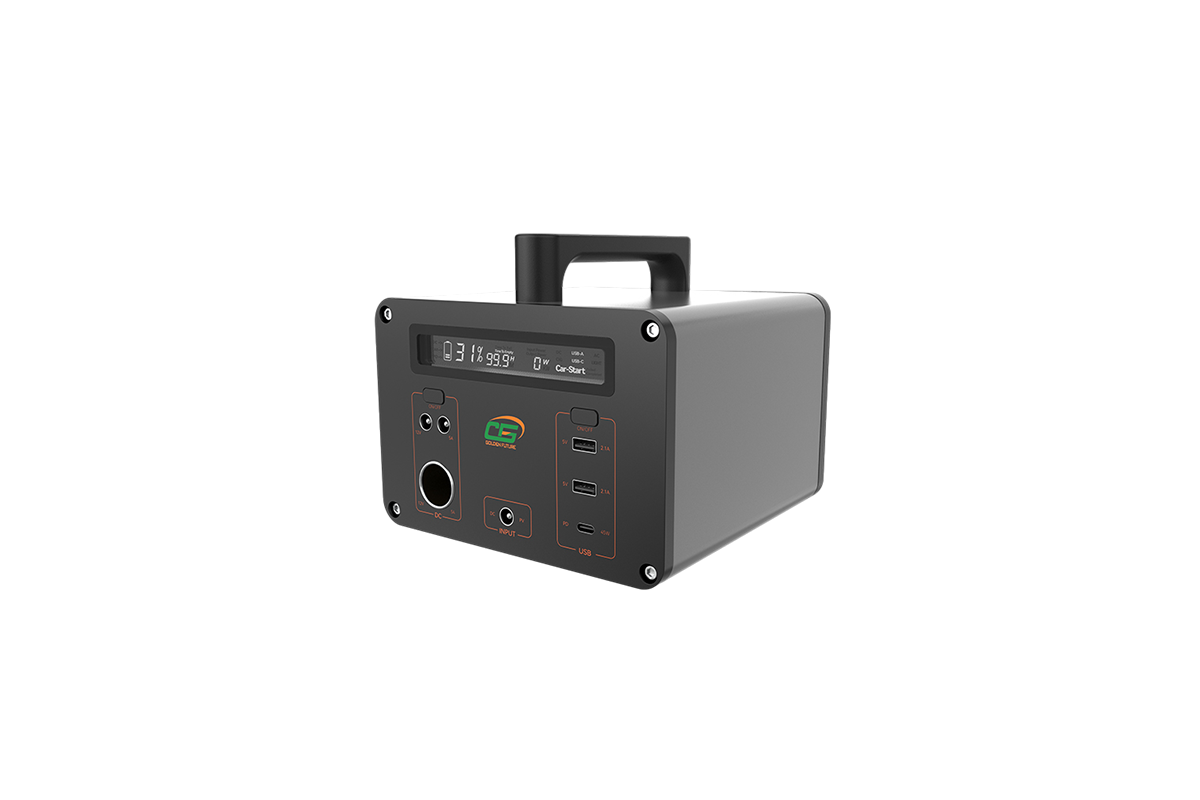
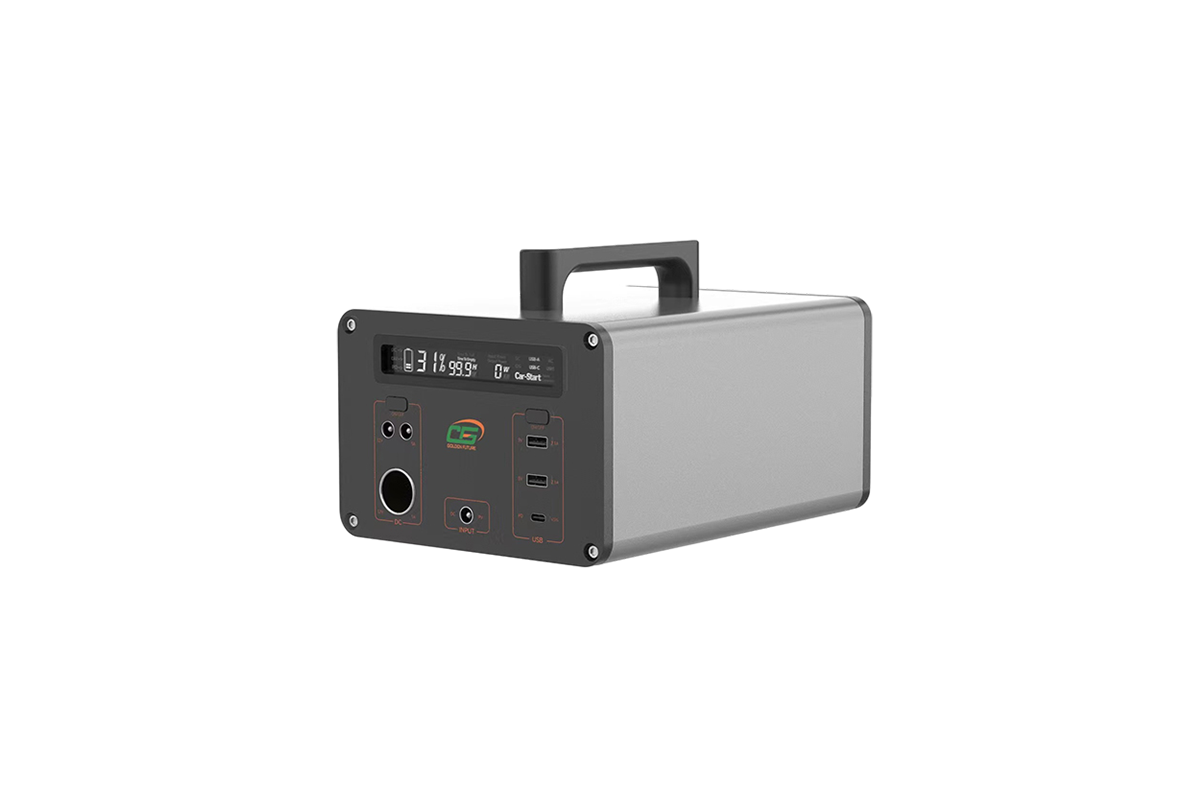
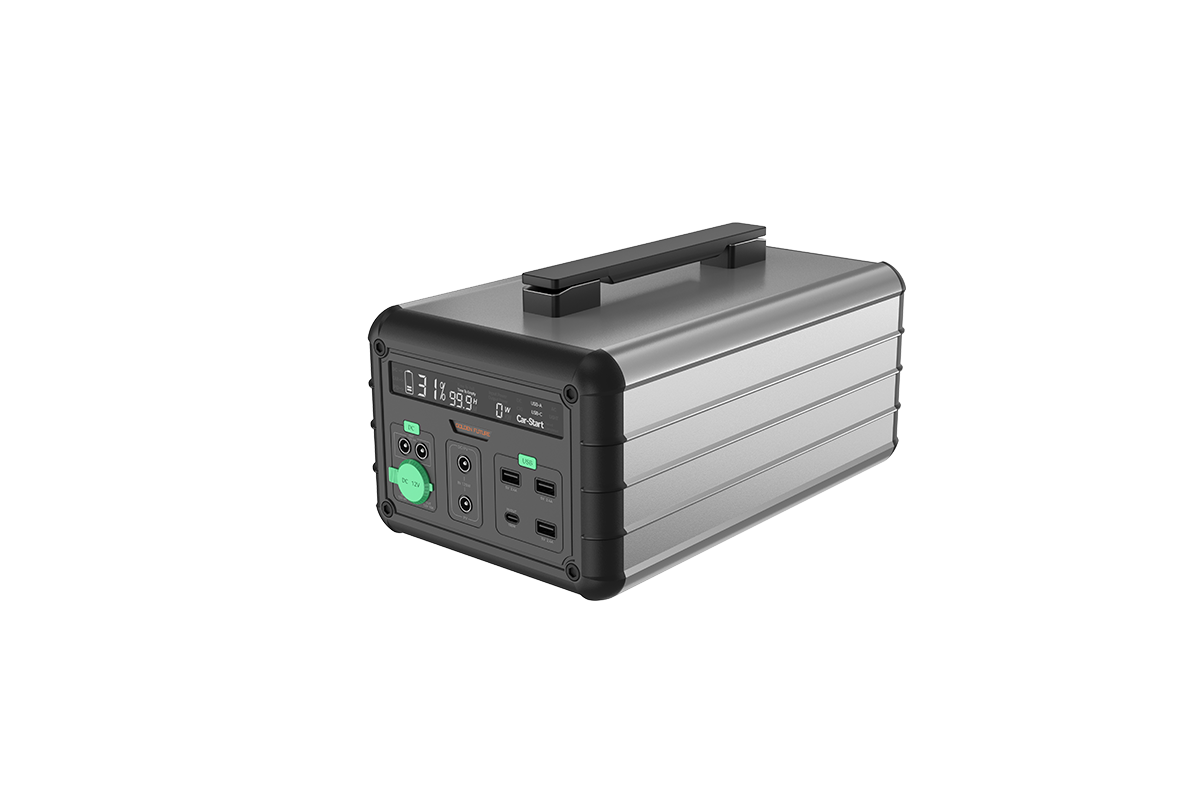
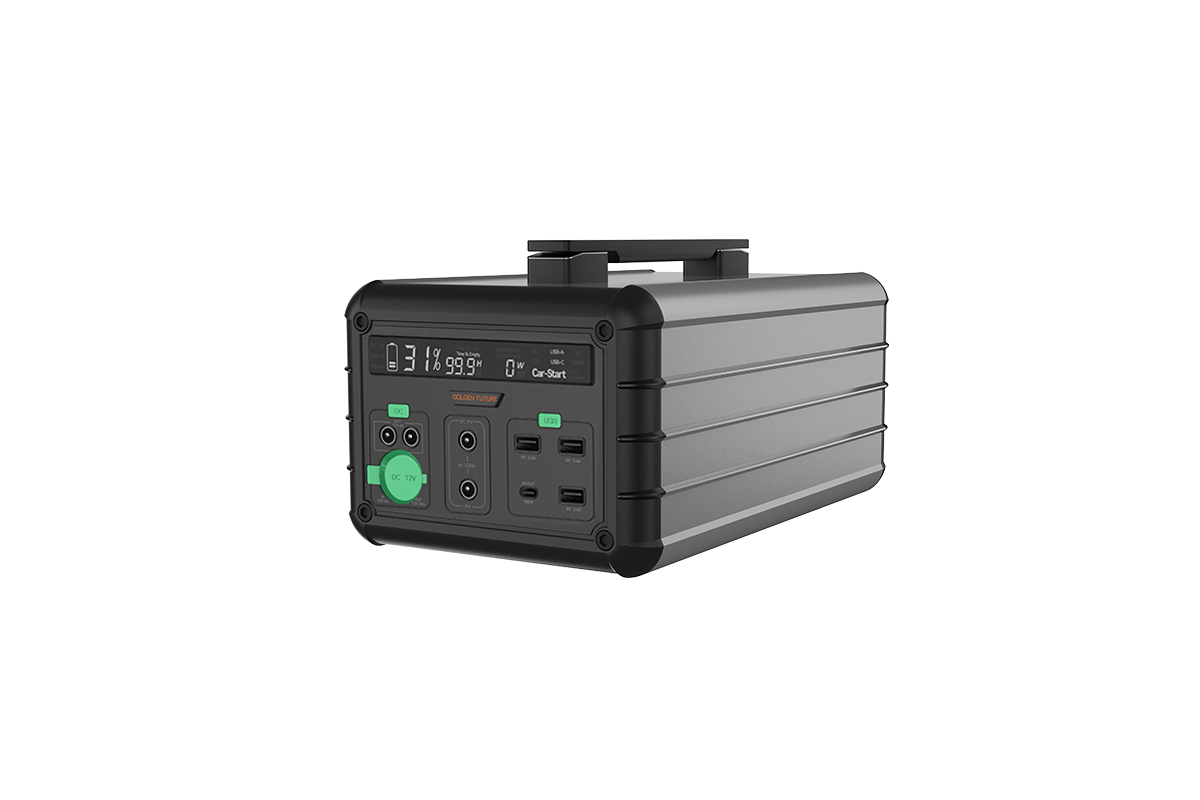
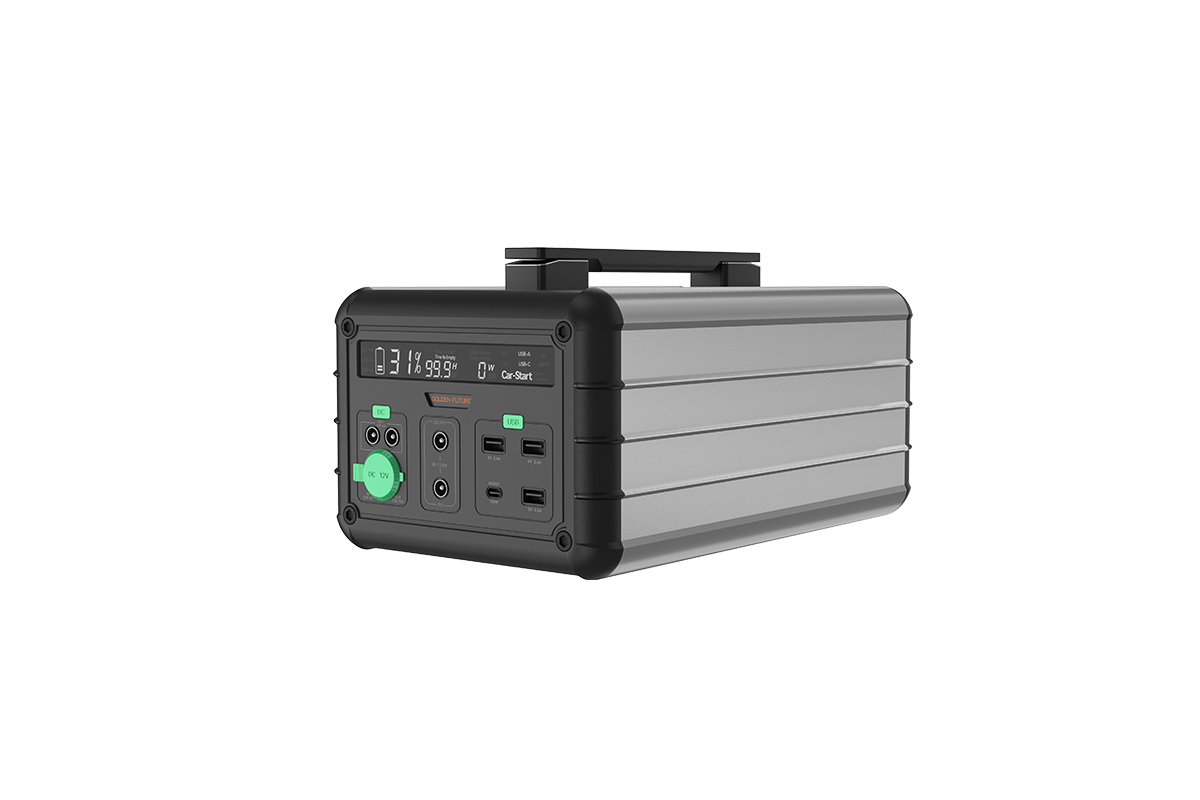
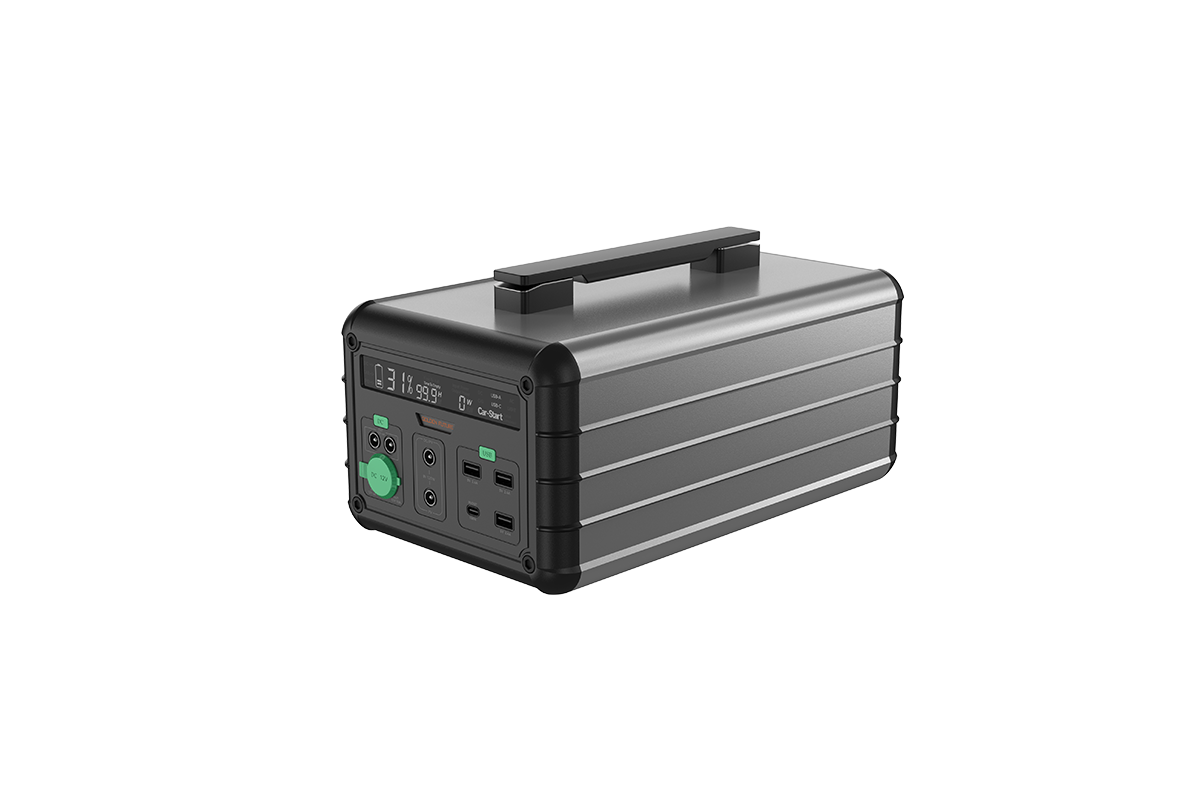
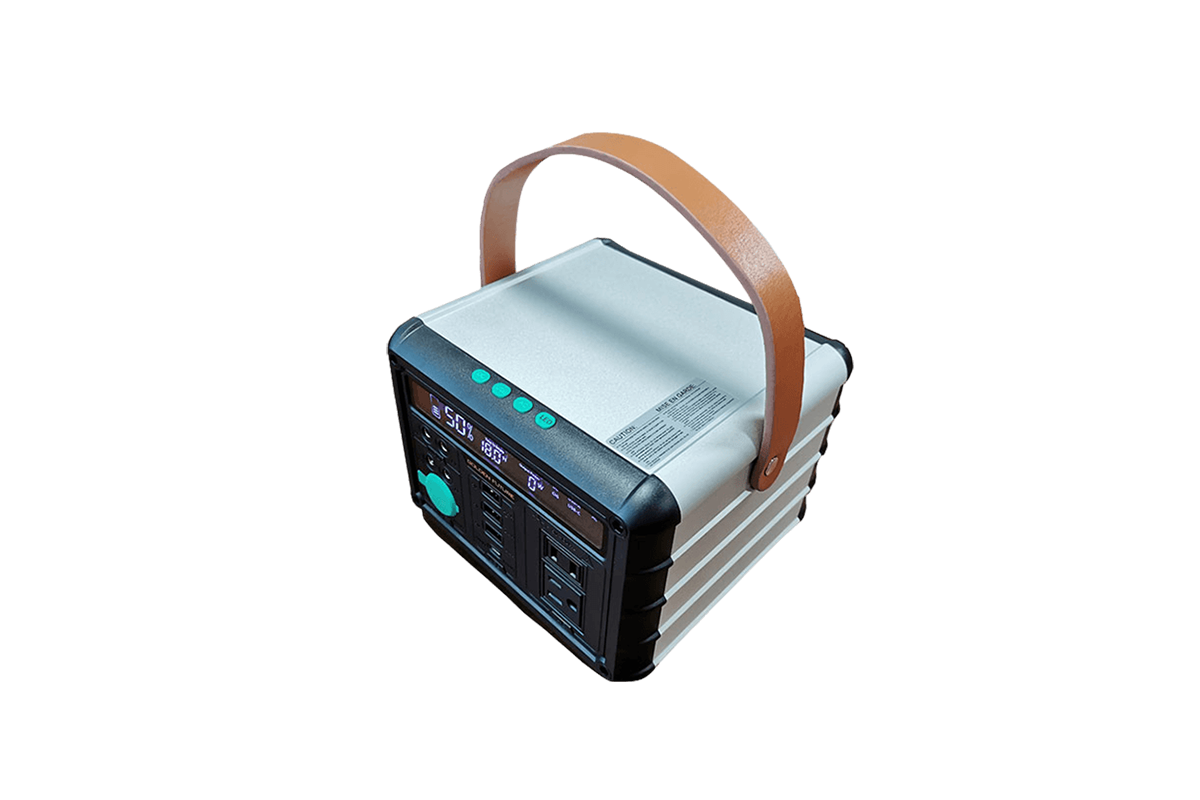
Lithium - ion energy storage batteries have revolutionized the power supply system of electric recreational vehicles (RVs), offering a reliable and efficient energy solution for these mobile living spaces. These batteries are designed to meet the diverse and substantial power demands of electric RVs, which include powering appliances such as refrigerators, air conditioners, lighting systems, and charging various electronic devices.
One of the key features of lithium - ion batteries for electric RVs is their high energy density. This allows them to store a large amount of electrical energy in a relatively compact and lightweight package. For example, a typical electric RV may be equipped with a lithium - ion battery pack with a capacity ranging from 20 to 100 kWh. Such a battery pack can provide sufficient power to keep the RV's essential systems running for an extended period, enabling users to enjoy off - grid living without the constant need for external power sources.
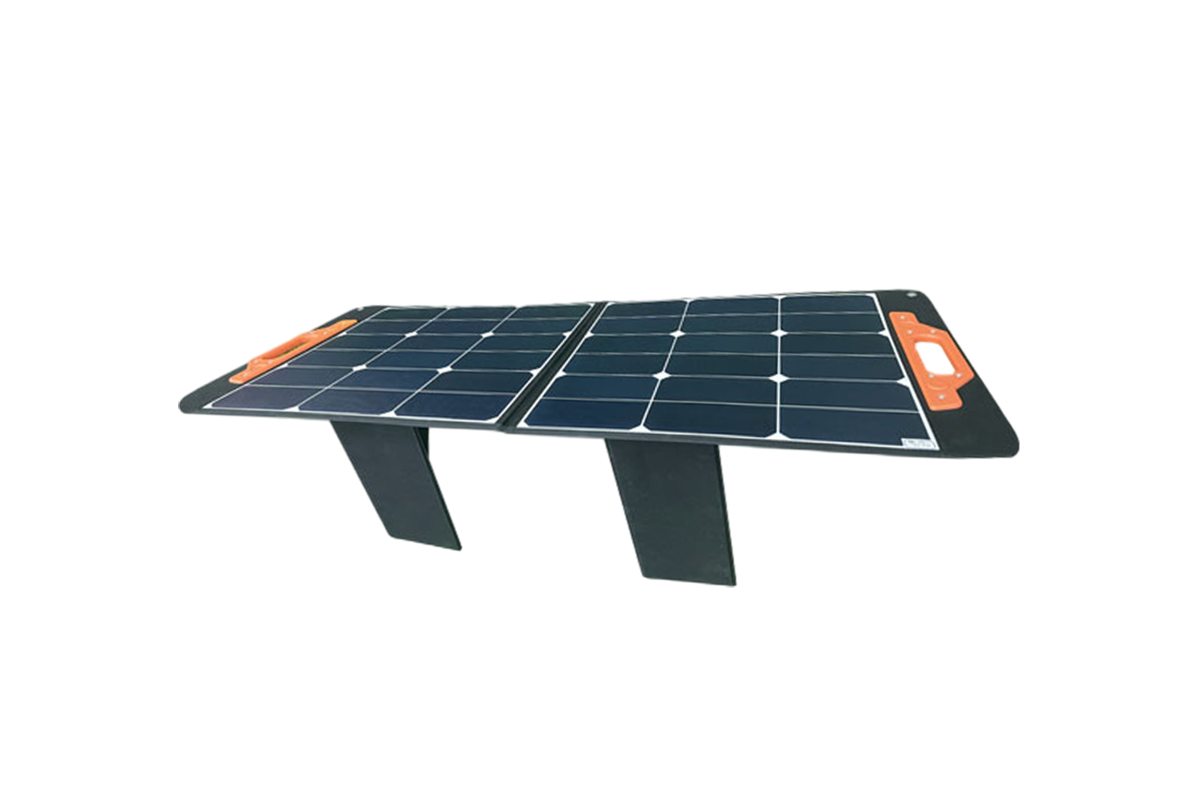
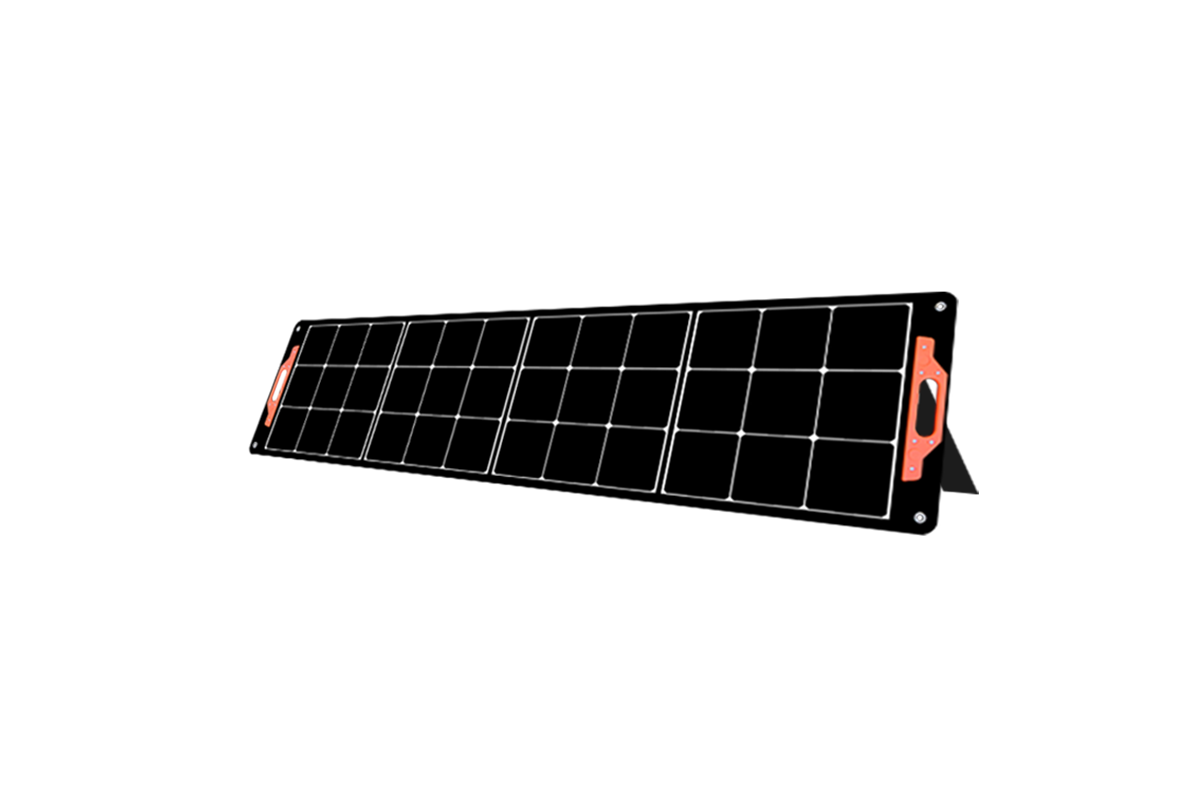
Lithium - ion batteries also offer excellent charge - discharge efficiency. They can be charged quickly using various charging methods, including shore power, solar panels, or generators. The fast - charging capability is crucial for electric RV owners, as it reduces the downtime required for recharging. Moreover, these batteries have a long cycle life, which means they can withstand thousands of charge - discharge cycles without significant degradation in performance. This longevity makes them a cost - effective option in the long run, despite their relatively high upfront cost.
Safety is a top priority in the design of lithium - ion batteries for electric RVs. They are equipped with advanced battery management systems (BMS) that monitor and control various parameters such as voltage, current, temperature, and state of charge. The BMS helps to prevent over - charging, over - discharging, over - heating, and short - circuits, ensuring the safe operation of the battery and the entire RV electrical system. In addition, manufacturers use high - quality materials and strict production processes to enhance the overall safety and reliability of these batteries.
However, there are also challenges associated with lithium - ion batteries in electric RVs. Their high cost can be a barrier for some consumers, and proper maintenance is required to ensure their optimal performance. Additionally, extreme weather conditions can affect the battery's performance, so appropriate insulation and temperature - control measures need to be implemented. Overall, lithium - ion energy storage batteries have become an essential component for electric RVs, providing the power needed for a comfortable and sustainable mobile living experience.




 59911926@qq.com/sales@goldenfuturehk.com
 13316809242 / 15816897019
 Inquiry
 Home >