






Time:2026-01-15 Views:1
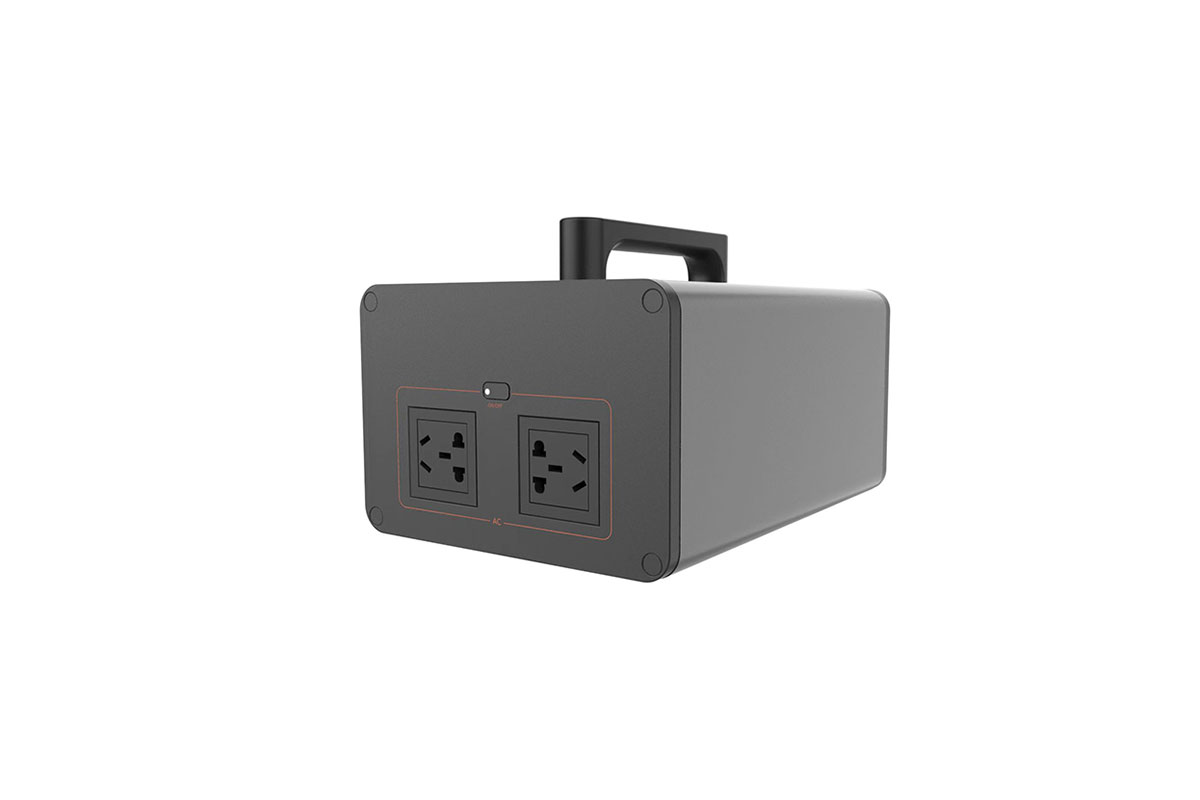
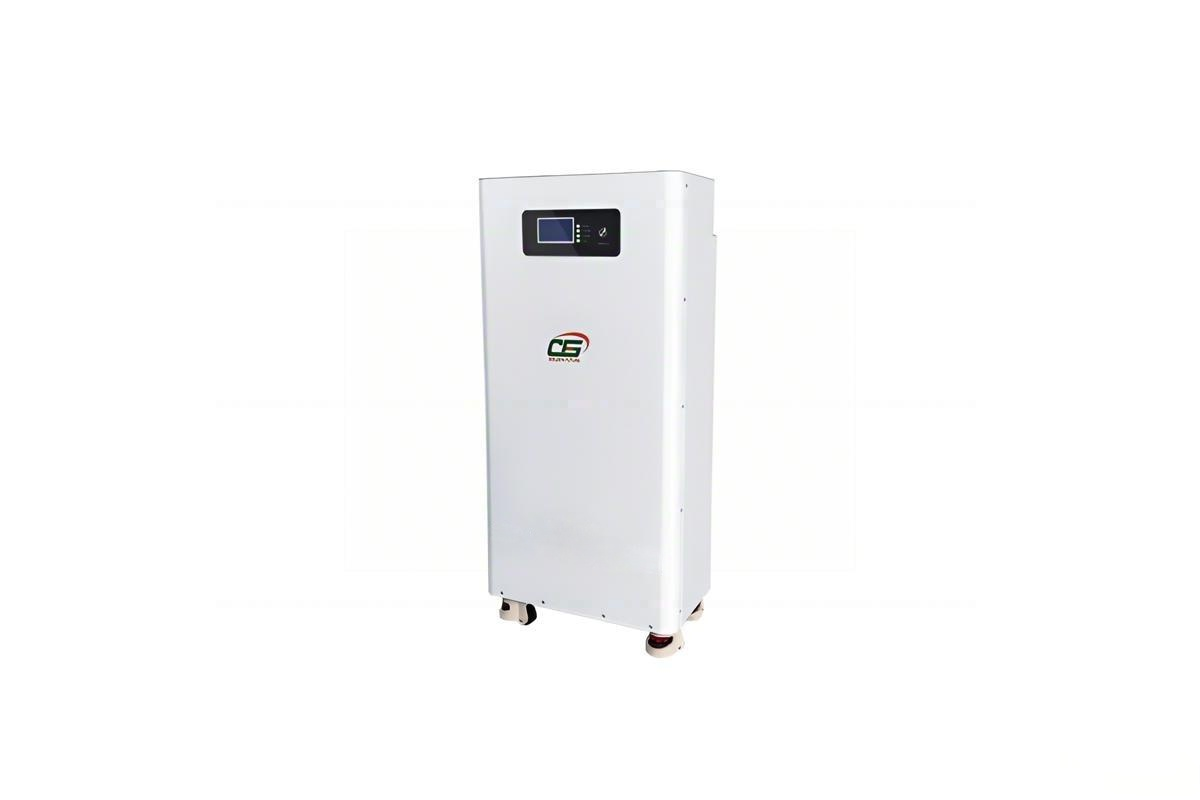
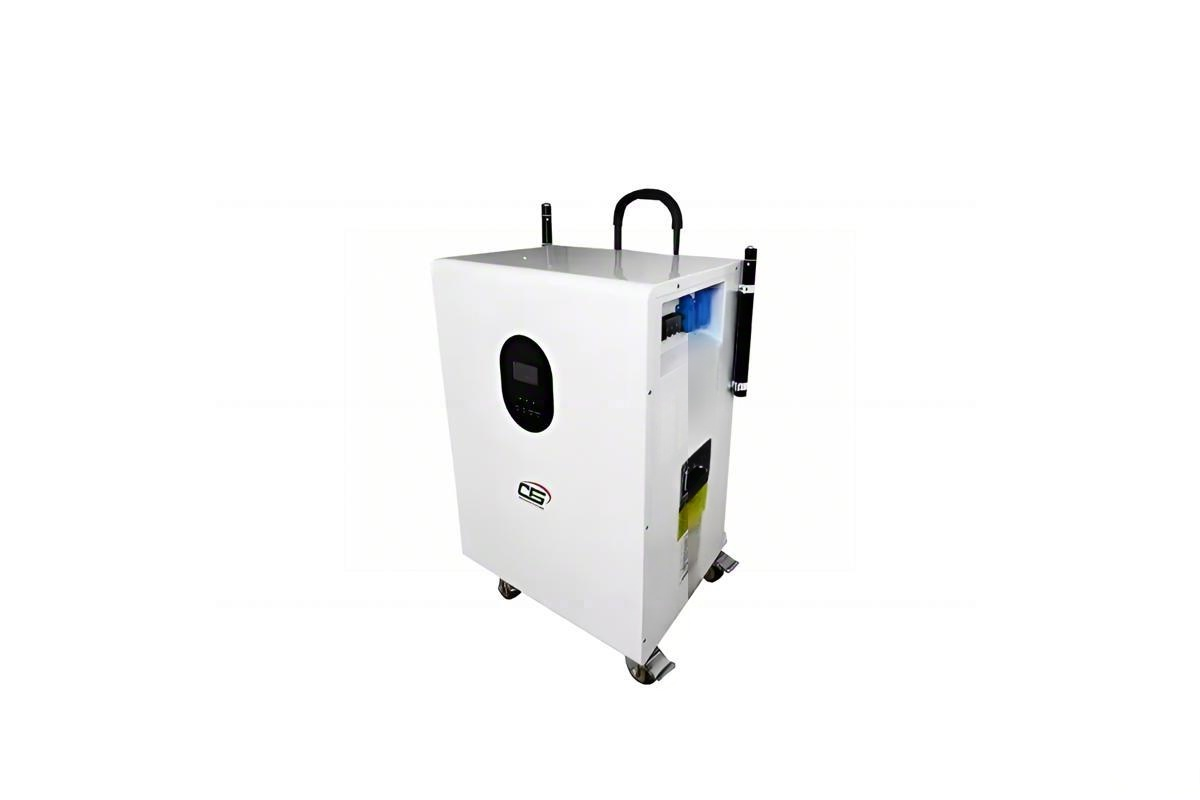
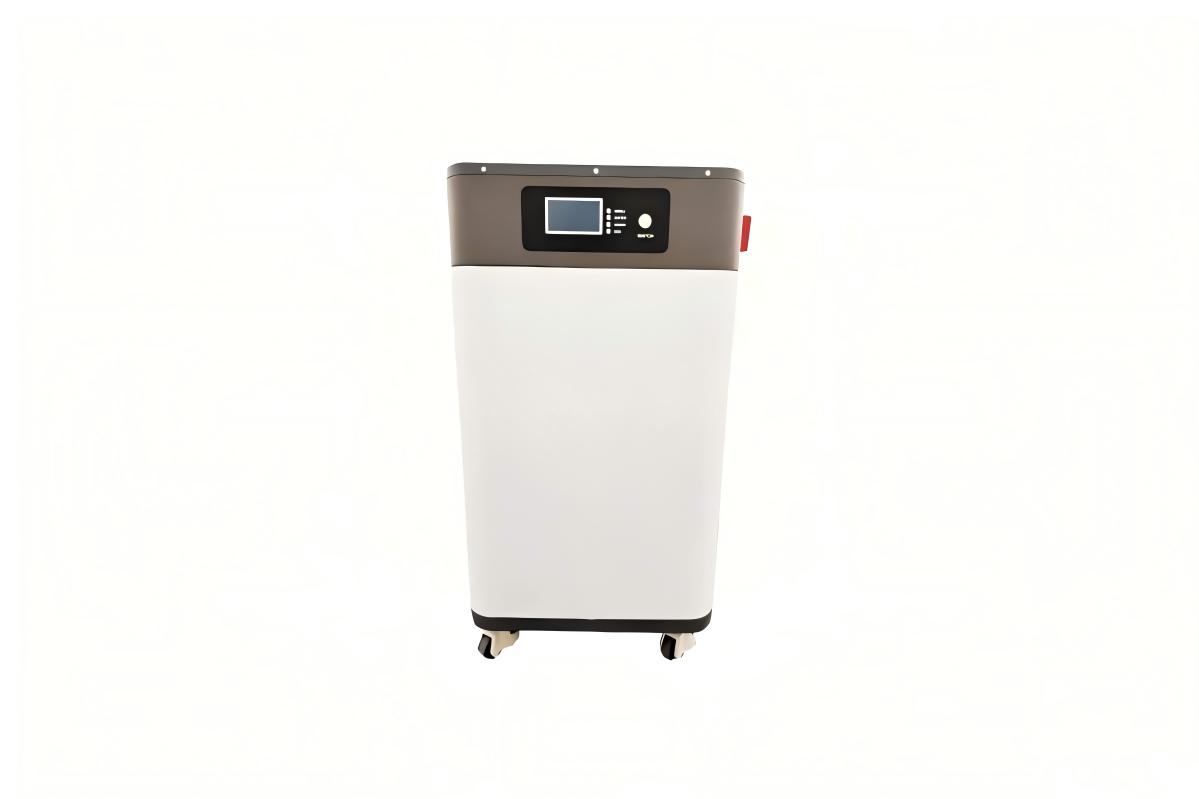
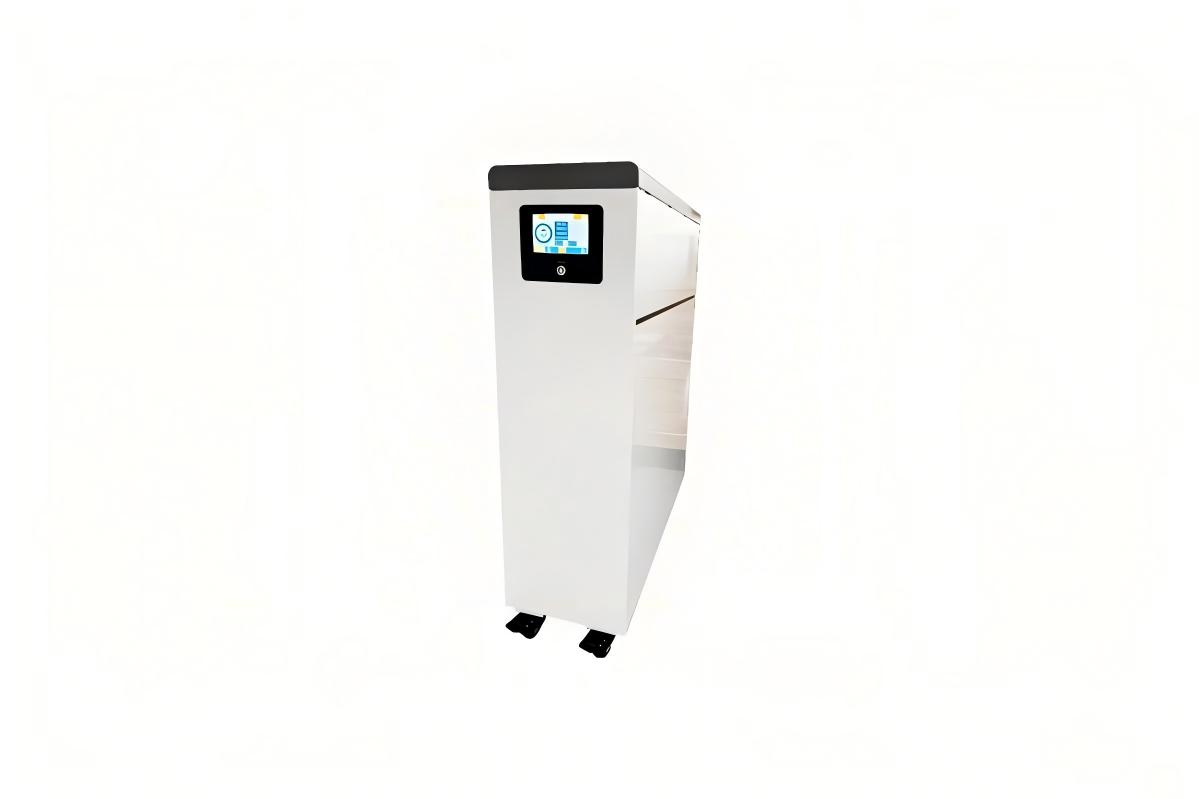
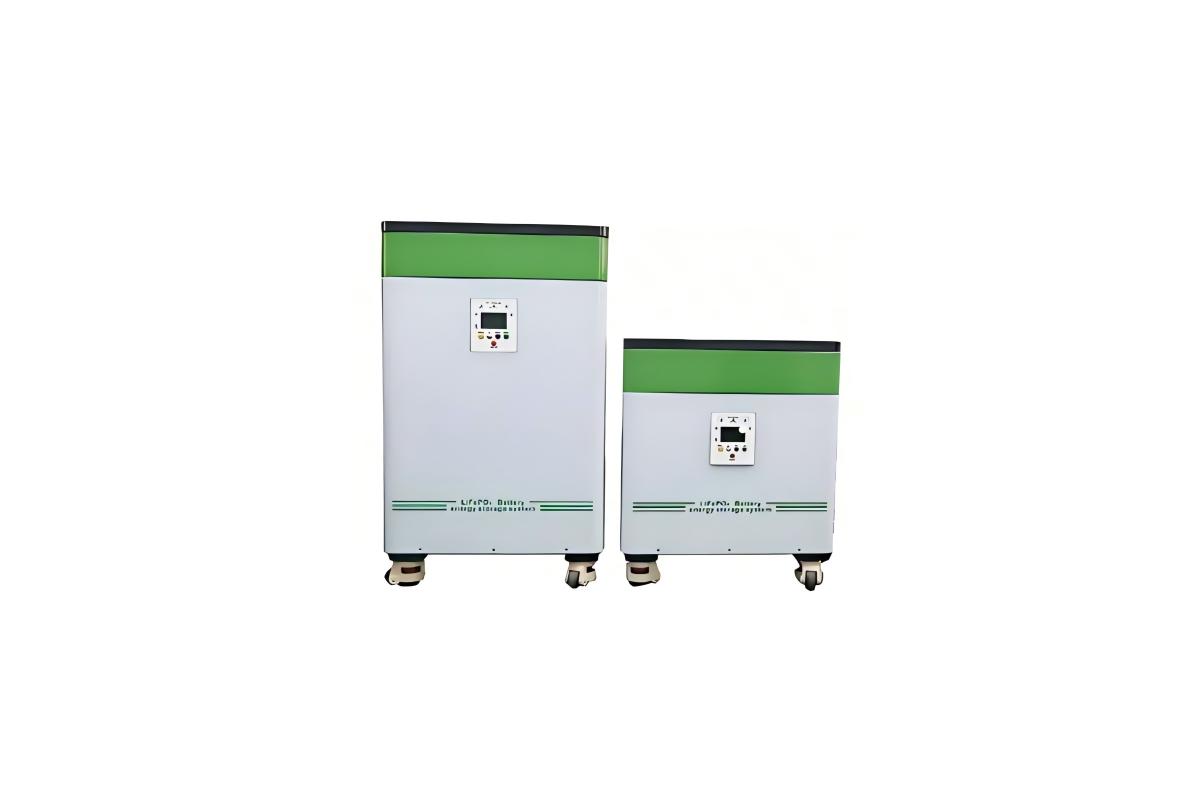
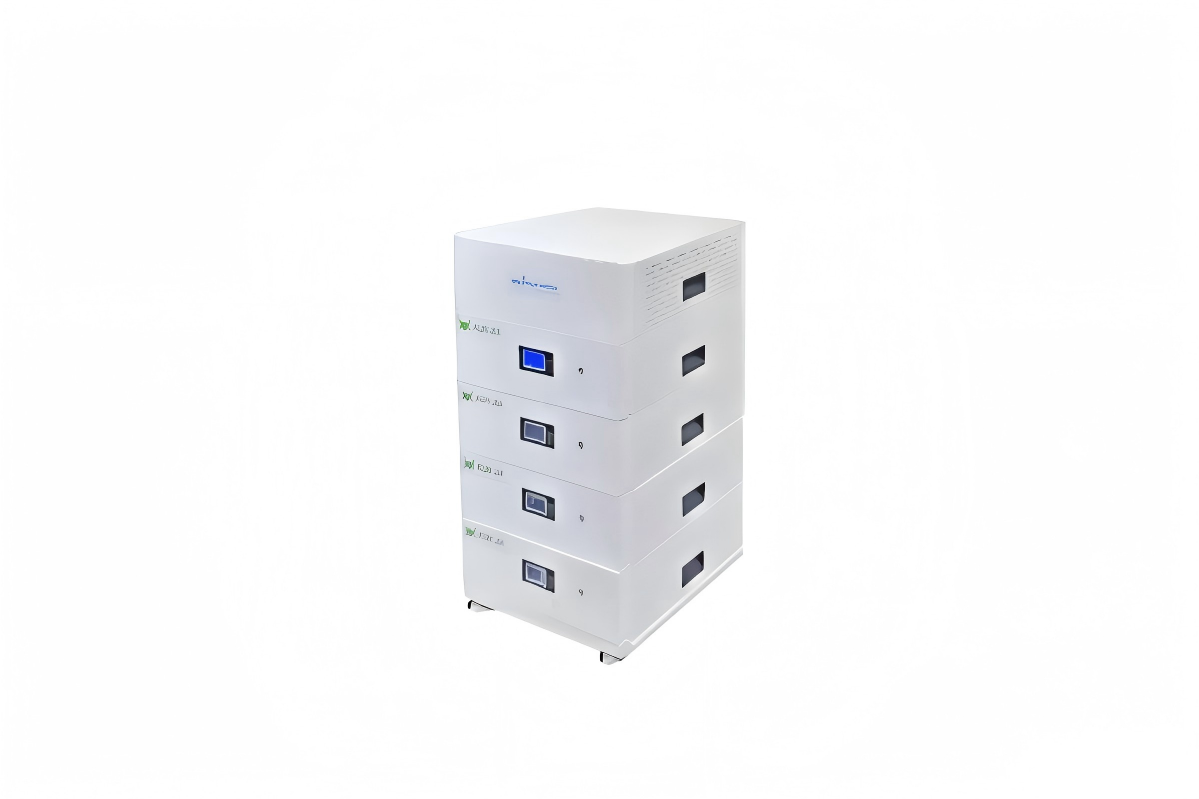
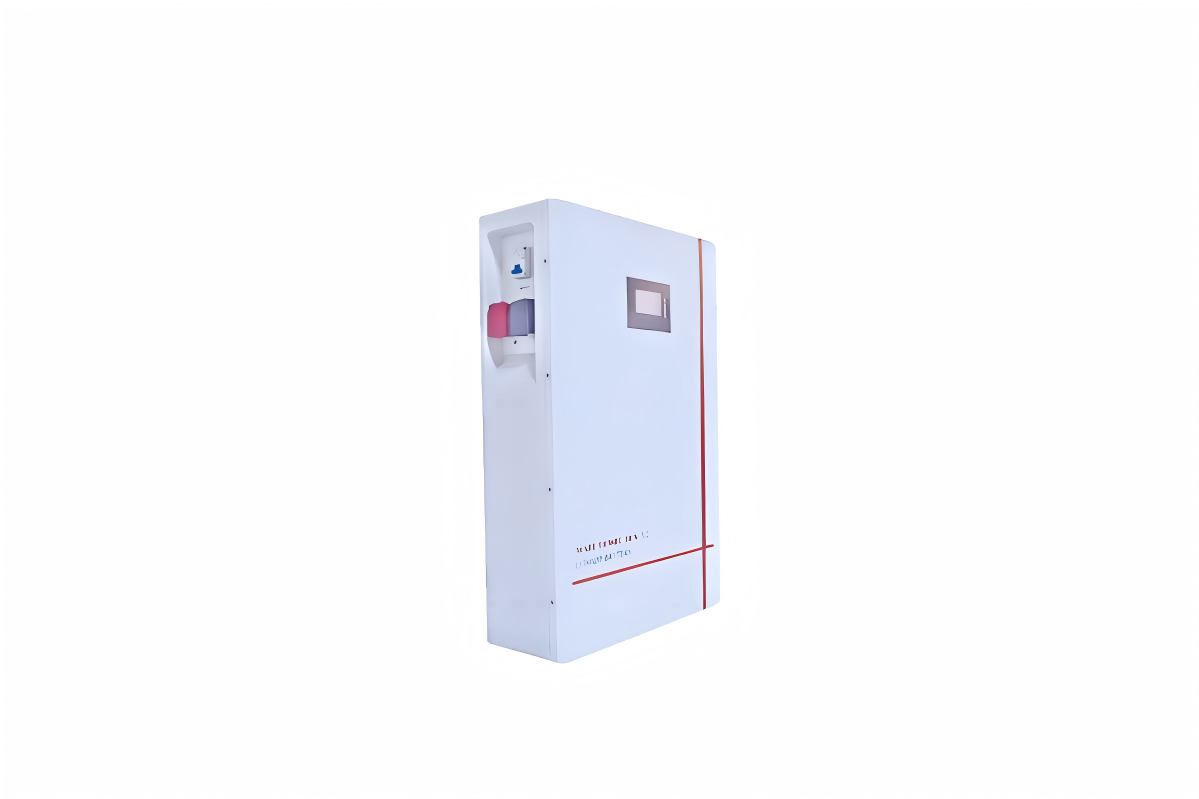
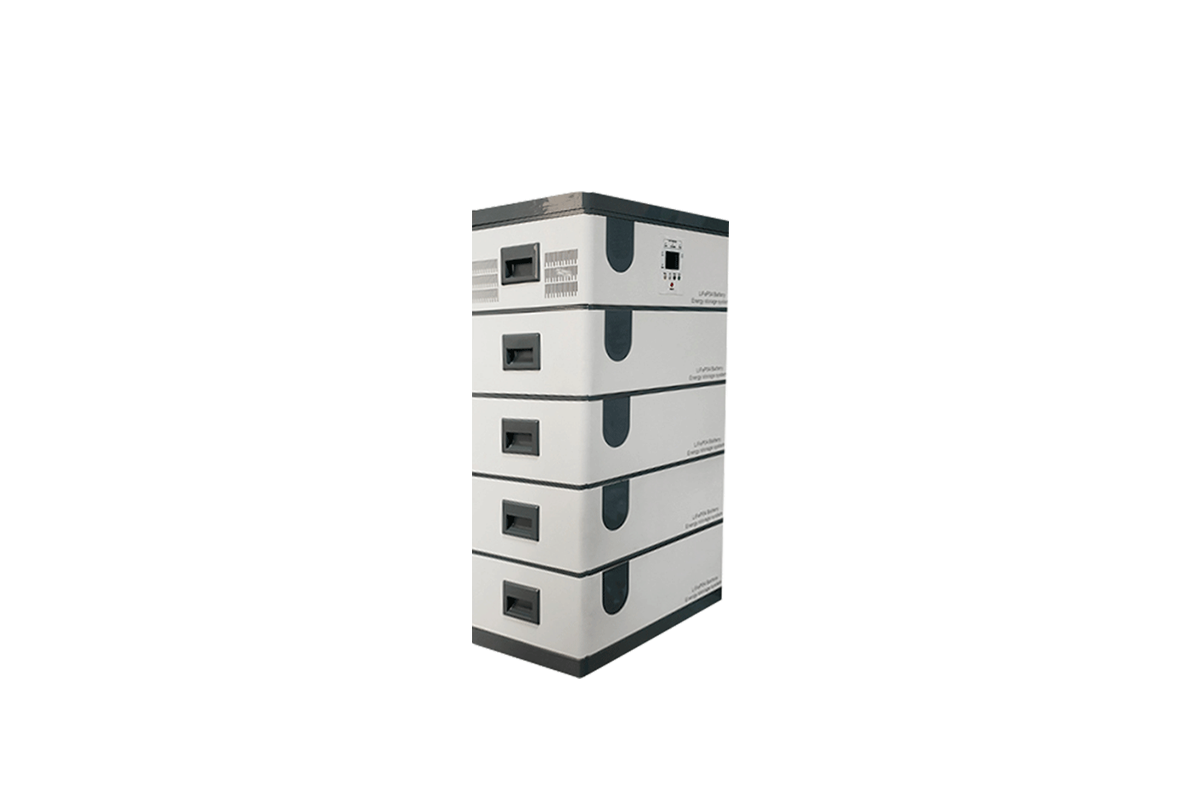
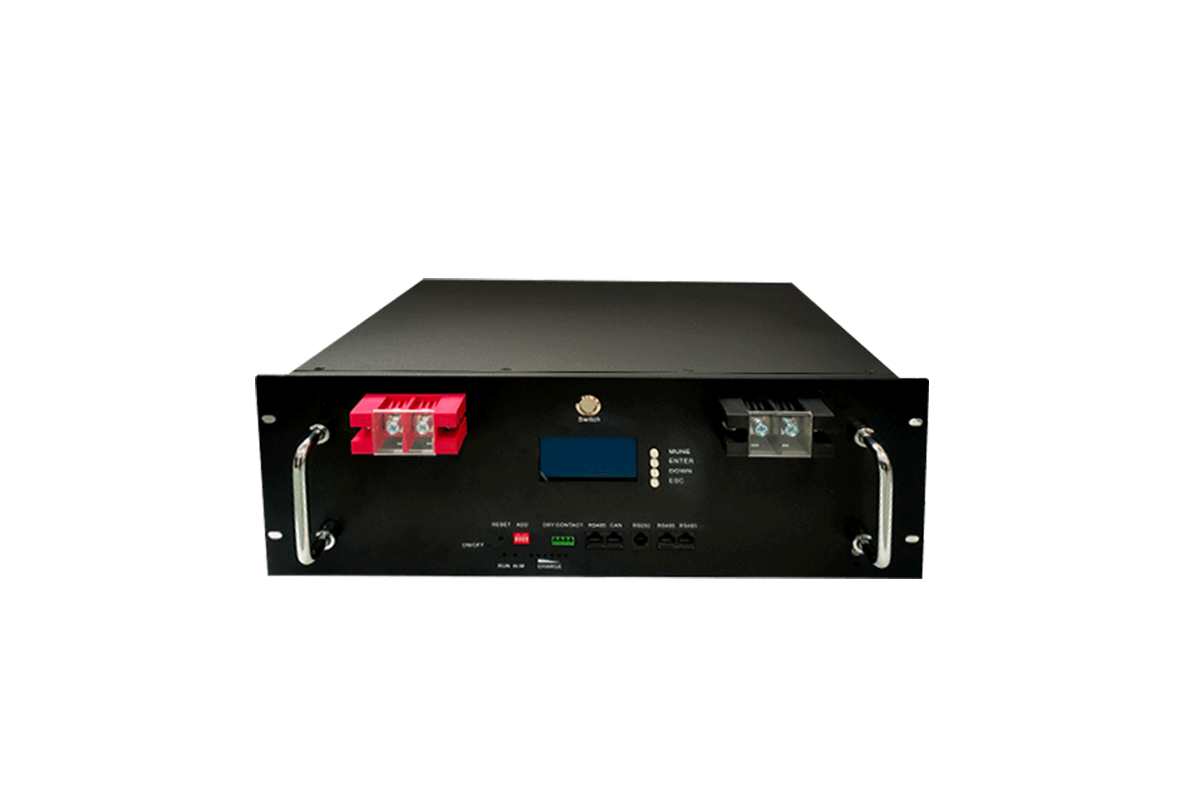
Lithium - ion battery packs designed for wind energy storage play a pivotal role in optimizing the utilization of wind - generated electricity. Wind energy is inherently intermittent, fluctuating with changes in wind speed and direction. These battery packs serve as a buffer, storing excess energy generated during periods of high wind and releasing it when wind power production is low, thereby ensuring a stable and continuous power supply to the grid or end - users.
These battery packs typically feature high - energy density lithium - ion cells, which enable them to store large amounts of energy in a relatively compact space. This is crucial for wind farms, where space may be limited, and efficient energy storage solutions are required. The battery management system (BMS) integrated into these packs is highly sophisticated. It monitors various parameters such as cell voltage, temperature, and state of charge in real - time, ensuring the safe and efficient operation of the batteries. The BMS also balances the charge among individual cells, preventing overcharging or over - discharging, which can significantly extend the lifespan of the battery pack.
In terms of performance, lithium - ion battery packs for wind energy storage offer rapid charge and discharge capabilities. They can quickly absorb the sudden surges of energy generated during strong wind conditions and release it precisely when needed. Additionally, these battery packs are designed to withstand harsh environmental conditions commonly found in wind farms, including extreme temperatures, humidity, and vibrations. Their high - reliability and long cycle life make them a cost - effective solution for wind energy storage, helping to reduce the overall cost of wind power generation and improve the stability of the energy grid.




 59911926@qq.com/sales@goldenfuturehk.com
 13316809242 / 15816897019
 Inquiry
 Home >