





Time:2026-01-14 Views:1
The installation process of sodium - ion batteries for commercial and industrial applications is a complex and systematic procedure that requires careful planning, precise execution, and strict compliance with safety and technical standards. This process is crucial to ensure the reliable operation and long - term performance of the sodium - ion battery energy storage system in commercial and industrial settings.
The first stage of the installation process is pre - installation planning. This involves a detailed site survey to assess the suitability of the installation location. Factors such as available space, electrical infrastructure, and environmental conditions need to be considered. For commercial and industrial sites, ensuring there is sufficient space to accommodate the battery system, power conversion equipment, and associated accessories is essential. The electrical infrastructure, including the capacity of the existing power grid connection and the availability of appropriate electrical protection devices, must also be evaluated. Additionally, environmental factors like temperature, humidity, and potential exposure to dust or corrosive substances are taken into account to determine if any special measures are required for the installation.
Once the site is deemed suitable, the next step is the design and engineering of the sodium - ion battery energy storage system. This includes sizing the battery system based on the specific energy storage requirements of the commercial or industrial application. Factors such as peak power demand, energy storage duration, and the expected daily cycle times are considered to determine the appropriate number of battery modules and their configuration. The design also encompasses the layout of the battery system, power conversion system (PCS), battery management system (BMS), and other components to ensure efficient operation and easy maintenance. Professional engineering services are often required at this stage to ensure the system design meets all relevant technical and safety standards.
After the design is finalized, the procurement of equipment and materials begins. This involves sourcing high - quality sodium - ion battery modules, PCS, BMS, electrical cables, and other necessary components. Ensuring the reliability and compatibility of these components is crucial for the overall performance of the system. Suppliers need to be carefully selected based on their reputation, product quality, and after - sales service. Once the equipment and materials are received, they should be inspected to ensure they meet the specified requirements before installation.
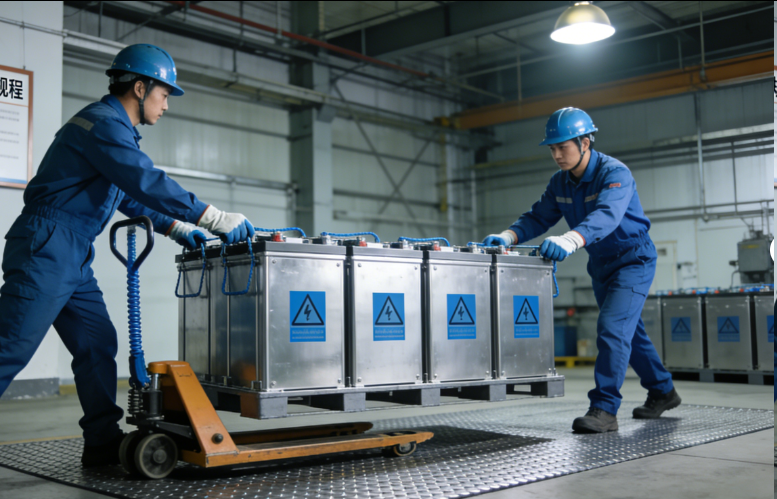
The actual installation process starts with the preparation of the installation site. This may include tasks such as ground leveling, construction of a suitable foundation or platform for the battery system, and installation of electrical enclosures. The battery modules are then carefully installed and connected according to the design. This involves proper electrical wiring, ensuring secure connections between the battery cells and modules, and installing the necessary monitoring and protection devices. The PCS and BMS are also installed and integrated with the battery system. The electrical connections between the battery system, PCS, and the existing electrical grid or load need to be made accurately, following strict electrical installation codes.
After the physical installation is complete, a comprehensive testing and commissioning phase is carried out. This includes electrical testing to check for proper insulation, correct wiring, and functionality of the electrical components. The BMS is calibrated and tested to ensure it can accurately monitor and control the operation of the battery system. The PCS is also tested to verify its power conversion efficiency and control capabilities. Performance testing of the entire sodium - ion battery energy storage system is conducted under different operating conditions to ensure it meets the design requirements. Once all the tests are successfully completed, the system can be officially commissioned and put into operation. Regular maintenance and monitoring plans should also be established to ensure the long - term reliable operation of the sodium - ion battery system in commercial and industrial applications.




 59911926@qq.com/sales@goldenfuturehk.com
 13316809242 / 15816897019
 Inquiry
 Home >