





Time:2026-01-05 Views:1
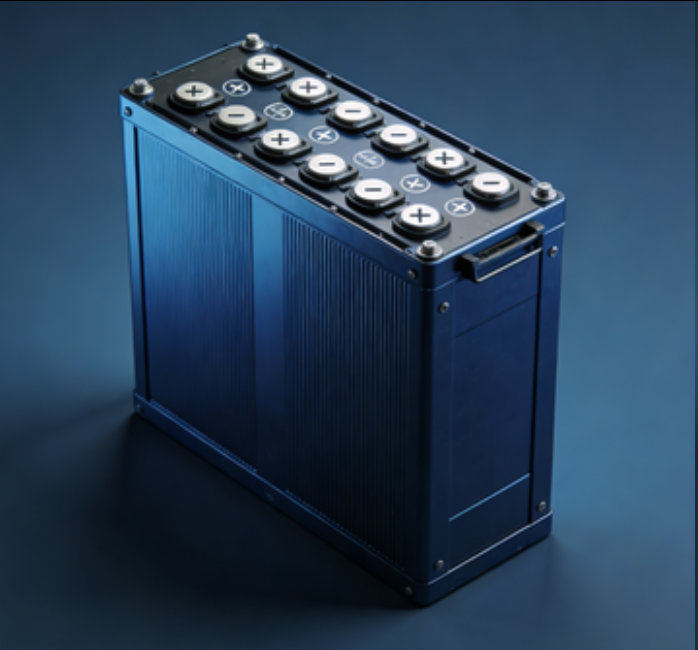
Backup energy storage lithium - ion battery packs vary in size depending on a multitude of factors, primarily the intended application and the required energy storage capacity. For residential backup power needs, typical battery packs usually range from 5 to 15 kilowatt - hours (kWh). These smaller - scale packs are designed to supply essential household loads such as lights, refrigerators, and a few electronics during power outages, ensuring basic comfort and functionality. A 5 - kWh battery pack, for instance, can power a small - to - medium - sized household's critical appliances for several hours, depending on the total power consumption rate.
In commercial and industrial settings, the size of backup lithium - ion battery packs is significantly larger. They often start from 50 kWh and can go up to several megawatt - hours (MWh). Data centers, hospitals, and manufacturing plants rely on these large - capacity battery packs to maintain uninterrupted operations during power failures. A data center, for example, may require a 1 - MWh or larger battery pack to keep its servers, cooling systems, and networking equipment running until backup generators can kick in or the main power supply is restored. This ensures that valuable data is not lost and services remain available to users.
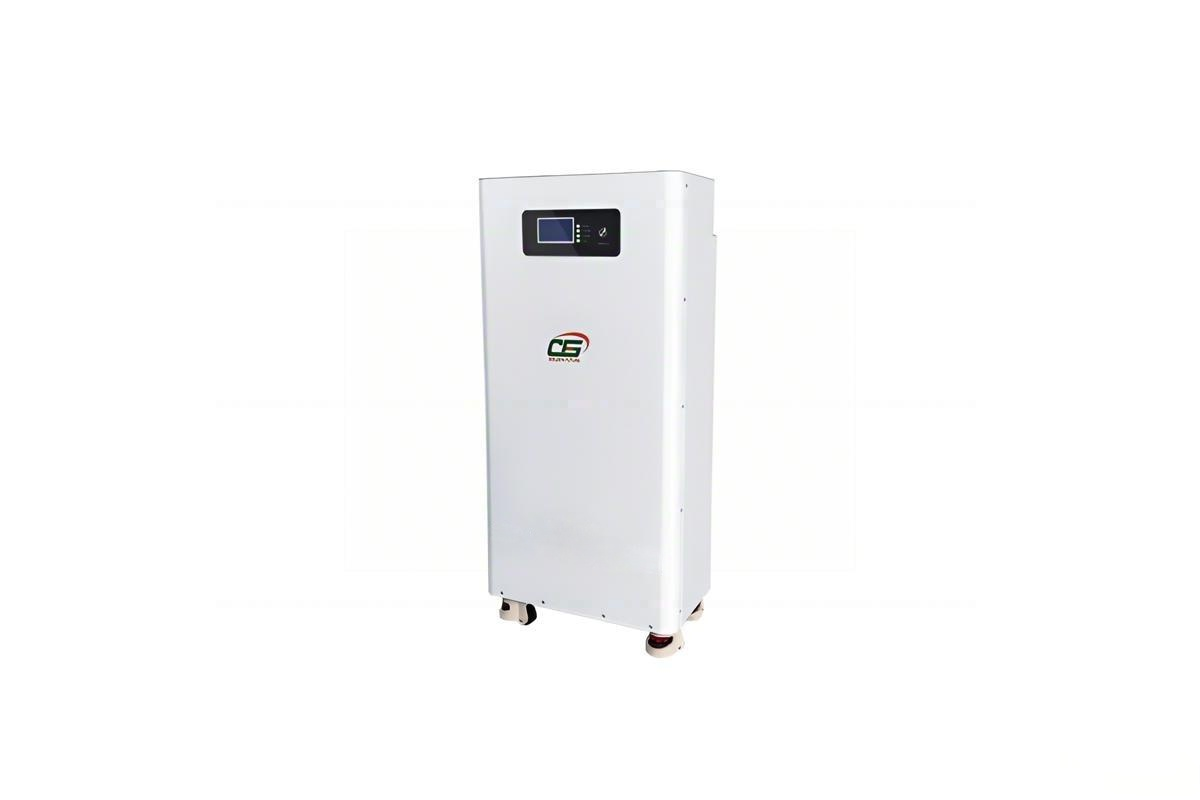
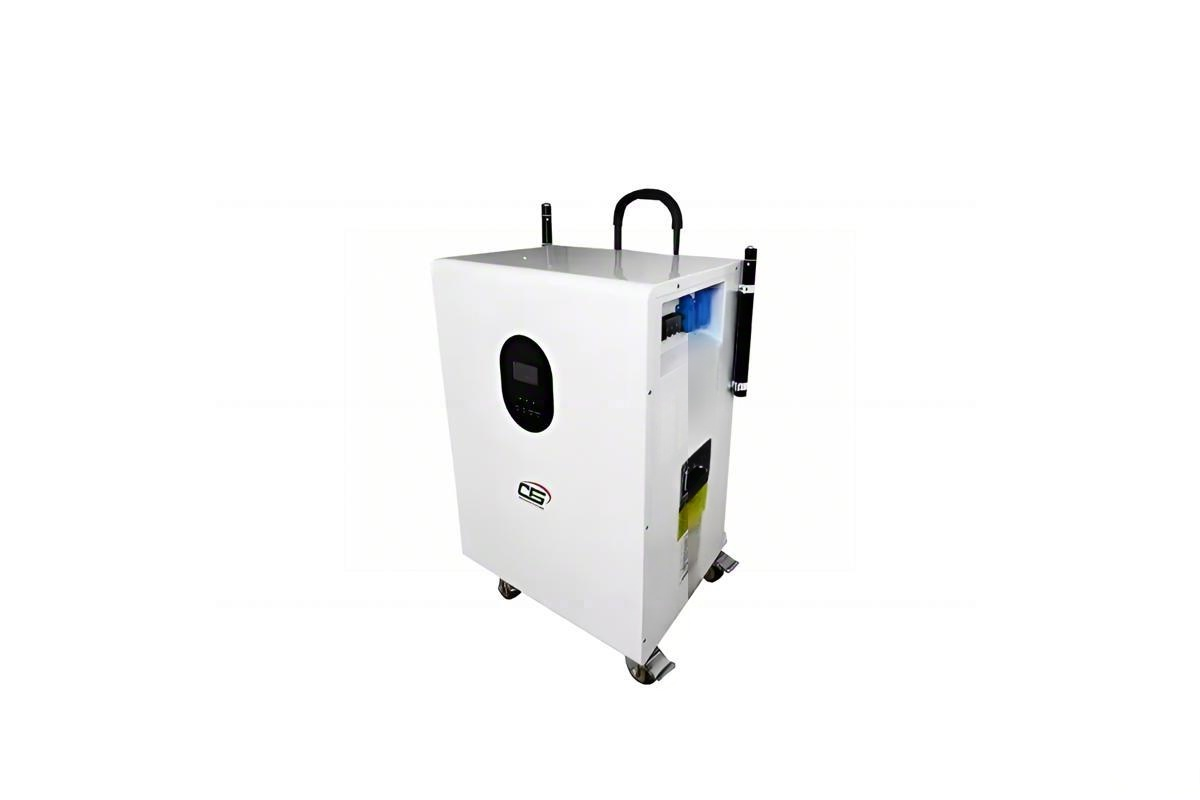
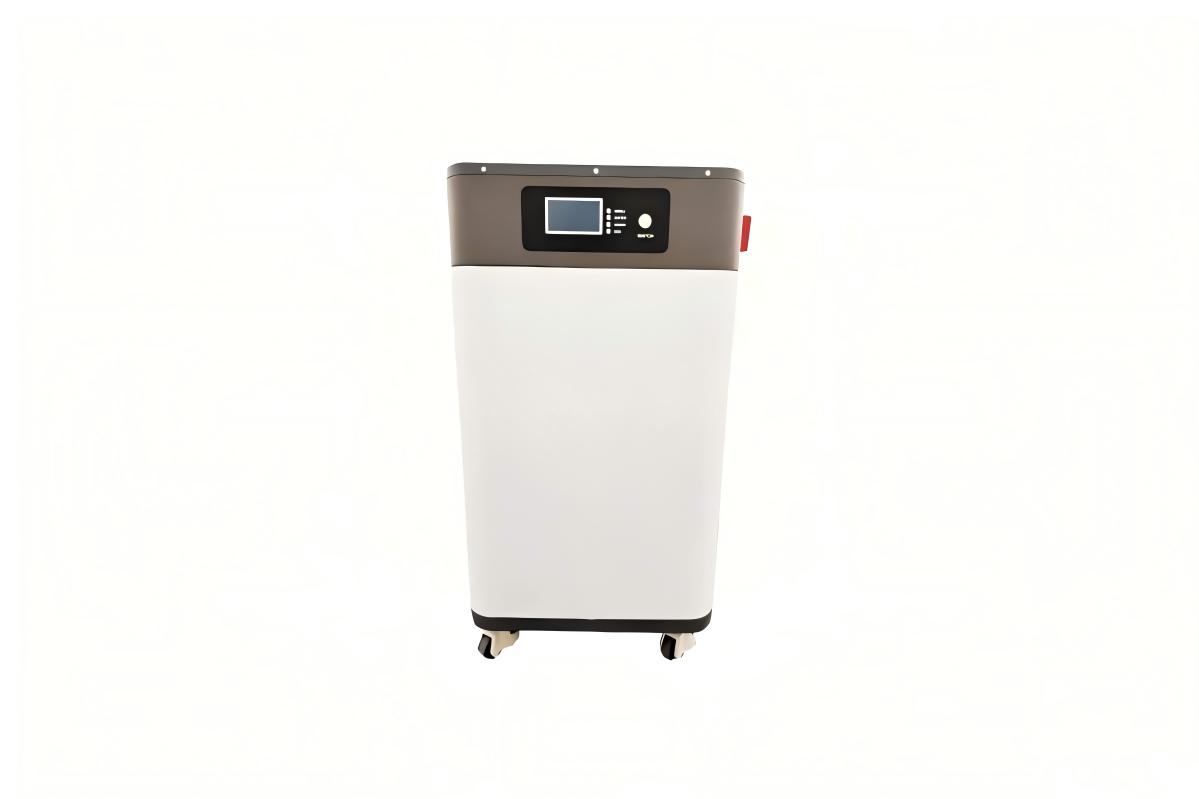
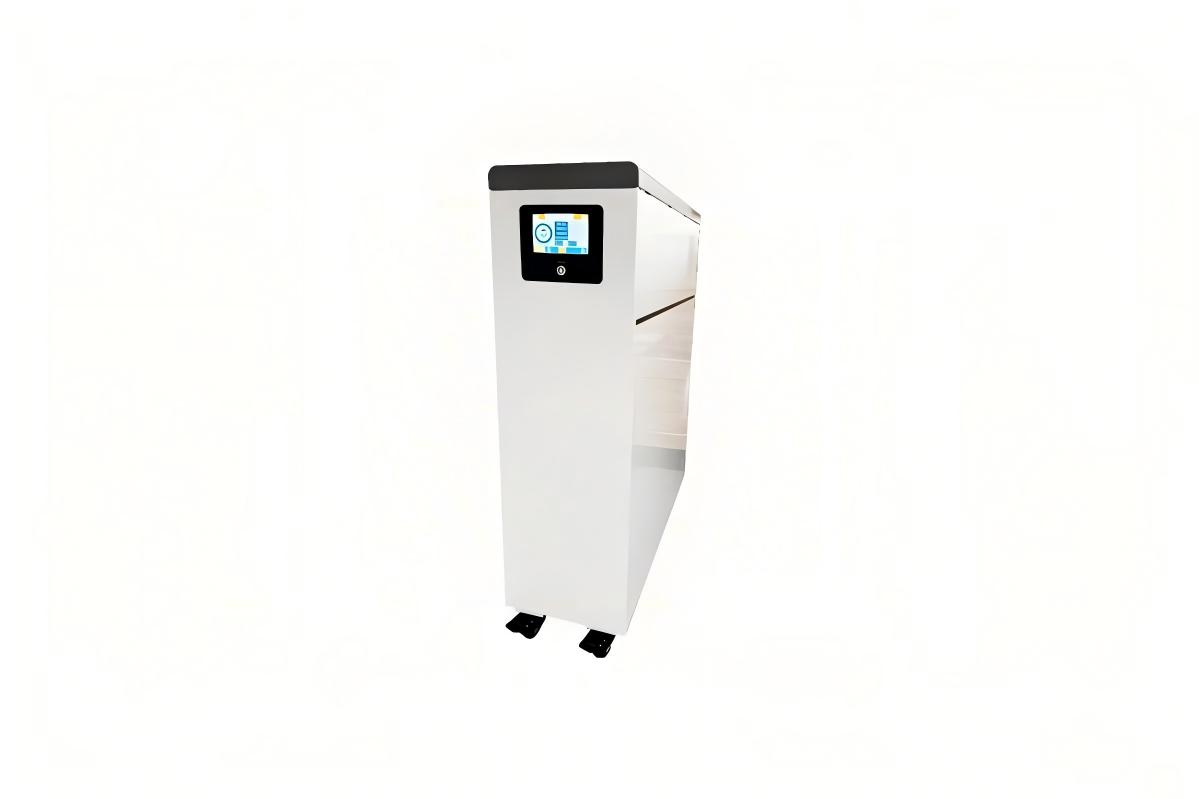
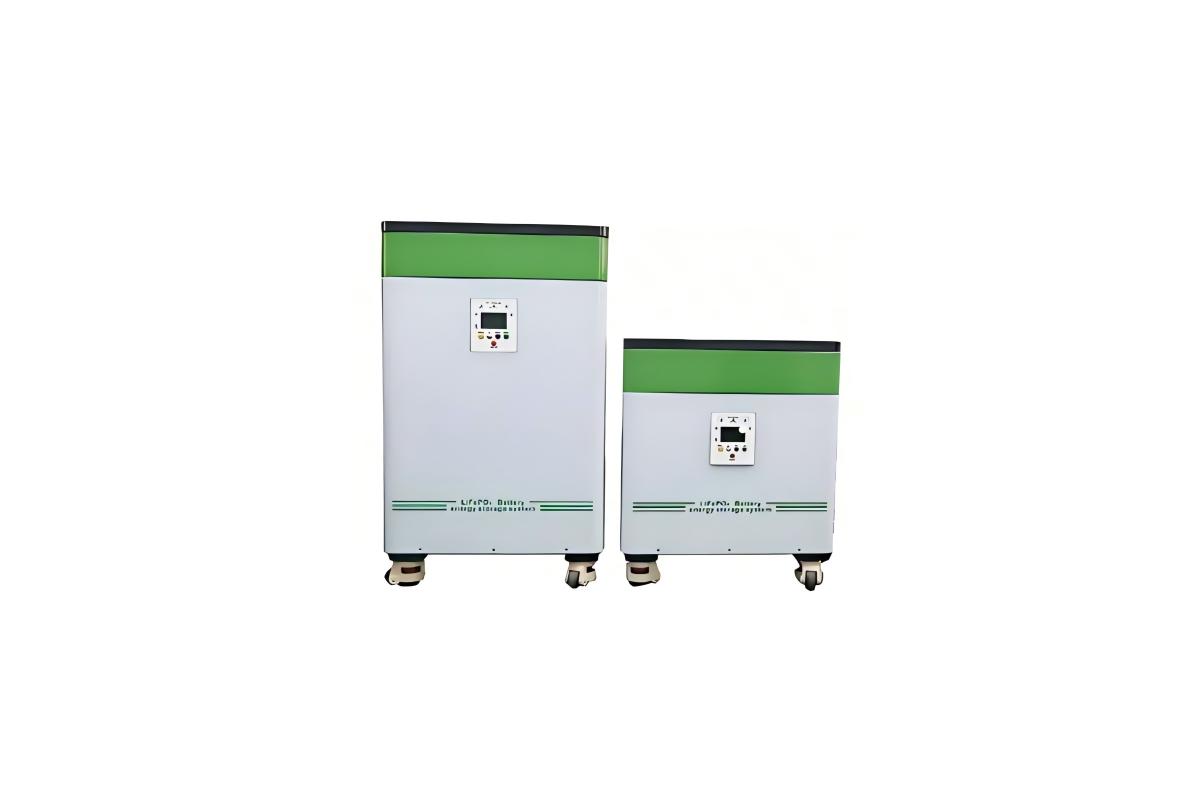
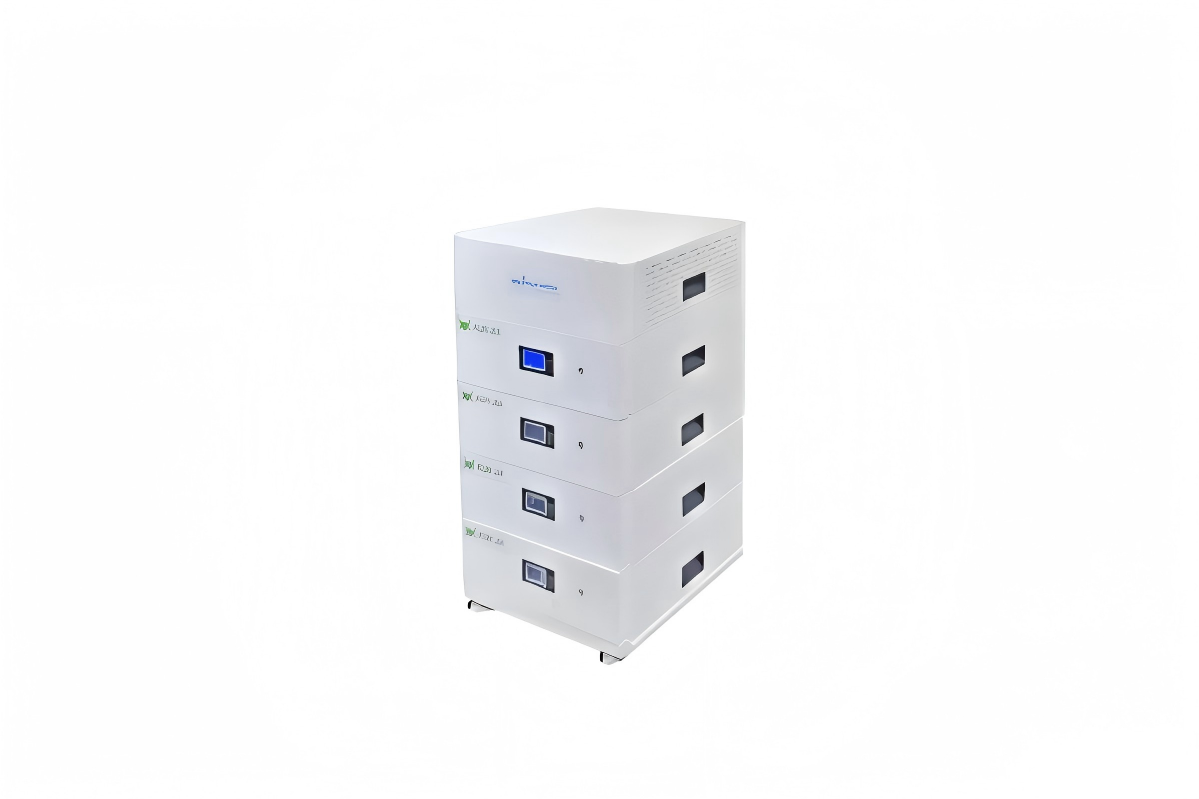
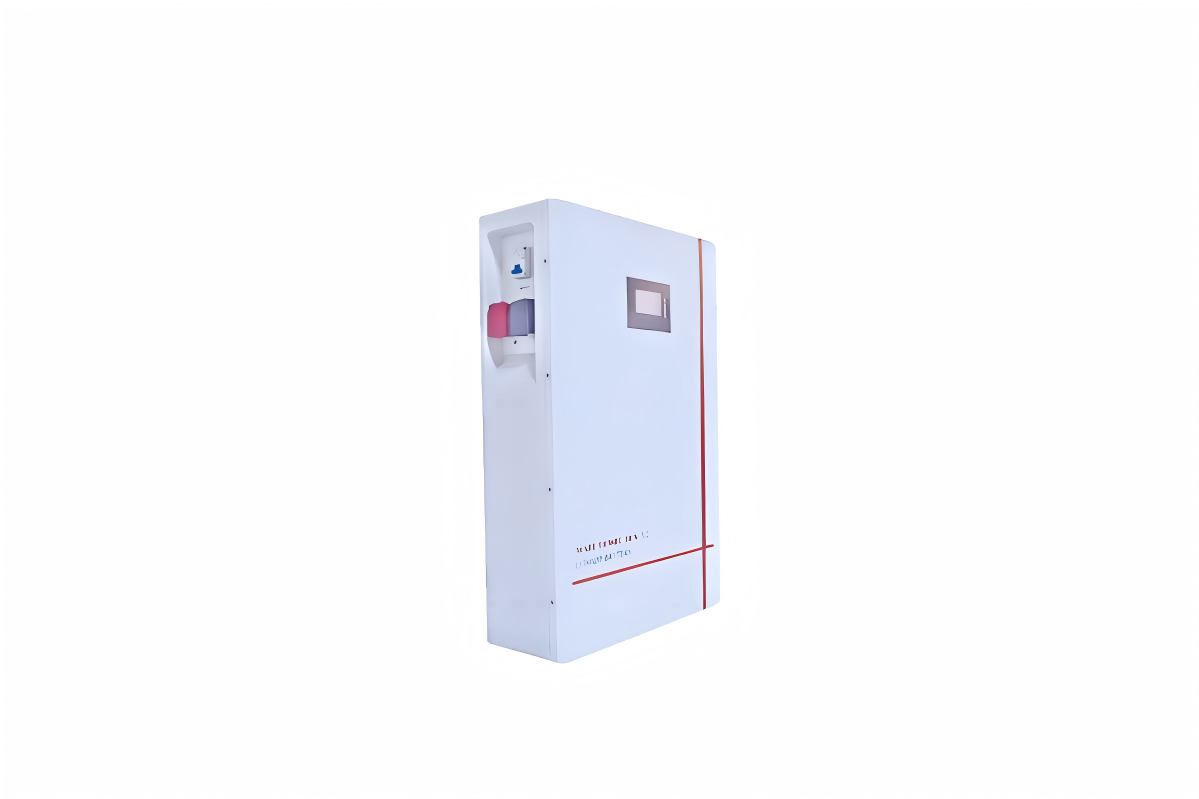
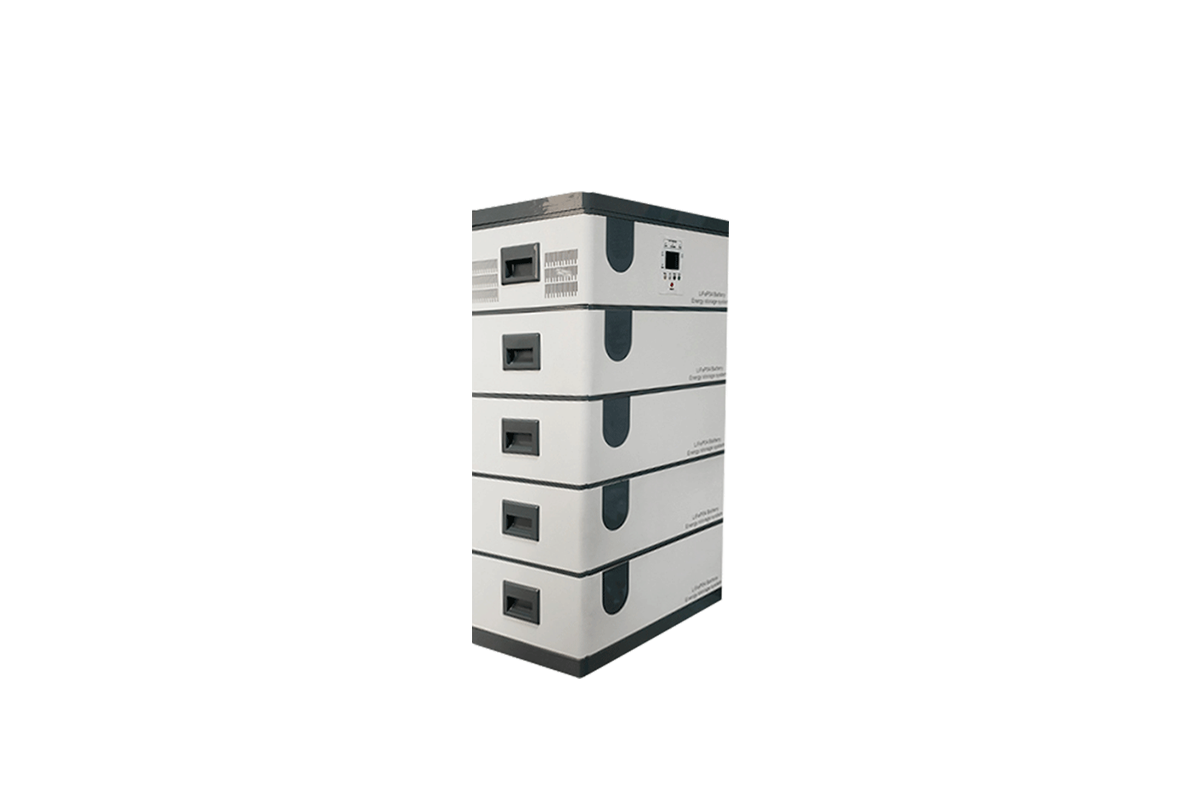
The physical dimensions of these battery packs also differ based on their capacity. Smaller residential packs are designed to be compact and may be integrated into wall - mounted enclosures or floor - standing cabinets, making them easy to install and unobtrusive in a home environment. Larger commercial packs, on the other hand, are typically housed in dedicated battery rooms or outdoor containers. These enclosures are equipped with advanced thermal management systems to maintain optimal operating temperatures, as well as safety features such as fire suppression and gas detection systems.
Another factor influencing the size of backup lithium - ion battery packs is the battery chemistry used. Different chemistries, such as lithium - iron - phosphate (LiFePO4) and lithium - nickel - manganese - cobalt - oxide (NMC), have varying energy densities. Higher - energy - density chemistries allow for more compact battery packs with the same storage capacity. LiFePO4, for example, is popular for backup energy storage due to its long cycle life, high safety, and relatively high energy density, enabling the creation of smaller yet reliable battery packs for various backup power applications.




 59911926@qq.com/sales@goldenfuturehk.com
 13316809242 / 15816897019
 Inquiry
 Home >