





Time:2026-06-13 Views:40
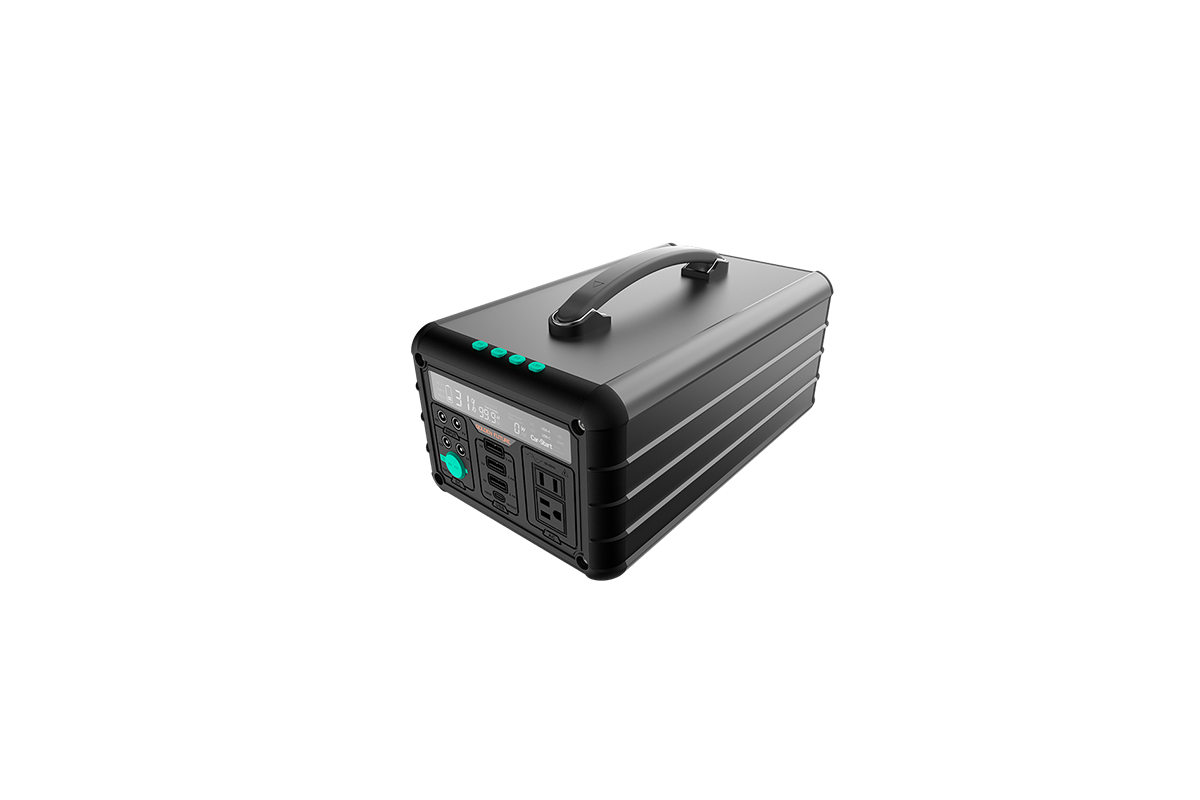
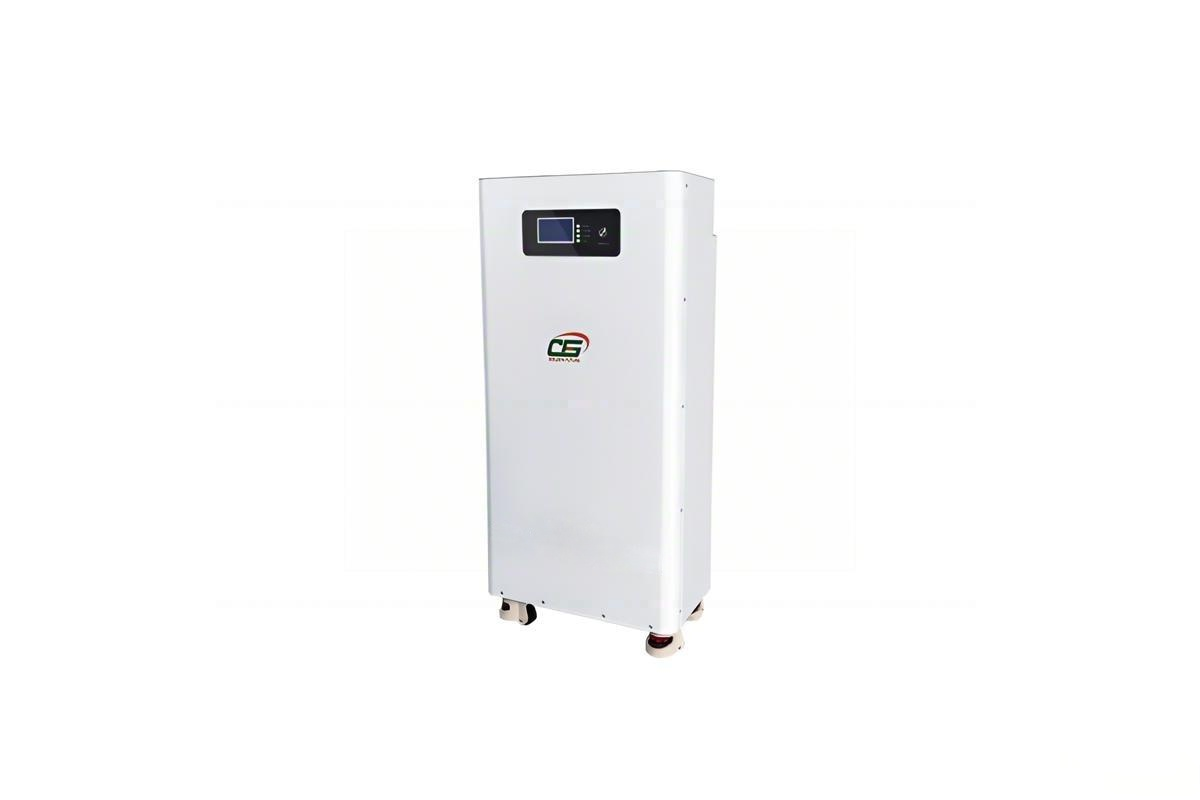
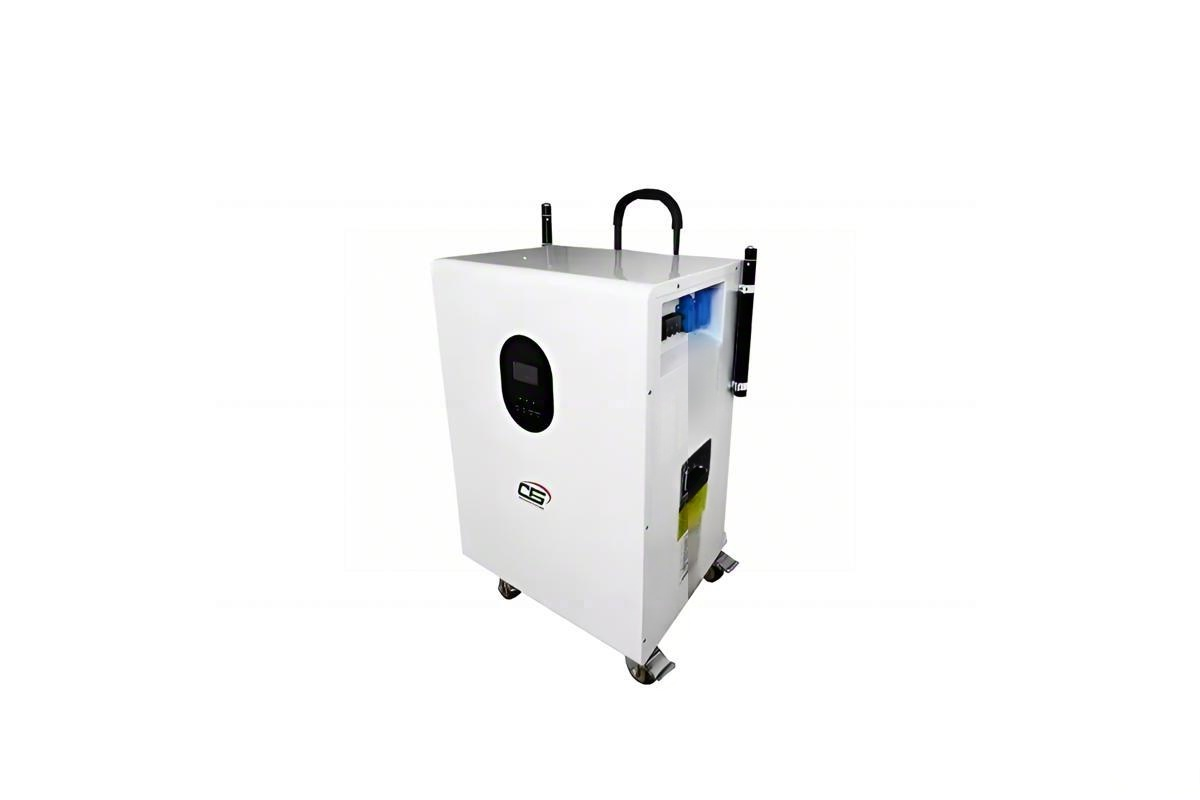
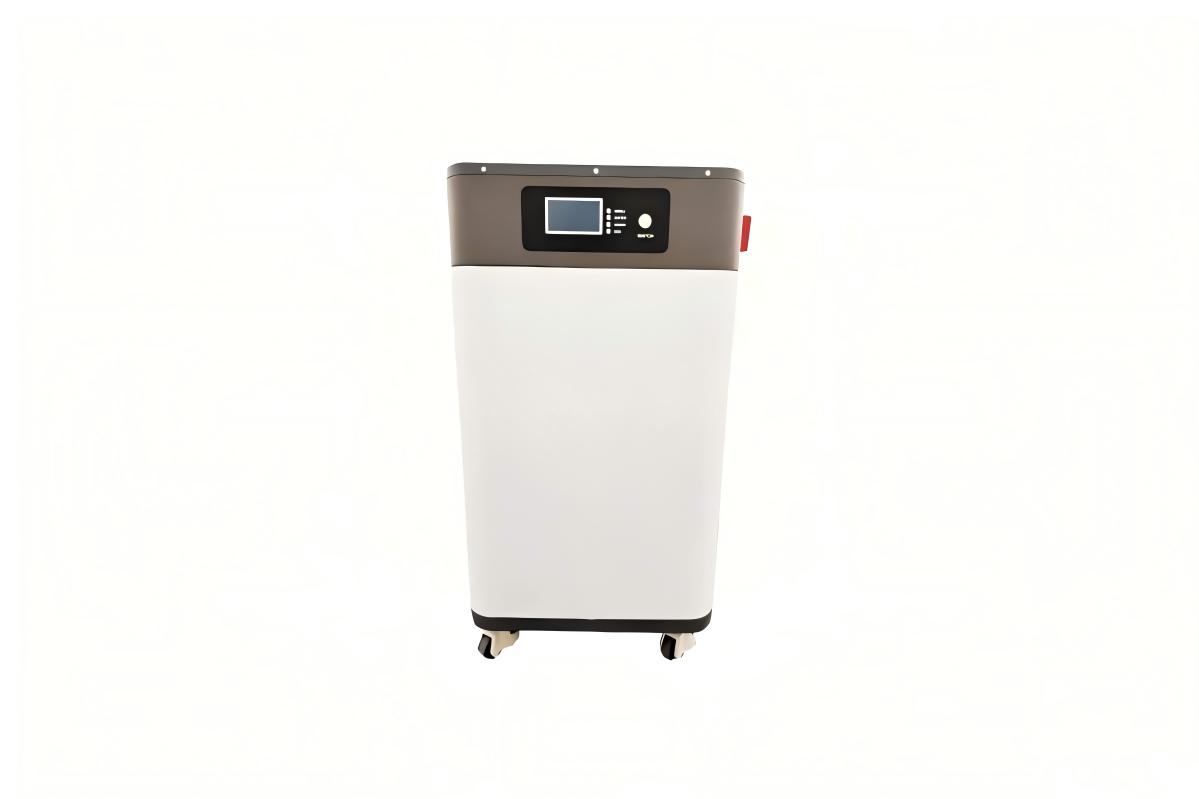
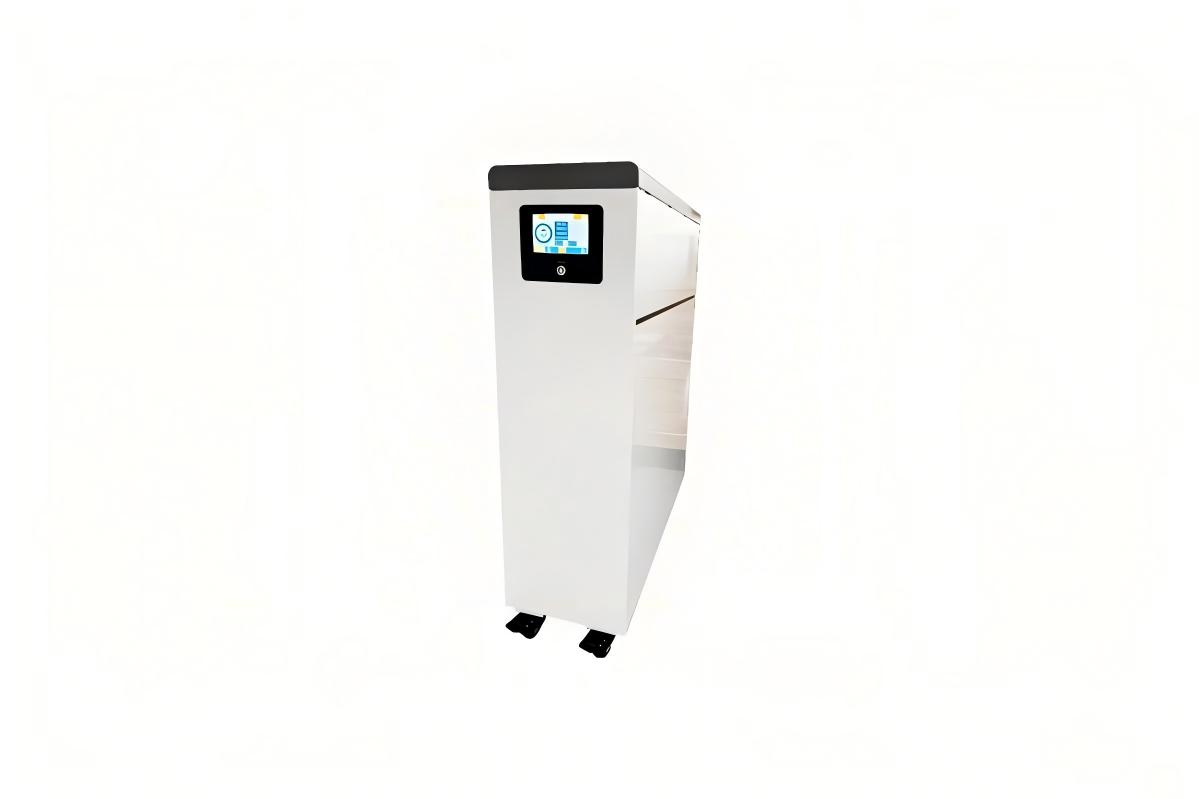
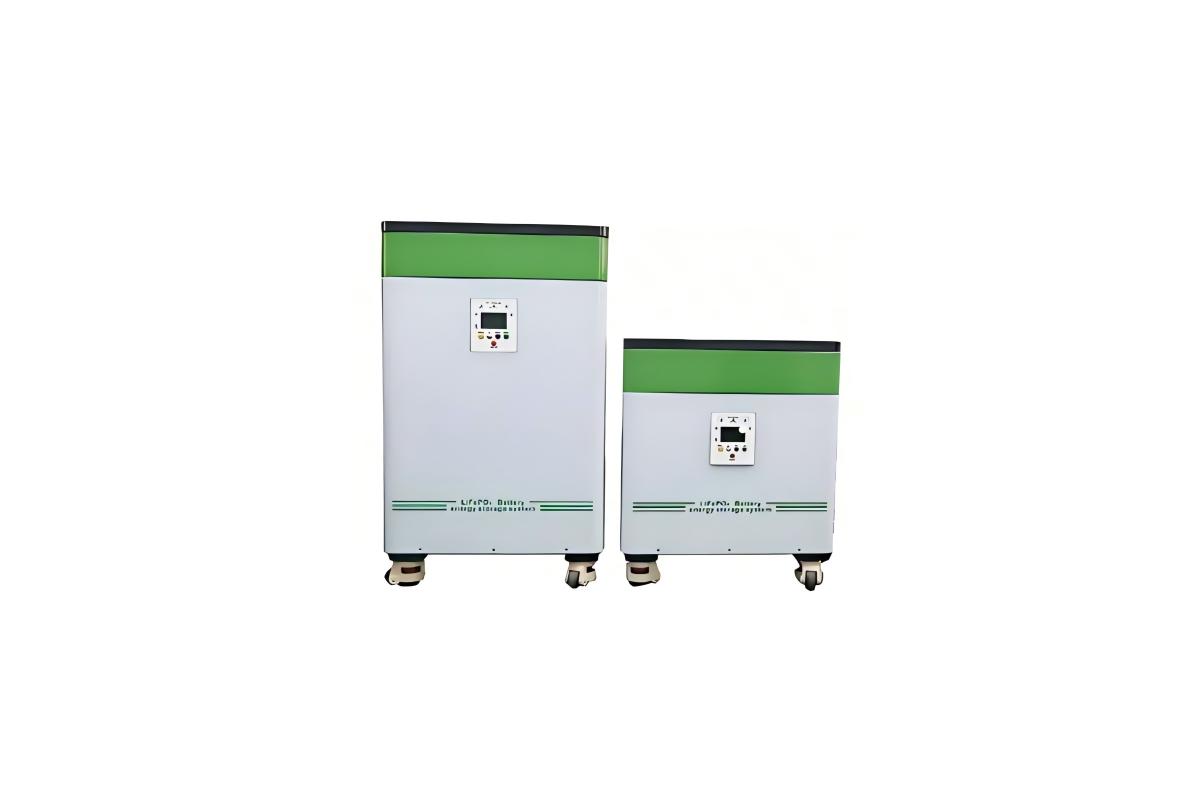
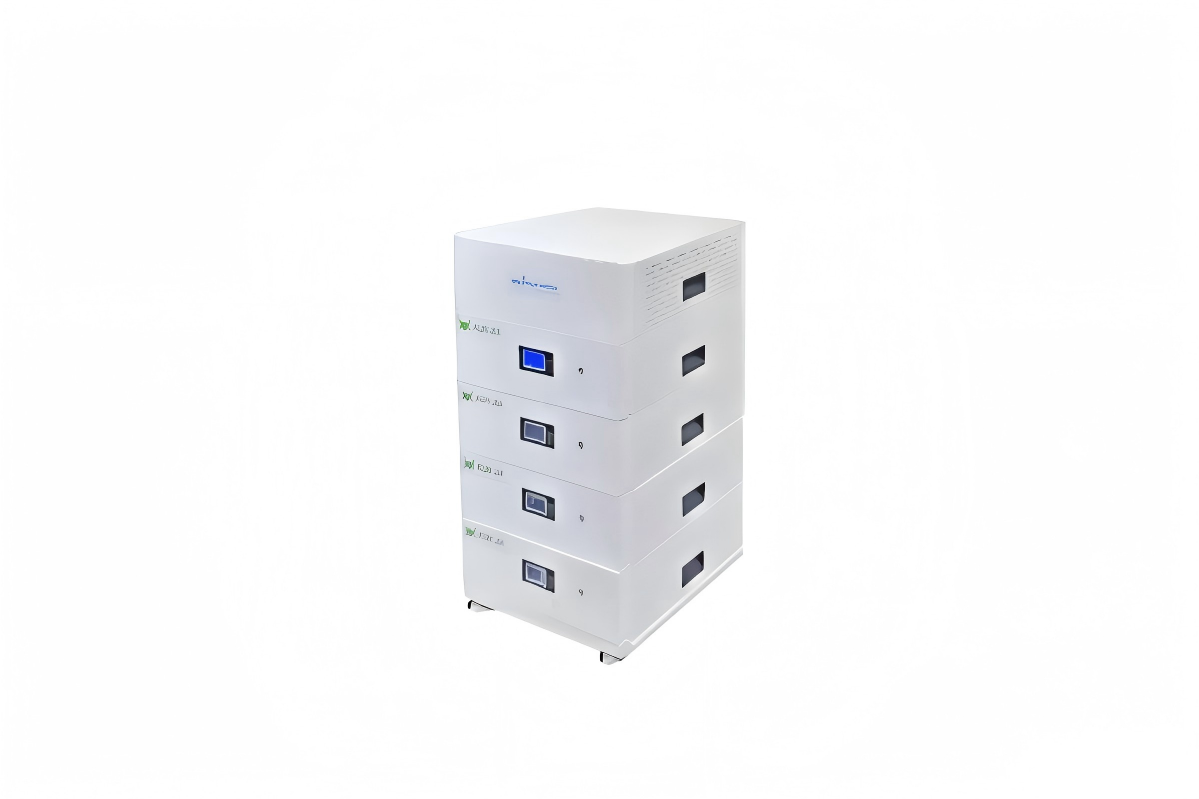
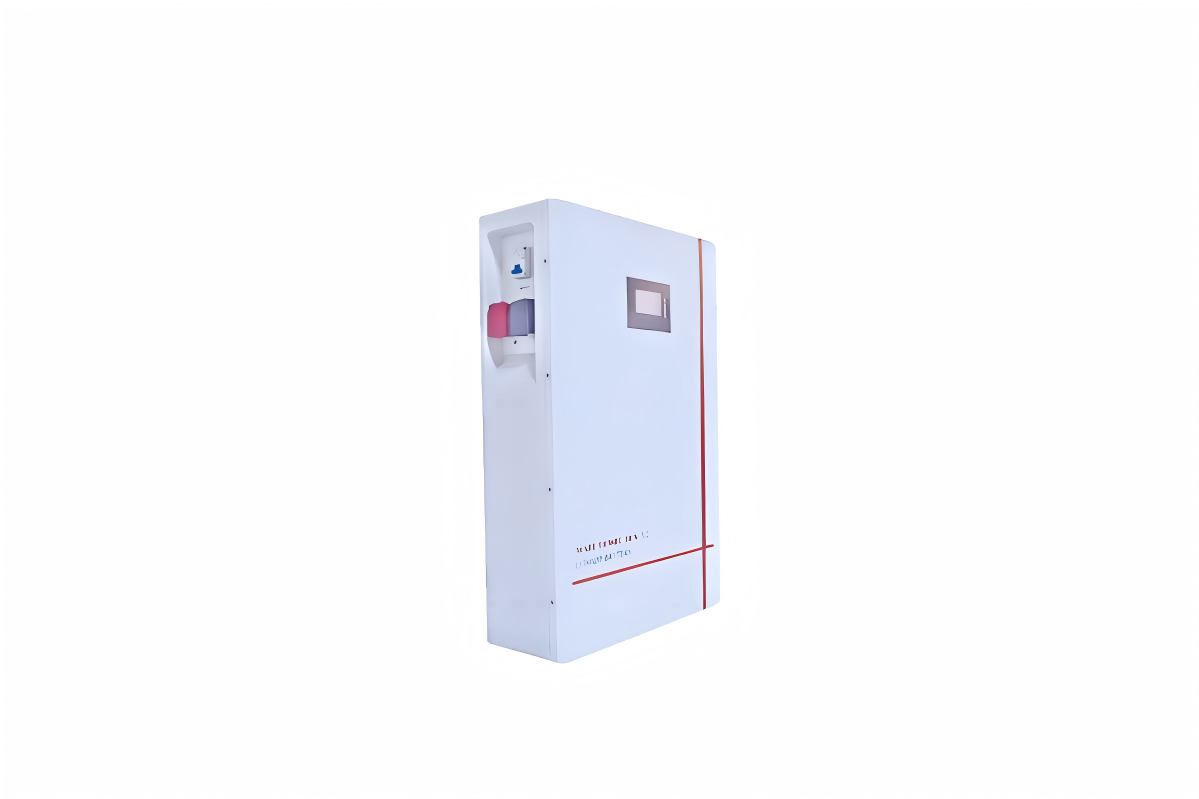
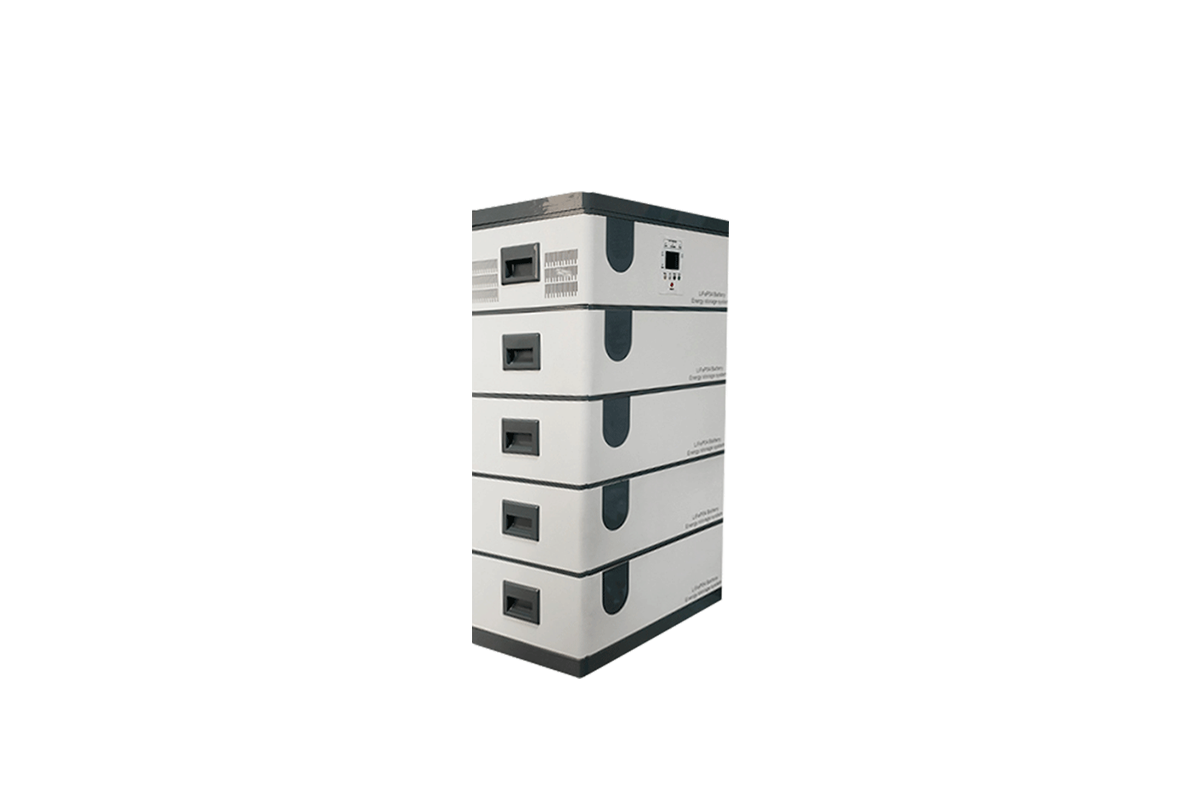
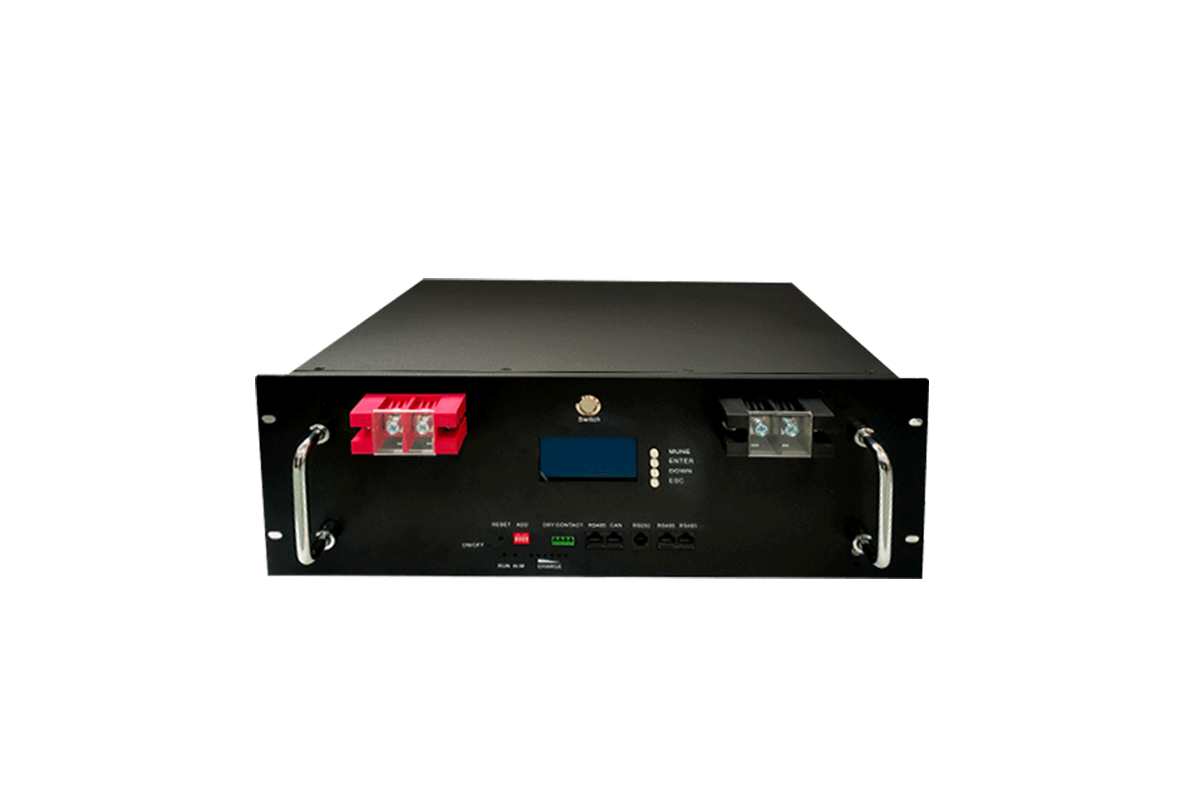
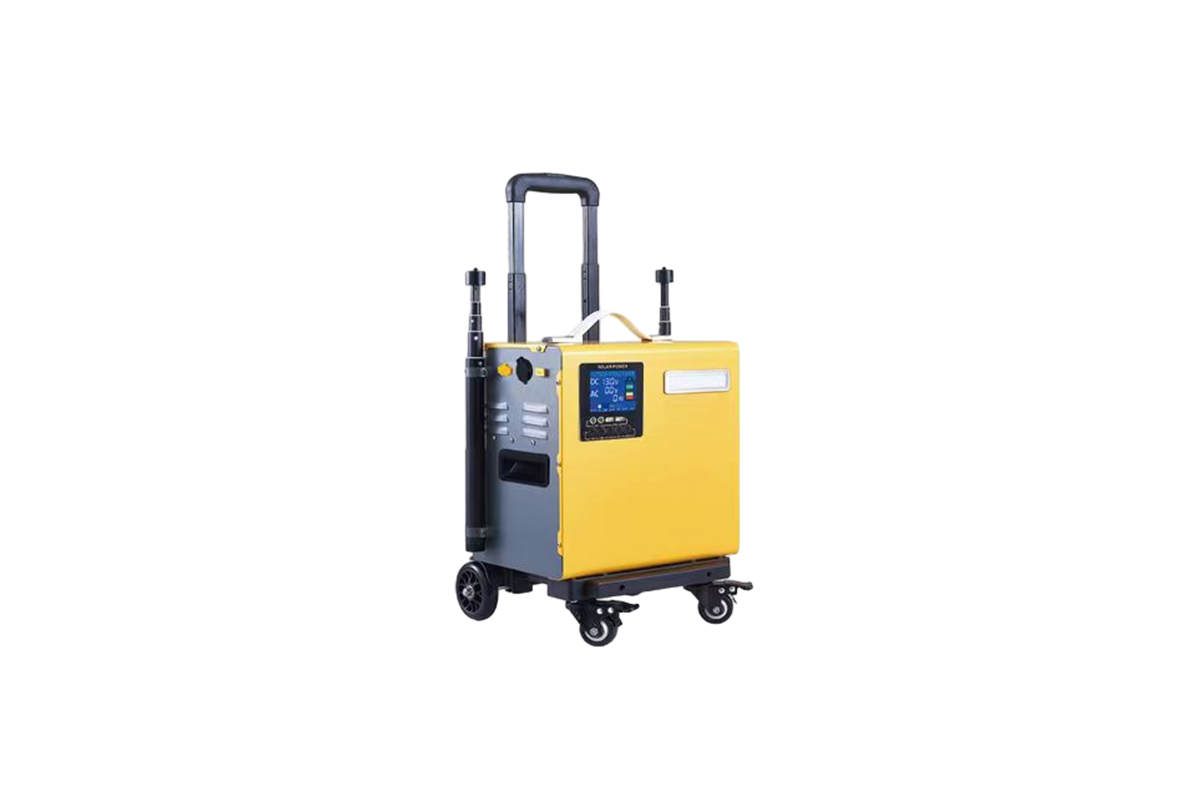
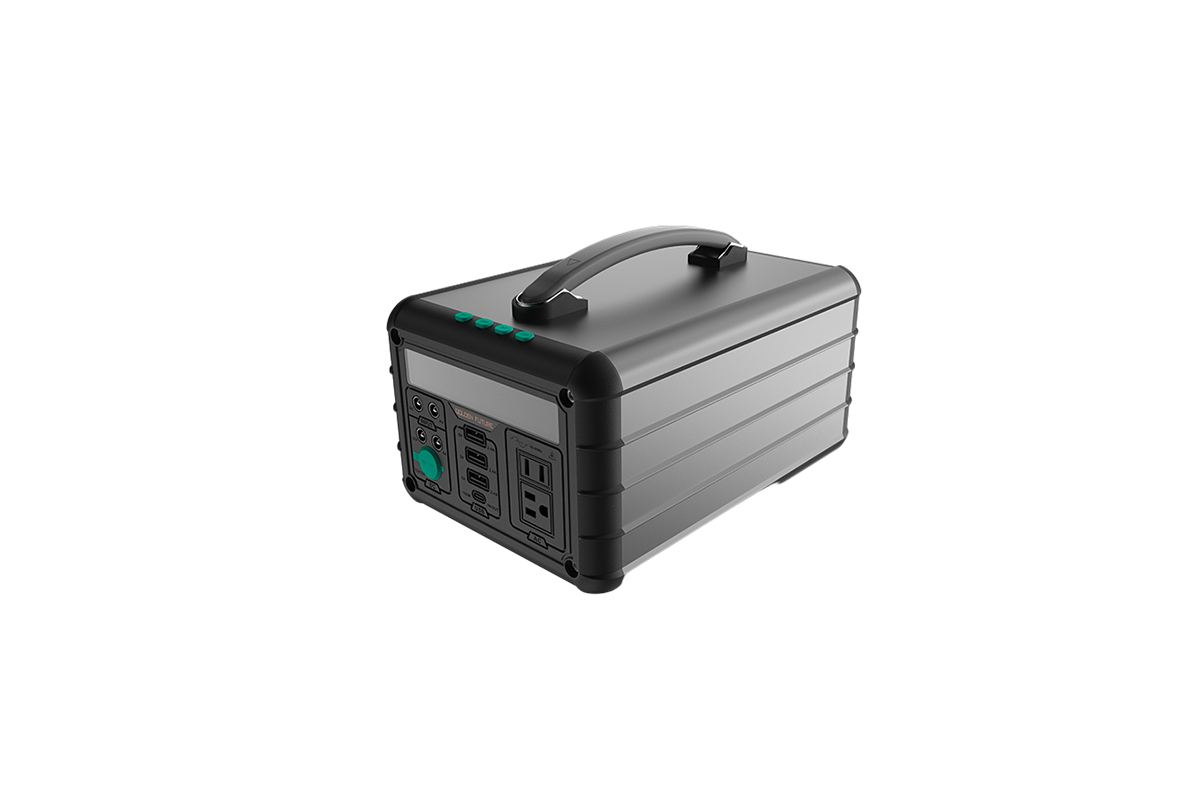
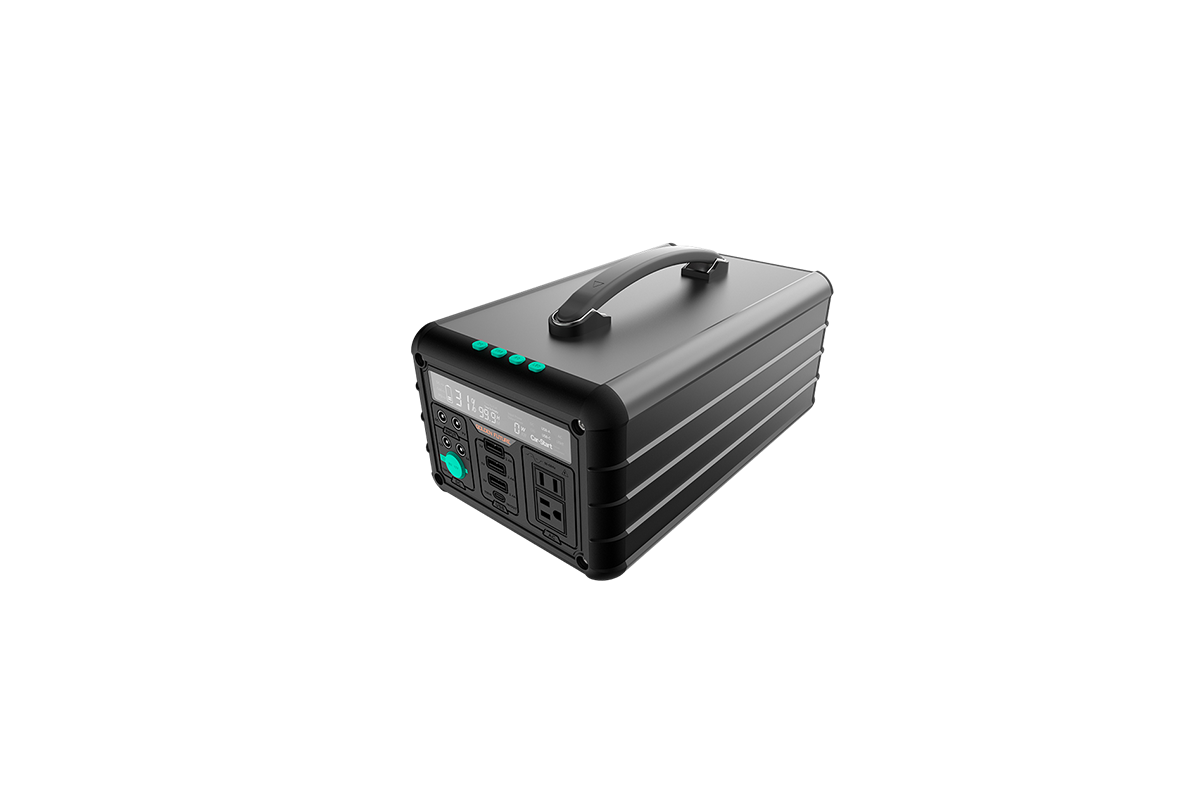
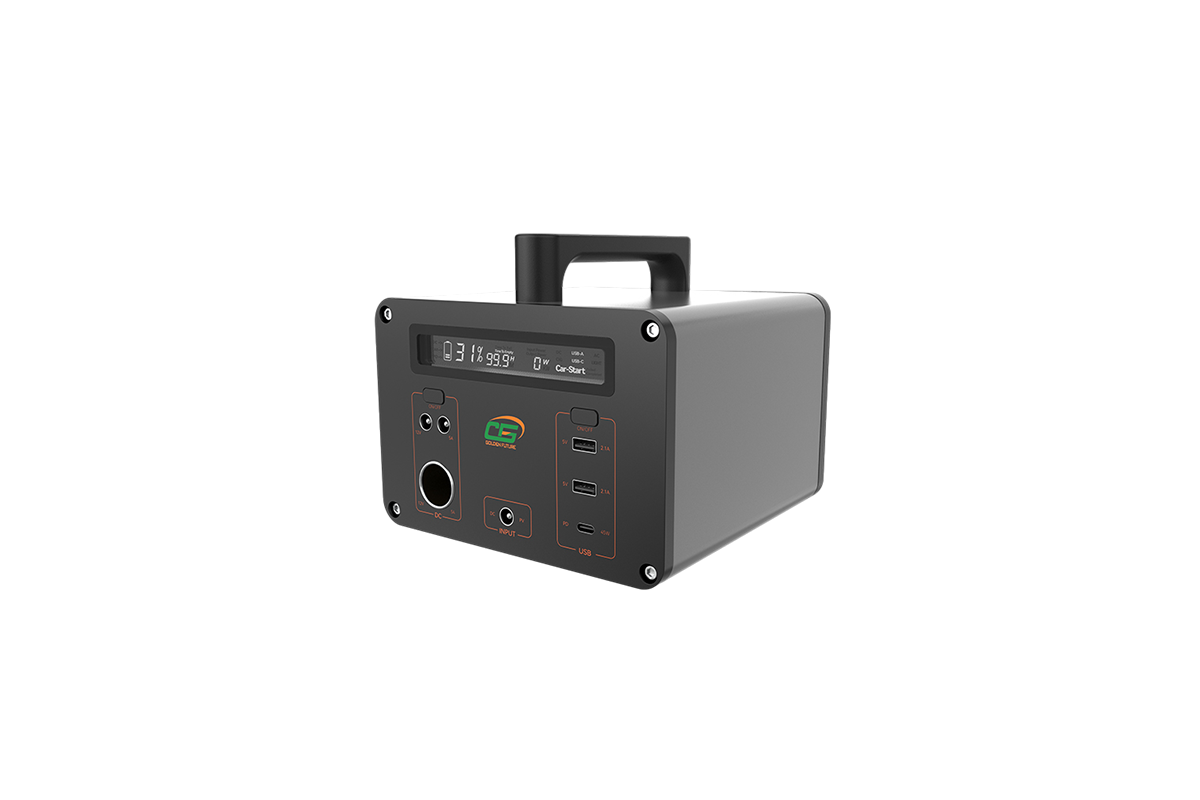
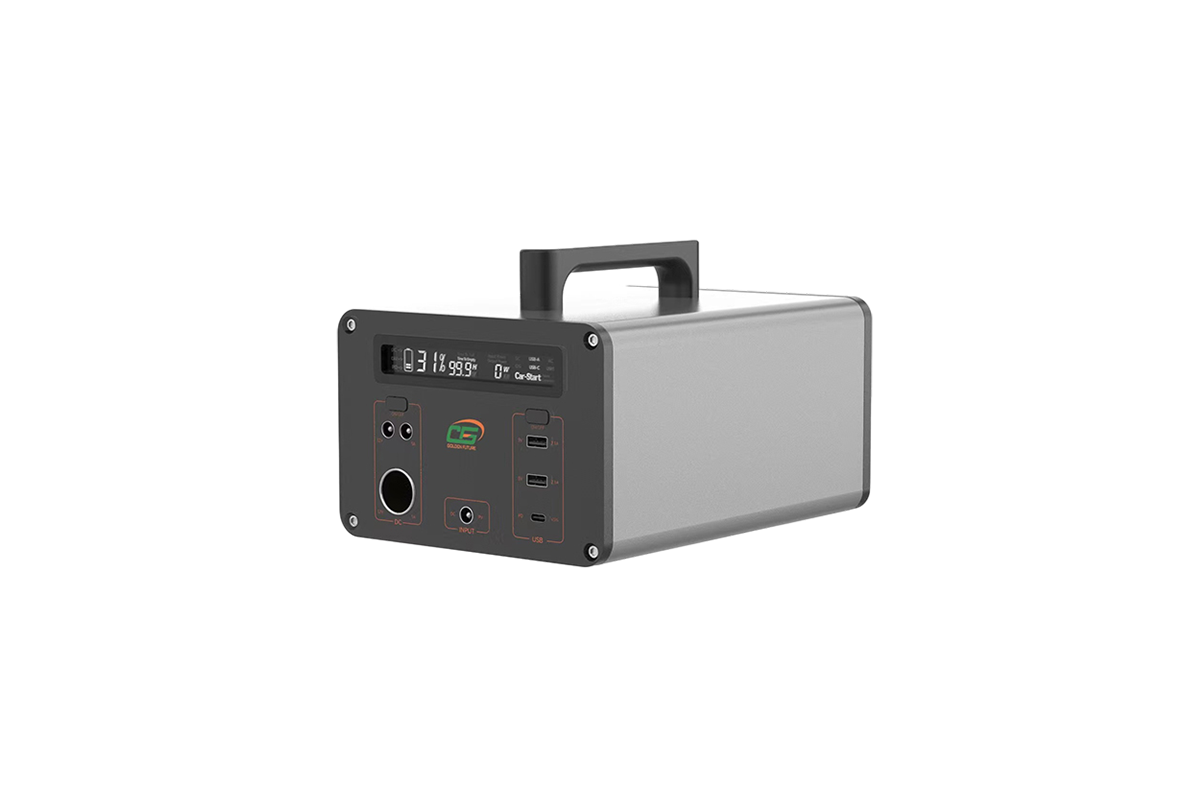
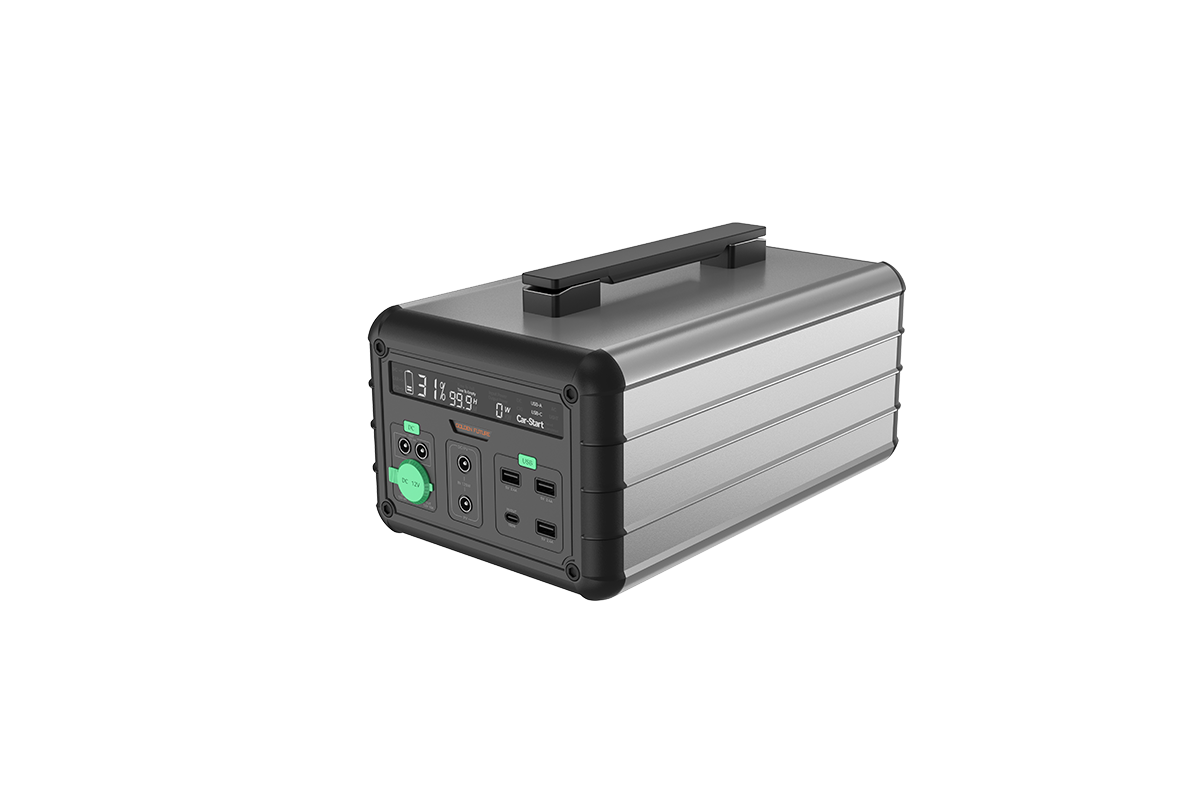
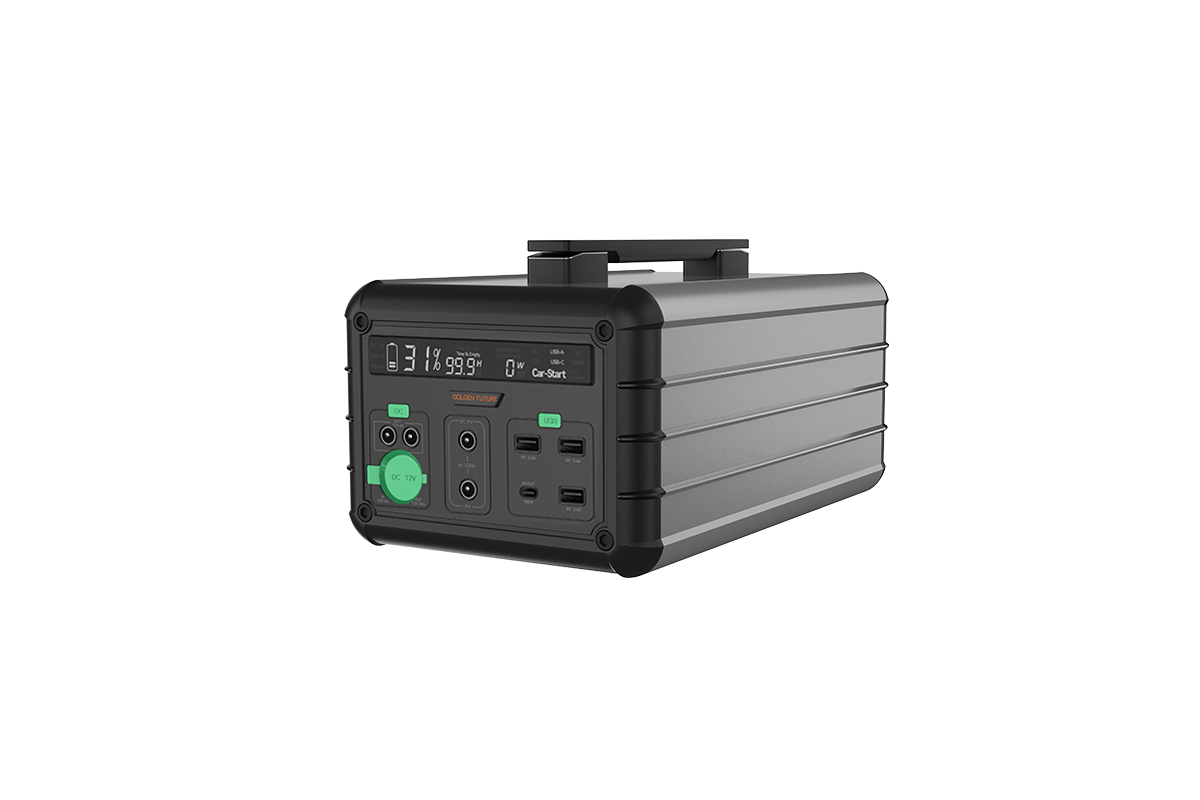
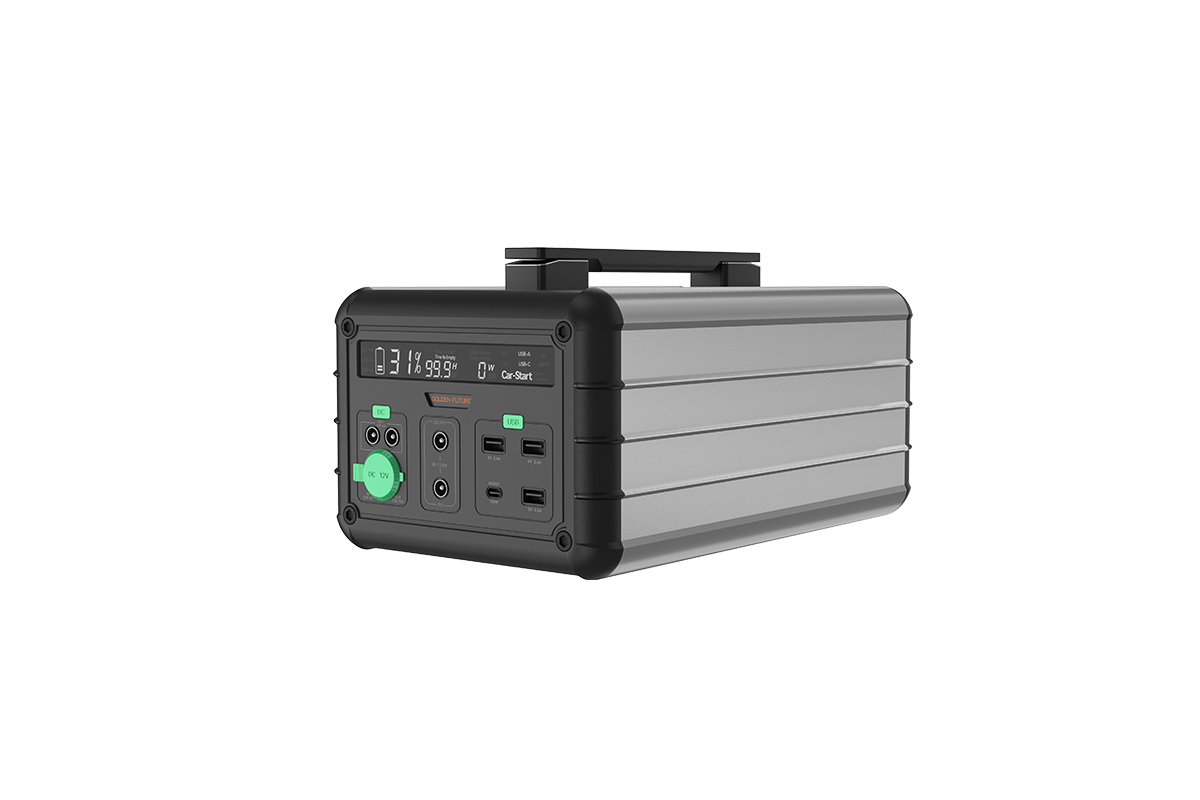
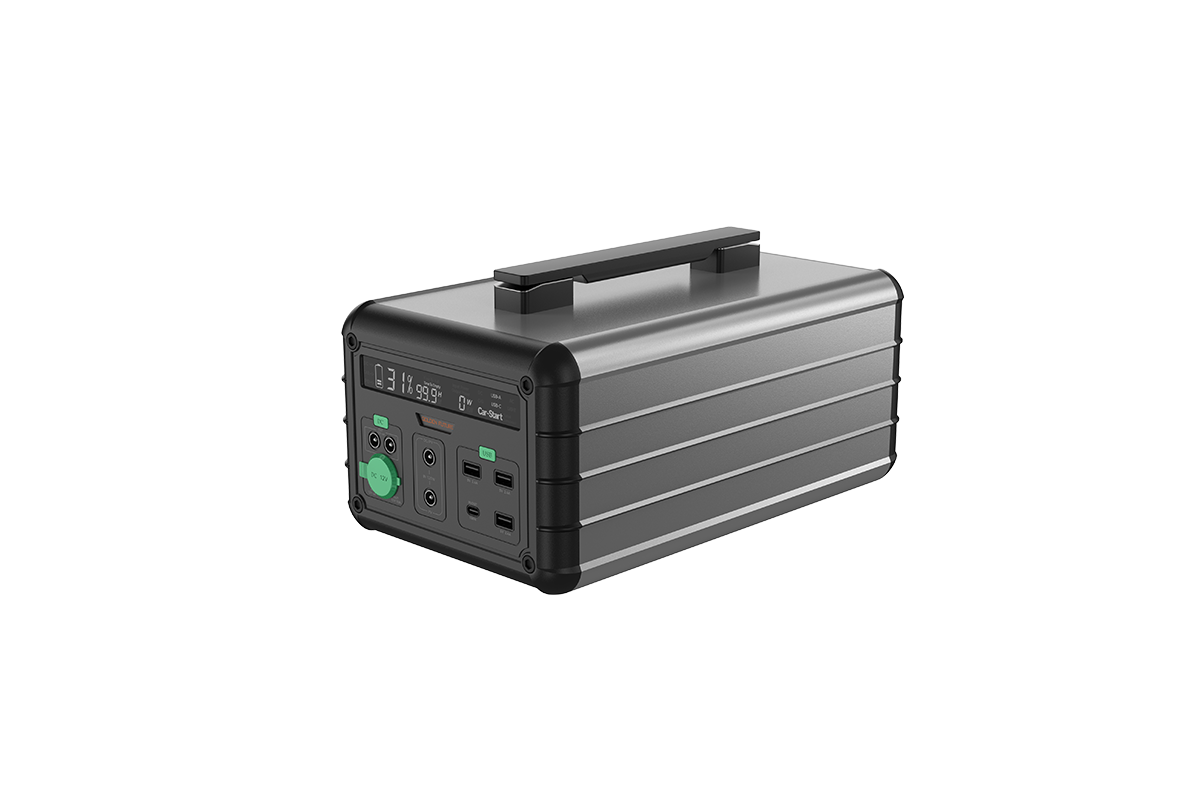
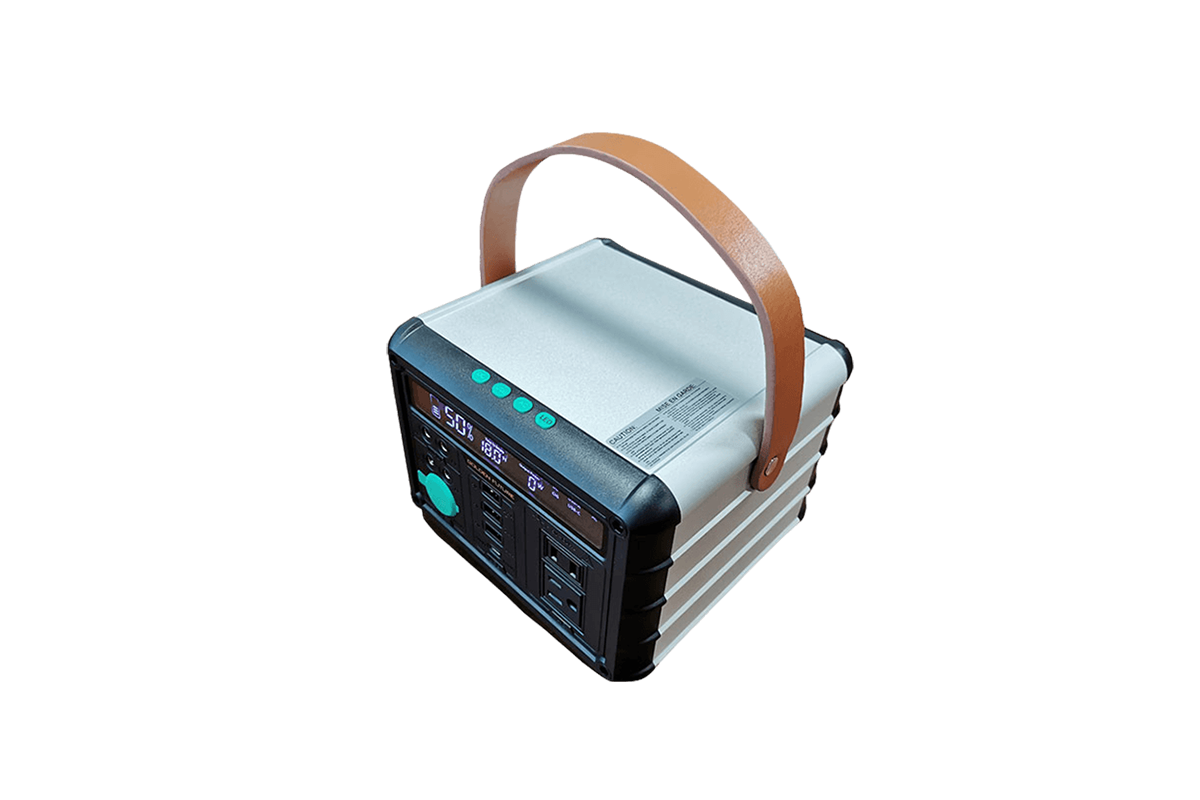
Household lithium iron phosphate (LiFePO4) energy storage batteries have emerged as the most reliable and mainstream energy storage solution for modern residential power systems, thanks to their superior safety performance, ultra-long service life, and stable operational efficiency. Different from ternary lithium batteries and traditional lead-acid batteries, LiFePO4 batteries feature excellent thermal and chemical stability, with a working temperature range from -20°C to 60°C, adapting perfectly to various household indoor and outdoor environments. The cathode material of lithium iron phosphate effectively avoids thermal runaway risks such as combustion and explosion even under extreme conditions like short circuit, high temperature, or puncture, making it an inherently safe power storage device tailored for family use. Equipped with an intelligent Battery Management System (BMS), these batteries can real-time monitor voltage, current, temperature, and cell balance, preventing overcharging, over-discharging, and overload operation to ensure long-term safe household power consumption.
In terms of service life and operational performance, household LiFePO4 energy storage batteries far outperform conventional household battery products. They support 3000 to 8000 deep charge-discharge cycles under standard working conditions, maintaining over 80% of initial capacity after long-term cyclic use, which translates to a practical service life of 8 to 12 years for daily household use. With an energy density of 160-180Wh/kg, they deliver higher energy storage efficiency in a compact and lightweight structure, saving household installation space compared with bulky lead-acid batteries. The stable discharge voltage ensures continuous and smooth power supply for household appliances, including refrigerators, air conditioners, lighting systems, and smart home devices, without voltage fluctuation interference.
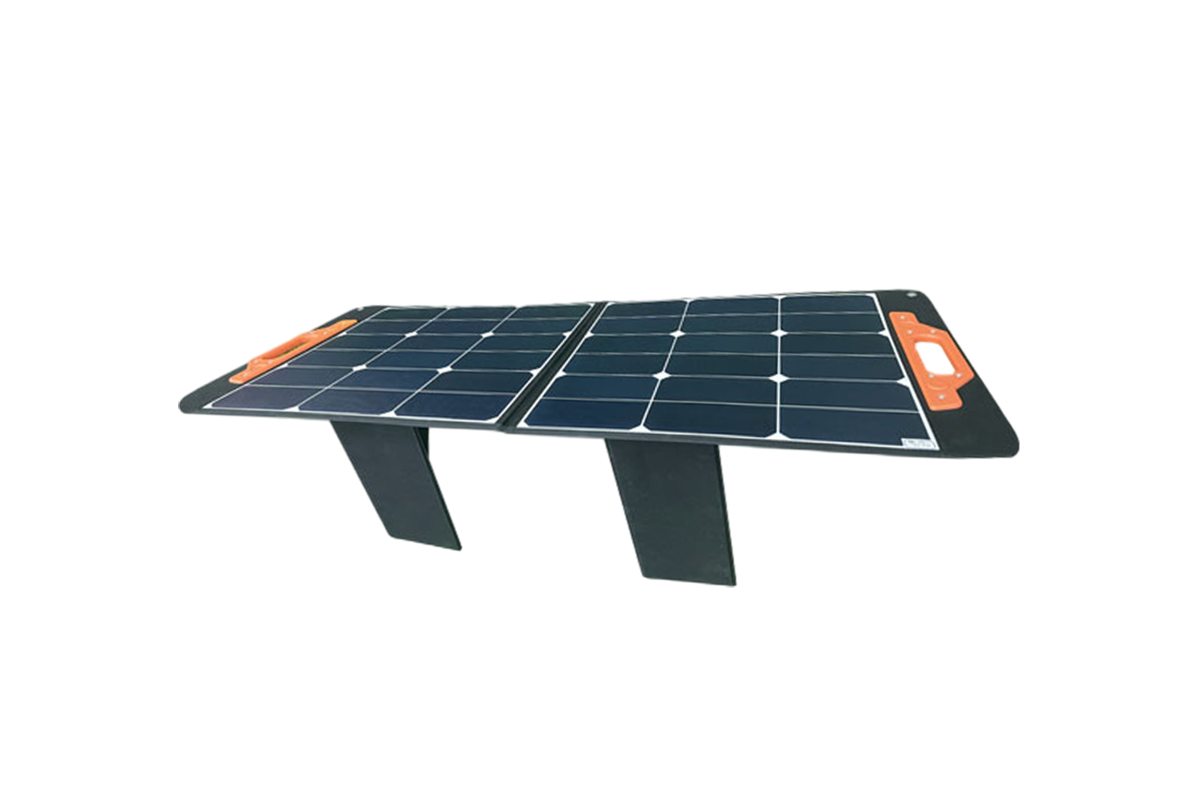
This type of battery is compatible with multiple household power scenarios, covering grid-connected peak regulation, off-grid independent power supply, and emergency backup power. It can be perfectly matched with household solar photovoltaic systems to store clean solar energy generated during the day for night use, realizing self-sufficient household power consumption. For areas with unstable grid power or frequent power outages, it serves as a reliable emergency power reserve to guarantee basic household electricity demand. With low self-discharge rate and no memory effect, the battery requires no frequent maintenance, greatly reducing the later use cost and maintenance trouble for users, and has become the preferred core equipment for smart household energy storage systems.




 59911926@qq.com/sales@goldenfuturehk.com
 13316809242 / 15816897019
 Inquiry
 Home >