





Time:2026-03-17 Views:189
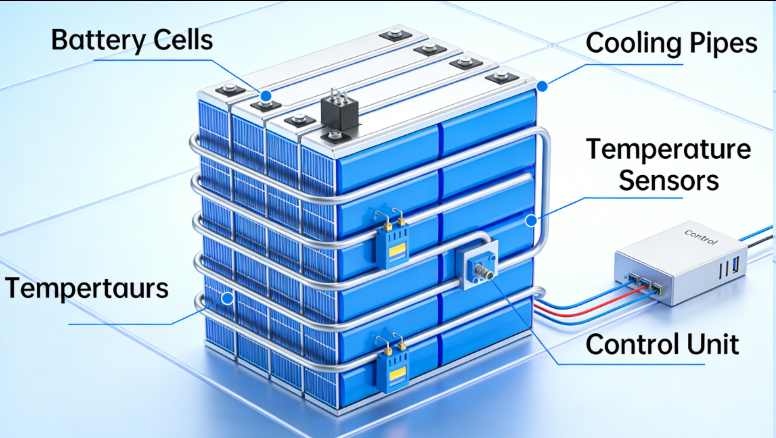
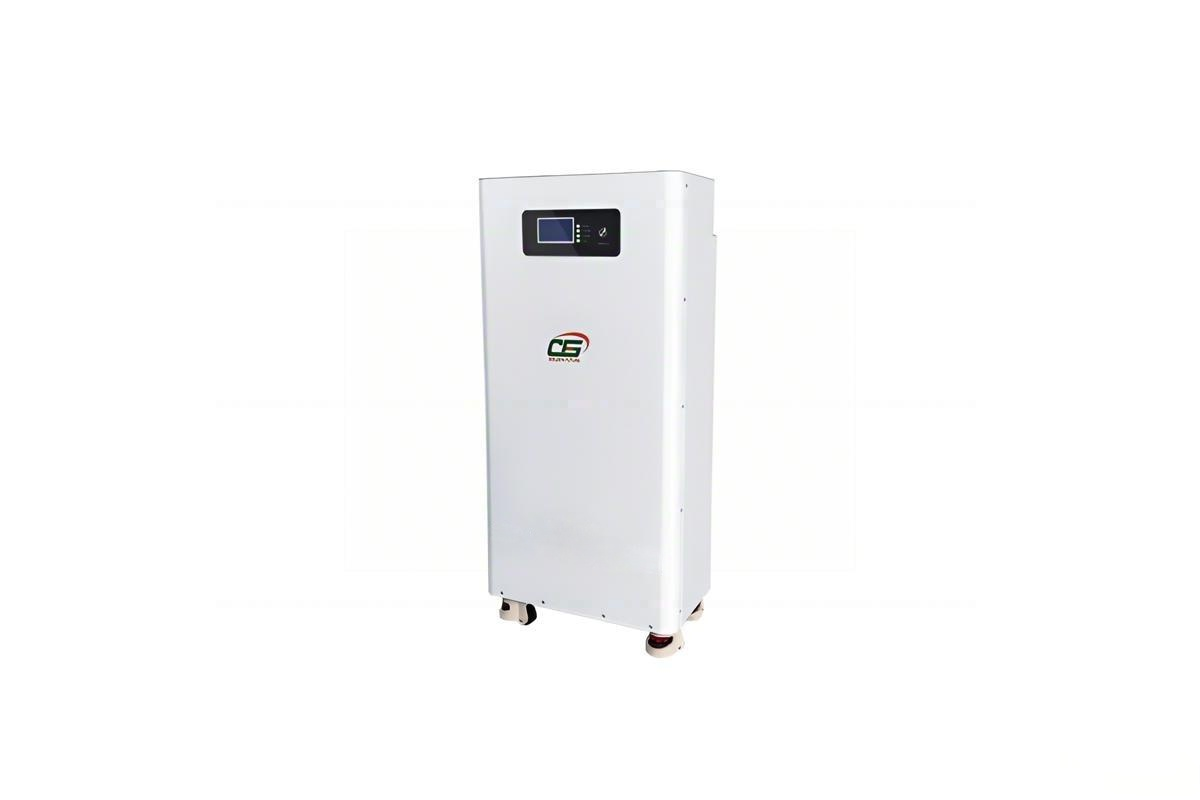
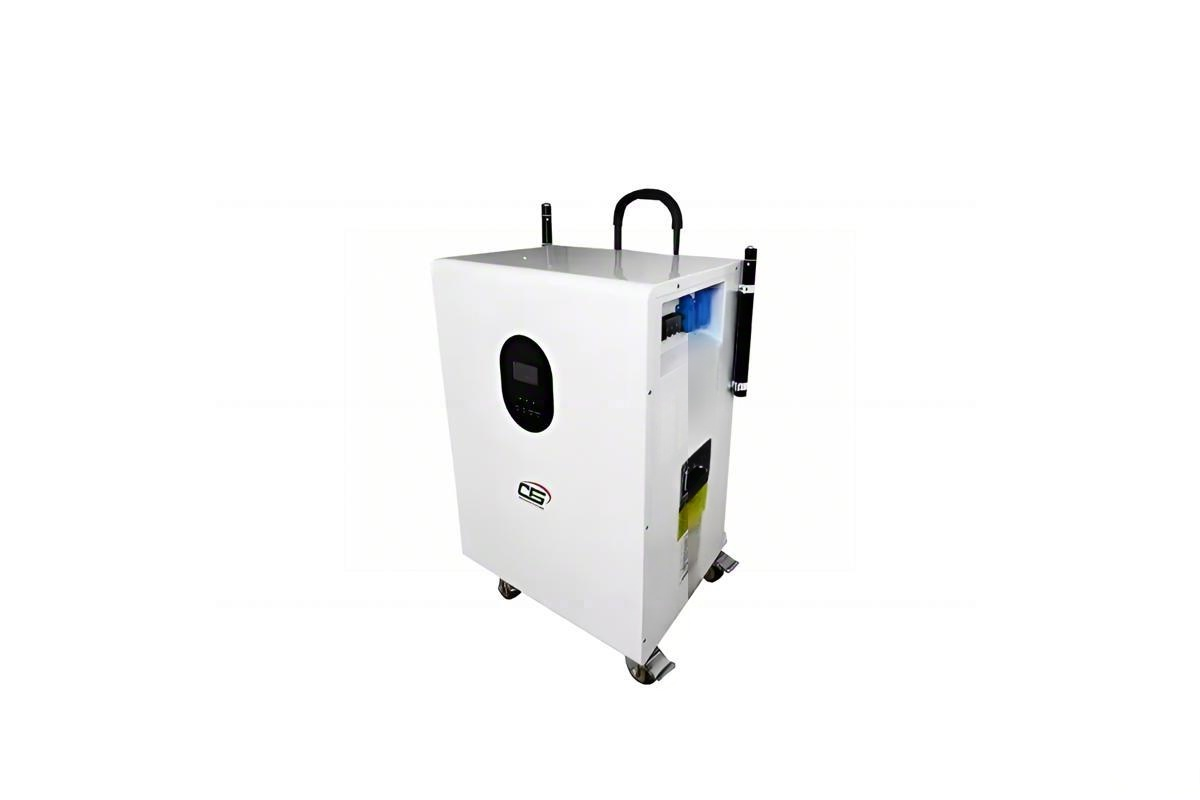
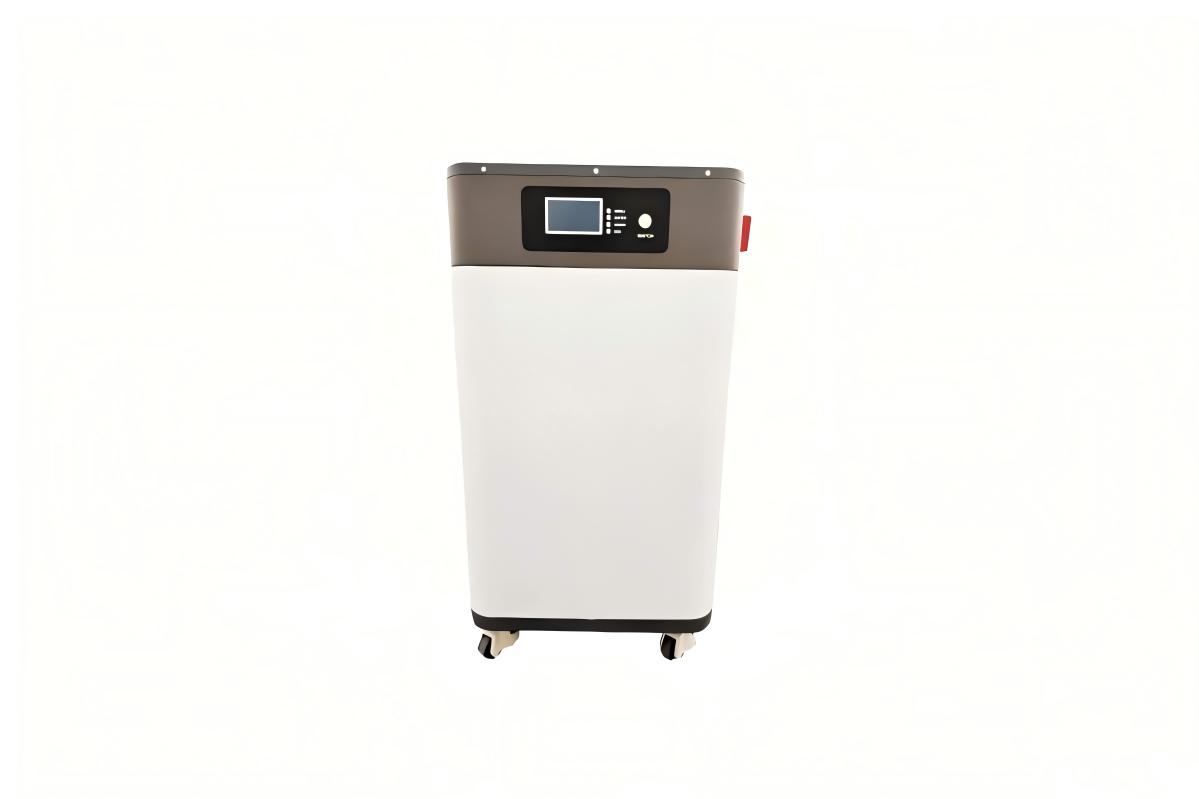
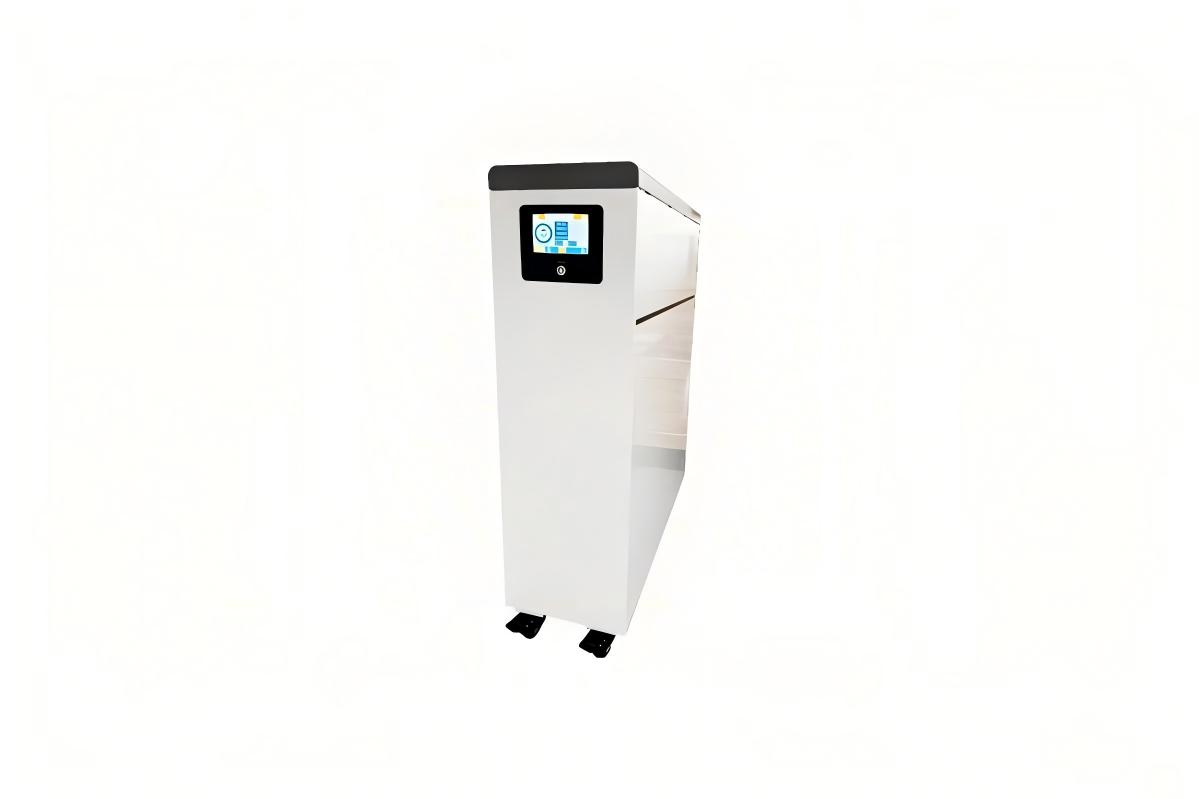
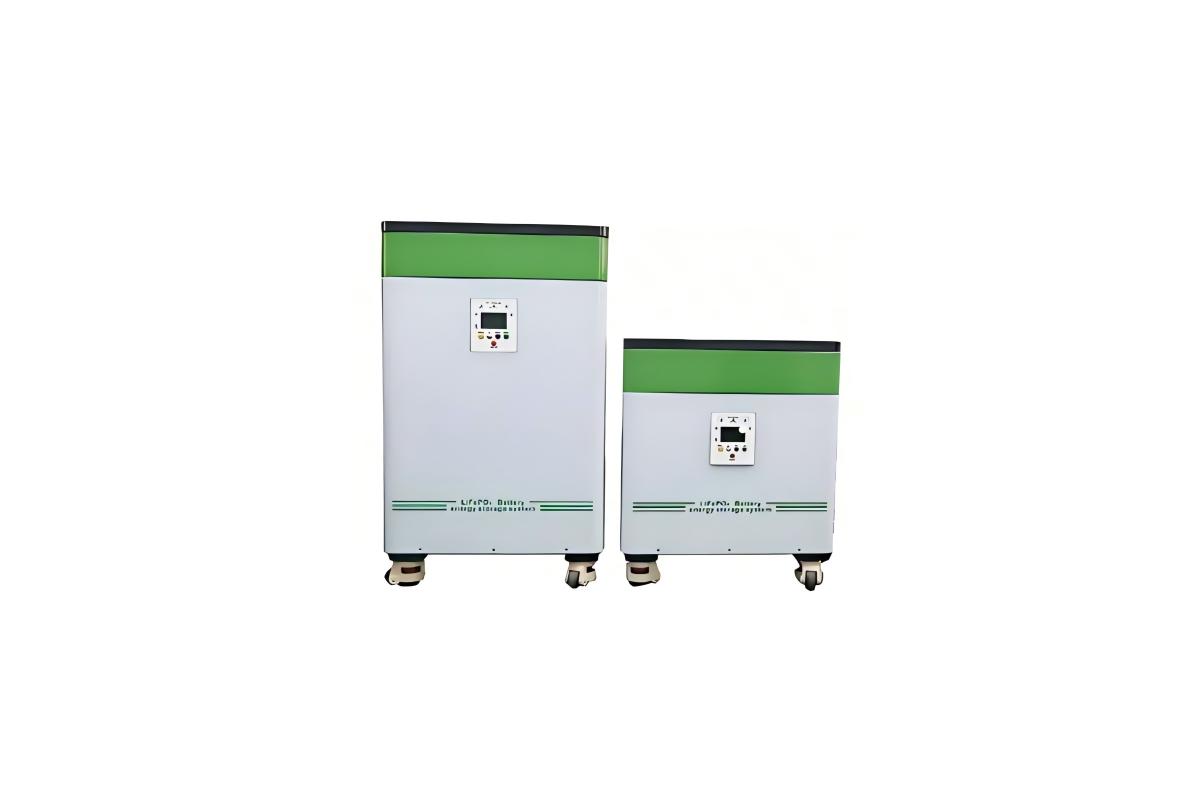
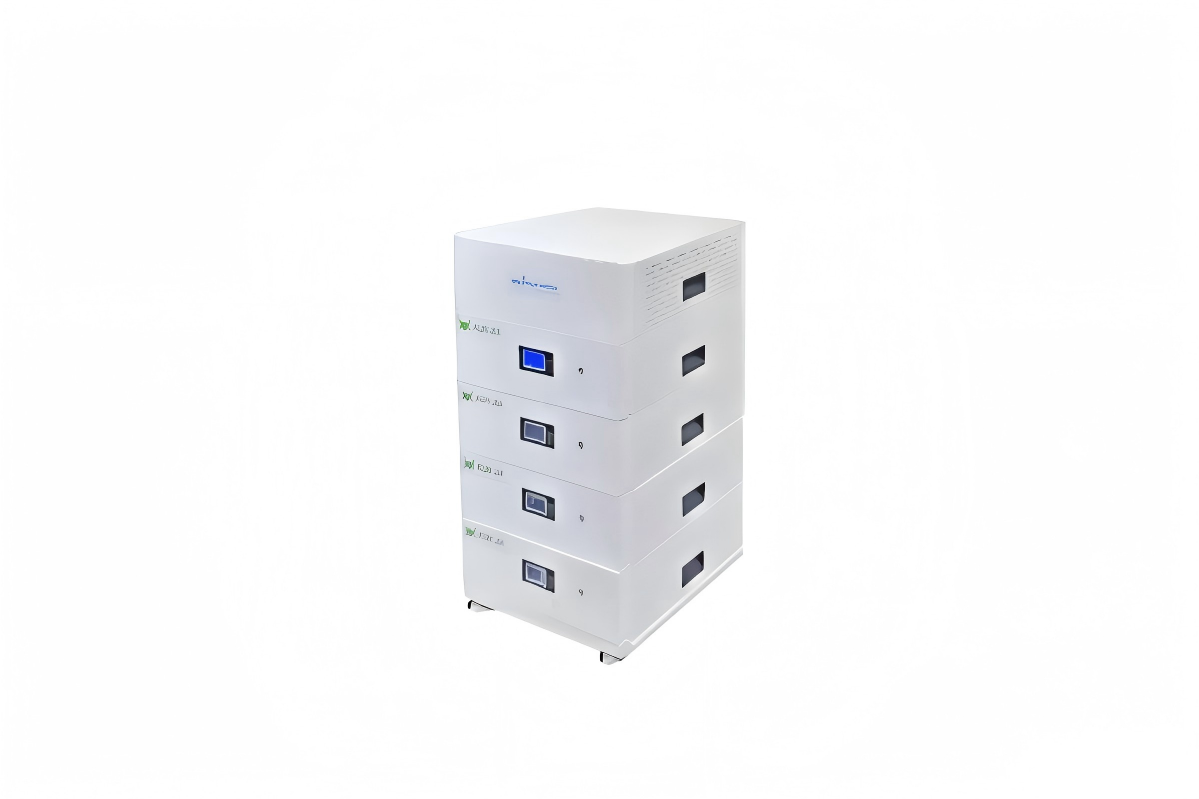
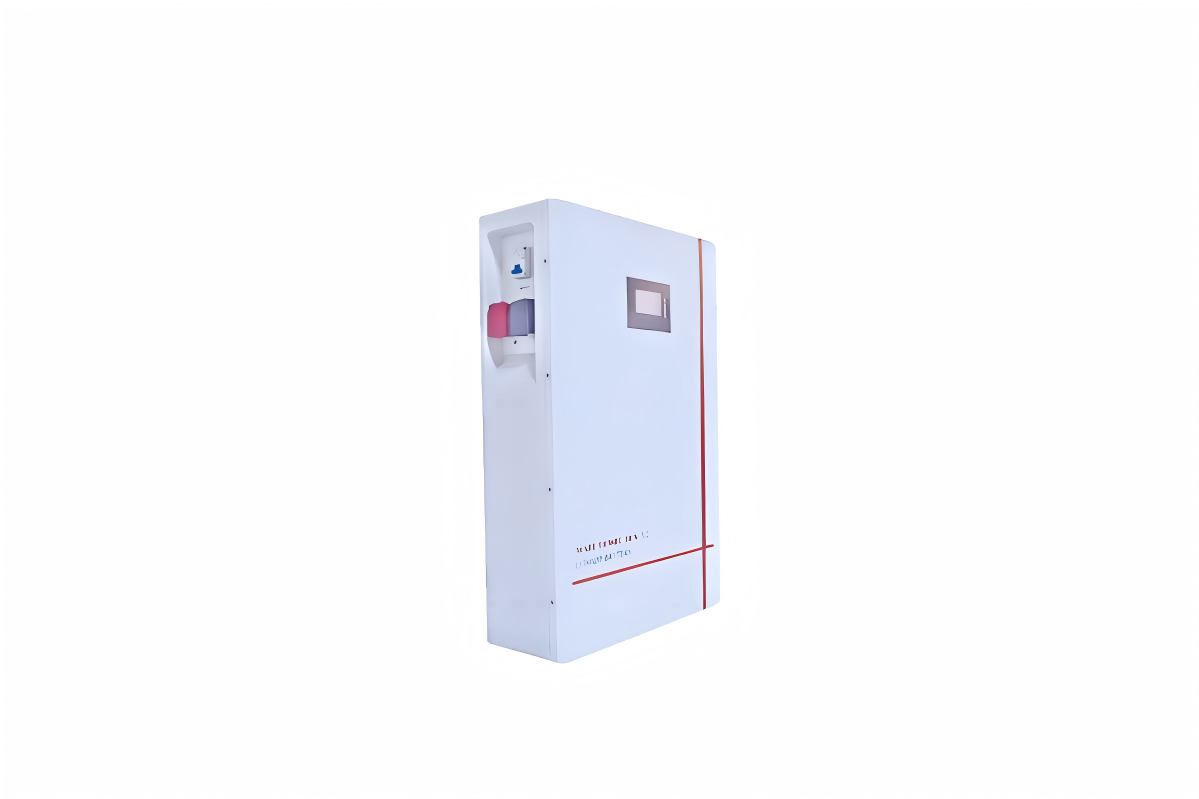
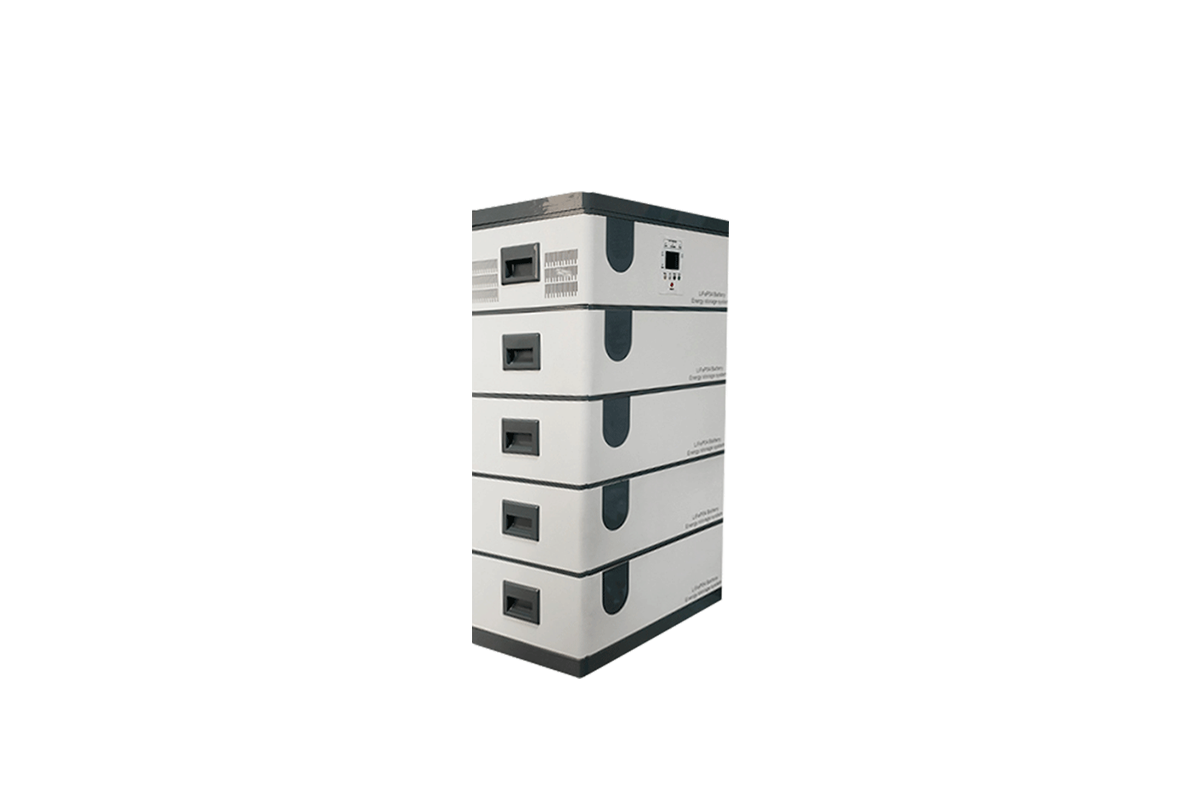
Modern household energy storage systems are not just simple battery packs, but temperature-sensitive power hubs that require precise thermal management to ensure safety, efficiency, and longevity. As residential solar adoption grows at an annual rate of 27% (Wood Mackenzie, 2023), effective heat control has become a critical factor for homeowners seeking reliable backup power and optimal energy utilization. Lithium-ion batteries, the core of most household energy storage systems, generate significant waste heat during charging and discharging—up to 20% of stored energy can be converted to heat during heavy use—and their performance is highly dependent on operating temperature, with the optimal range being 15°C to 35°C. A 10°C temperature rise can cut battery cycle life by half, highlighting the urgency of effective thermal management solutions.
Three main cooling methods are widely used in household energy storage battery thermal management systems, each with its own advantages and cost-effectiveness. Air cooling is the most basic and cost-efficient option, with a cost of $15-20 per kWh, using fans to circulate air and dissipate heat, but it is less efficient in high-temperature environments. Liquid cooling, which costs $25-35 per kWh, offers a 40-50% efficiency gain by circulating coolant around batteries, maintaining stable temperatures even during heat waves, as demonstrated by an Arizona family whose battery lifespan increased from 6 to 9 years after upgrading to a liquid-cooled system. The most advanced solution is the PCM hybrid system, costing $30-40 per kWh, which uses phase change materials as "thermal sponges" to absorb and release heat, achieving a 60-75% efficiency gain and maintaining optimal temperatures 34% longer than air-cooled alternatives. Additionally, AI-driven smart predictive systems use weather data and usage patterns to anticipate thermal needs, reducing cooling energy consumption by up to 28%. Proper thermal management not only extends battery life by 15-20% but also improves round-trip efficiency by 5-8% and shortens the payback period by 30%.




 59911926@qq.com/sales@goldenfuturehk.com
 13316809242 / 15816897019
 Inquiry
 Home >