






Time:2026-05-15 Views:21
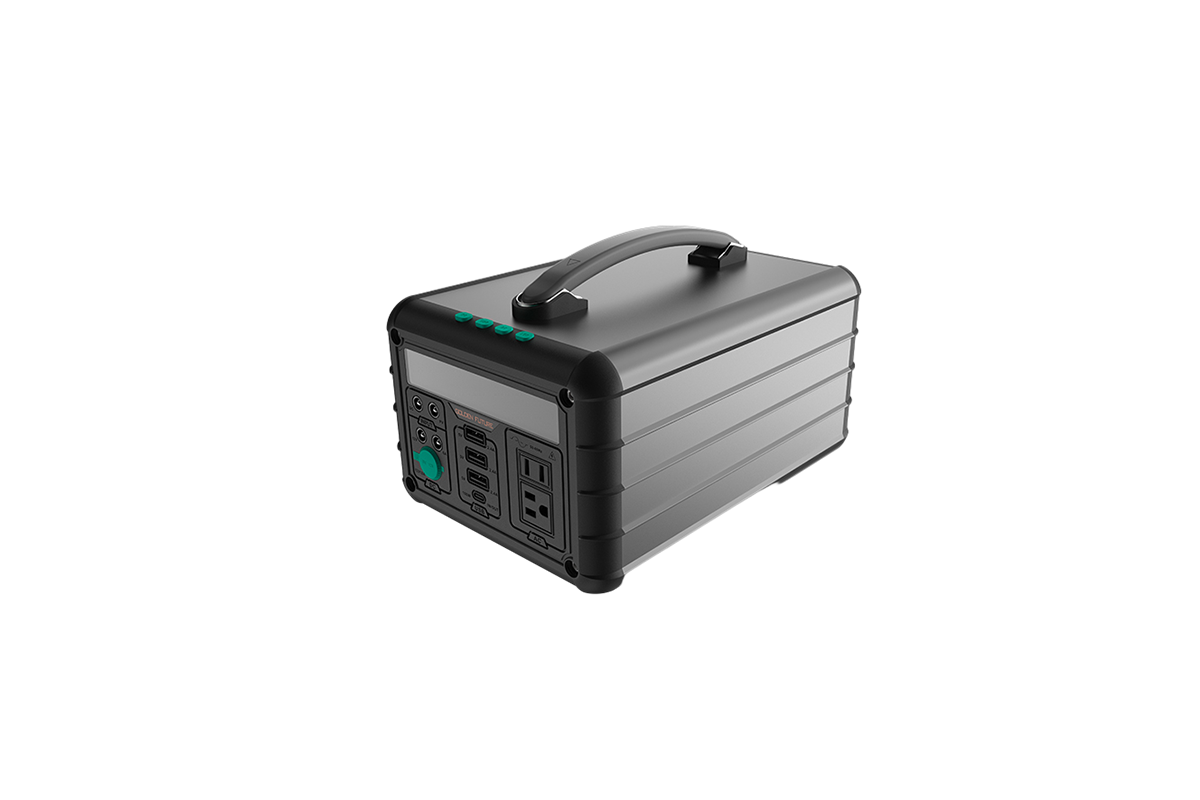
Float charging is a critical maintenance practice for home energy storage batteries, designed to maintain the battery at full charge while minimizing wear and extending its service life. Unlike bulk or absorption charging, which focuses on rapidly refilling the battery, float charging operates at a constant, low voltage after the battery reaches 100% state of charge (SOC). This steady voltage counteracts the battery’s natural self-discharge, ensuring it remains ready for use at all times—whether for daily energy consumption, peak shaving, or emergency backup during grid outages. For modern home energy storage systems, especially those using lithium iron phosphate (LiFePO4) batteries (the most common type for residential use), proper float charge settings are essential to avoid electrochemical damage and capacity degradation over time.
The optimal float voltage settings vary depending on the battery’s chemistry and system voltage, with LiFePO4 batteries requiring specific parameters to balance charge maintenance and longevity. For most LiFePO4 home storage batteries, the recommended float voltage ranges from 3.30V to 3.35V per cell. Translating this to common system voltages, a 12V system (4 cells in series) should be set to 13.2V–13.4V, a 24V system (8 cells) to 26.4V–26.8V, and a 48V system (16 cells) to 52.8V–53.6V. It is crucial to note that these are general guidelines; always refer to the battery manufacturer’s datasheet, as some models may have slightly different recommendations to align with their specific cell design and warranty requirements. Setting the float voltage outside this range can lead to serious issues: too high a voltage may cause electrolyte degradation, lithium plating, or battery swelling, while too low a voltage will fail to maintain full SOC, leaving the battery undercharged and less effective for backup power.
In addition to voltage settings, temperature compensation is another key factor in float charge configuration for home energy storage systems. Ambient temperature affects battery performance and chemical reactions, so the float voltage should be adjusted accordingly. A common rule of thumb is to adjust the voltage by ±0.03V per cell for every degree Celsius the ambient temperature deviates from 25°C (77°F). For example, in a cold environment of 15°C, the float voltage should be increased slightly to ensure adequate charge maintenance, while in a hot environment of 35°C, the voltage should be decreased to prevent overheating and stress on the battery cells. Most modern home energy storage inverters and charge controllers have built-in temperature sensors and automatic compensation features, but it is still important for homeowners to verify these settings and calibrate them if necessary. By following these guidelines, homeowners can ensure their energy storage batteries remain reliable, efficient, and long-lasting for years to come.




 59911926@qq.com/sales@goldenfuturehk.com
 13316809242 / 15816897019
 Inquiry
 Home >