






Time:2026-03-20 Views:142
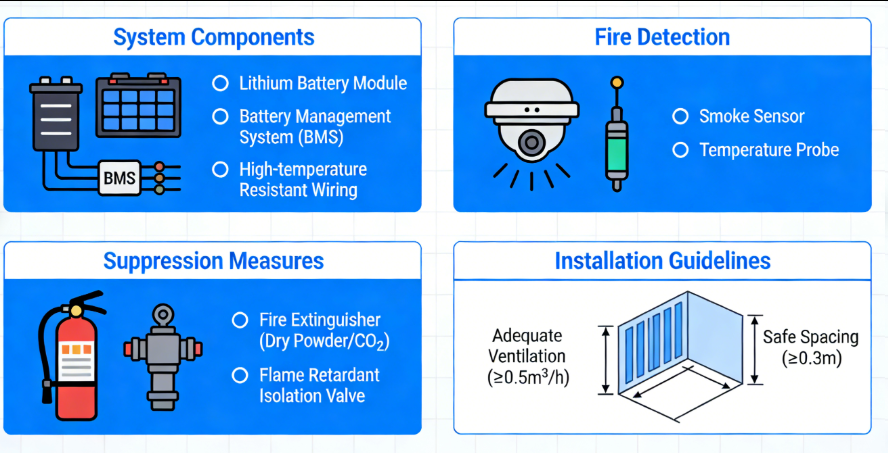
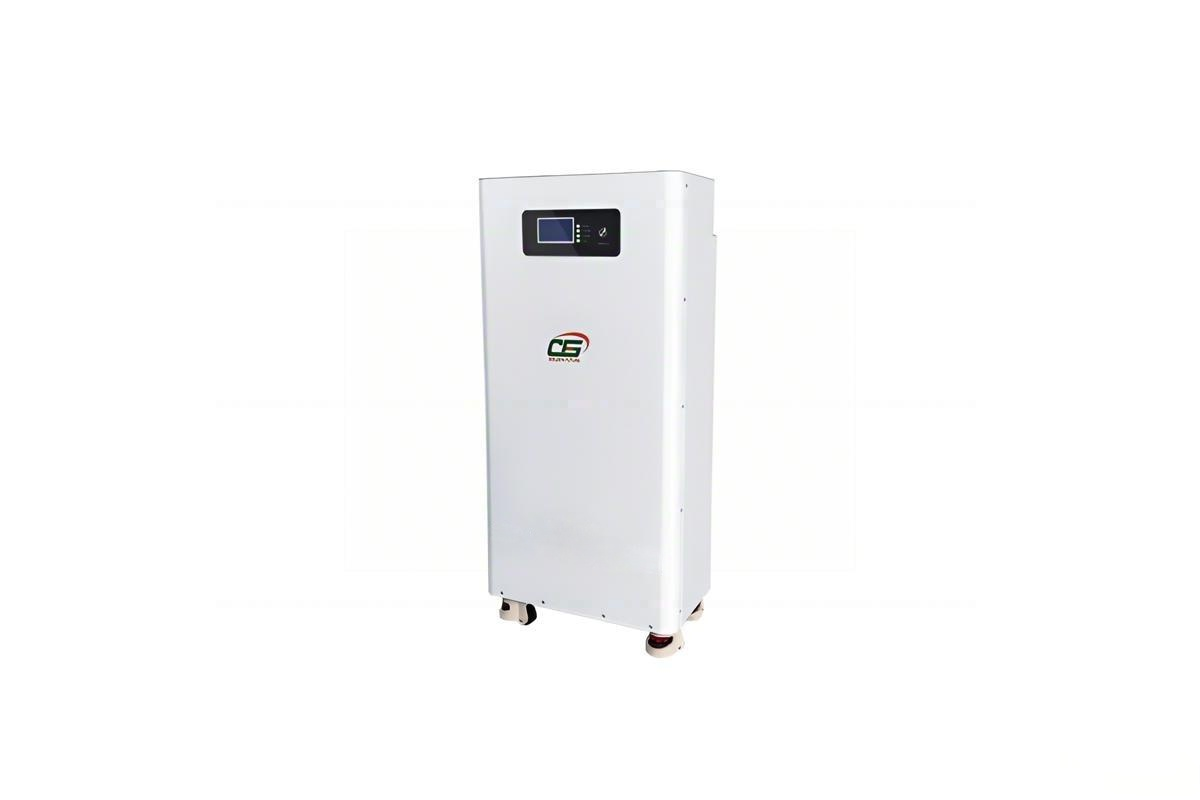
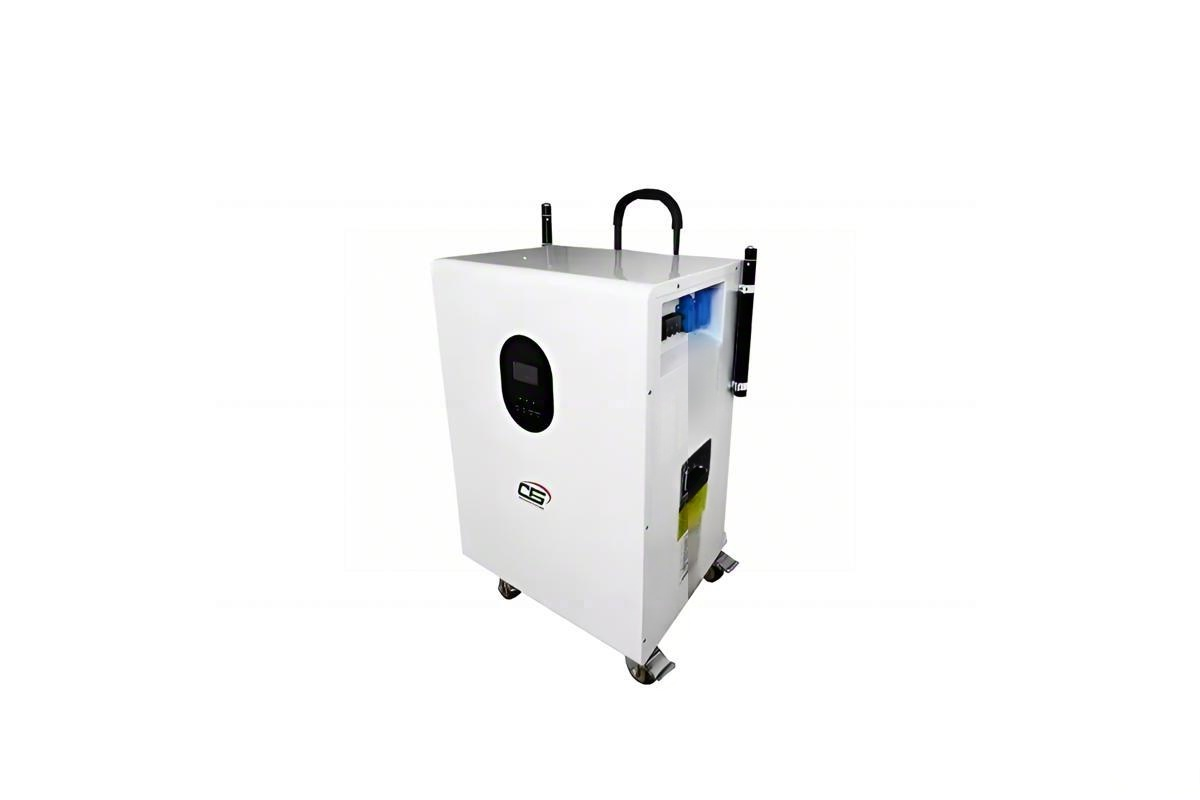
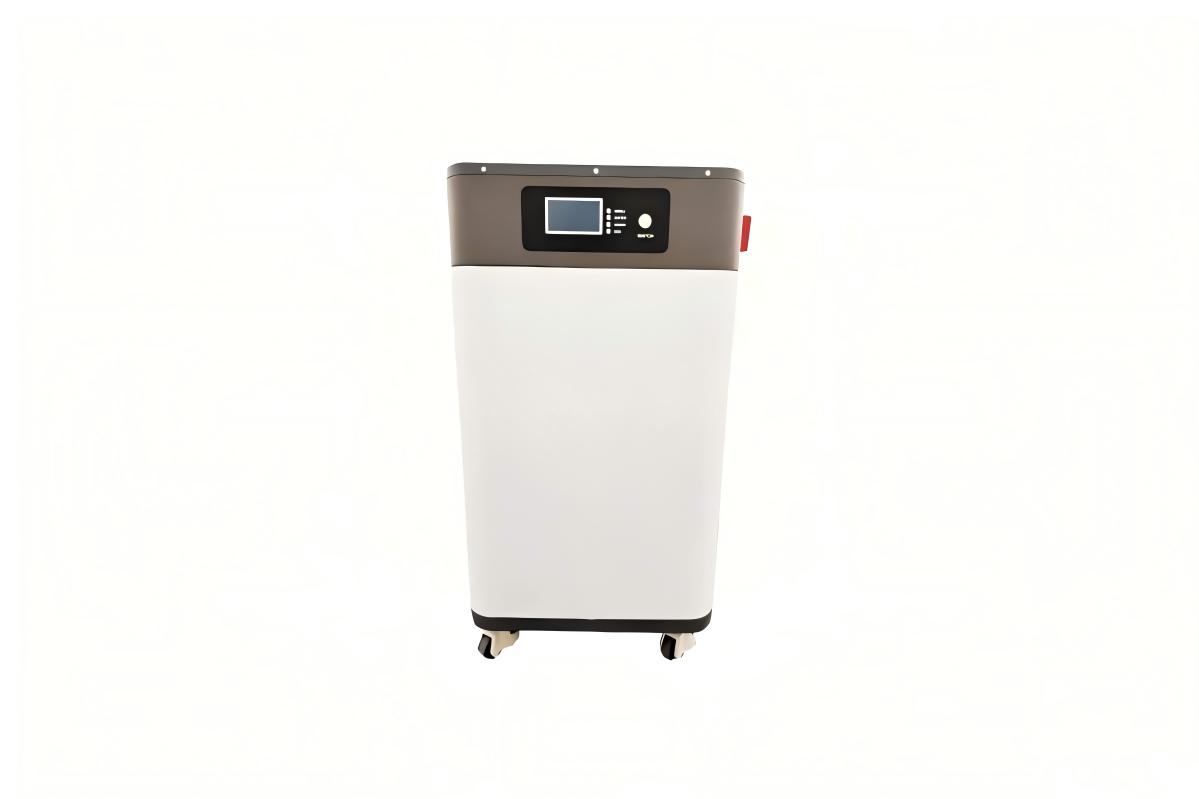
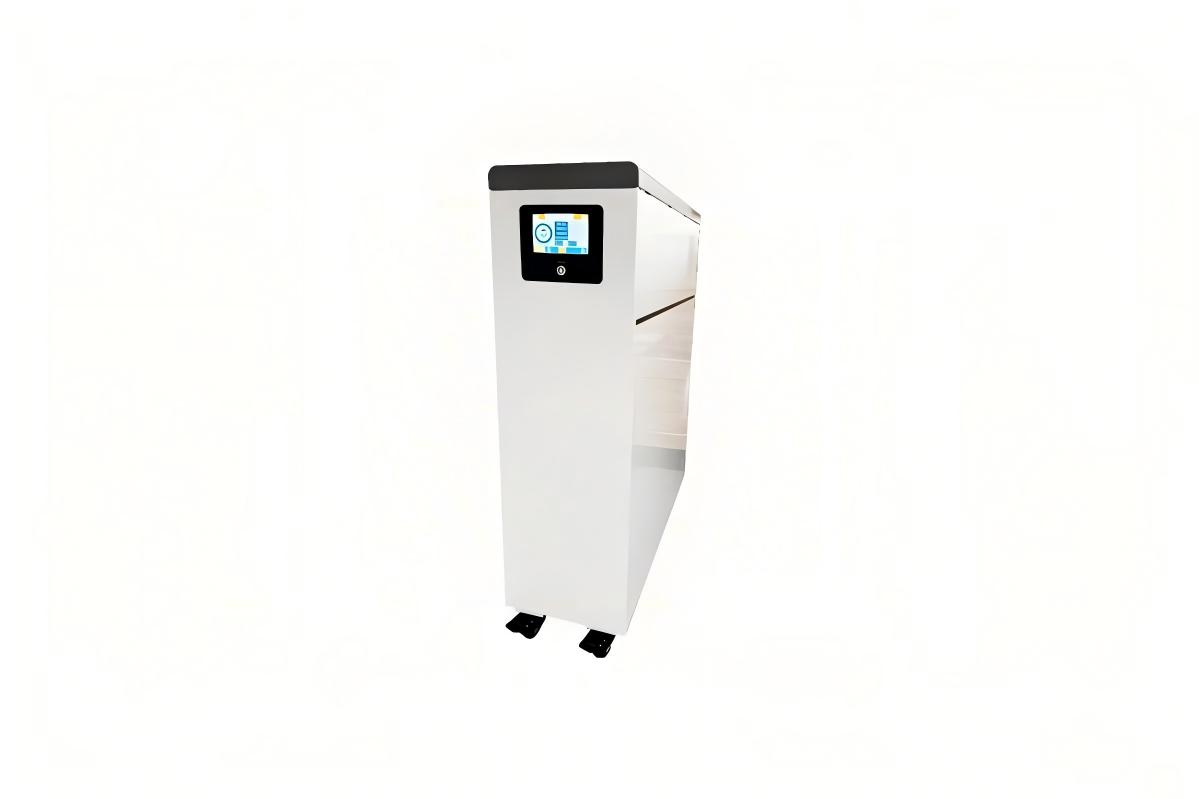
The fire protection design of household energy storage systems is a core safety guarantee, especially for systems using lithium-ion batteries which are prone to thermal runaway—a chain reaction leading to overheating, fire, and even explosion. This design must cover the entire lifecycle of the system, from component selection to installation, monitoring, and emergency response, complying with international standards such as UL 9540B-2024 and PAS 63100 to ensure fire risks are effectively controlled. The key lies in preventing thermal runaway and limiting fire spread, while protecting the safety of residents and property.
In component design, fire-resistant materials are essential: battery enclosures should use UL 94 V-0 grade flame-retardant PC/ABS alloy, and module gaps can be filled with aerogel insulation to slow down heat transfer. A dedicated thermal management system, including temperature sensors and cooling fans, monitors battery temperature in real time; once it exceeds the safe threshold, the system automatically cuts off charging/discharging. Installation requirements are equally strict: systems should be placed in well-ventilated, shaded areas away from flammable materials and heat sources like stoves. If installed indoors, non-living areas such as garages or basements are preferred, with effective fire separation from living spaces. Additionally, integrated fire detection systems connected to the home’s alarm network can quickly alert residents to smoke or high temperatures, while directional pressure relief valves redirect toxic gases and flames away from occupied areas, minimizing hazard spread.




 59911926@qq.com/sales@goldenfuturehk.com
 13316809242 / 15816897019
 Inquiry
 Home >