







Time:2026-05-21 Views:58
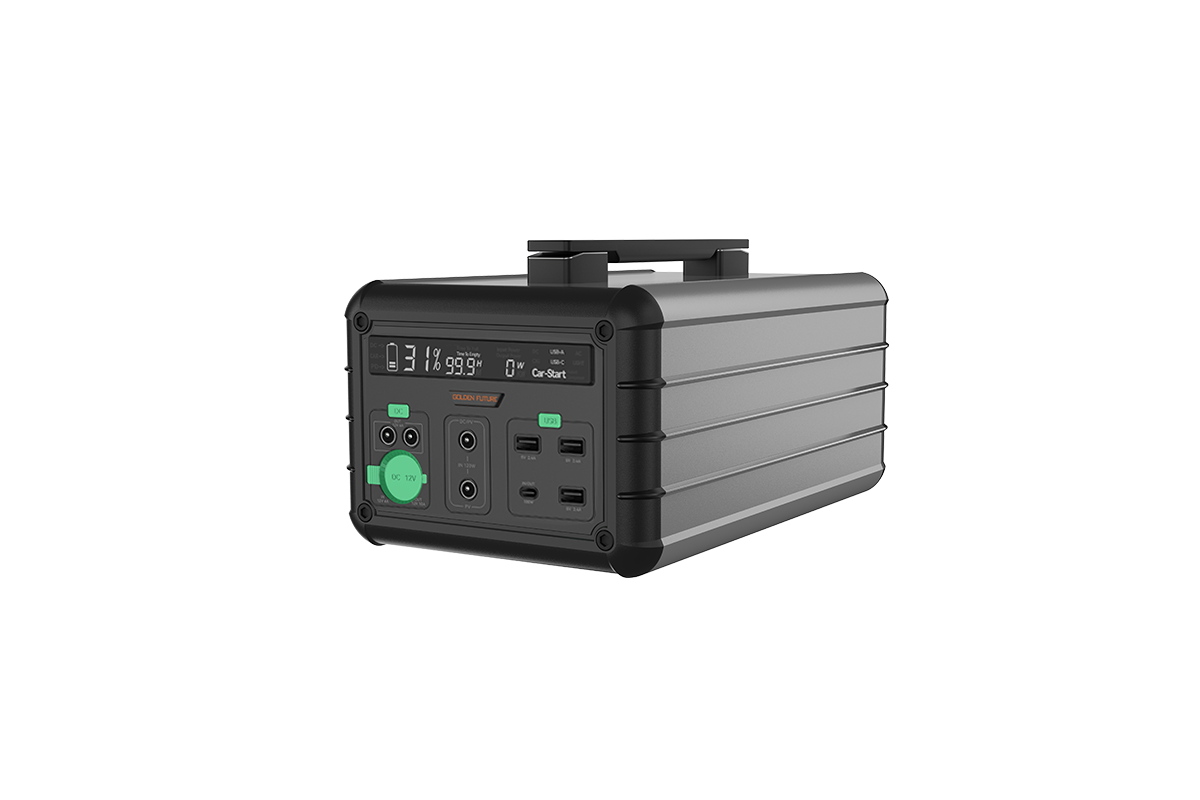
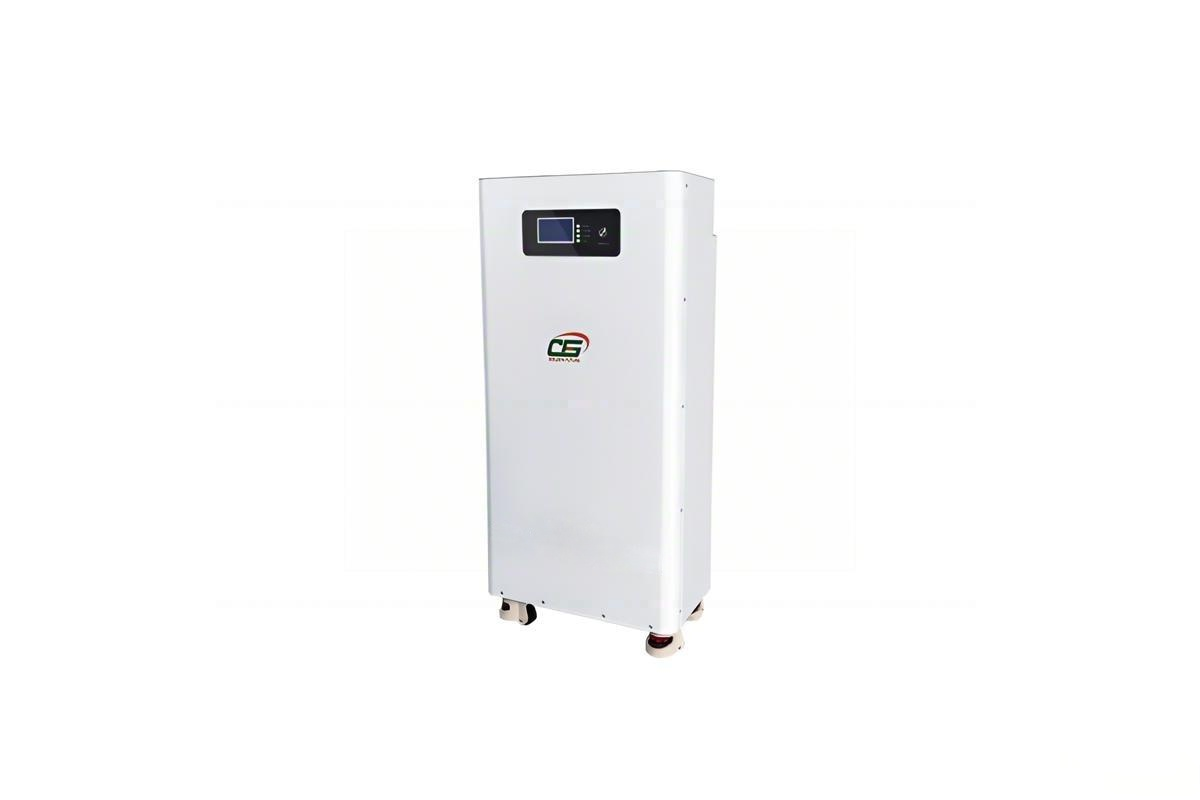
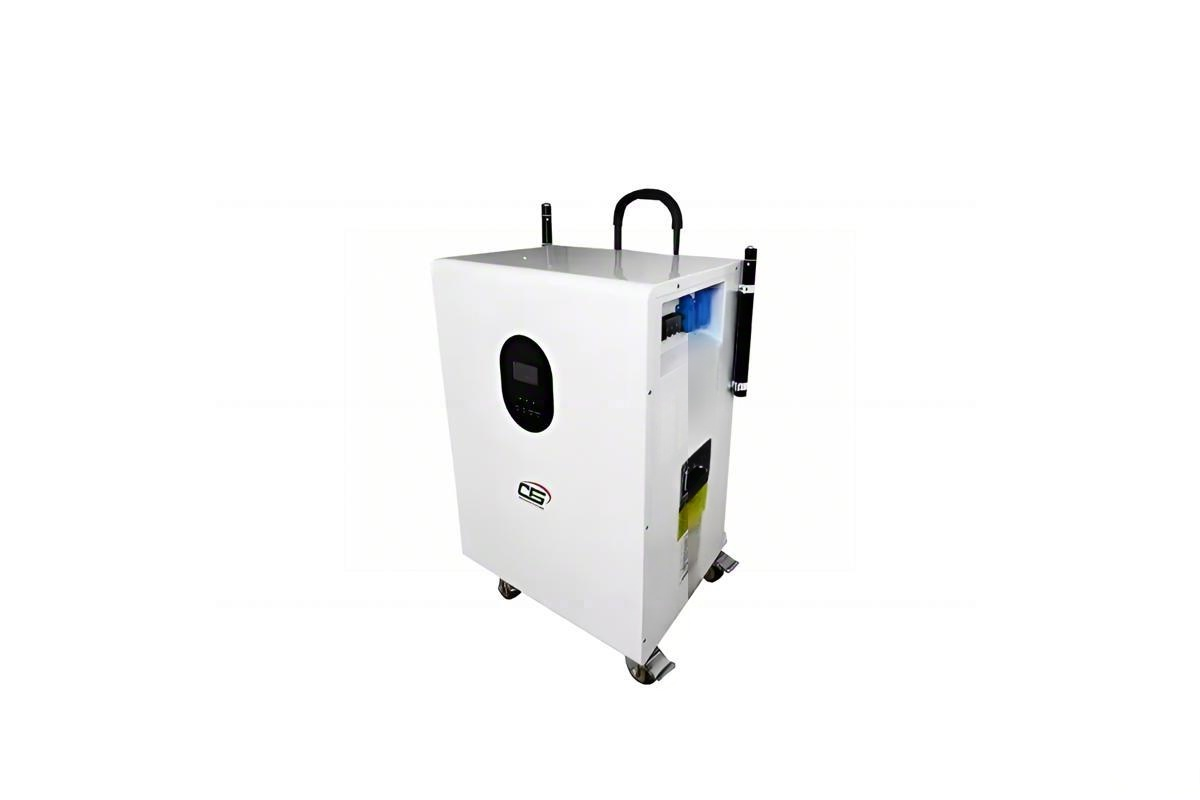
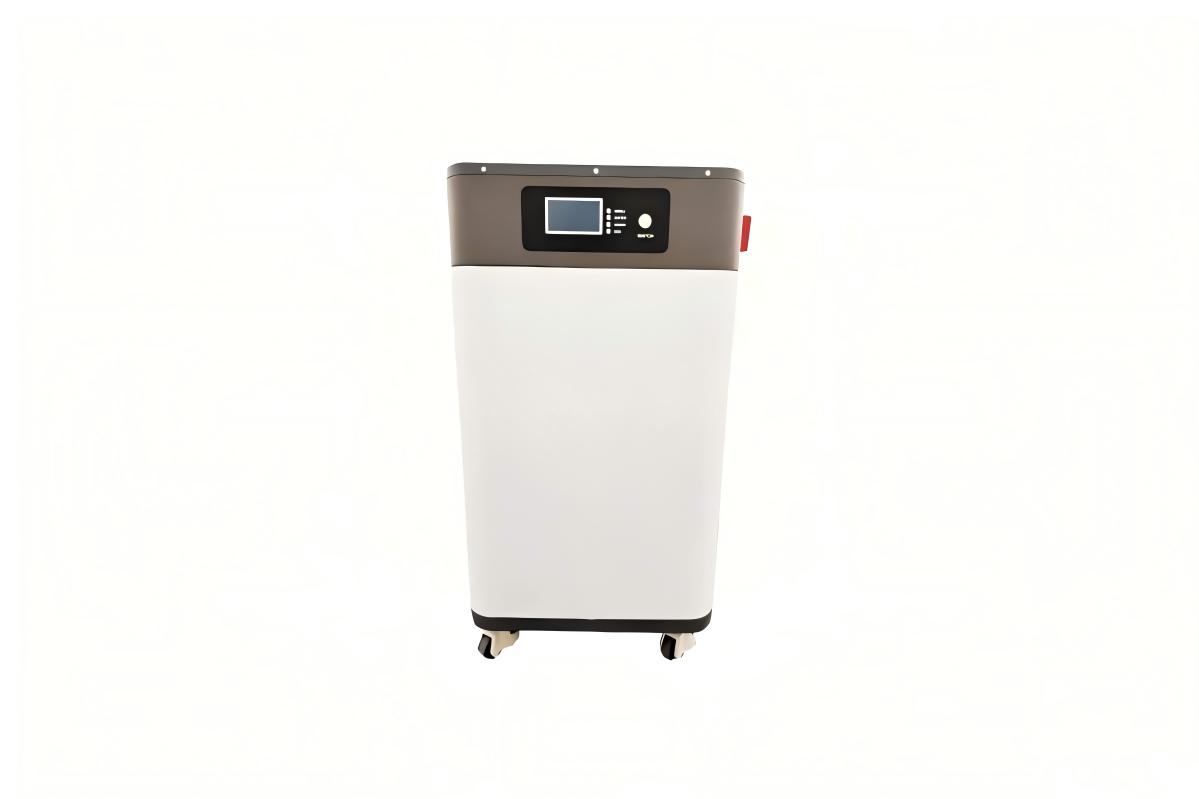
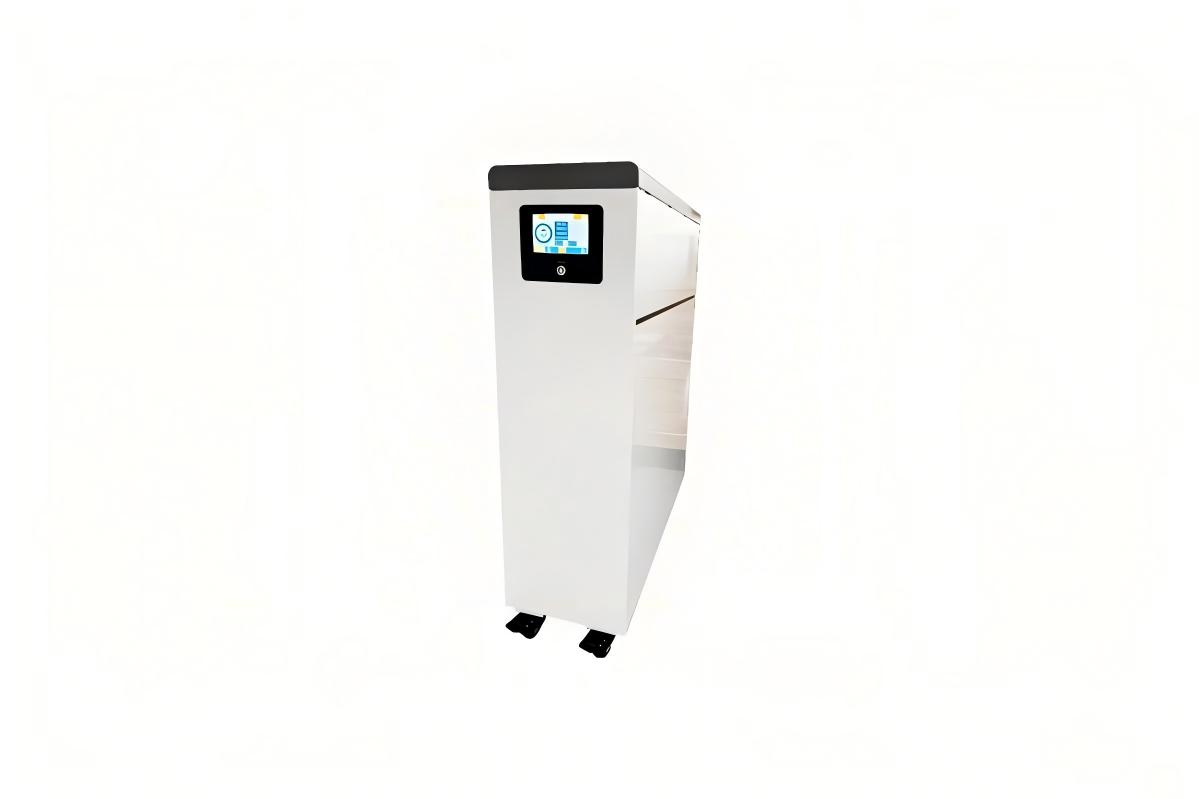
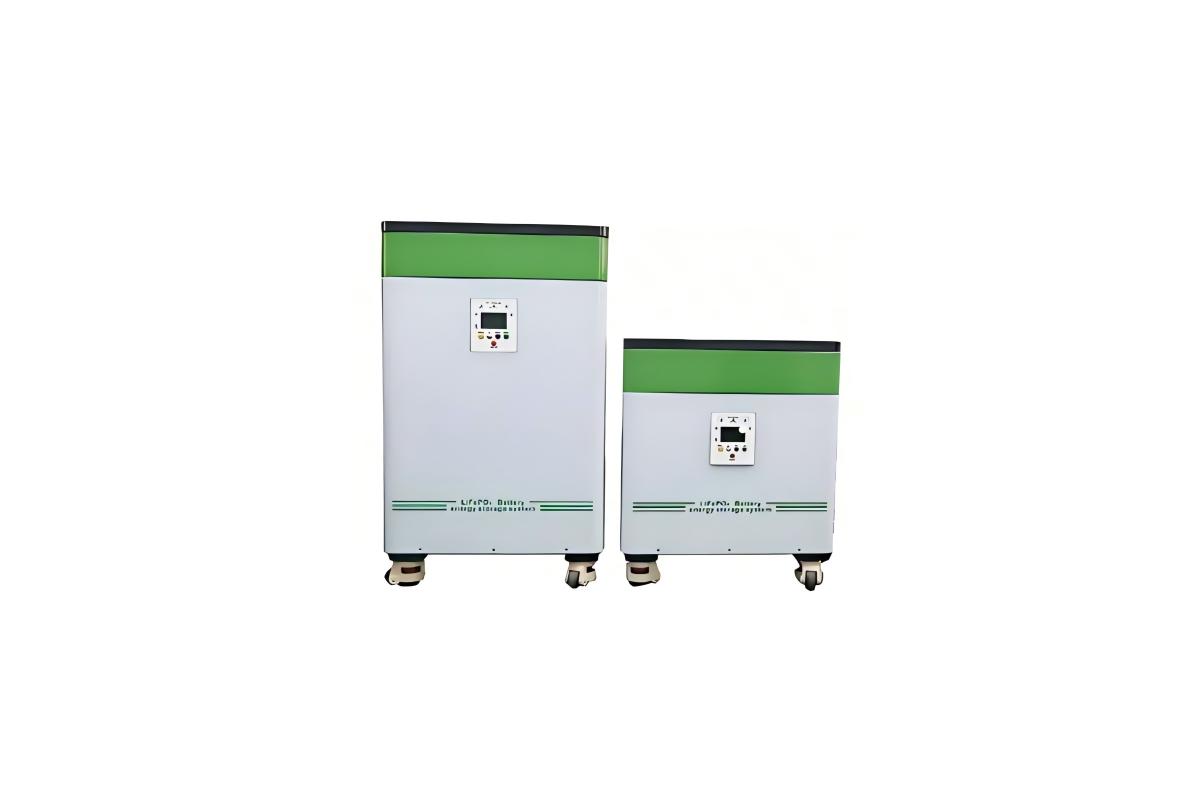
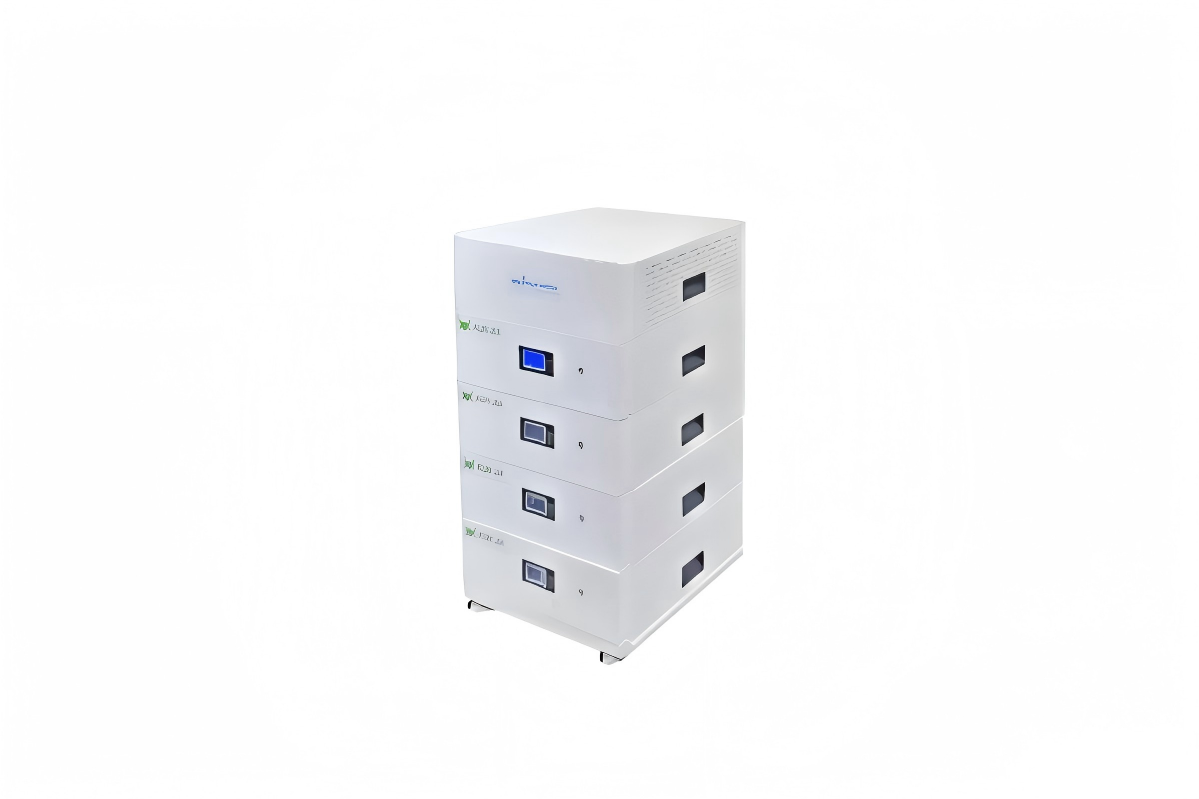
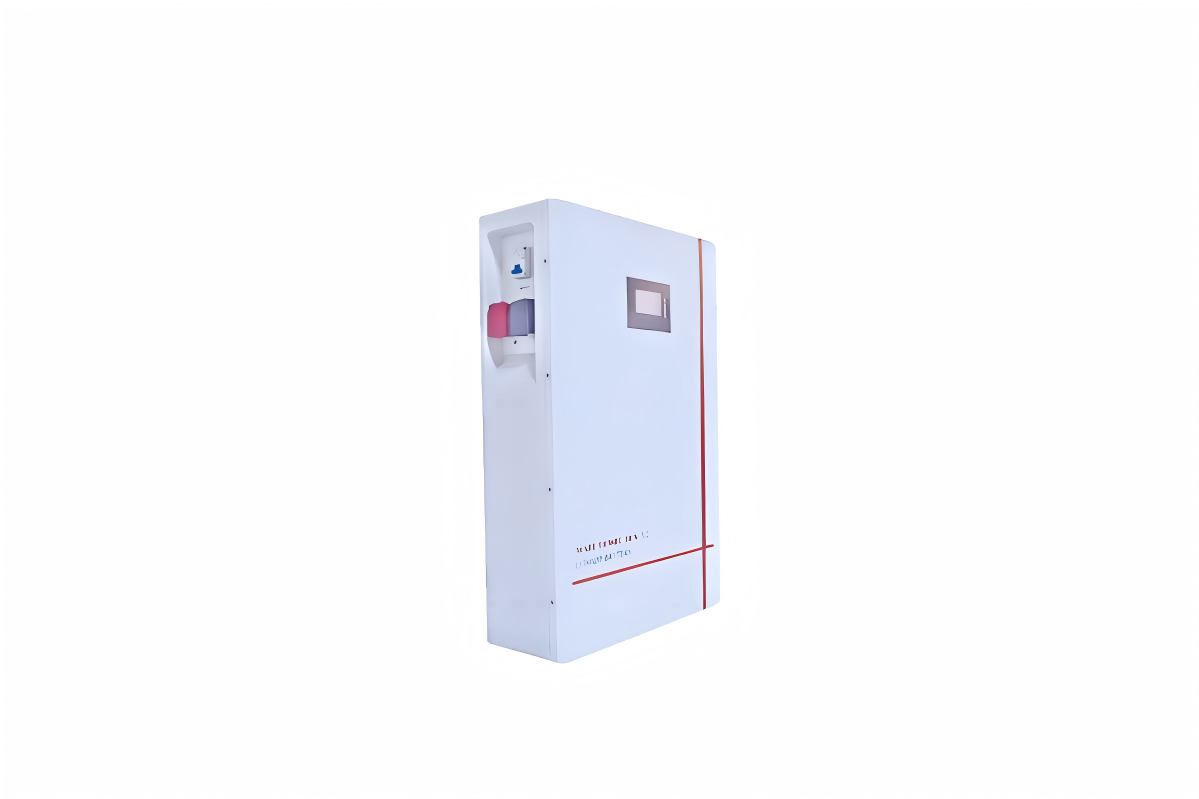
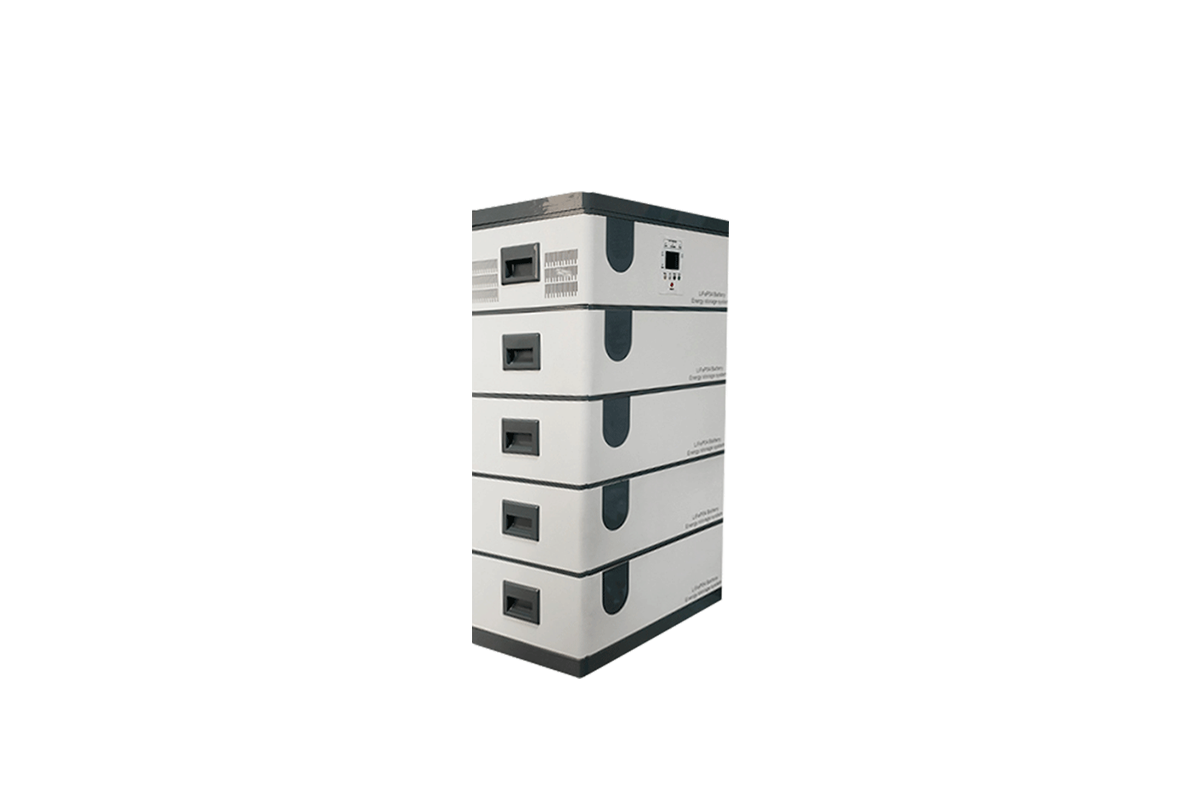
With the rapid popularization of electric vehicles (EVs), the demand for efficient and reliable charging infrastructure is soaring, making energy storage systems an indispensable supporting facility for charging stations. These systems integrate seamlessly with EV charging piles, serving as a "power buffer" that bridges the gap between grid supply and charging demand. Unlike traditional charging stations that rely solely on grid power, those equipped with energy storage systems can store excess electricity during off-peak hours and release it during peak charging periods, effectively alleviating grid load pressure and reducing the risk of grid overload or blackouts caused by concentrated charging.
The core value of energy storage systems for charging stations lies in enhancing operational stability and economic efficiency. They can integrate renewable energy sources such as solar and wind power, storing clean energy generated during the day for use in charging at night or on cloudy days, which not only reduces reliance on fossil fuels but also lowers carbon emissions, aligning with global green energy development goals. Additionally, these systems provide backup power during grid outages or emergencies, ensuring uninterrupted charging services, minimizing downtime, and improving the overall reliability of the charging station operations. Common energy storage technologies used include lithium-ion batteries, flow batteries, and ultra-capacitors, with lithium-ion batteries being the most widely adopted due to their high energy density and charging efficiency.
In terms of design and optimization, the size and capacity of the energy storage system are determined by factors such as the number of charging piles, daily charging volume, and local grid conditions. Advanced energy management systems (EMS) are integrated to dynamically adjust energy charging and discharging strategies based on real-time grid load, electricity prices, and charging demand, maximizing energy utilization and reducing operational costs for charging station operators. As the EV industry continues to grow, energy storage systems for charging stations will play a more critical role in promoting the construction of smart, low-carbon, and reliable charging networks.




 59911926@qq.com/sales@goldenfuturehk.com
 13316809242 / 15816897019
 Inquiry
 Home >