







Time:2026-05-27 Views:132
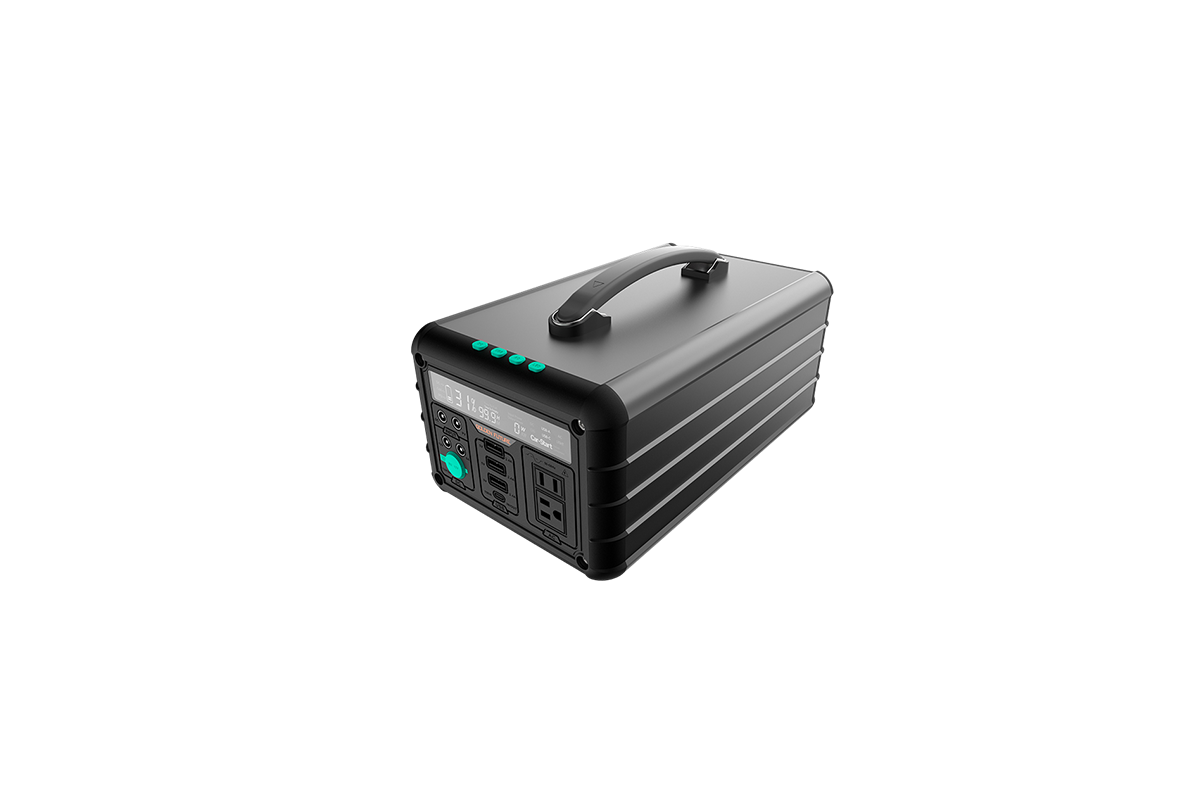
Energy storage system efficiency testing is a critical process to evaluate the performance, reliability, and economic feasibility of energy storage systems (ESS), which are essential components in modern power grids, renewable energy integration, and microgrid applications. The efficiency of an ESS directly affects its operational cost, energy utilization rate, and ability to meet grid requirements, making accurate and comprehensive testing indispensable for both manufacturers and end-users. This testing process involves measuring and analyzing the energy input and output of the system under various operating conditions to determine the overall efficiency, as well as the efficiency of individual components such as batteries, converters, and energy management systems (EMS).
The core objective of efficiency testing is to quantify the energy loss during the charging and discharging cycles of the ESS. Typically, the testing process starts with a pre-test preparation phase, which includes checking the system’s hardware and software status, calibrating measuring instruments (such as power analyzers, voltage meters, and current meters) to ensure accuracy, and setting up the test environment to simulate real-world operating conditions (e.g., different temperature ranges, charging/discharging rates, and load profiles). During the test, the system is charged at a specified rate using a regulated power supply, and the energy input is recorded in real time. After charging, the system is discharged at a predetermined rate to a connected load or back to the grid, and the energy output is also measured continuously.
Several key efficiency indicators are evaluated during the testing process, including round-trip efficiency (RTE), charging efficiency, and discharging efficiency. Round-trip efficiency, the most important indicator, is calculated as the ratio of the energy output during discharge to the energy input during charging, expressed as a percentage. A high RTE (usually above 85% for most commercial ESS) indicates minimal energy loss and high energy utilization. Charging efficiency refers to the ratio of the energy stored in the battery to the energy input from the charging source, while discharging efficiency is the ratio of the energy output from the system to the energy stored in the battery. Additionally, the test may also assess the efficiency under different operating scenarios, such as partial load conditions, varying ambient temperatures, and long-term cyclic operation, to reflect the system’s performance in practical applications.
It is important to note that efficiency testing must comply with relevant international and industry standards, such as IEEE 1547.4, IEC 62933, and GB/T 34120, to ensure the comparability and credibility of test results. These standards specify the testing methods, instrument requirements, and data processing procedures, helping to avoid inconsistencies caused by different testing protocols. Furthermore, advanced testing technologies, such as real-time data acquisition systems and simulation software, are increasingly used to enhance the accuracy and efficiency of the testing process. For example, digital twins of ESS can be used to simulate various operating conditions and predict efficiency performance, reducing the need for expensive and time-consuming physical tests. In summary, energy storage system efficiency testing is a systematic and rigorous process that provides valuable data for system optimization, quality control, and decision-making in energy storage projects.




 59911926@qq.com/sales@goldenfuturehk.com
 13316809242 / 15816897019
 Inquiry
 Home >