






Time:2026-01-24 Views:1
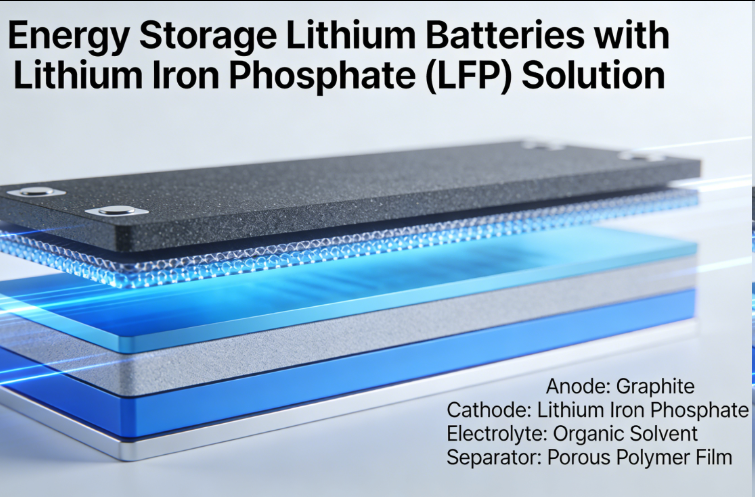
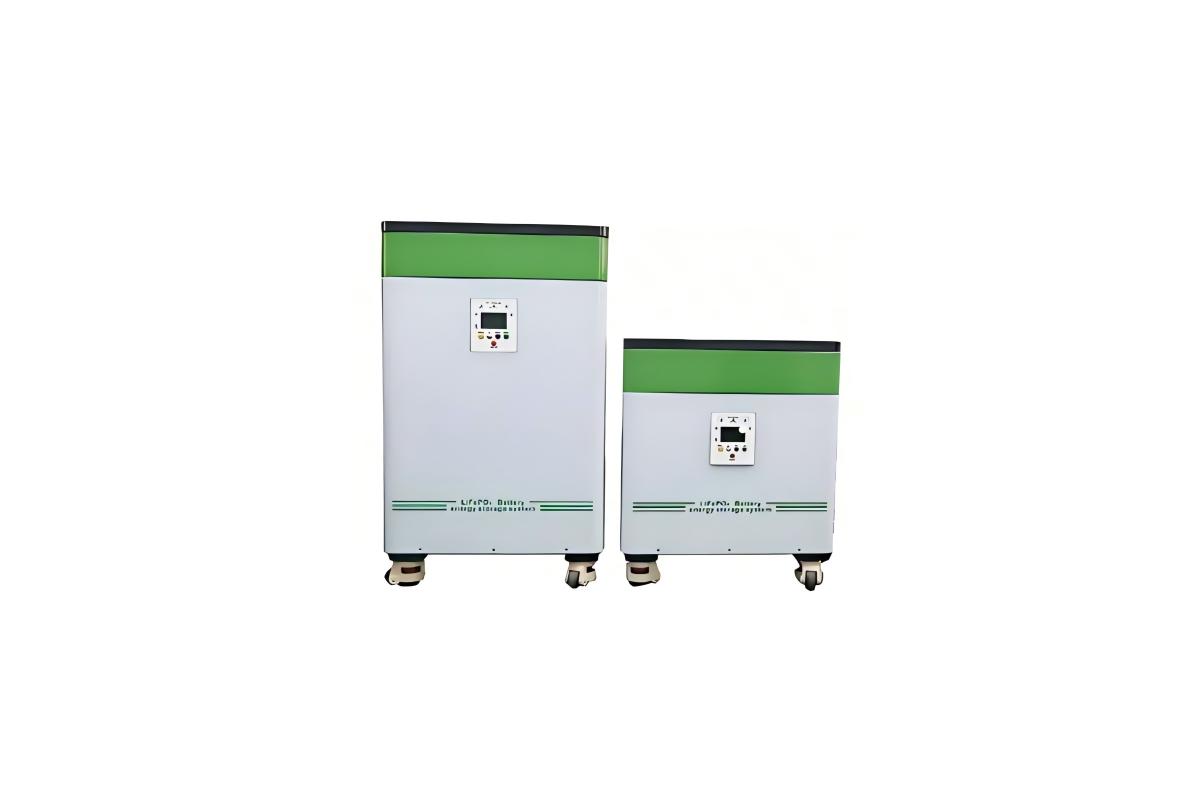
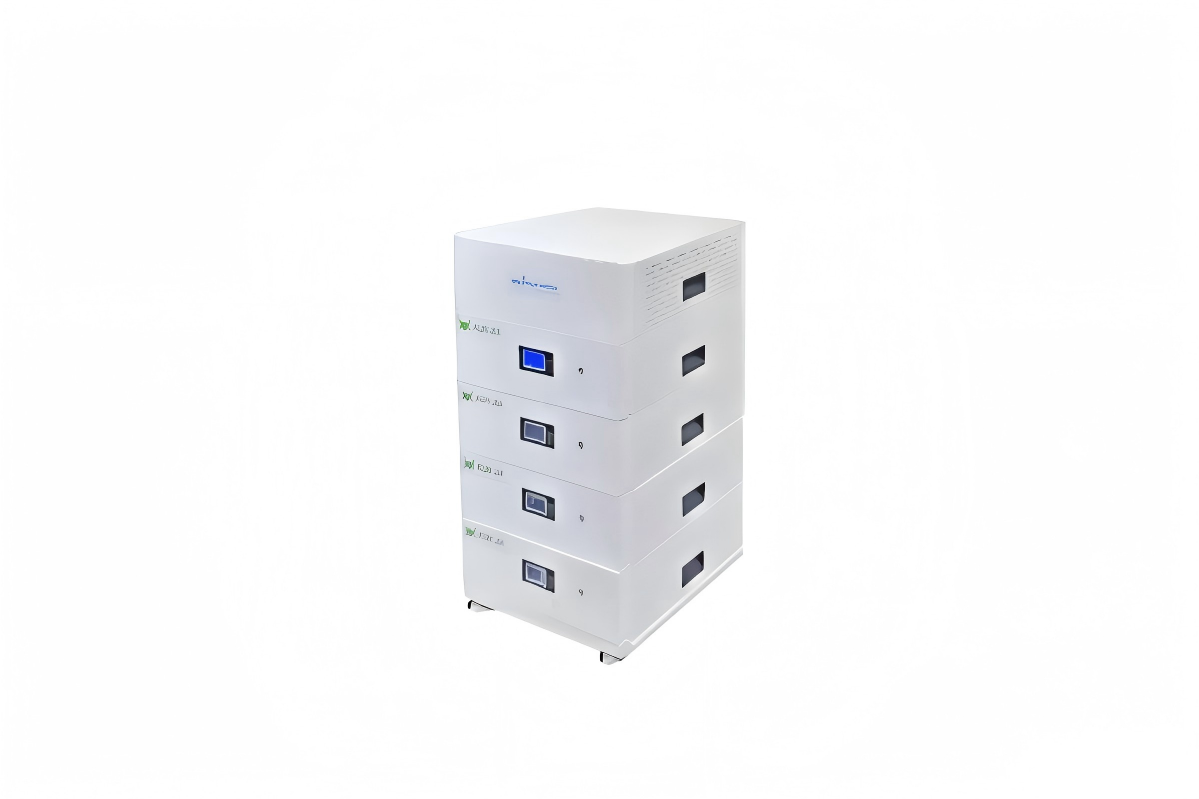
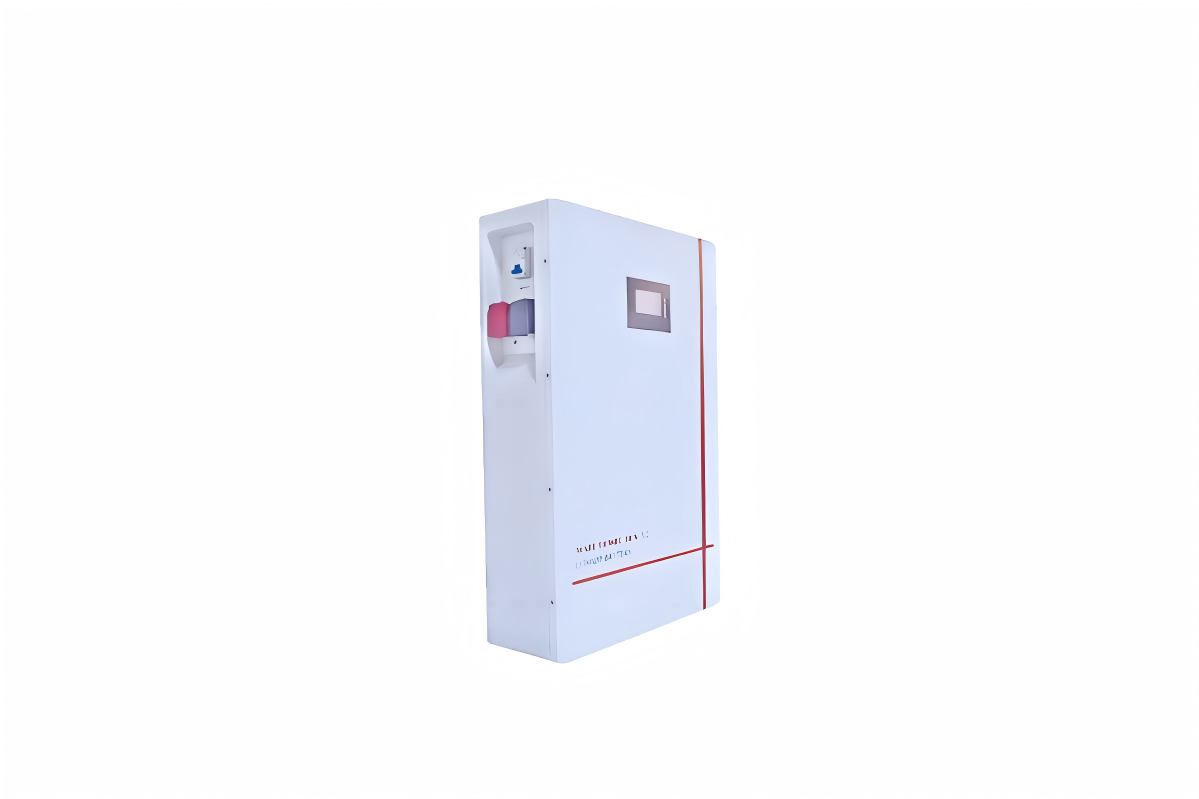
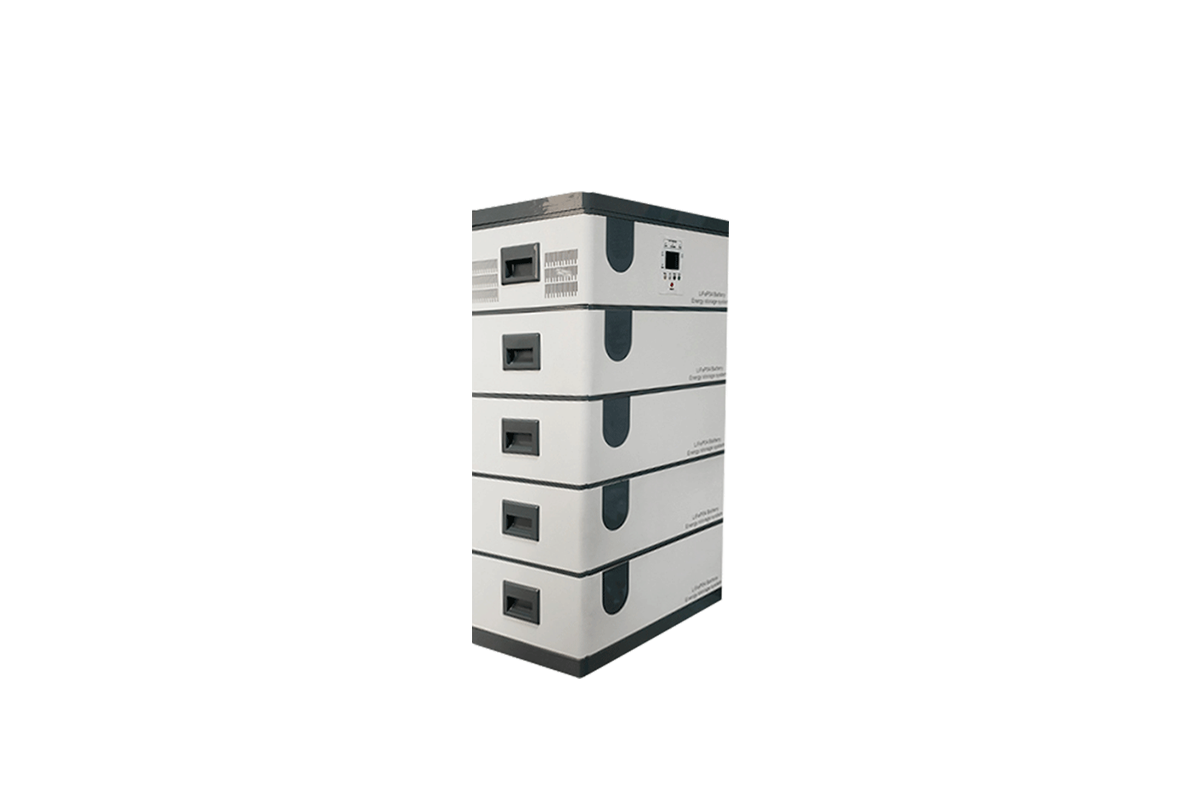
Lithium Iron Phosphate (LFP) has emerged as a highly favored solution for energy storage lithium batteries, offering a unique combination of safety, long - term reliability, and cost - effectiveness. The LFP chemistry is based on a lithium iron phosphate cathode material, which provides several distinct advantages over other lithium - ion battery chemistries.
One of the most notable features of LFP - based energy storage lithium batteries is their exceptional safety. LFP cathodes have a very stable crystal structure, which significantly reduces the risk of thermal runaway. Thermal runaway, a dangerous situation where a battery overheats and can potentially catch fire or explode, is less likely to occur in LFP batteries compared to those with other cathode materials, such as lithium - cobalt - oxide (LCO). This stability is due to the strong bond between iron, phosphate, and lithium ions in the LFP structure, which prevents the release of oxygen even under high - temperature or overcharging conditions. As a result, LFP batteries are widely used in applications where safety is of utmost importance, such as electric buses, energy storage systems for residential and commercial buildings, and large - scale grid - connected energy storage projects.
In terms of cycle life, LFP batteries outperform many other lithium - ion battery chemistries. They can typically withstand thousands of charge - discharge cycles without significant capacity degradation. For example, an LFP battery can maintain over 80% of its initial capacity even after 3,000 - 5,000 cycles, making them a cost - effective choice for long - term energy storage applications. This long cycle life reduces the need for frequent battery replacements, thereby lowering the overall cost of ownership for energy storage systems.
LFP batteries also have a relatively flat discharge curve, which means that they can provide a stable voltage output throughout most of the discharge process. This characteristic is beneficial for applications that require a consistent power supply, such as uninterruptible power supply (UPS) systems. Additionally, LFP batteries have a high charge - discharge efficiency, which minimizes energy losses during the charging and discharging cycles, improving the overall energy utilization of the storage system.
However, LFP batteries do have some limitations. Their energy density is generally lower compared to other lithium - ion chemistries like lithium - nickel - manganese - cobalt - oxide (NMC). This means that for the same amount of stored energy, LFP - based battery packs may be larger and heavier. Nevertheless, ongoing research and development efforts are focused on improving the energy density of LFP batteries while maintaining their excellent safety and cycle - life characteristics.




 59911926@qq.com/sales@goldenfuturehk.com
 13316809242 / 15816897019
 Inquiry
 Home >