






Time:2026-05-22 Views:29
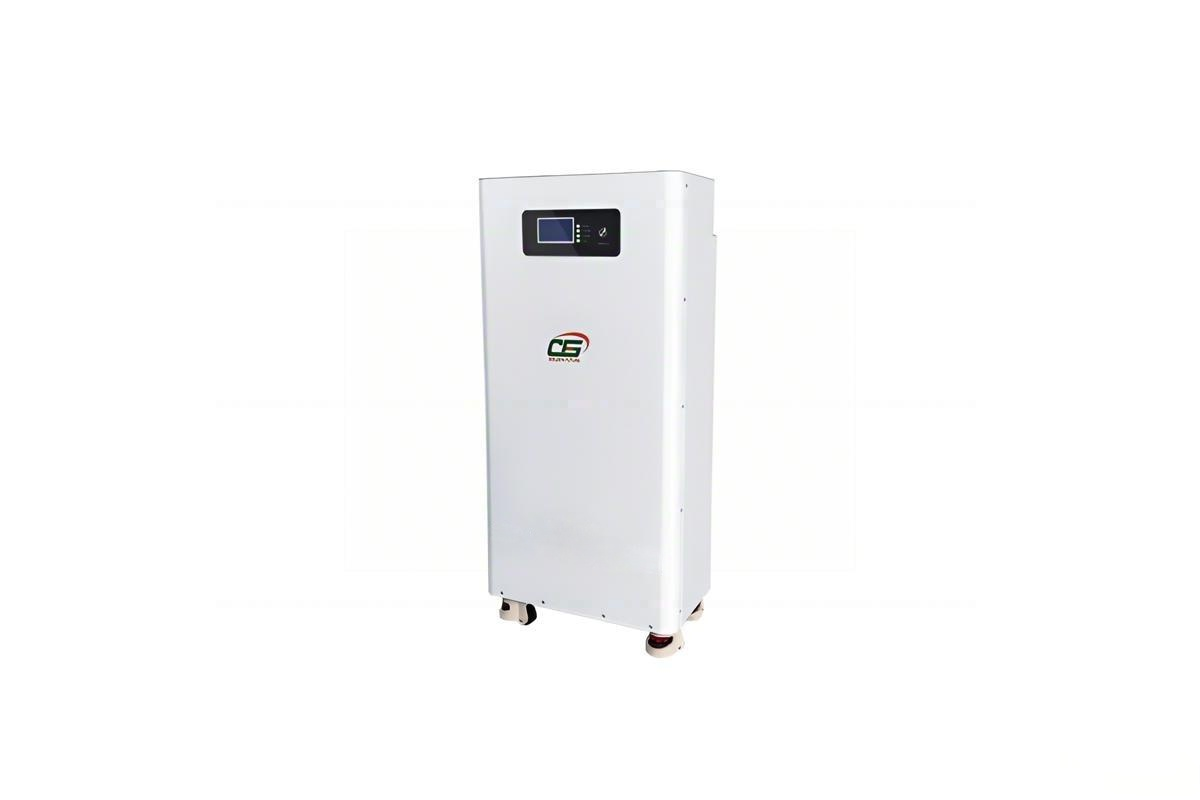
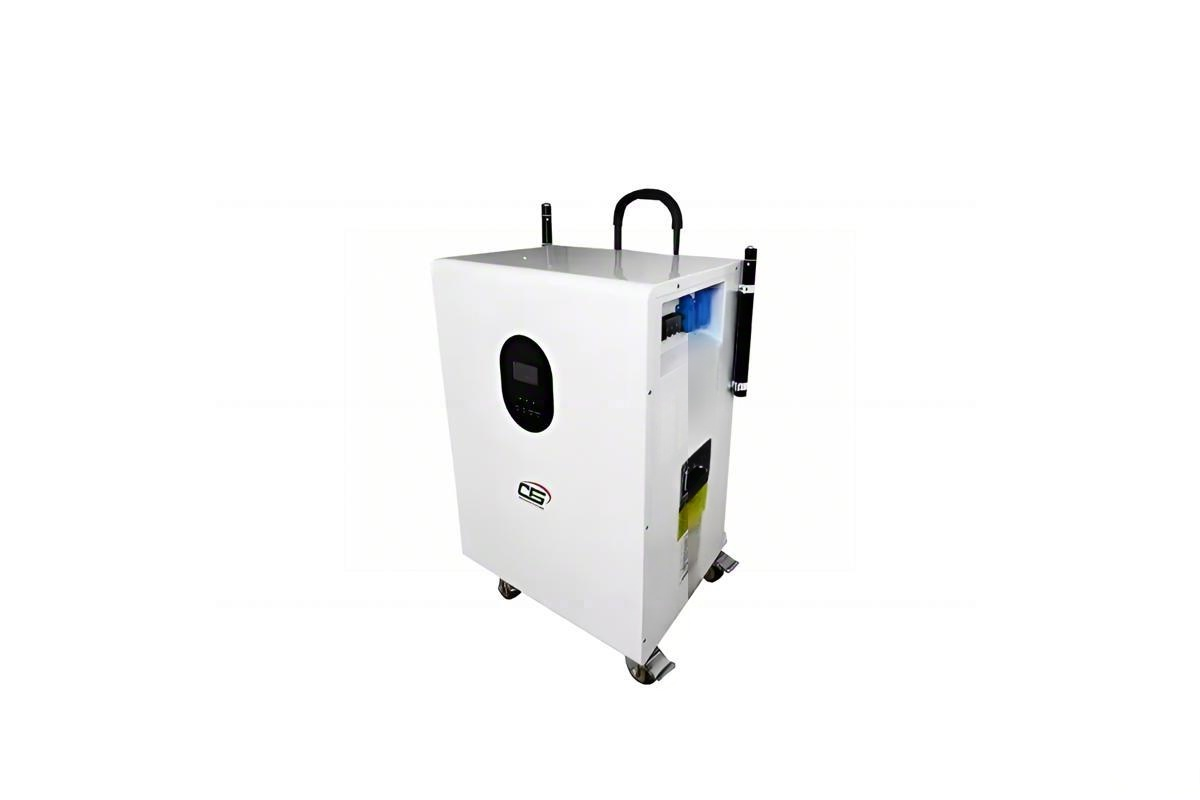
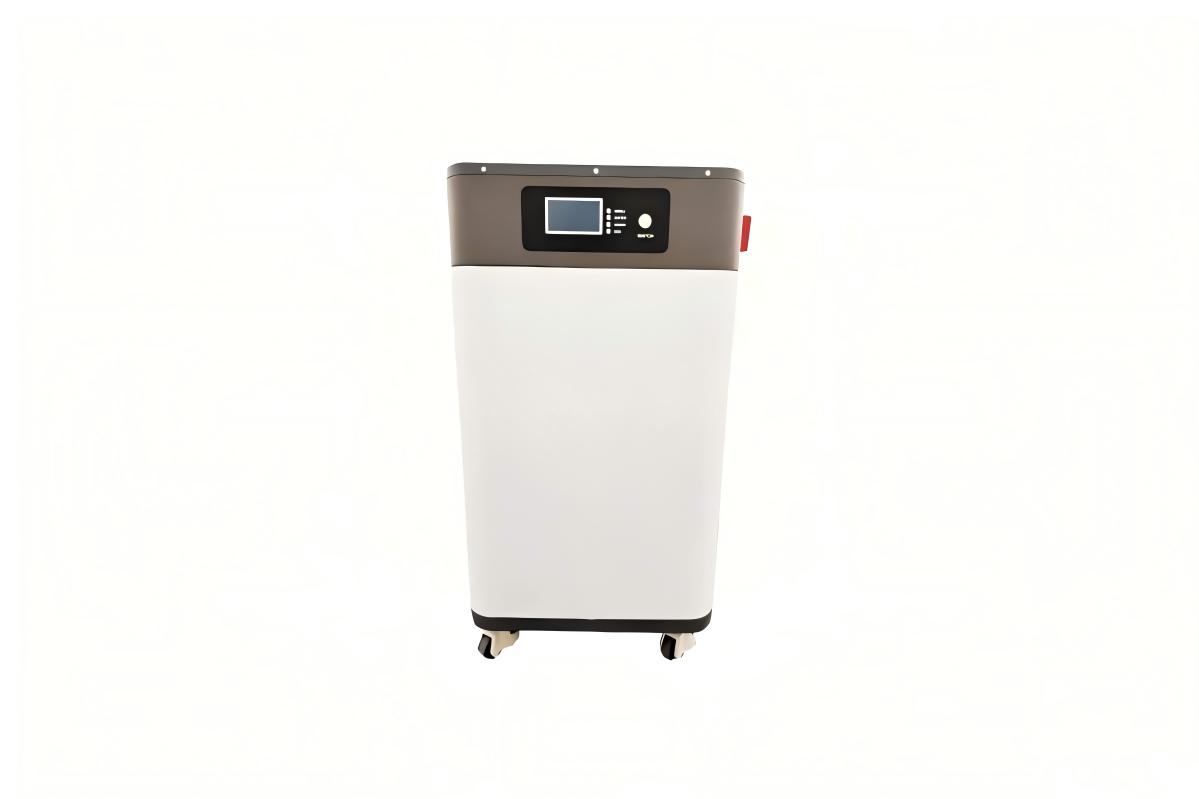
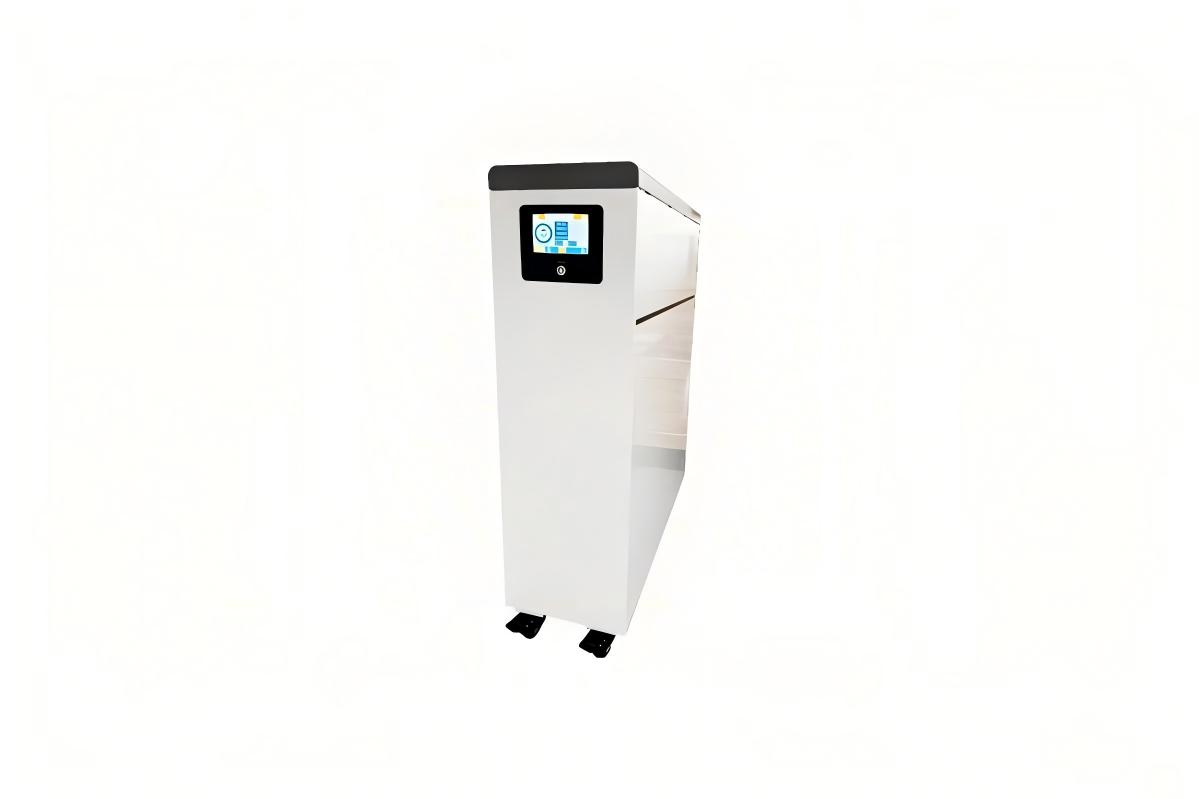
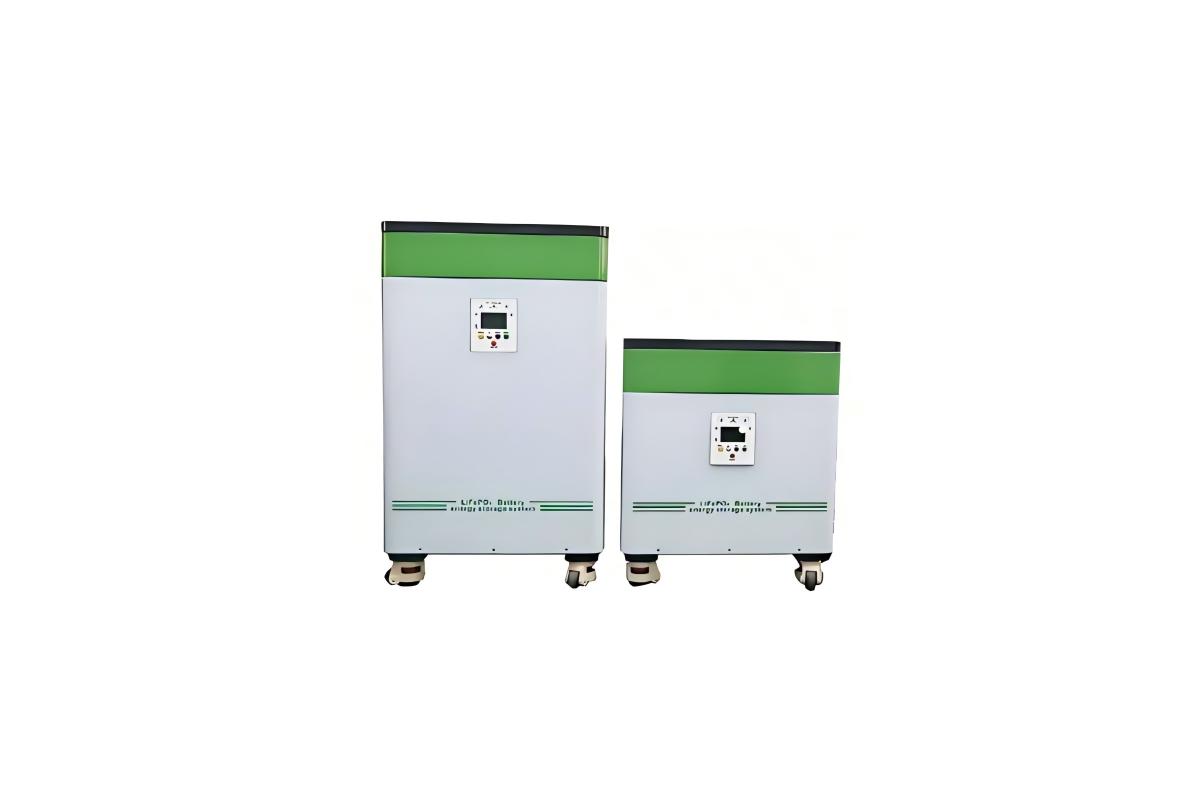
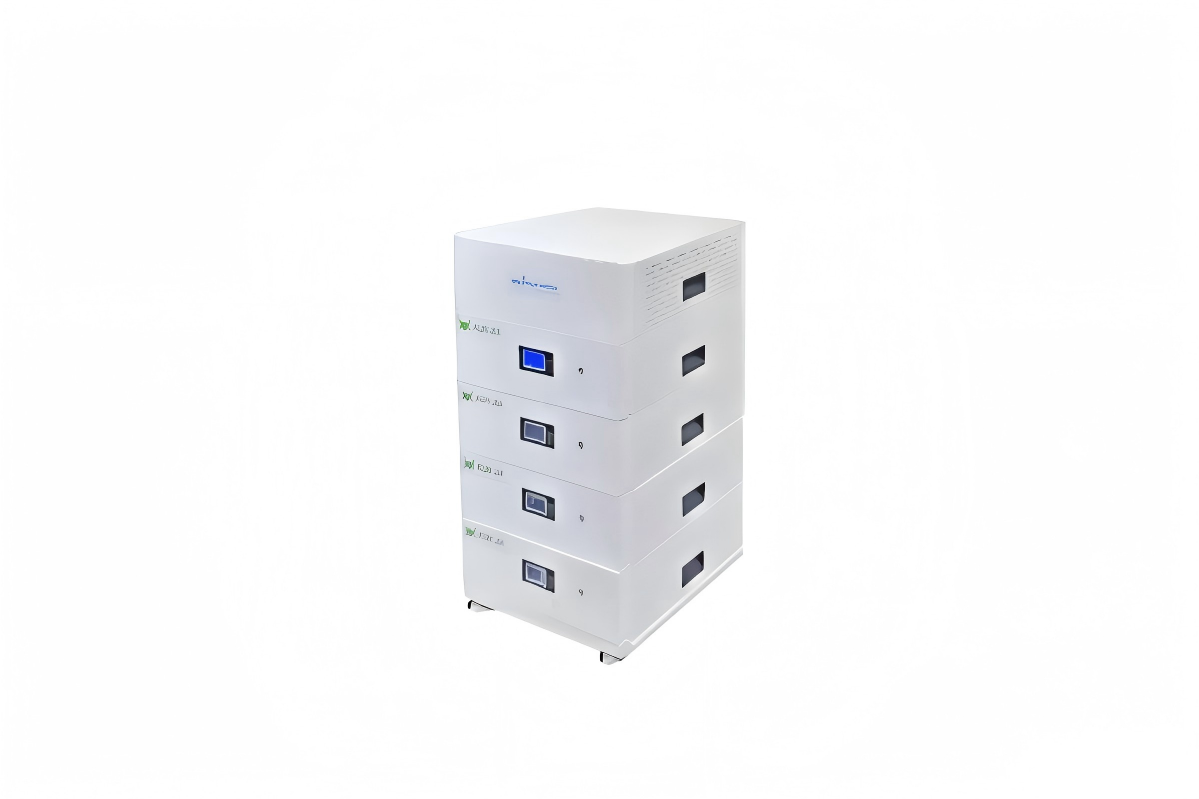
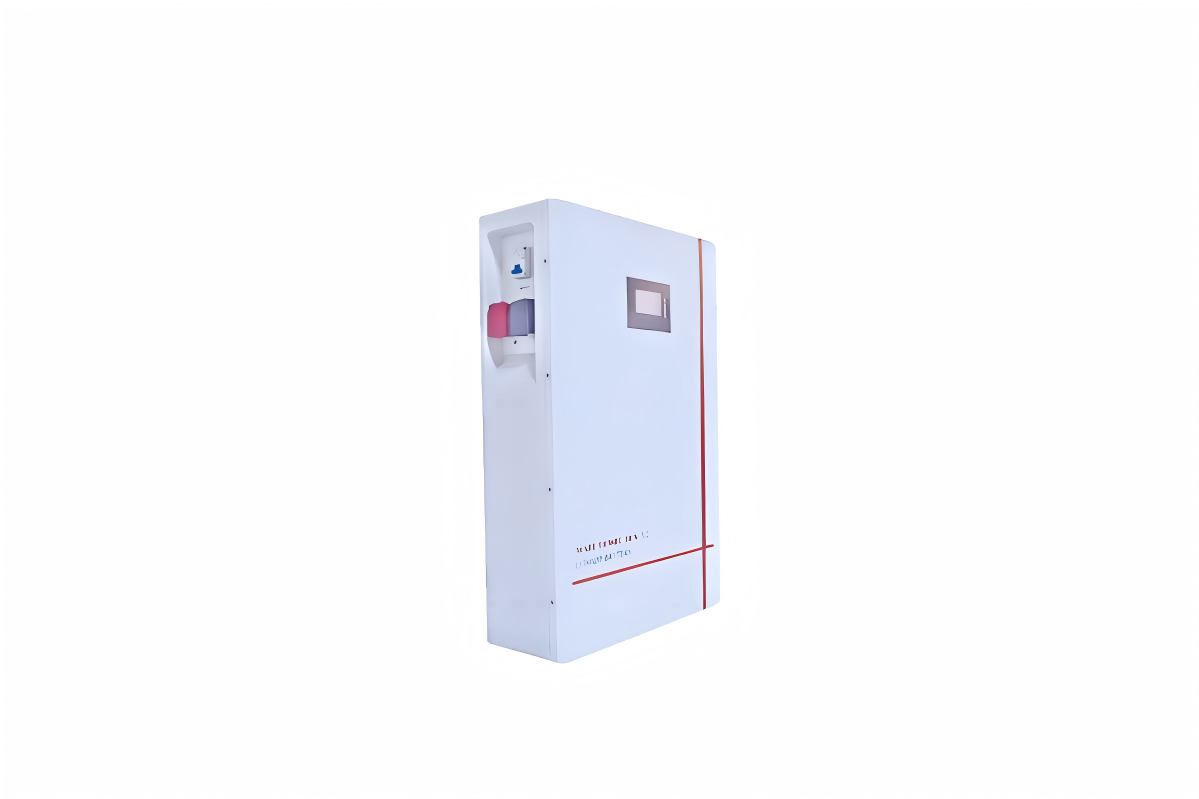
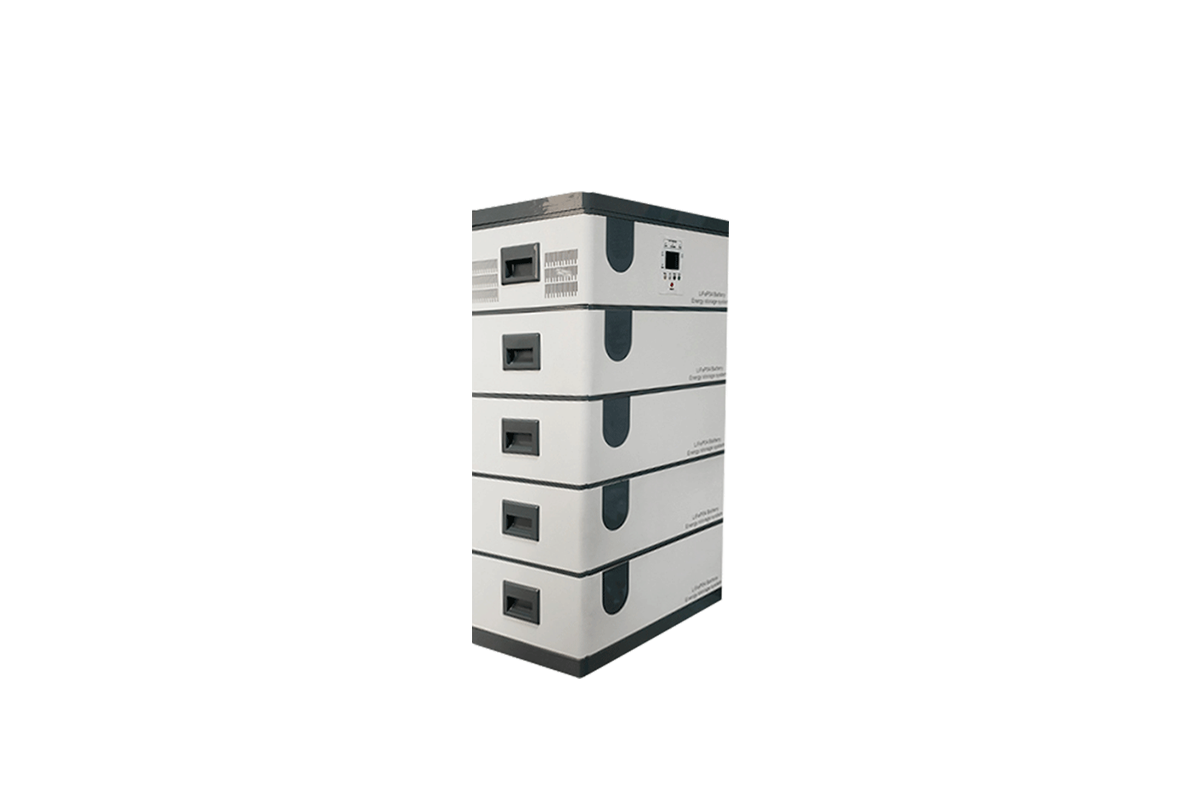
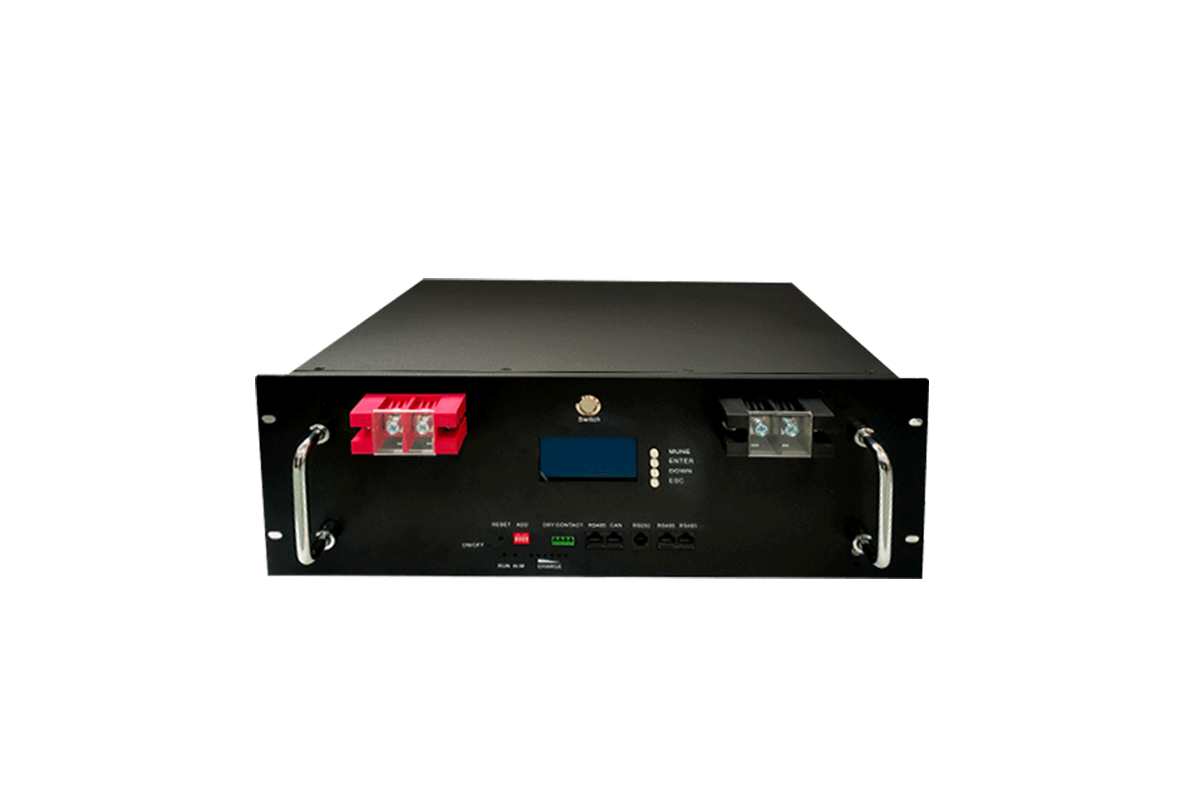
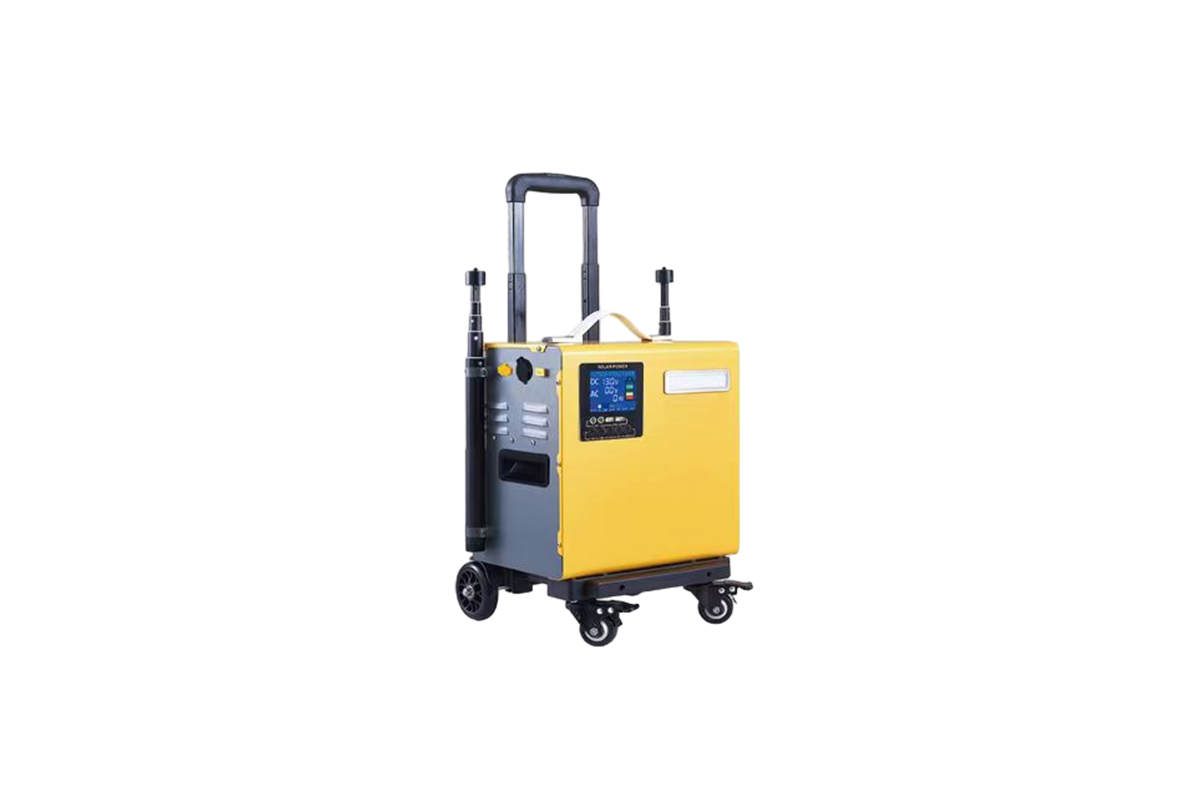
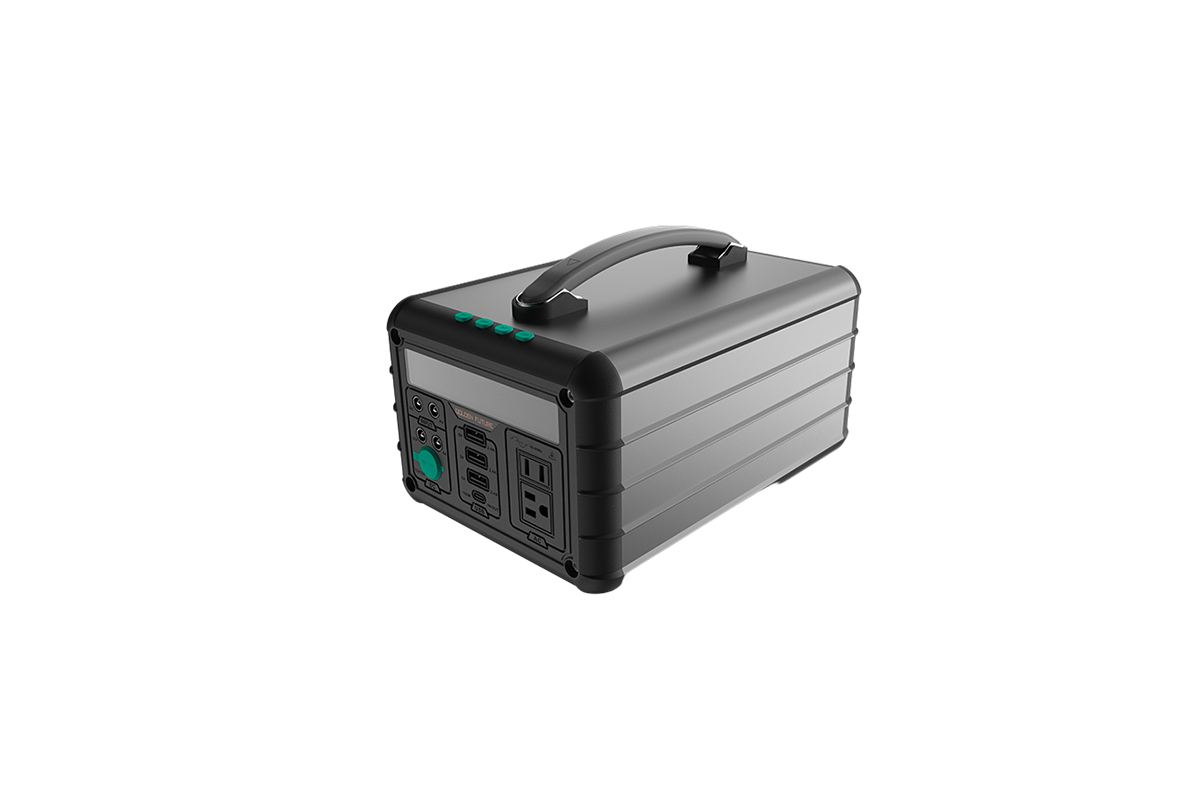
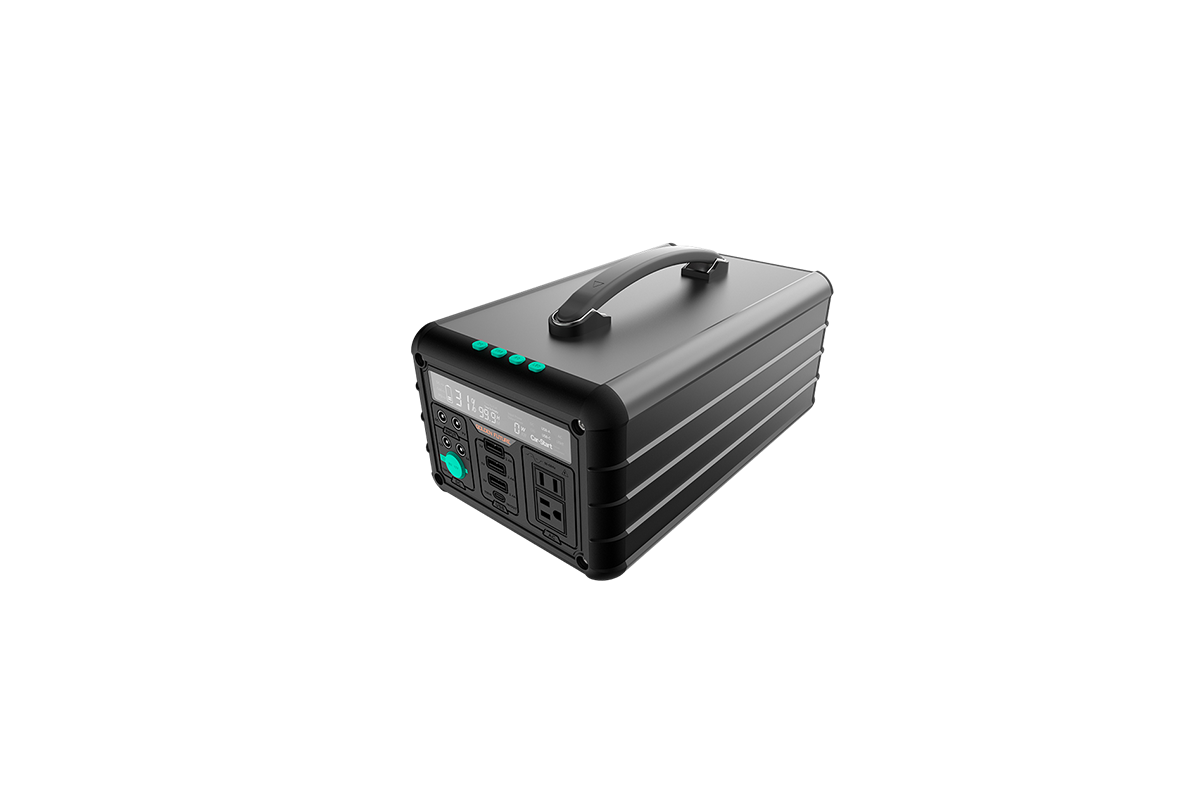
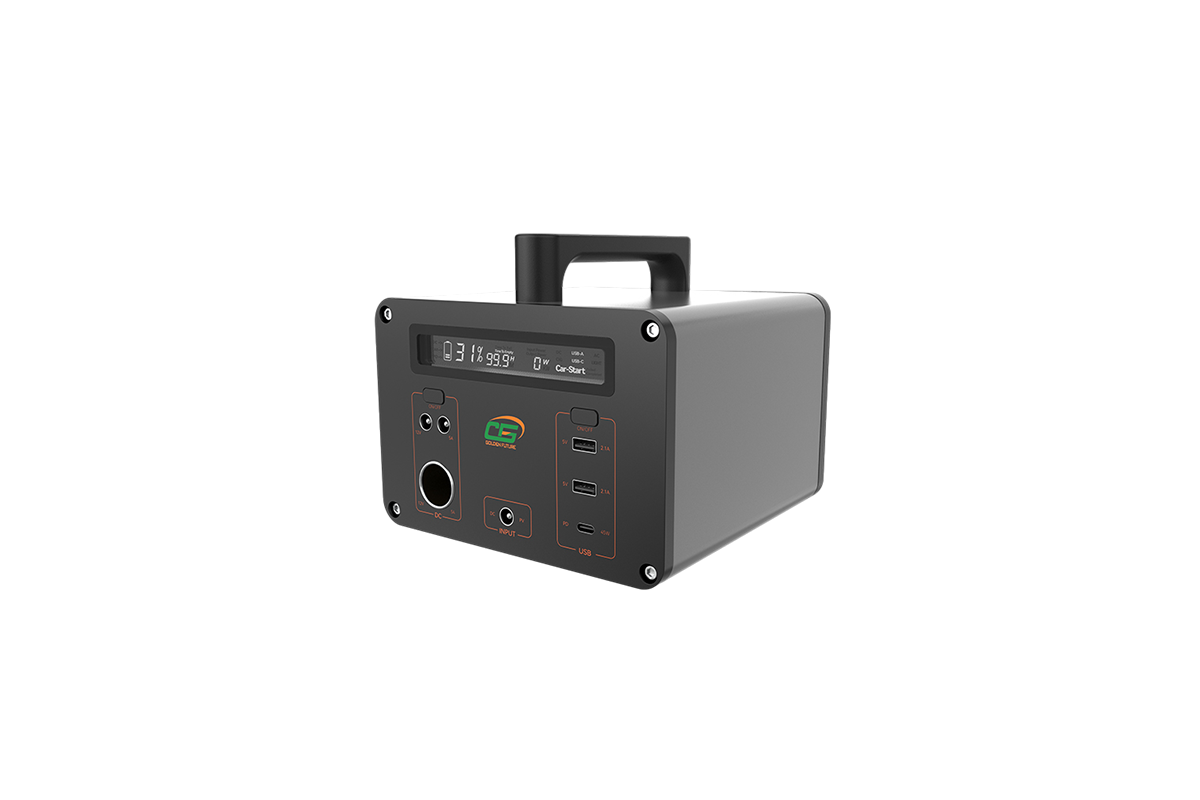
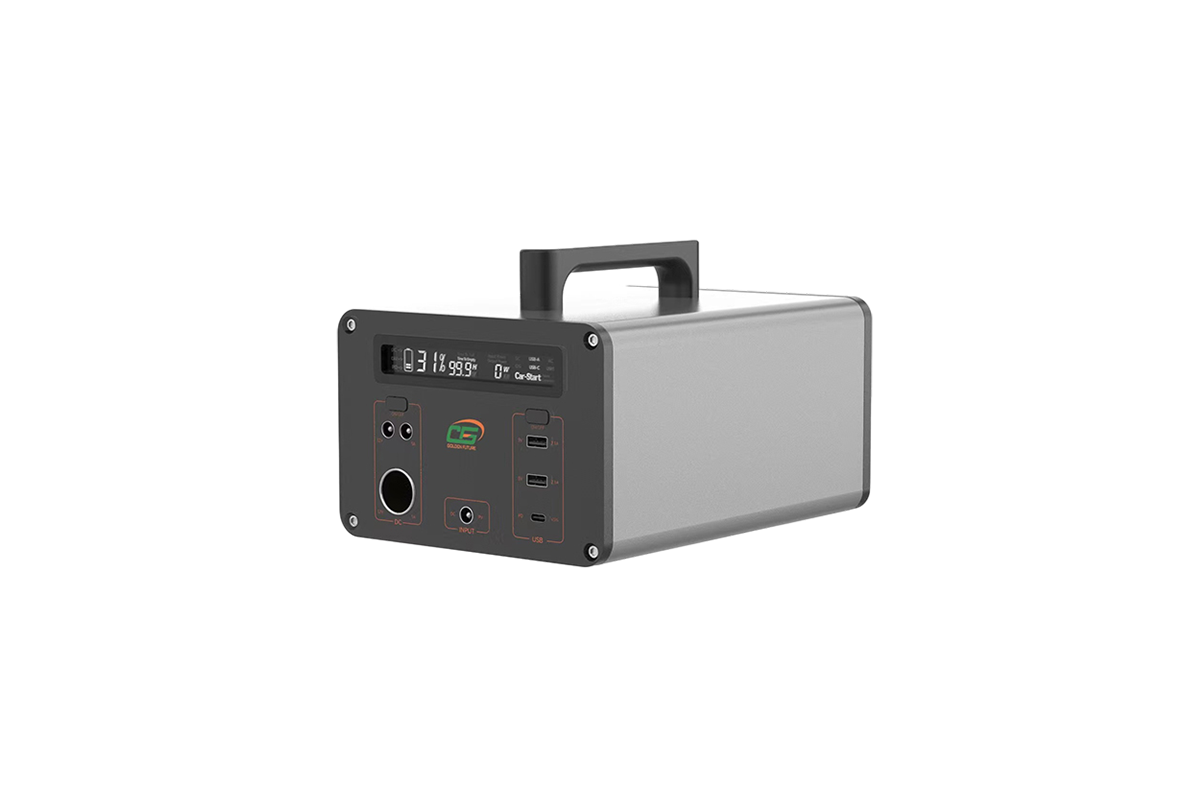
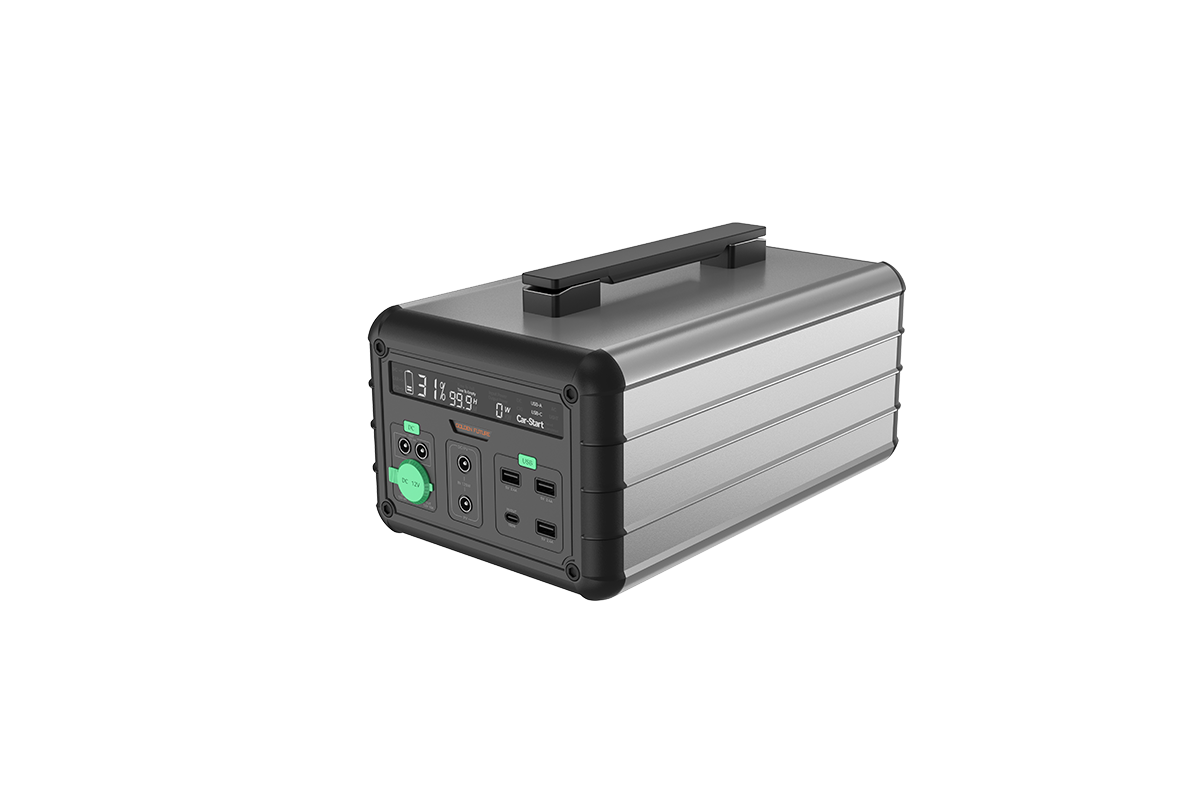
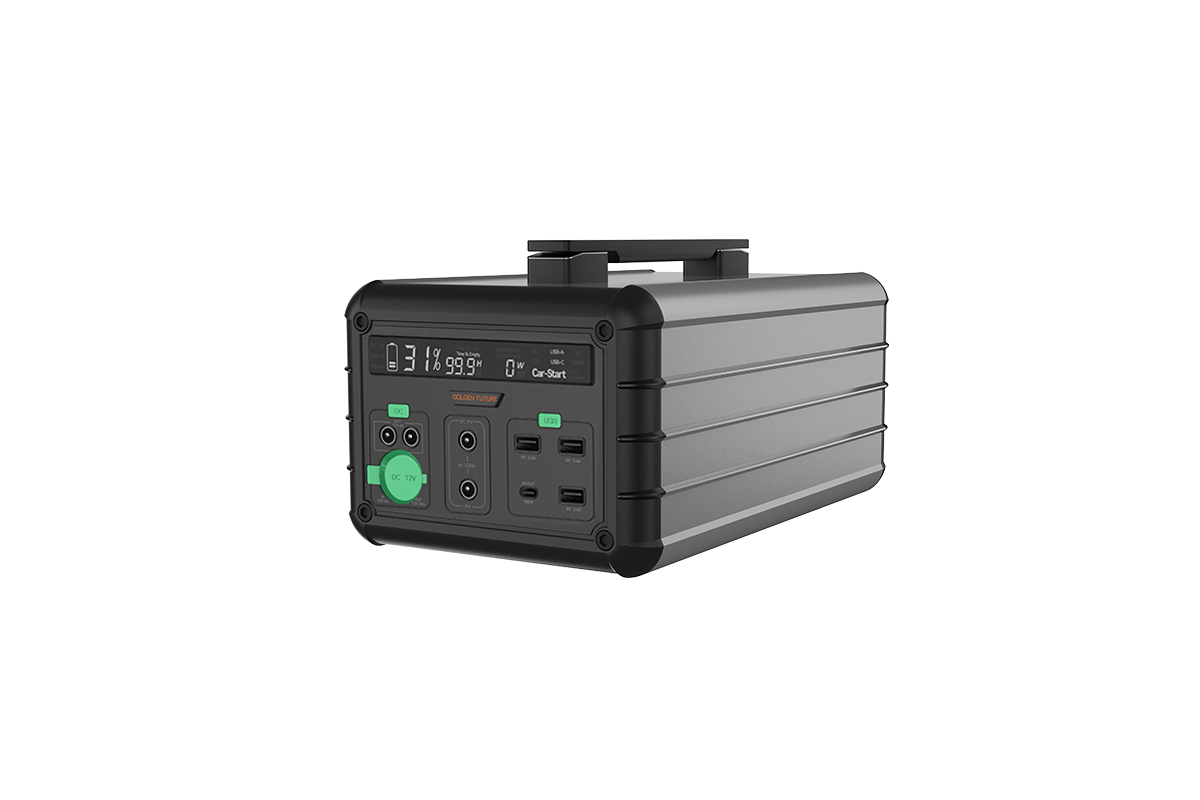
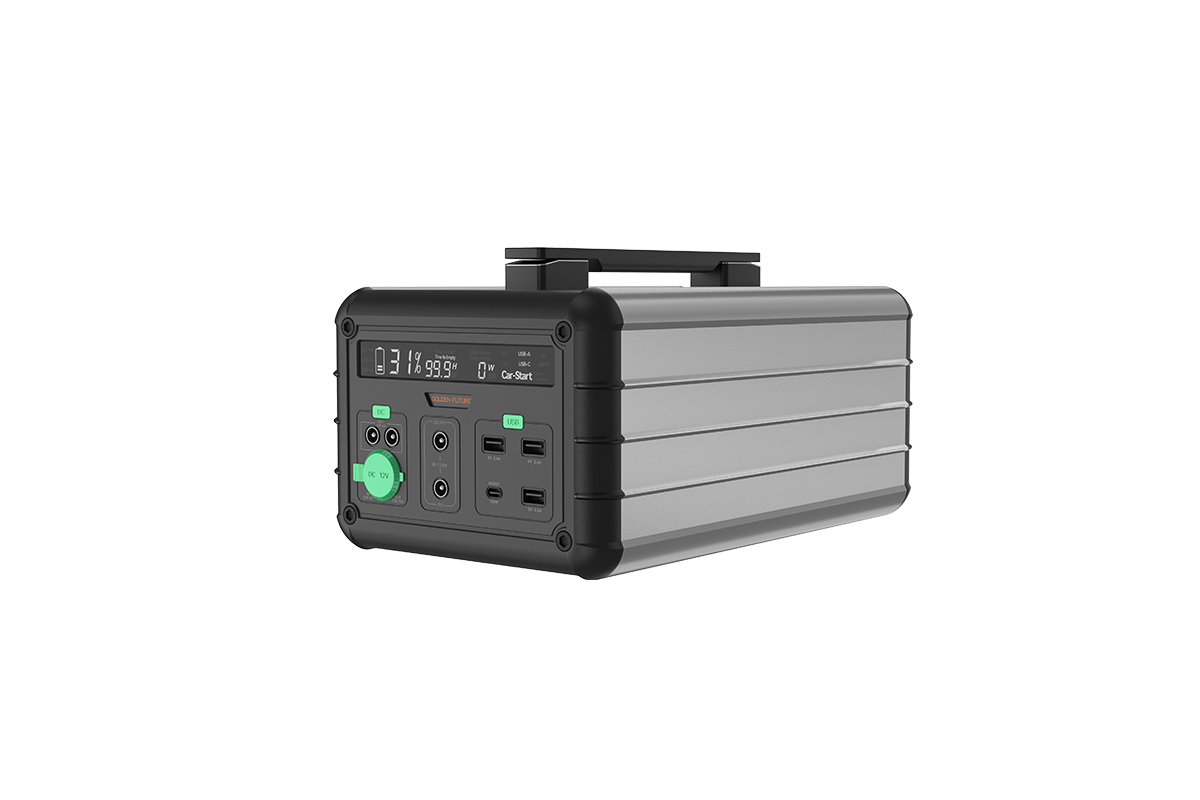
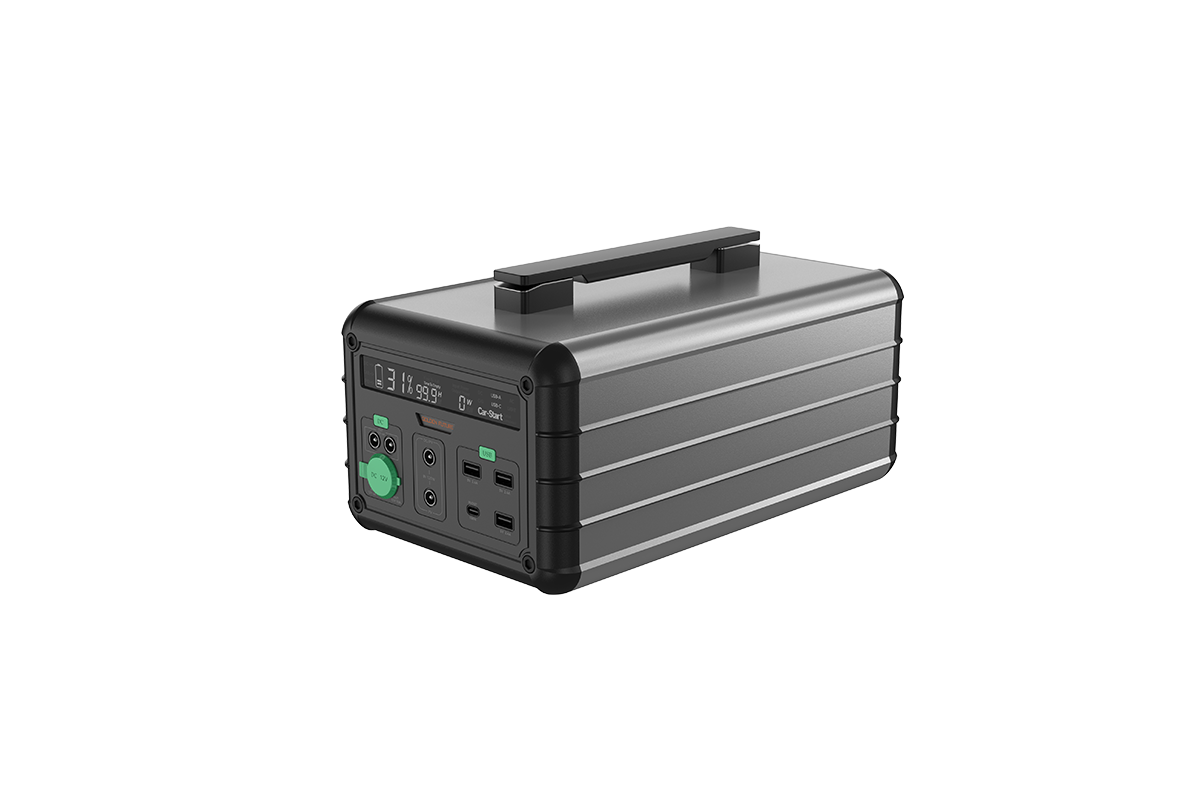
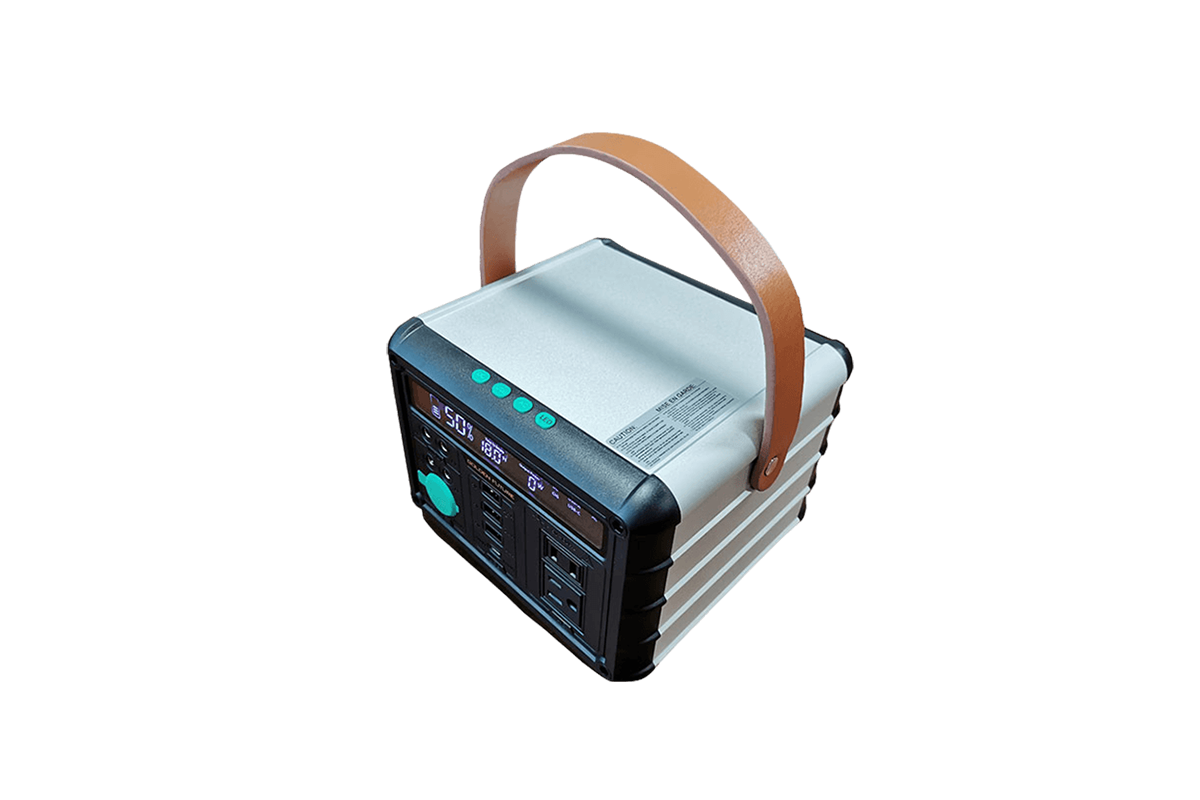
Bank branches, as core nodes of financial services, have extremely low tolerance for power outages. Even a short-term power interruption can lead to business system paralysis, customer data loss, and potential security risks such as failure of vault access control and interruption of monitoring systems, which may further cause reputation damage and economic losses. In this context, energy storage emergency power supply systems have become an indispensable part of the stable operation of bank branches, providing a reliable guarantee for uninterrupted financial services.
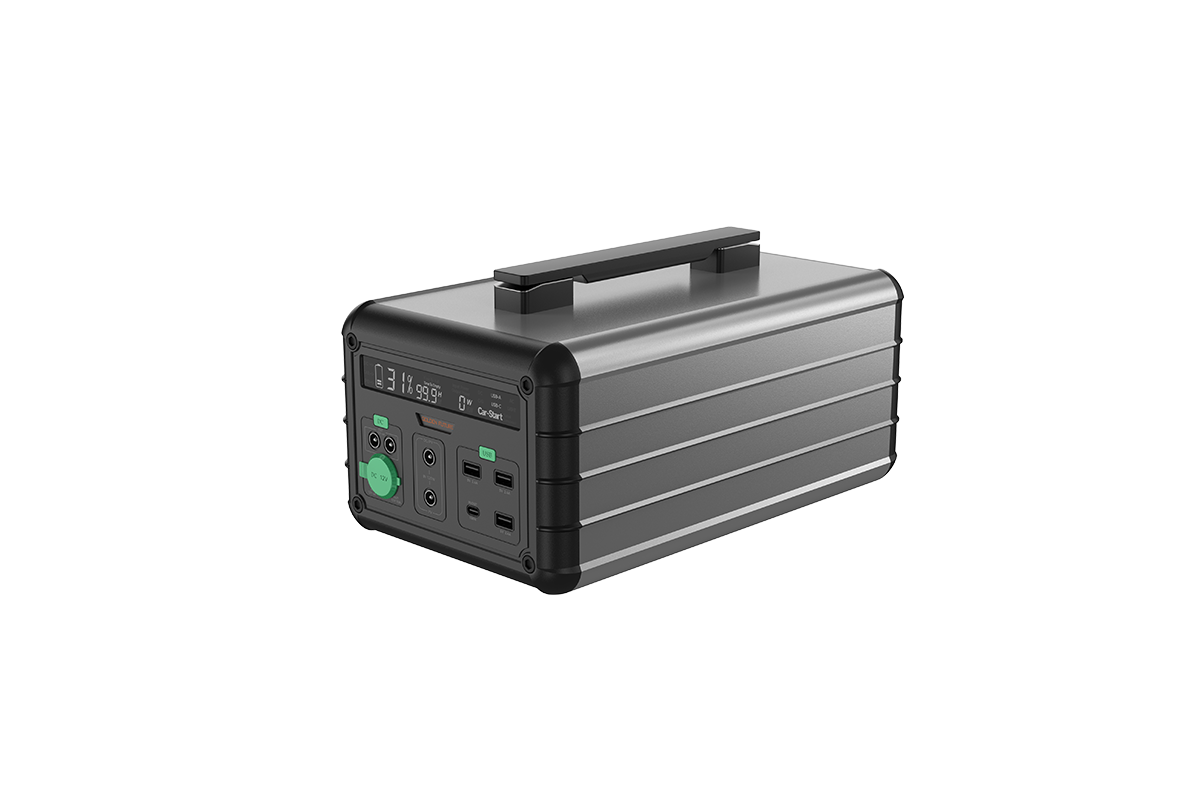
The core advantage of energy storage emergency power supply systems lies in their millisecond-level switching capability. When the municipal power supply is normal, the system is in a floating charge state to charge the battery pack; once the municipal power is interrupted (usually within 0.1 seconds), the system quickly switches to the inverter mode to supply power to the load, avoiding the impact of power outage gaps on precision equipment such as servers and ATMs. This seamless switching ensures that core business processes such as customer transactions and data processing are not interrupted, effectively preventing transaction failures and data damage caused by power outages.
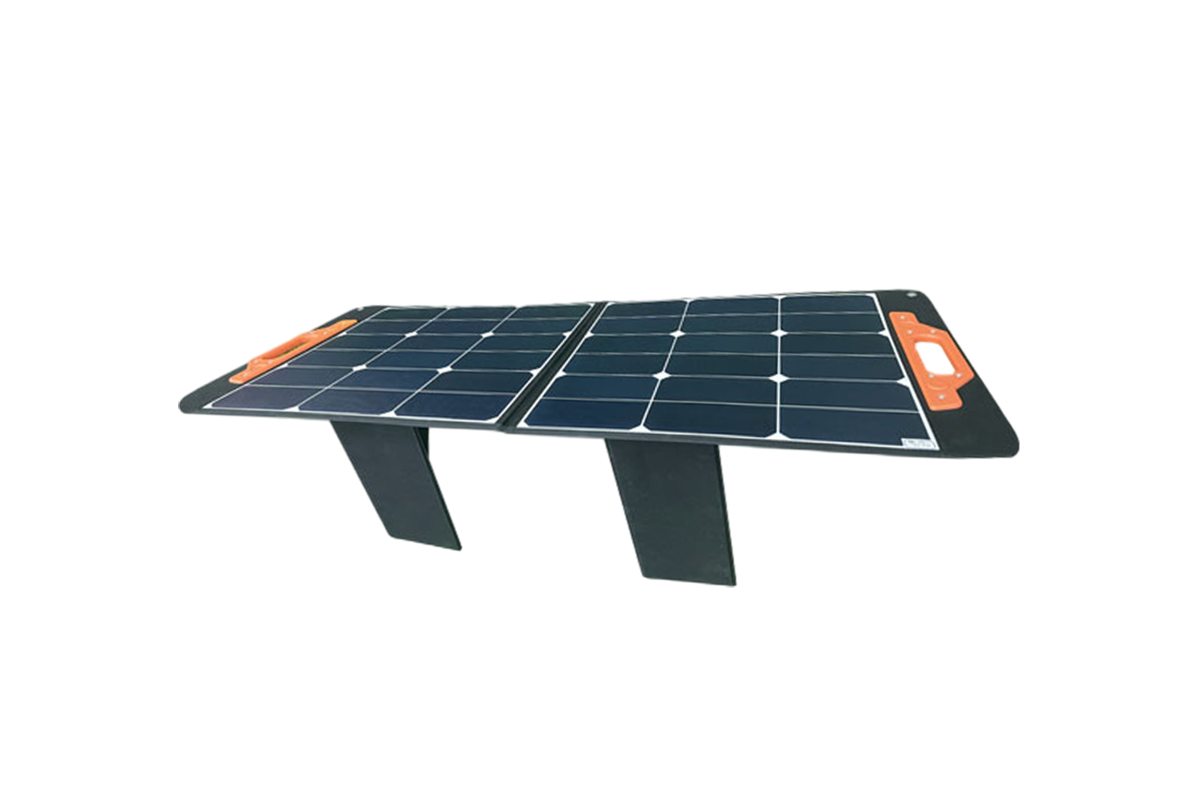
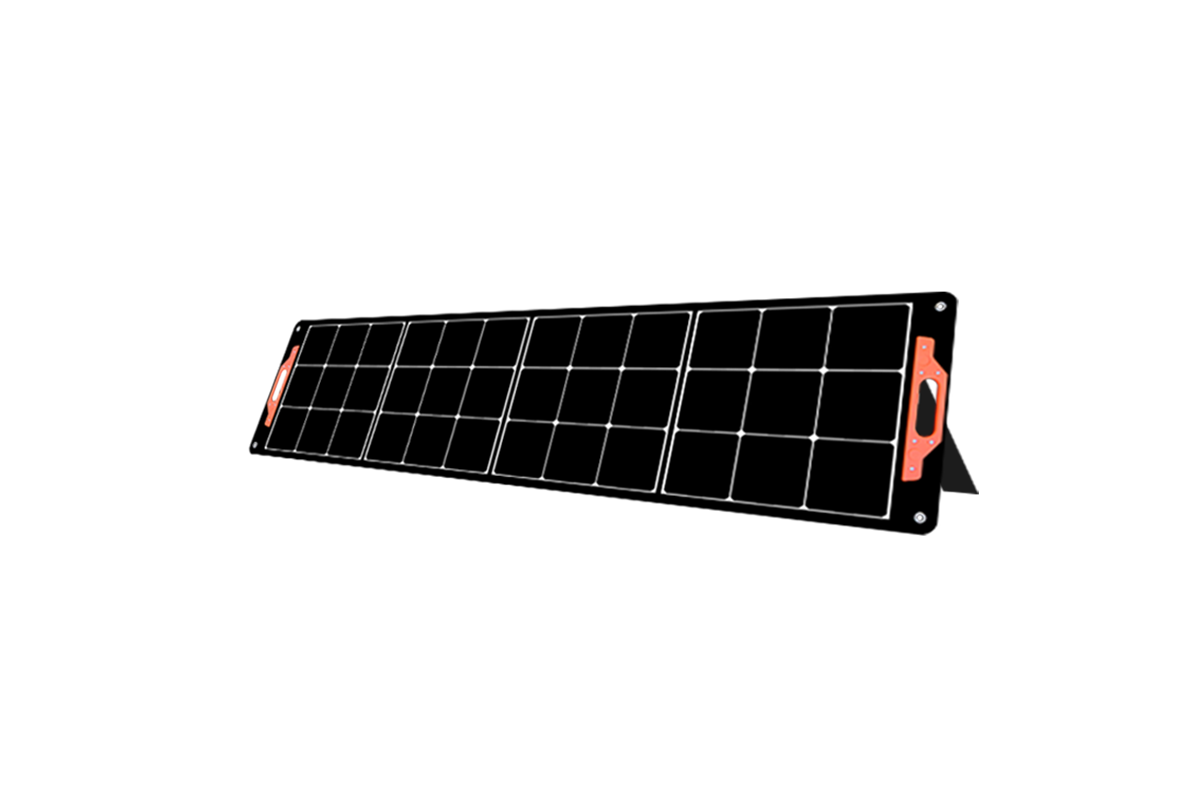
In addition, these systems are highly compatible with multiple loads and can meet the diverse power needs of bank branches, including resistive loads such as emergency lighting, capacitive loads such as computer servers, and inductive loads such as fire pumps. By configuring battery packs of different capacities, the system can achieve emergency power supply for 1 to 8 hours or even longer, providing sufficient buffer time for banks to complete business closure, data backup, or start diesel generators. At the same time, the system complies with relevant national fire and financial industry standards, with multiple protection functions such as overload, short circuit, overheating, and overcharging, ensuring safe and compliant operation. For rural bank branches with unstable grid power, the system can also be combined with solar panels to form an off-grid power supply solution, further improving the reliability of power supply and reducing long-term operation costs.



 59911926@qq.com/sales@goldenfuturehk.com
 13316809242 / 15816897019
 Inquiry
 Home >