





Time:2026-11-18 Views:534
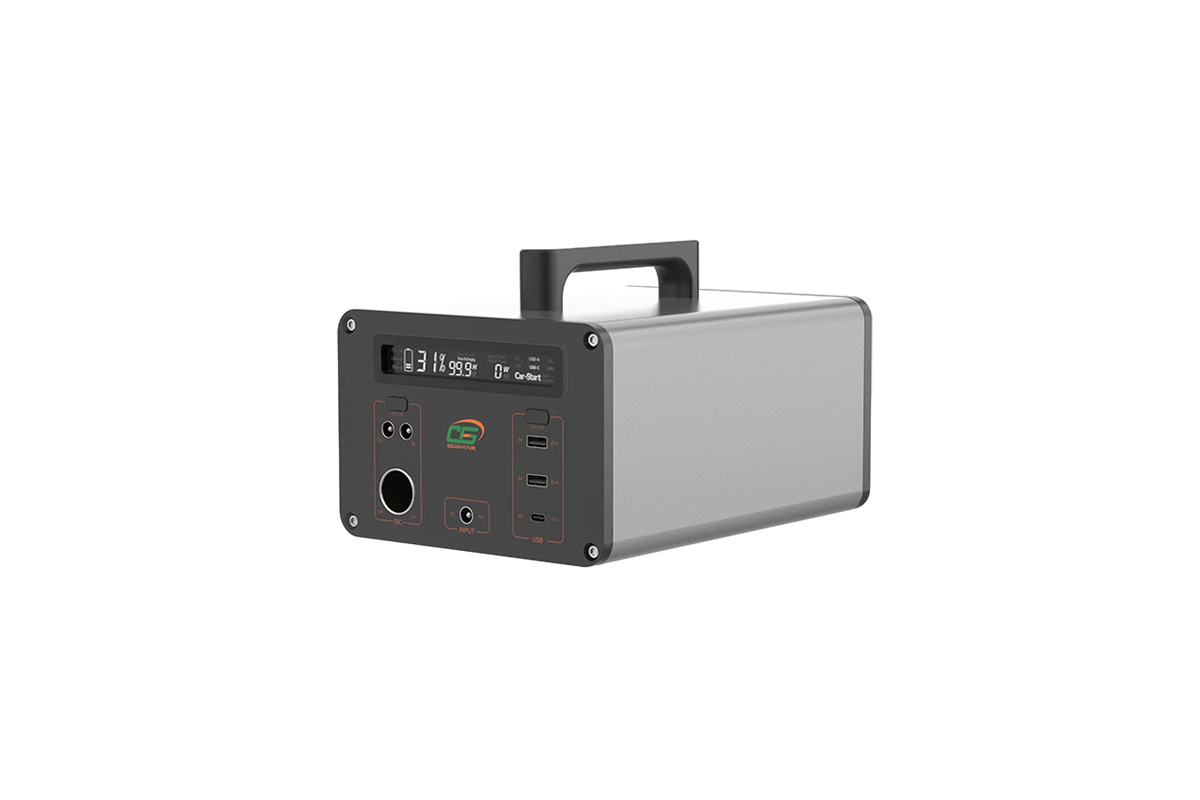
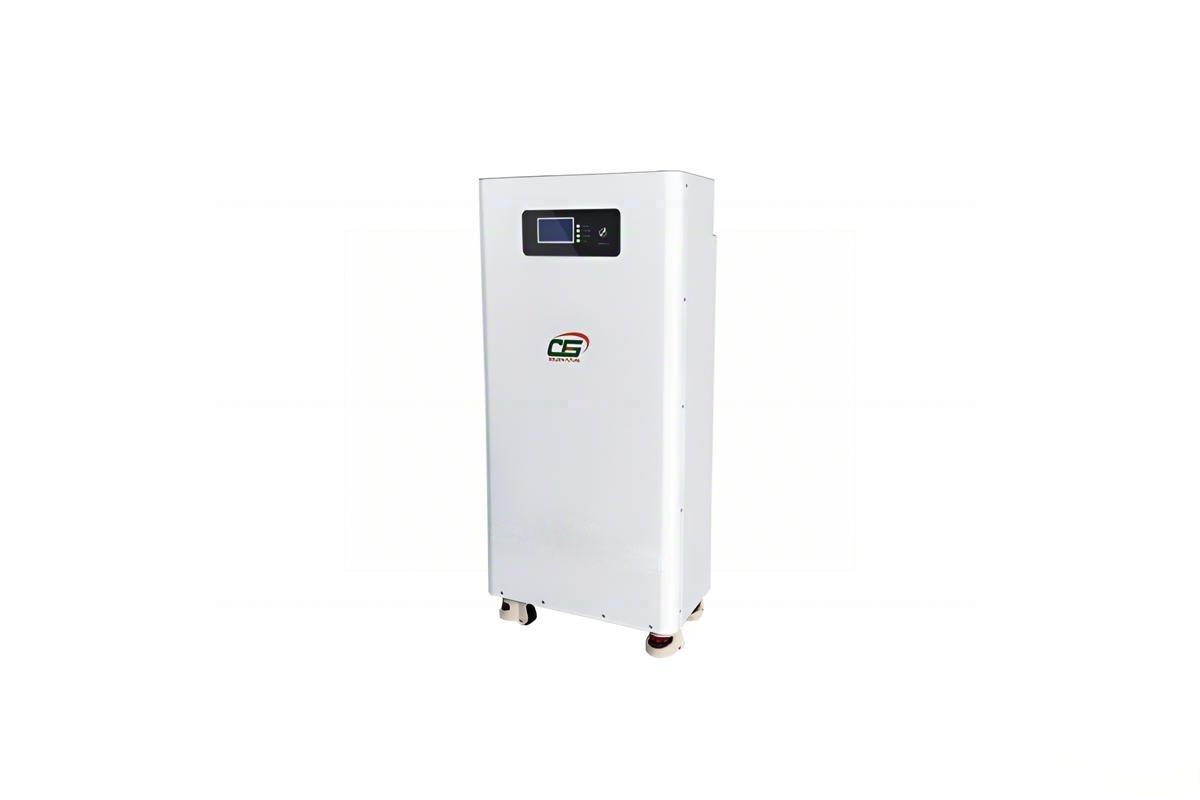
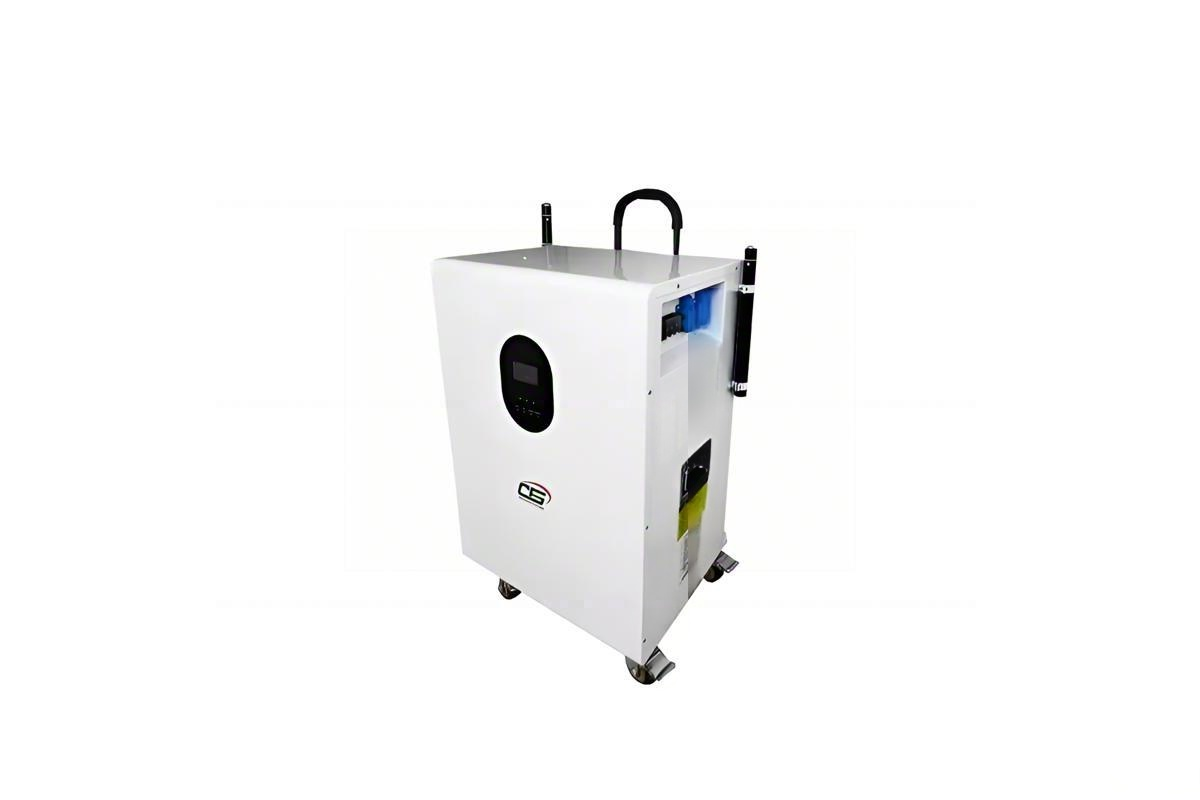
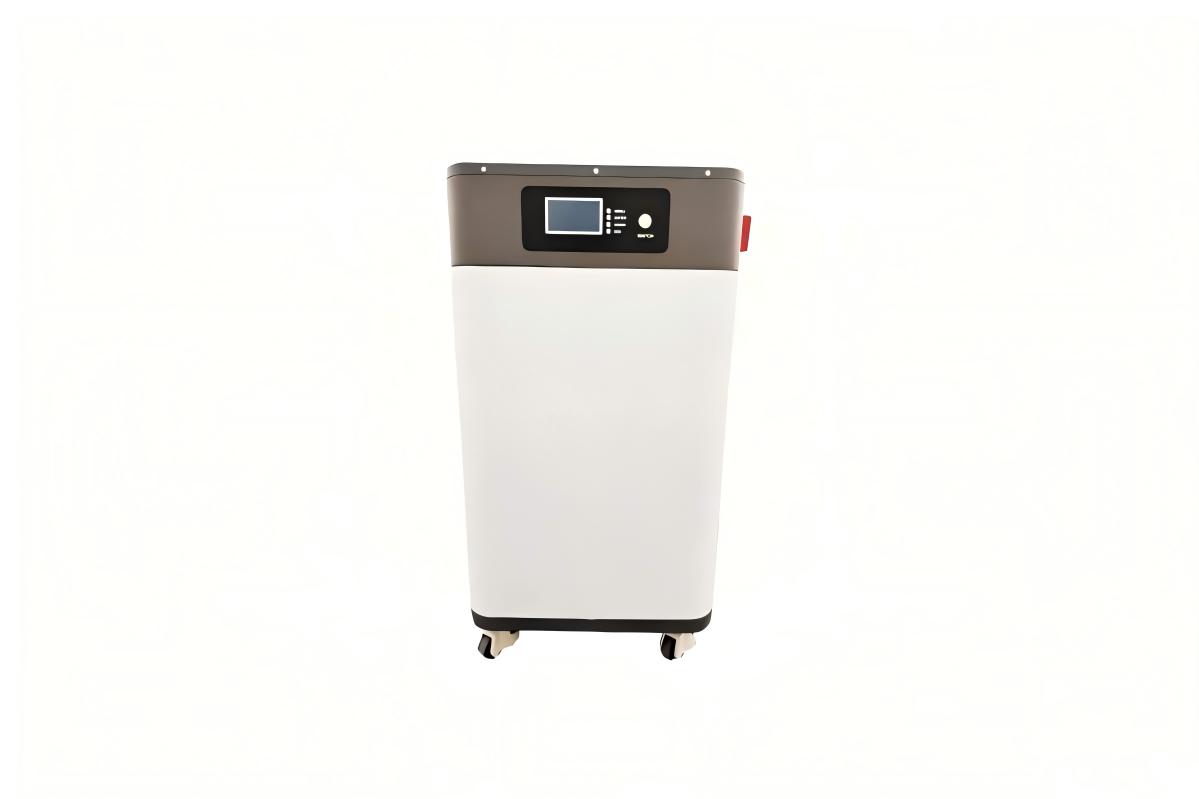
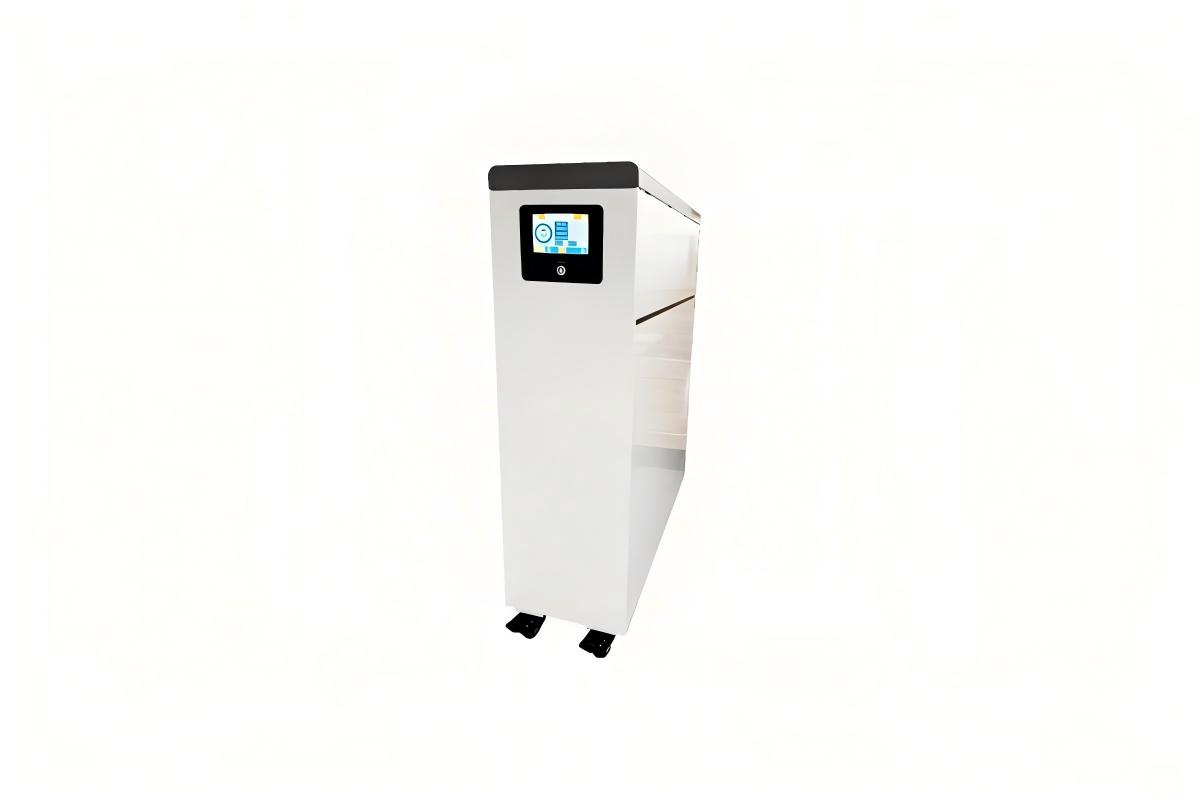
Energy storage battery heat dissipation technology is the core guarantee to restrain battery thermal runaway, extend cycle life, and ensure stable operation of energy storage systems, and is one of the most concerned technical points in Google energy storage battery safety and performance optimization searches. Energy storage batteries will generate continuous Joule heat and chemical reaction heat during charging, discharging, and floating charging processes. Long-term high-temperature operation will accelerate battery capacity attenuation, cause inconsistent cell parameters, and even trigger thermal runaway, fire and explosion accidents. Therefore, targeted heat dissipation design must be carried out according to battery type, system capacity, and operating environment temperature.
Current mainstream energy storage heat dissipation technologies are divided into passive heat dissipation and active heat dissipation. Passive heat dissipation relies on natural air convection and bracket air duct design, suitable for small-capacity low-power energy storage systems, with the advantages of low cost, no energy consumption, and high reliability. Active heat dissipation includes forced air cooling, liquid cooling, and phase change cooling, which are widely used in large container energy storage power stations. Forced air cooling realizes rapid heat exchange through high-efficiency fans and customized air ducts, with simple structure and convenient maintenance; liquid cooling adopts water-cooled or glycol cooling plates to fit the battery pack, with uniform heat dissipation effect and low operating noise, which can control the battery operating temperature within 25°C–35°C and the temperature difference between cells within 5°C. In addition, the intelligent heat dissipation management system is equipped with temperature sensors and linkage control modules, which can automatically adjust heat dissipation power according to real-time battery temperature, realize energy-saving operation while ensuring heat dissipation effect, effectively reduce battery aging speed, and improve the overall safety and service life of the energy storage system.




 59911926@qq.com/sales@goldenfuturehk.com
 13316809242 / 15816897019
 Inquiry
 Home >
