





Time:2026-06-26 Views:231
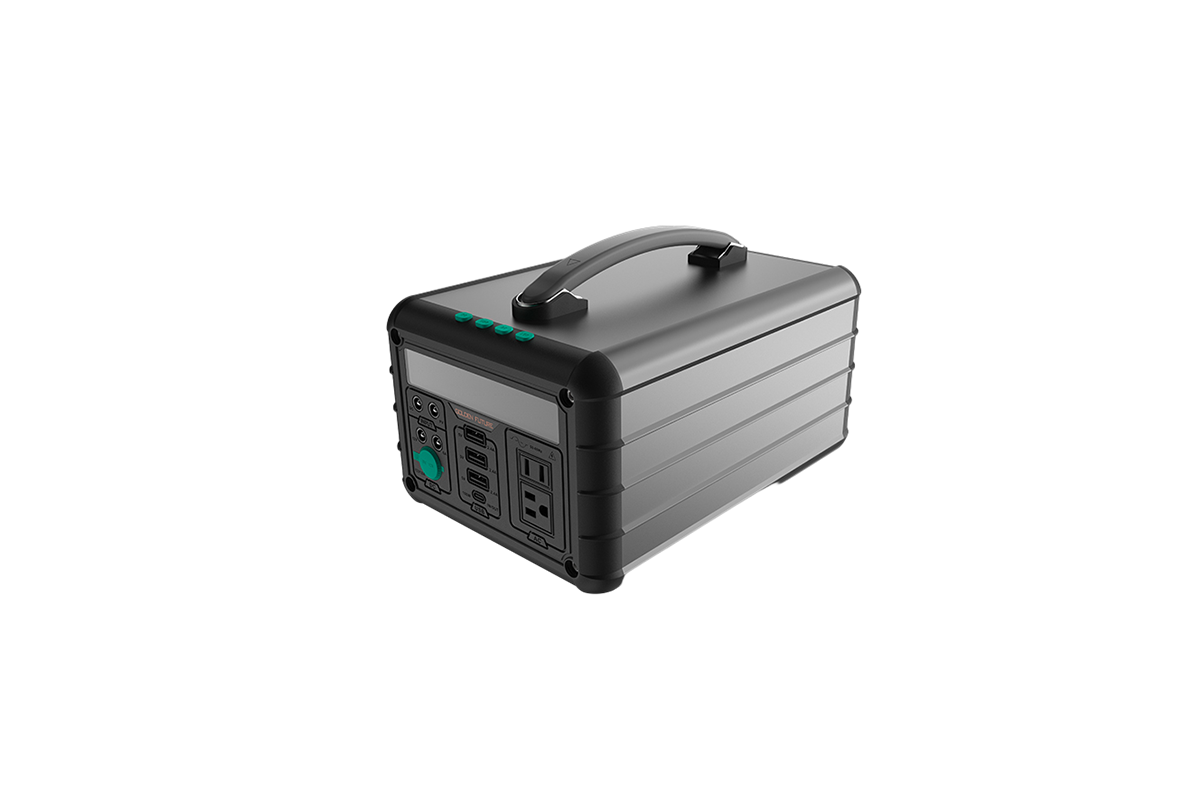
Energy storage battery fault maintenance is a key work to ensure the long-term safe and stable operation of new energy power stations. Affected by long-term high-frequency charge-discharge cycles, environmental temperature changes, equipment aging, and improper operation, energy storage batteries are prone to various faults in the operation process, including single battery voltage inconsistency, battery module swelling, internal resistance increase, BMS signal abnormality, and thermal management system failure. These minor faults will gradually reduce the energy storage efficiency and service life of the battery system if not handled in time, and severe faults may trigger thermal runaway, fire, and other safety accidents, threatening the safe operation of the entire energy storage power station.
Professional energy storage battery fault maintenance follows a standardized whole-process operation process, covering fault detection, diagnosis, troubleshooting, and post-maintenance testing. First, maintenance technicians rely on intelligent monitoring platforms and professional testing equipment to collect battery operating data, locate fault modules and single cells accurately, and analyze the root causes of faults. For common faults such as voltage inconsistency and slight internal resistance deviation, balanced charging and parameter calibration can be adopted to repair and restore battery performance. For faulty modules with swelling, aging, and performance attenuation beyond the standard, modular replacement and isolation processing will be carried out to avoid affecting the normal operation of the entire battery cluster.
Daily preventive maintenance is equally important as fault repair. Regular maintenance work includes cleaning battery equipment, checking line connections, calibrating BMS parameters, testing thermal management and fire protection systems, and eliminating potential safety hazards in advance. After each maintenance operation, technicians need to conduct full-load commissioning and performance testing of the battery system to ensure that all indicators meet the operational standards. Scientific and standardized fault maintenance and daily maintenance can effectively extend the service life of energy storage batteries, reduce equipment failure rates and operation and maintenance costs, and maximize the operational efficiency and economic benefits of energy storage power stations.




 59911926@qq.com/sales@goldenfuturehk.com
 13316809242 / 15816897019
 Inquiry
 Home >