





Time:2026-11-16 Views:550
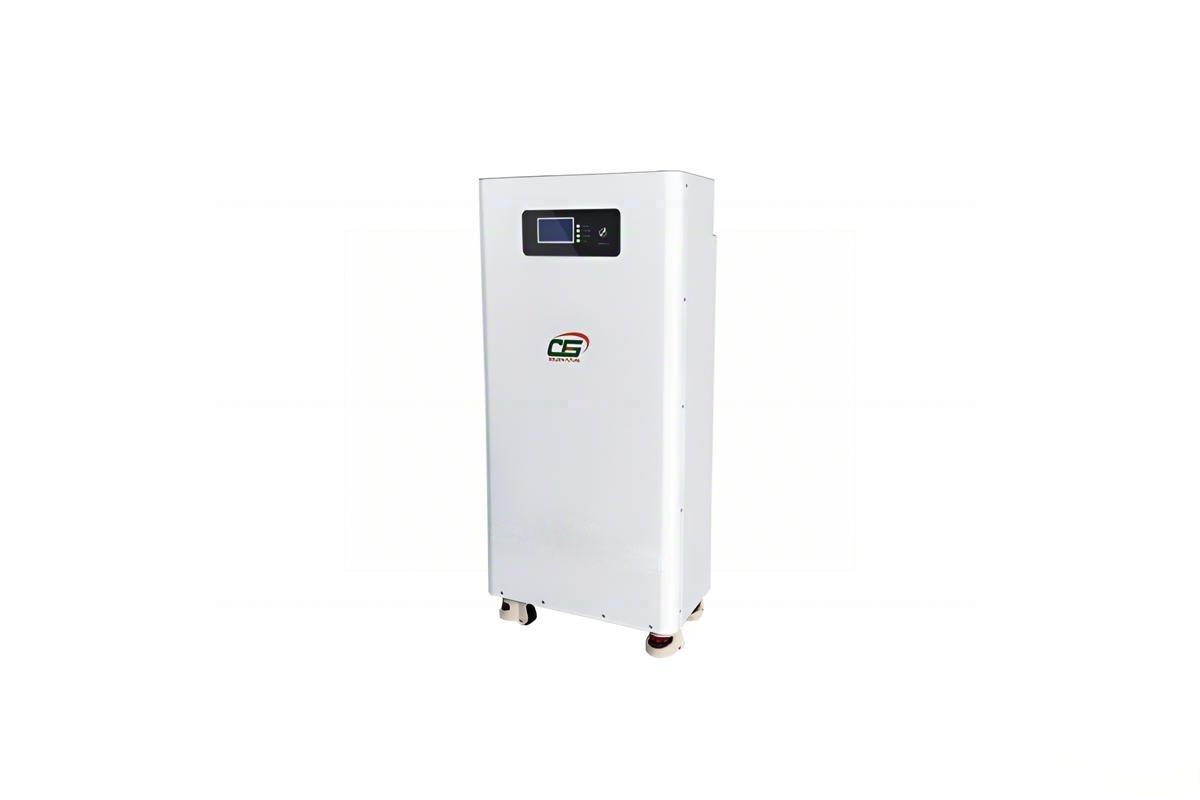
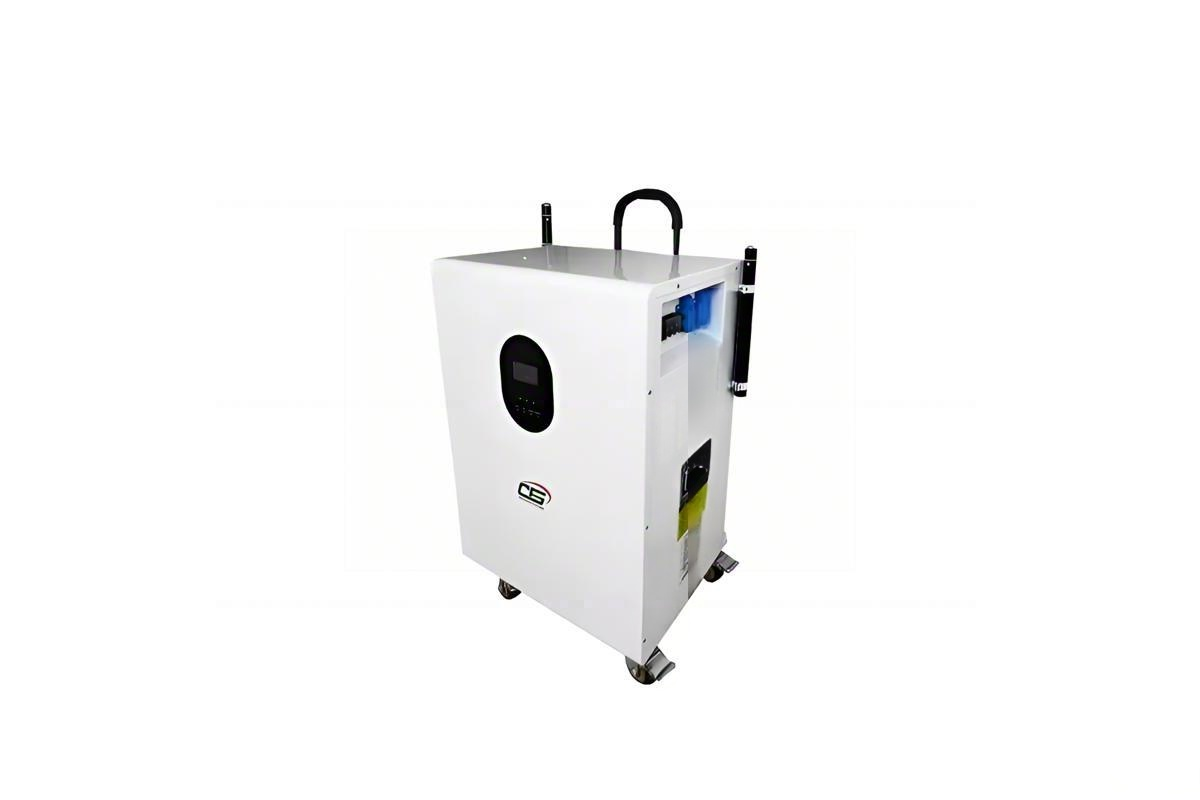
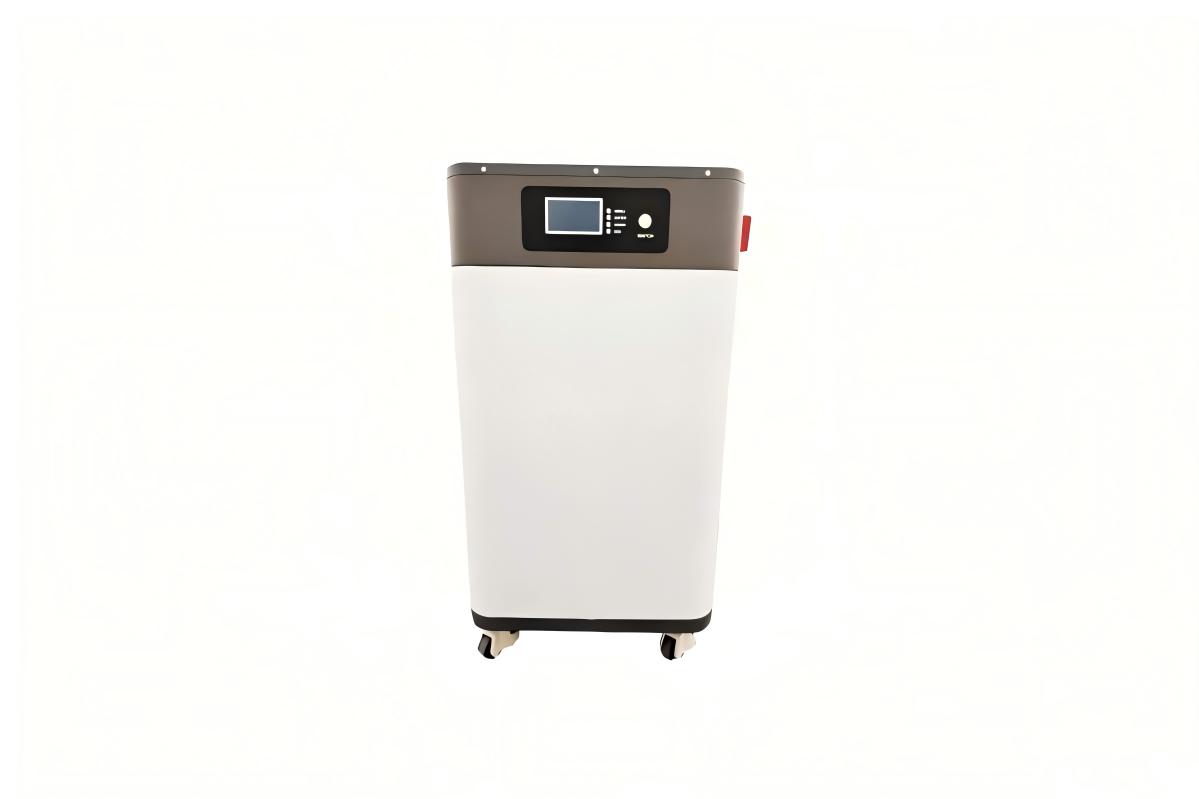
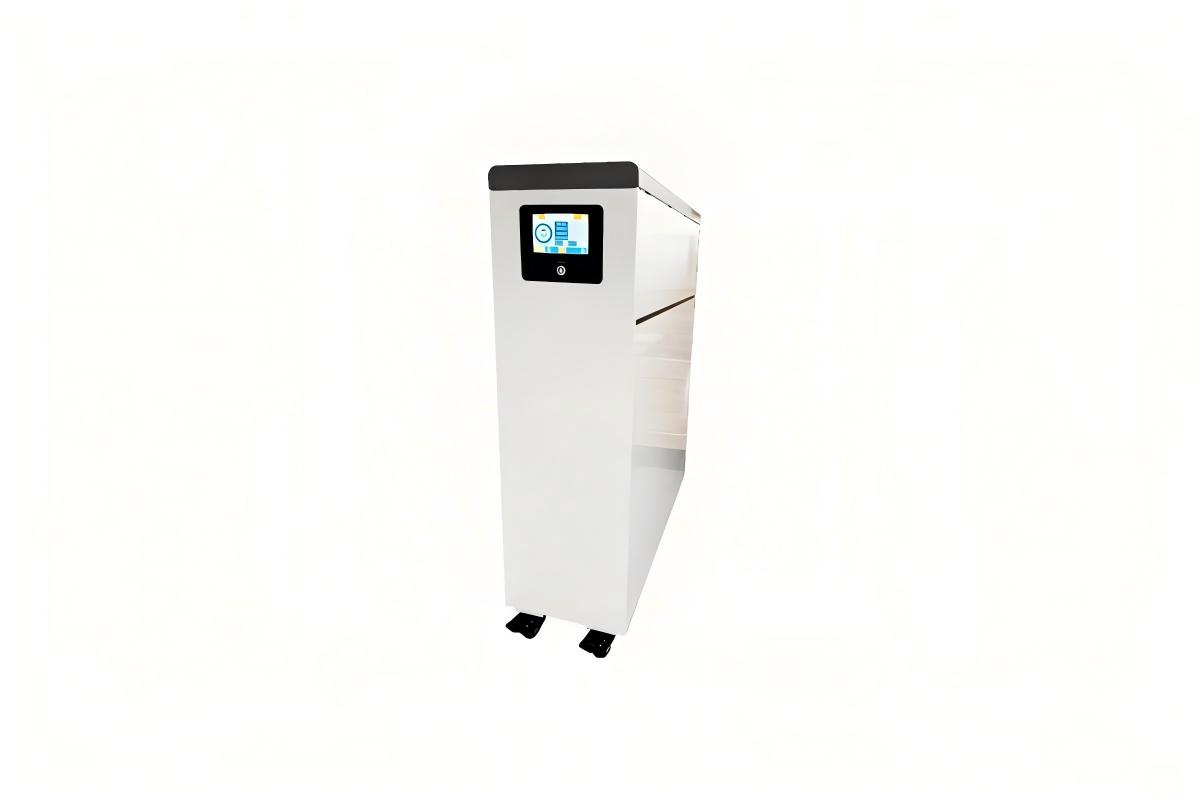
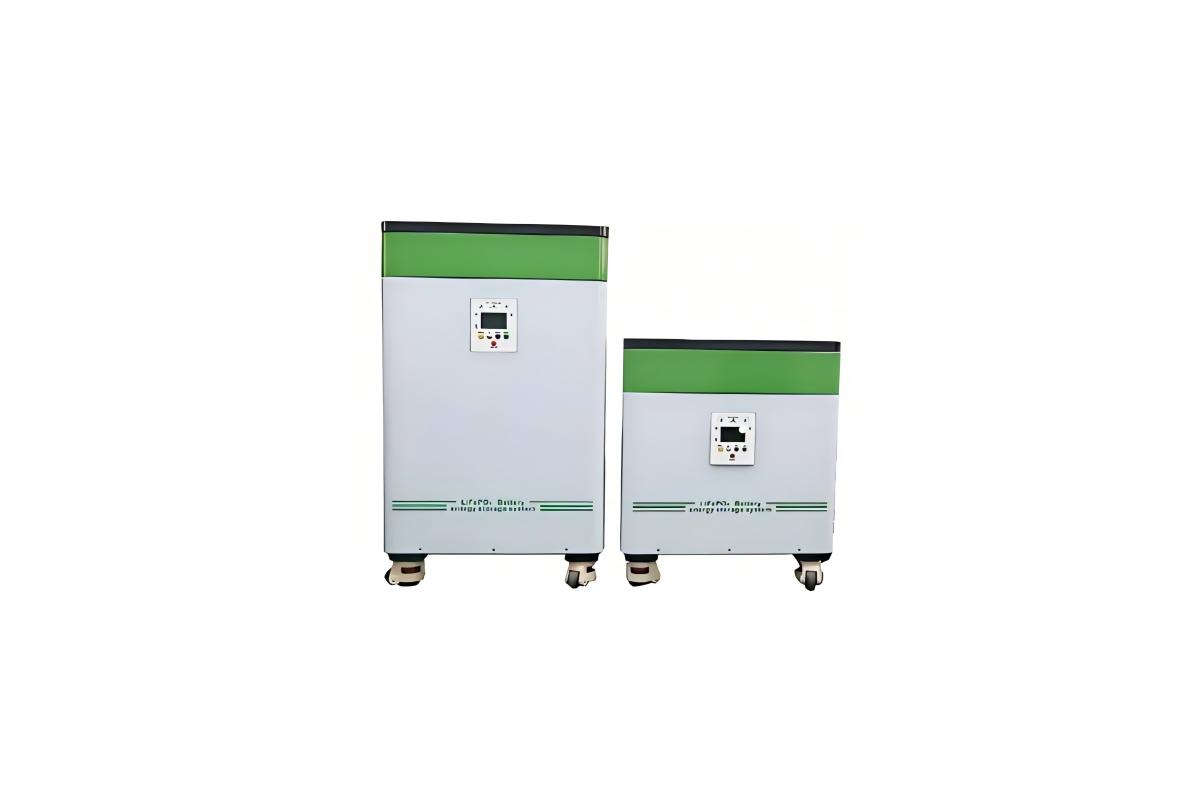
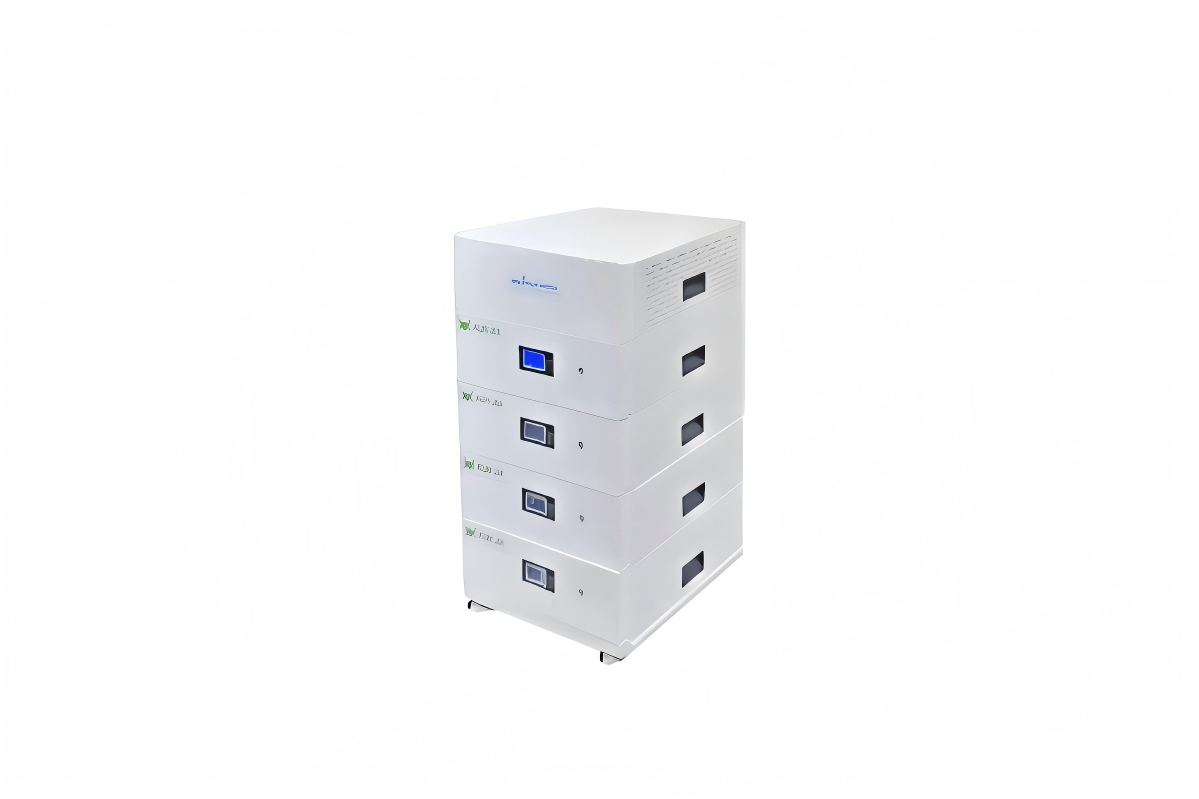
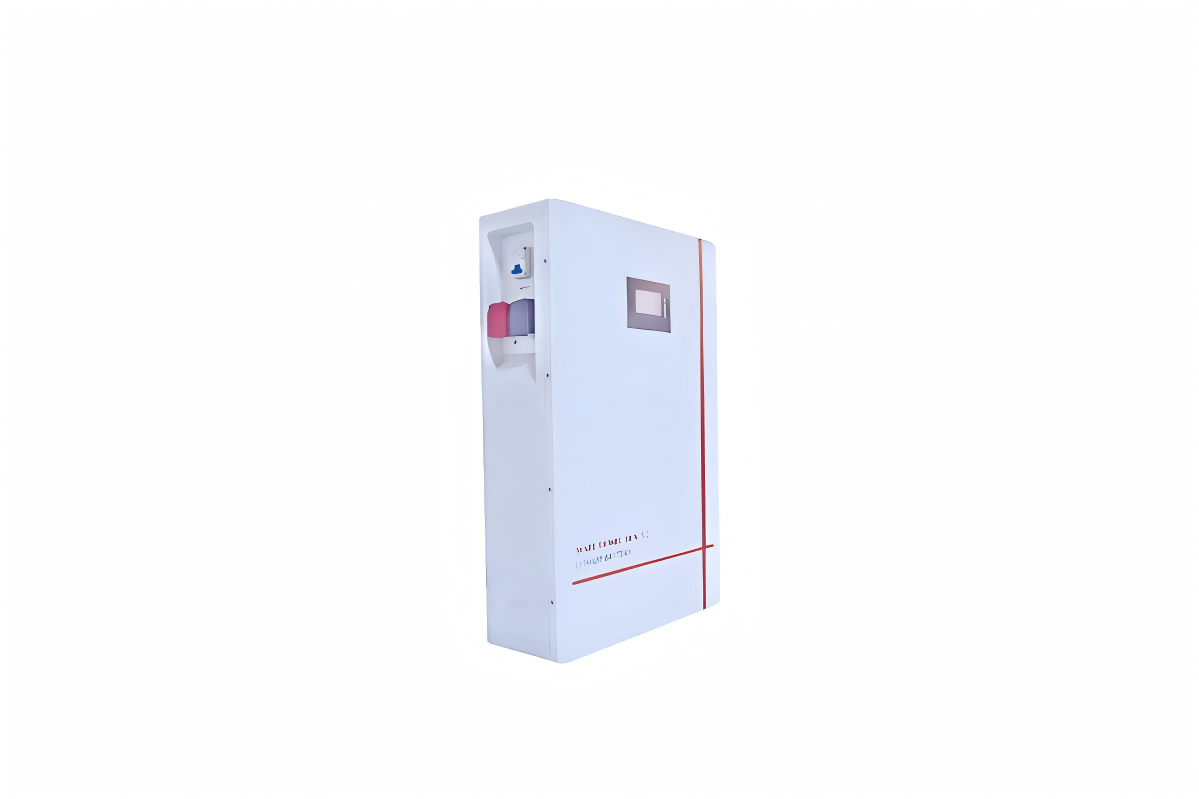
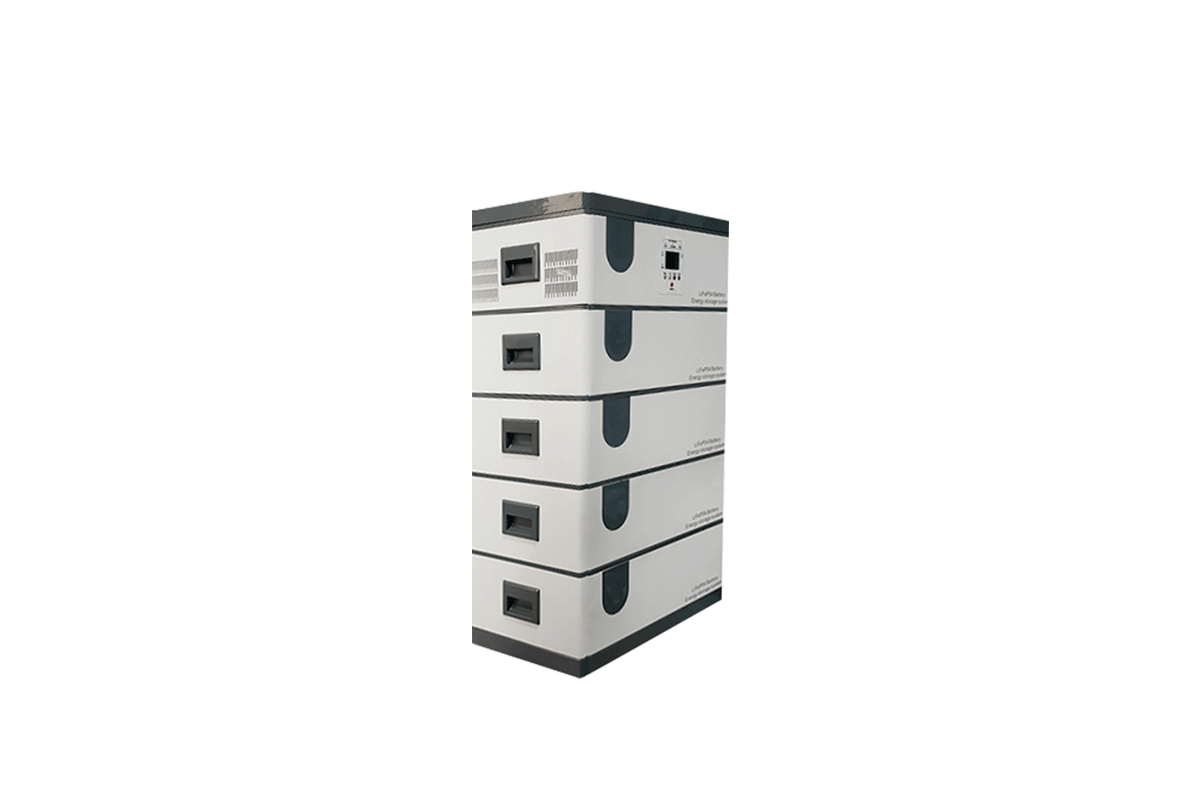
Energy storage battery bracket design is a key structural engineering part of battery energy storage system (BESS) construction, focusing on safety stability, heat dissipation compatibility, space utilization, and convenient maintenance, which is a high-frequency search content for energy storage system structural design on Google. Scientific bracket design must comply with GB/T, IEC, and international wind resistance, seismic, and load-bearing standards, adapting to the modular installation characteristics of lithium iron phosphate batteries, ternary lithium batteries, and other mainstream energy storage batteries. The mainstream bracket types are divided into floor-standing integrated brackets, layered modular brackets, and container special fixed brackets, applicable to indoor distributed energy storage, outdoor cabinet energy storage, and large container energy storage power stations respectively.
In terms of structural design, the energy storage battery bracket adopts high-strength hot-dip galvanized steel or aluminum alloy materials, with the advantages of anti-corrosion, rust-proof, and high load-bearing capacity, solving the problem of structural deformation caused by long-term stacked battery load. The overall structure is designed with seismic reinforcement, with a seismic resistance level of up to 8 degrees, which can effectively resist vibration and impact during equipment operation and natural disasters. The spacing design of the bracket layers is strictly matched with the battery size and heat dissipation requirements, reserving a standardized air duct gap to ensure smooth air circulation and avoid local heat accumulation of batteries. At the same time, the bracket is equipped with standardized mounting holes, locking devices, and wiring grooves, realizing fast battery assembly, fixed wiring, and convenient later inspection and replacement. Modular bracket design can flexibly adjust the number of layers and installation scale according to system capacity, greatly improving the space utilization rate of energy storage stations, reducing floor area and engineering cost, and meeting the standardized and large-scale construction requirements of modern energy storage systems.




 59911926@qq.com/sales@goldenfuturehk.com
 13316809242 / 15816897019
 Inquiry
 Home >
