





Time:2026-05-19 Views:303
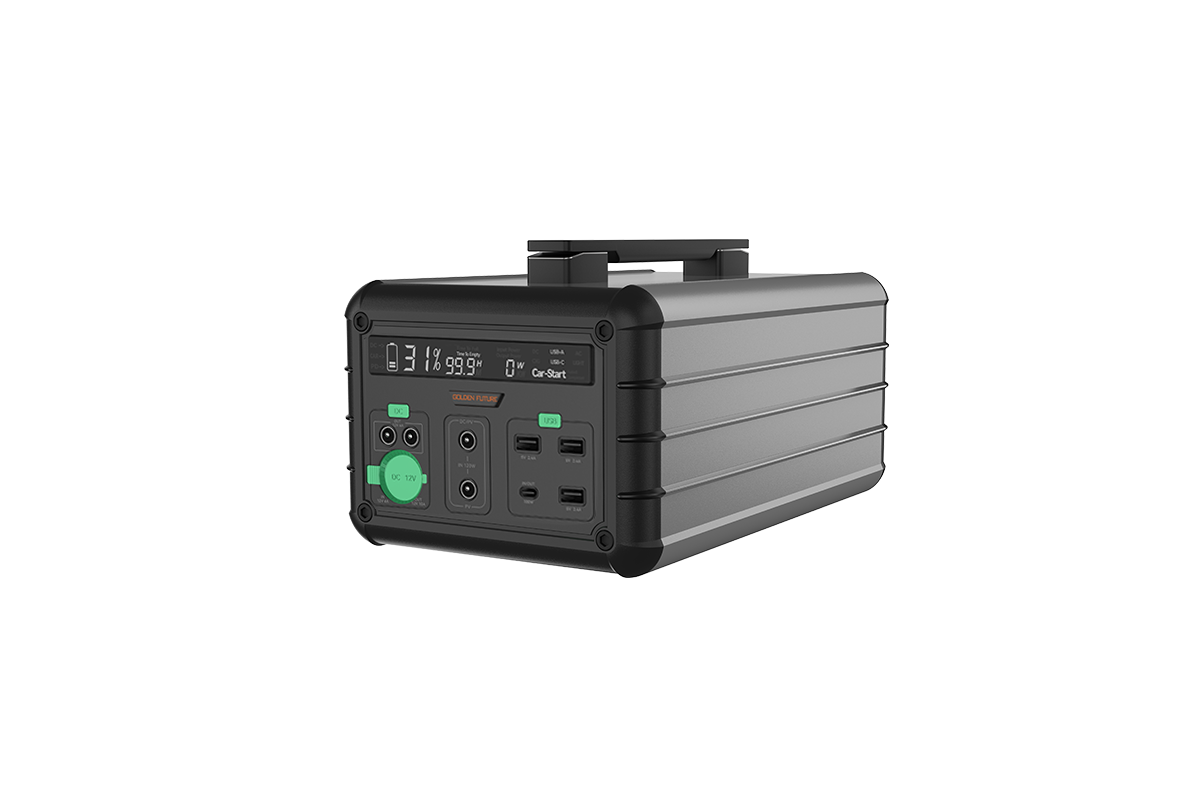
Distributed energy storage systems (DESS) have become an indispensable core component for the energy transformation of industrial parks, addressing the key challenges of unstable grid supply, high energy costs, and difficult integration of renewable energy. Industrial parks, as concentrated areas of high-energy-consuming enterprises, often face problems such as voltage fluctuations, frequent peak demand, and large penalties for exceeding contracted capacity, which seriously affect production stability and operational efficiency. DESS, with its localized energy management capability, breaks the limitations of traditional centralized energy supply, realizing flexible allocation and efficient utilization of energy resources throughout the park.
The core value of DESS lies in peak shaving and valley filling, renewable energy integration, and emergency backup power supply. During peak production hours, when electricity prices are high and grid load is heavy, the system releases stored energy to reduce the park’s reliance on grid power, lowering peak demand charges and avoiding penalties for exceeding capacity. During off-peak hours, it stores excess grid energy or surplus power generated by rooftop solar and wind power in the park, improving energy utilization efficiency and reducing waste. For industrial parks with high renewable energy penetration, DESS effectively solves the intermittency and volatility of solar and wind power, ensuring stable power output to meet the continuous production needs of enterprises.
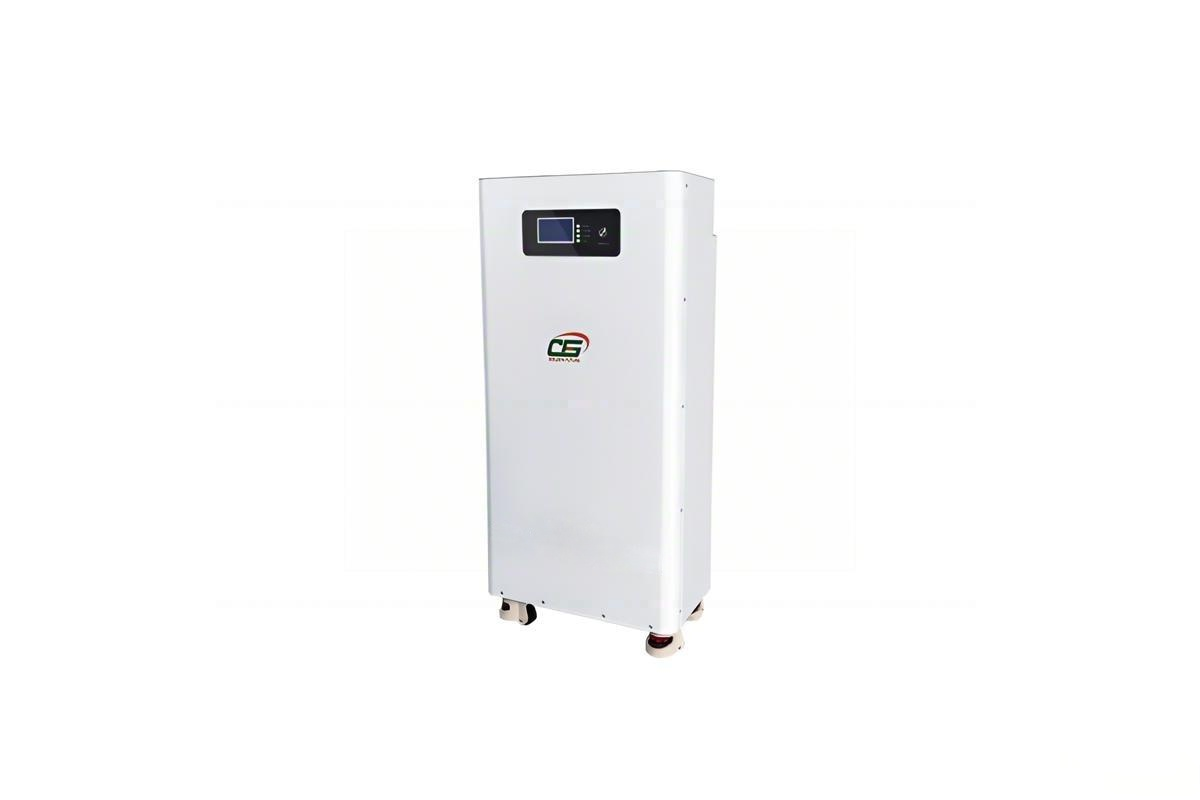
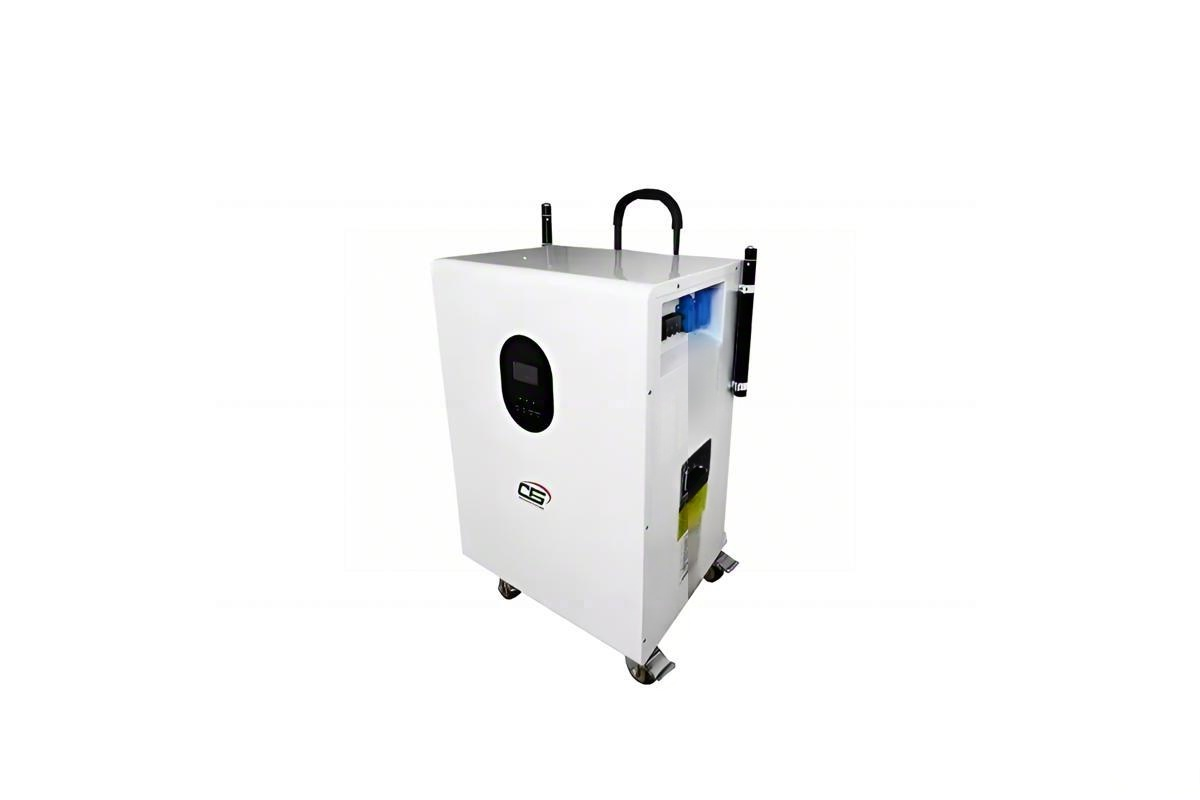
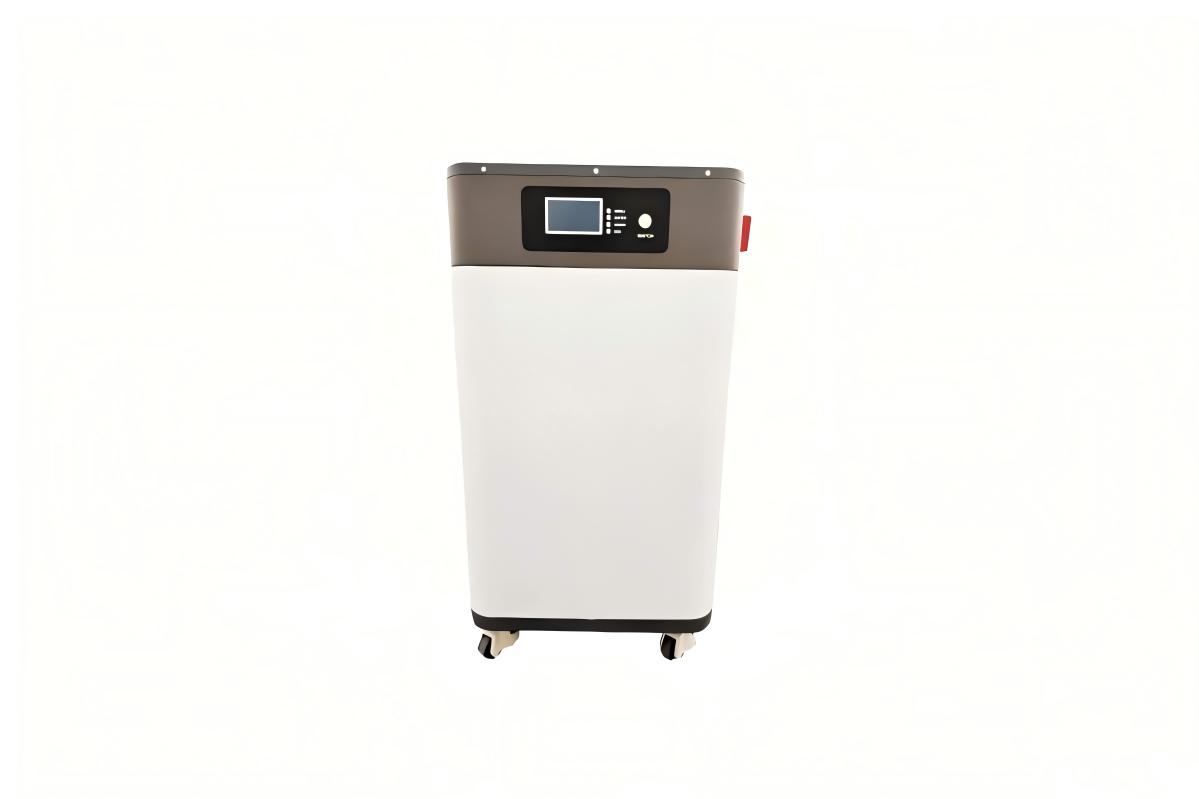
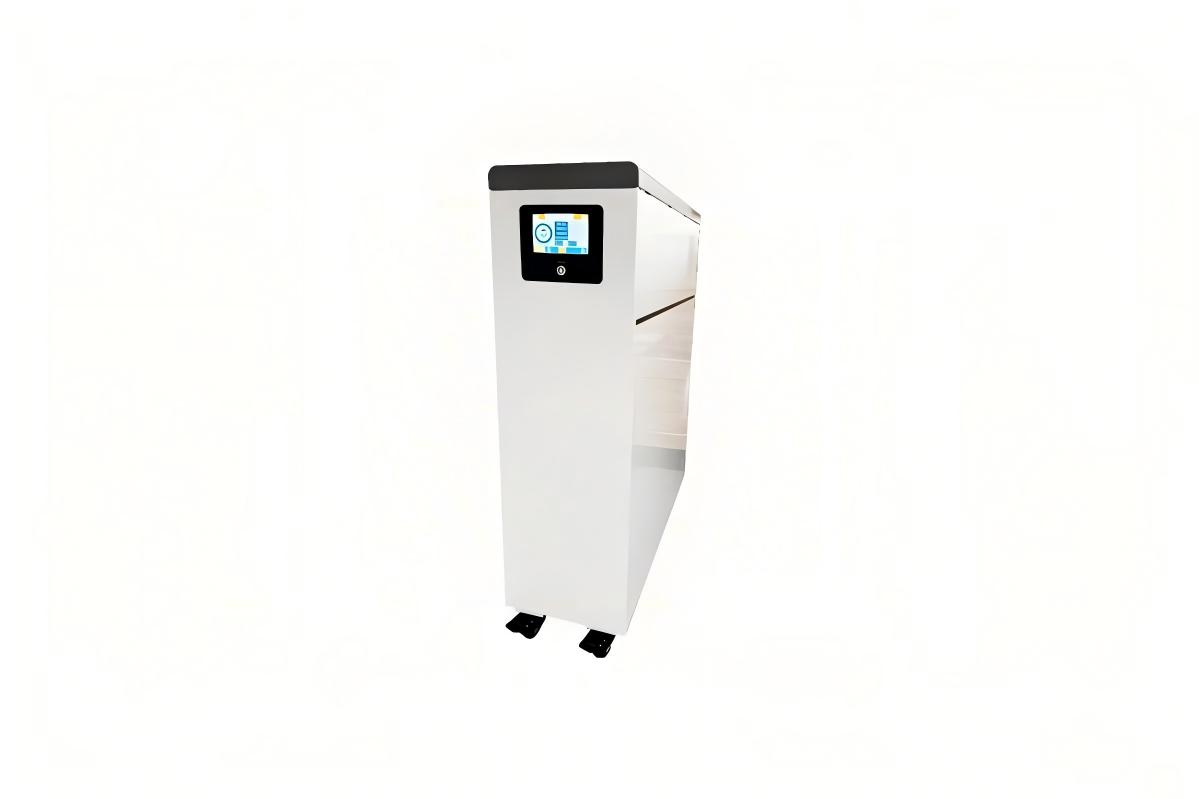
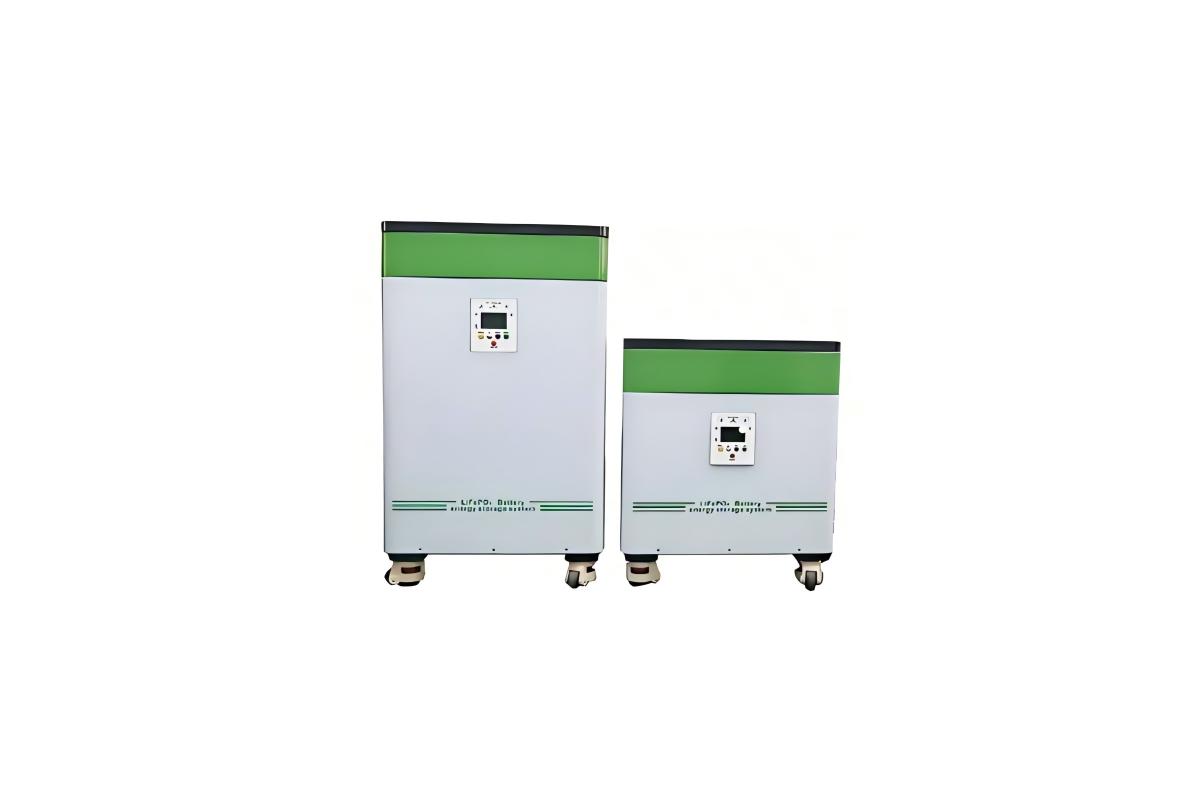
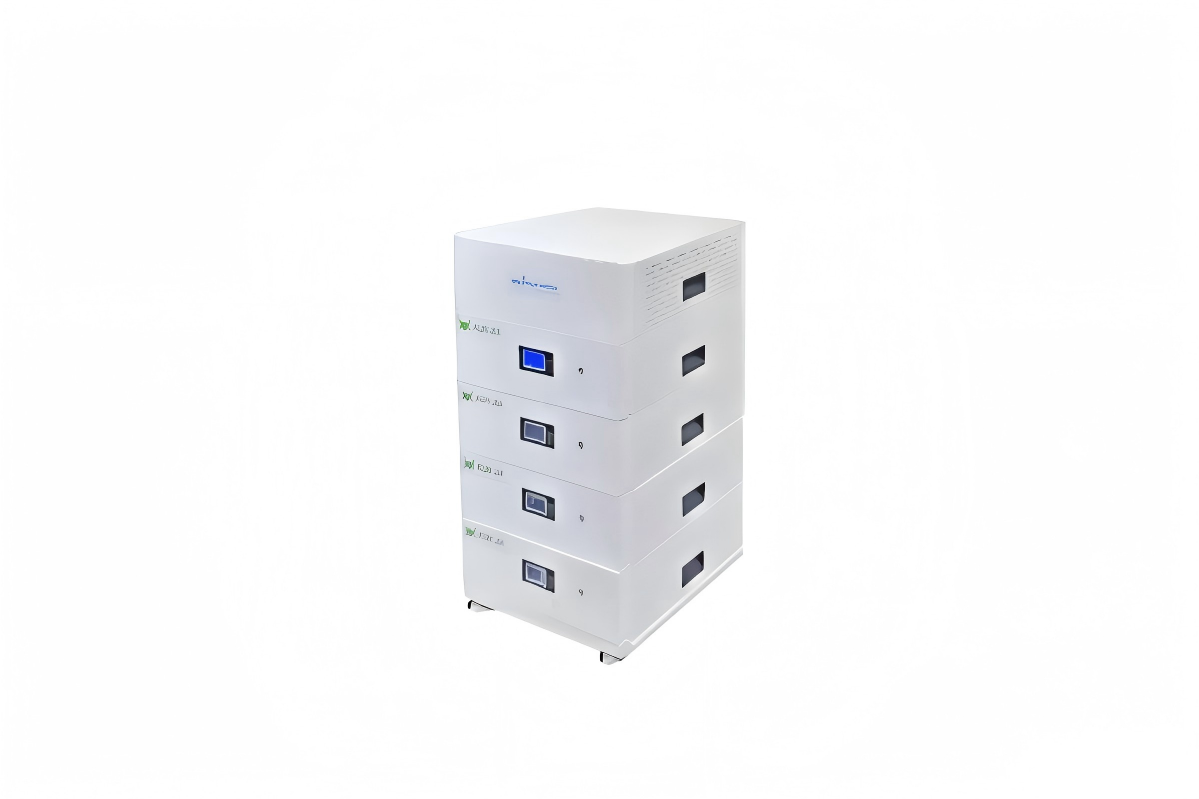
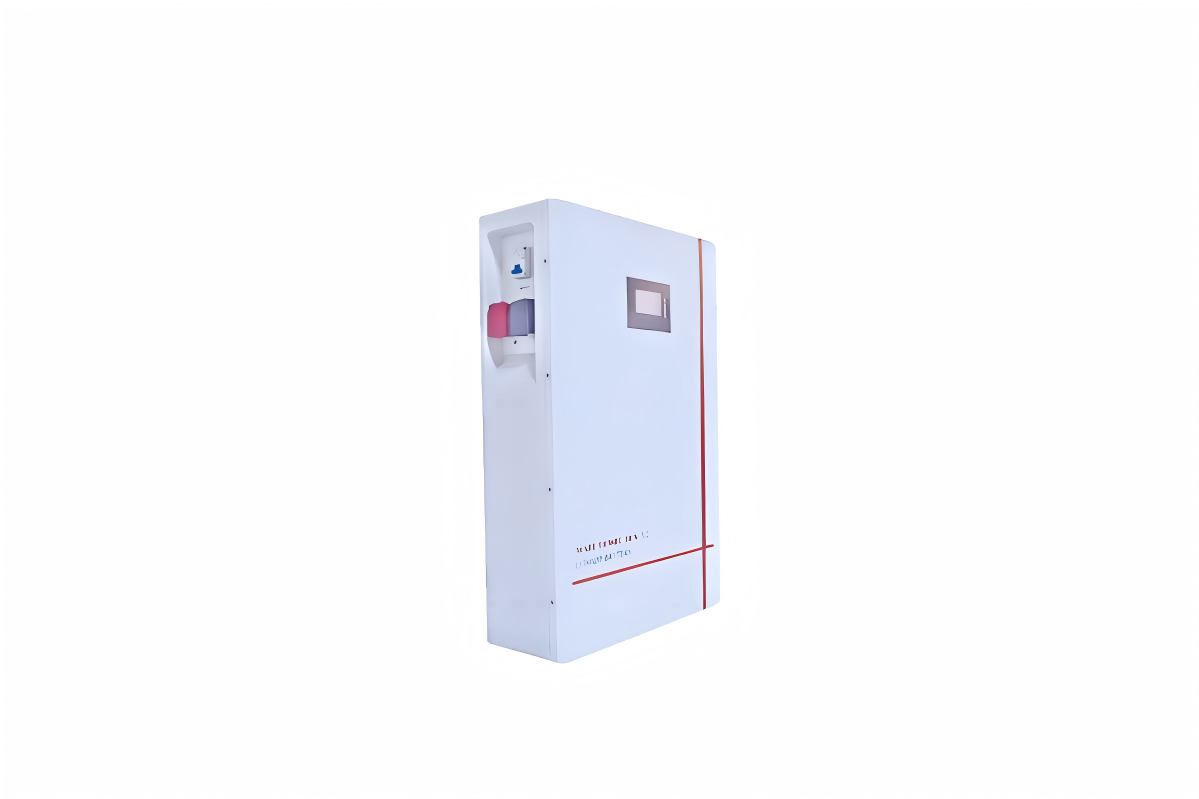
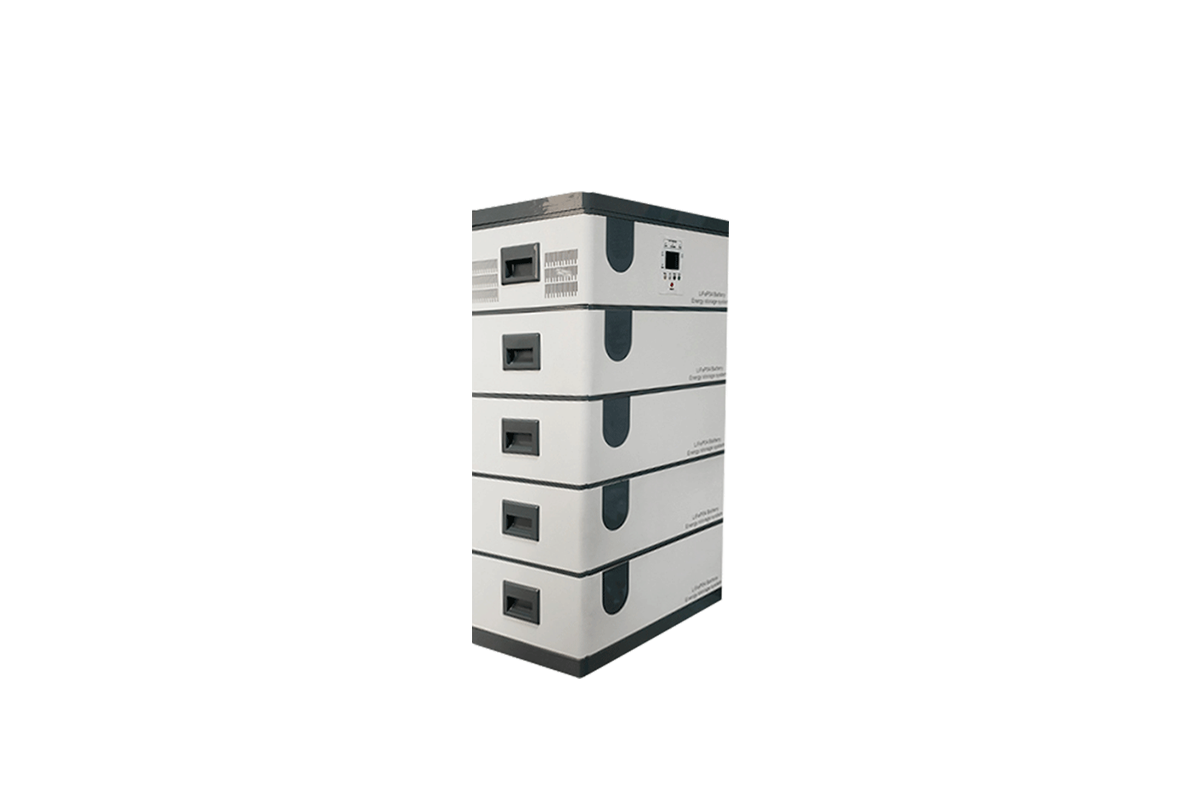
Modular design is a key feature of modern DESS in industrial parks, allowing flexible expansion according to the park’s energy demand and development scale. Typically composed of lithium-ion batteries, bidirectional inverters, and intelligent energy management systems (EMS), the system can be customized according to the energy consumption characteristics of different enterprises in the park. For example, a precision manufacturing park in Southeast Asia reduced peak demand by 18% and monthly electricity costs by 9-12% after deploying a 500 kWh modular DESS. In addition, advanced EMS enables real-time monitoring and intelligent scheduling of energy, optimizing charge and discharge strategies based on production schedules and weather data to maximize economic benefits and operational stability.




 59911926@qq.com/sales@goldenfuturehk.com
 13316809242 / 15816897019
 Inquiry
 Home >