





Time:2026-04-02 Views:506
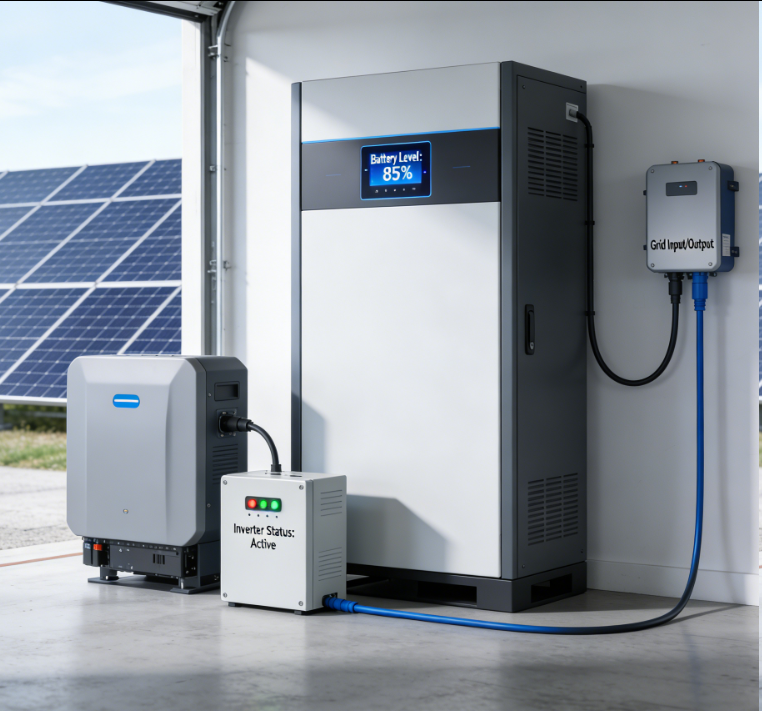
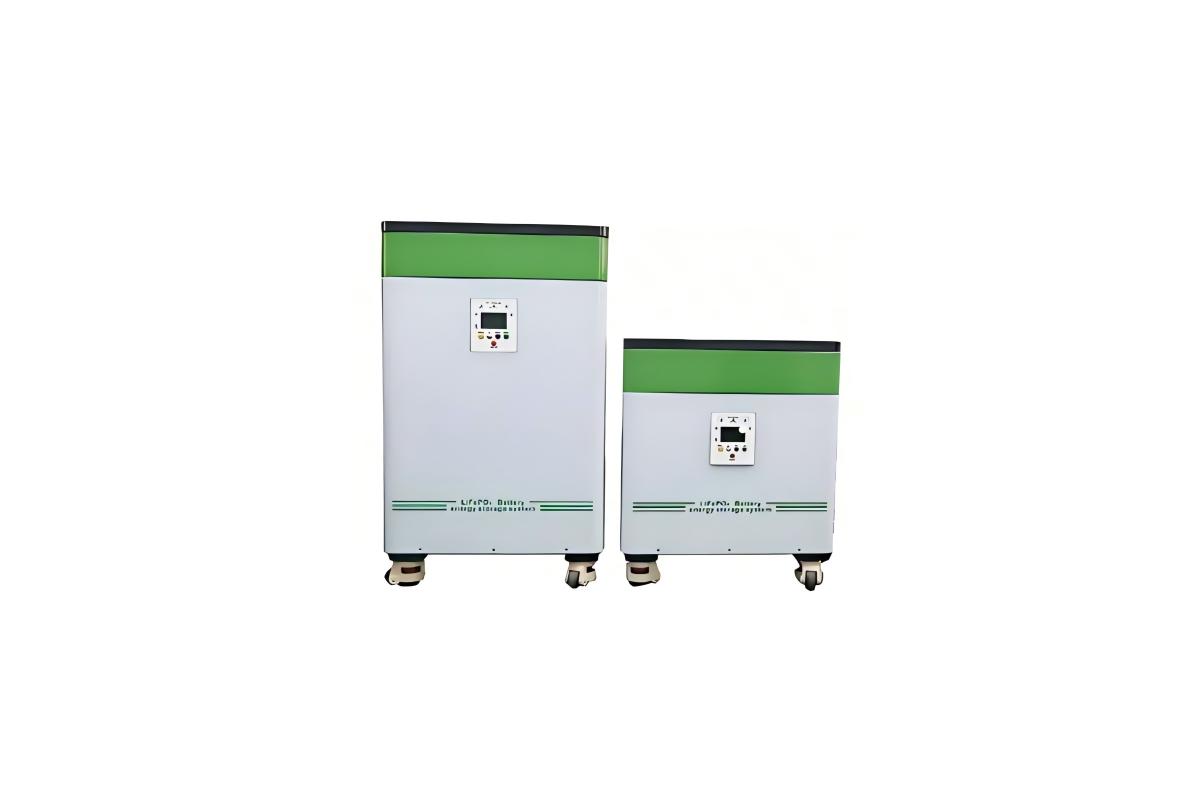
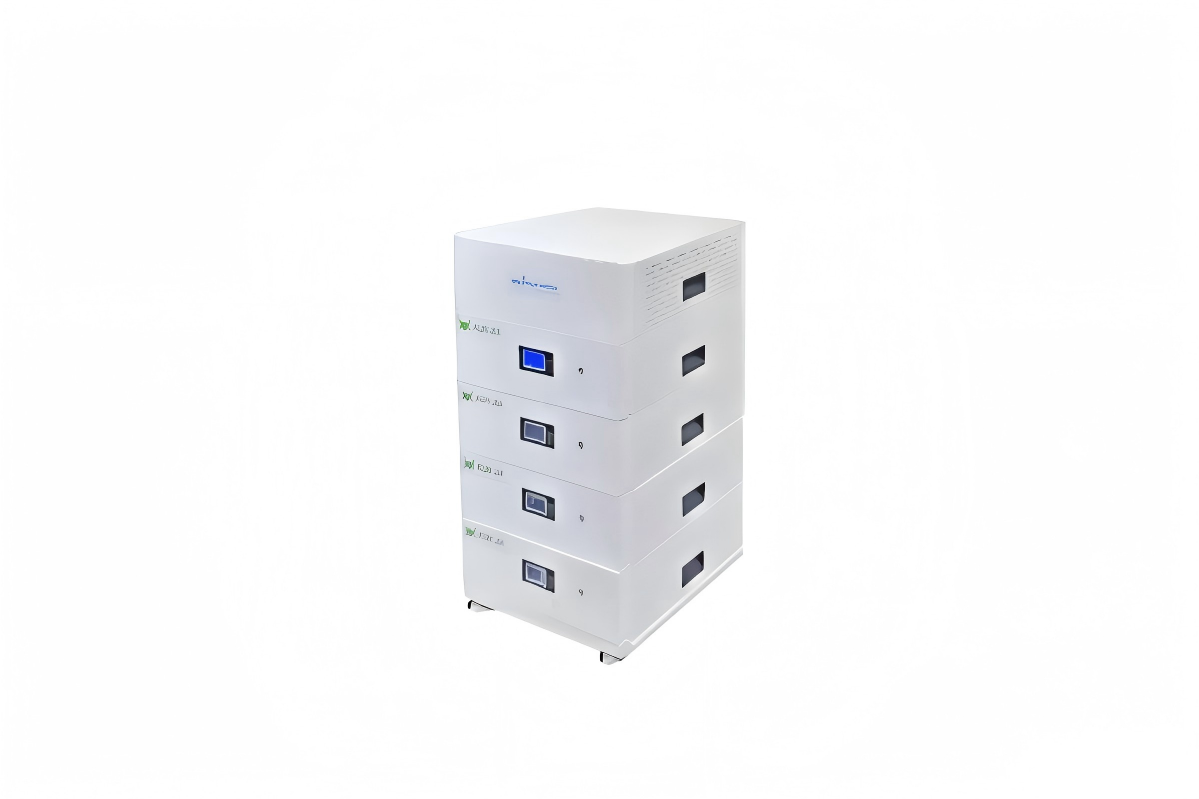
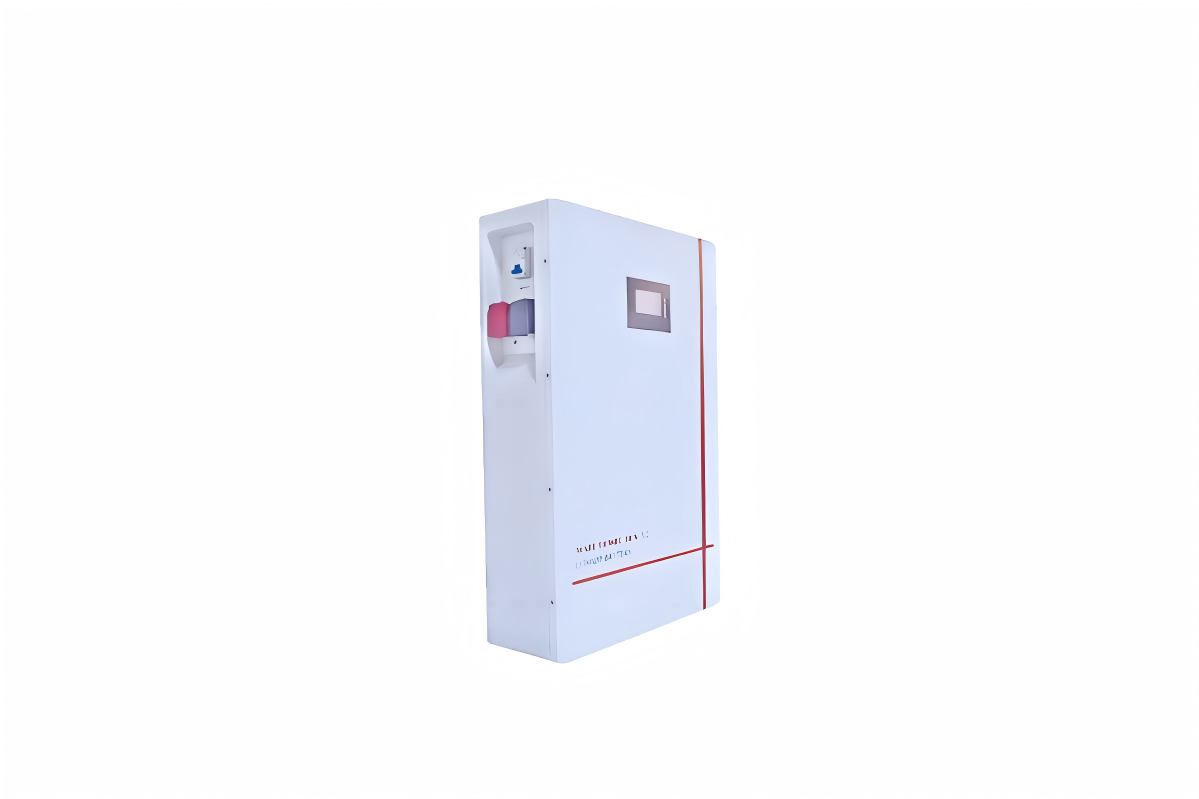
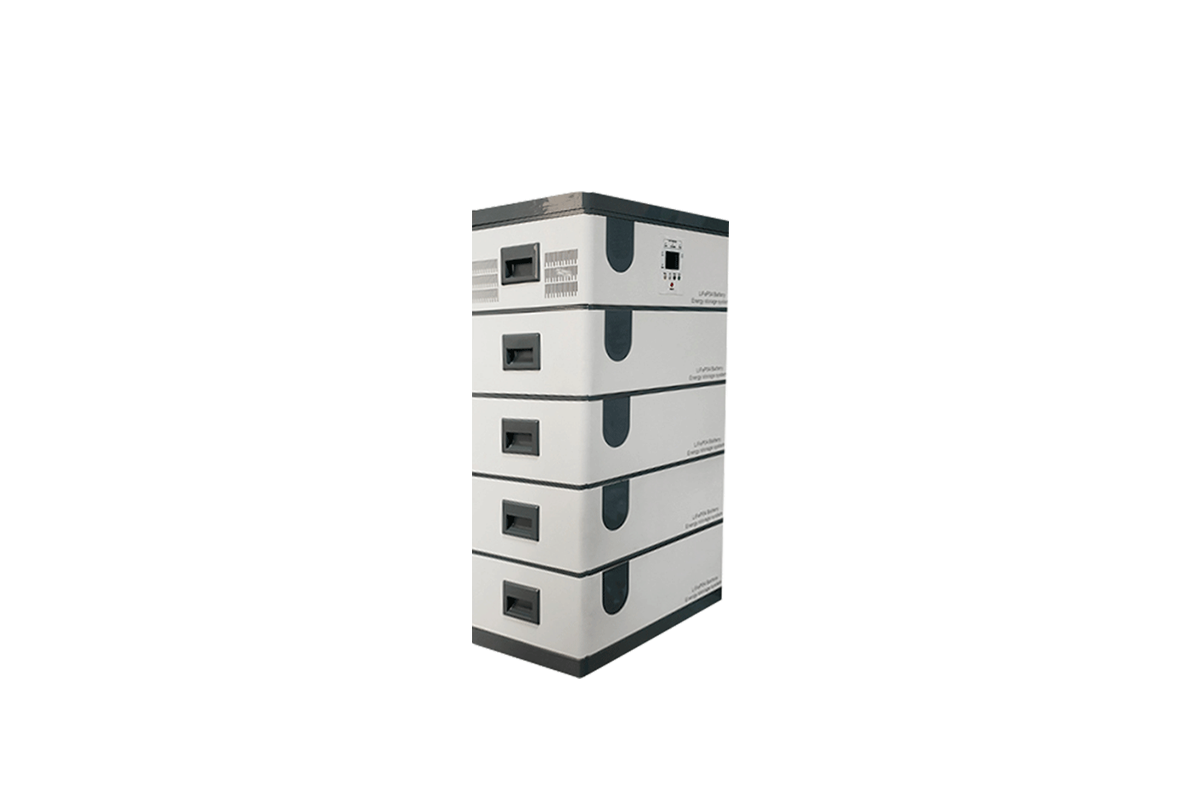
The cost of a home energy storage system varies depending on several factors, including the battery capacity, battery type, inverter capacity, installation costs, and additional components (such as solar panels, charge controllers, and monitoring systems). For a typical 5kW energy storage wall with a 20kWh LiFePO4 battery, the total cost ranges from $10,000 to $15,000, with the battery accounting for 50-70% of the total cost. The cost has been steadily decreasing in recent years due to advancements in battery technology, increased production scale, and government incentives, making home energy storage more accessible to homeowners.
The battery is the most expensive component of the system. A 20kWh LiFePO4 battery typically costs between $5,000 and $8,000, depending on the brand, quality, and BMS features. Lithium batteries are more expensive upfront than lead-acid batteries, but they have a longer lifespan and lower maintenance costs, making them more cost-effective in the long run. A 20kWh lead-acid battery costs between $3,000 and $5,000, but it has a shorter lifespan (2-5 years) and higher maintenance costs, resulting in higher total cost over time. The inverter is the second most expensive component, with a 5kW hybrid inverter costing between $1,500 and $3,000, depending on the brand and features (such as bidirectional power flow, smart control, and grid compatibility).
Installation costs typically range from $1,000 to $2,000, including labor, wiring, and mounting the energy storage wall. Additional costs may include a solar charge controller ($300-$800), monitoring system ($200-$500), and permits and inspections ($500-$1,000), depending on the location and local regulations. Government incentives, such as tax credits, rebates, and grants, can significantly reduce the cost of a home energy storage system. For example, in many countries, homeowners can receive a tax credit of 20-30% of the total system cost, reducing the upfront investment. Additionally, the cost of home energy storage systems is expected to continue decreasing in the coming years as battery technology improves and production increases, making it an even more affordable option for homeowners.




 59911926@qq.com/sales@goldenfuturehk.com
 13316809242 / 15816897019
 Inquiry
 Home >