





Time:2026-07-09 Views:440
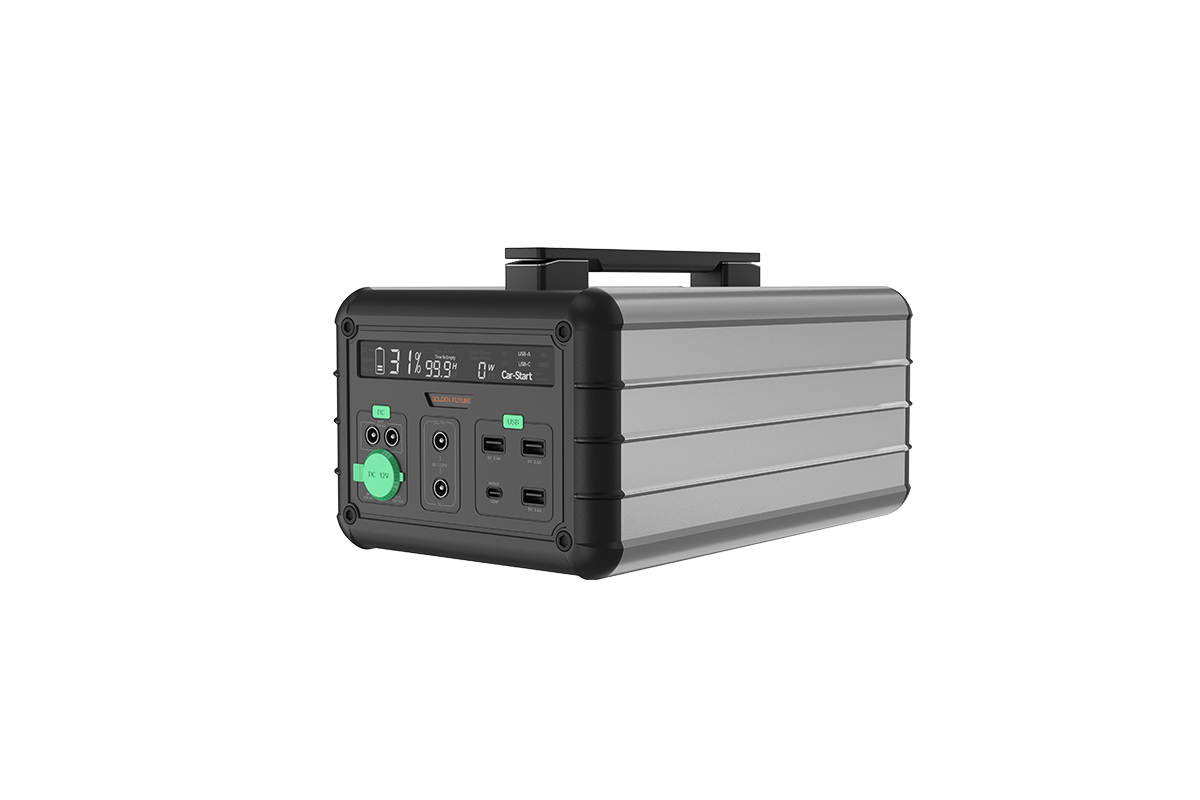
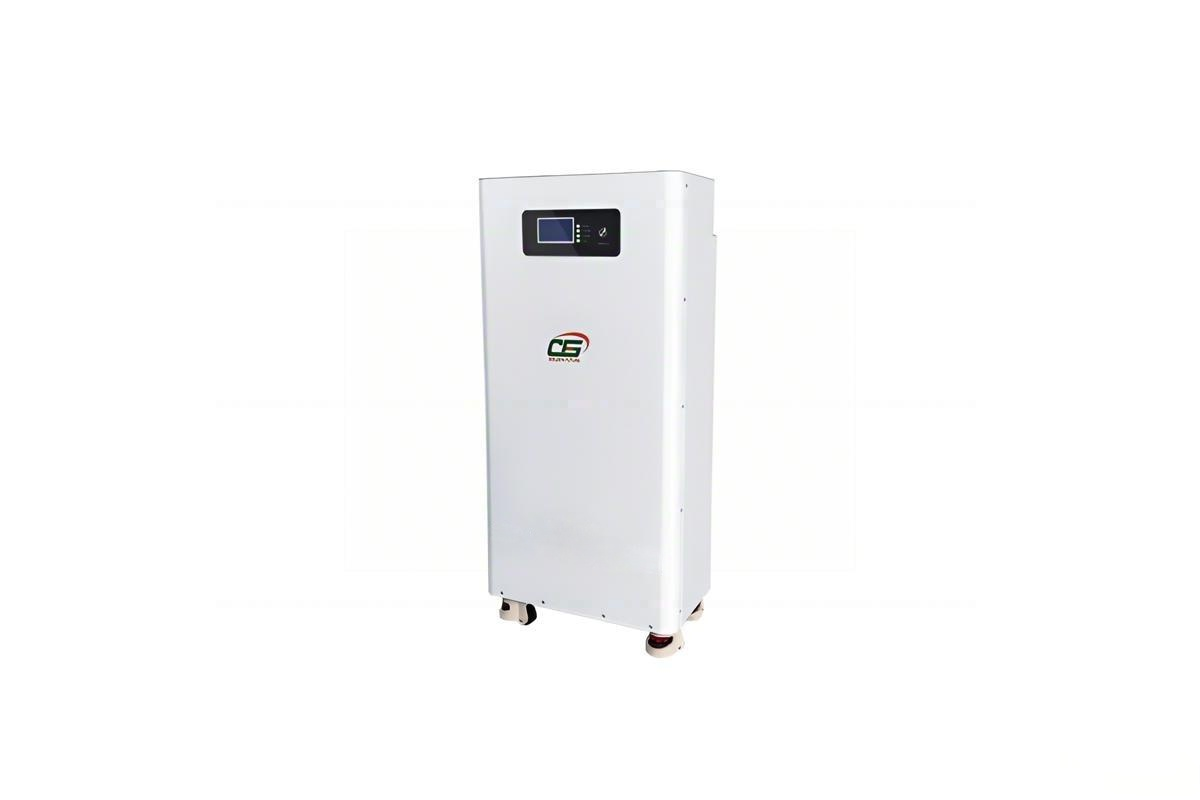
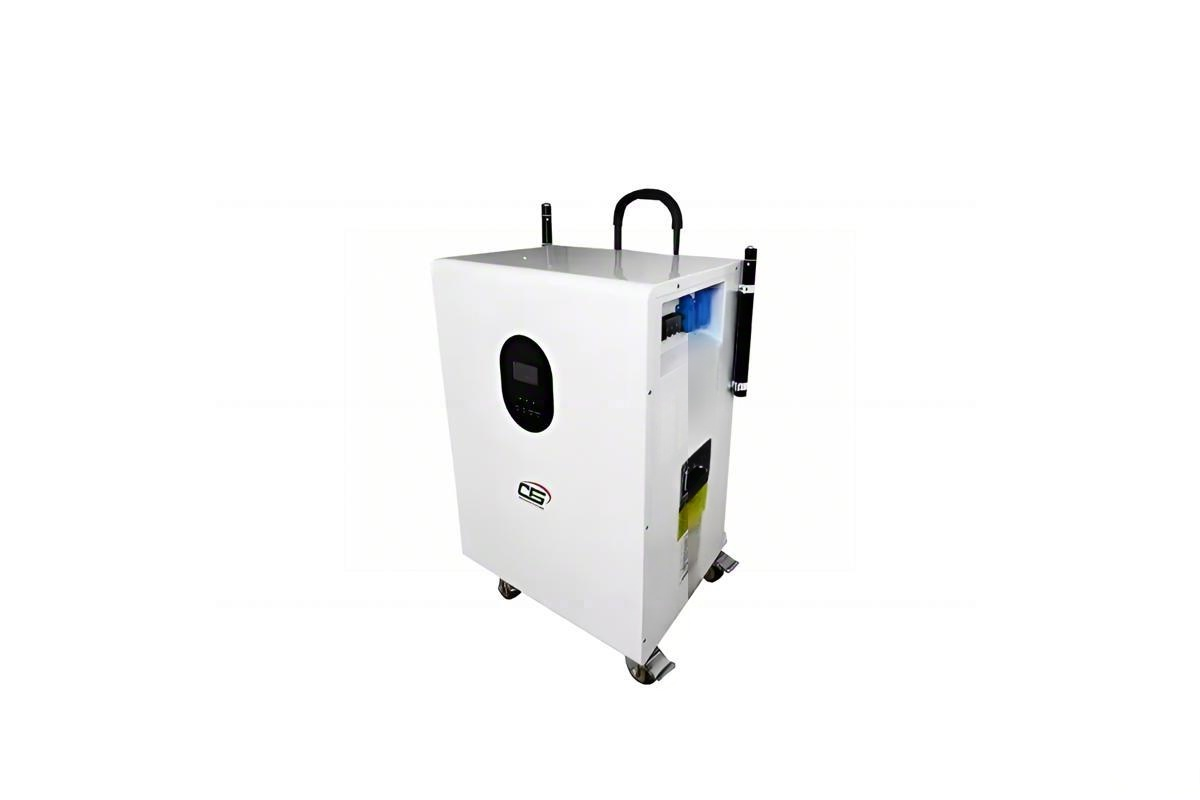
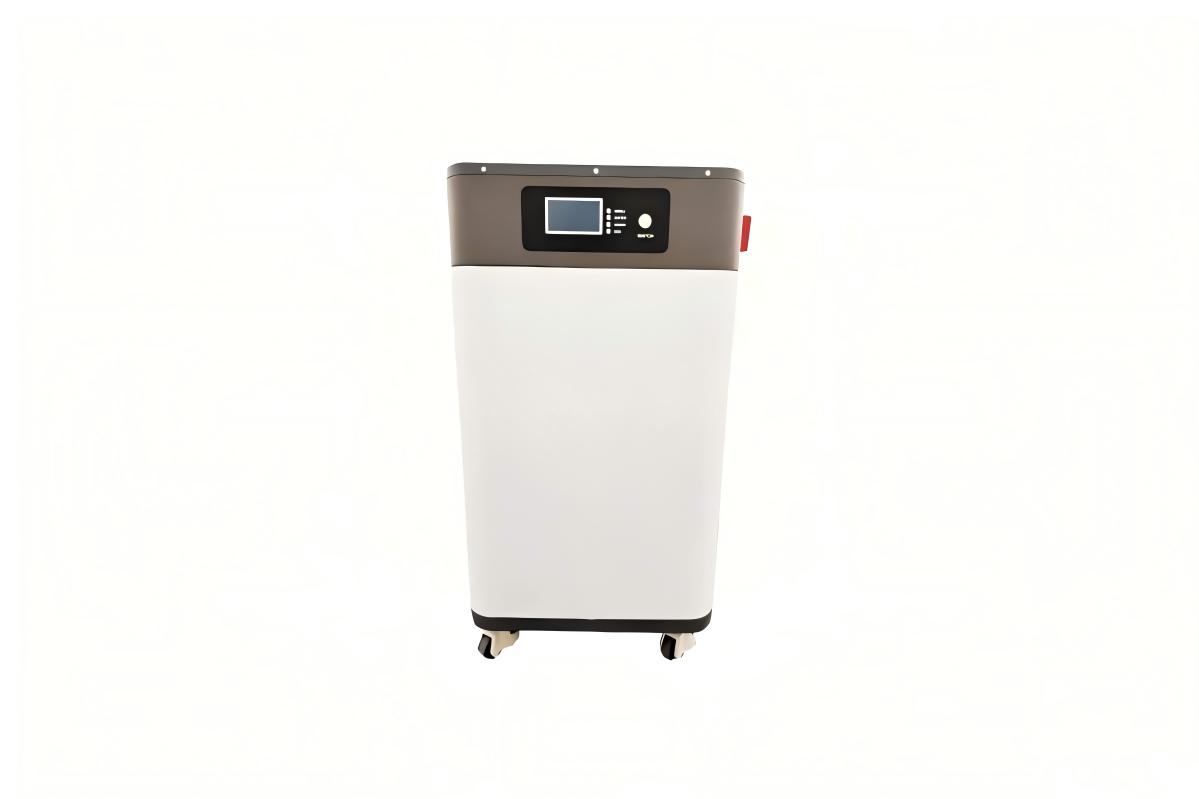
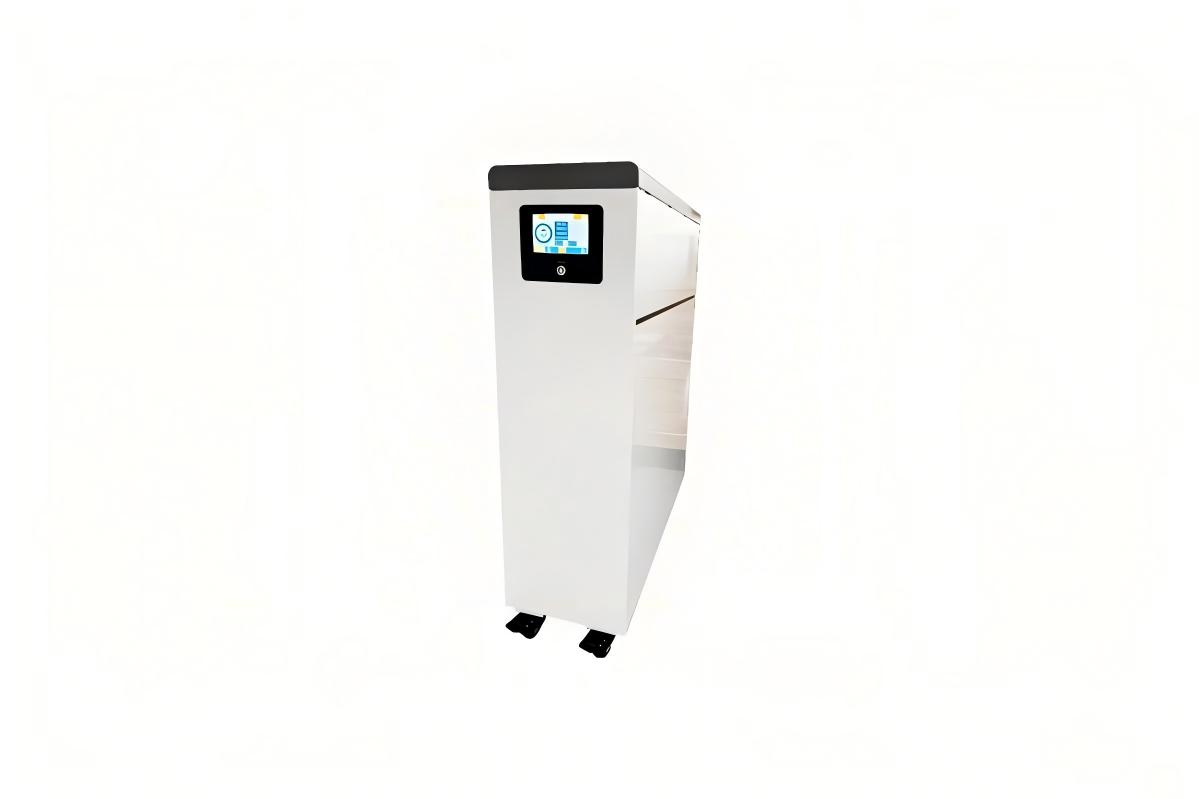
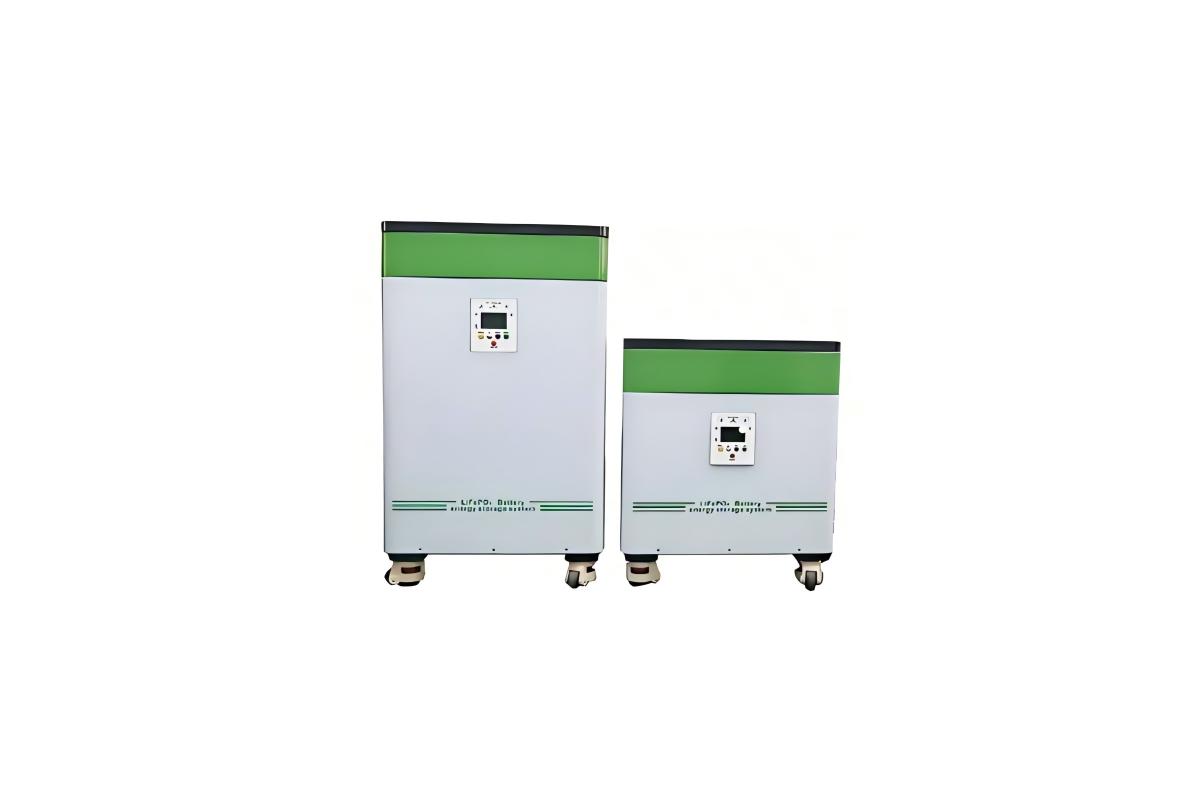
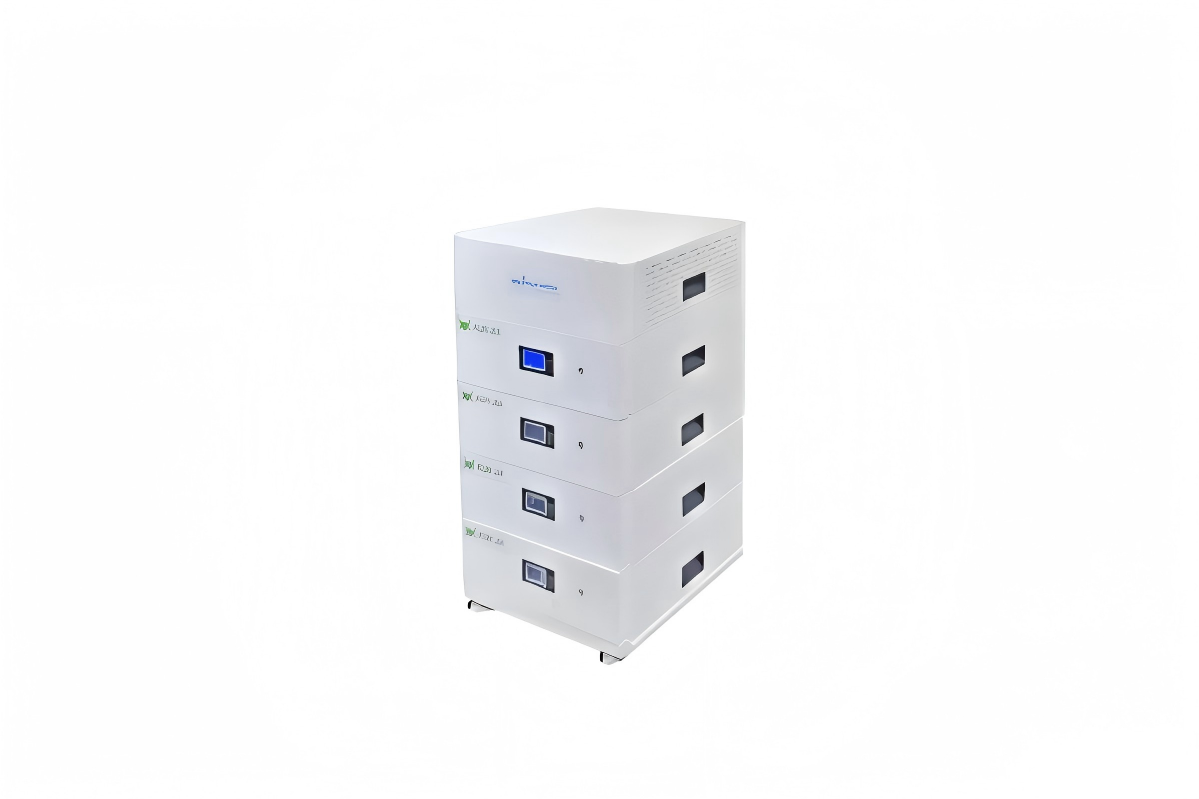
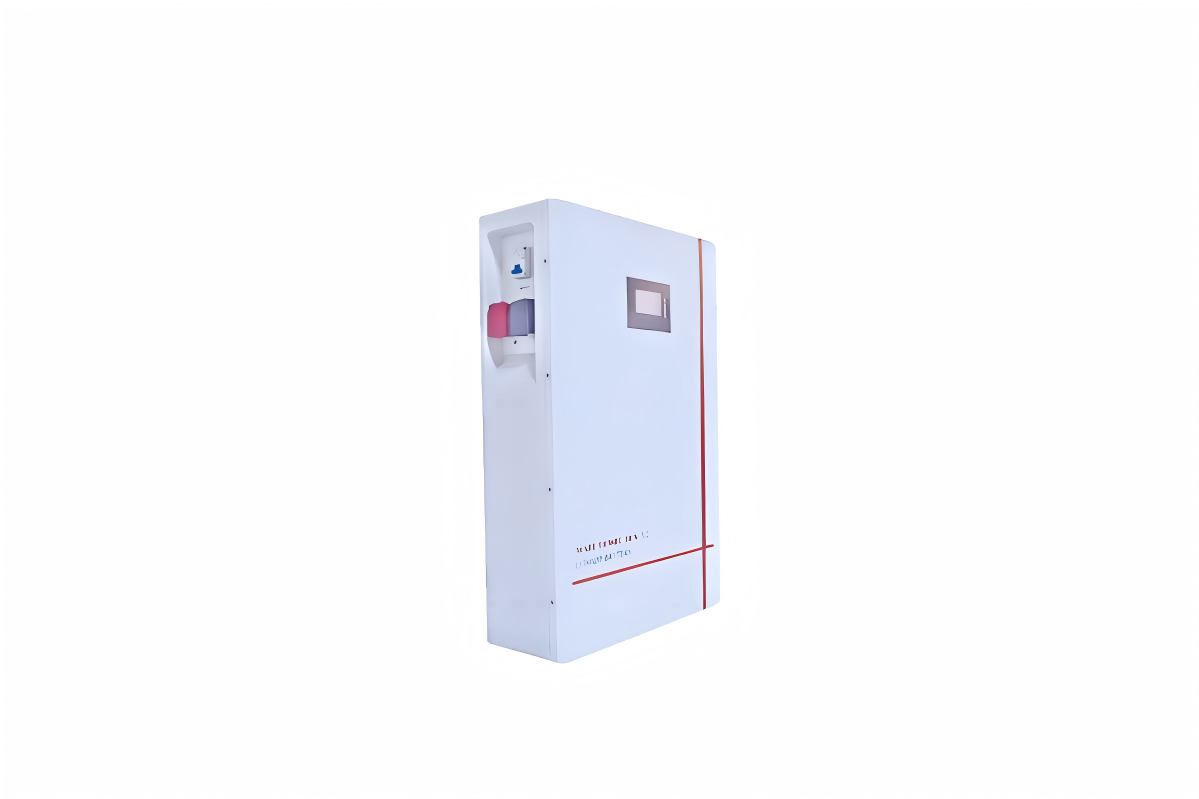
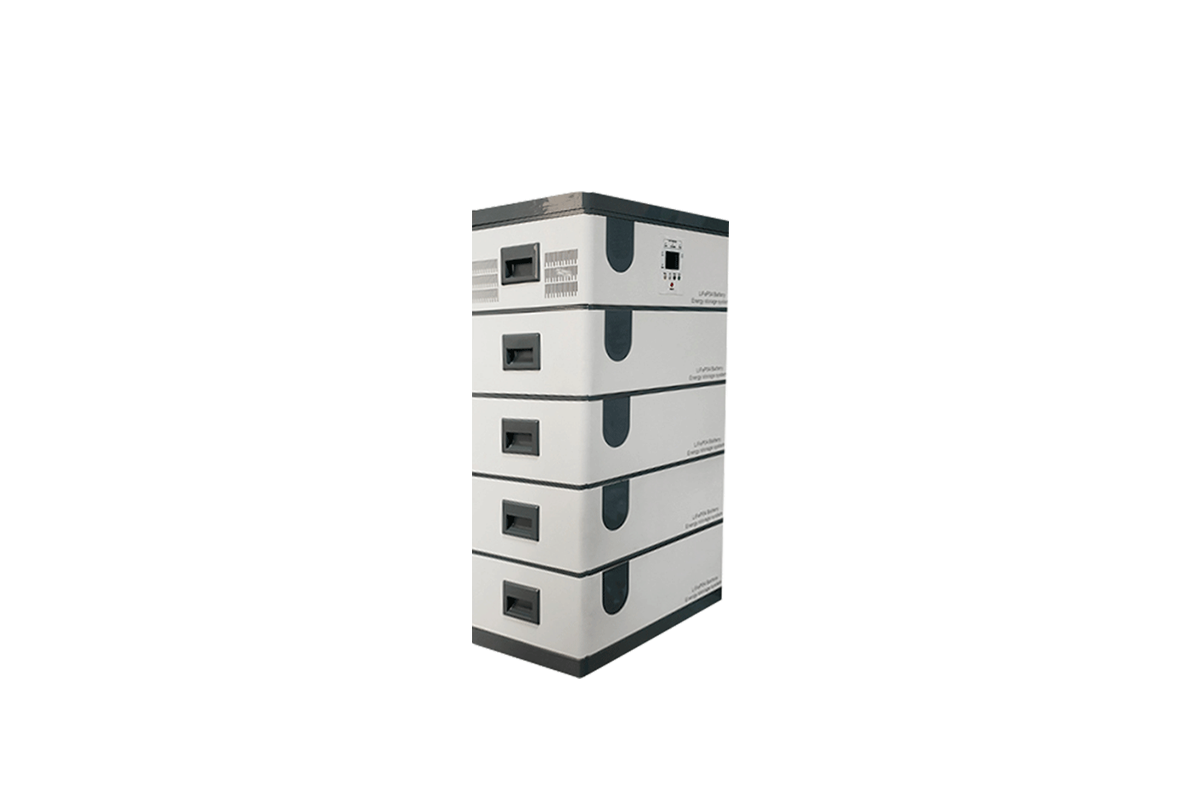
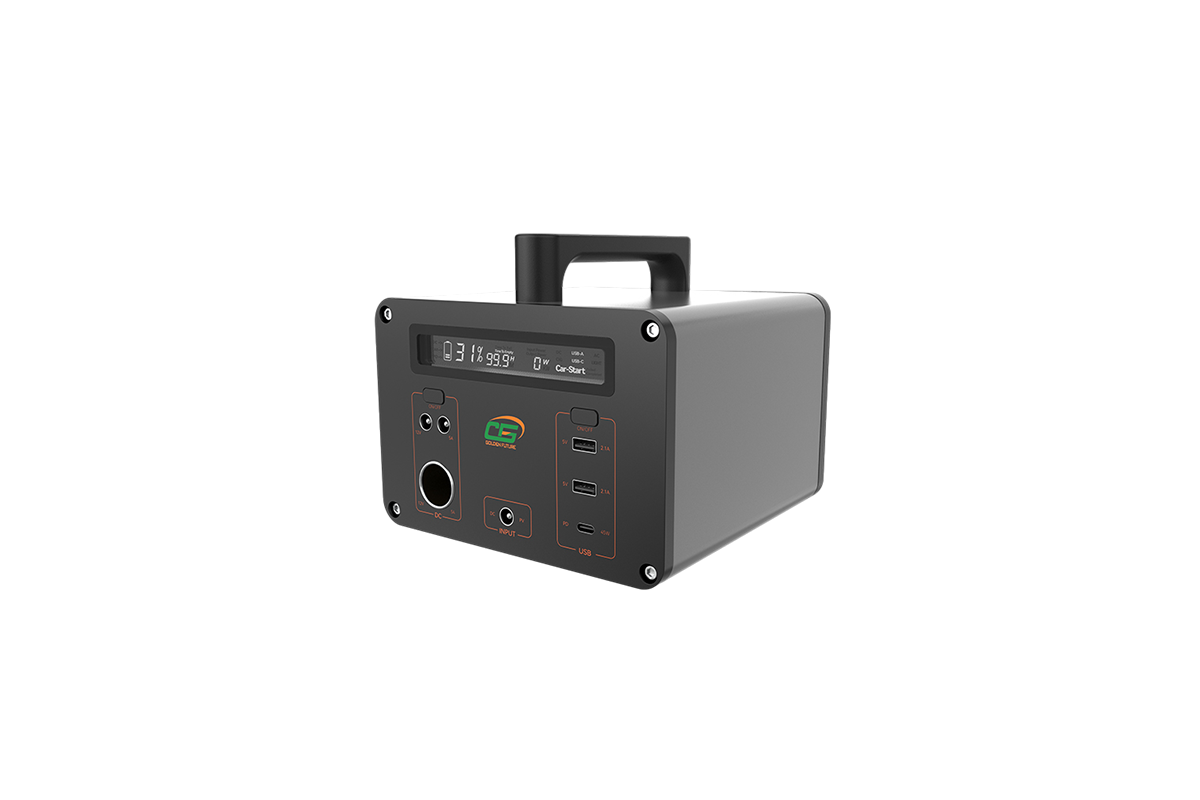
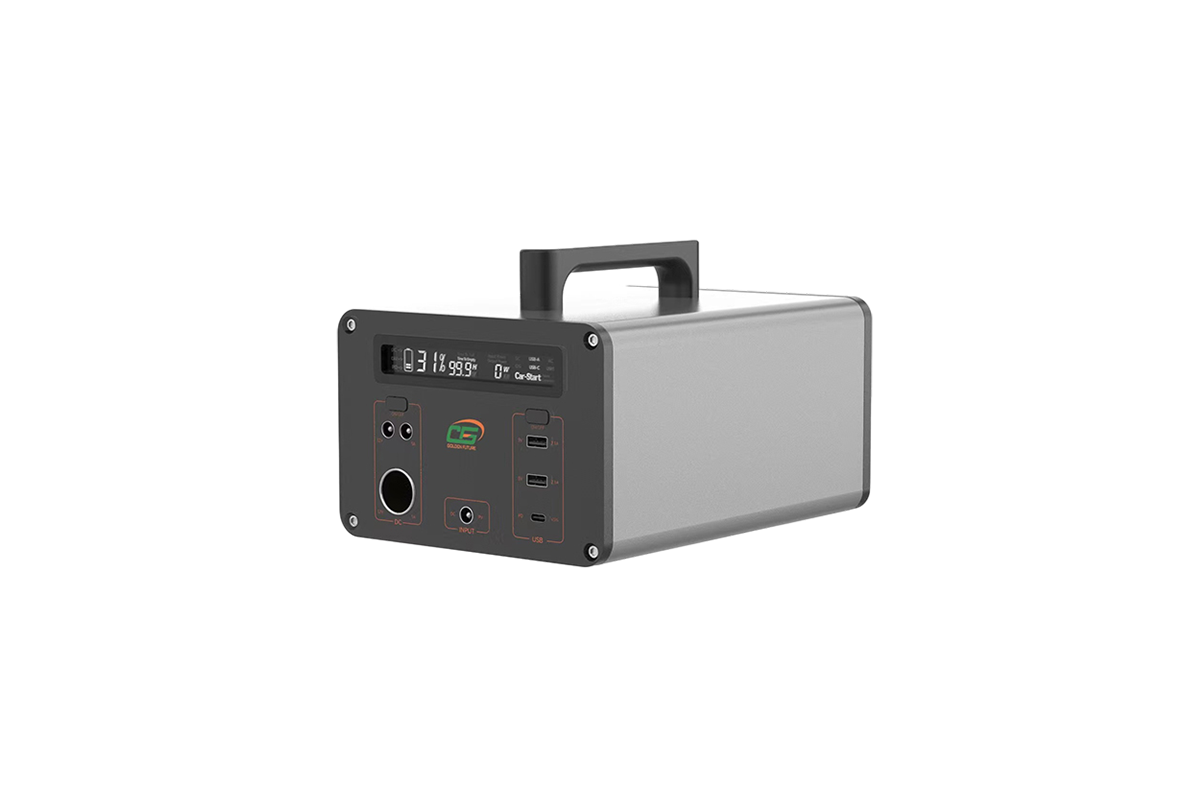
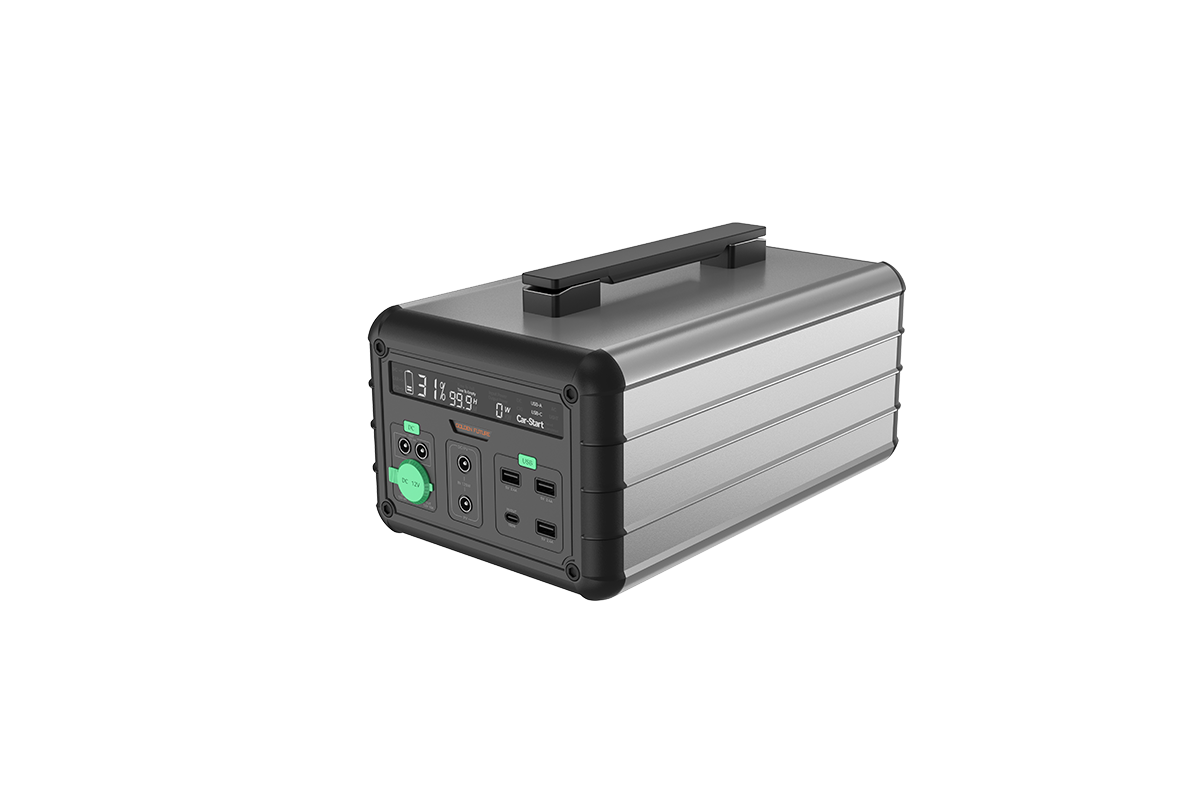
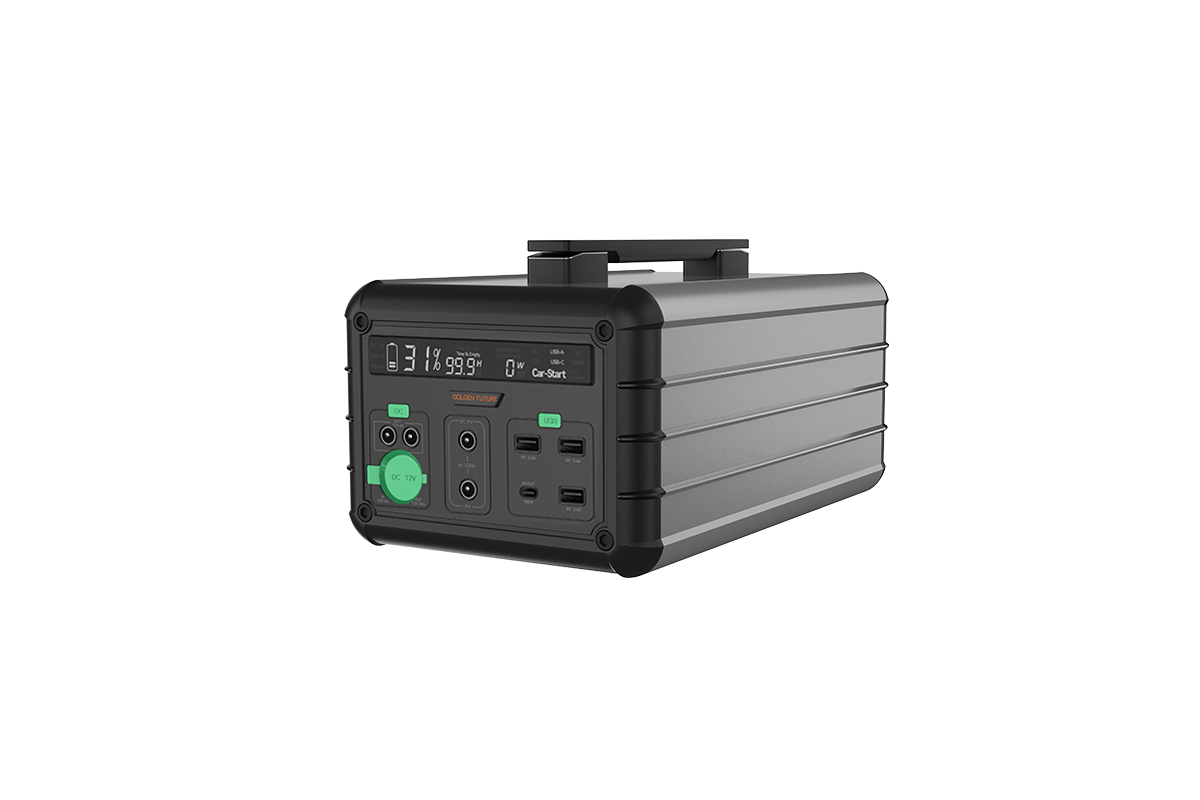
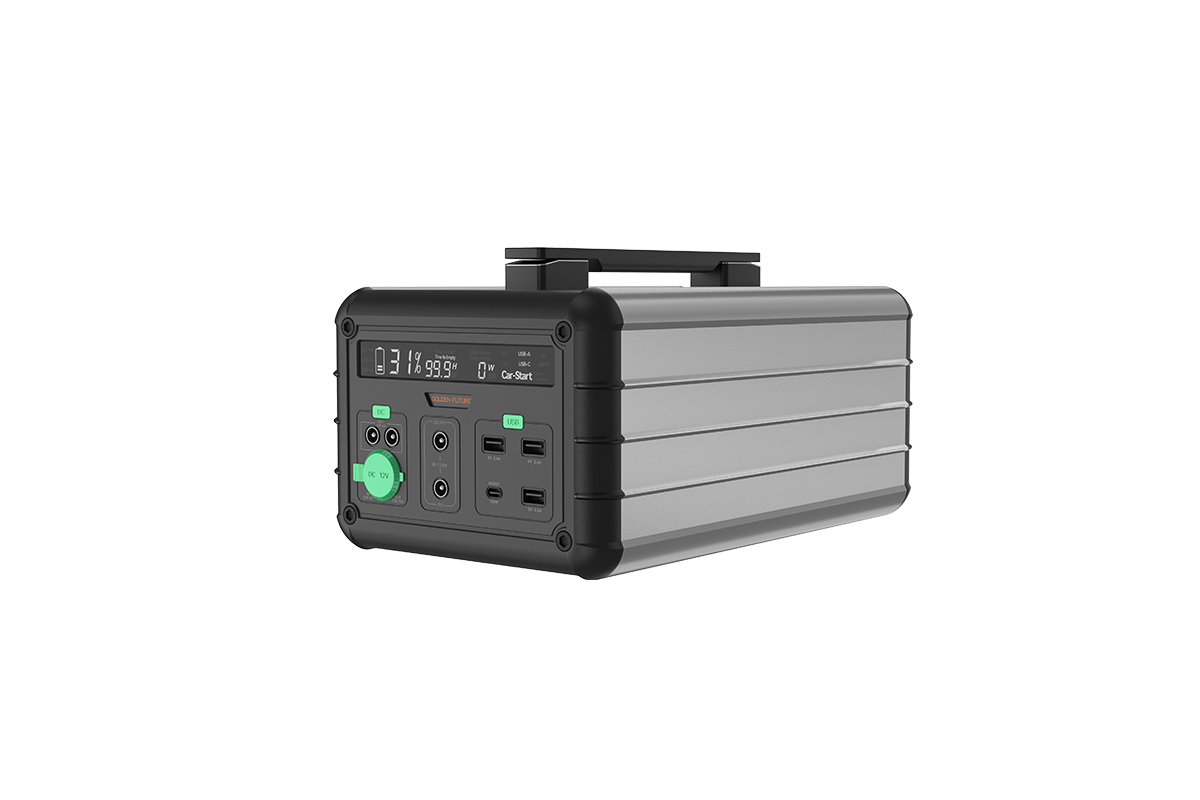
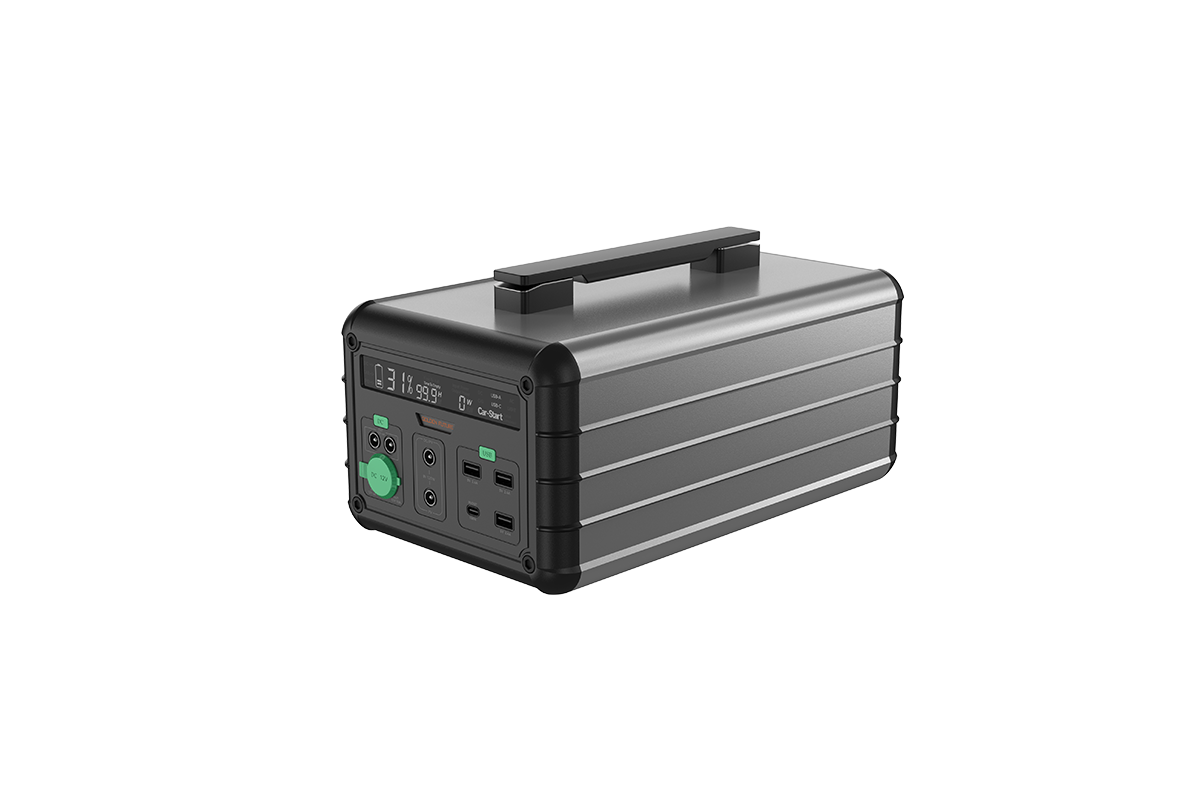
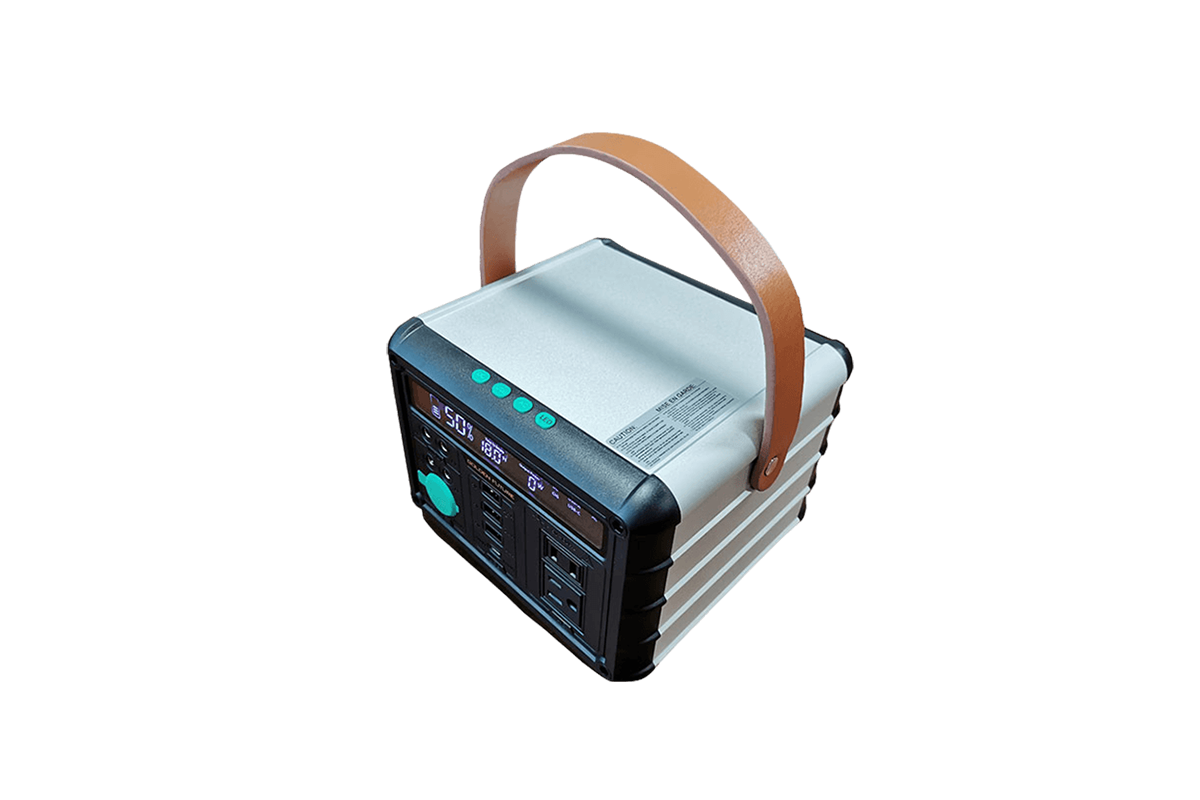
Cost-effective energy storage batteries have emerged as the most practical and inclusive power solution for residential, commercial, and small-scale industrial energy storage scenarios in the era of renewable energy popularization. Designed with a user-centric cost-performance concept, these batteries prioritize balanced operational efficiency and low lifecycle costs, breaking the barrier of high investment that once restricted the widespread adoption of energy storage systems. Most mainstream cost-effective energy storage products adopt mature lithium iron phosphate (LFP) and optimized sodium-ion battery chemistries, leveraging abundant and easily accessible raw materials including graphite, iron phosphate, and sodium-based compounds. Unlike high-end customized batteries that rely on rare and expensive metal resources, these materials feature rich crust reserves and stable market supply, effectively reducing raw material and manufacturing costs while avoiding drastic price fluctuations caused by supply chain tensions.
In addition to low initial procurement costs, cost-effective energy storage batteries excel in reducing long-term operational and maintenance expenses, forming a comprehensive low-cost advantage throughout the entire service life. The optimized internal structure is equipped with a self-forming stable SEI protective film, which prevents internal short circuits and material attenuation, greatly slowing down battery capacity degradation. This structural optimization extends the cycle life to over 4000 charge-discharge cycles, eliminating the frequent replacement costs associated with low-quality ordinary batteries. Moreover, most models adopt an air-cooled heat dissipation design, which removes the need for expensive HVAC temperature control systems and complex fire suppression auxiliary equipment, cutting down additional equipment investment and daily power consumption for operation. The simplified modular structure also lowers maintenance thresholds, enabling regular inspection and upkeep to be completed without professional technical teams, further reducing post-operation management costs.
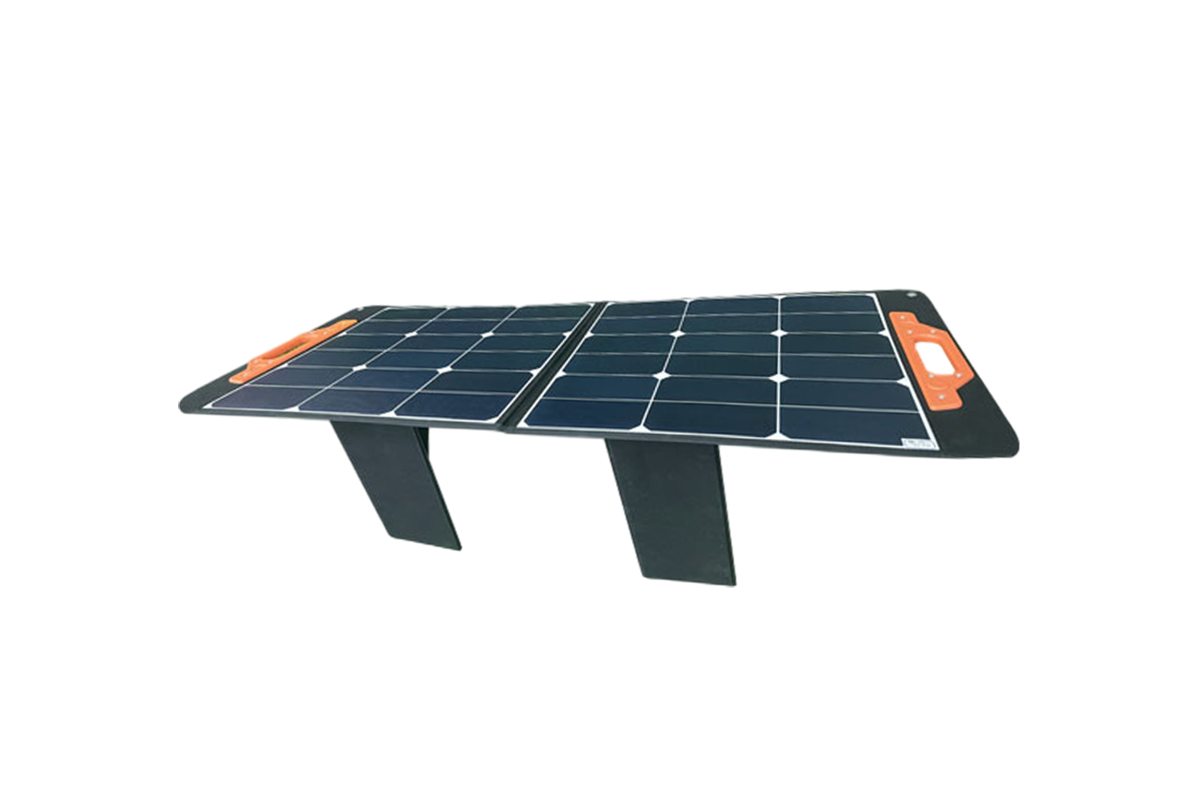
In terms of practical performance, cost-effective energy storage batteries fully meet the daily energy storage needs of most scenarios without redundant high-end configurations. They maintain a stable energy conversion efficiency of 90% to 93%, efficiently storing excess power from solar and wind power generation and realizing peak shaving and valley filling of electricity consumption. Whether for household off-grid power backup, small factory power demand regulation, or rural distributed energy storage systems, these batteries can deliver stable and reliable power output. With a low levelized cost of storage (LCOS) and a short investment payback period, they provide an affordable and sustainable energy storage option for ordinary users and small and medium-sized enterprises, greatly accelerating the universal coverage of clean energy storage systems.




 59911926@qq.com/sales@goldenfuturehk.com
 13316809242 / 15816897019
 Inquiry
 Home >