





Time:2026-04-03 Views:363
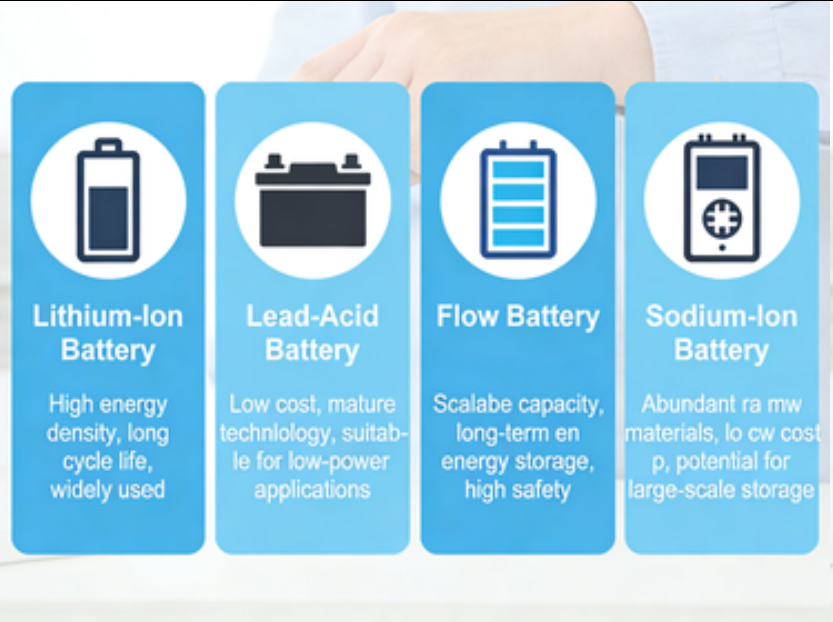
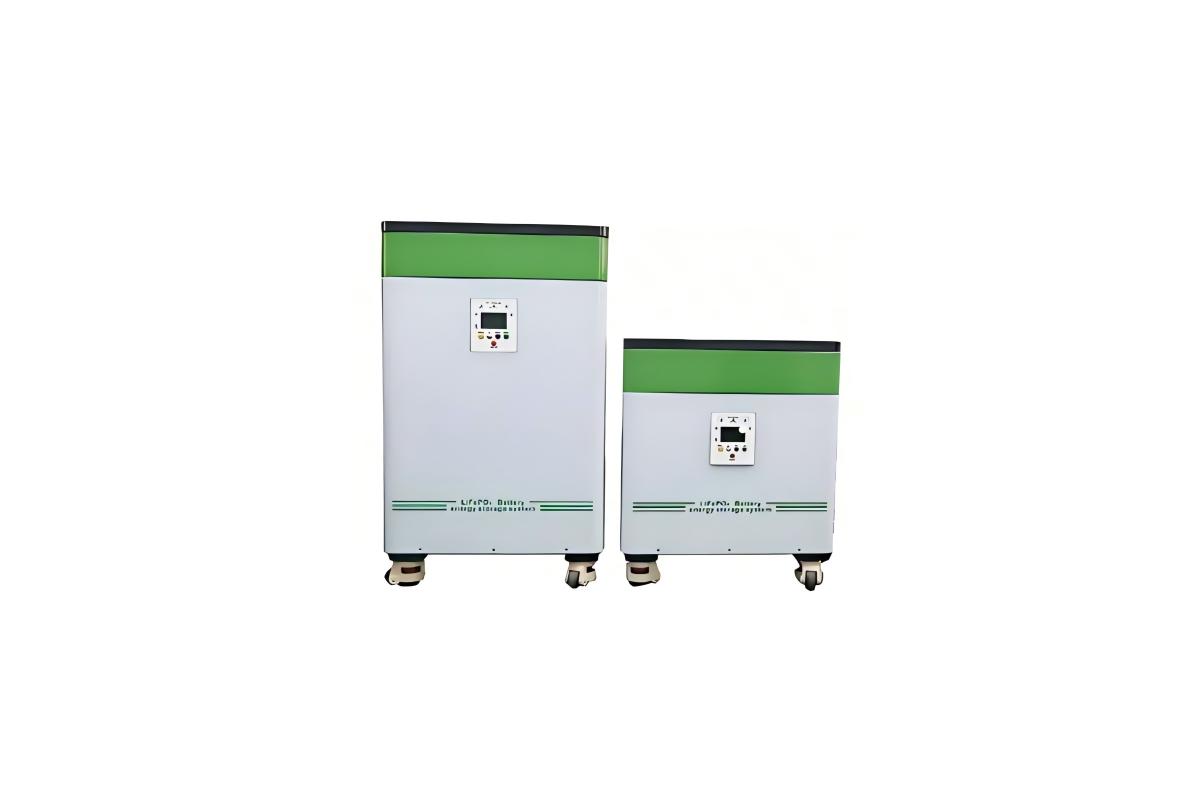
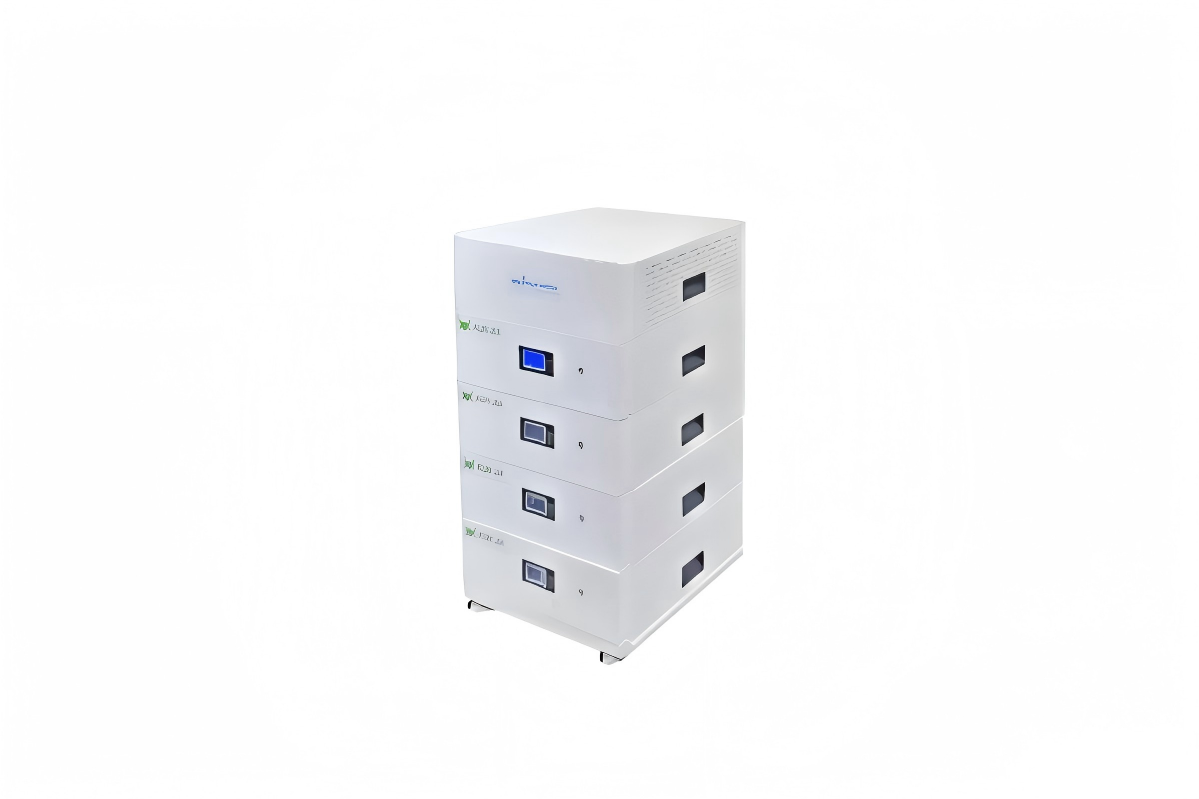
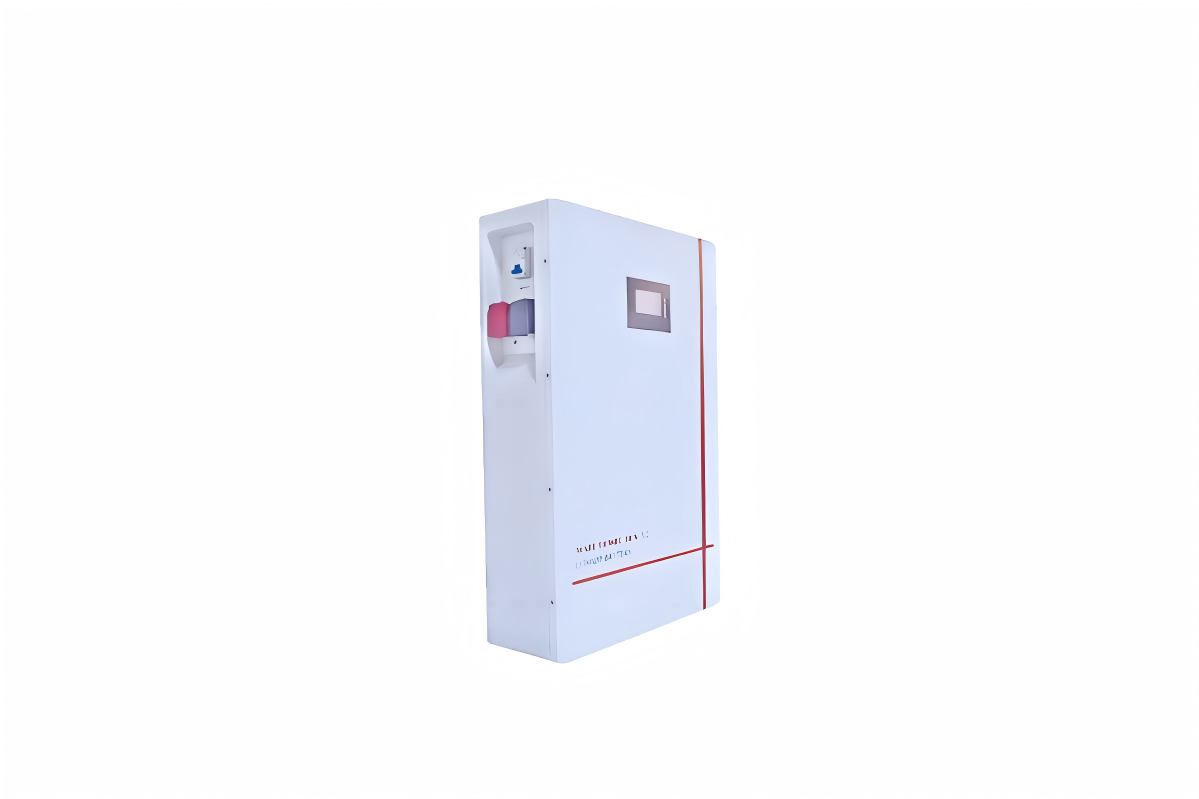
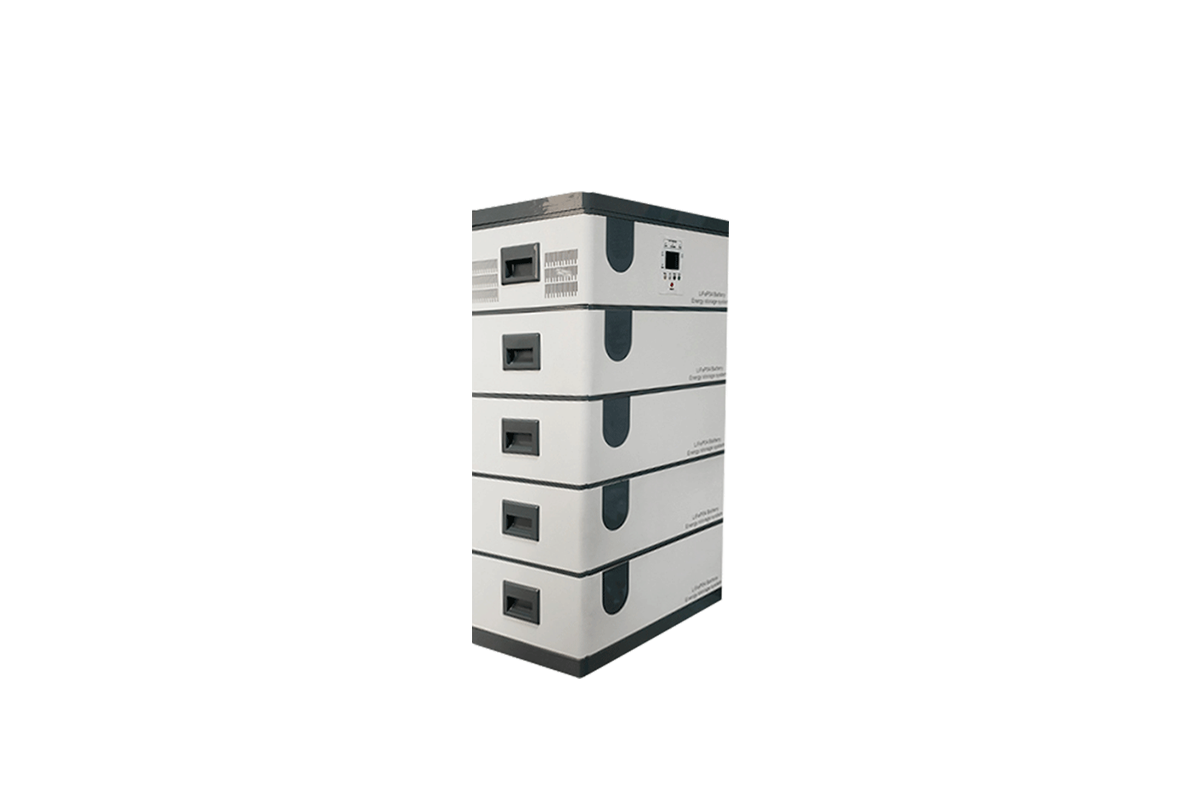
There are several types of batteries used in energy storage systems, each with its own characteristics, advantages, and limitations, making them suitable for different applications. The most common battery types for home and small-scale energy storage include lithium-ion batteries (Li-ion), lithium iron phosphate (LiFePO4) batteries, lead-acid batteries, and flow batteries. Among these, LiFePO4 batteries are the most widely used for residential energy storage due to their balance of safety, performance, and cost.
Lithium-ion batteries (including LiFePO4, lithium cobalt oxide, lithium manganese oxide, and lithium nickel cobalt manganese oxide) are the most popular choice for energy storage systems. LiFePO4 batteries, in particular, are preferred for home use because of their high safety – they are non-flammable and do not experience thermal runaway, even in the event of overcharging or short-circuiting. They also have a long cycle life, high energy density, and low self-discharge rate. Lithium cobalt oxide (LCO) batteries have a higher energy density but are less safe and have a shorter cycle life, making them more suitable for portable devices rather than home energy storage. Lithium nickel cobalt manganese oxide (NCM) batteries offer a balance of energy density and cycle life but are more expensive than LiFePO4.
Lead-acid batteries are the traditional choice for energy storage, known for their low cost and wide availability. However, they have several limitations, including a short cycle life, low energy density, high self-discharge rate, and the need for regular maintenance (such as adding distilled water). They also contain toxic lead, making them less environmentally friendly. Flow batteries (such as vanadium redox flow batteries) are suitable for large-scale energy storage due to their unlimited cycle life and ability to scale capacity independently of power, but they are expensive and bulky, making them impractical for home use. Other battery types, such as sodium-ion batteries, are emerging as alternatives, offering lower cost and better safety, but they are still in the early stages of commercialization.




 59911926@qq.com/sales@goldenfuturehk.com
 13316809242 / 15816897019
 Inquiry
 Home >