





Time:2026-10-20 Views:257
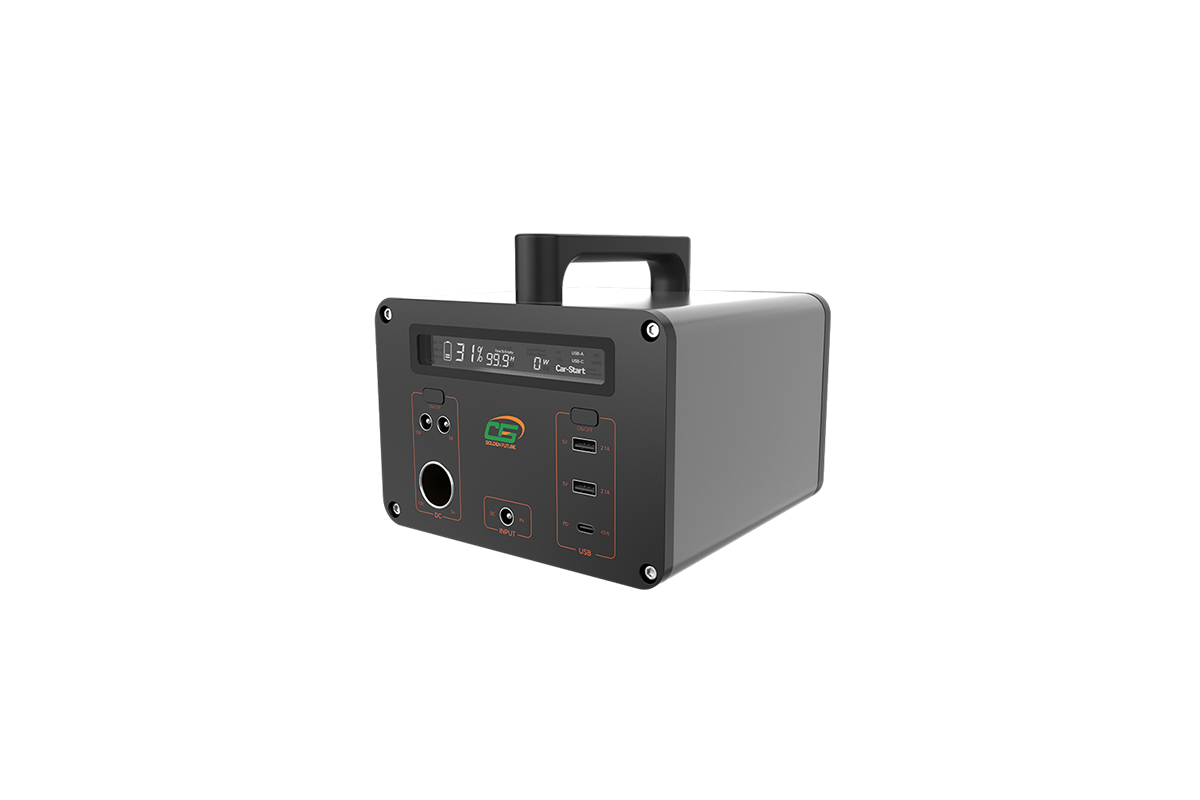
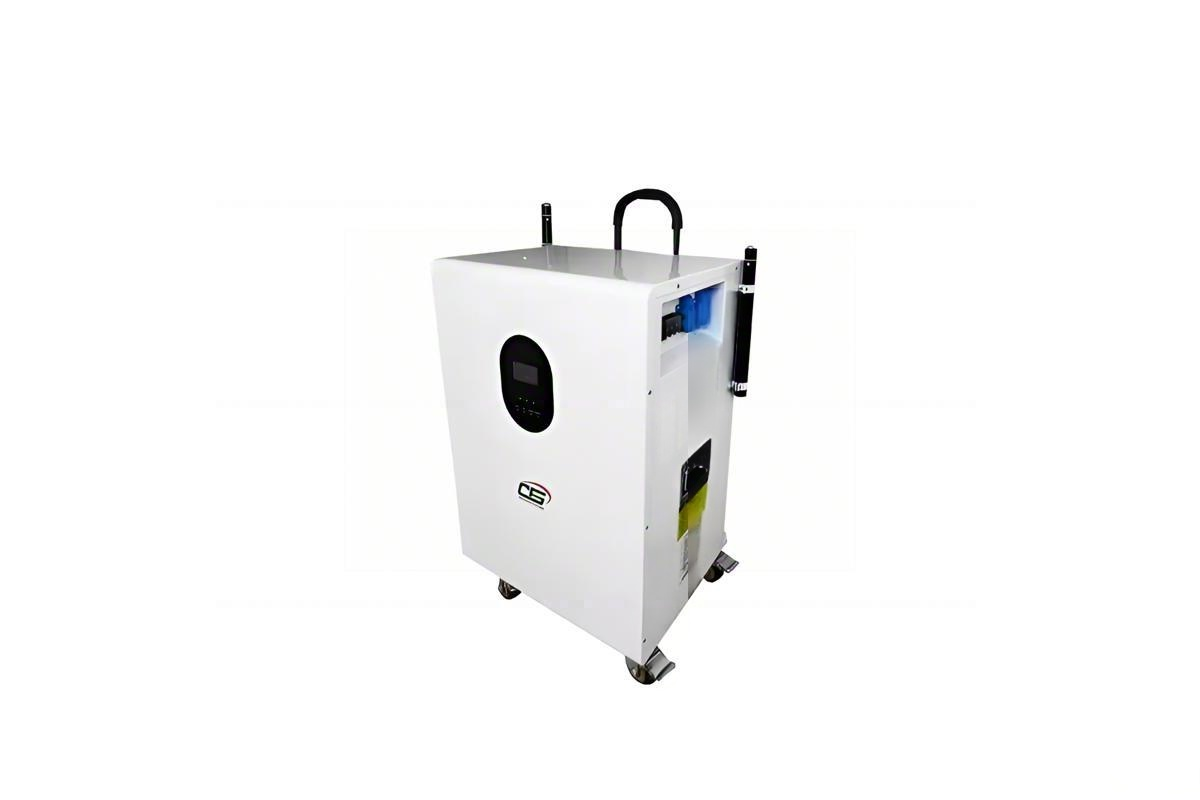
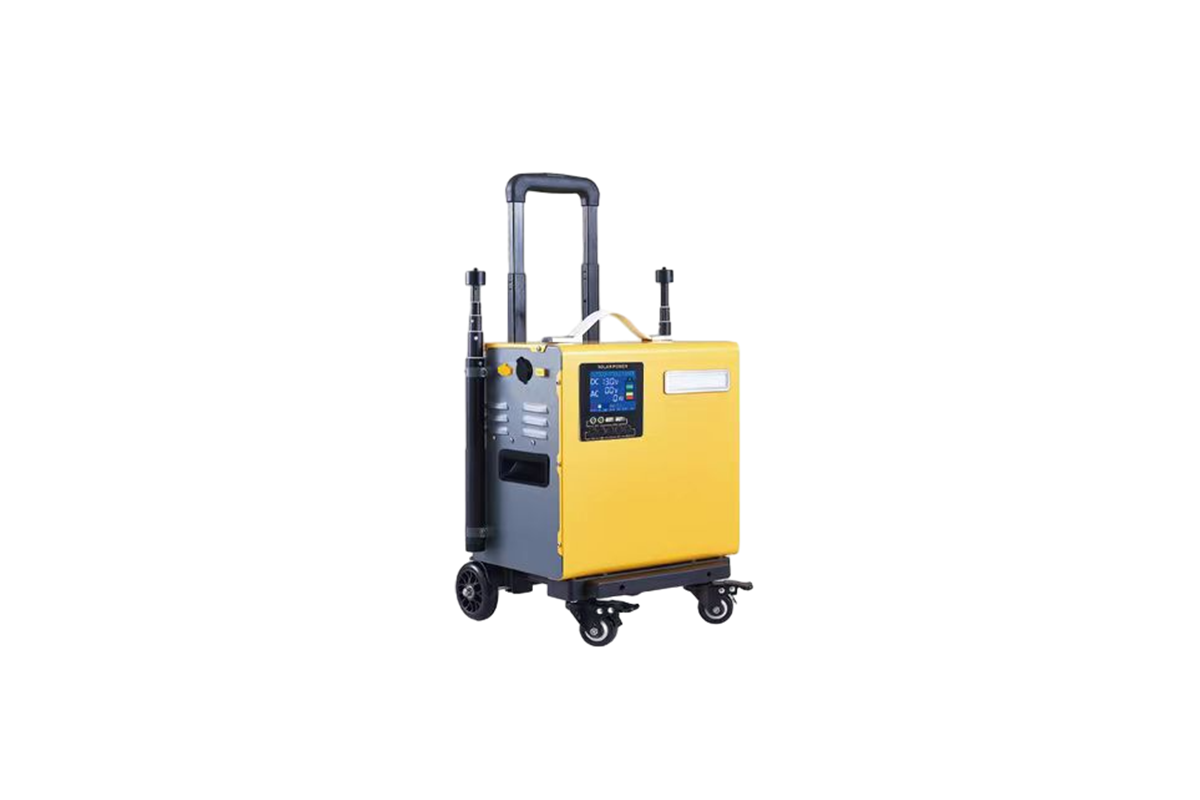
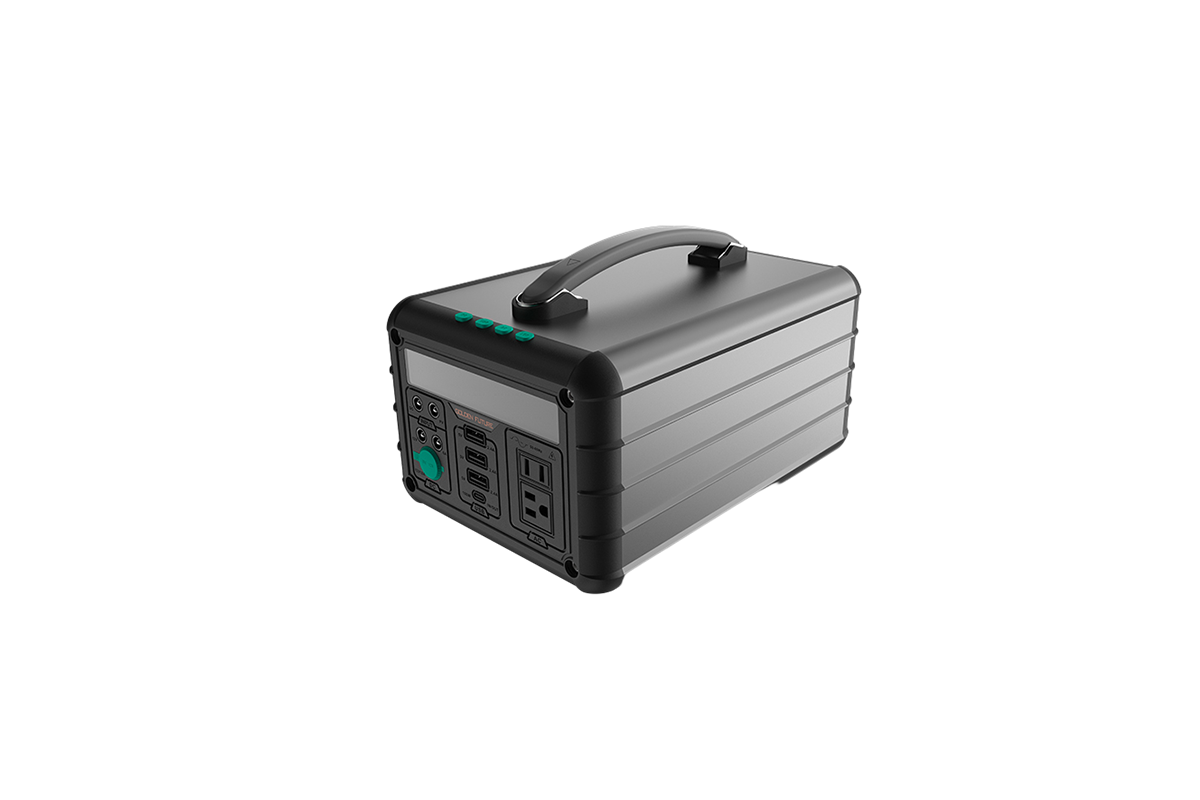
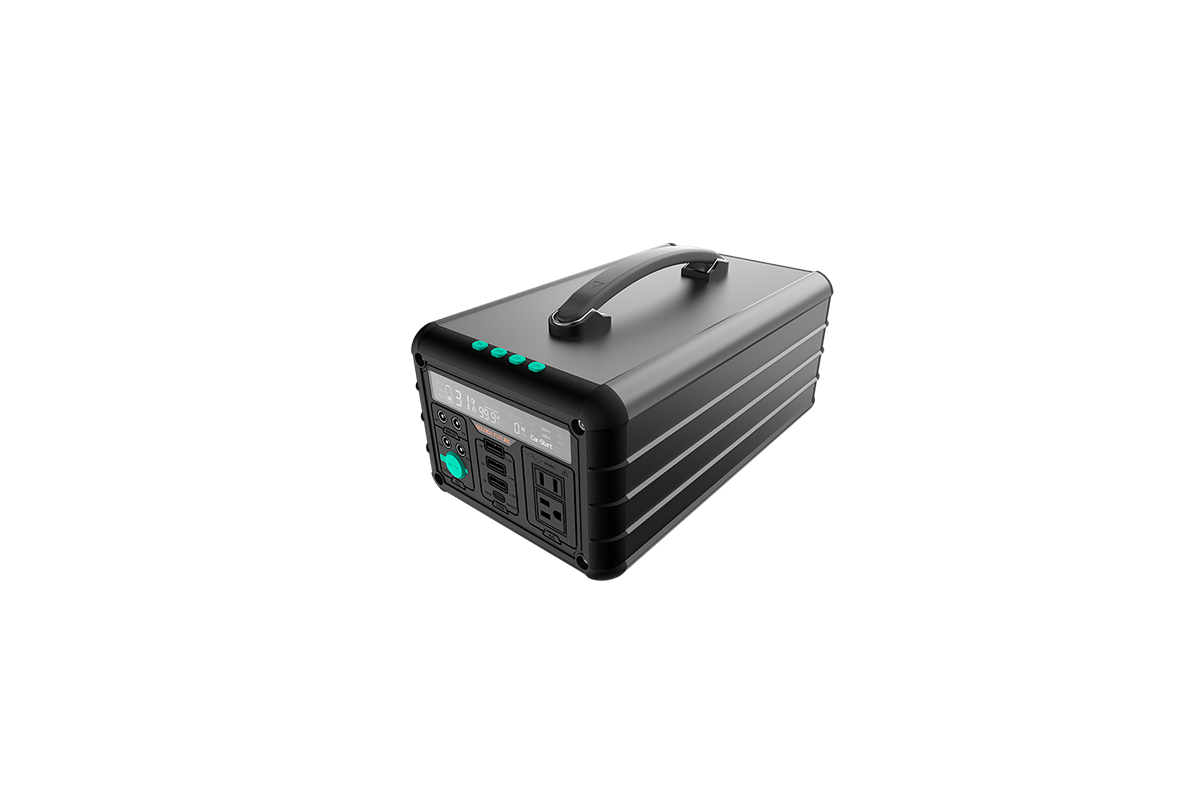
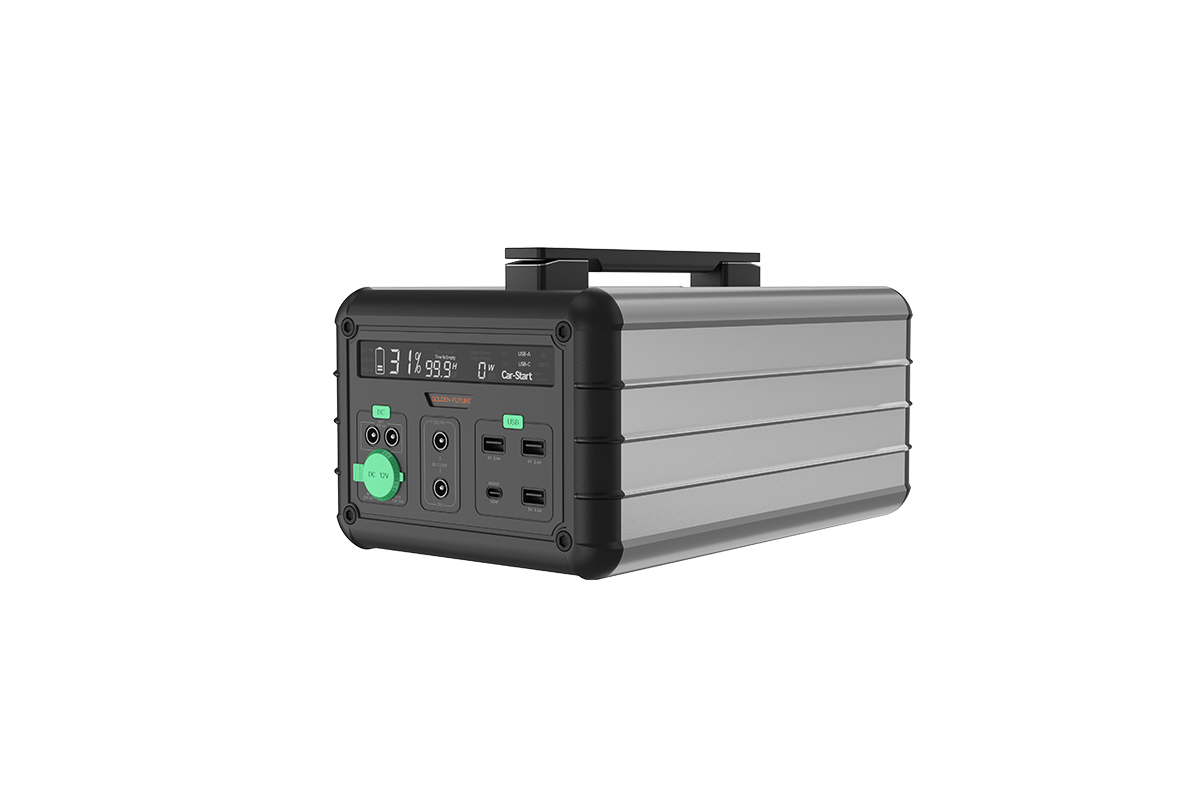
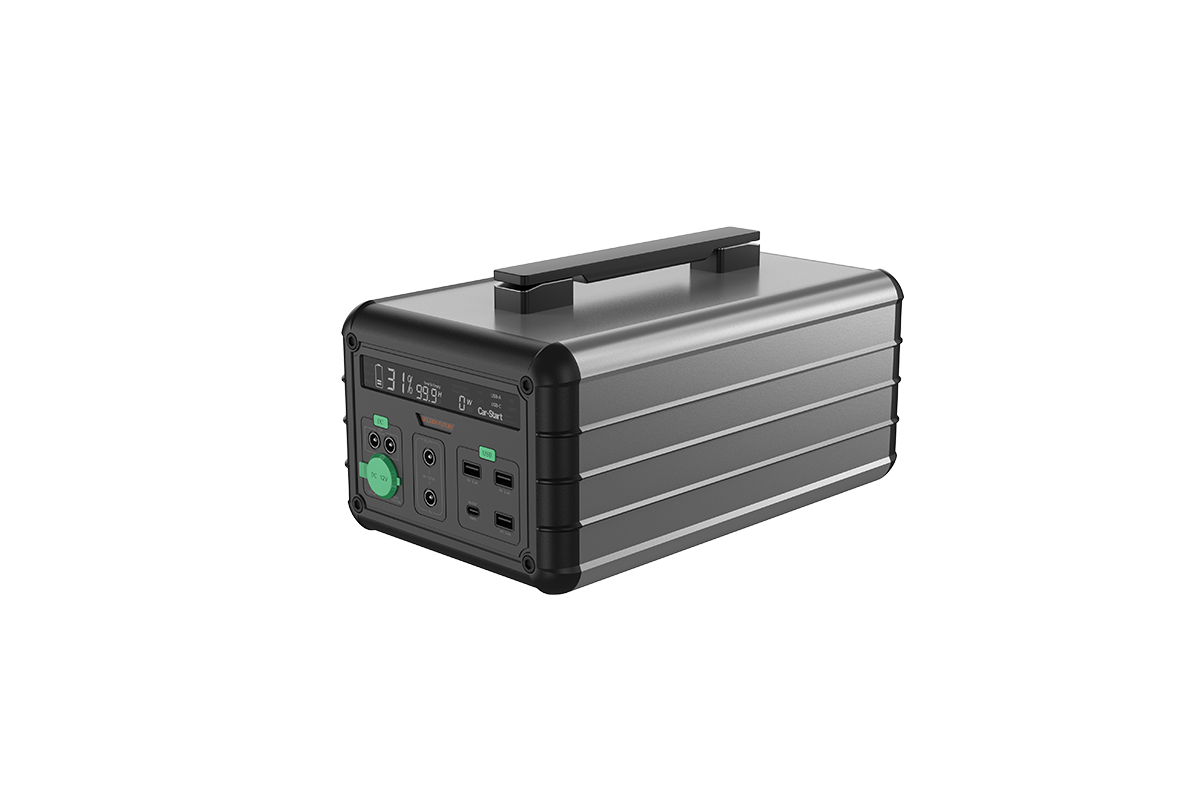
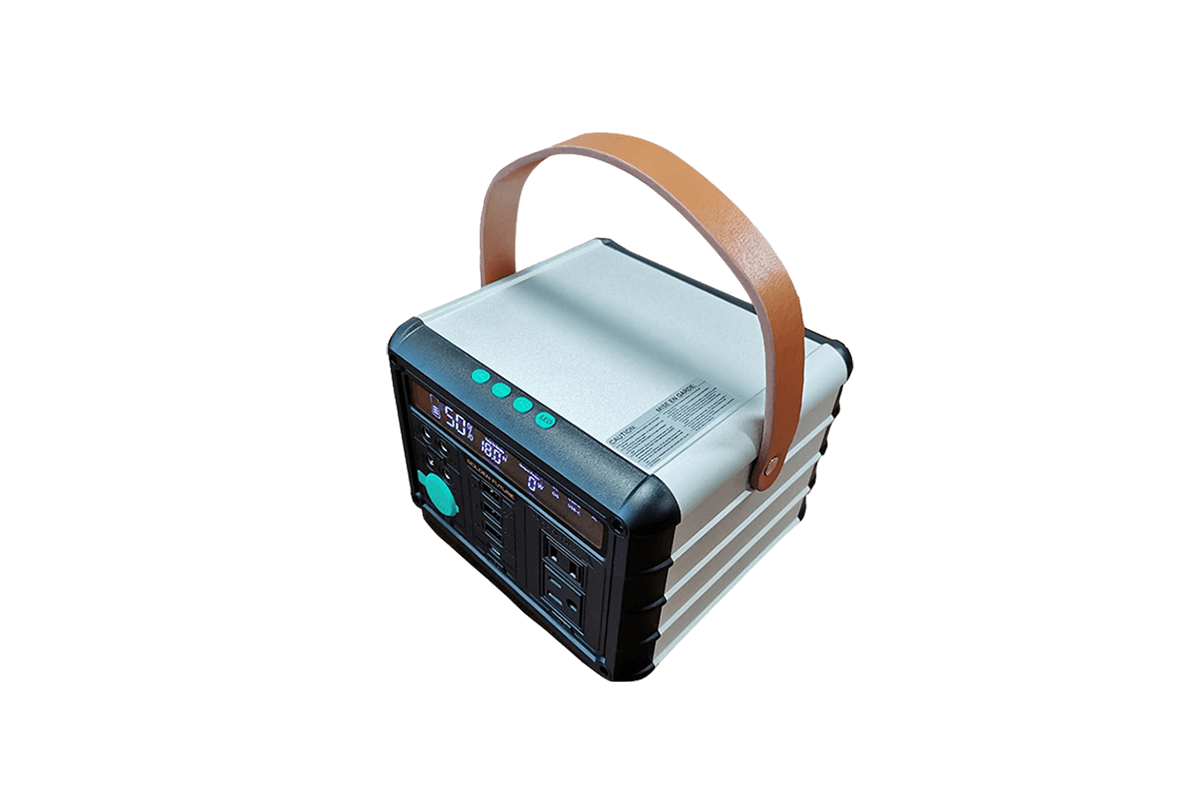
Battery technology is the core factor that determines the performance, safety, and service life of all energy storage devices, and there are obvious technical differences between portable outdoor energy storage and fixed household energy storage products. Most traditional portable power stations adopt ternary lithium batteries in the early stage, while new-generation wild portable energy storage equipment is gradually upgraded to lithium iron phosphate batteries to balance safety and cycle life. Ternary lithium batteries feature high energy density and light weight, which is conducive to reducing the overall weight of portable devices, making them more suitable for mobile carrying. However, they have relatively poor thermal stability, higher risk of thermal runaway in high-temperature environments, and a limited cycle life of only 800 to 1200 times, which is suitable for users with low frequency of use and frequent mobile scenarios.
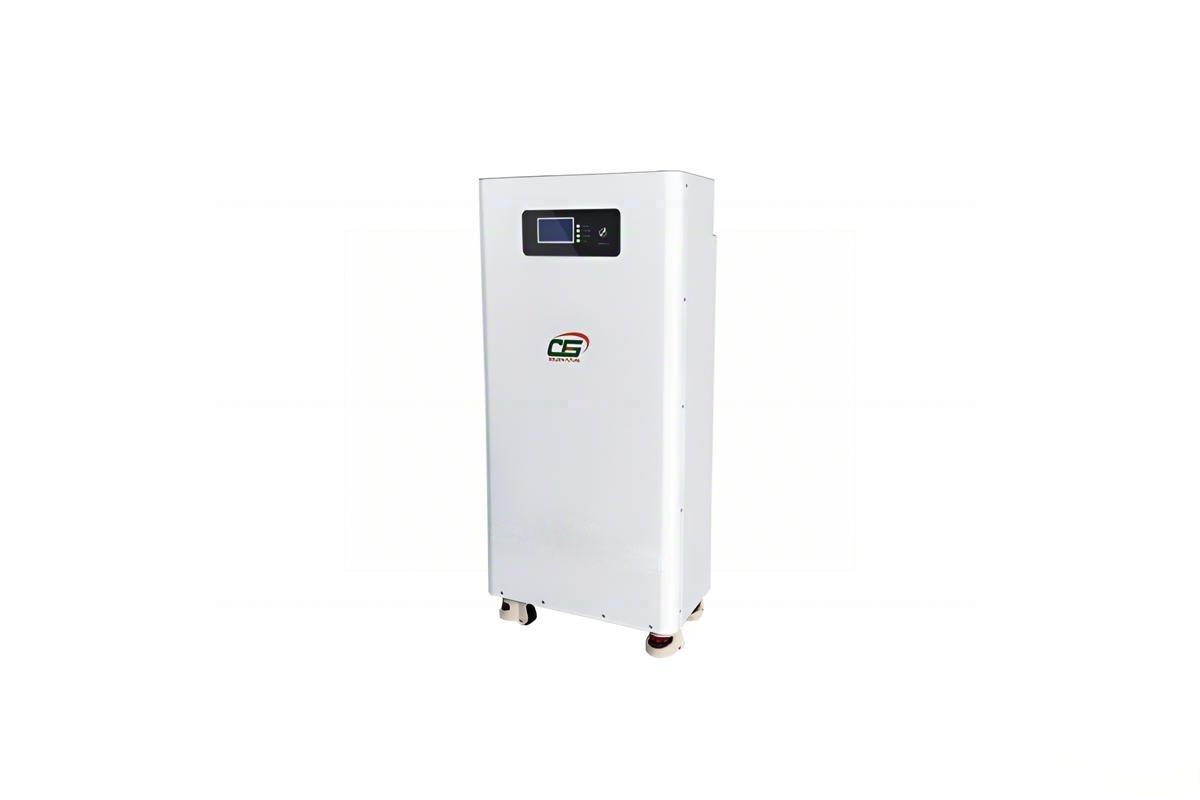
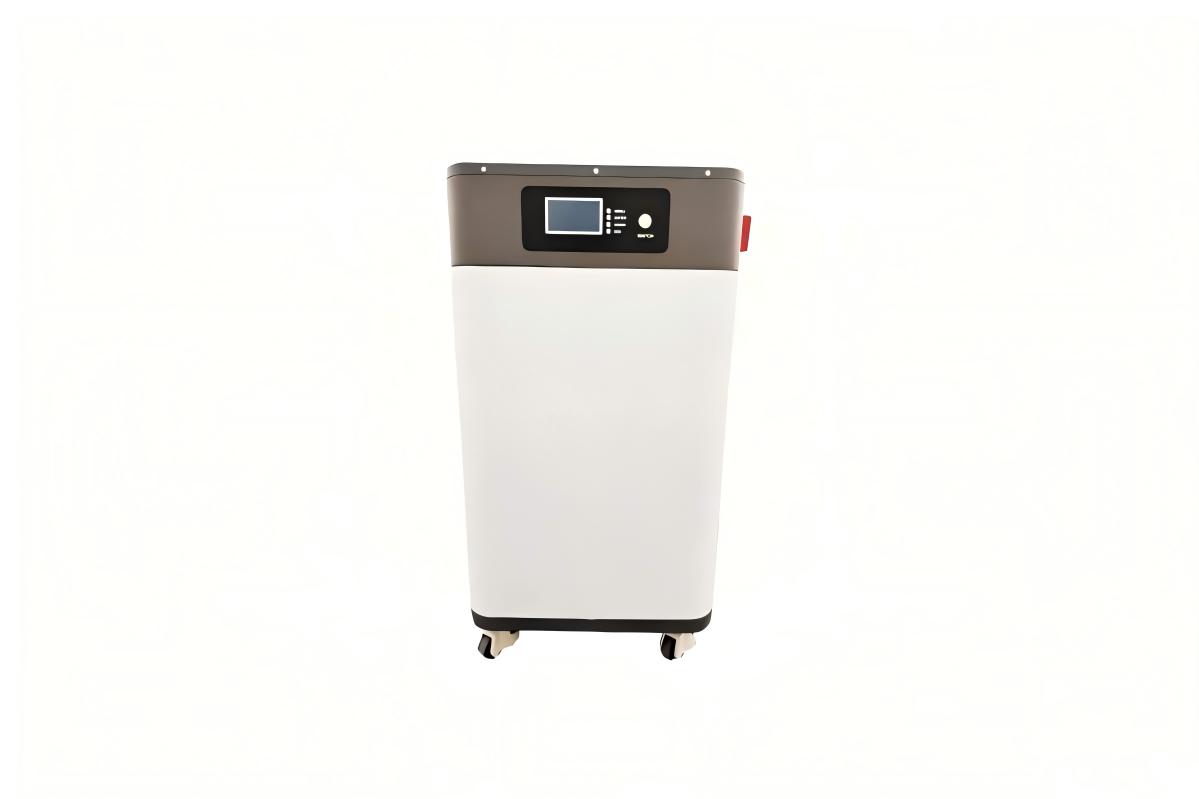
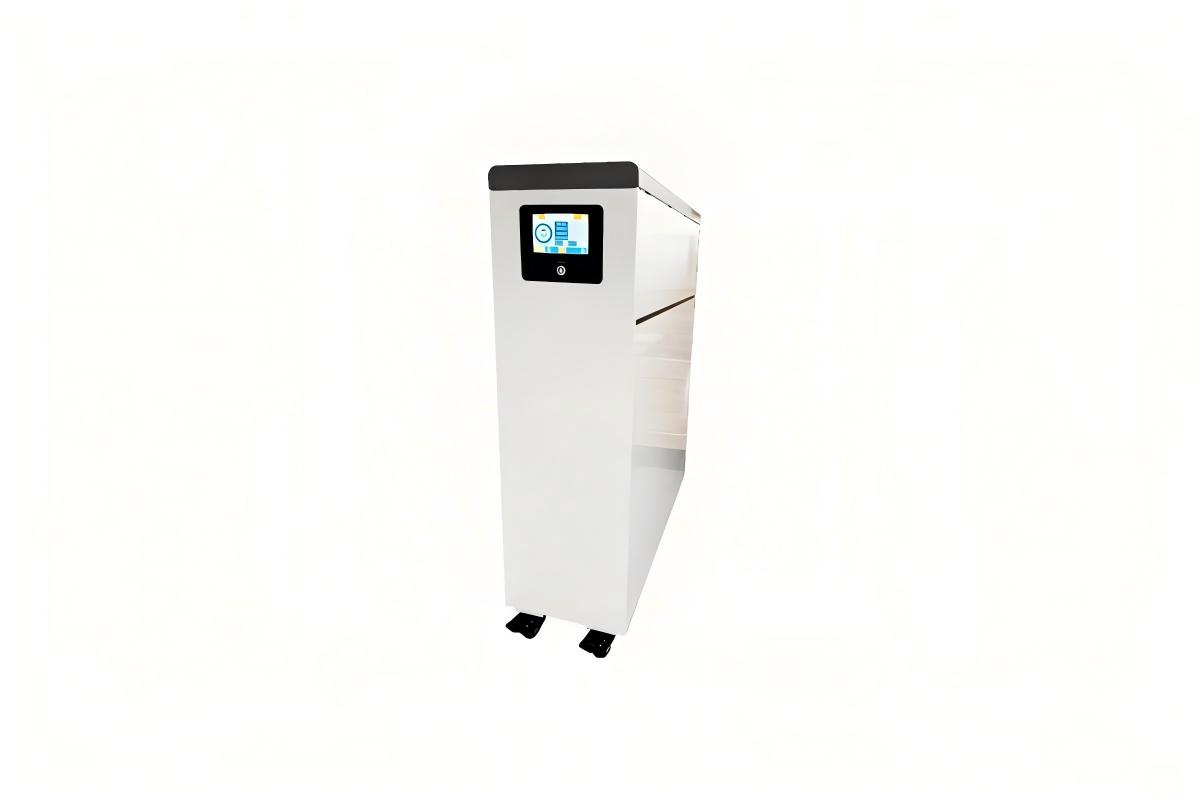
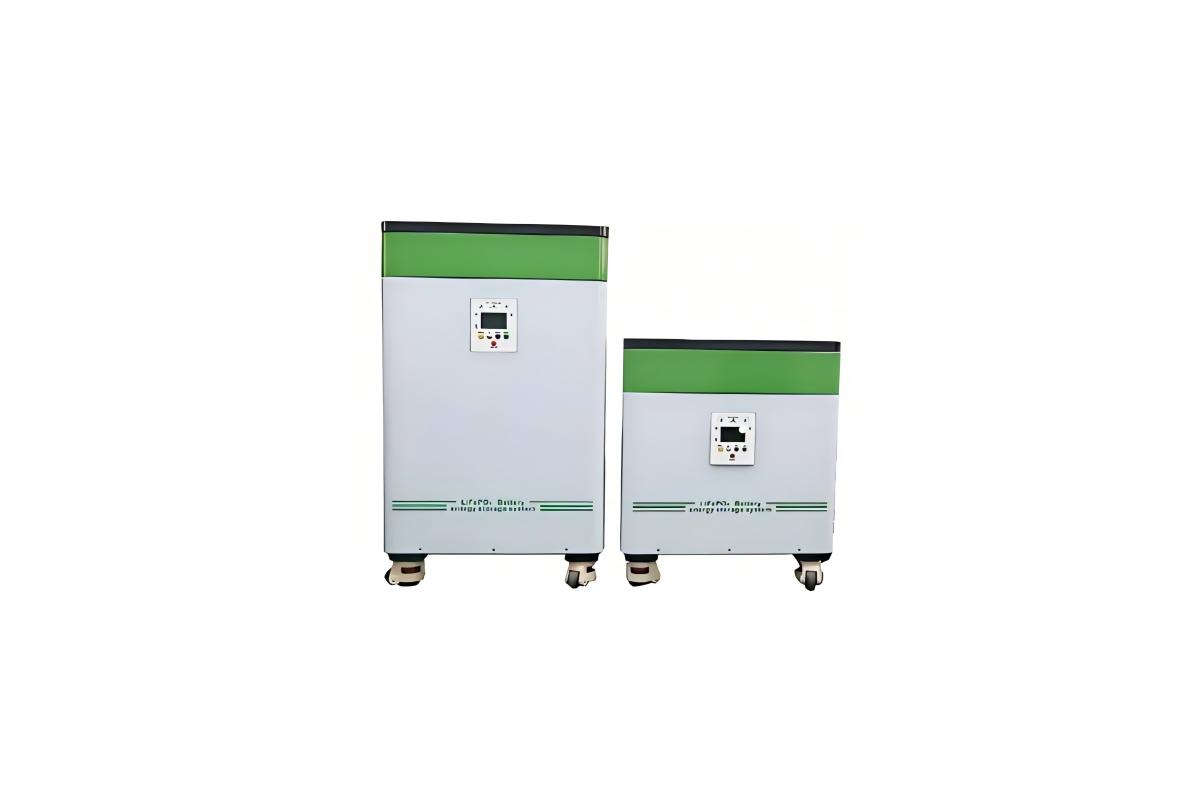
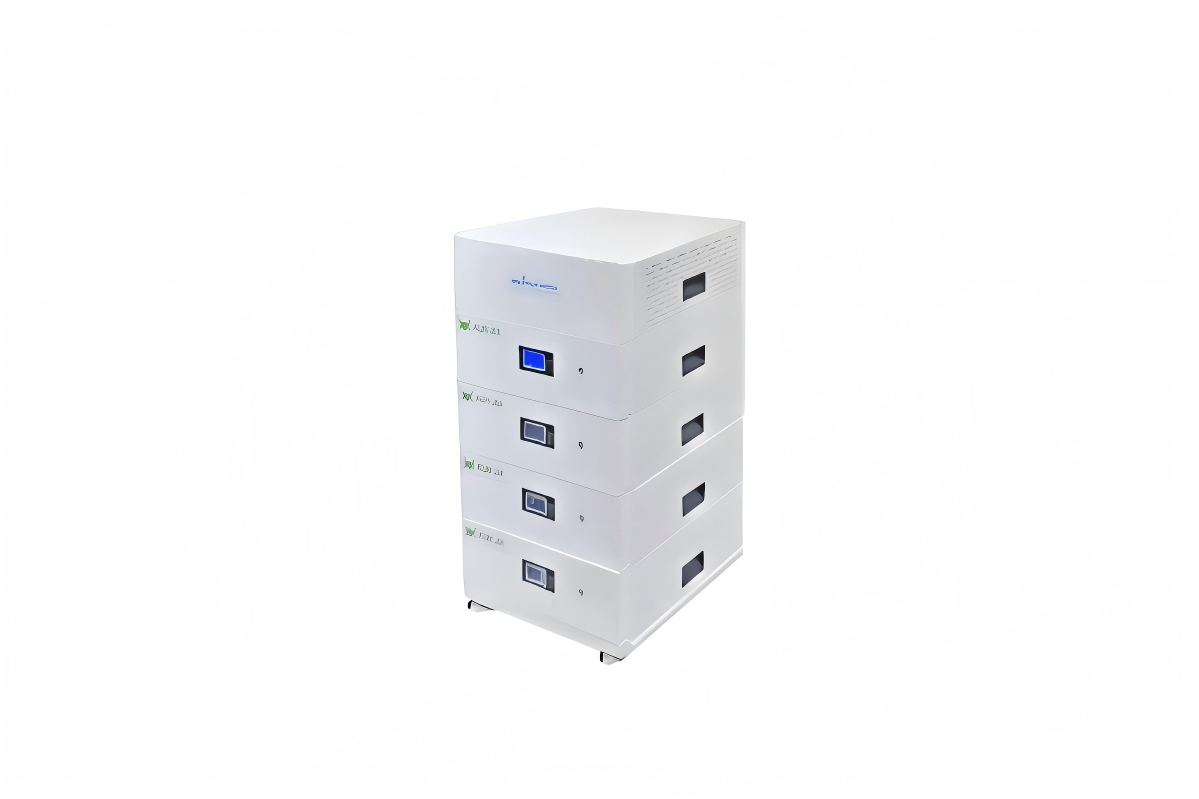
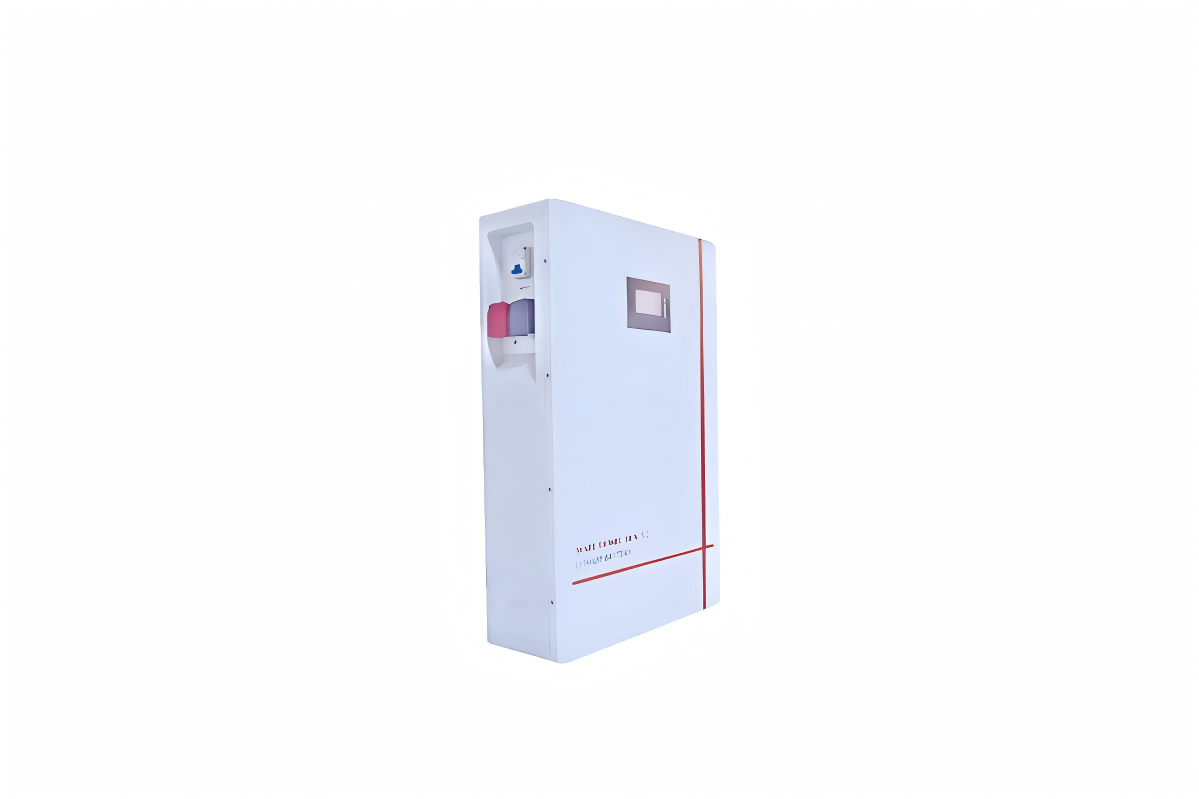
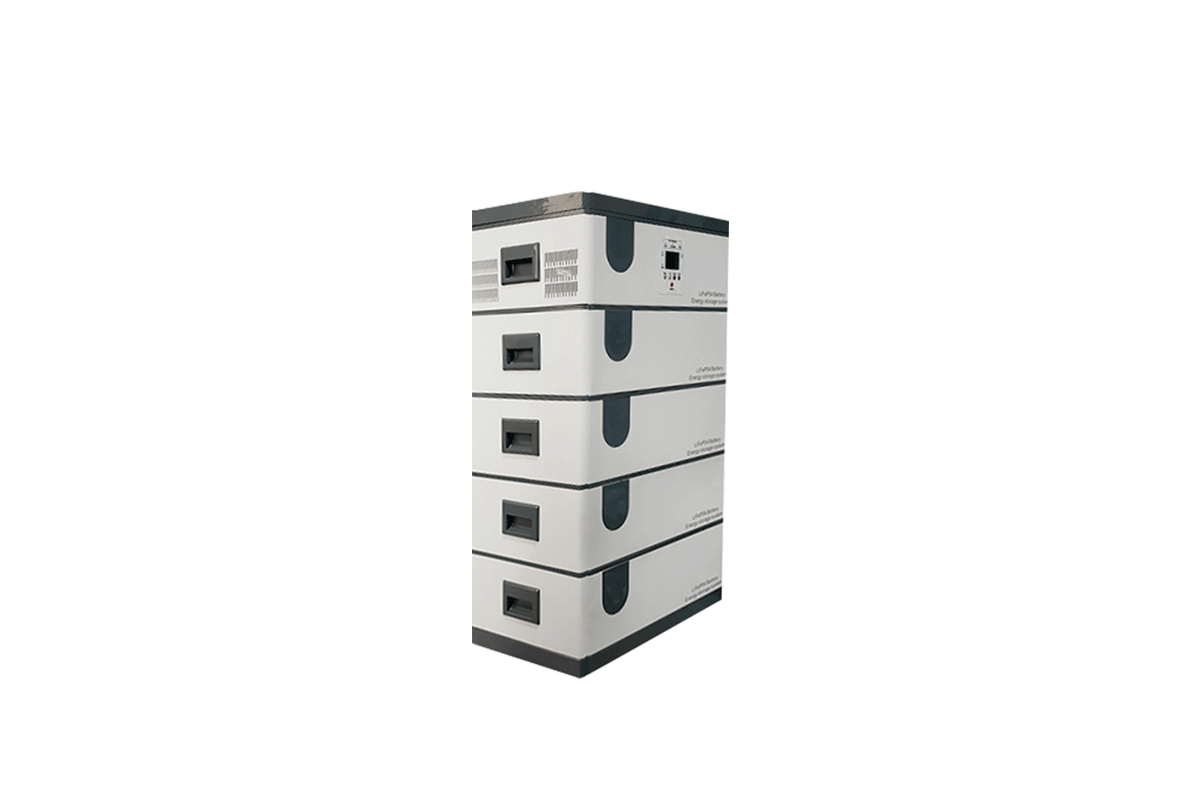
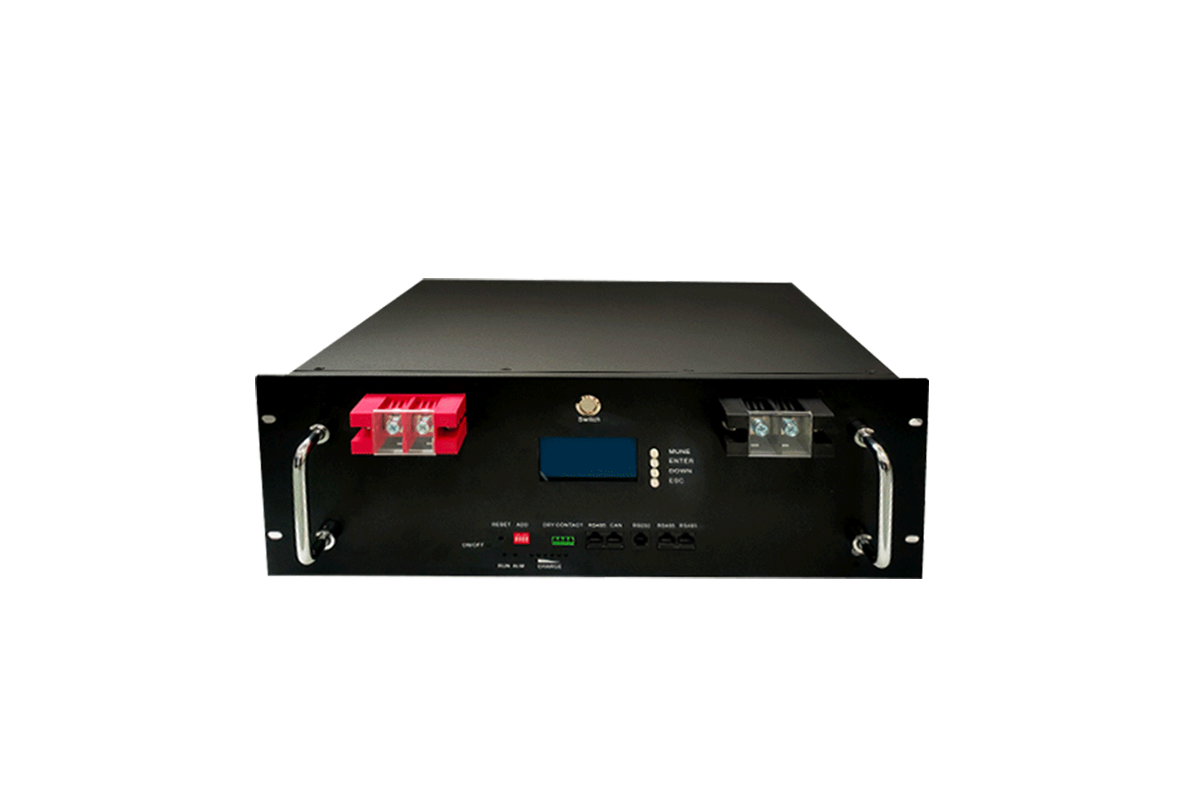
Fixed household energy storage equipment, including intelligent household energy storage, grid-connected voltage-stabilizing energy storage, and photovoltaic off-grid energy storage kits, almost uniformly adopts high-standard lithium iron phosphate batteries as the core energy storage unit. This type of battery has excellent thermal stability, high temperature resistance, and strong overcharge and over-discharge protection capabilities, which can adapt to long-term uninterrupted indoor operation and effectively avoid safety hazards such as battery combustion and explosion. In terms of service life, industrial-grade lithium iron phosphate batteries for household energy storage can achieve more than 6000 charge-discharge cycles, and the service life can reach 10 to 15 years under normal use conditions, far exceeding the service cycle of portable energy storage products.
In addition to battery materials, the battery management system (BMS) also brings obvious service life differences. Portable energy storage devices adopt simplified BMS solutions due to cost and volume limitations, with basic overvoltage, undervoltage, and overcurrent protection functions, lacking intelligent temperature control and balanced charging management. Long-term outdoor complex environment use is easy to cause inconsistent battery cell attenuation, resulting in reduced overall capacity and shortened service life. Household energy storage equipment is equipped with high-precision intelligent BMS, which can monitor the temperature, voltage, and current of each battery cell in real time, realize balanced charging and active temperature control, slow down battery attenuation, and ensure long-term stable operation of the system. This technical difference also explains why household energy storage can support long-term grid-connected operation, while portable energy storage is only suitable for intermittent temporary use.




 59911926@qq.com/sales@goldenfuturehk.com
 13316809242 / 15816897019
 Inquiry
 Home >
