






Time:2026-04-22 Views:473
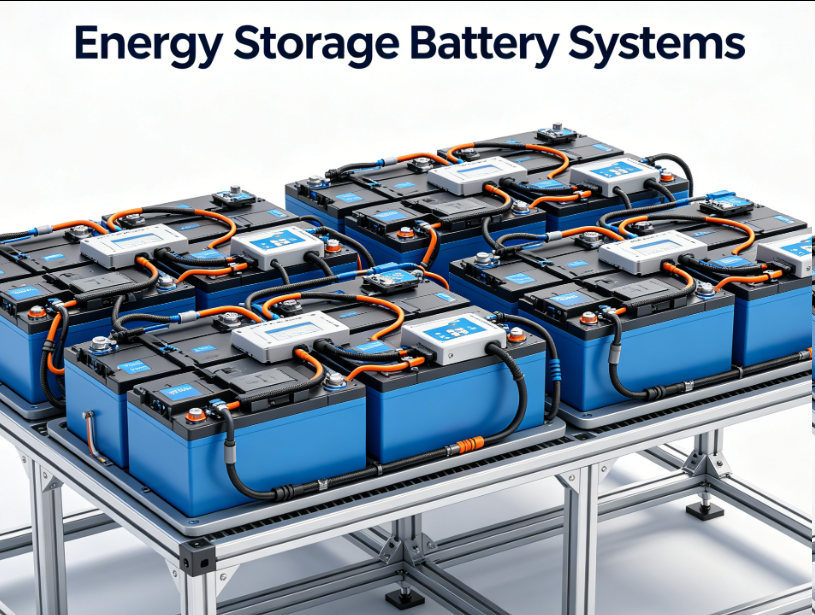
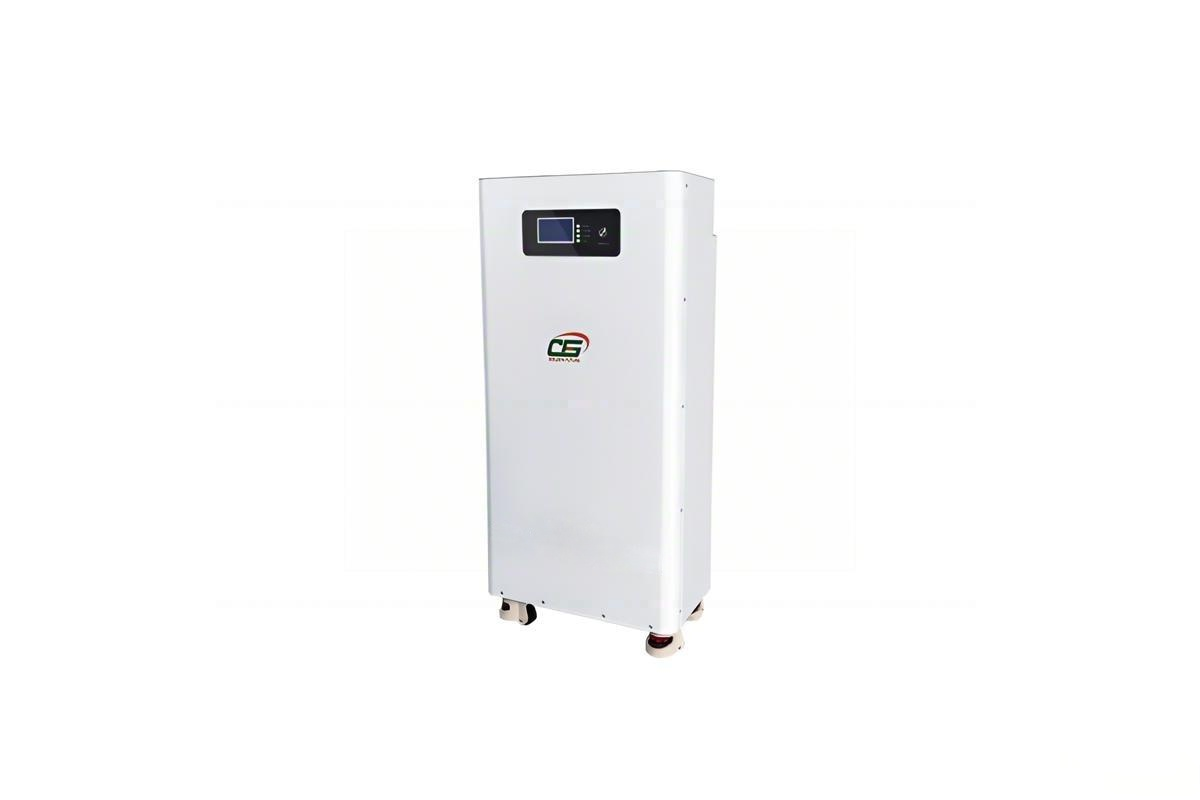
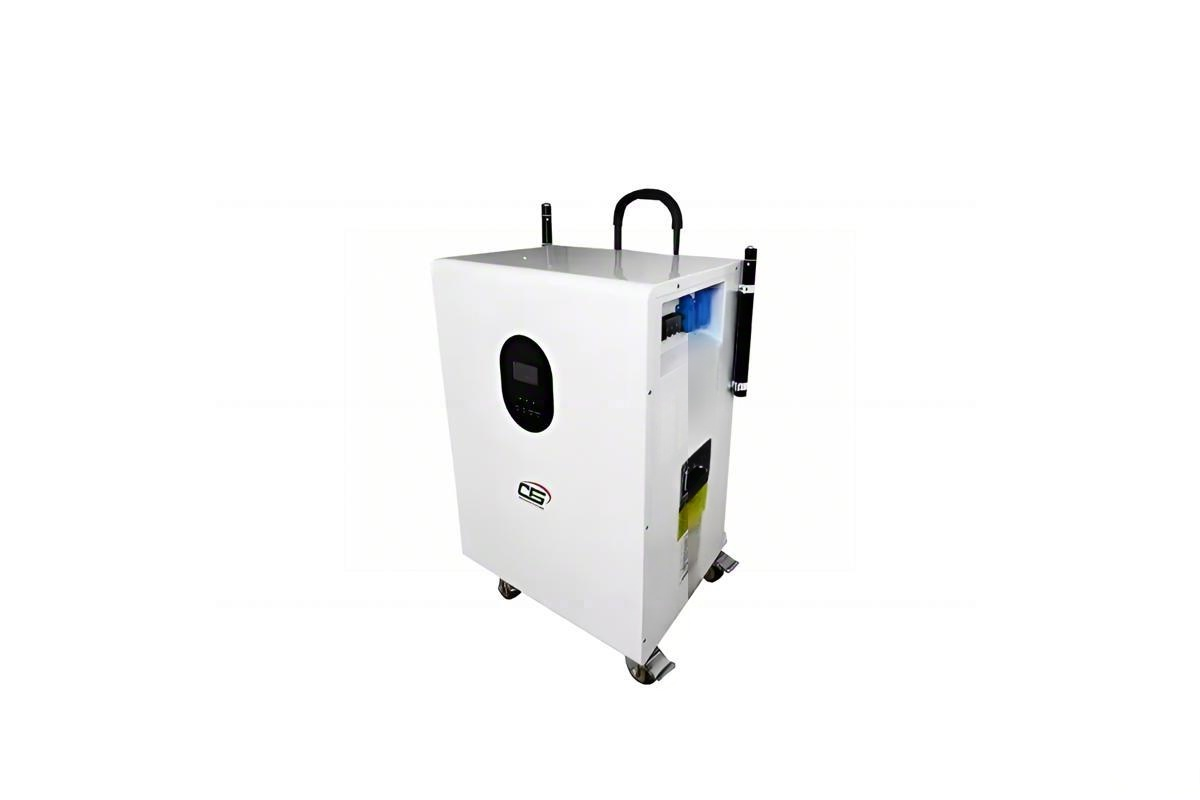
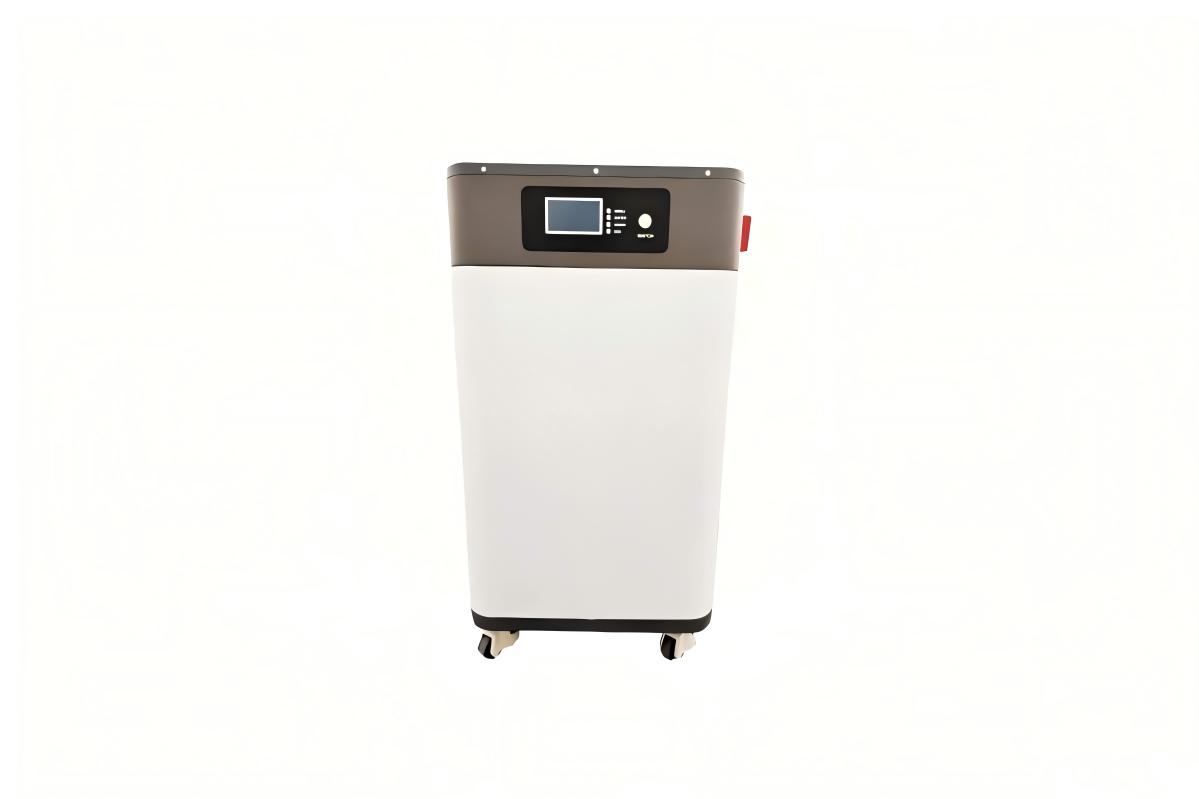
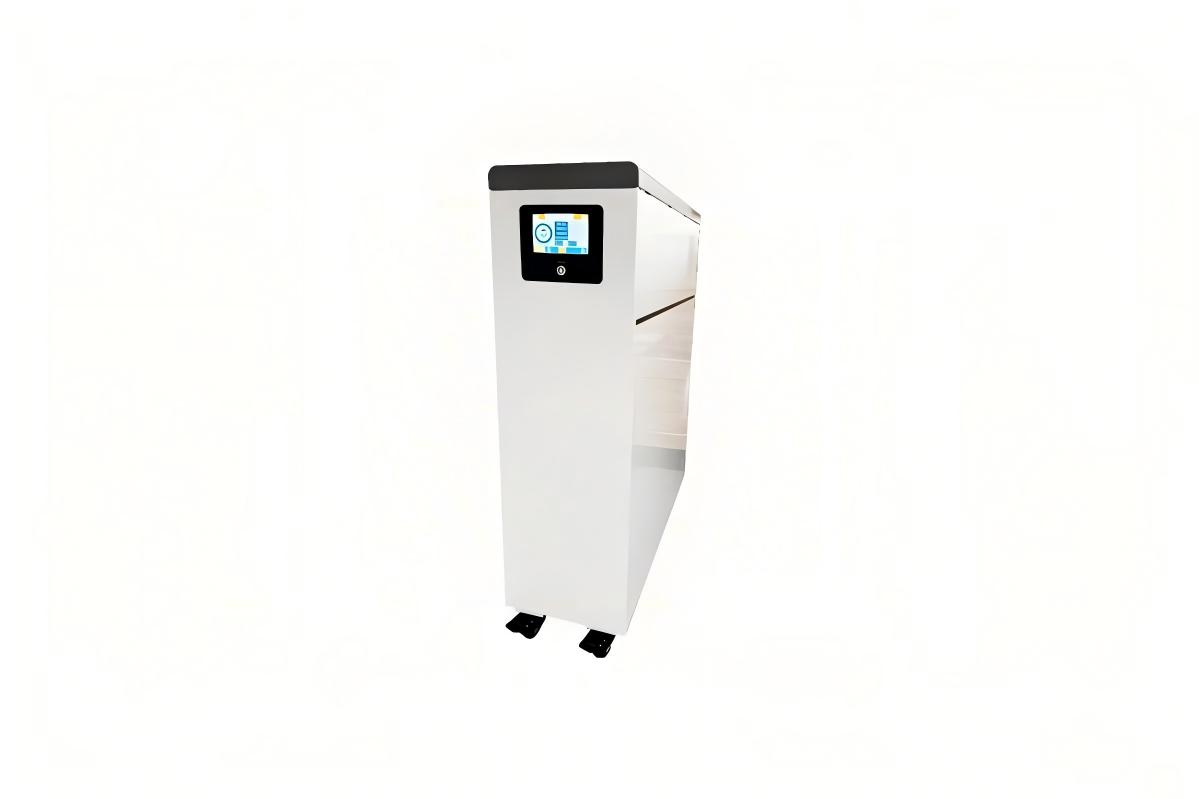
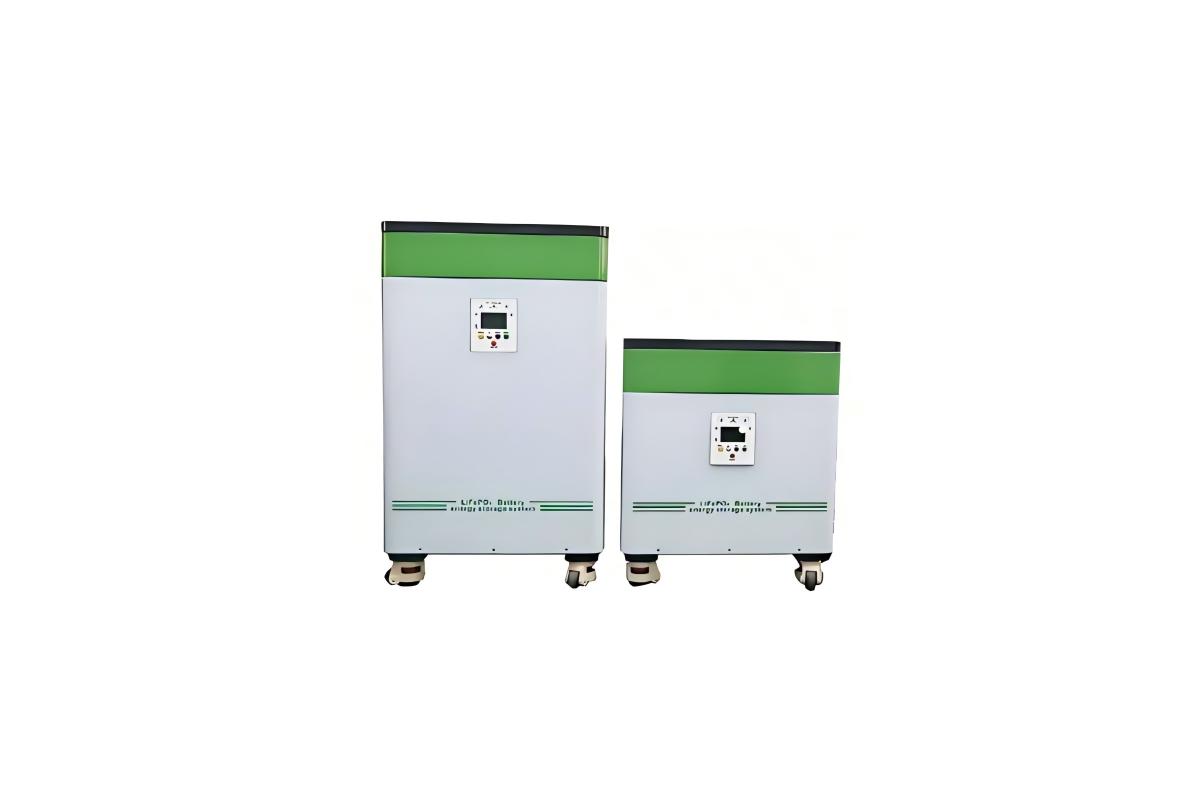
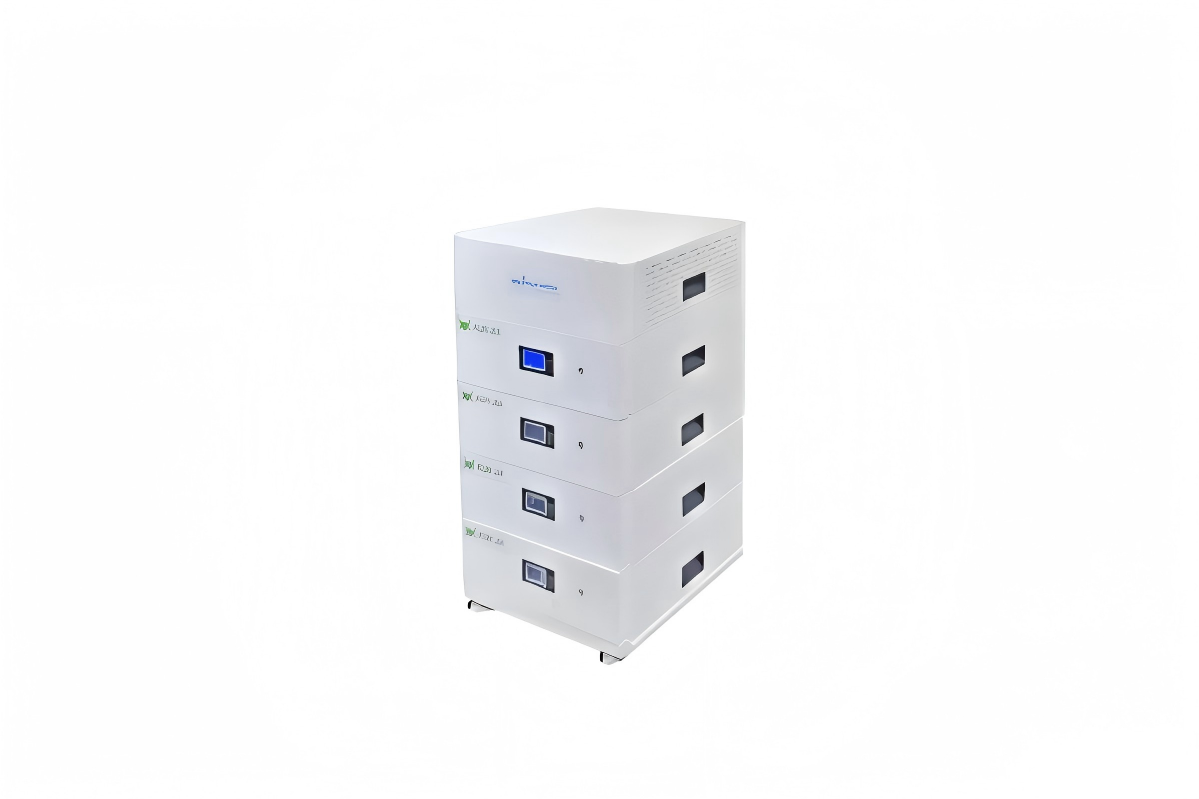
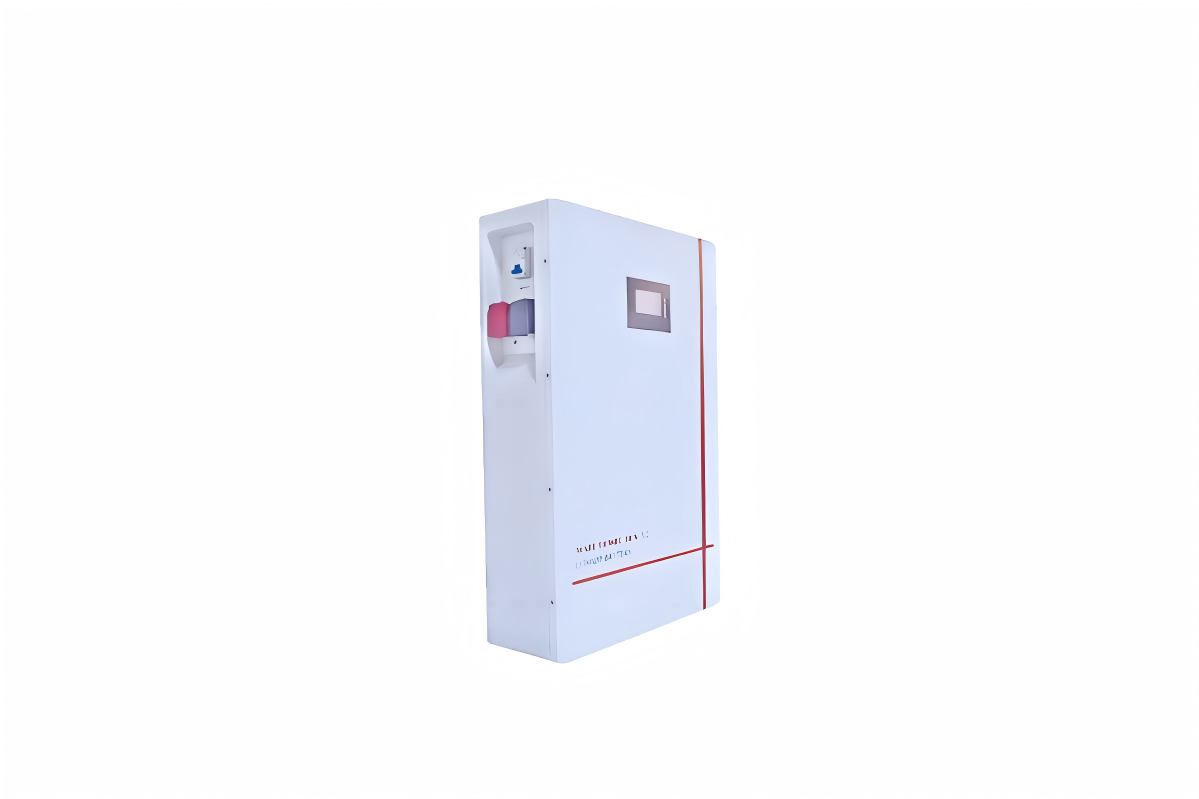
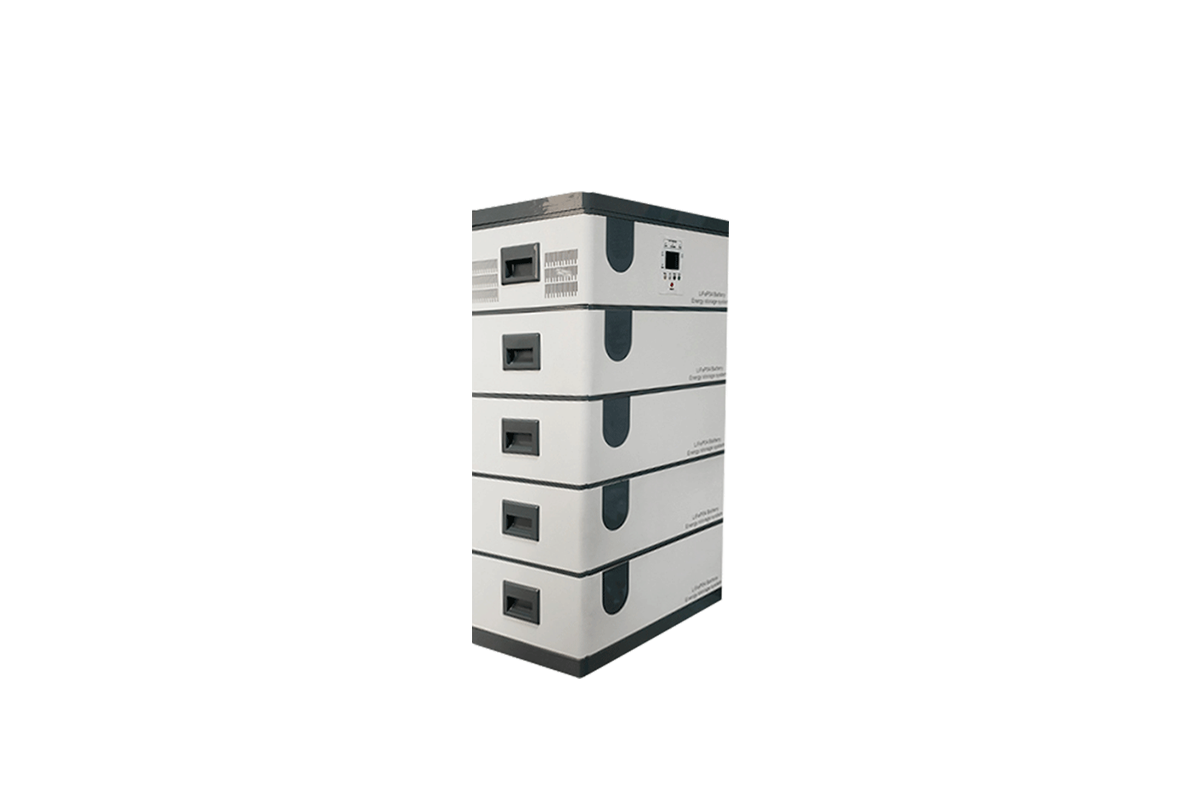
Energy storage battery systems have become the core supporting technology for the global energy transition, with wide-ranging application scenarios covering residential, commercial, industrial, and grid-scale fields. Their core value lies in solving the contradictions between energy supply and demand, such as intermittency, volatility, and asynchrony, thereby improving energy utilization efficiency, ensuring energy supply stability, and promoting the large-scale development of renewable energy. In the residential sector, home energy storage systems have emerged as a new trend in household energy consumption. These systems are usually integrated with rooftop solar panels, storing the surplus electricity generated during the day for use at night or during power outages. For example, Tesla Powerwall and LG Chem’s home energy storage units can not only meet the daily electricity needs of households, reducing reliance on the grid, but also feed surplus electricity back to the grid to obtain economic benefits, achieving a win-win situation for energy conservation and income increase. In addition, in areas with unstable grid power supply, home energy storage systems can serve as emergency backup power sources, ensuring the normal operation of essential household appliances such as refrigerators, lighting, and medical equipment, greatly improving the quality of life and energy security for residents.
In the commercial and industrial (C&I) sector, energy storage battery systems play a crucial role in cost reduction and efficiency improvement for enterprises. Many commercial buildings, factories, and shopping malls have high electricity consumption and obvious peak-valley differences in electricity use. By installing energy storage systems, enterprises can store electricity during off-peak periods when electricity prices are low and use it during peak periods when electricity prices are high, thereby reducing peak demand charges and lowering overall electricity costs. For example, large-scale manufacturing plants can use energy storage systems to stabilize the power supply of production equipment, avoid production interruptions caused by grid voltage fluctuations, and improve production efficiency. In addition, commercial and industrial energy storage systems can also be used for emergency backup power, ensuring the continuous operation of critical equipment such as data centers, hospitals, and communication base stations, which is crucial for industries that require uninterrupted power supply.
At the grid scale, energy storage battery systems are an important means to maintain grid stability and promote the integration of renewable energy. With the rapid development of solar and wind energy, the problem of grid instability caused by their intermittent and volatile nature has become increasingly prominent. Energy storage systems can store surplus electricity generated by renewable energy power plants during periods of high generation and release it when generation is insufficient, effectively smoothing the fluctuation of renewable energy output and improving the grid’s ability to accept renewable energy. For example, California’s B2U Storage Solutions repurposes retired batteries into solar farm energy storage facilities, which not only solves the problem of renewable energy storage but also realizes the recycling of resources. In addition, energy storage systems can also be used for grid peak shaving and valley filling, frequency regulation, and voltage regulation, reducing the pressure on grid operation and extending the service life of grid equipment. In remote areas or islands without grid coverage, off-grid energy storage systems, combined with solar and wind energy, can provide a stable and reliable energy supply for local residents and industries, solving the problem of energy poverty.
Furthermore, energy storage battery systems are also widely used in the transportation sector. Electric vehicles (EVs) are essentially mobile energy storage units, and vehicle-to-grid (V2G) technology allows EV batteries to feed surplus electricity back to the grid when parked, realizing the two-way interaction between vehicles and the grid. This not only improves the utilization rate of EV batteries but also provides additional support for grid stability. In addition, energy storage systems are also used in charging stations, storing electricity during off-peak periods to supply power for EV charging during peak periods, reducing the impact of charging stations on the grid and improving charging efficiency. With the continuous advancement of technology and the declining cost of energy storage batteries, their application scenarios will continue to expand, playing an even more important role in the global energy transition.




 59911926@qq.com/sales@goldenfuturehk.com
 13316809242 / 15816897019
 Inquiry
 Home >