





Time:2026-10-14 Views:225
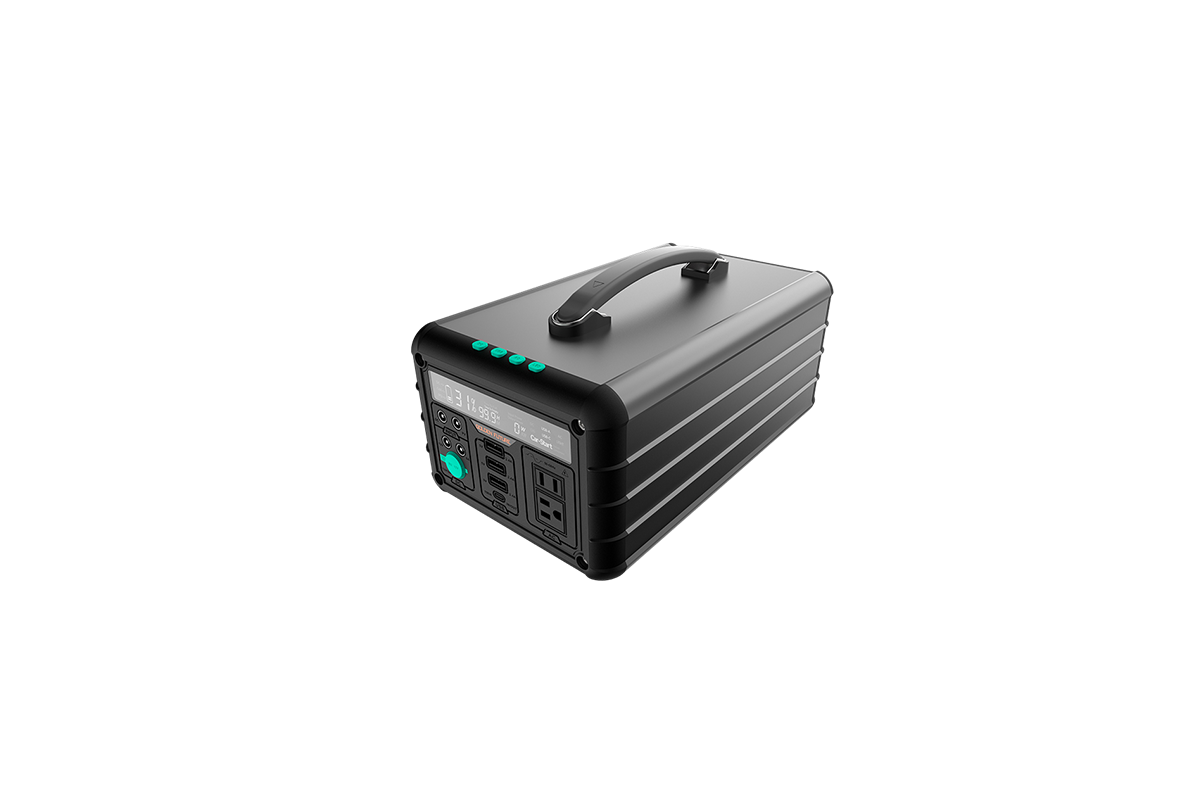
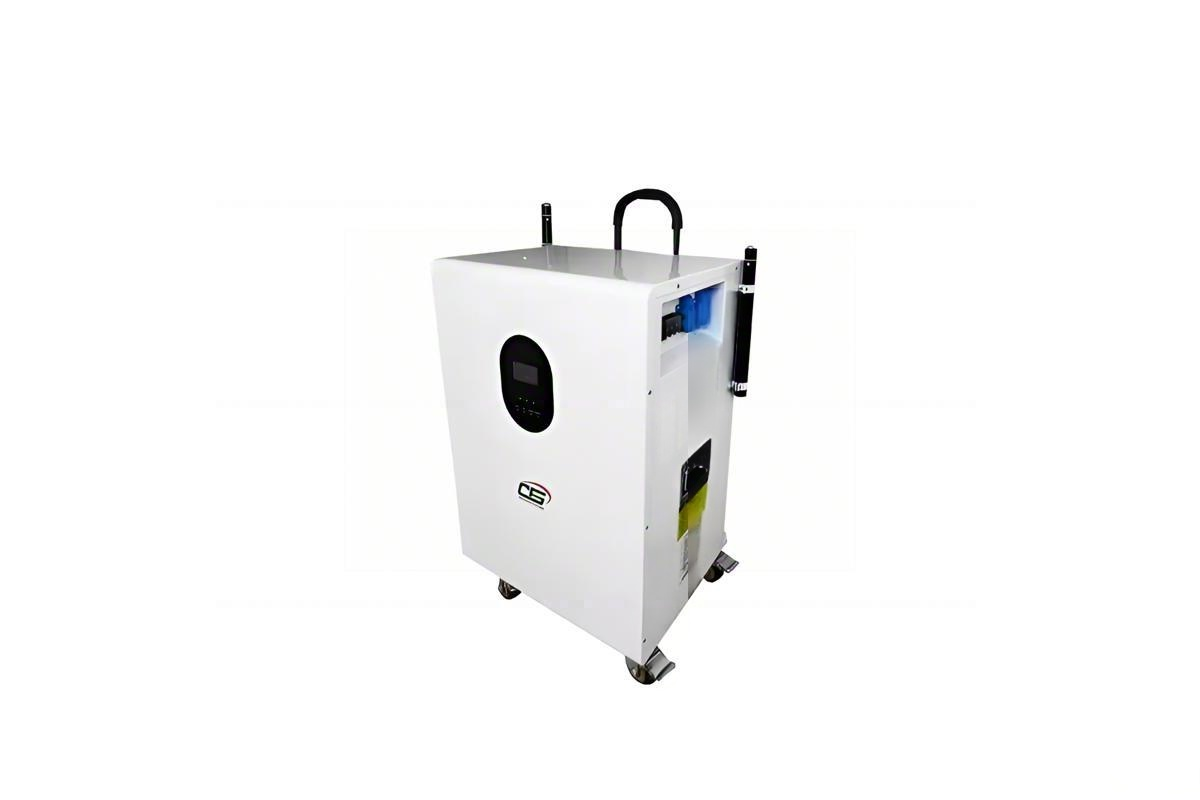
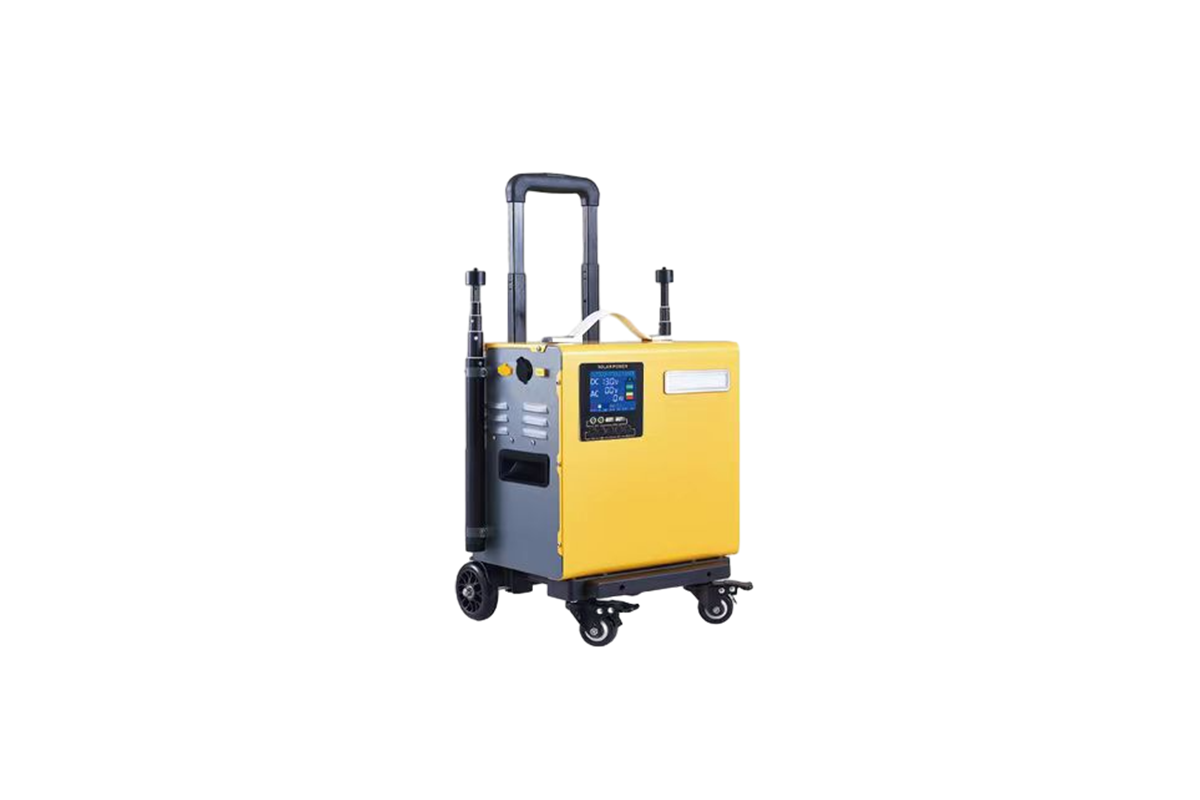
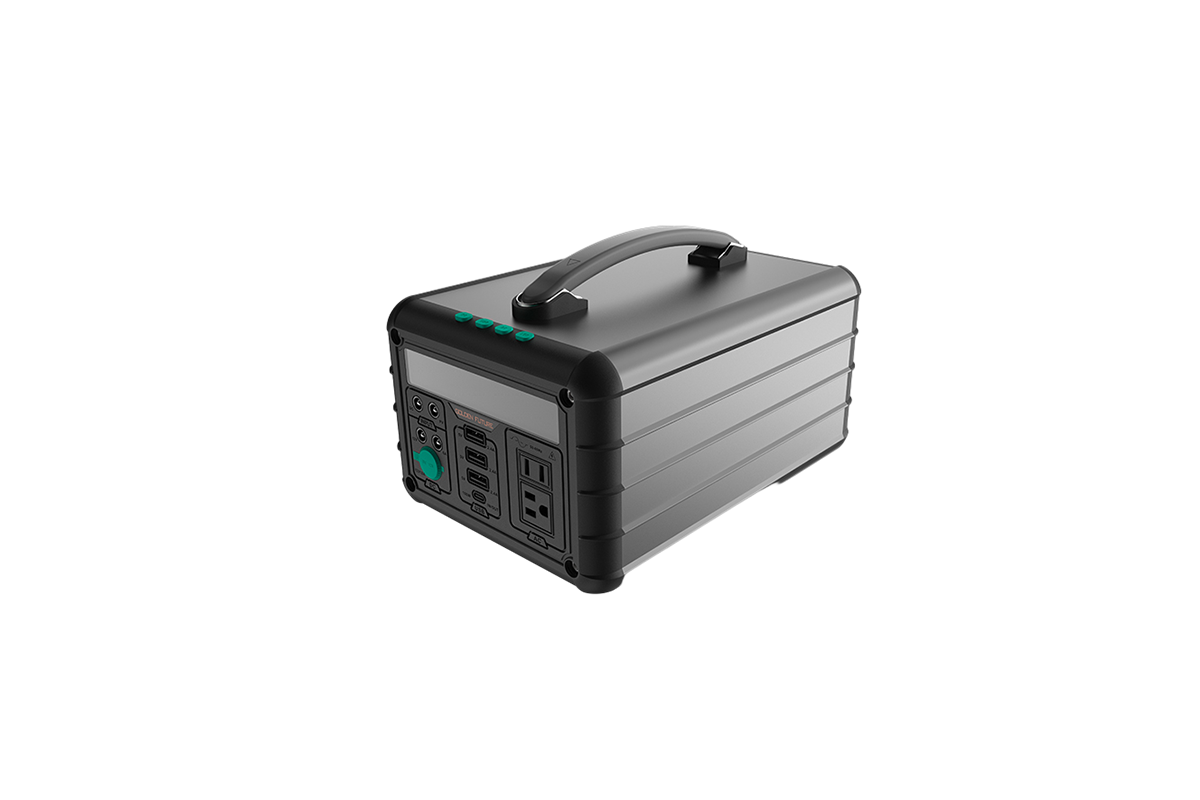
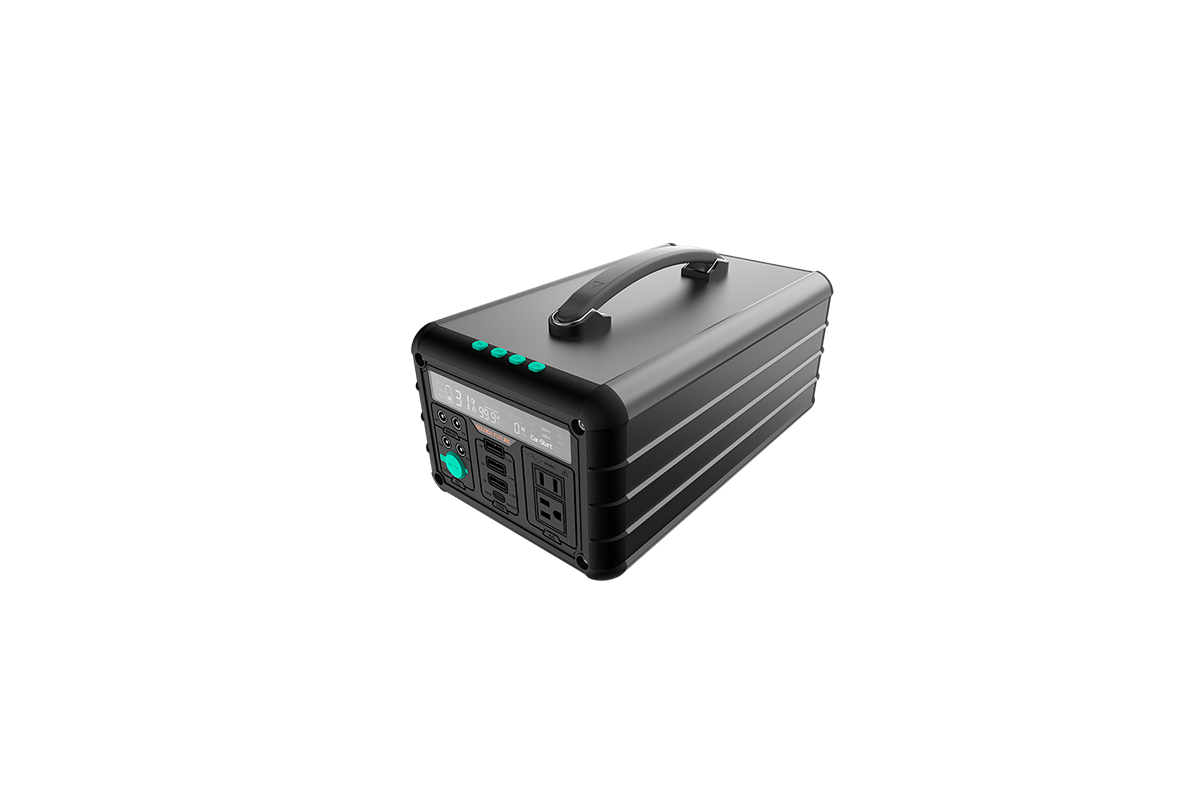
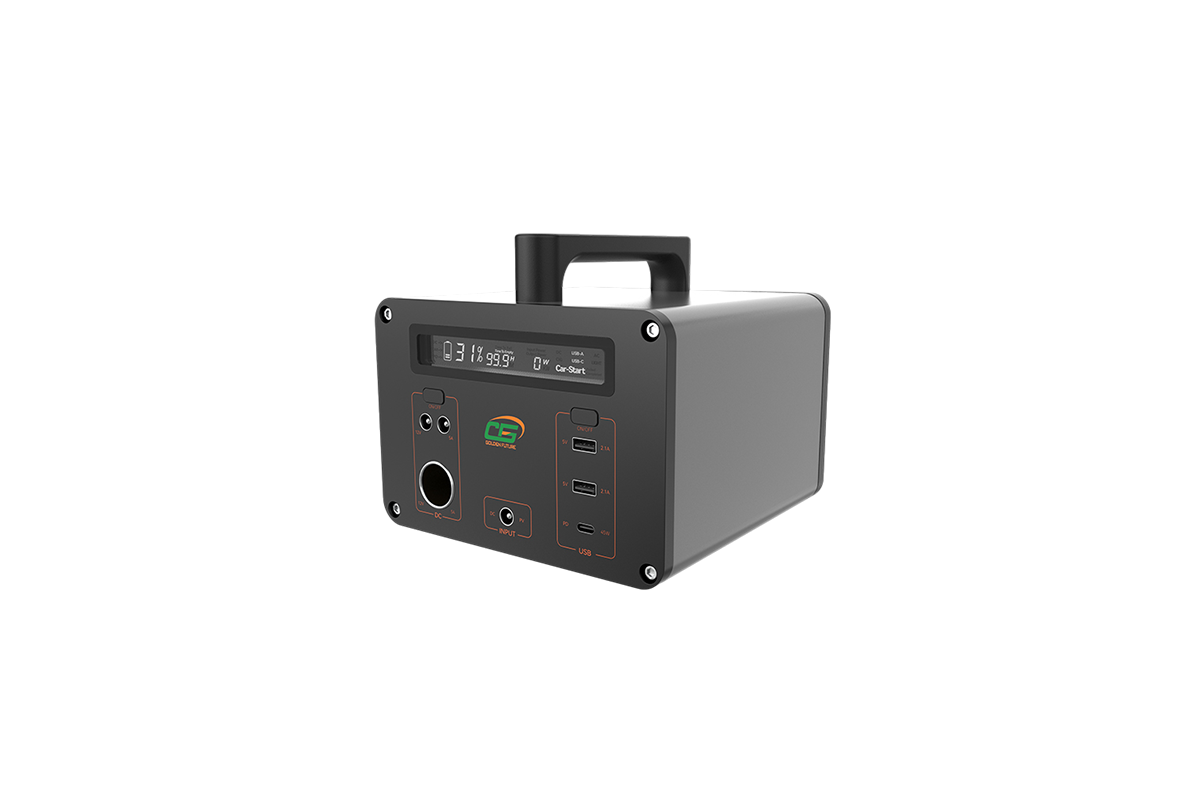
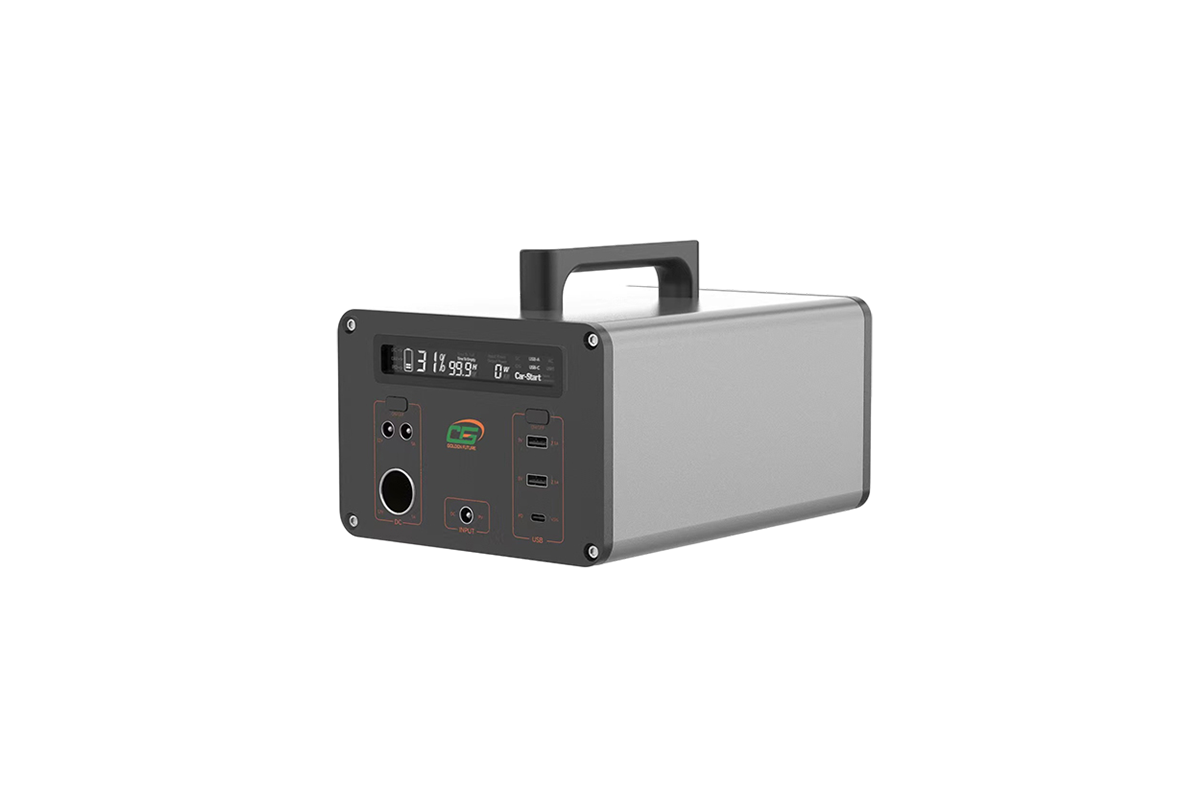
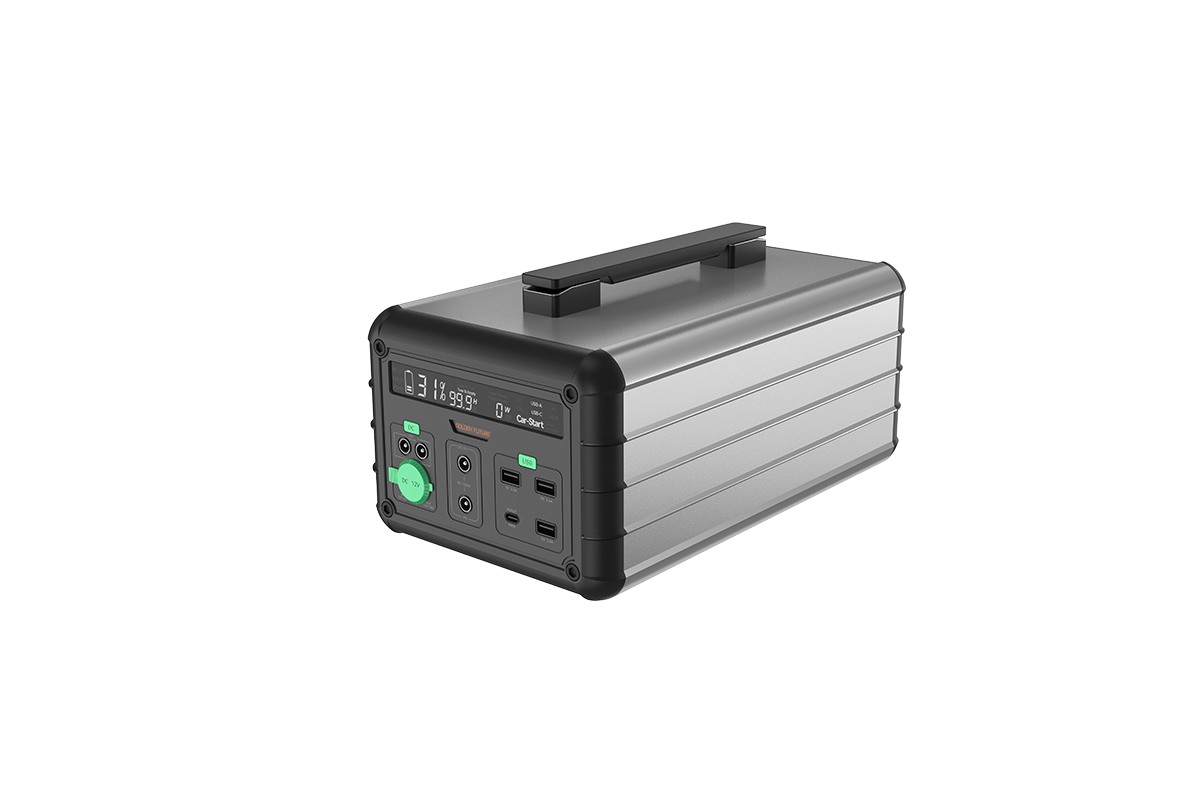
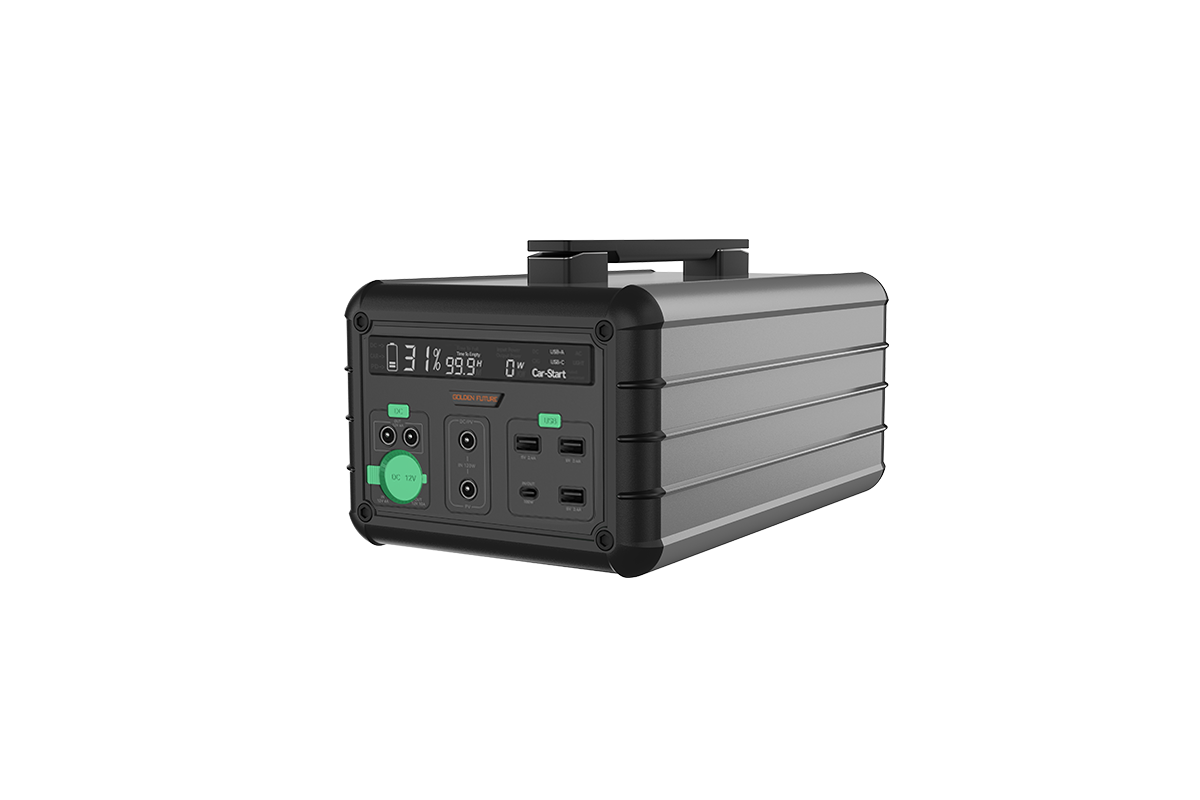
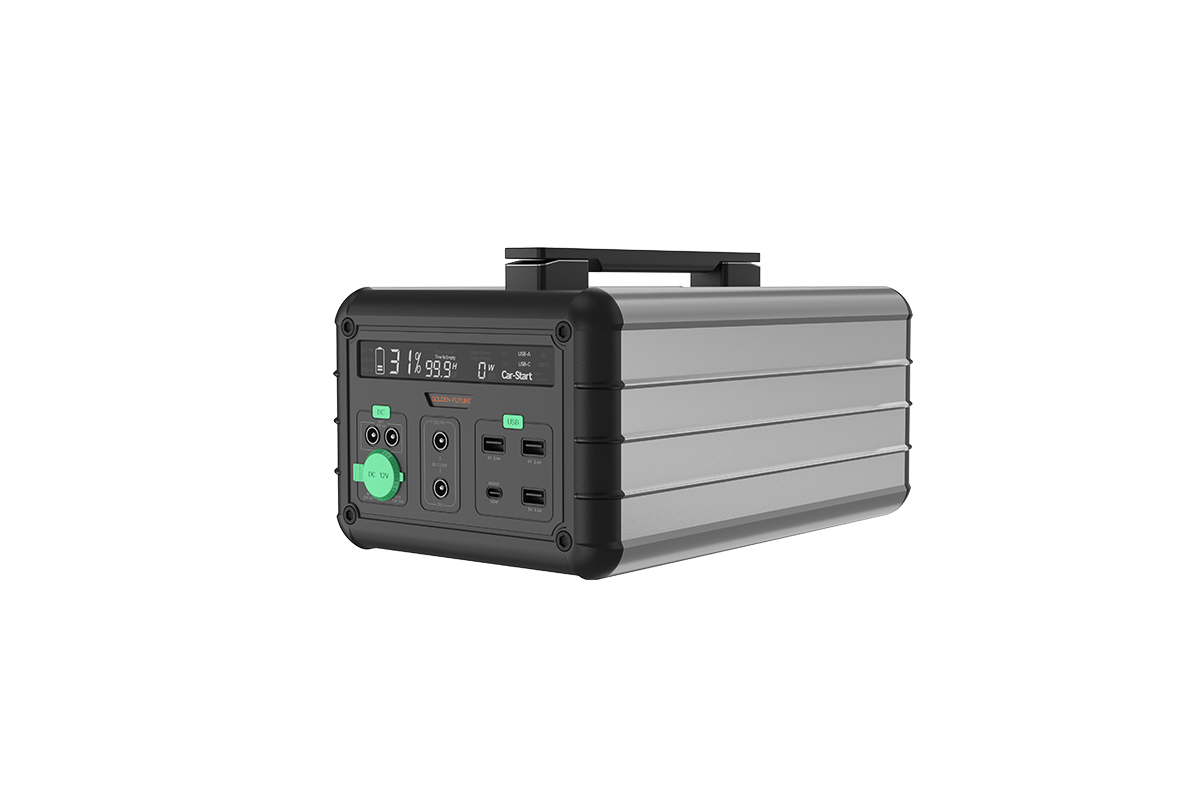
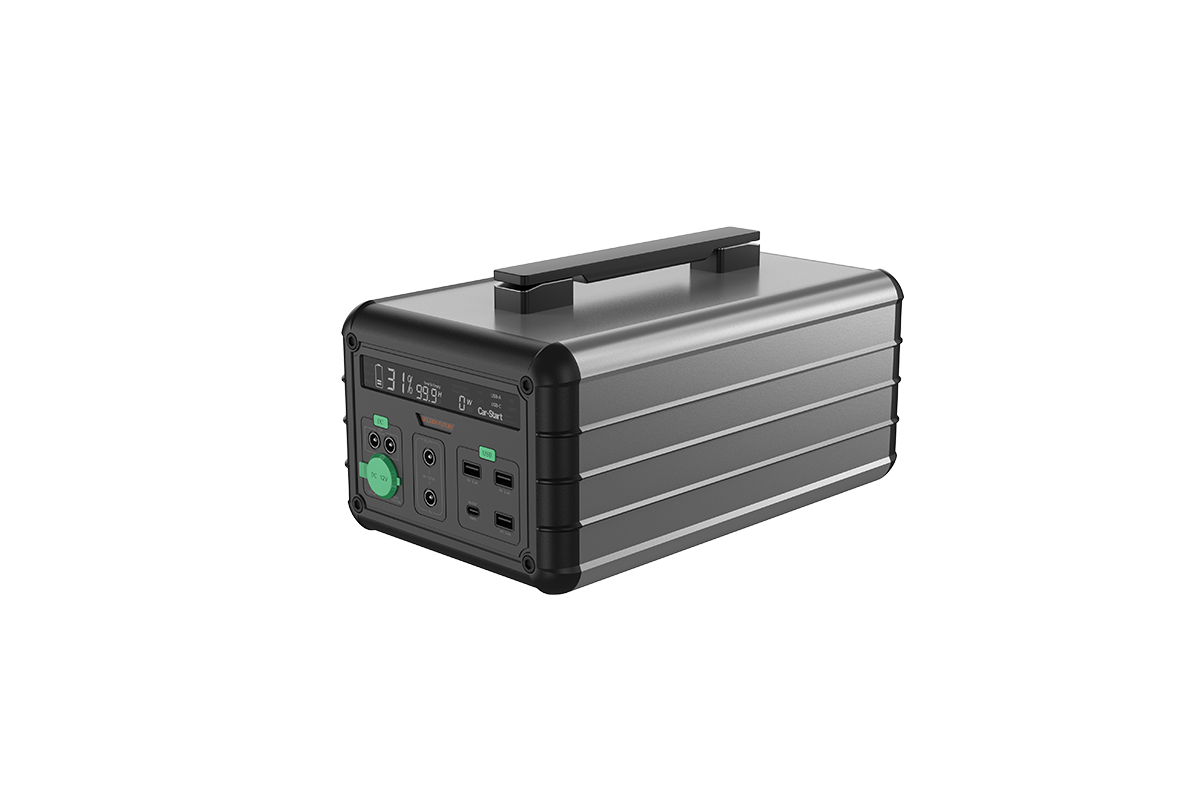
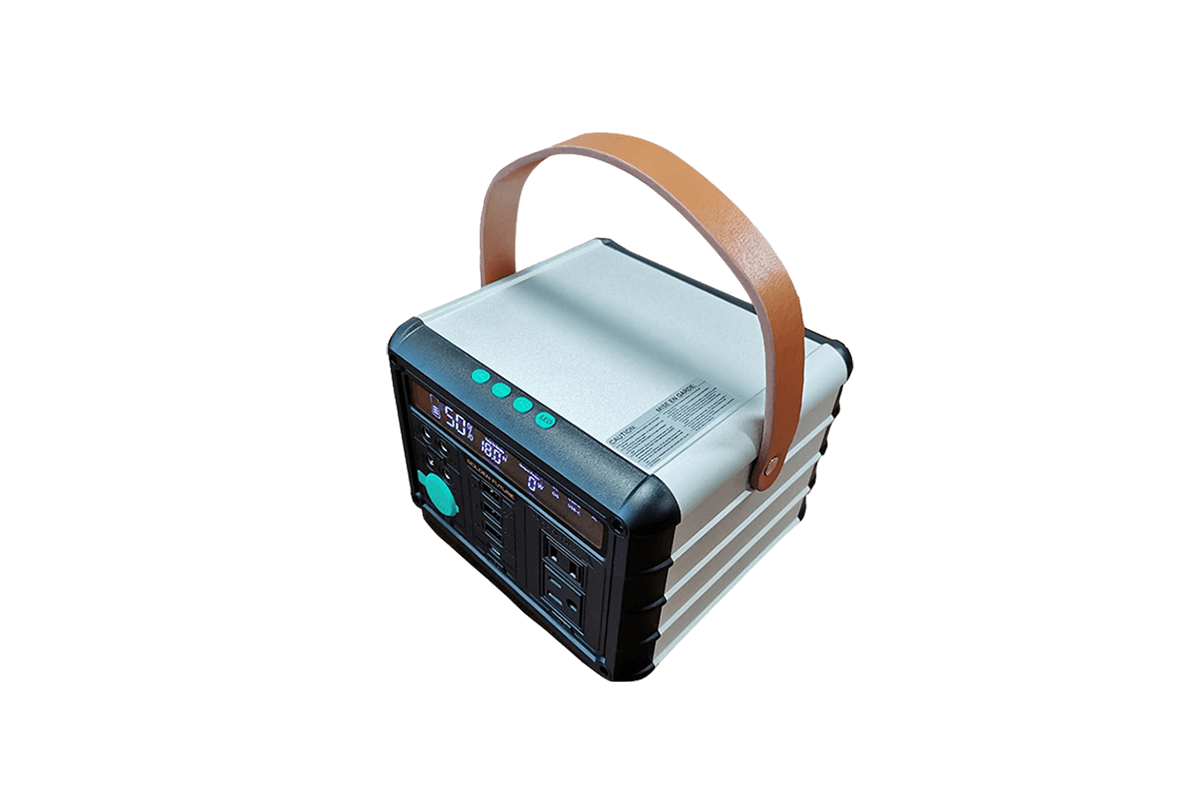
The application scenarios of portable power stations are centered on “mobility and off-grid temporary power consumption”, covering all outdoor and mobile power demand environments that lack fixed grid power supply. The most typical scenario is outdoor leisure activities, including self-driving tours, camping, hiking, and picnic activities. Portable stations can stably supply power for outdoor lighting, portable audio, camping ovens, car refrigerators, and mobile device charging, solving the pain point of no electricity in wild environments. In addition, they are widely used in outdoor work scenarios such as field exploration, construction inspection, aerial photography operations, and outdoor live streaming, providing continuous temporary power support for small professional equipment.
Portable power stations also play an important role in emergency disaster prevention scenarios. In case of sudden power outages, typhoons, floods, and other extreme weather or power grid failures, small portable models can supply emergency power for mobile phones, emergency lights, and medical small equipment, ensuring basic communication and survival power demand. Their lightweight and quick-start features enable rapid deployment in various temporary scenarios without site installation and wiring, achieving instant power-on after startup. However, limited by capacity and power, they cannot support long-term and high-power power consumption scenarios.
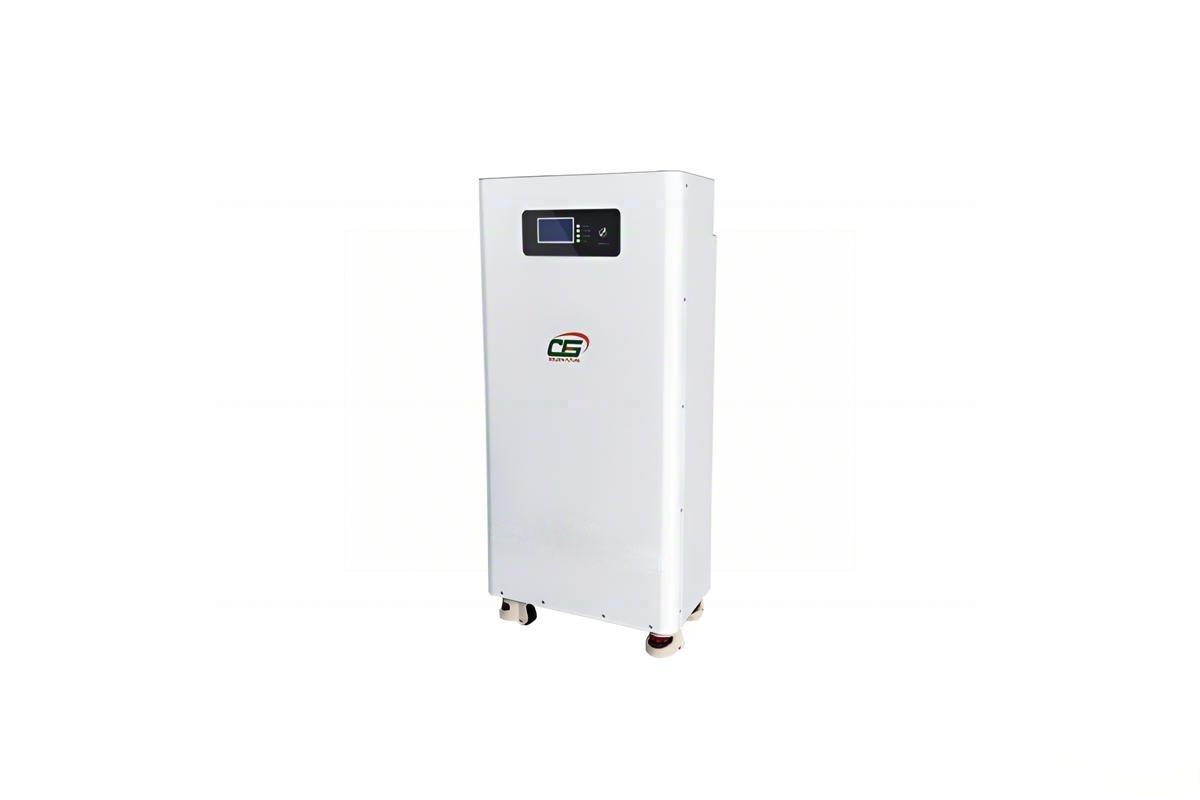
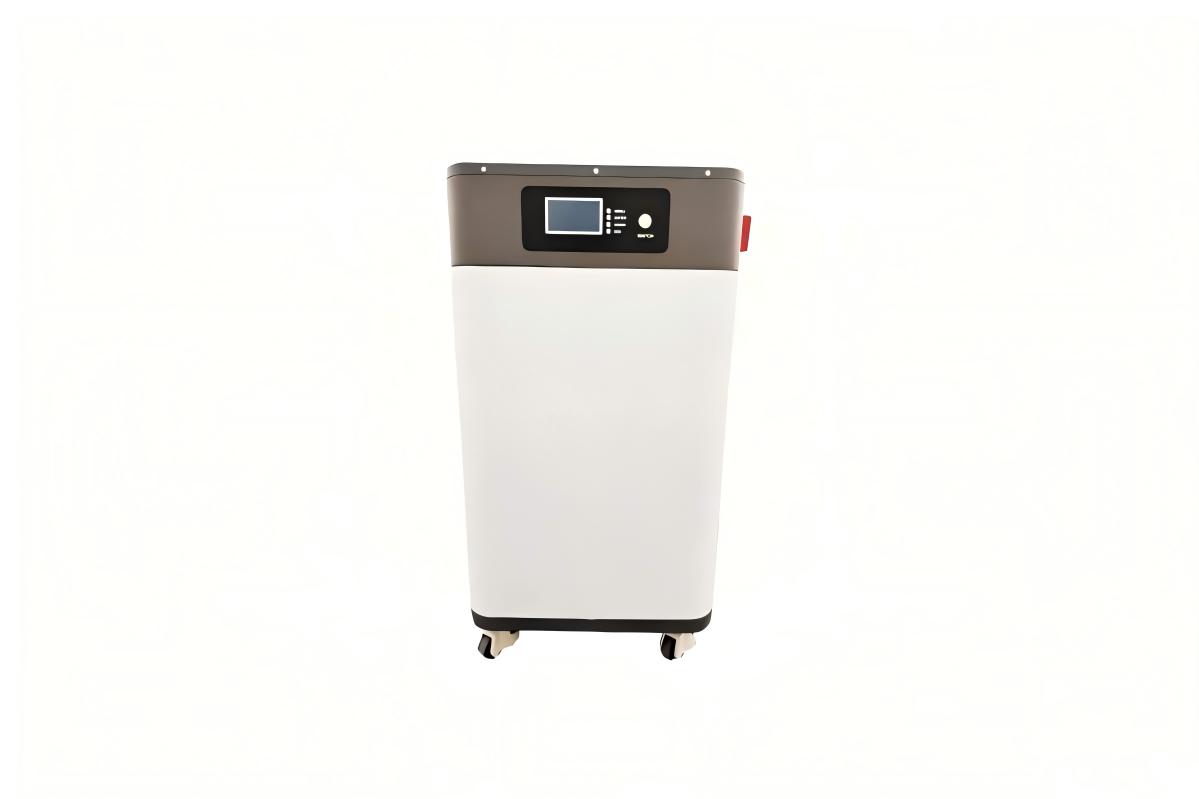
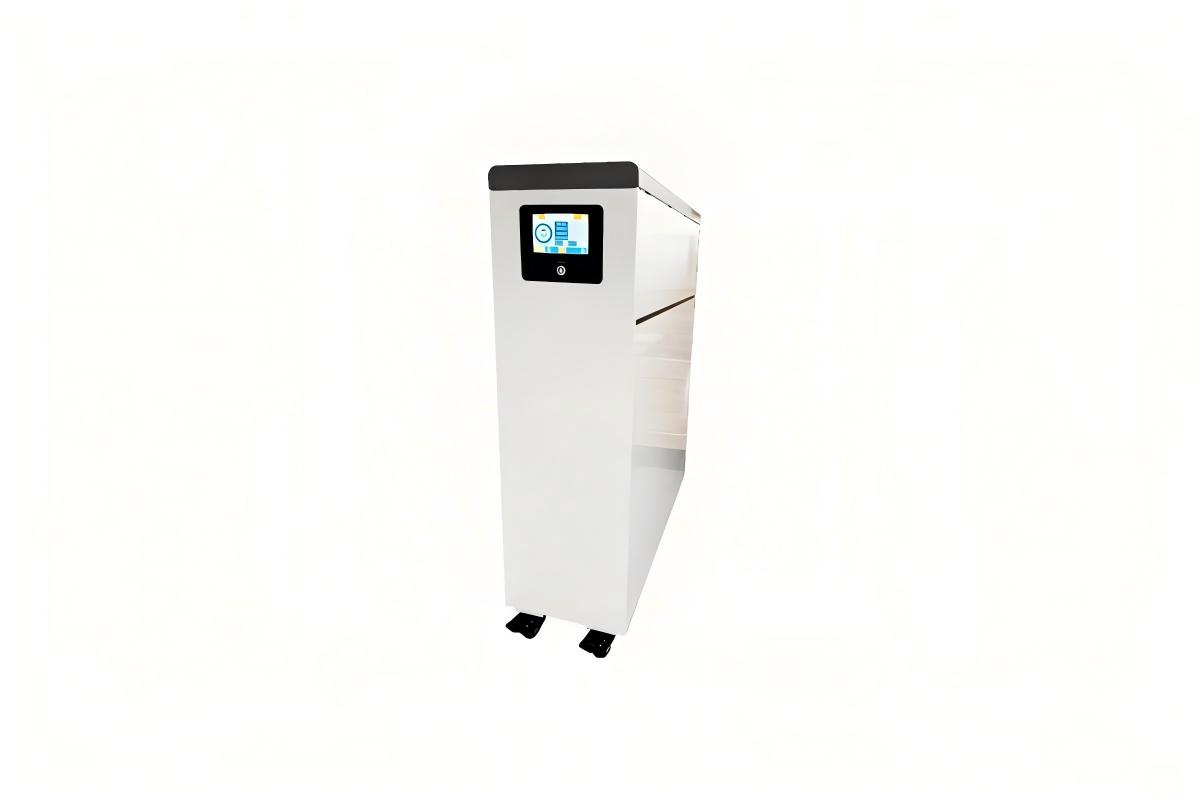
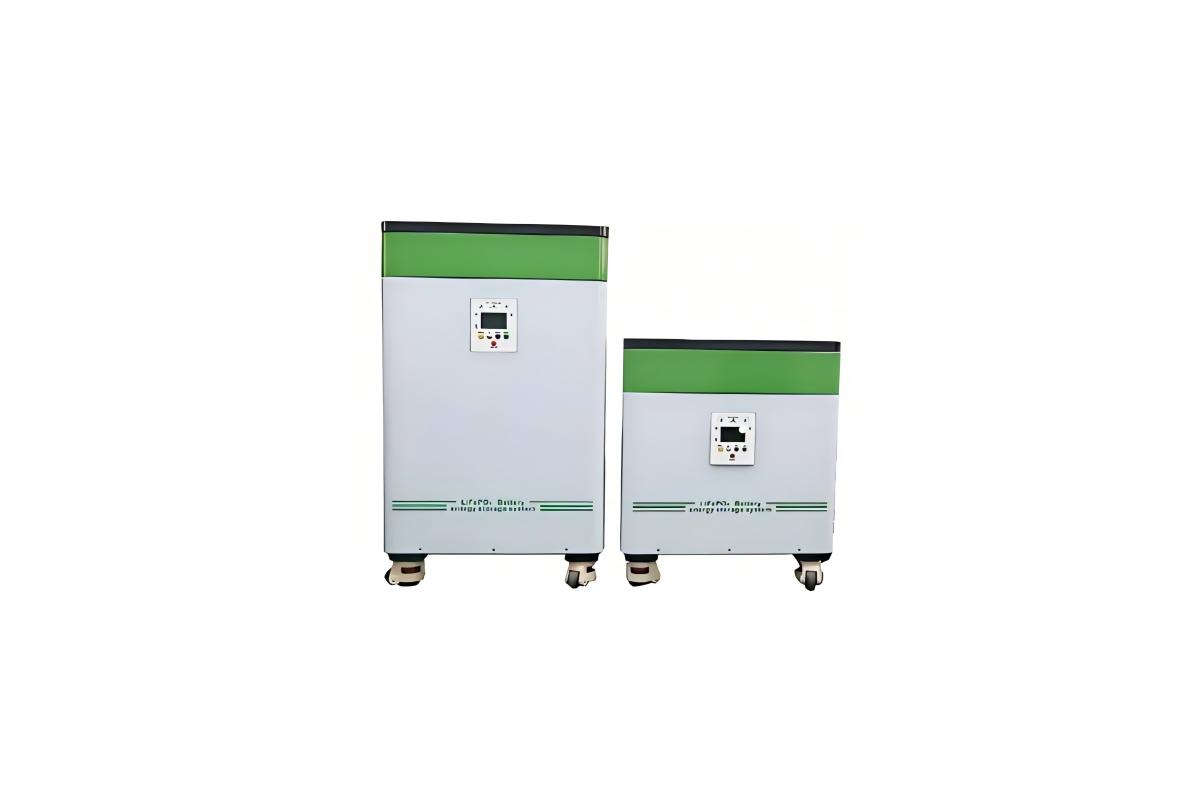
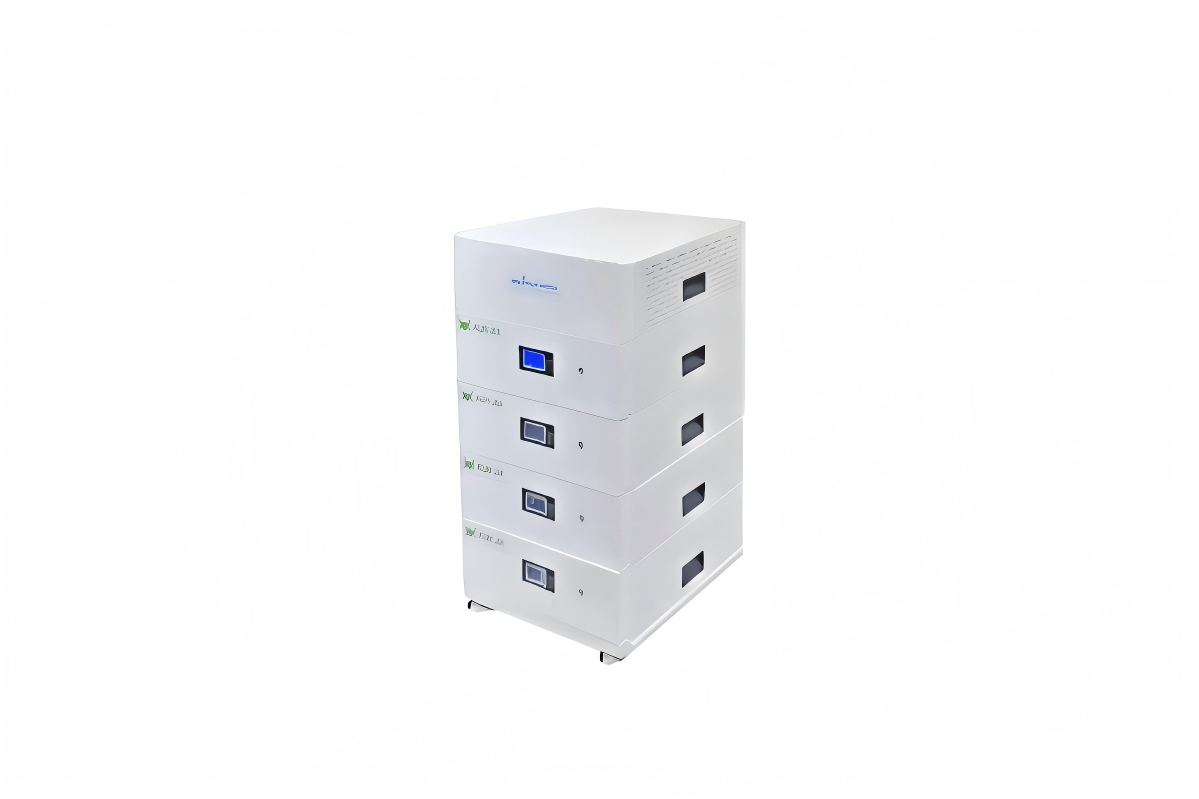
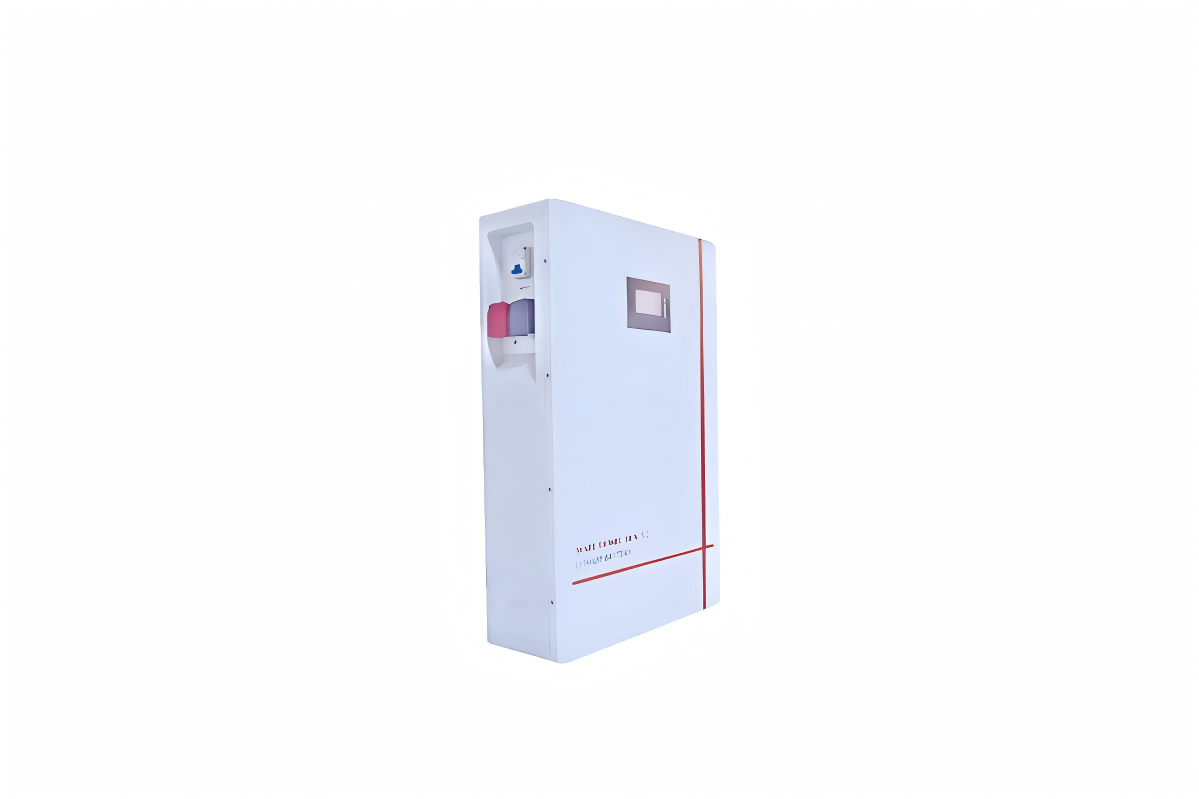
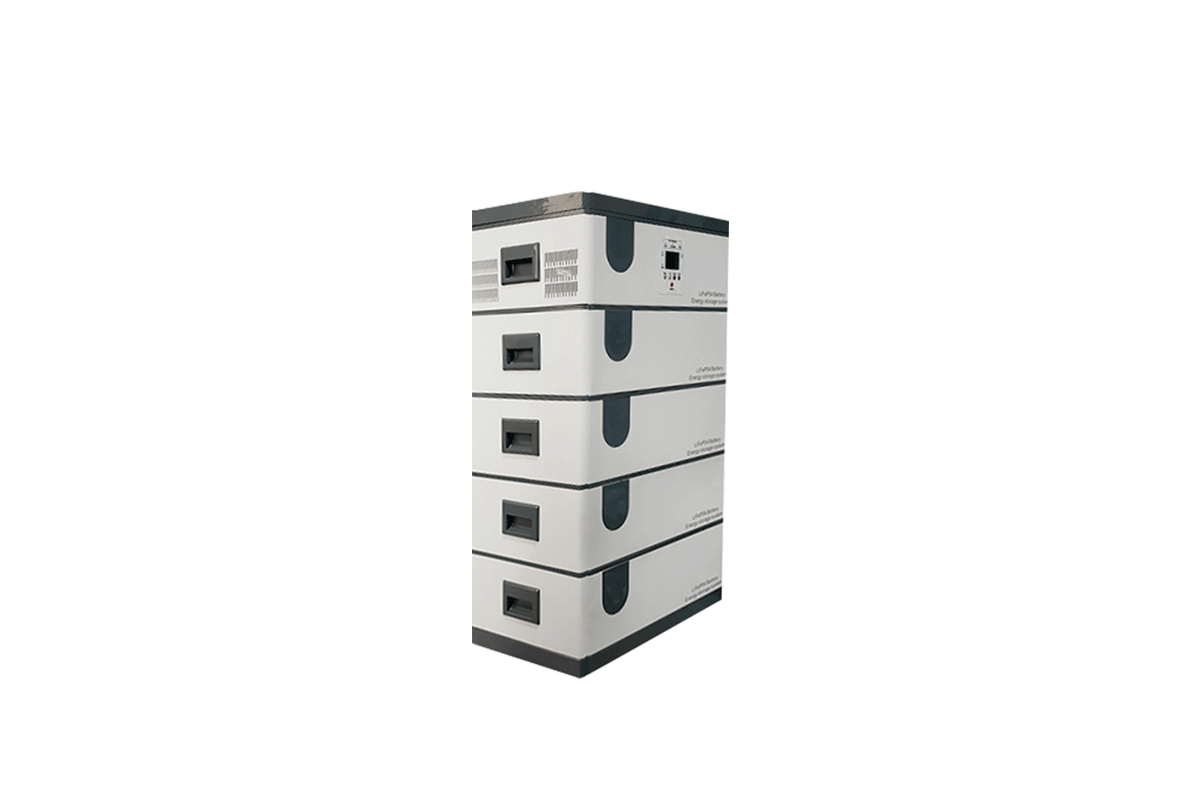
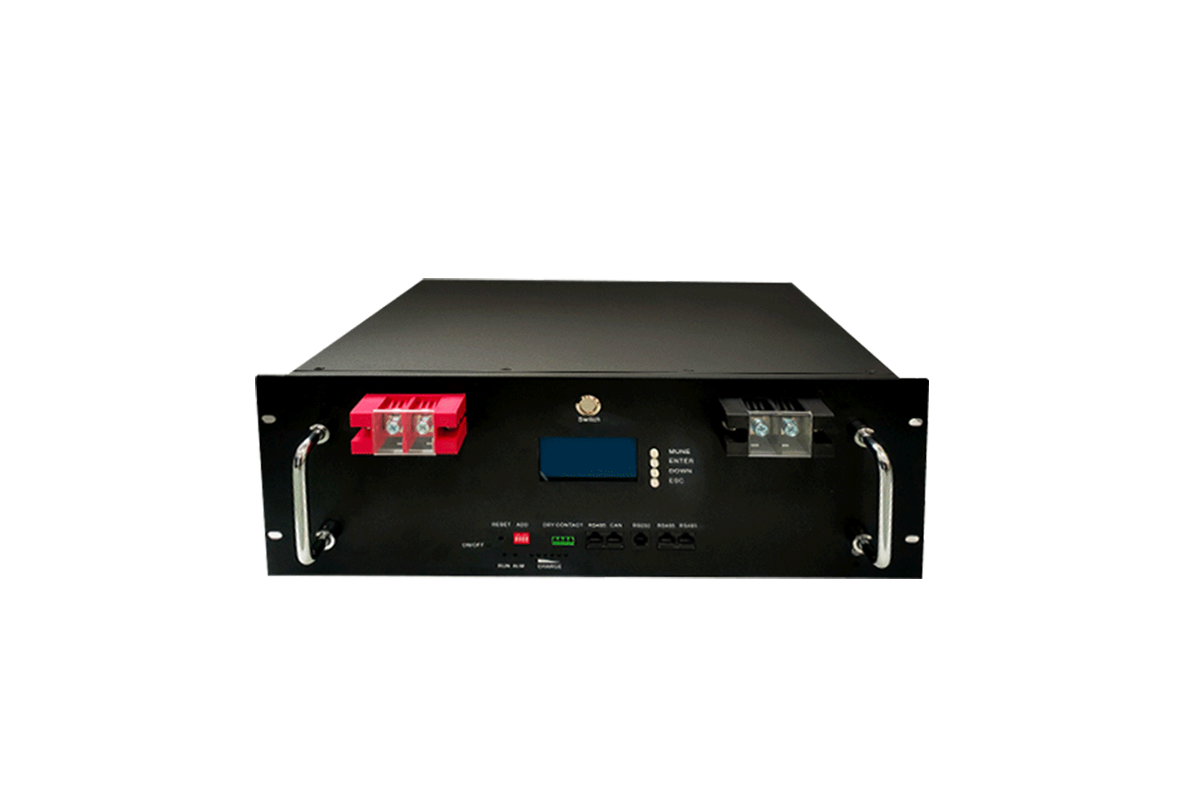
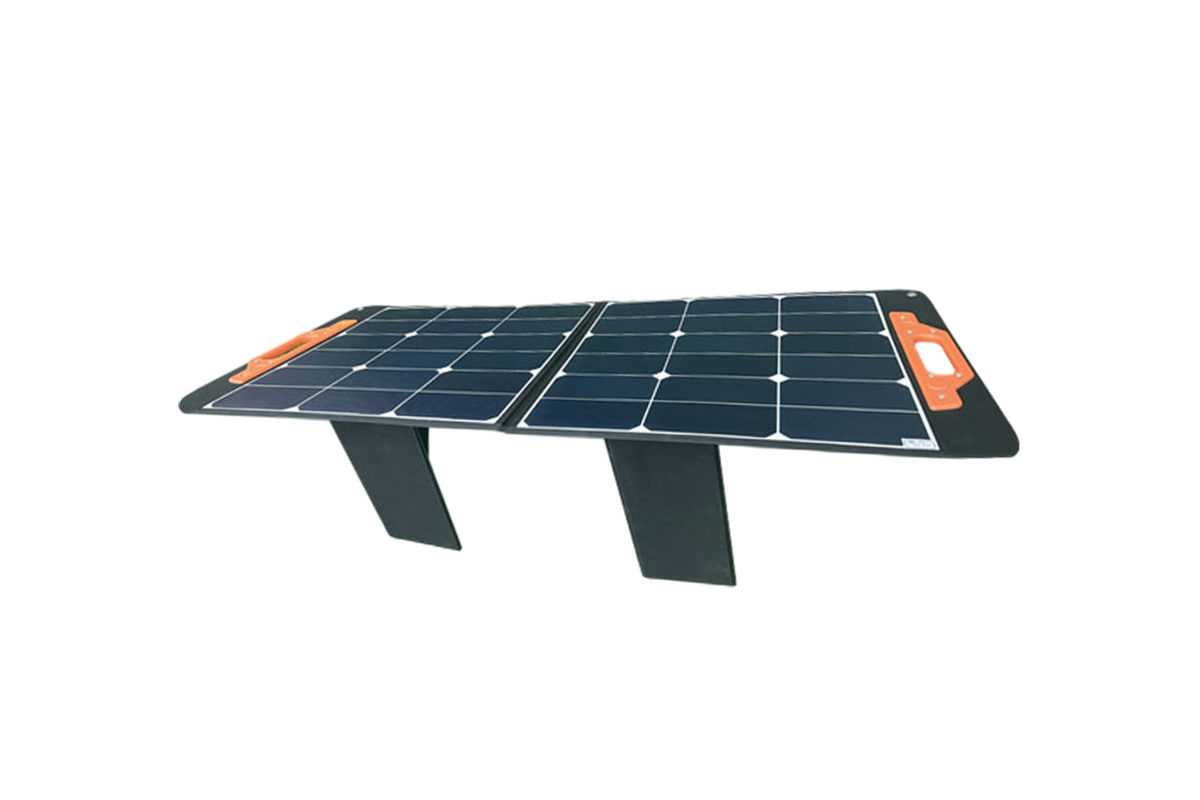
Household energy storage systems are positioned for “fixed home scenario and long-term grid-connected/off-grid stable power consumption”, focusing on solving household daily power consumption optimization and long-term power outage emergency problems. The core daily scenario is peak-valley arbitrage and power consumption optimization for families. Users store low-cost valley electricity in the energy storage system and use stored electricity during peak electricity price periods, effectively reducing household electricity costs. For families equipped with photovoltaic power generation systems, household energy storage can store excess photovoltaic power to avoid energy waste.
In addition, household energy storage serves as a long-term emergency power guarantee for the whole house. In areas with unstable power grids or frequent power outages, it can automatically switch to off-grid power supply mode to maintain the normal operation of all household electrical equipment, including high-power appliances such as air conditioners and water heaters, with a power supply duration of up to several days. Different from the temporary and mobile attributes of portable stations, household energy storage is fixed in indoor installation, focusing on long-term, stable, and full-scenario household power protection.




 59911926@qq.com/sales@goldenfuturehk.com
 13316809242 / 15816897019
 Inquiry
 Home >
