





Time:2026-05-29 Views:321
The agricultural greenhouse solar energy storage irrigation system is an innovative integration of photovoltaic power generation, energy storage technology and agricultural irrigation, which has become a core solution for promoting sustainable and intelligent agriculture. In modern greenhouse planting, crops have strict requirements on water supply—stable and timely irrigation is crucial to maintain their growth, yield and quality, while traditional irrigation methods often rely on grid electricity or diesel generators, which are not only costly but also environmentally unfriendly, and easily affected by power outages or insufficient fuel supply, especially in remote rural areas with unstable grid access. This system solves these pain points by harnessing clean and renewable solar energy, realizing energy self-sufficiency and stable water supply for greenhouses.
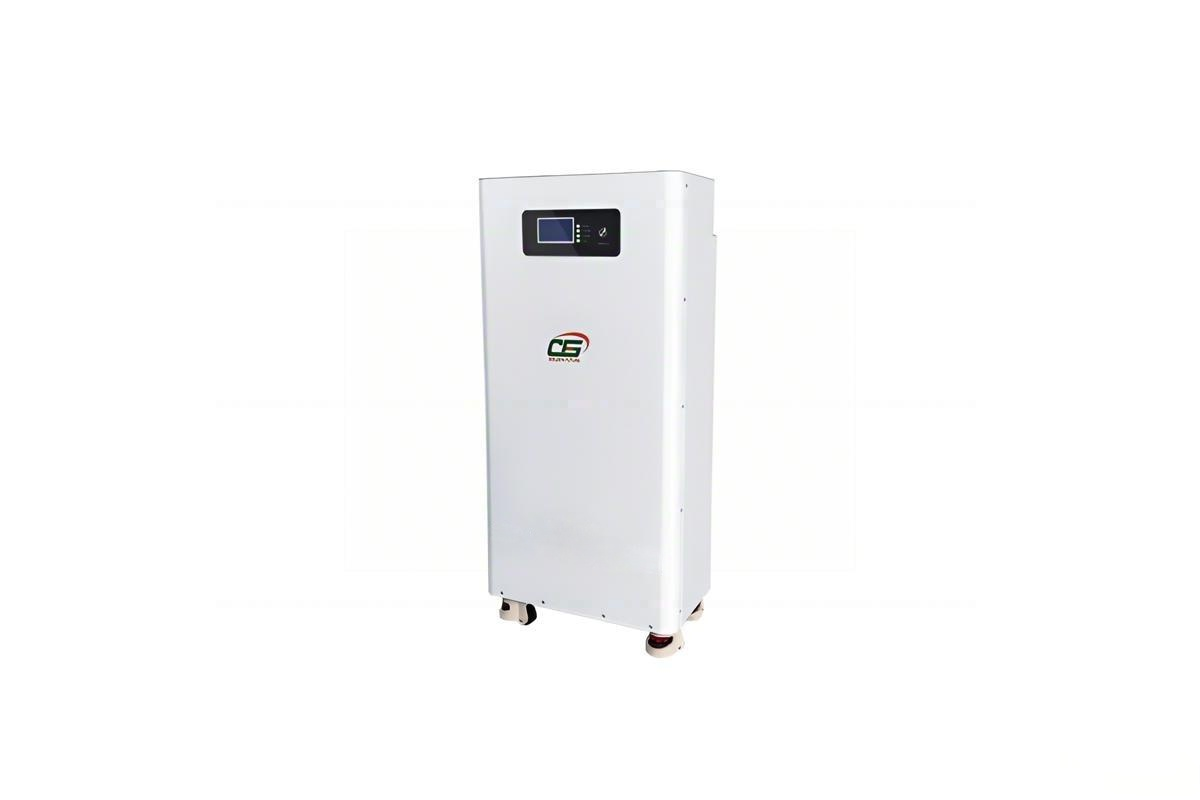
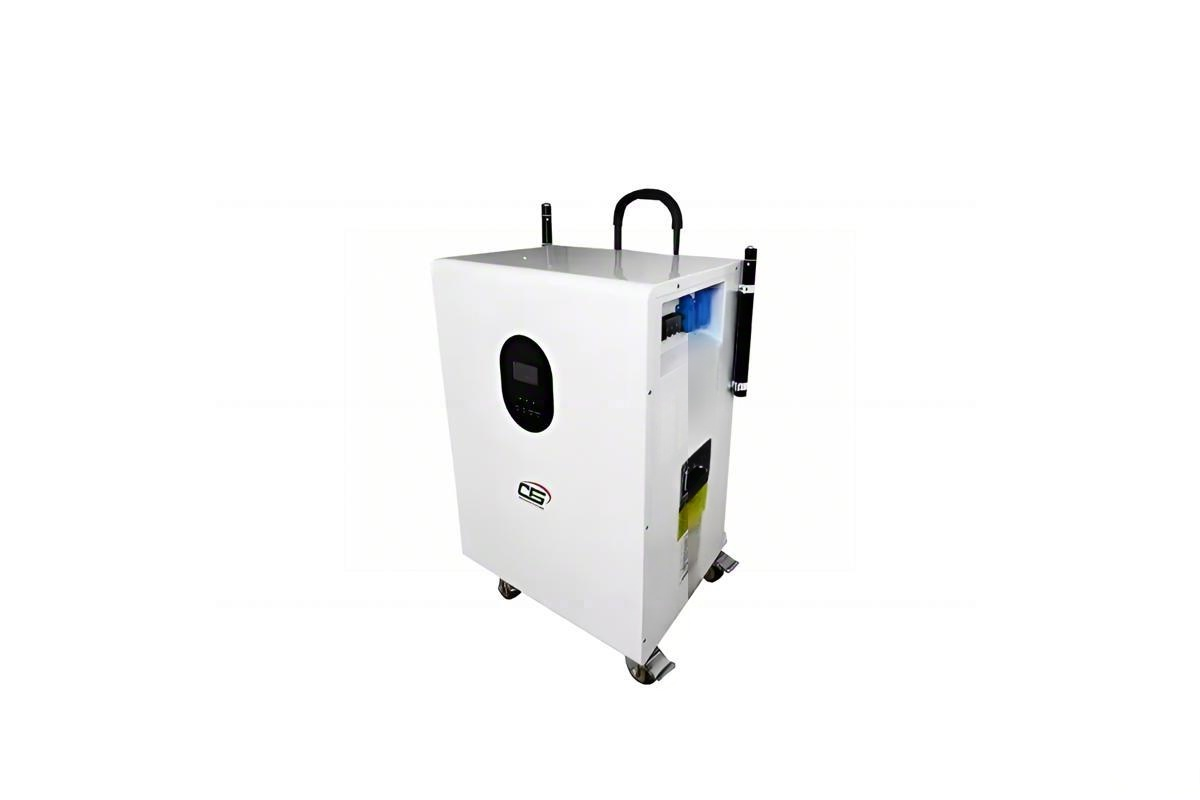
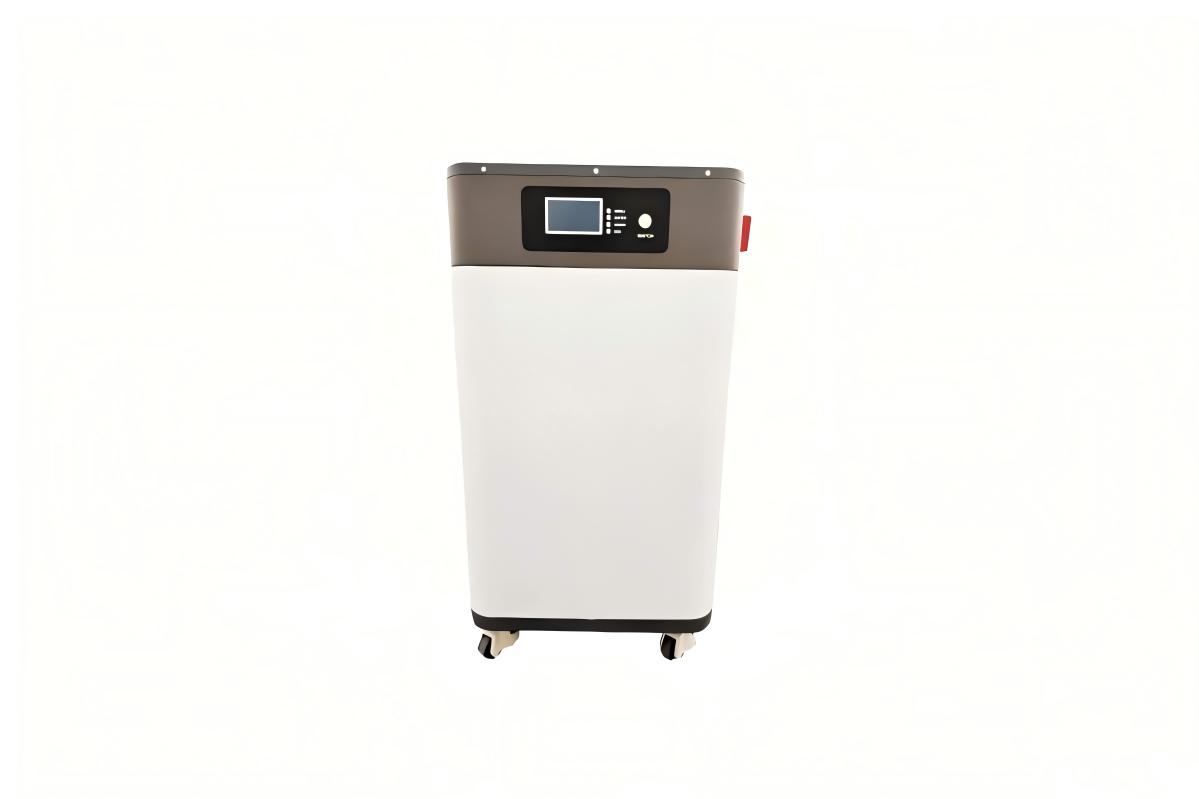
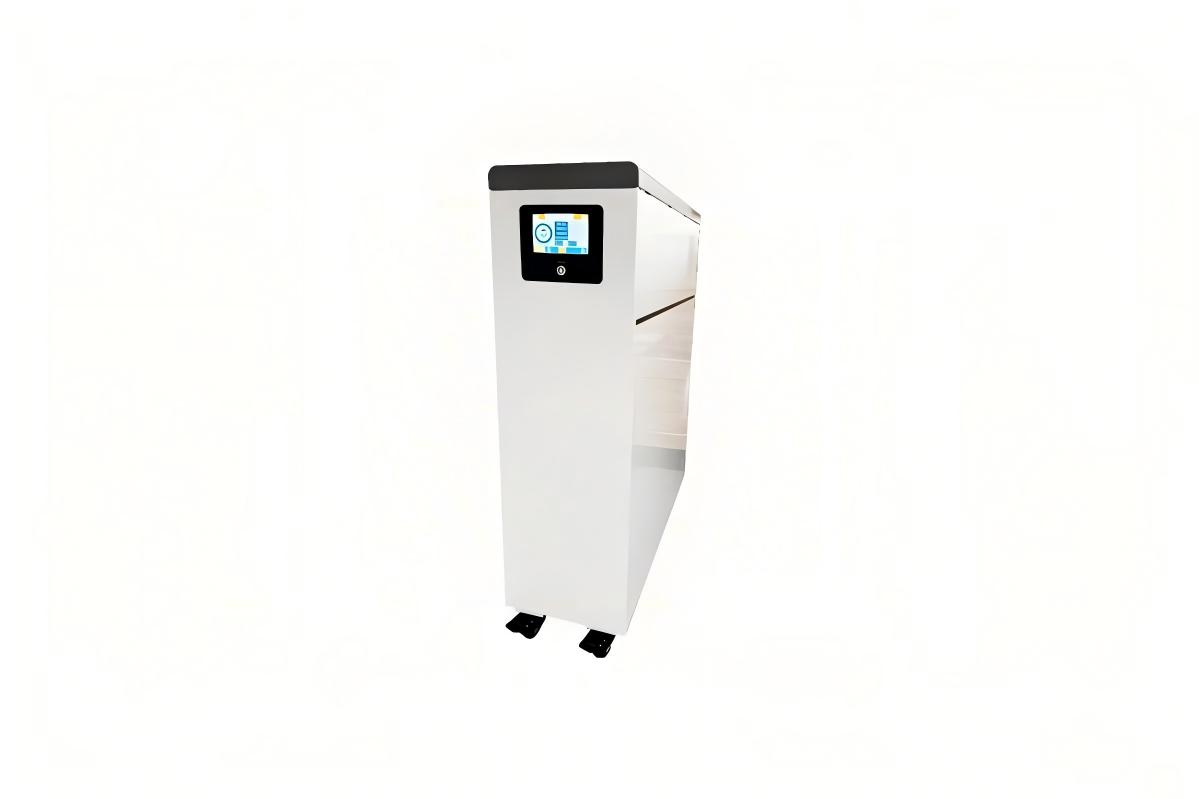
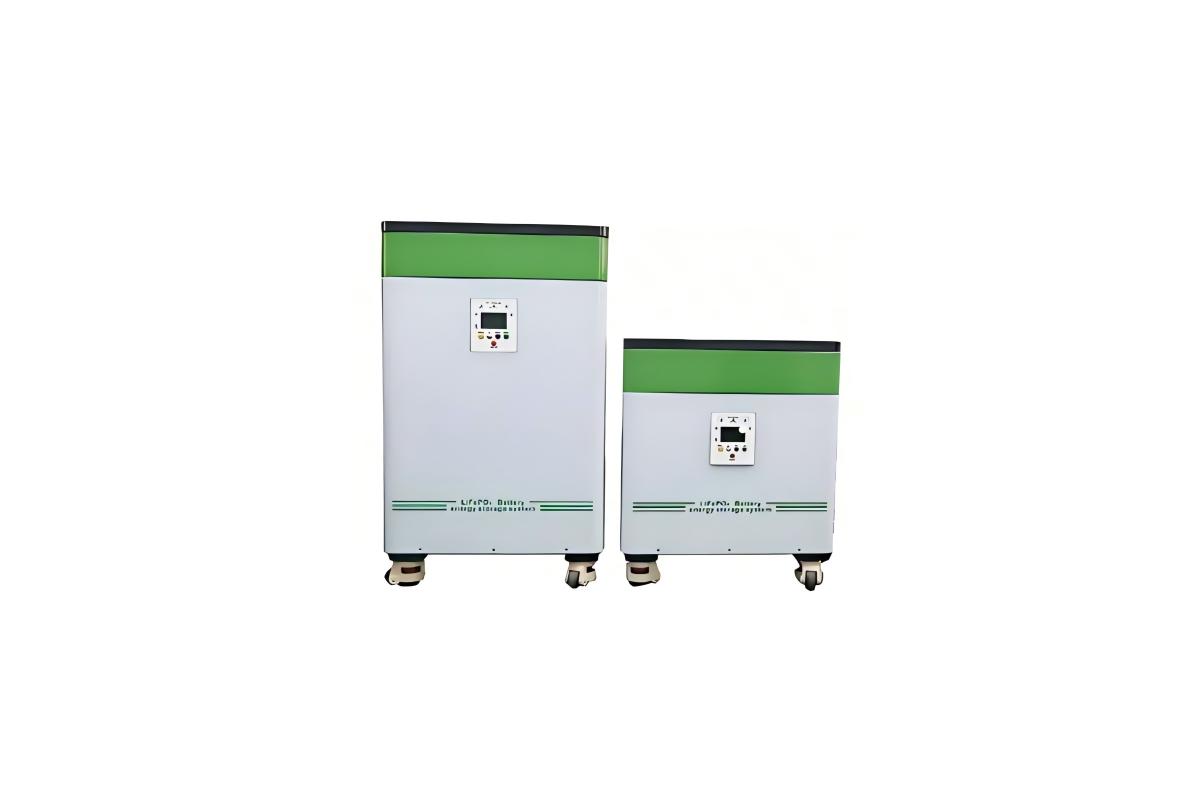
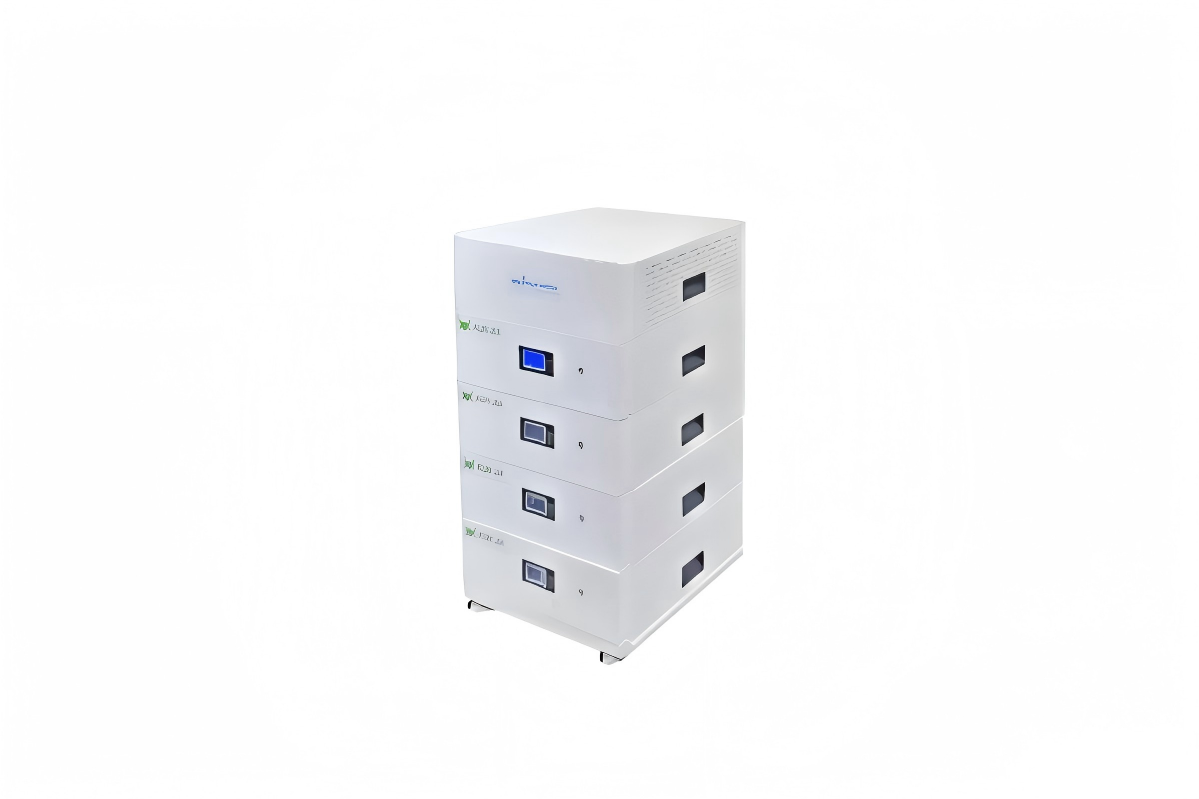
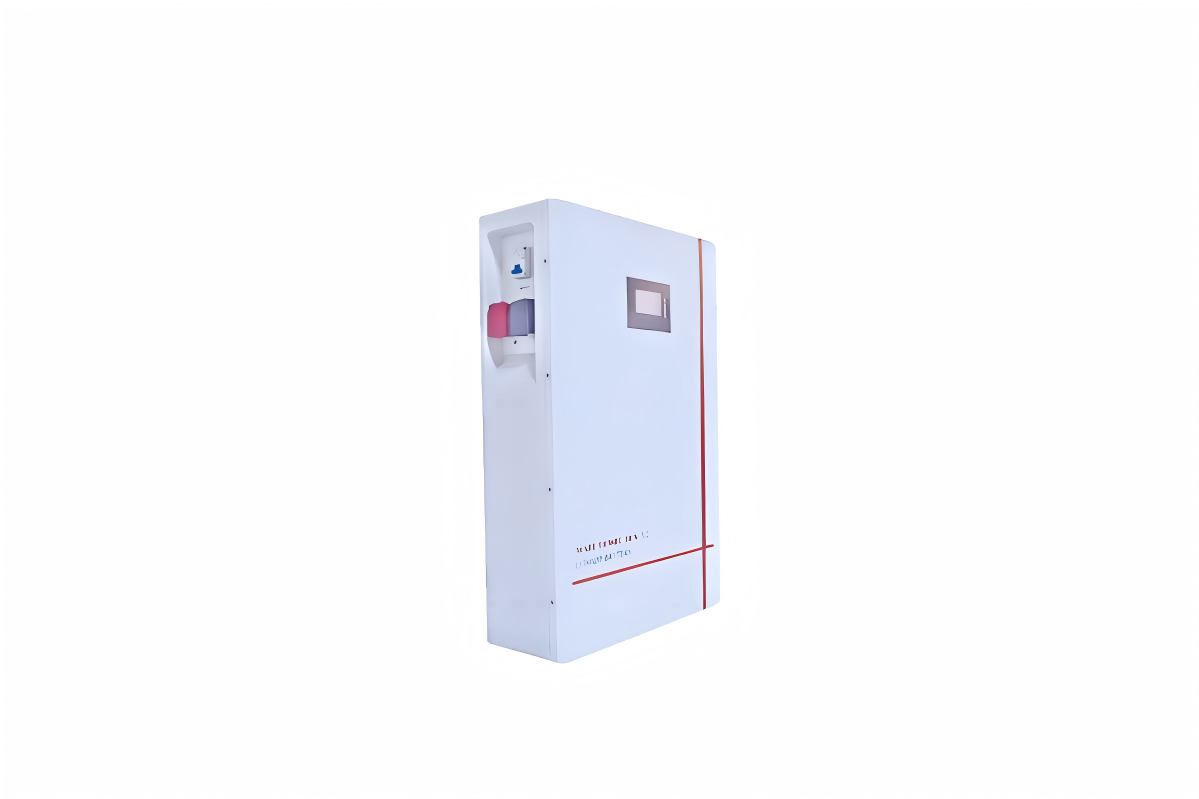
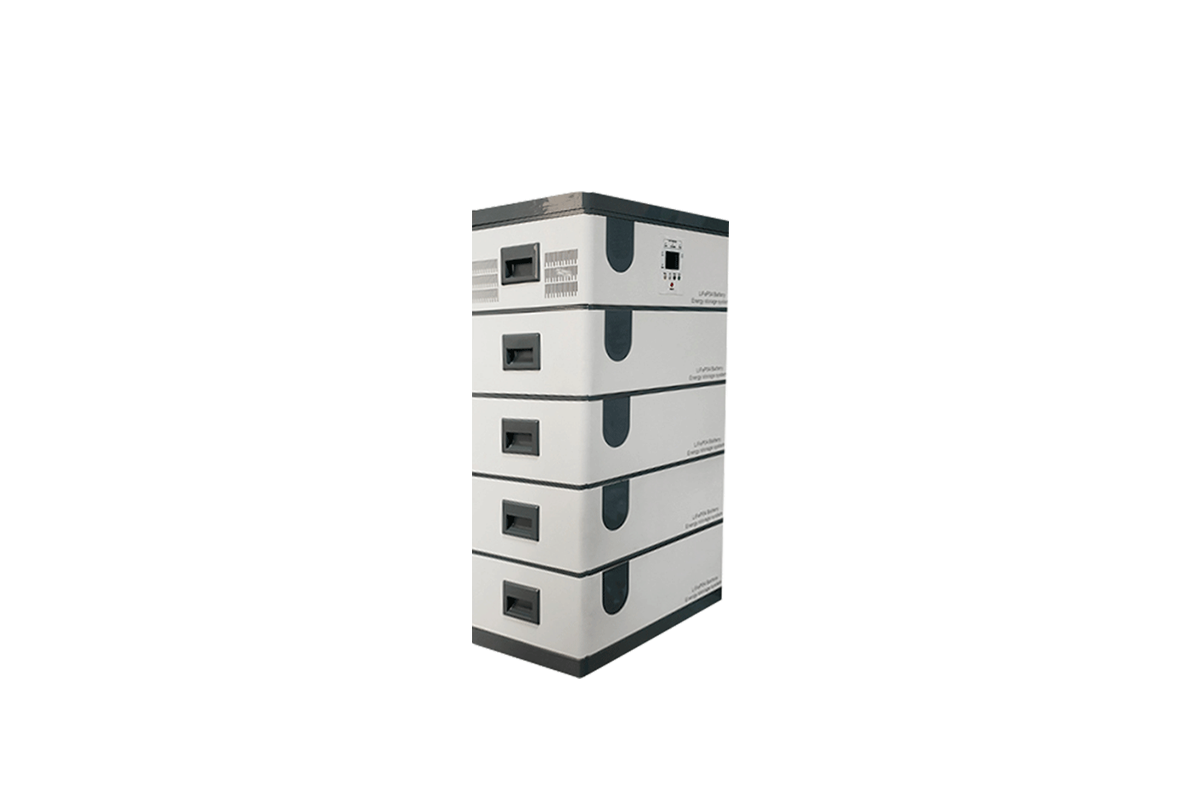
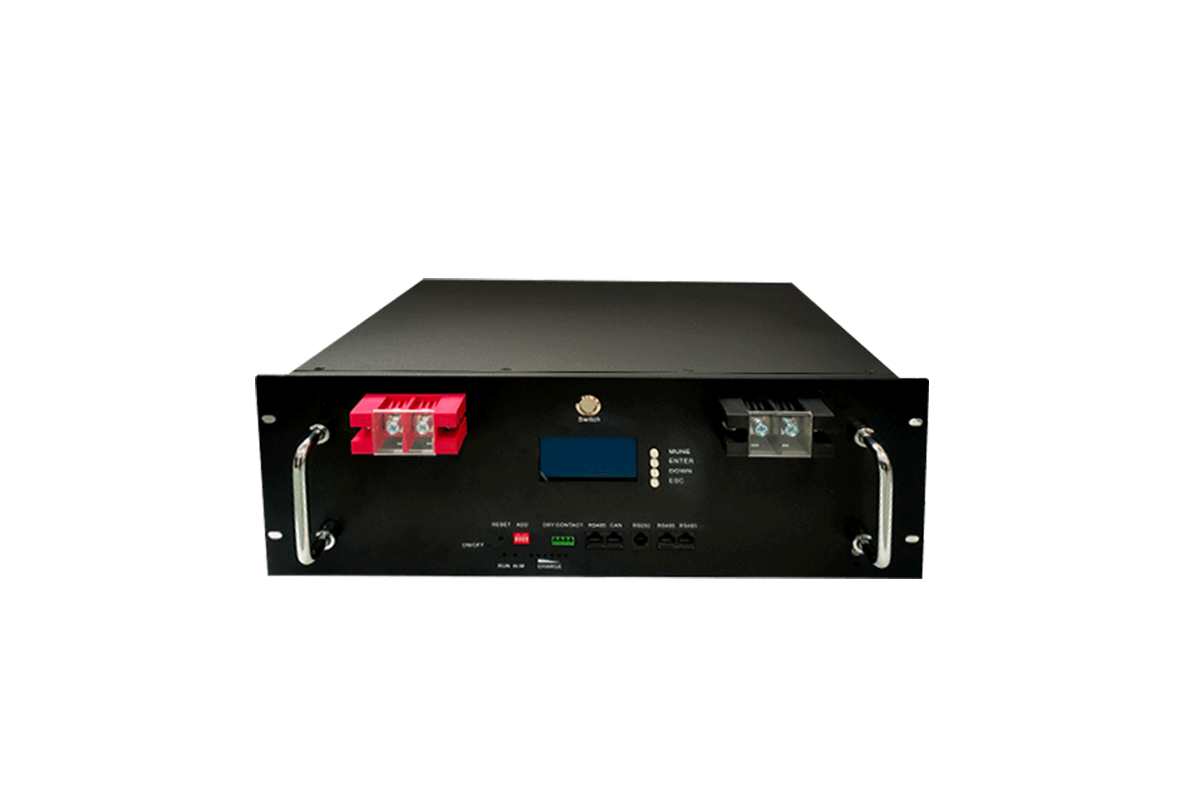
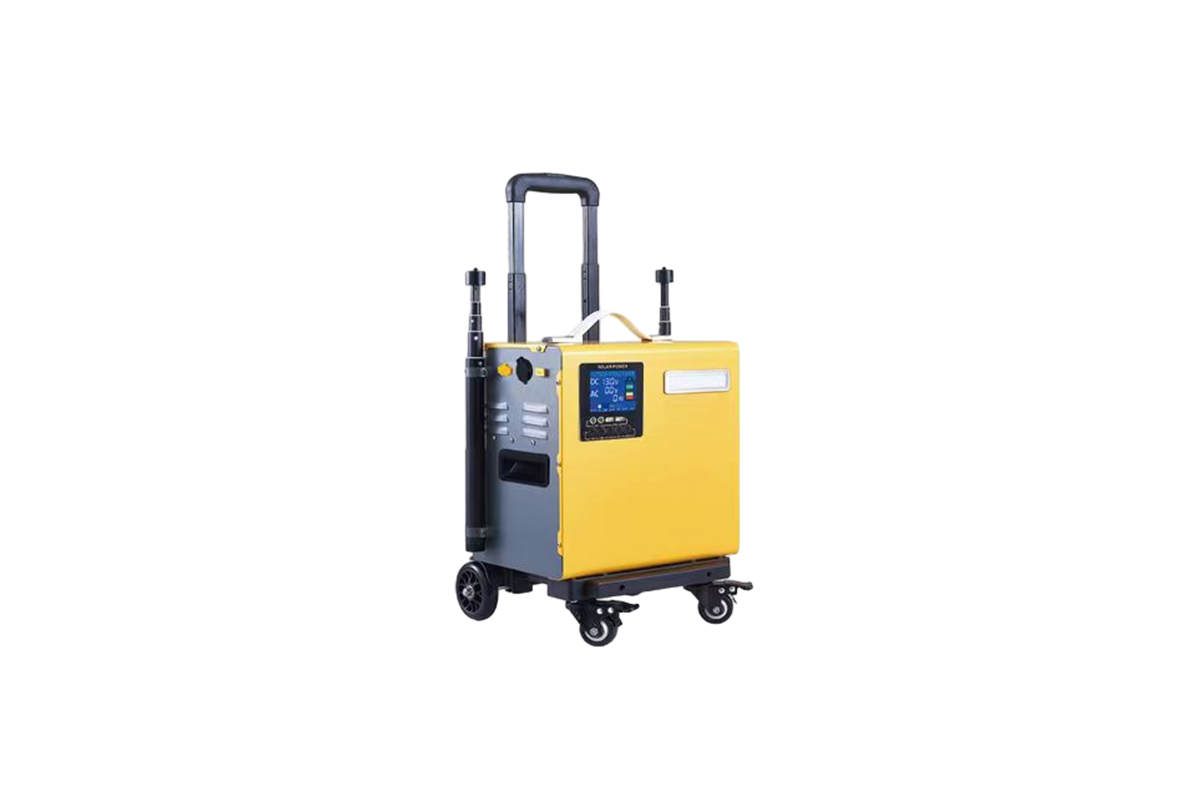
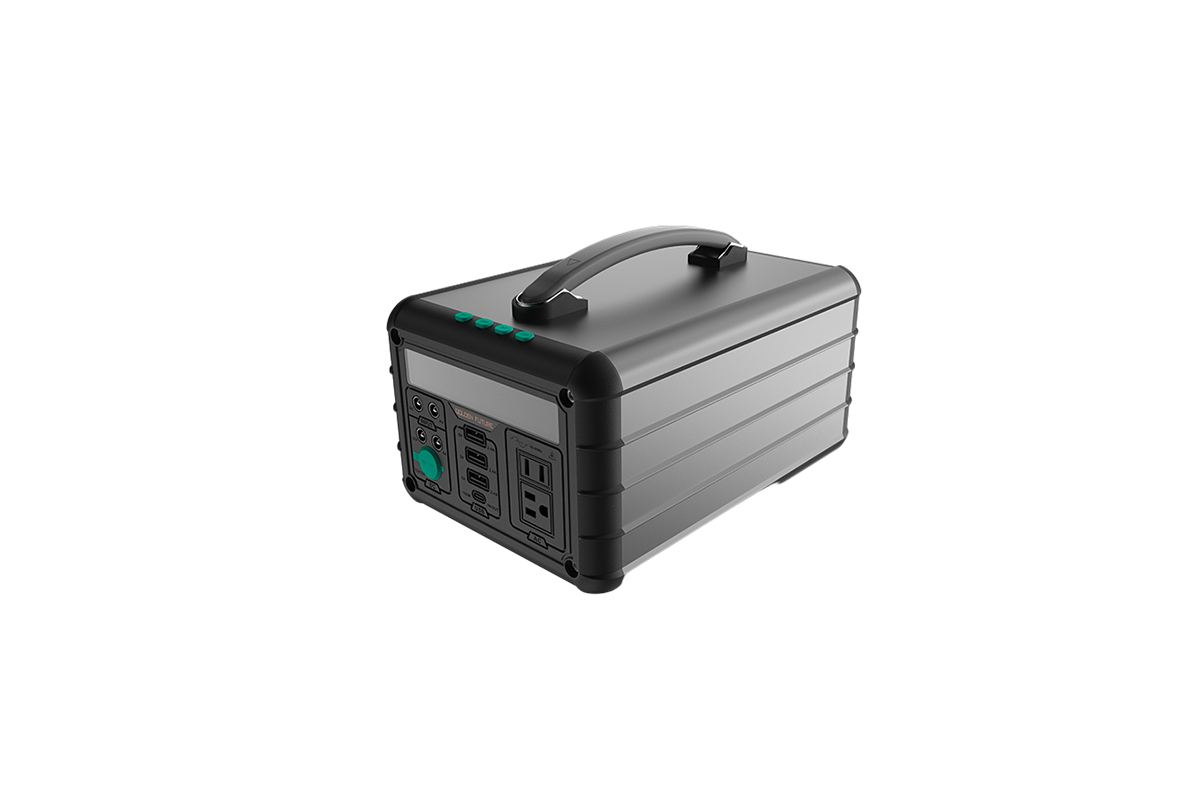
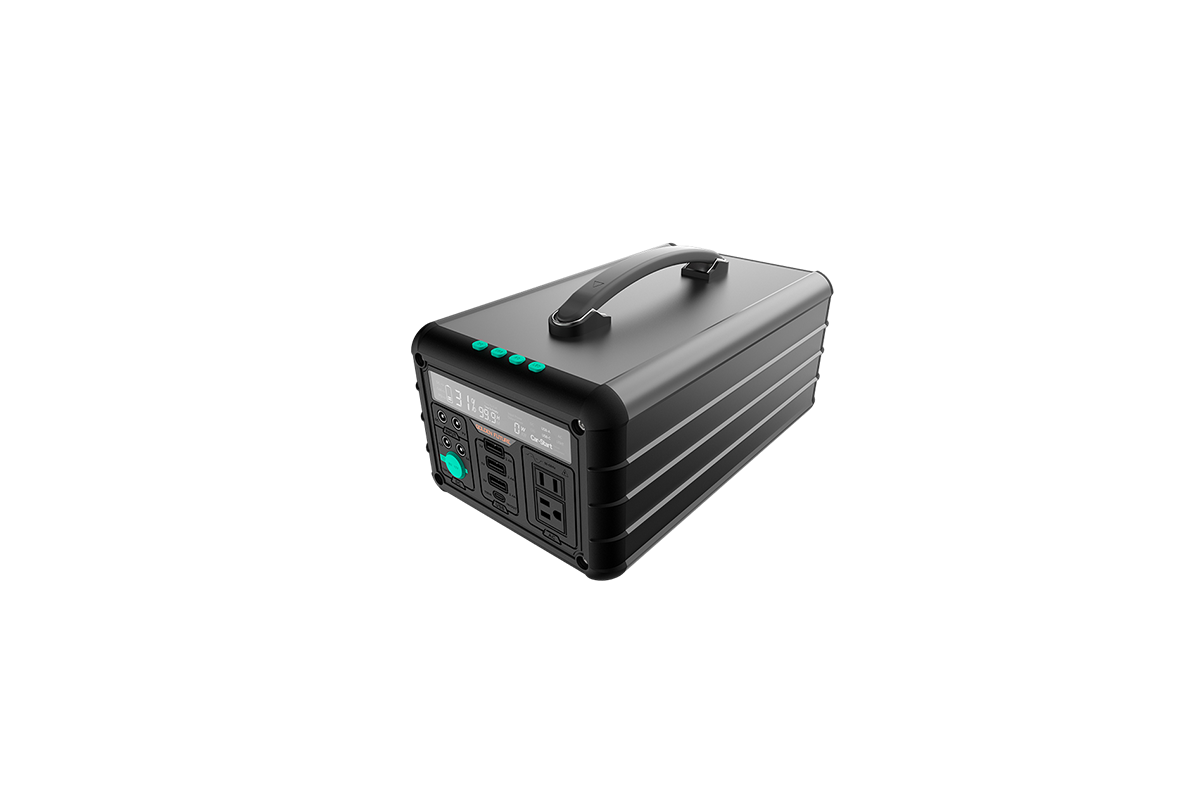
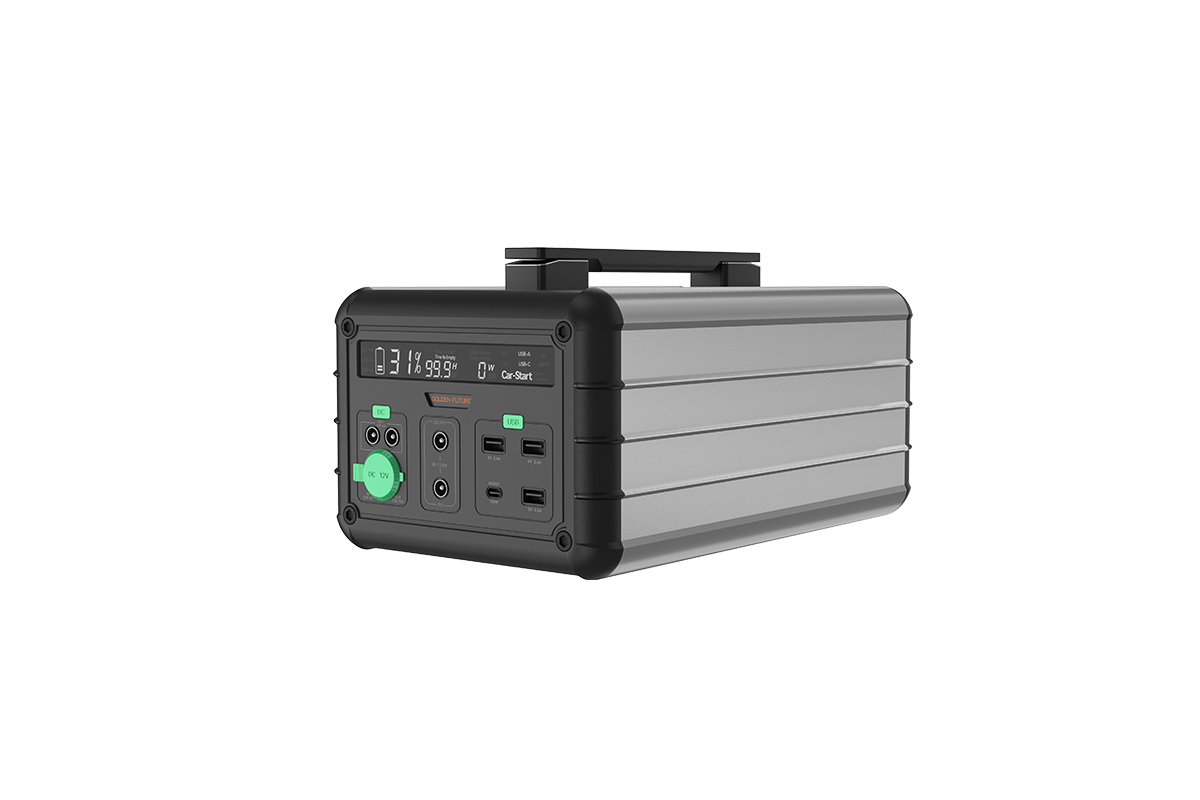
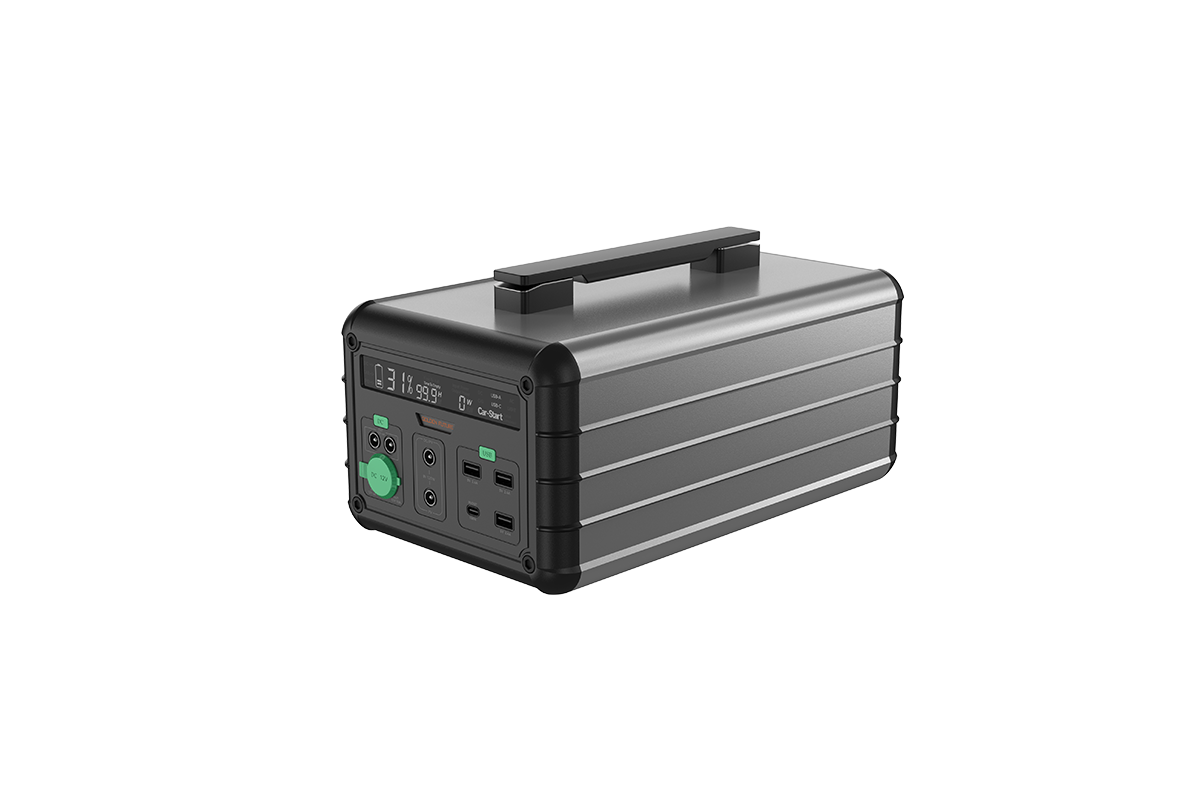
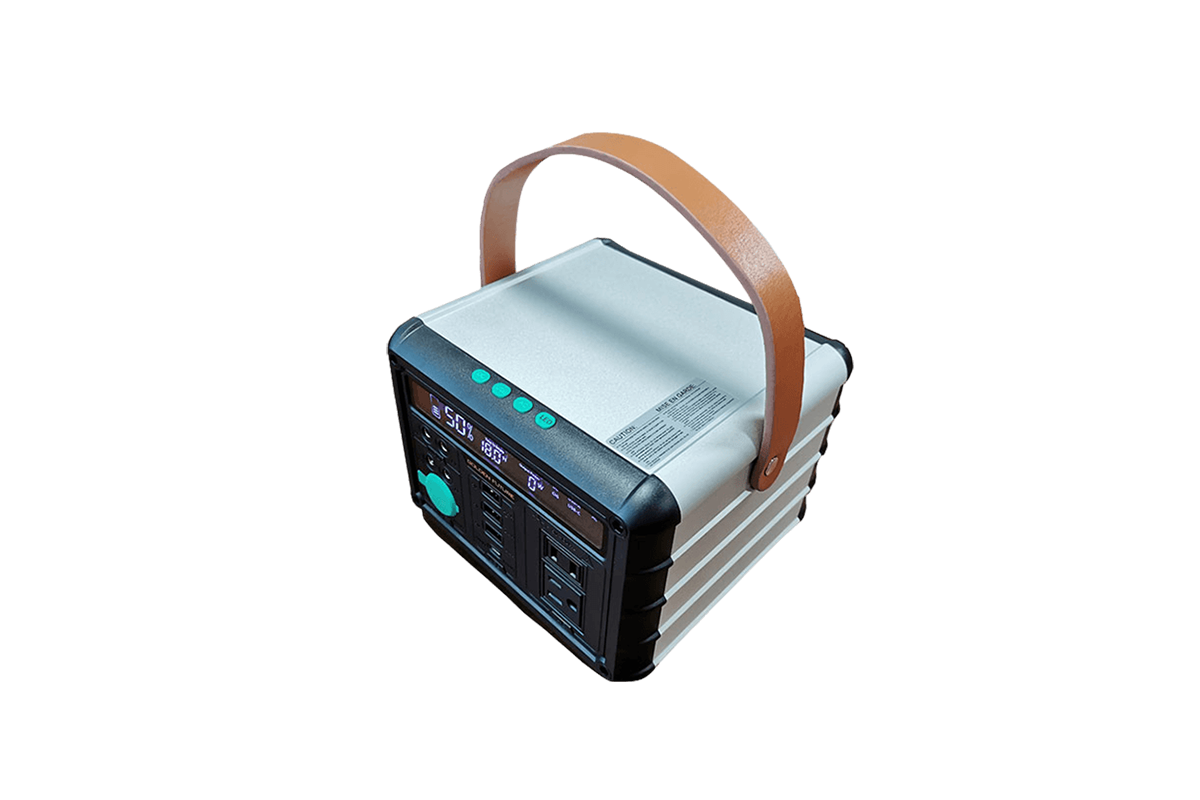
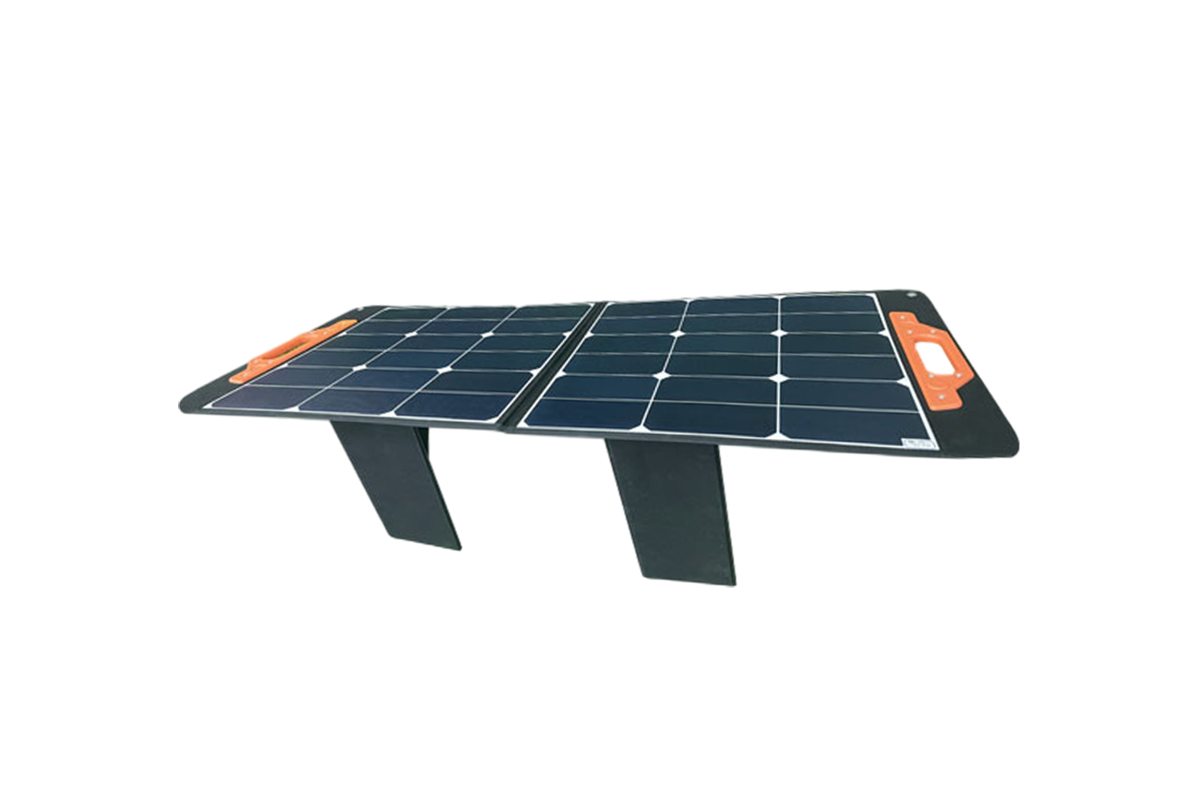
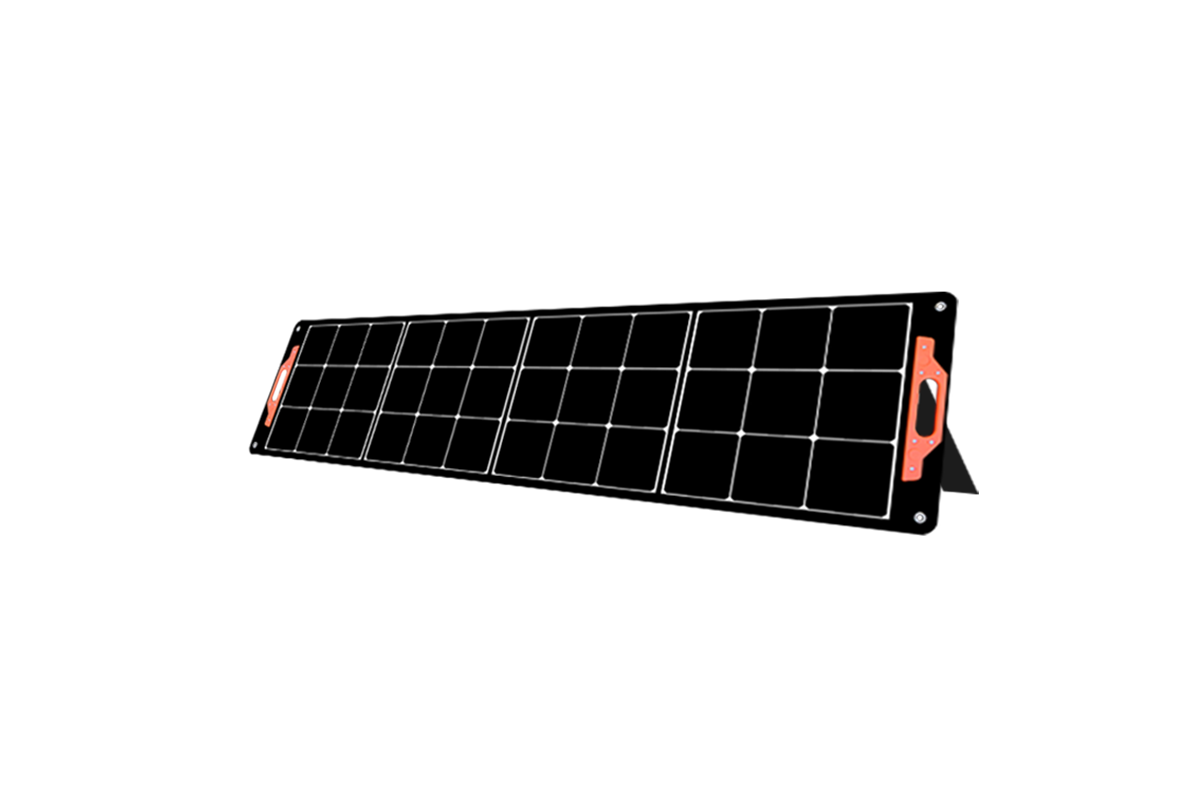
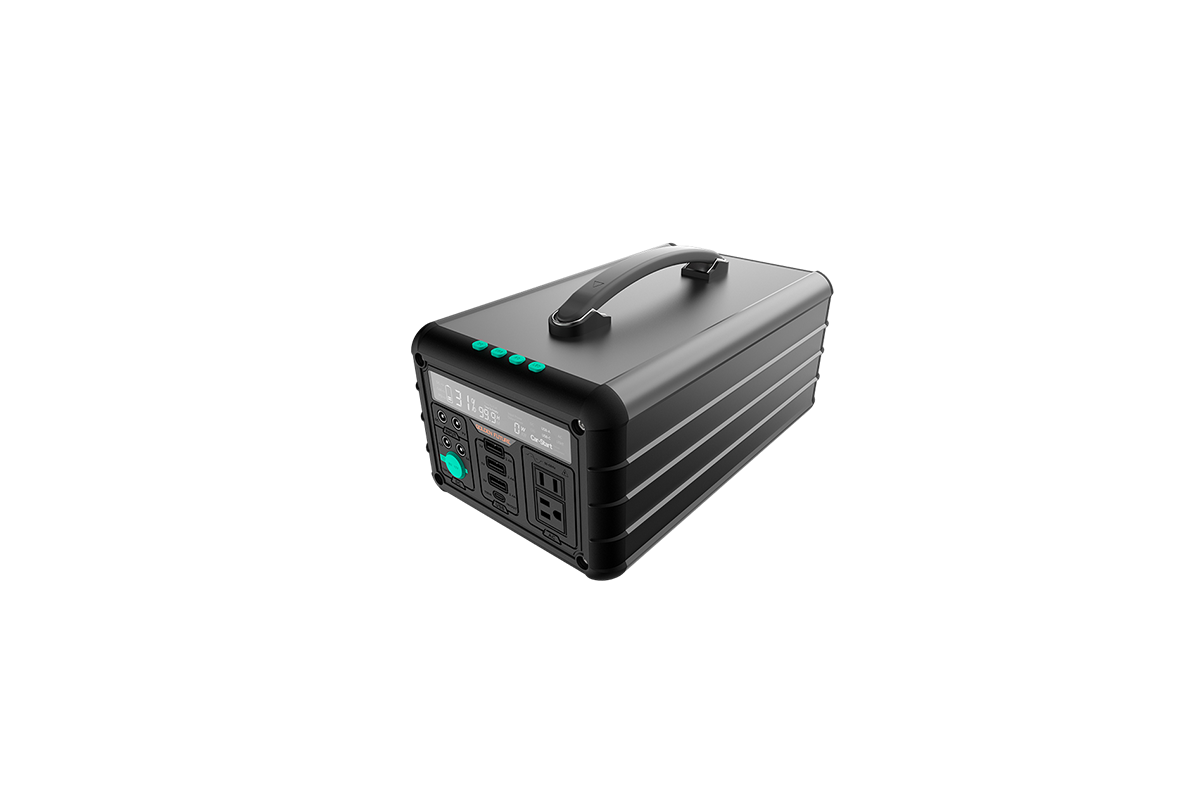
The core components of the system include solar photovoltaic panels, energy storage batteries, a pump controller, submersible or surface water pumps, water storage tanks and irrigation distribution systems, and can be equipped with semi-automated scheduling equipment according to actual needs. During the day, solar panels convert sunlight into electrical energy: part of the energy directly drives the water pump to extract water from wells, rivers or reservoirs, and deliver it to greenhouse crops through drip, sprinkler or other irrigation methods; the surplus electrical energy is stored in the energy storage battery through the controller to avoid energy waste. When sunlight is insufficient, such as on cloudy days or at night, the energy storage battery can quickly supply power to the irrigation system, ensuring that the irrigation schedule is not interrupted and that water supply is adjusted according to crop water requirements and soil moisture levels.
This system has significant advantages in practical application. Economically, it eliminates the long-term expenditure of electricity and diesel costs, and with the maturity of photovoltaic and energy storage technology, the initial investment cost is gradually decreasing, and most users can recover the investment within 3-7 years, while the system has a service life of more than 25 years, bringing long-term economic benefits to farmers. Environmentally, it relies on solar energy, which does not produce carbon emissions, noise or pollution, conforming to the concept of green agriculture and contributing to the reduction of agricultural carbon footprints. In terms of applicability, it can be customized according to the scale of greenhouses and crop types, and is suitable for various regions, especially remote areas without stable grid access, helping to expand farming possibilities. In addition, smart monitoring functions can be added to the system to realize real-time monitoring of water flow, pressure and crop water demand, optimizing water use efficiency and reducing water waste by 30-50% compared with traditional irrigation methods.




 59911926@qq.com/sales@goldenfuturehk.com
 13316809242 / 15816897019
 Inquiry
 Home >