





Time:2026-04-01 Views:222
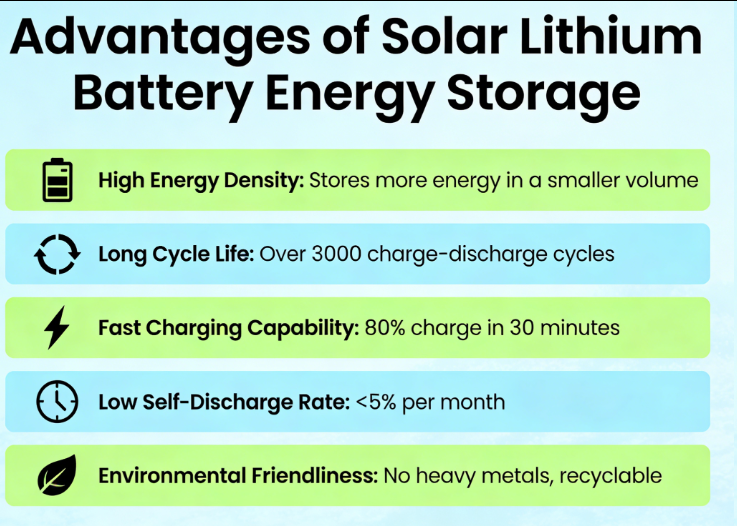
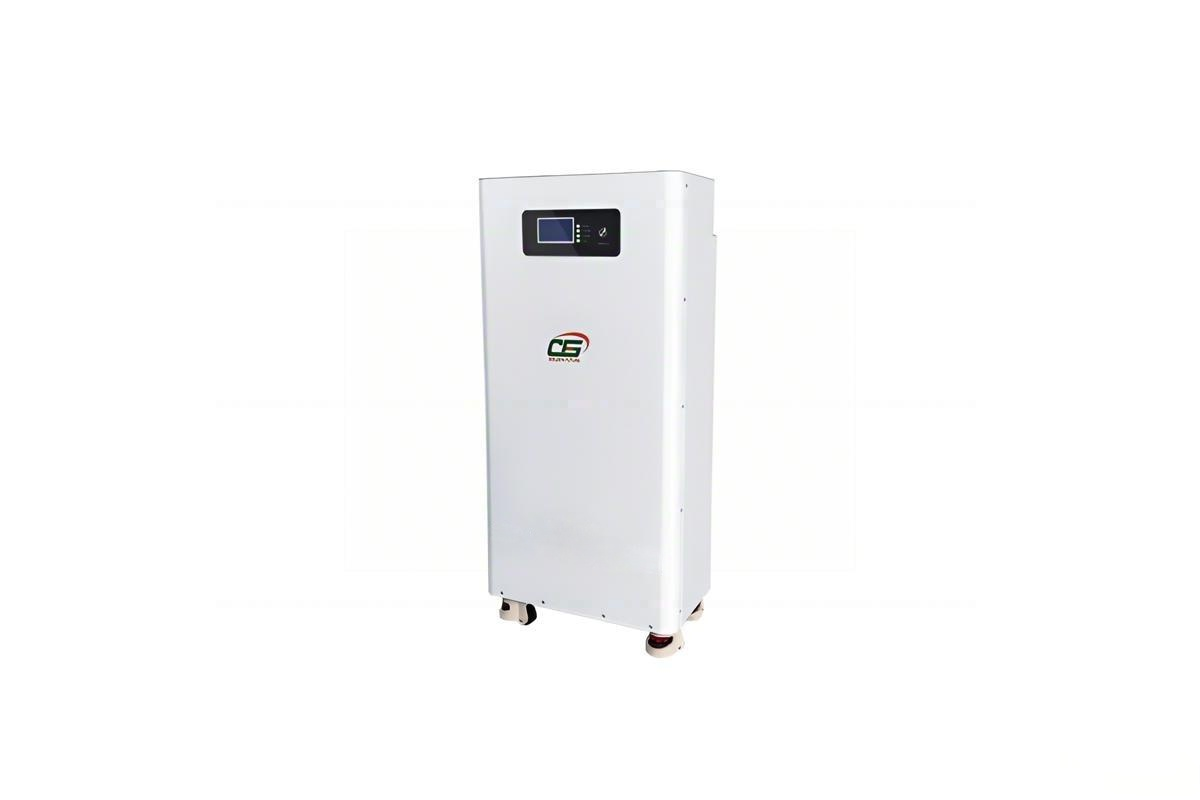
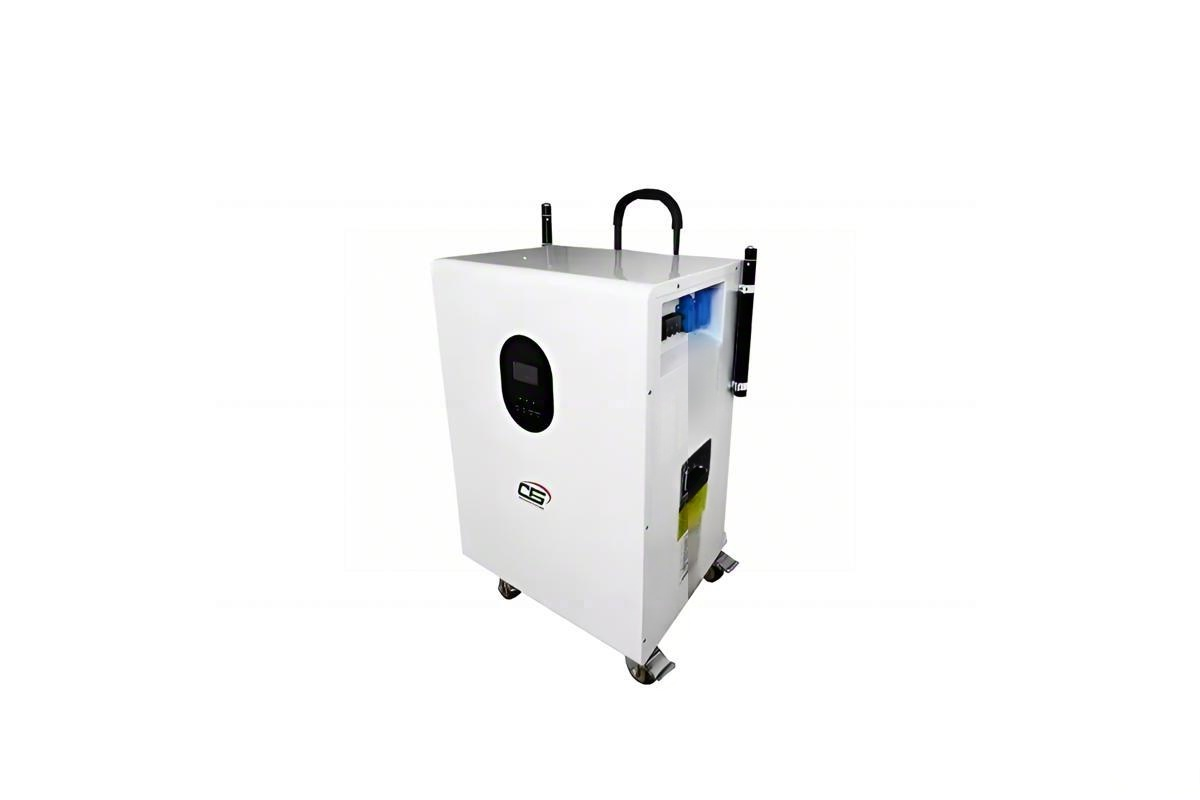
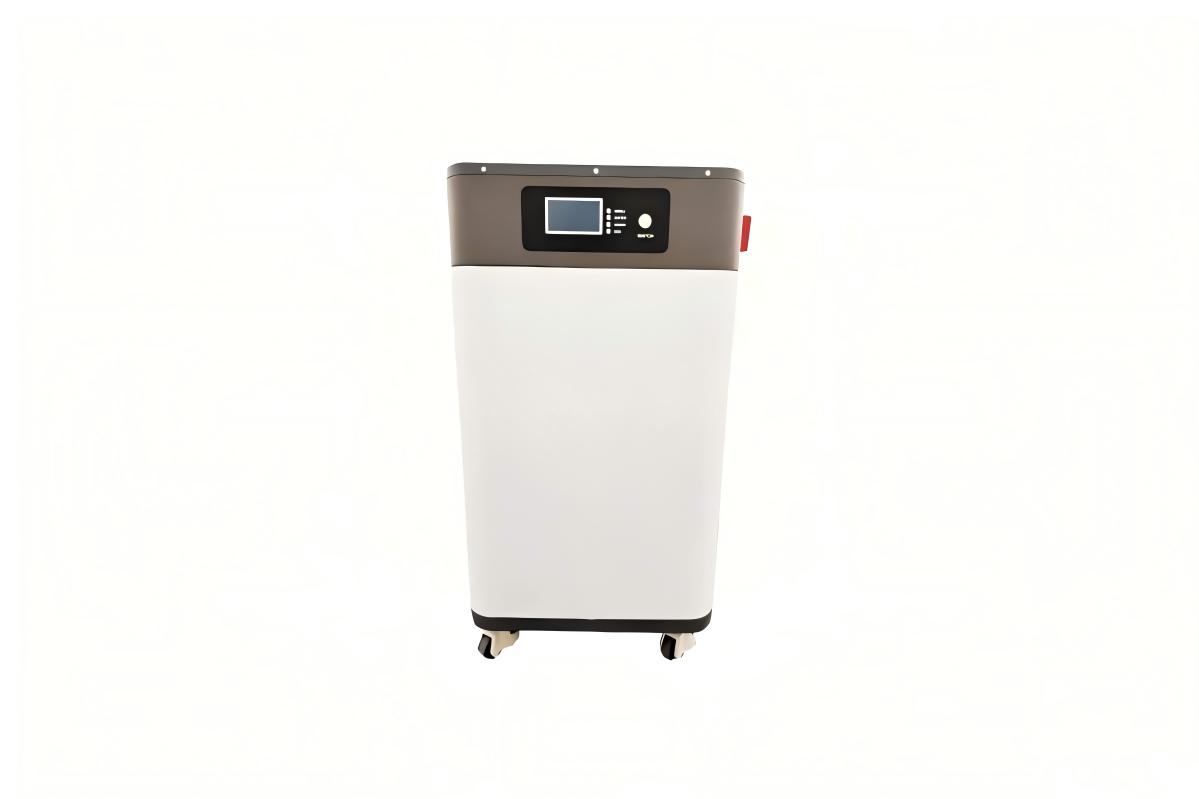
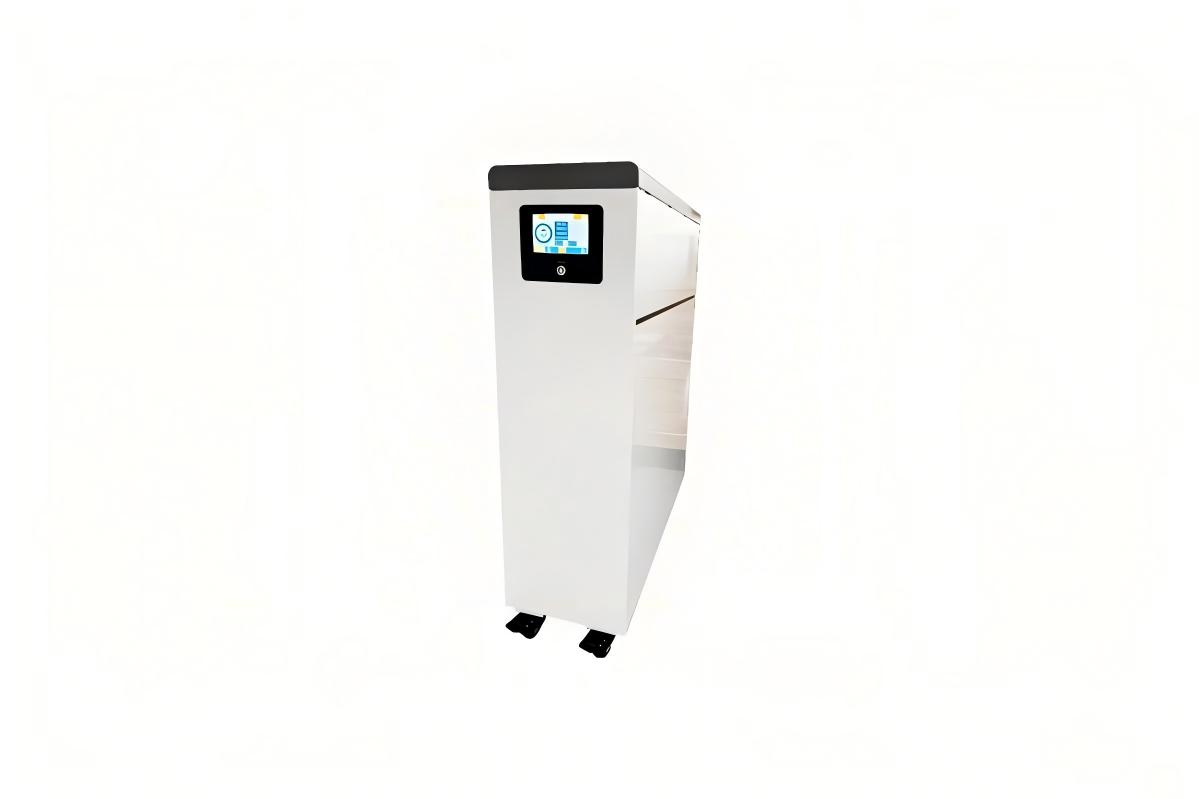
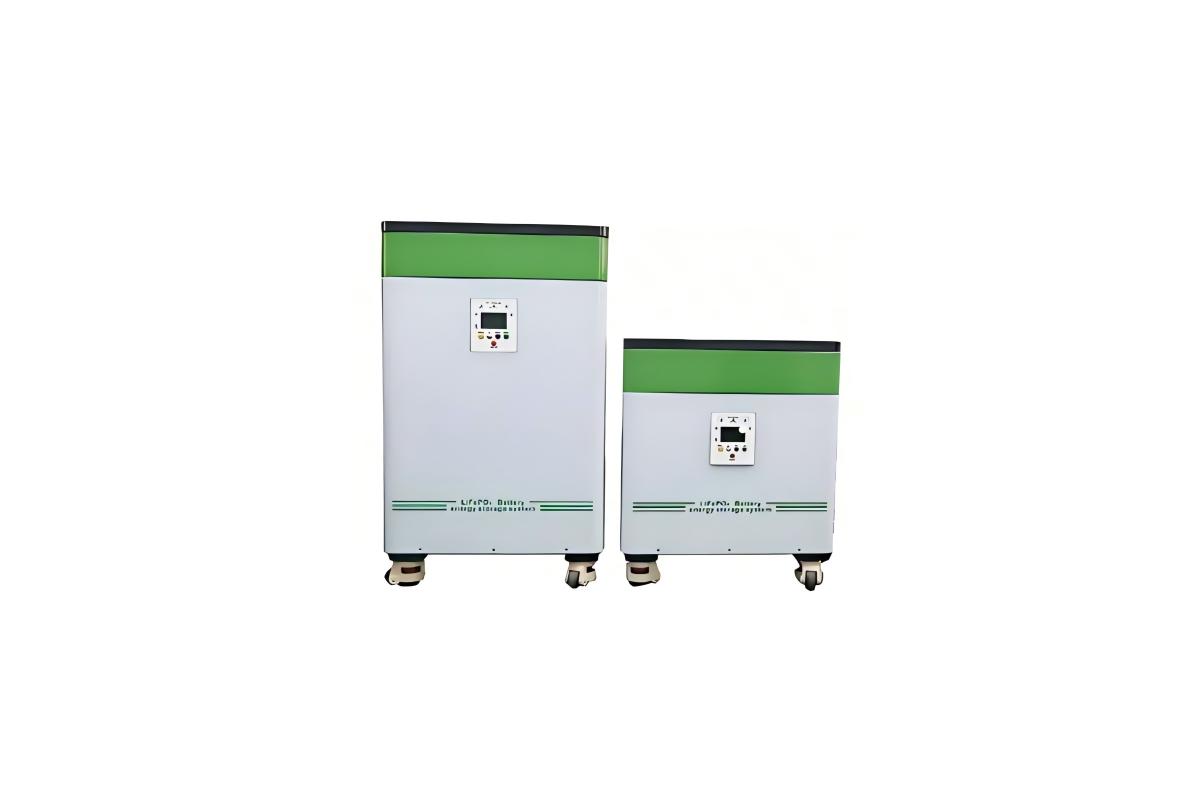
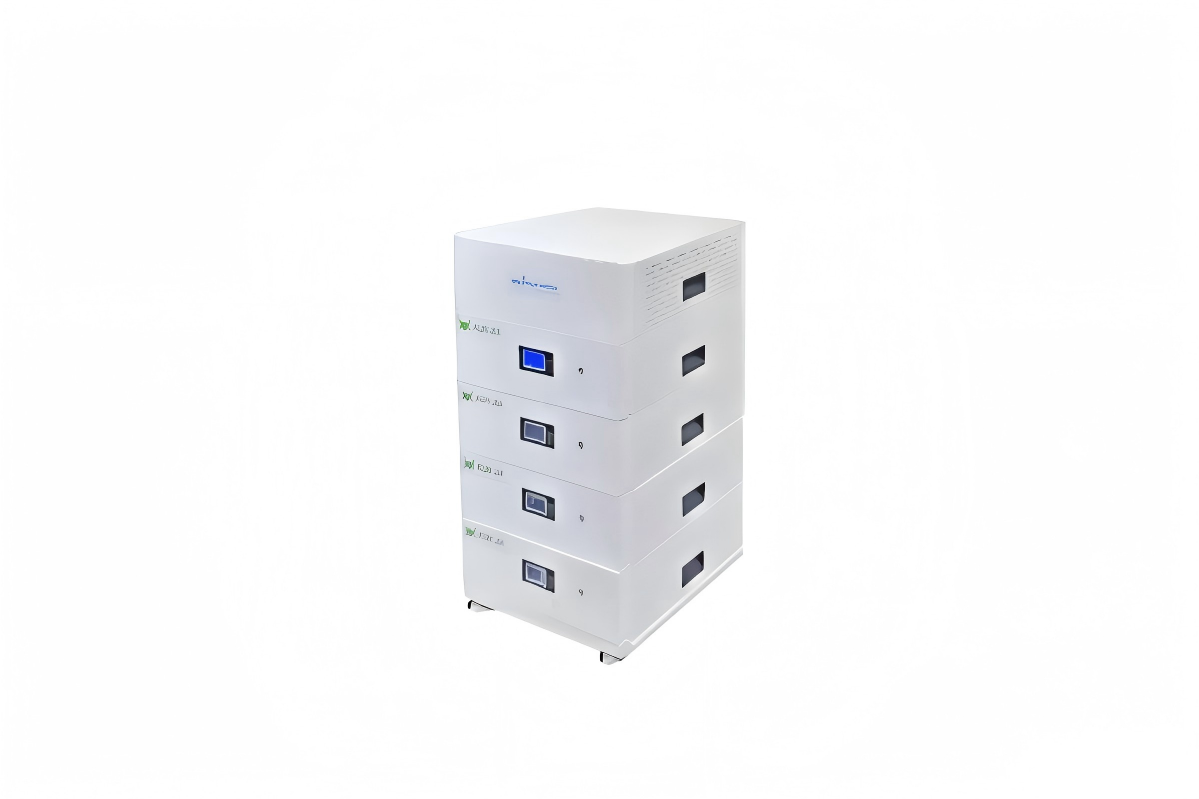
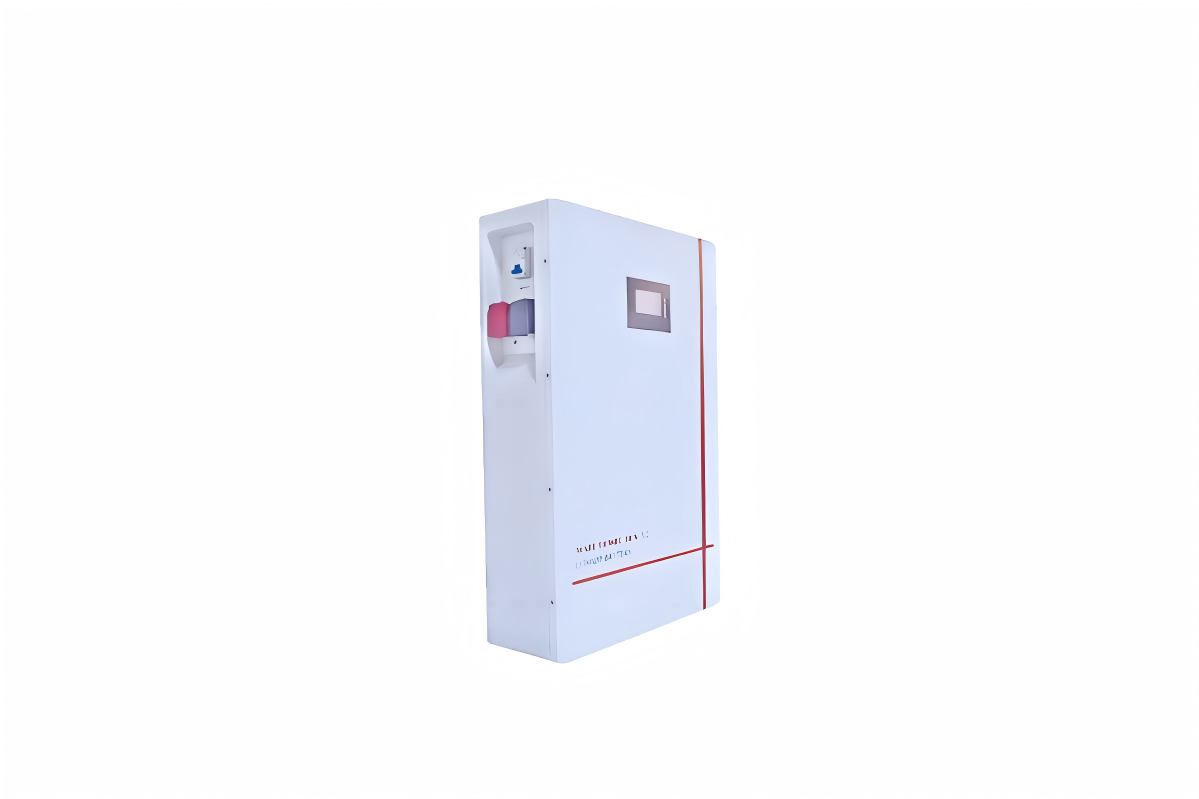
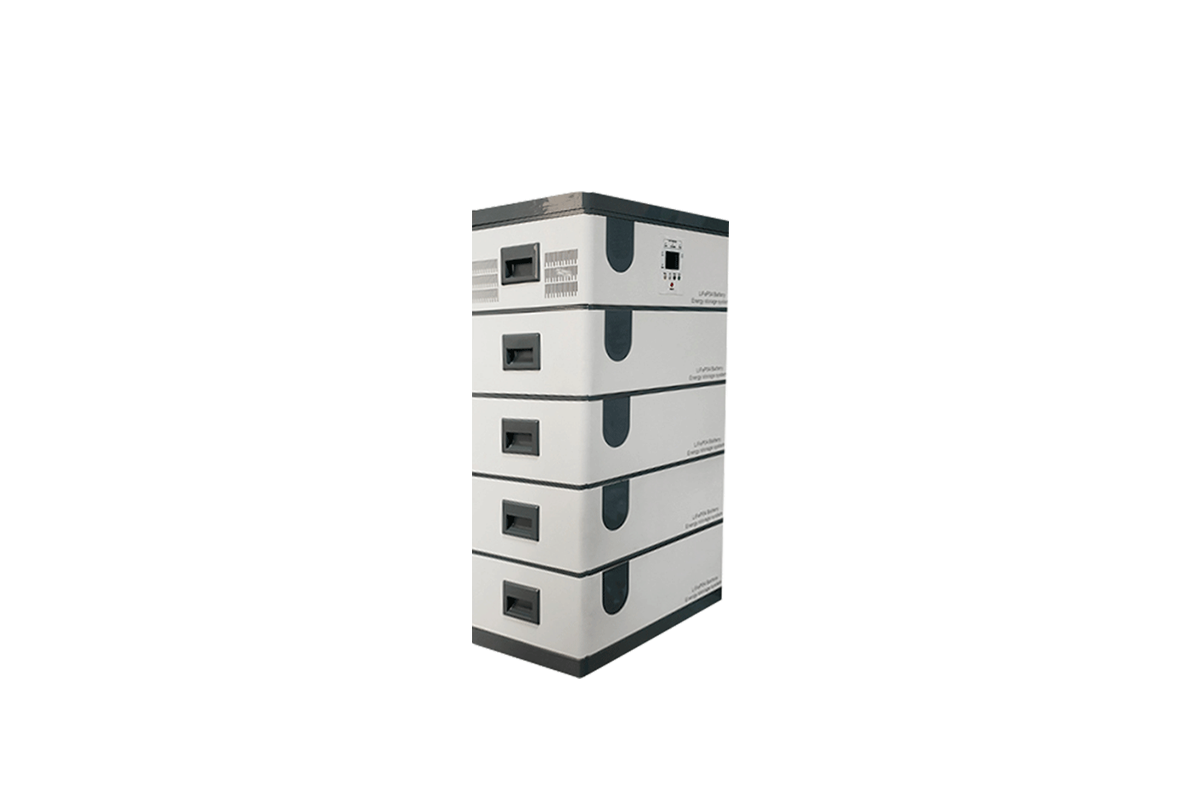
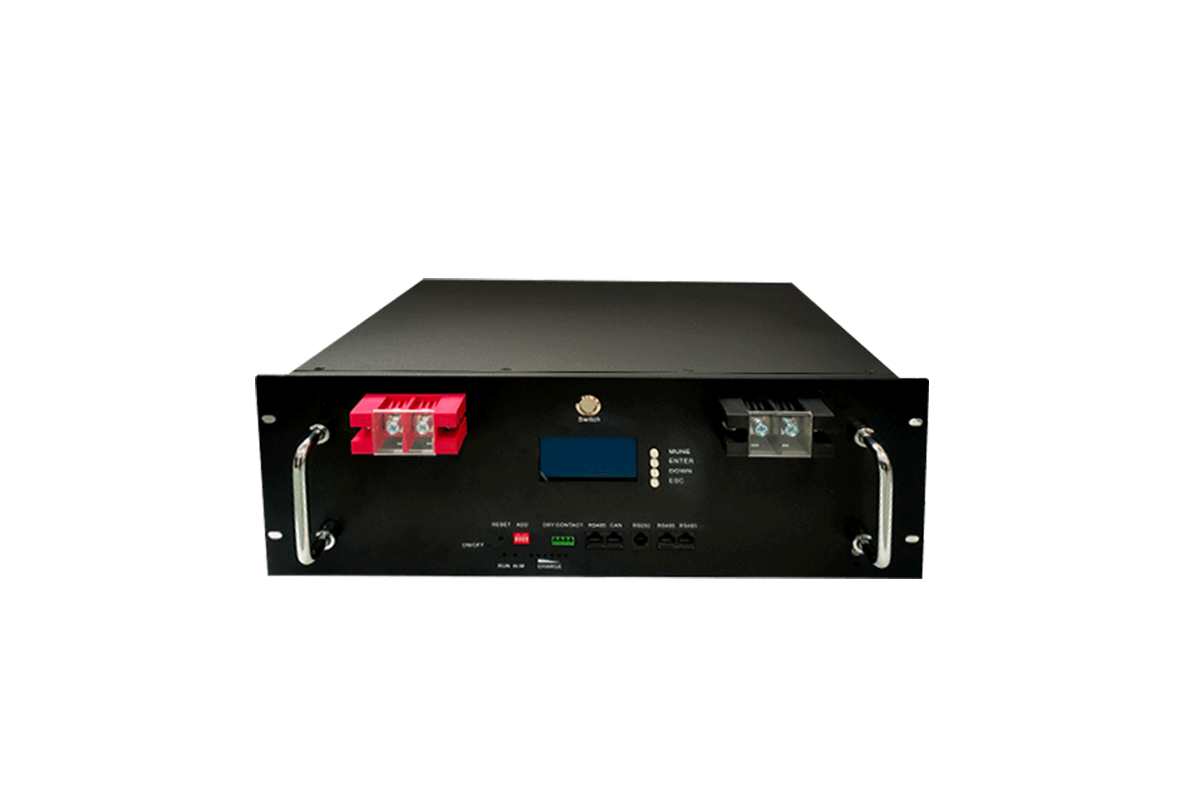
Solar lithium battery energy storage systems offer numerous advantages over traditional energy storage solutions (such as lead-acid batteries) and grid-reliant power supply, making them an increasingly popular choice for households and small businesses. One of the most significant advantages is their high energy density, which means lithium batteries can store more energy in a smaller and lighter package compared to lead-acid batteries. For example, a 20kWh LiFePO4 battery pack is much smaller and lighter than a lead-acid battery of the same capacity, making it easier to install in wall-mounted energy storage walls and saving valuable space in homes.
Another major advantage is their long cycle life and durability. Lithium batteries (especially LiFePO4) have a cycle life of 3,000-5,000 cycles at 80% DOD, which is 3-5 times longer than lead-acid batteries (typically 500-1,000 cycles). This translates to a service life of 8-12 years for lithium batteries, compared to 2-5 years for lead-acid batteries, reducing the need for frequent battery replacement and lowering long-term maintenance costs. Additionally, lithium batteries have a low self-discharge rate (typically 1-2% per month), meaning they can retain stored energy for longer periods without significant loss, making them ideal for backup power applications.
Solar lithium battery energy storage systems also offer excellent efficiency, with charging and discharging efficiencies of 90-95%, compared to 70-80% for lead-acid batteries. This means more of the solar energy harvested is stored and usable, reducing energy waste and maximizing the return on investment. Furthermore, lithium batteries are environmentally friendly, as they do not contain toxic heavy metals (such as lead or cadmium) and are recyclable, making them a more sustainable choice. They also operate quietly, require minimal maintenance, and can be integrated with smart control systems for remote monitoring and management, allowing users to optimize energy use and reduce energy bills.




 59911926@qq.com/sales@goldenfuturehk.com
 13316809242 / 15816897019
 Inquiry
 Home >