





Time:2026-05-20 Views:256
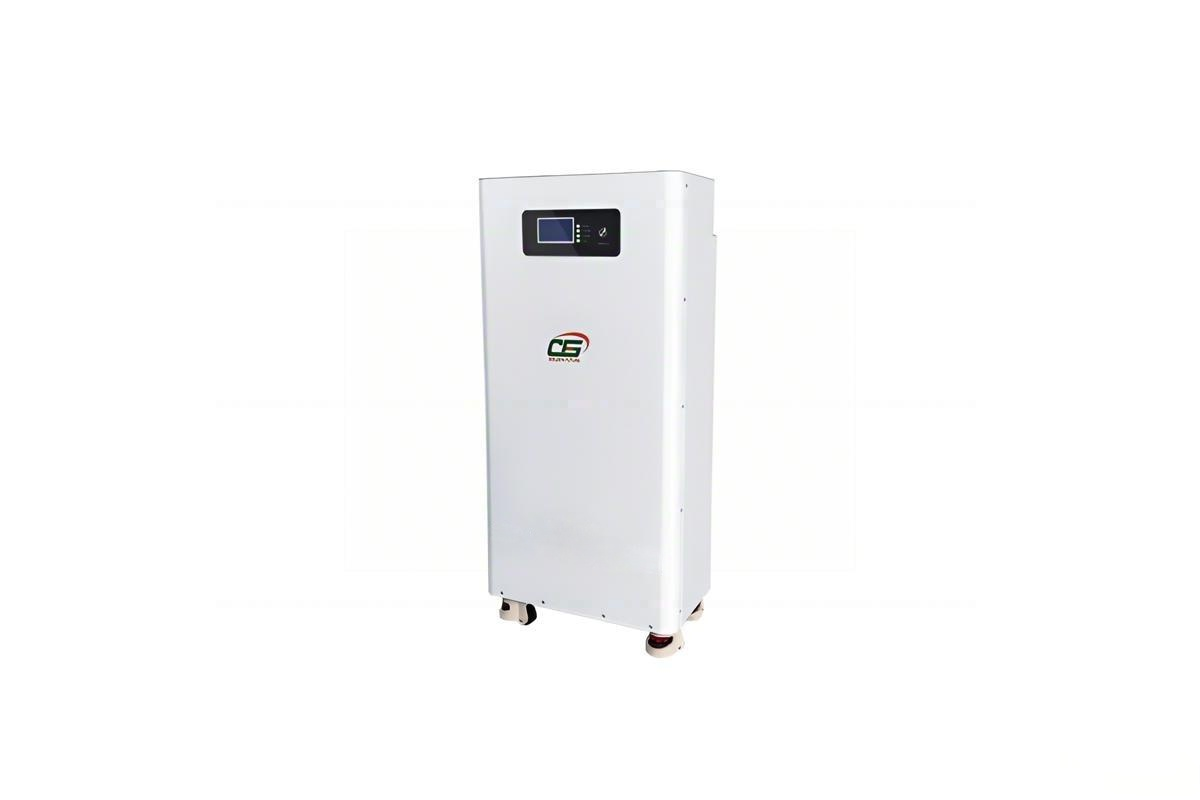
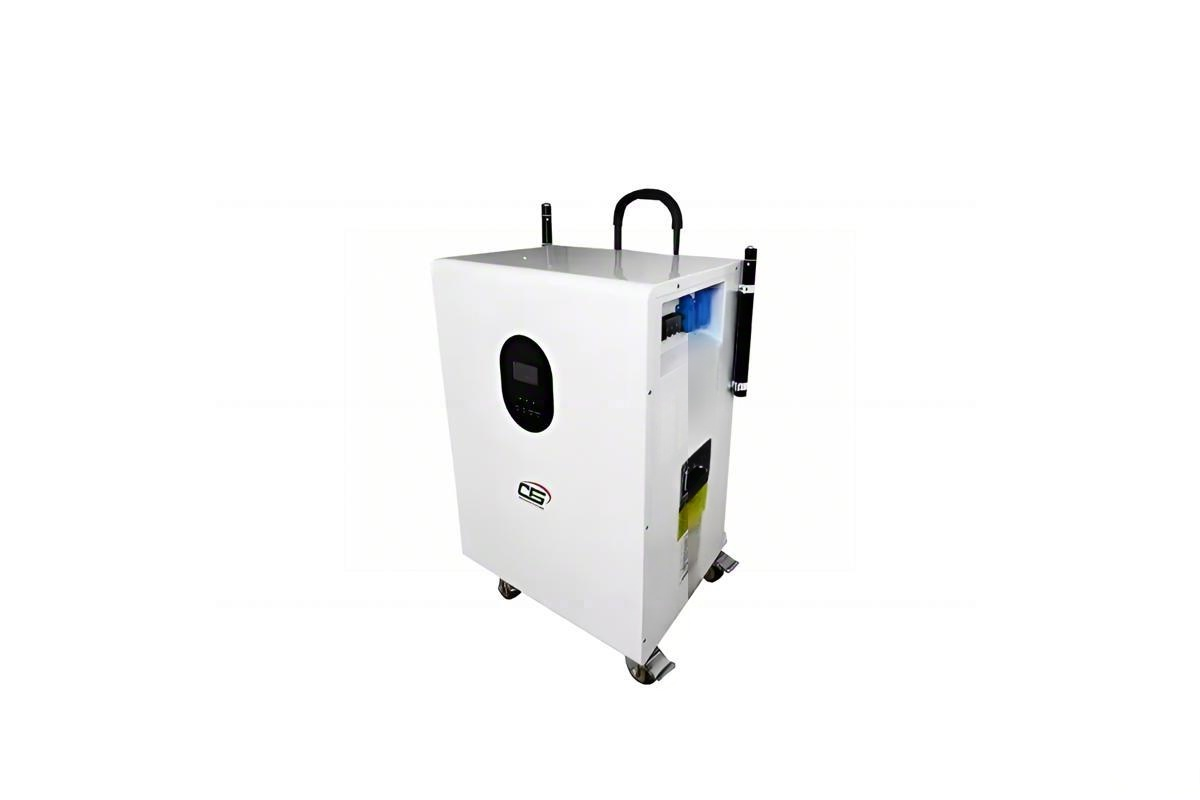
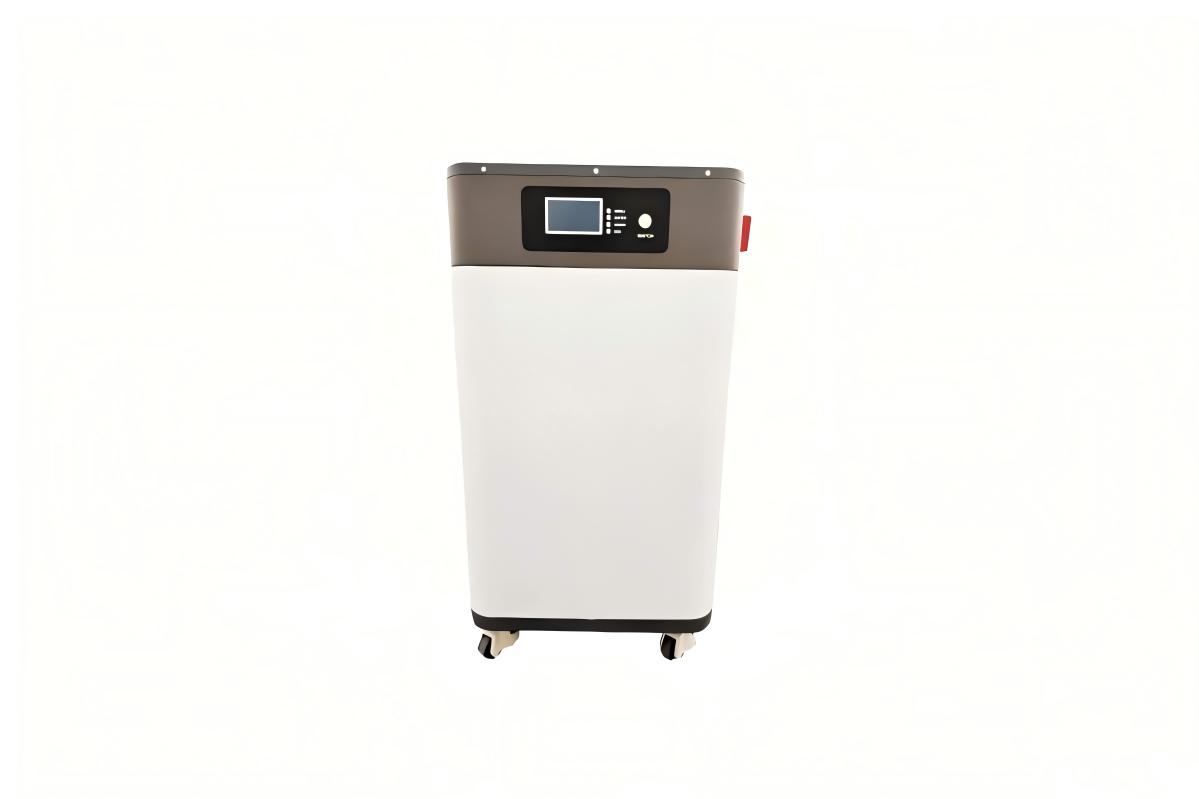
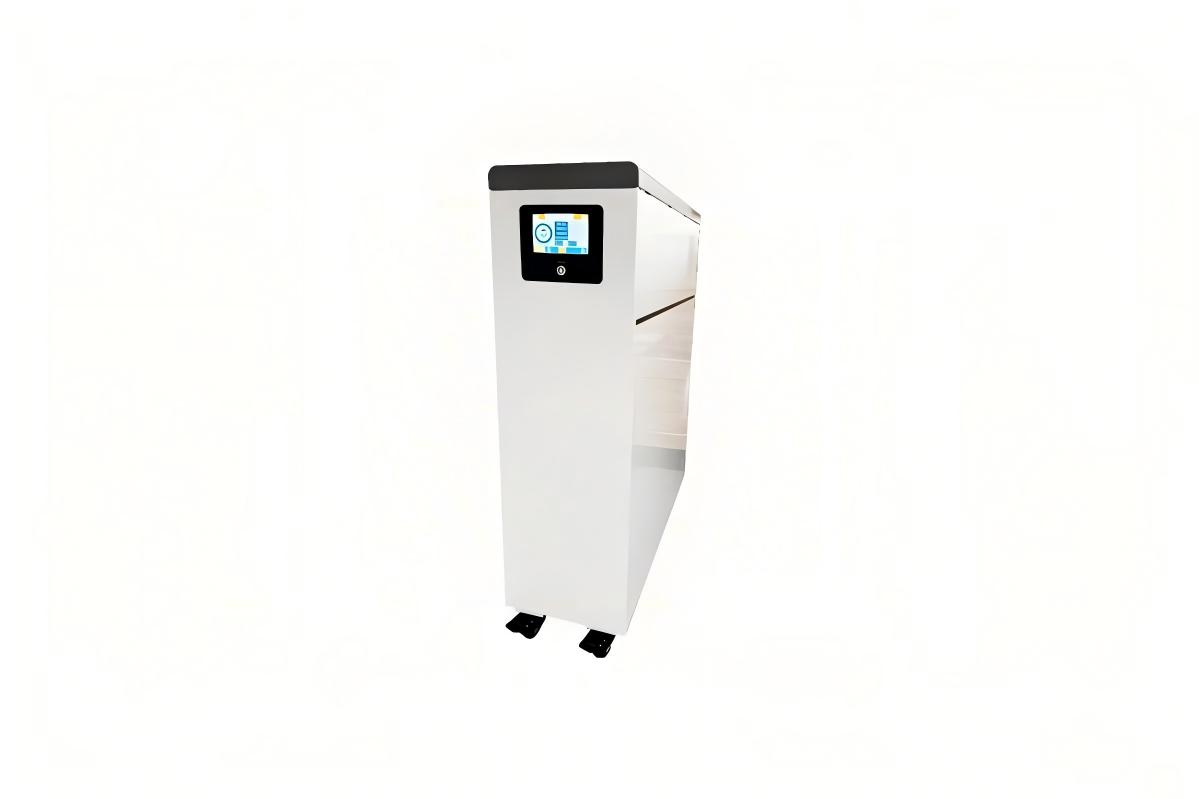
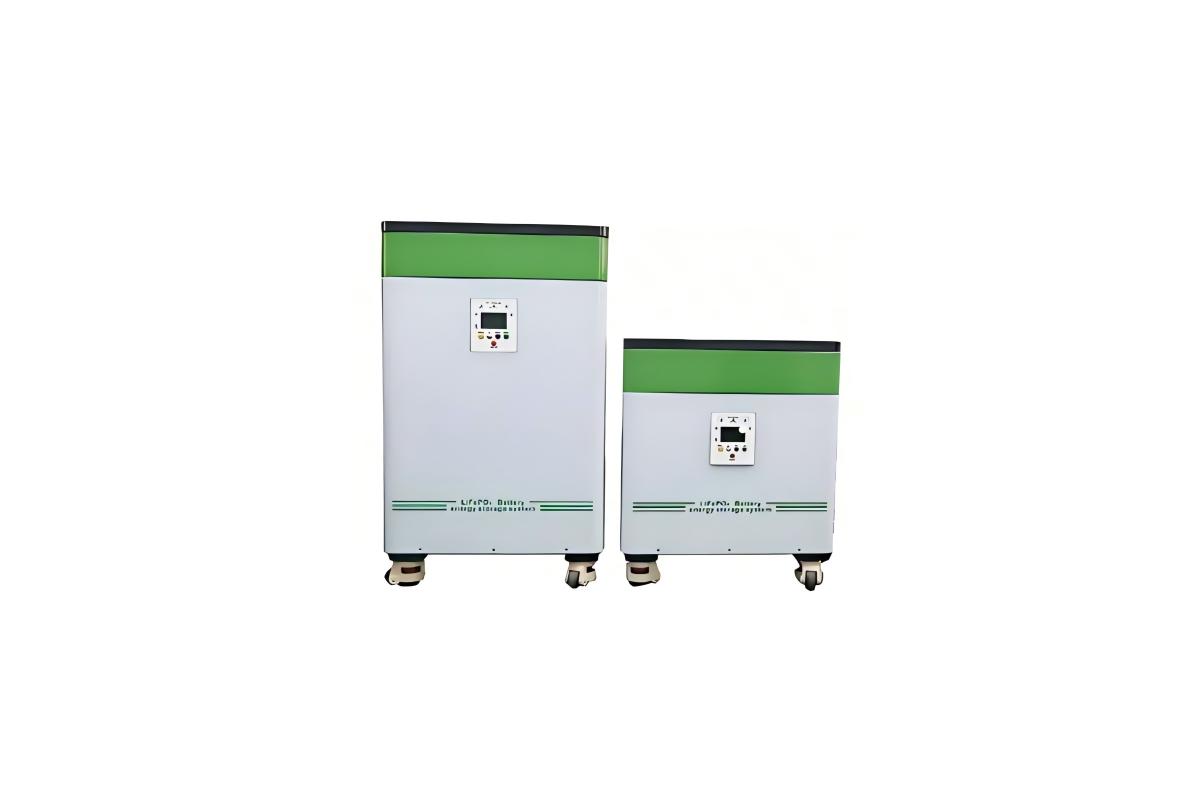
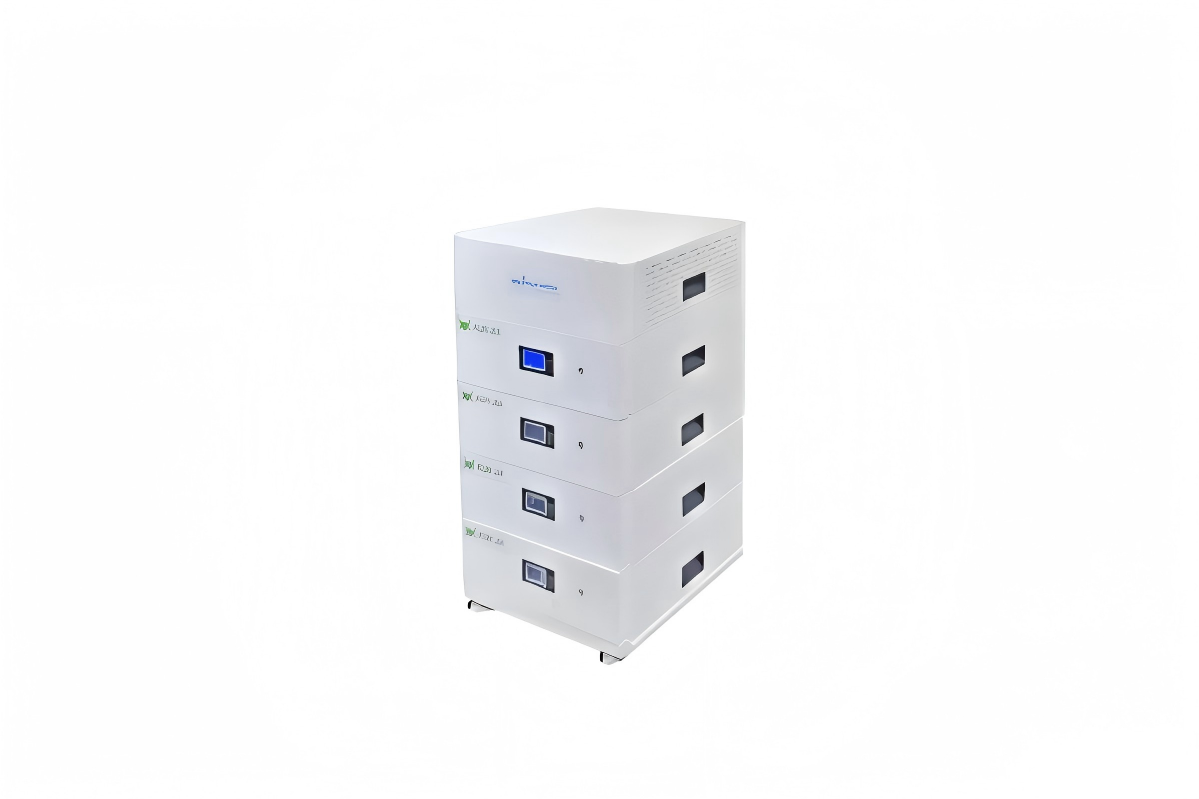
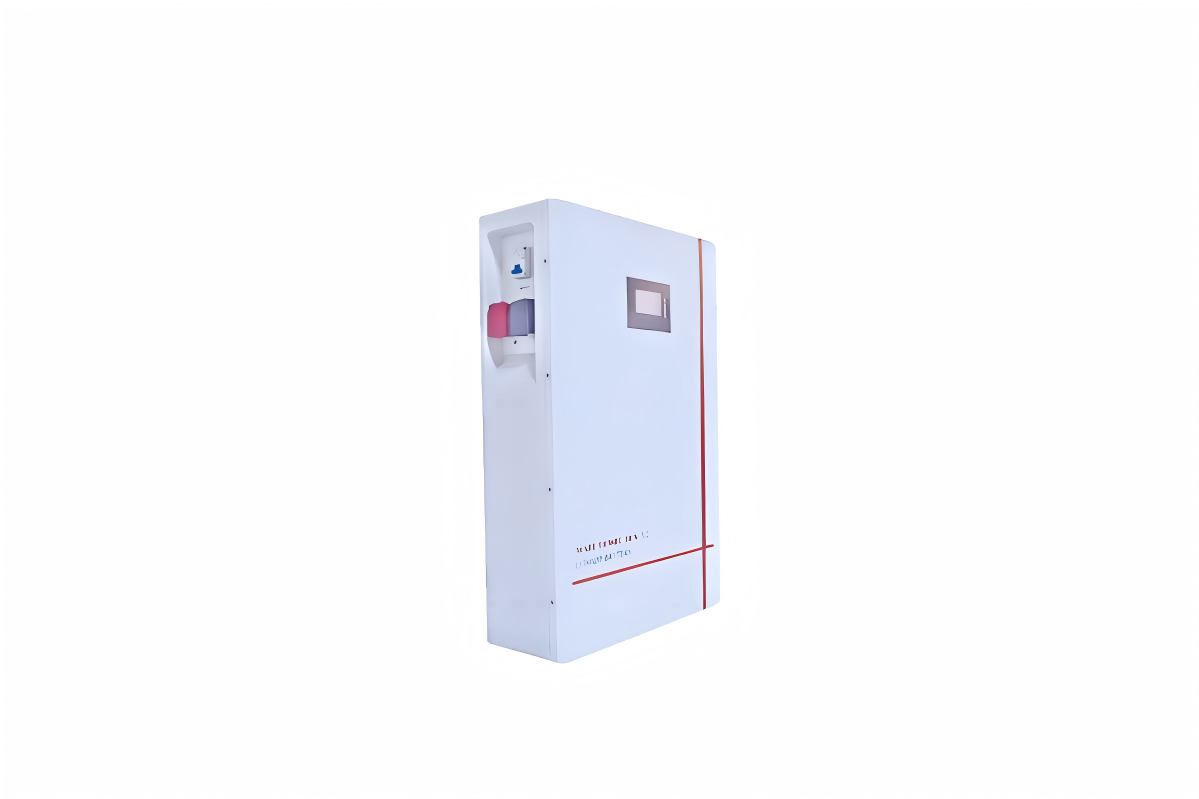
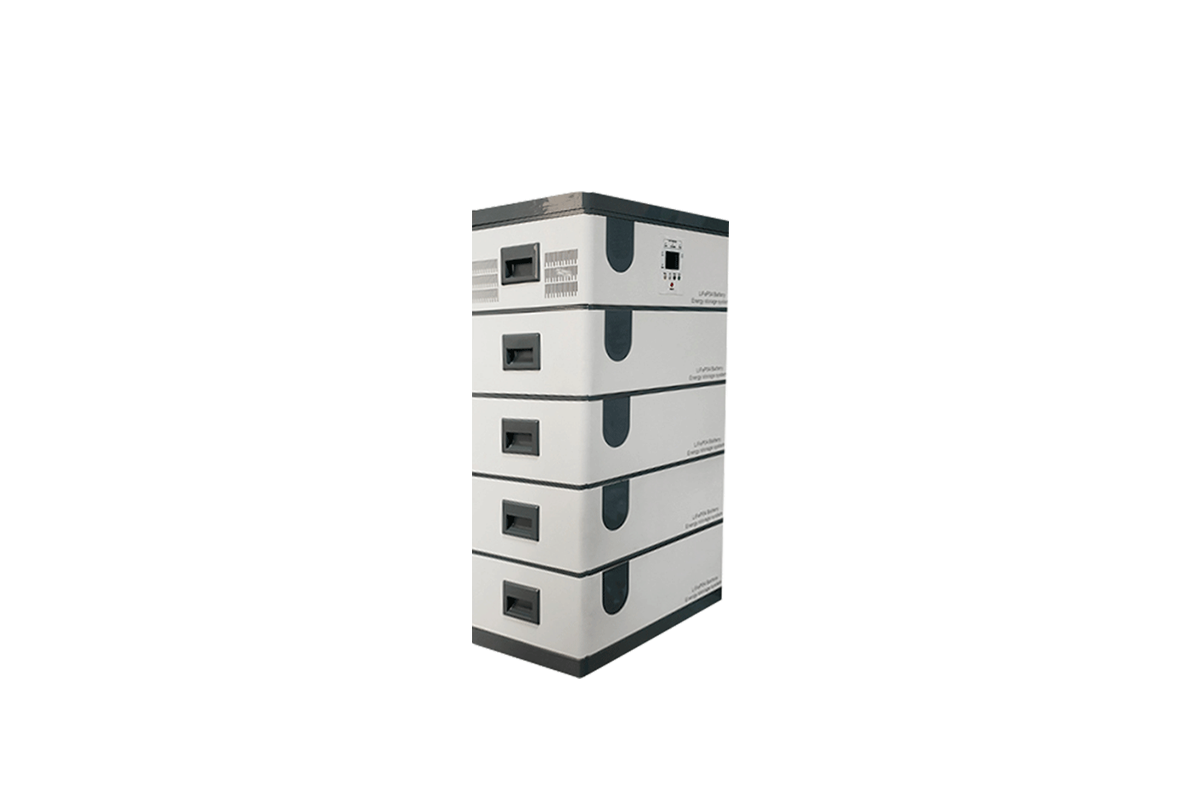
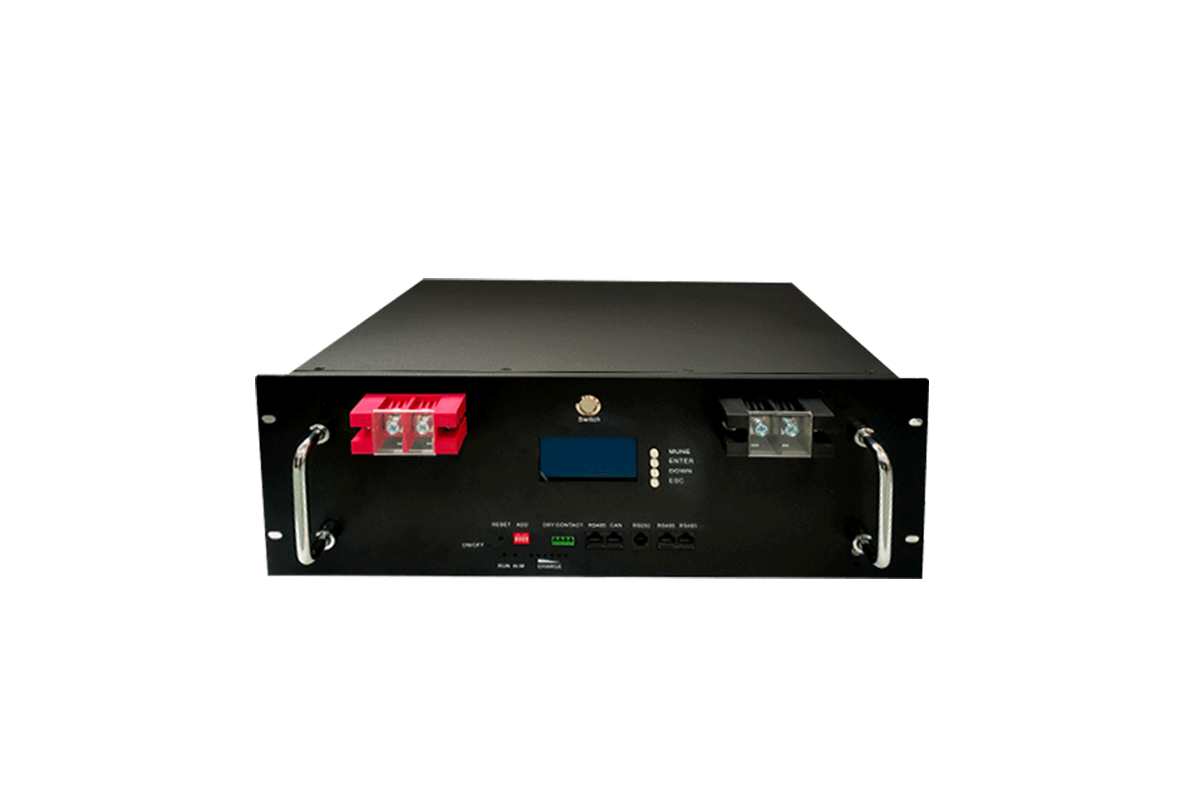
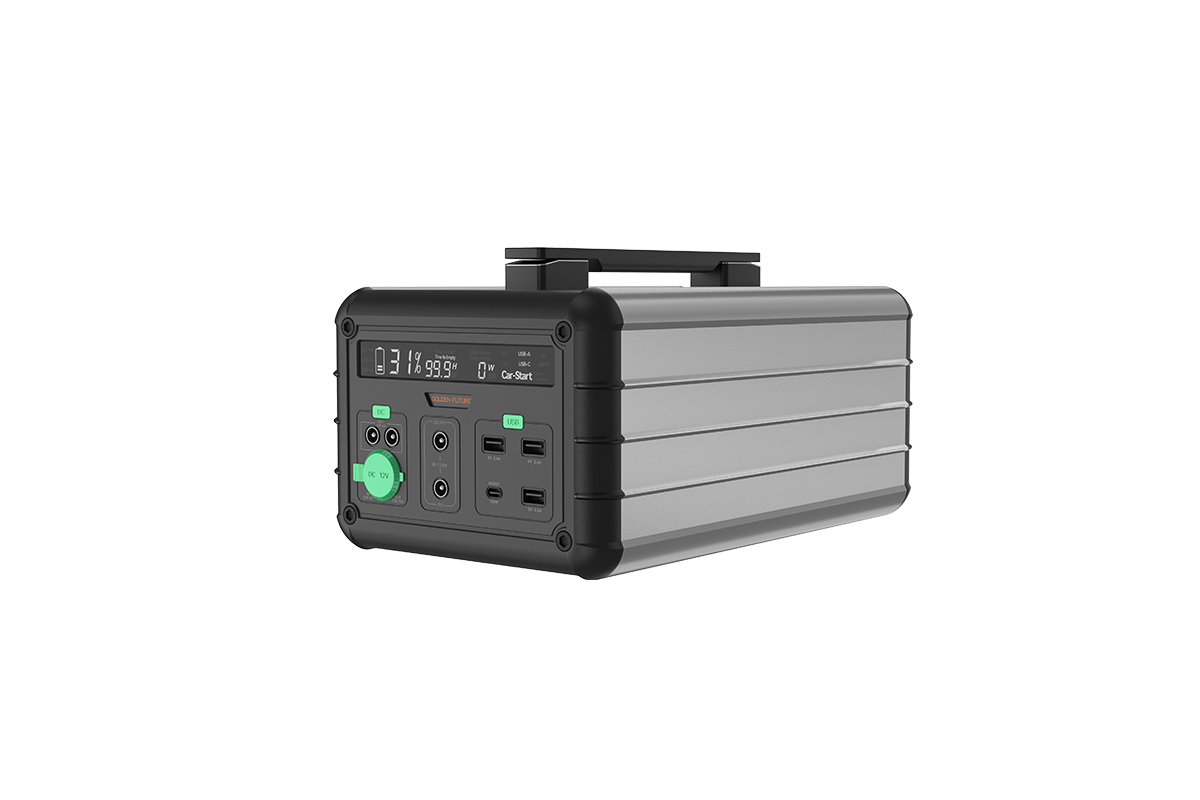
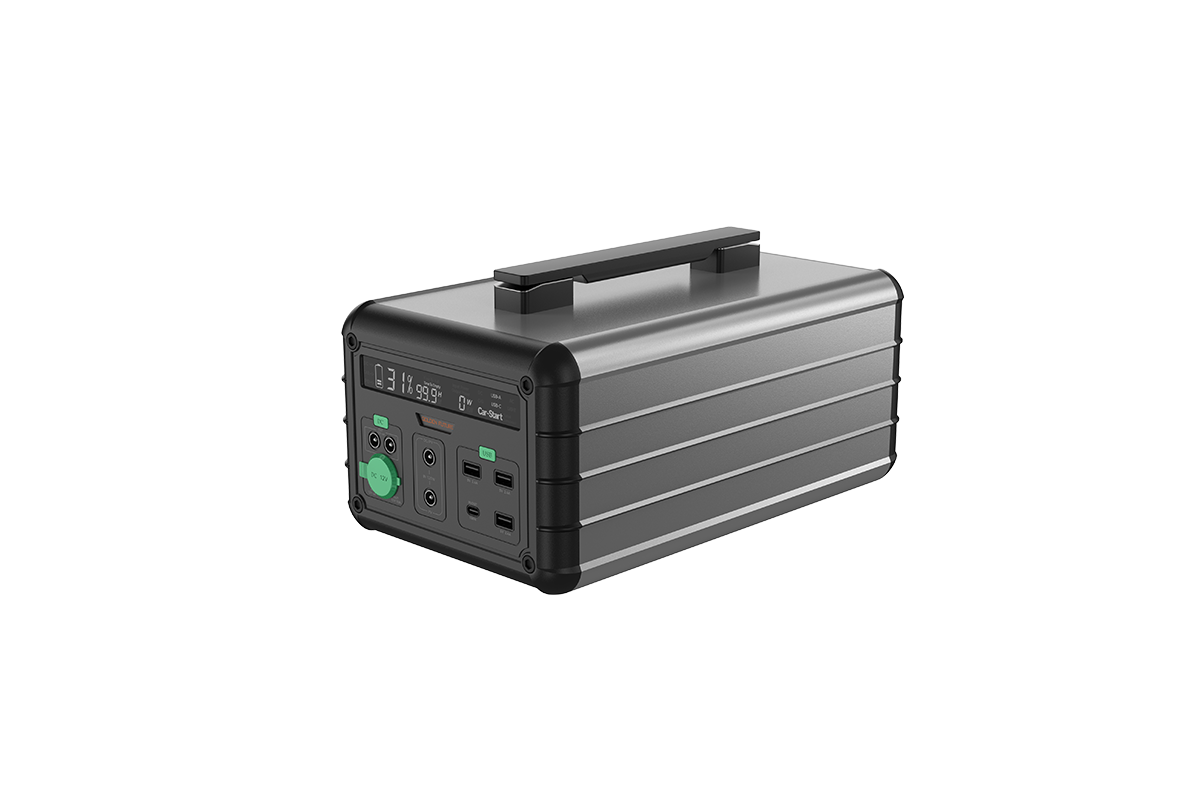
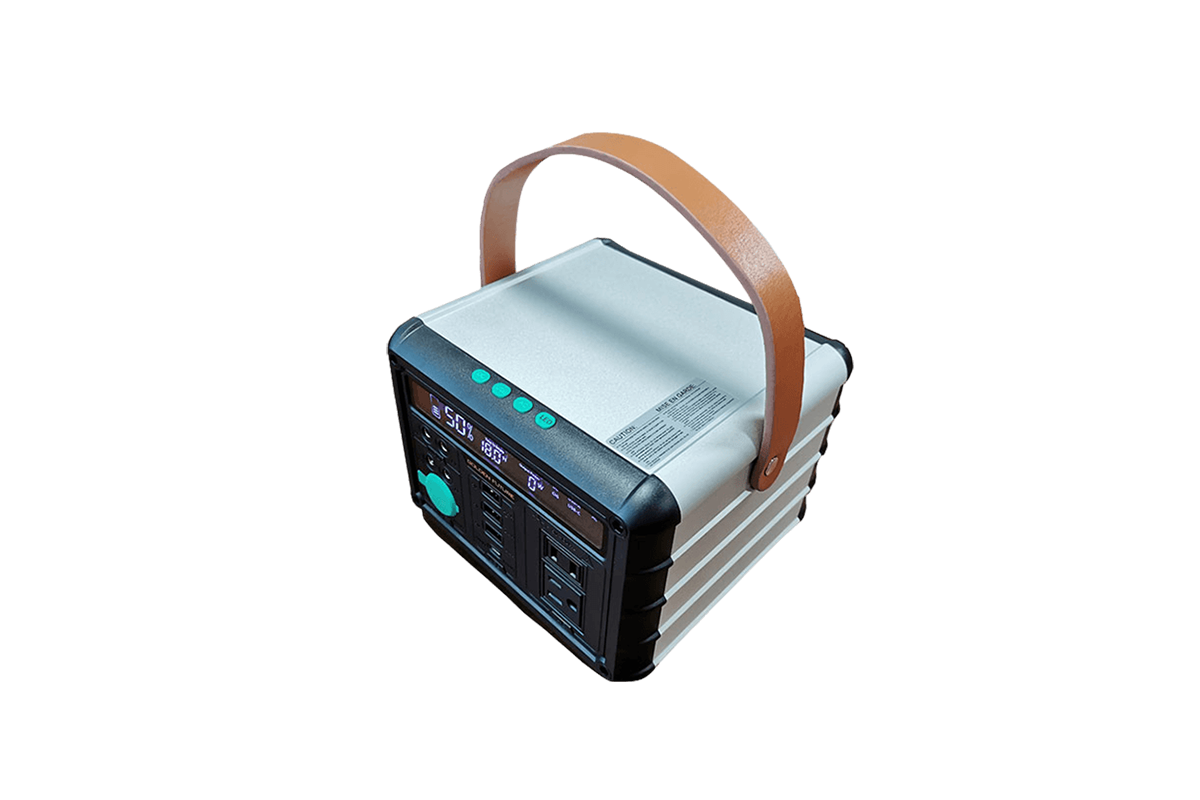
A solid-state battery home energy storage system is an advanced energy storage solution that replaces the liquid or gel polymer electrolytes in traditional lithium-ion batteries with solid electrolytes, revolutionizing the safety, efficiency, and durability of home energy storage. Unlike conventional batteries that rely on liquid electrolytes which pose risks of leakage, flammability, and thermal runaway, solid-state batteries use solid electrolytes—typically made of ceramics, sulfides, or solid polymers—to conduct ions between the anode and cathode. This fundamental structural difference not only eliminates the risk of electrolyte leakage but also significantly enhances thermal stability, allowing the system to operate safely in a wide range of temperatures, from -50°C to 125°C, making it adaptable to diverse climatic conditions in residential settings worldwide. The core components of the system include solid-state battery modules, a battery management system (BMS), an inverter, and a monitoring interface, working together to store excess energy generated from renewable sources like rooftop solar panels and supply stable power to households during grid outages or peak demand periods.
One of the most prominent advantages of solid-state battery home energy storage systems is their superior energy density and long cycle life. Bulk-type solid-state batteries typically offer an energy density of 250–500 Wh/kg, while thin-film types can reach 300–900 Wh/kg, far higher than traditional lithium-ion batteries. This high energy density means that the system can store more energy in a smaller volume, making it ideal for homes with limited installation space, such as urban apartments or small villas. Additionally, solid-state batteries boast an exceptional cycle durability of 10,000 to 100,000 cycles, which translates to a service life of 20 to 30 years when used in typical home scenarios—far longer than the 5 to 15 years of conventional lithium-ion storage systems. The low self-discharge rate, ranging from 6% to 8% per month at 85°C, ensures that the stored energy is well-preserved even when the system is not in frequent use, reducing energy waste and improving overall efficiency.
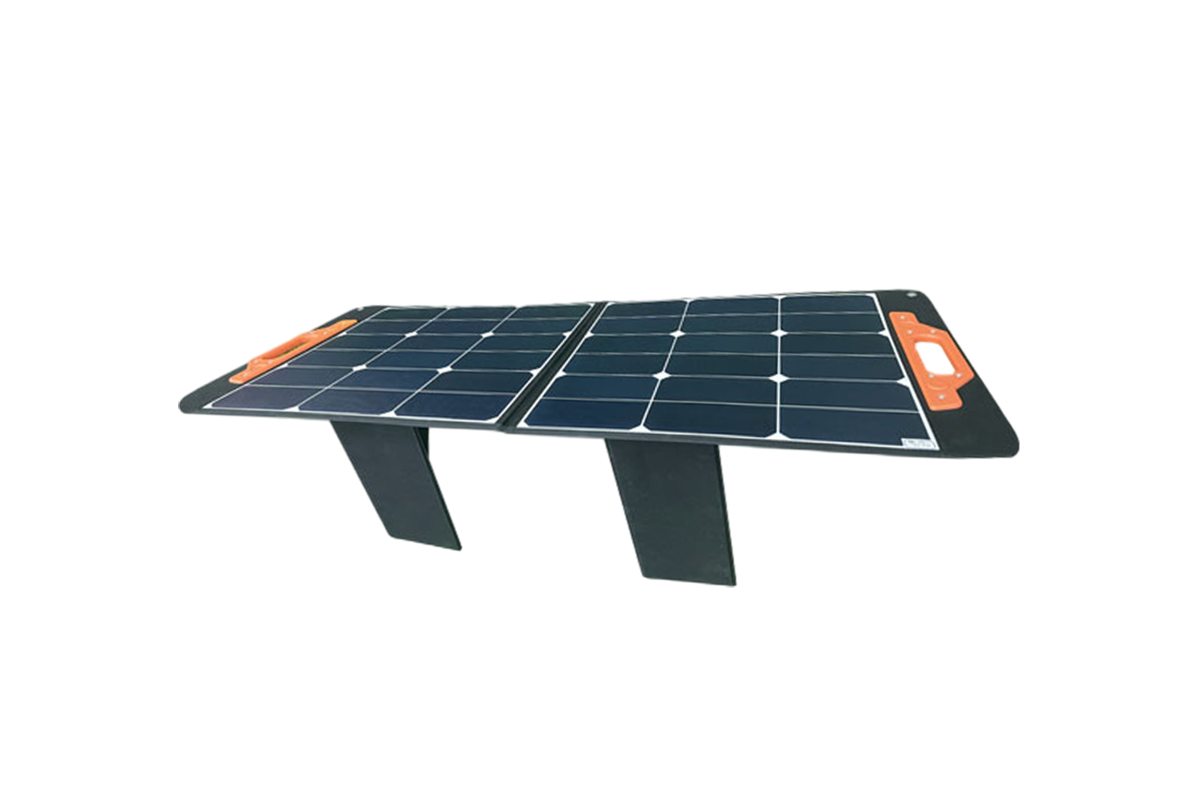
In terms of practical application and development prospects, solid-state battery home energy storage systems are gradually moving towards commercialization, with continuous technological breakthroughs addressing previous challenges such as material costs and scalability. These systems seamlessly integrate with rooftop solar installations, allowing homeowners to maximize the use of renewable energy, reduce reliance on the grid, and lower electricity bills. The enhanced safety features, including resistance to overcharging, short-circuiting, and thermal runaway, make them a reliable choice for residential use, eliminating concerns about fire or explosion risks. As research and development progress, the cost of solid-state batteries is expected to decrease, making this advanced storage solution more accessible to ordinary households. Furthermore, their compatibility with smart home systems enables real-time monitoring and remote control, allowing homeowners to manage energy usage efficiently, optimize storage and discharge cycles, and contribute to a more sustainable and energy-independent lifestyle.




 59911926@qq.com/sales@goldenfuturehk.com
 13316809242 / 15816897019
 Inquiry
 Home >