







Time:2026-03-10 Views:1
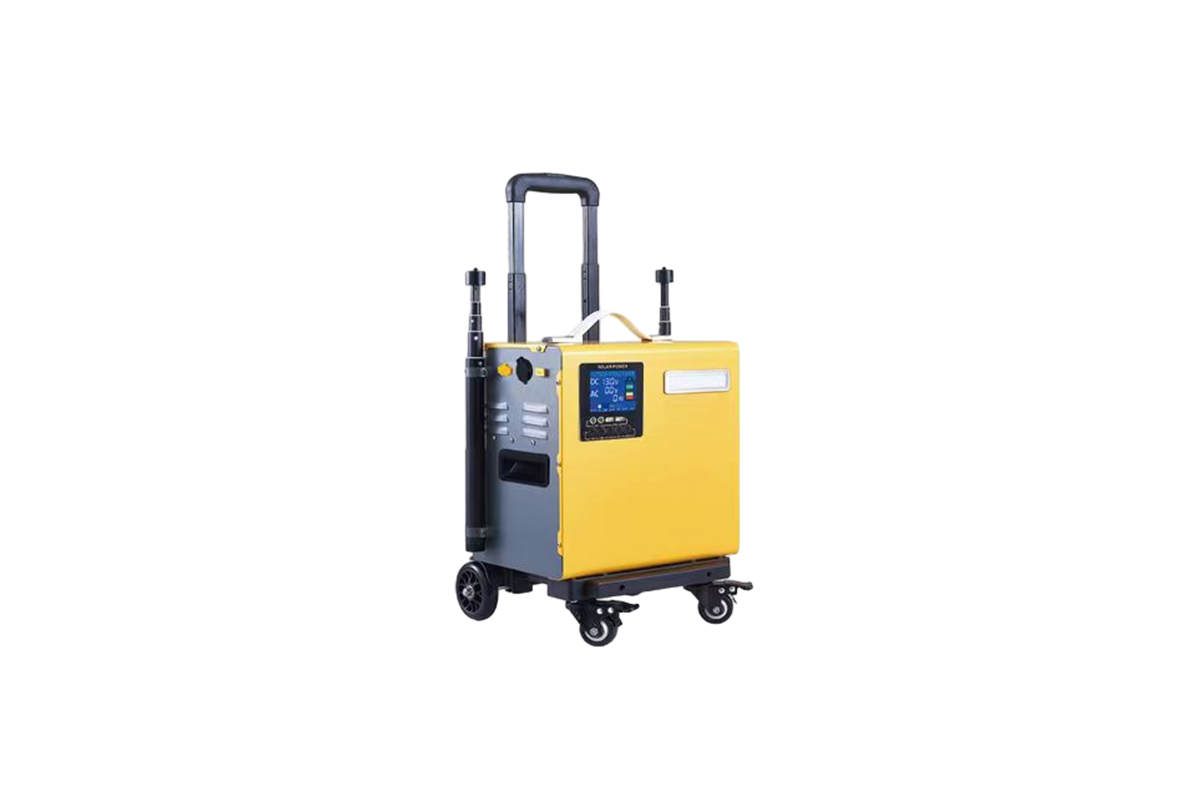
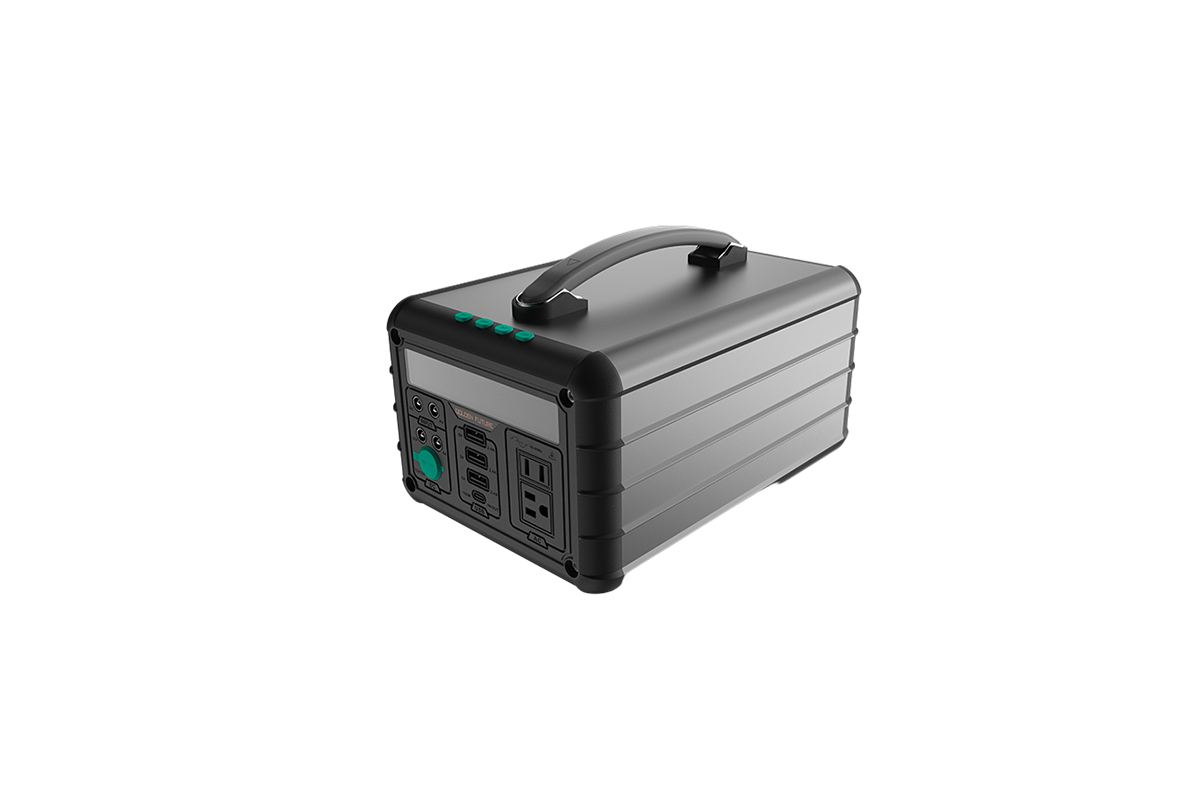
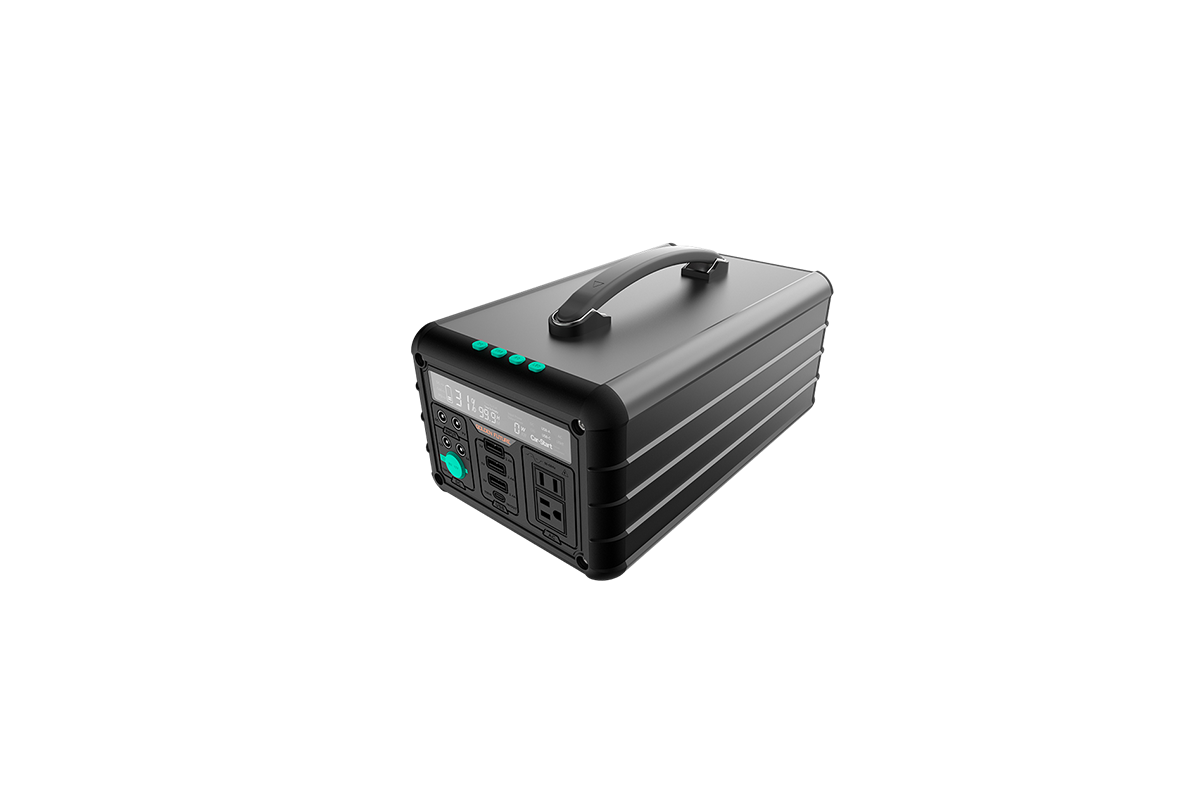
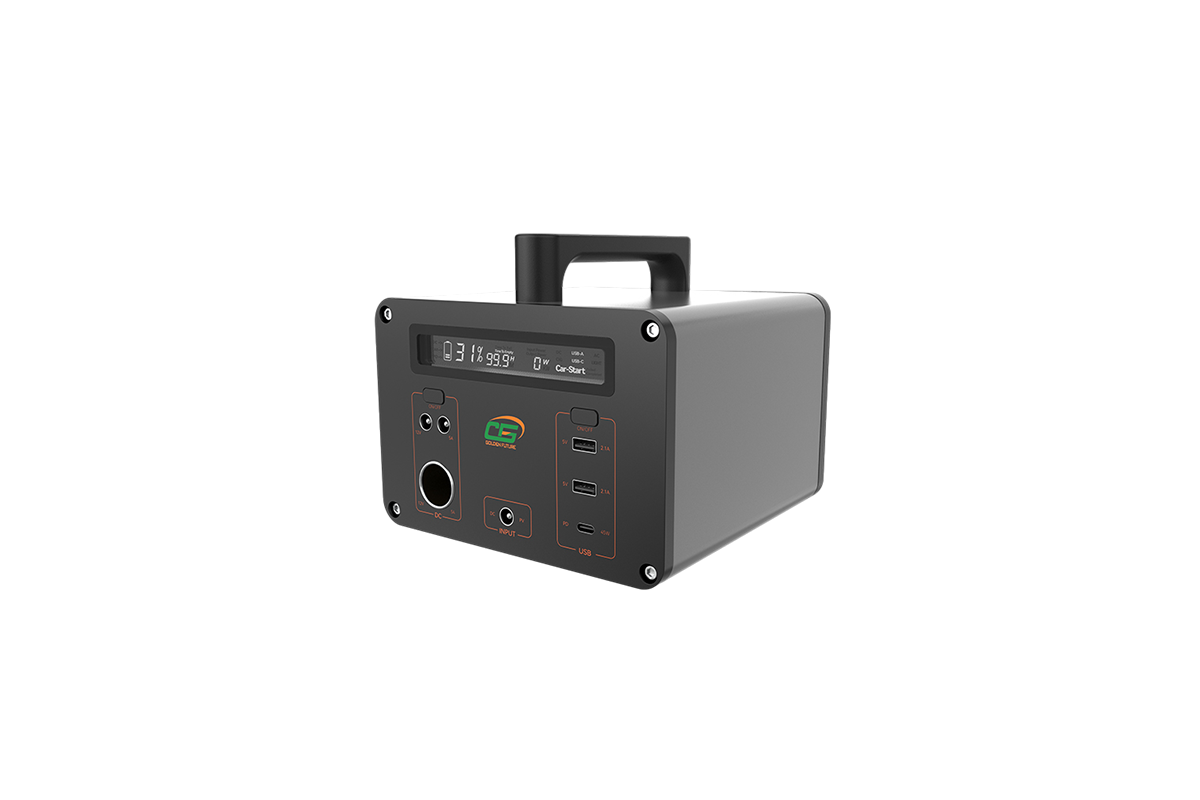
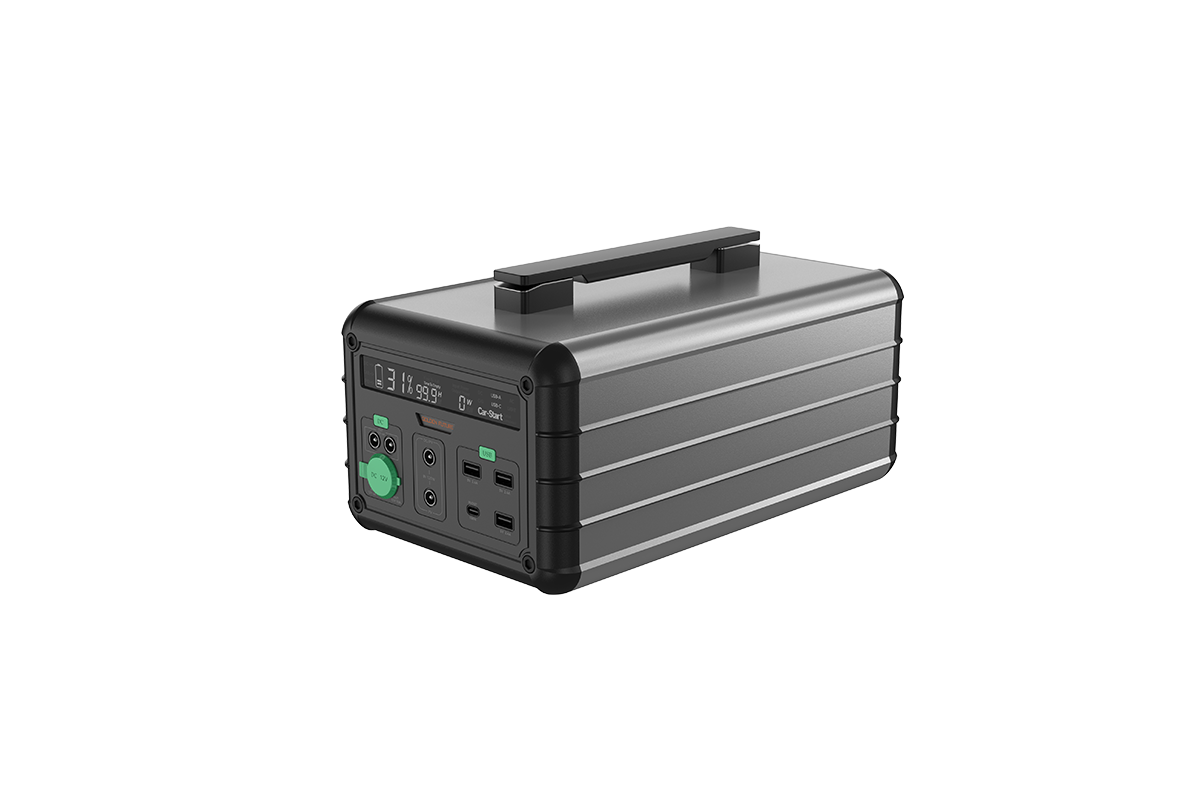
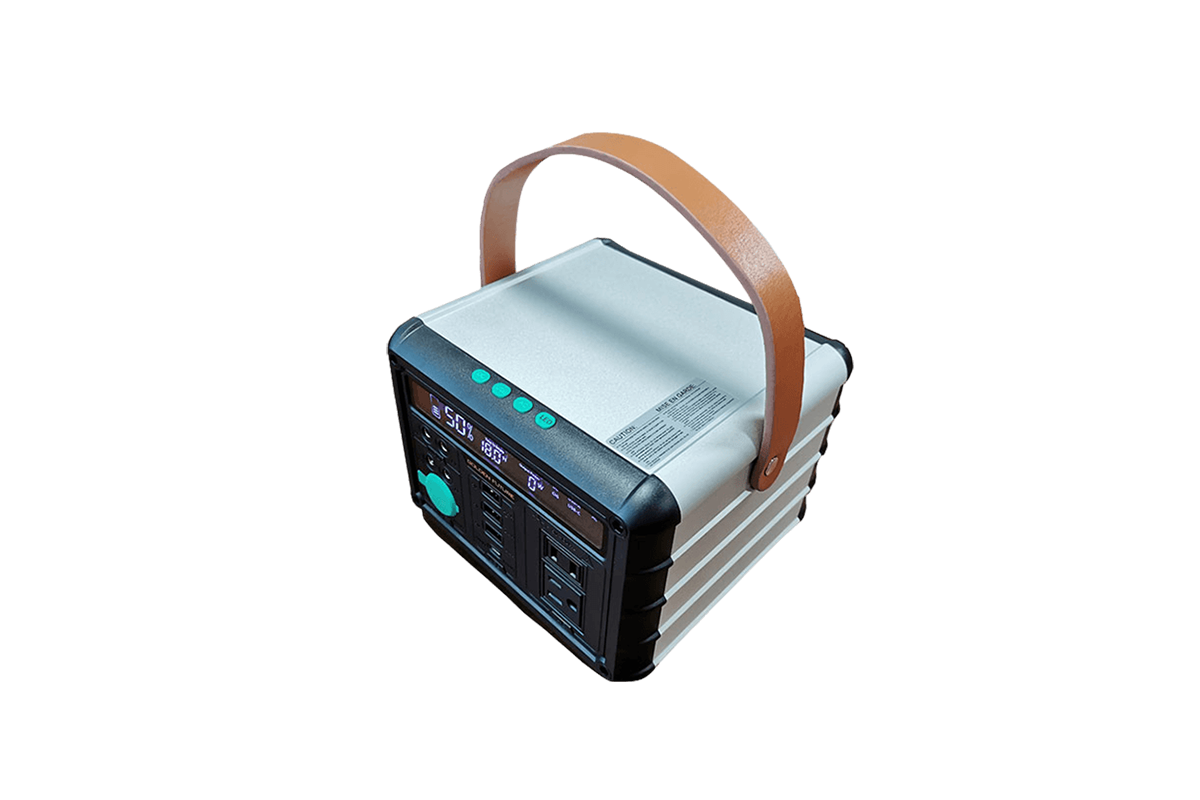
Driven by the diversified demands of outdoor operations, emergency power backup, and mobile office, portable energy storage power supplies have evolved from "niche outdoor equipment" to "essential energy terminals". The iterative breakthrough of fast charging technology is completely rewriting the industry's pain points of "slow charging and low efficiency" — in 2026, the fast charging technology system centered on highly integrated SOC chips, automotive-grade battery cells, and intelligent thermal management has enabled portable energy storage power supplies to achieve a dual leap in "ultra-fast energy replenishment" and "long-term durability", providing professional-grade energy solutions for both industrial portable scenarios and civilian outdoor needs.
The core logic of fast charging for portable energy storage lies in maximizing the reduction of charging time within safe thresholds by optimizing "power transmission efficiency" and "charge-discharge characteristics of battery cells". Unlike traditional mobile power supplies, professional-grade portable energy storage power supplies need to balance "high-power input" and "simultaneous fast charging output for multiple devices", and their technical implementation relies on the collaborative innovation of three core modules.
At the battery cell level, the technical maturity of lithium iron phosphate (LFP) and lithium manganese iron phosphate (LMFP) has laid the foundation for fast charging. Automotive-grade LFP battery cells have become the preferred choice for medium and high-power models due to their advantage of over 70% capacity retention after 4000 charge-discharge cycles; LMFP, through doping modification, not only improves energy density but also further optimizes lithium-ion diffusion rate, adapting to higher-rate fast charging scenarios. In 2026, the popularization of the lamination process has reduced the internal impedance of battery cells by more than 20%. Combined with molecularly designed "cocktail electrolytes", it not only suppresses lithium dendrite growth during fast charging but also enhances interfacial reaction kinetics, enabling stable charge-discharge at 5C rate. Furthermore, research has shortened the lithium-ion transmission distance by half through the design of porous current collectors, quadrupling the rate performance of fast charging and perfectly solving the industry contradiction between "high-rate fast charging and high energy density".
The highly integrated innovation of circuit architecture is the key to the implementation of fast charging. Traditional step-up/step-down circuits built with discrete devices have the problems of large size and low efficiency, while the new generation of single-chip SOC solutions (such as IP2366 and IP2369) have completely reconstructed the circuit design. Taking IP2366 as an example, it integrates fast charging protocols, synchronous step-up/step-down conversion, and battery management functions in a 5×5mm package, supporting 140W bidirectional fast charging under the PD3.1 protocol with an efficiency of up to 96%. This "single-inductor step-up/step-down" architecture enables the external circuit to achieve seamless voltage switching with only one inductor, reducing the board layout area by more than 30%. At the same time, it optimizes thermal design and avoids EMI problems caused by improper selection of external MOSFETs. To meet the demand for simultaneous power supply to multiple devices, "Power Sharing" technology has replaced traditional unidirectional step-down circuits, which can intelligently allocate power according to device priority and realize efficient energy scheduling during "pass-through charging".
Protocol compatibility and safety control constitute the "moat" of fast charging technology. High-end portable energy storage power supplies are equipped with multi-protocol recognition chips, fully compatible with mainstream fast charging standards such as PD3.1, QC3.0, FCP, and AFC. Through the DRP role switching function, they automatically identify the charging needs of devices and negotiate the optimal solution. In terms of safety, "AI variable-speed charging" and full-dimensional protection mechanisms have become standard configurations: technologies such as ChargeShield 2.0 can finely adjust charging power according to battery cell temperature and voltage status, realizing a balance between speed and lifespan through trickle charging, high-power fast charging, and stepped slow charging; meanwhile, 62 protection mechanisms cover all scenarios such as overvoltage, overcurrent, overtemperature, and short circuit. Combined with NTC real-time temperature control and battery cell balancing circuits, the safety of the fast charging process is ensured.
From the perspective of application scenarios, the breakthrough of fast charging technology has continuously expanded the boundaries of portable energy storage power supplies. In the industrial field, in scenarios such as power maintenance and outdoor surveying, engineers can charge the power supply from 20% to 80% in 18 minutes through 140W bidirectional fast charging, while providing continuous power supply for laptops, total stations, and other equipment; in emergency scenarios, during medical rescue and disaster power backup, the ultra-fast energy replenishment capability can ensure the uninterrupted operation of lighting and communication equipment; in civilian scenarios, during self-driving camping and mobile office, PD100W output can quickly charge laptops, and the pass-through charging function meets the simultaneous energy replenishment needs of outdoor cooking and projection viewing.
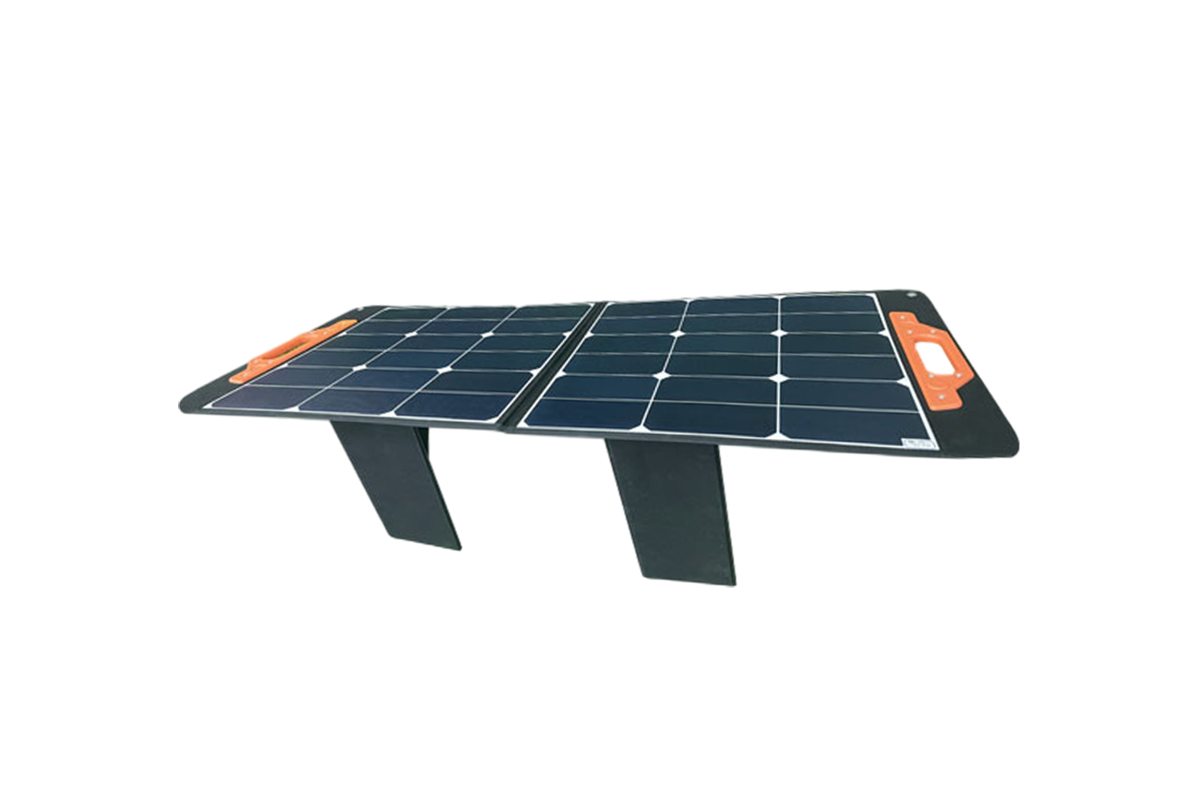
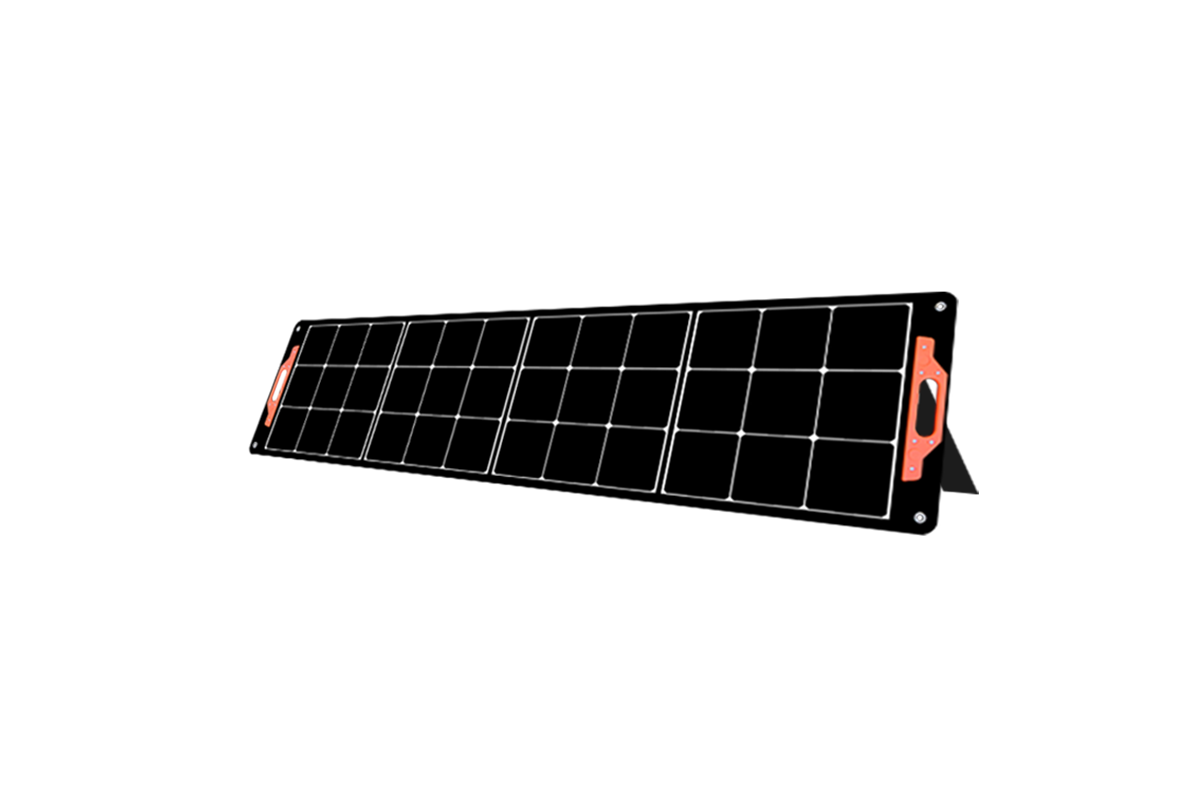
Today, the fast charging technology of portable energy storage power supplies has entered a mature stage of "high integration, high compatibility, and high safety". From the molecular-level optimization of battery cell materials to the integrated design of SOC chips, and then to the precise control of intelligent algorithms, every technological breakthrough is promoting its upgrade from a "backup power supply" to a "mobile energy hub". In the future, with the in-depth integration of fast charging technology with solar charging and energy storage management cloud platforms, portable energy storage power supplies will unleash stronger technical value in fields such as industrial portability, emergency support, and green travel.




 59911926@qq.com/sales@goldenfuturehk.com
 13316809242 / 15816897019
 Inquiry
 Home >