





Time:2026-03-07 Views:1
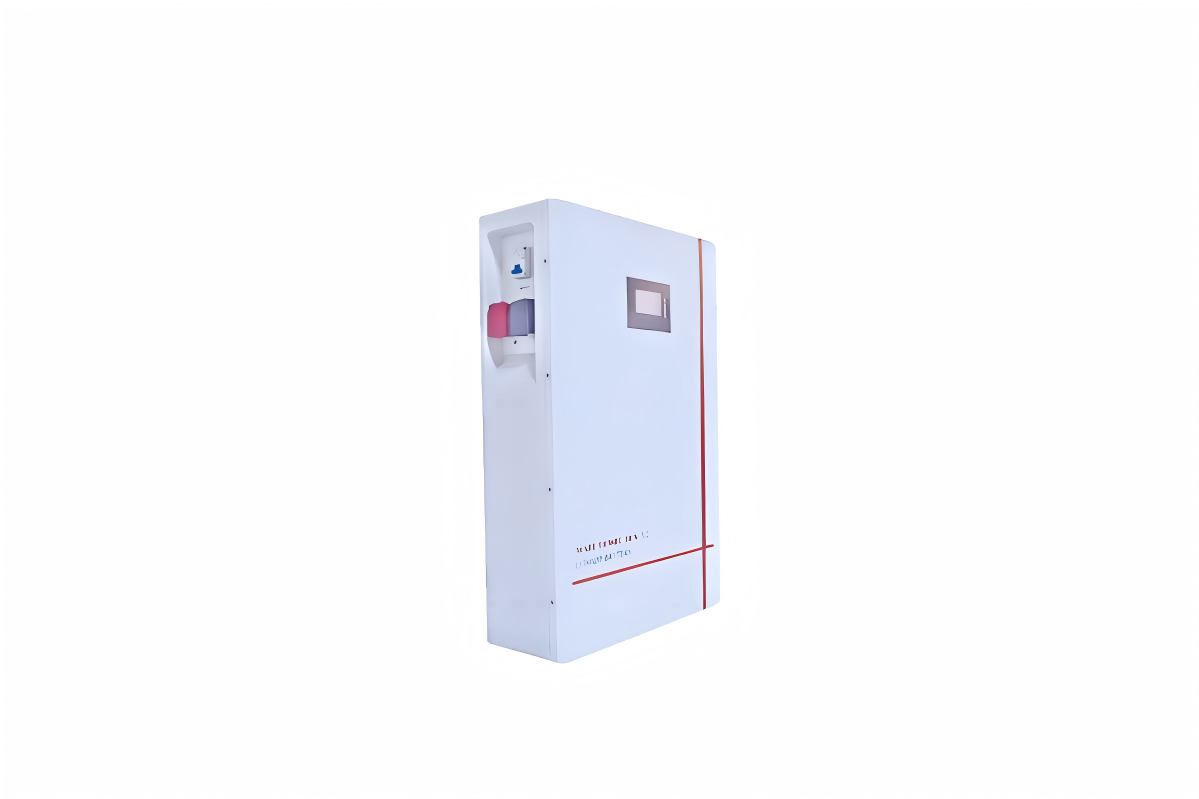
Remote monitoring of wall-mounted energy storage systems has become an essential function with the development of IoT (Internet of Things) technology, enabling users and maintenance personnel to real-time monitor the system's operating status, optimize energy management, and promptly handle faults. The remote monitoring system is mainly composed of three parts: data collection modules, communication modules, and a cloud monitoring platform. The data collection modules are installed in the energy storage system, collecting real-time data such as battery SOC, SOH, voltage, current, temperature, and PCS operating status. These data are crucial for evaluating the system's performance and safety.
The communication module transmits the collected data to the cloud monitoring platform through wireless communication technologies such as 4G, 5G, or Wi-Fi. This module ensures stable and reliable data transmission, even in remote areas. The cloud monitoring platform is the core of the remote monitoring system, providing a user-friendly interface (usually a web page or a mobile app) for users to view the system's operating data in real time. Users can check the battery's charge and discharge status, energy consumption statistics, and historical data curves, enabling them to formulate reasonable energy usage plans.
In addition to data monitoring, the remote monitoring system also has functions such as fault alarm and remote control. If the system detects abnormal conditions such as overheating, overvoltage, or battery failure, it will immediately send an alarm message to the user's mobile phone or email, allowing users to take timely measures. Maintenance personnel can also remotely access the system to diagnose faults, reducing the need for on-site inspections and improving maintenance efficiency. Some advanced systems also support remote parameter setting, enabling users to adjust the charge and discharge time, power limits, and other parameters according to their needs, optimizing the system's operation efficiency and energy-saving effect. The remote monitoring function not only enhances the user experience but also improves the reliability and service life of the wall-mounted energy storage system.




 59911926@qq.com/sales@goldenfuturehk.com
 13316809242 / 15816897019
 Inquiry
 Home >