





Time:2026-03-10 Views:1
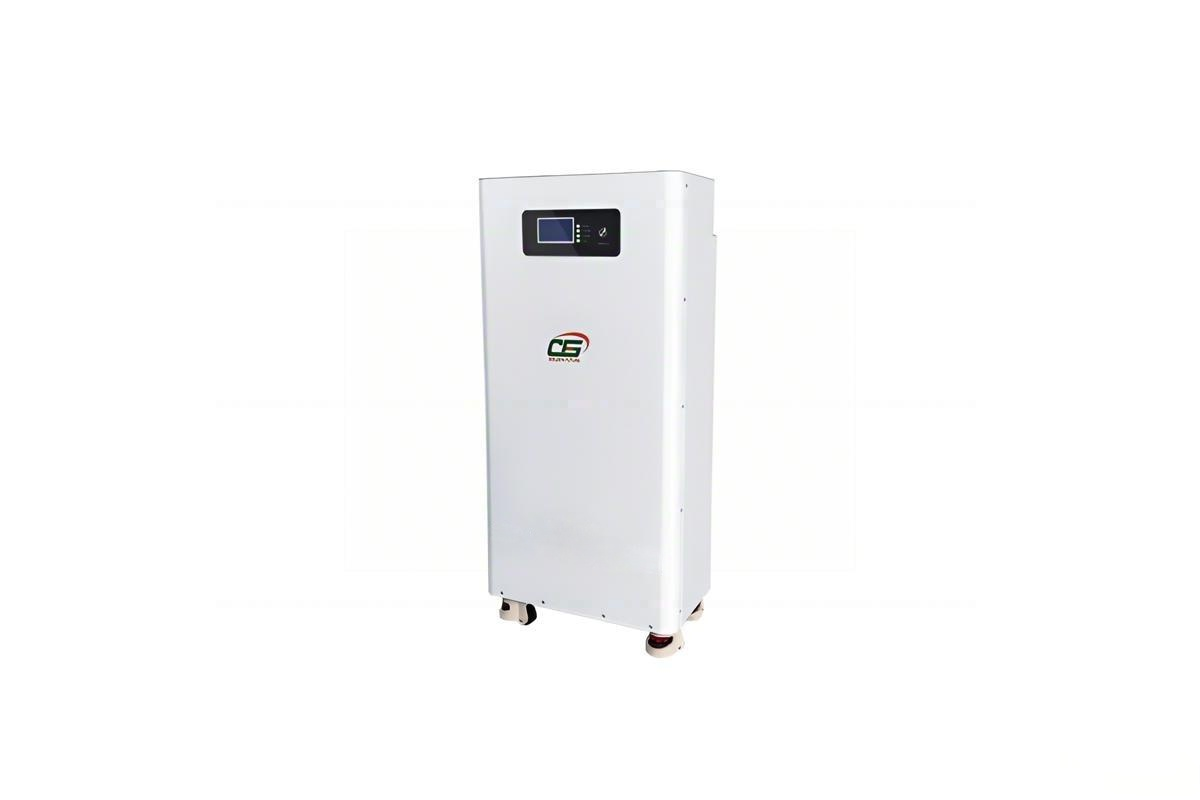
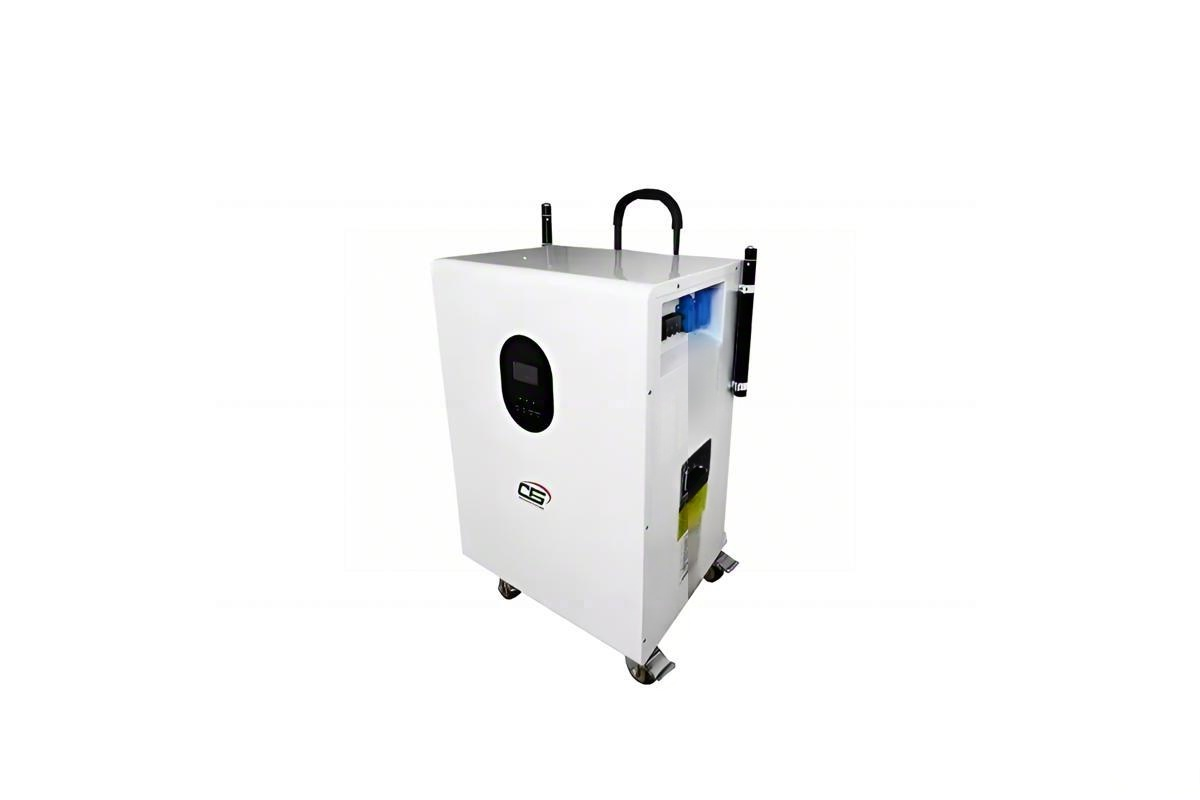
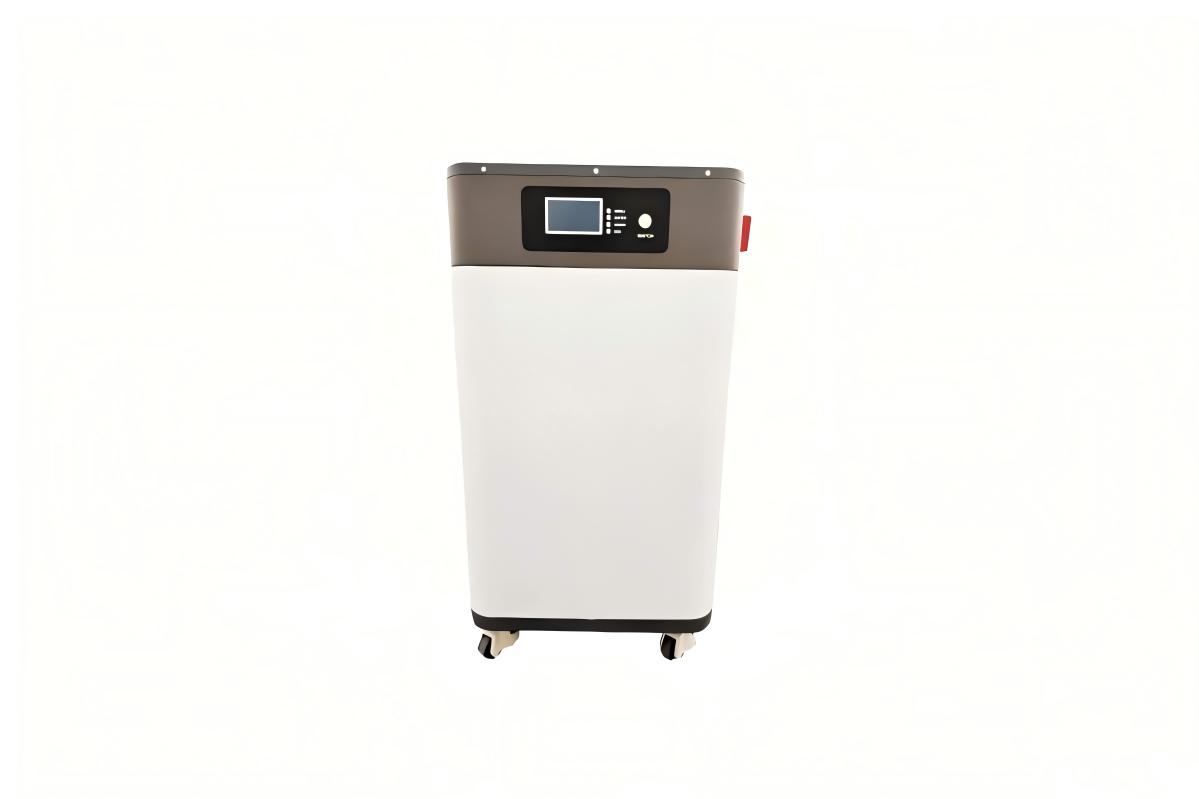
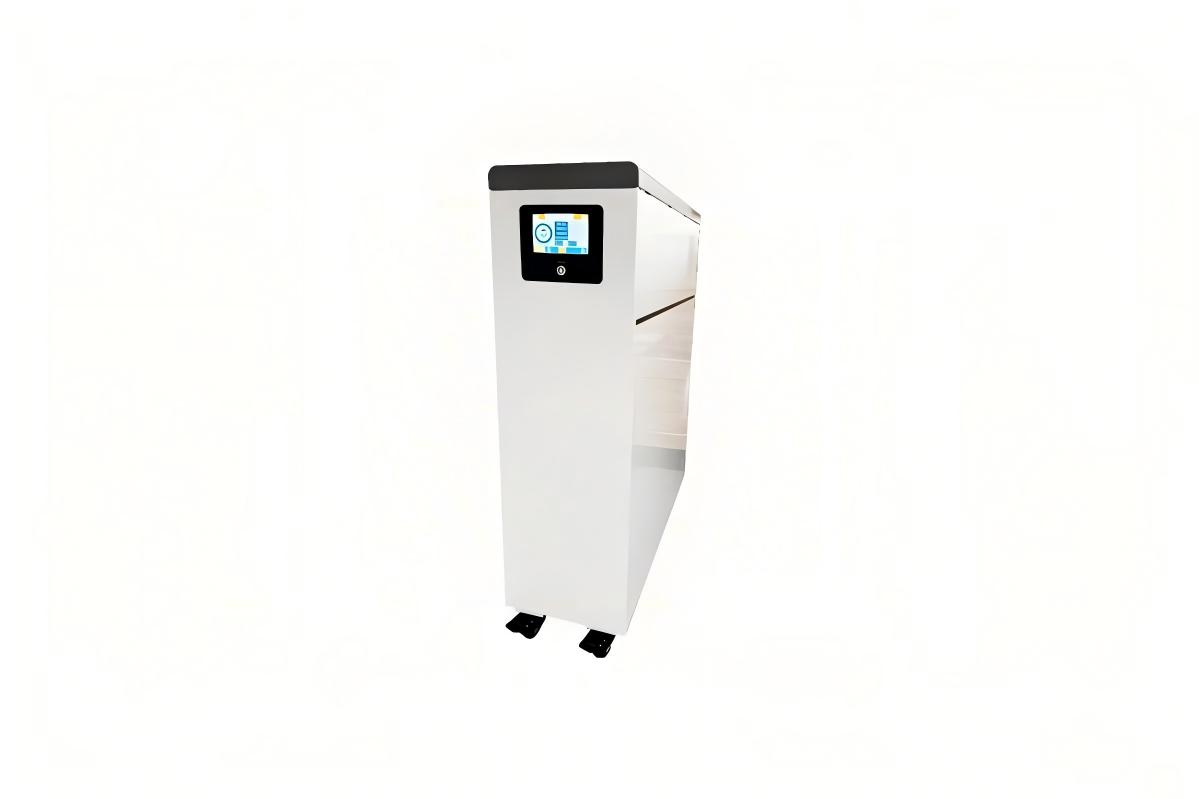
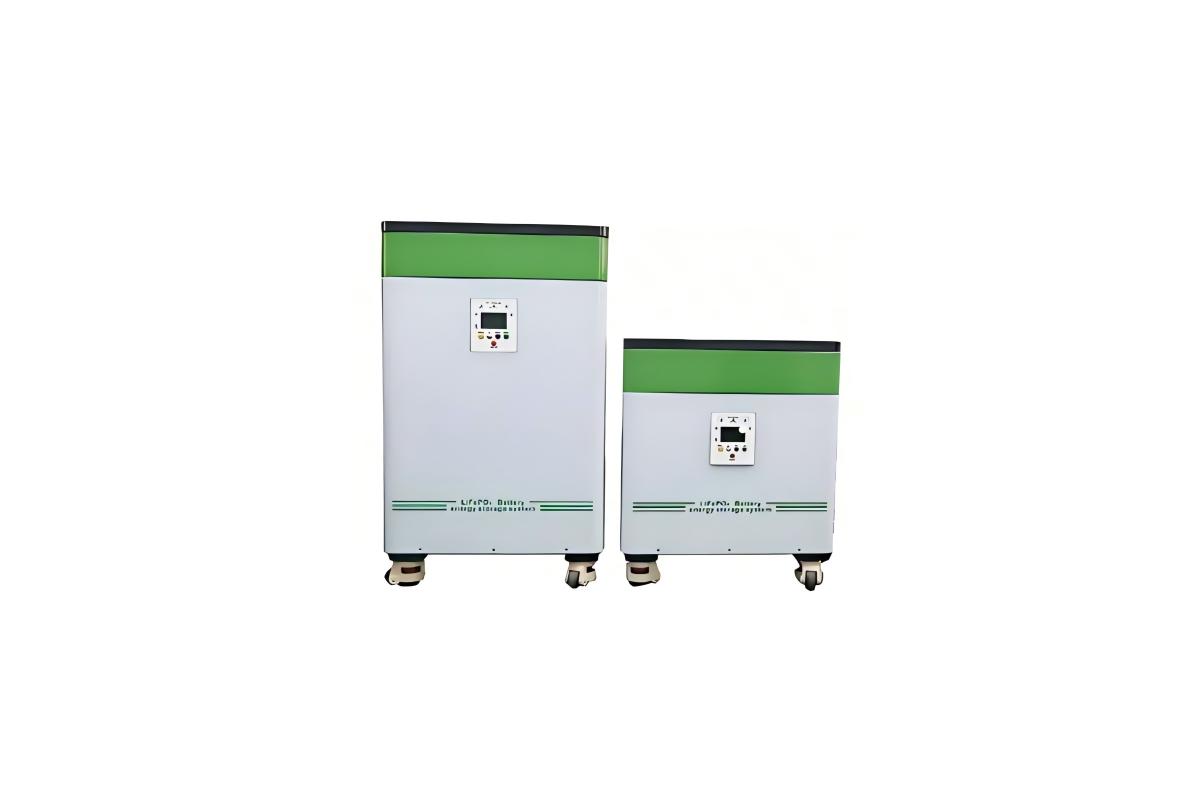
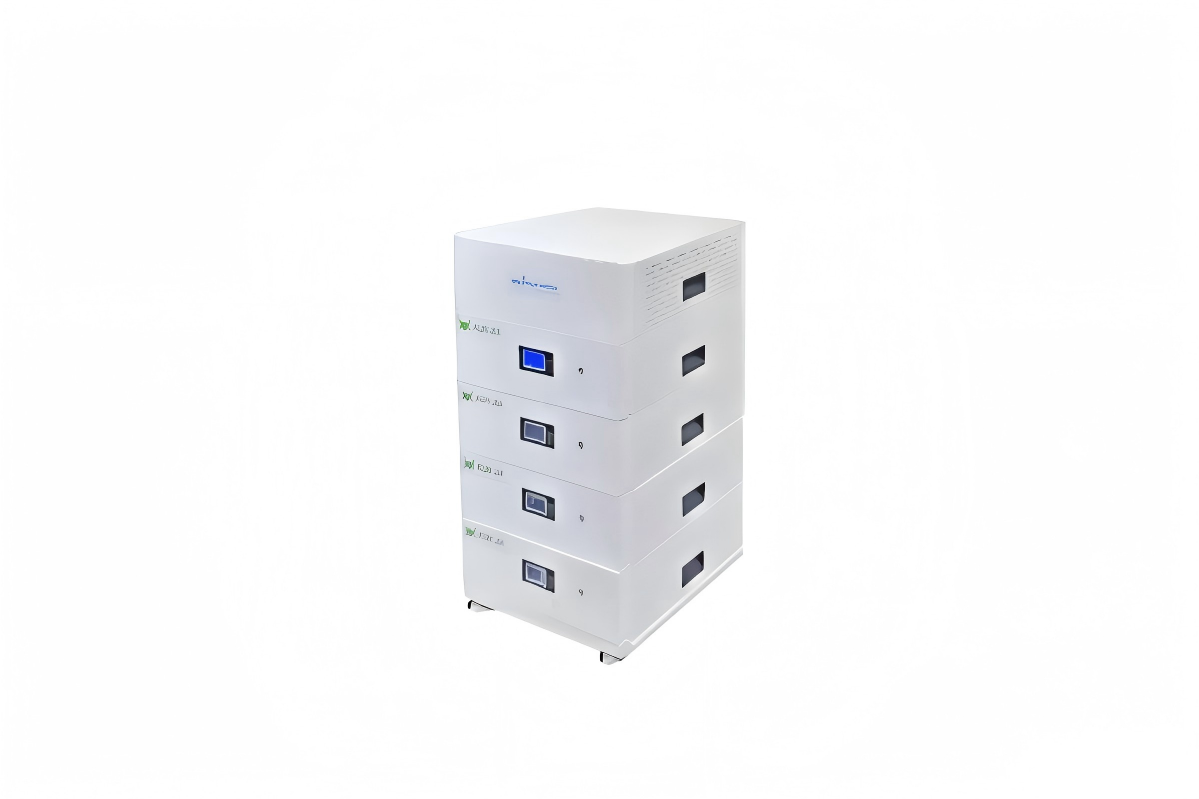
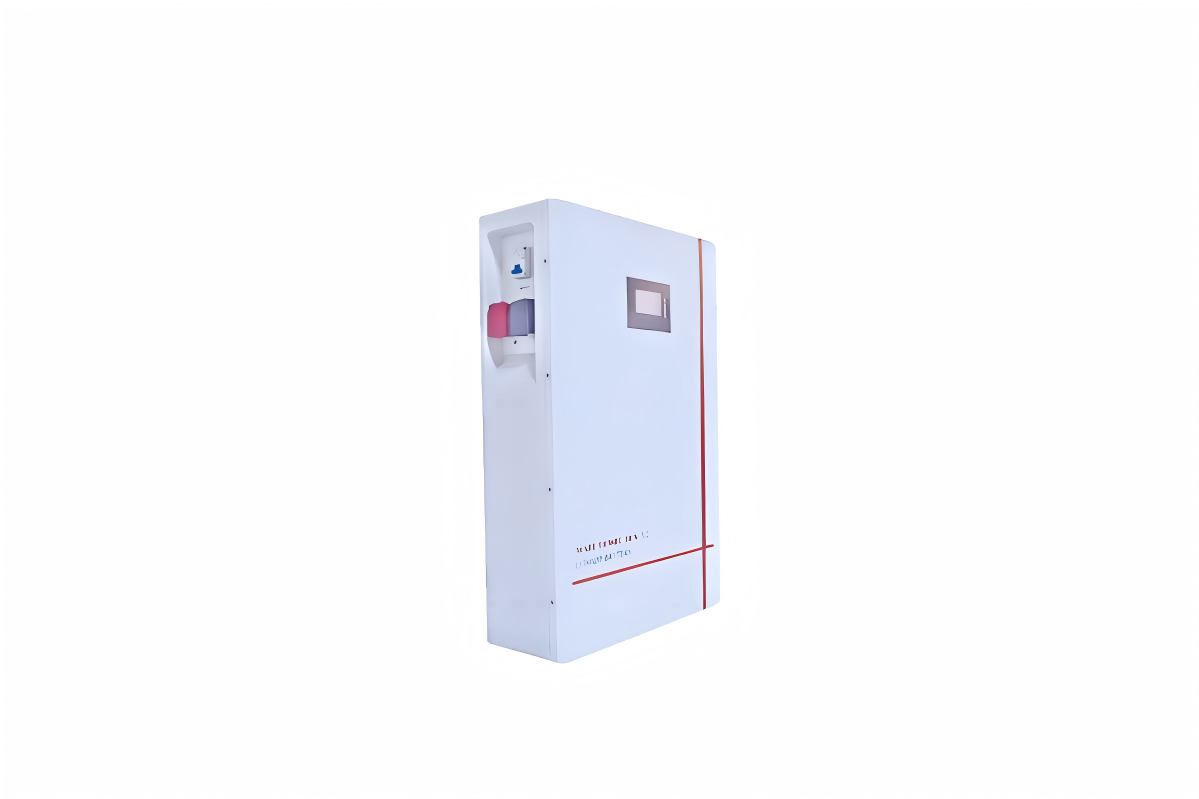
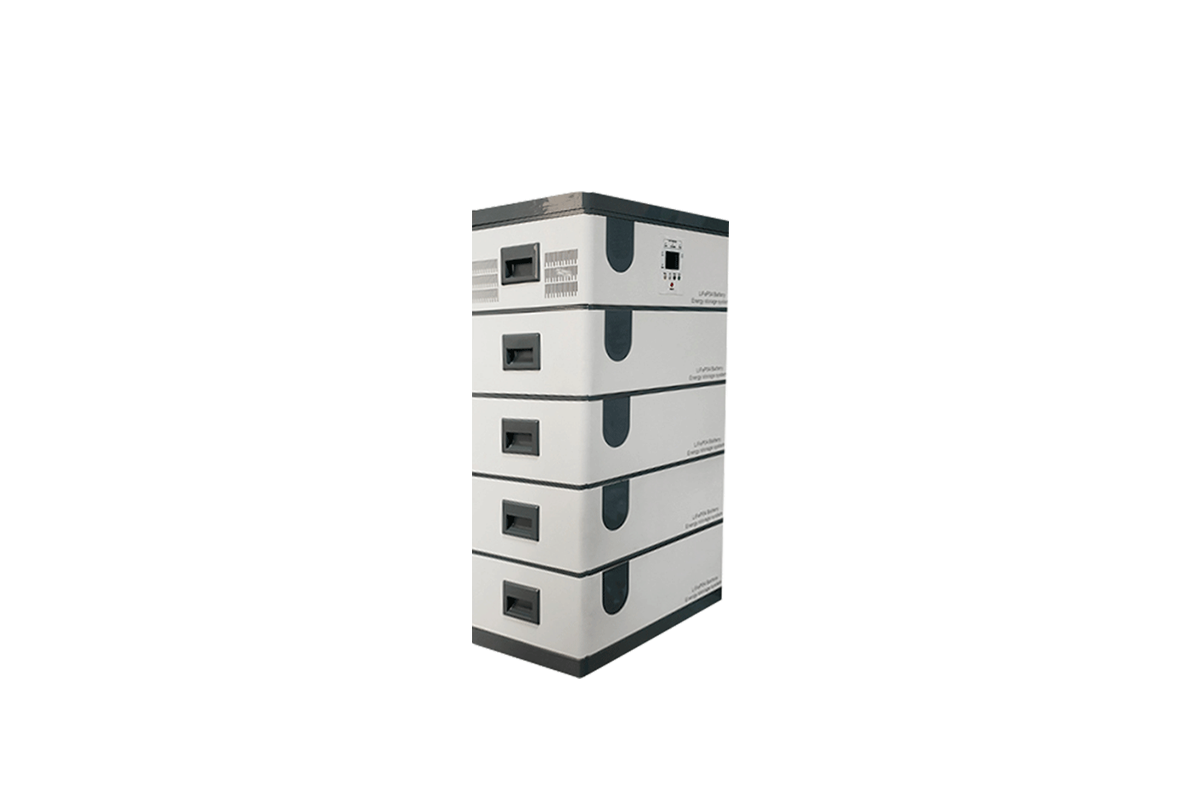
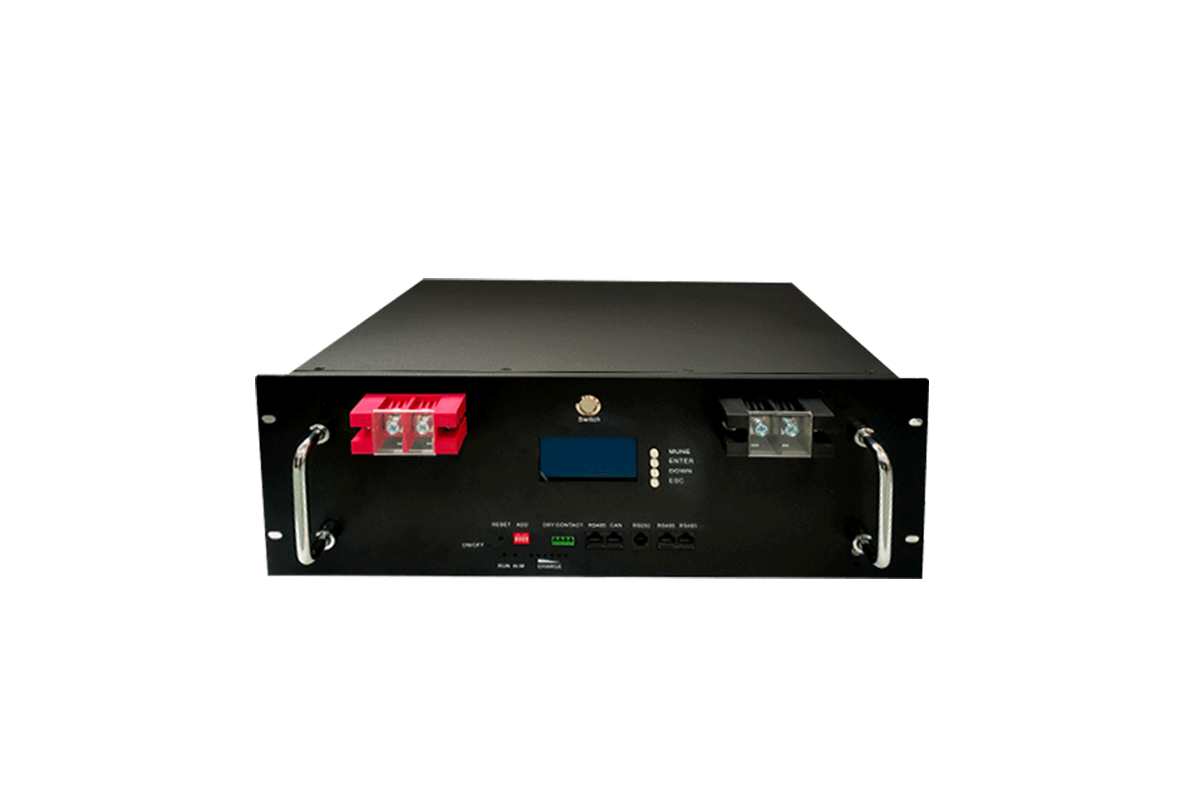
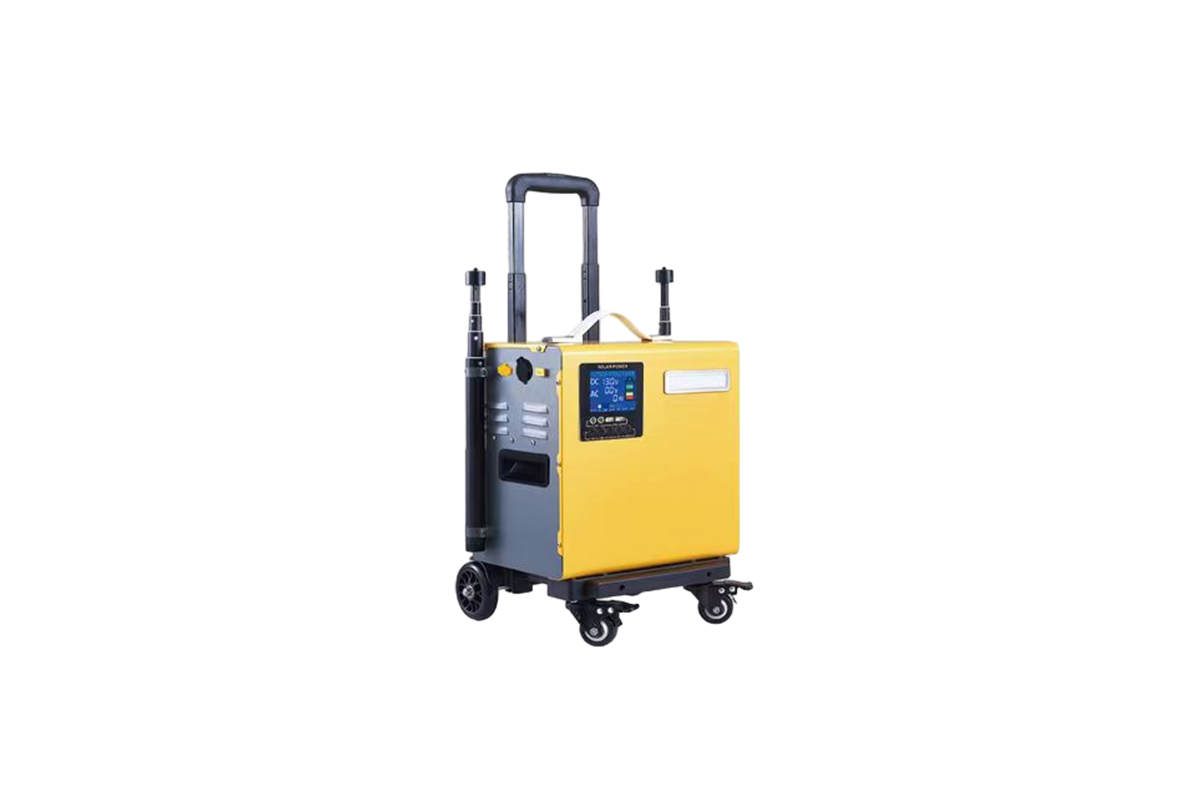
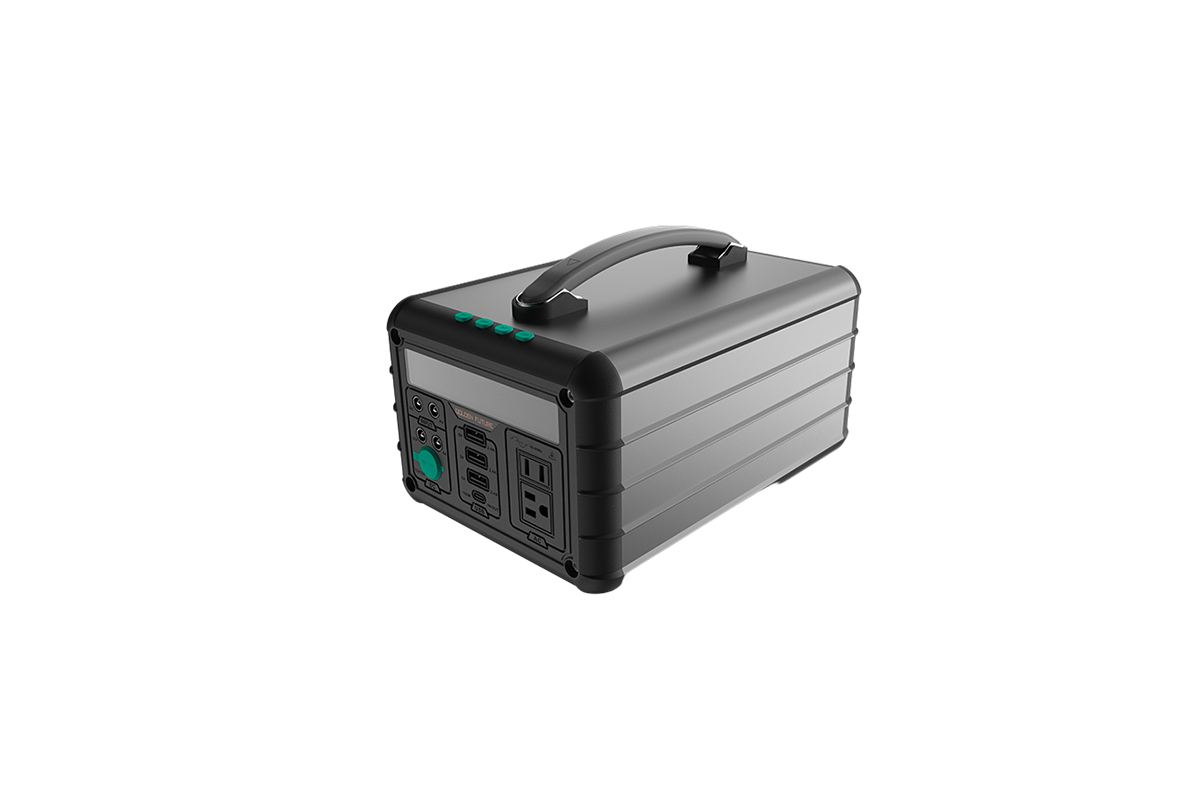
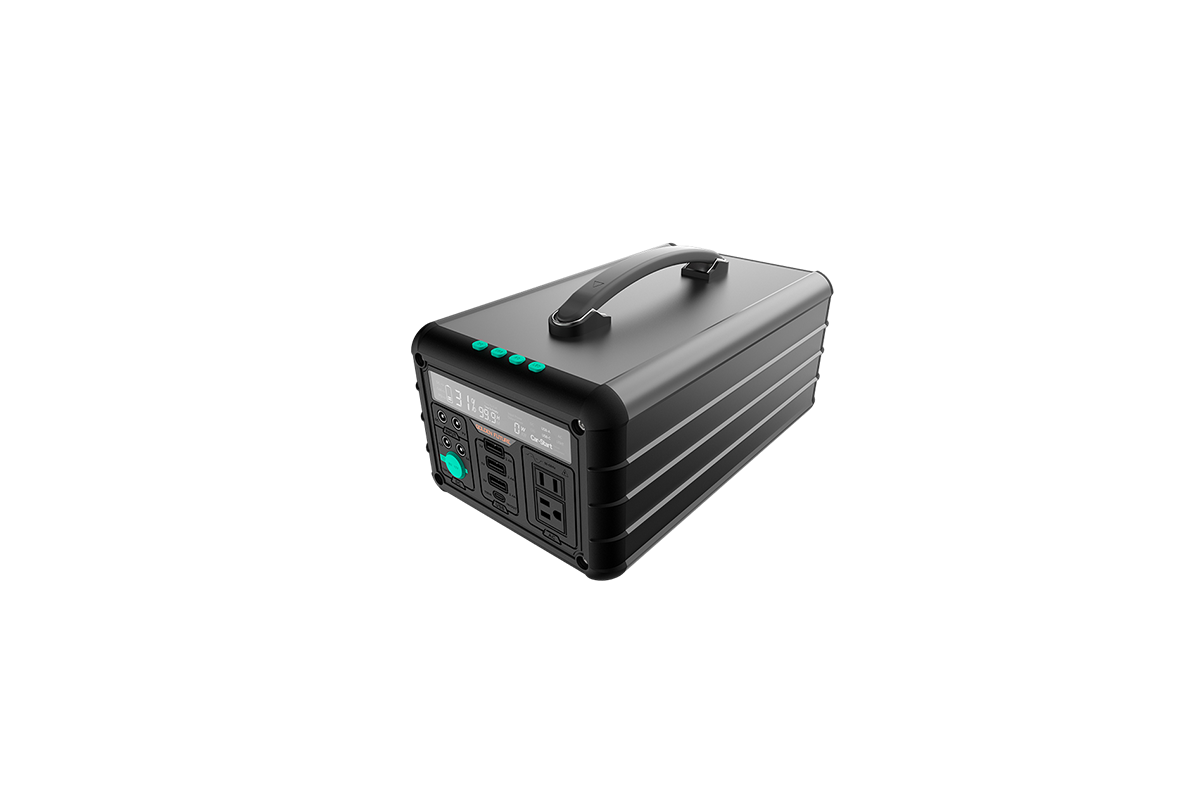
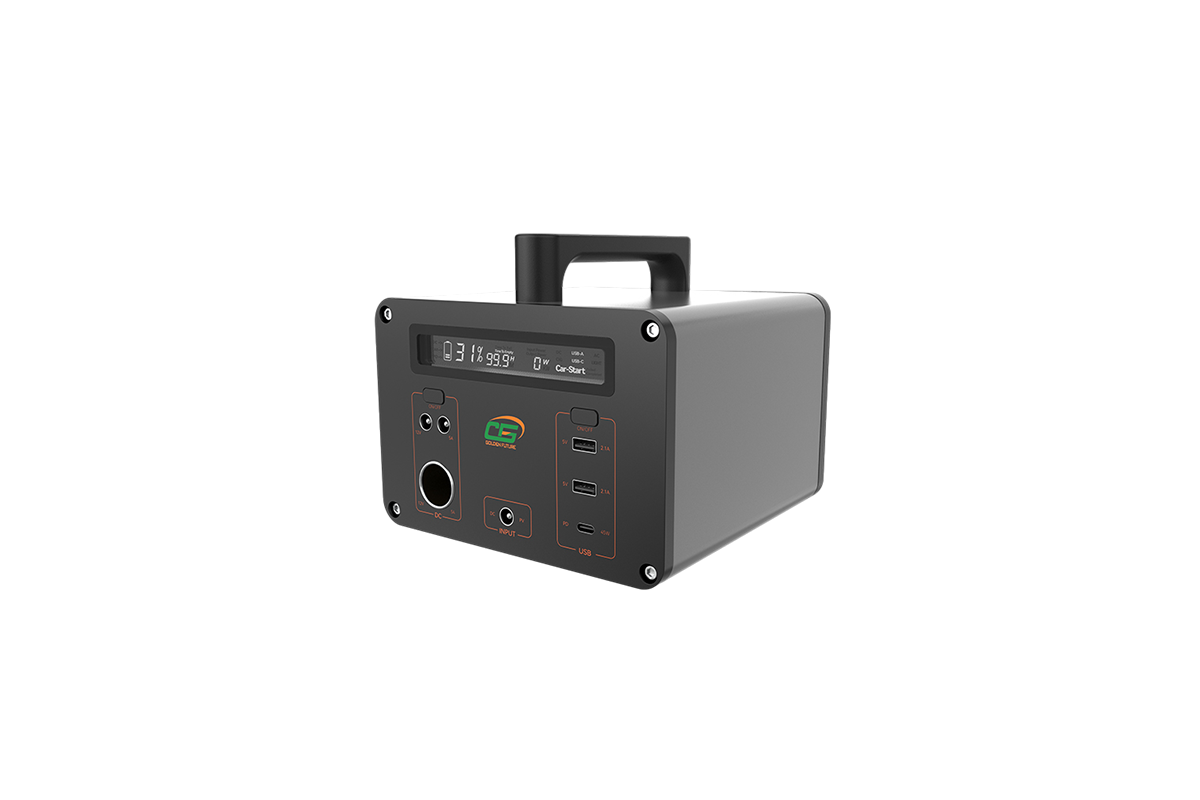
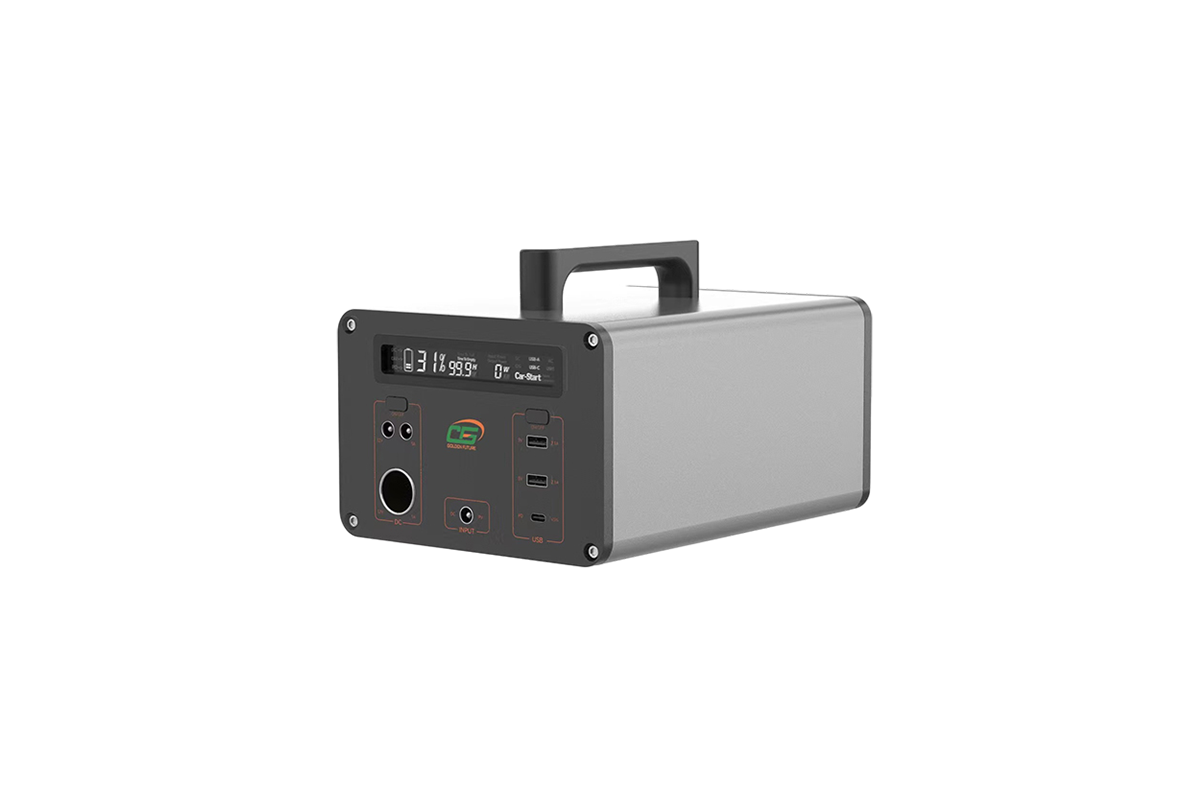
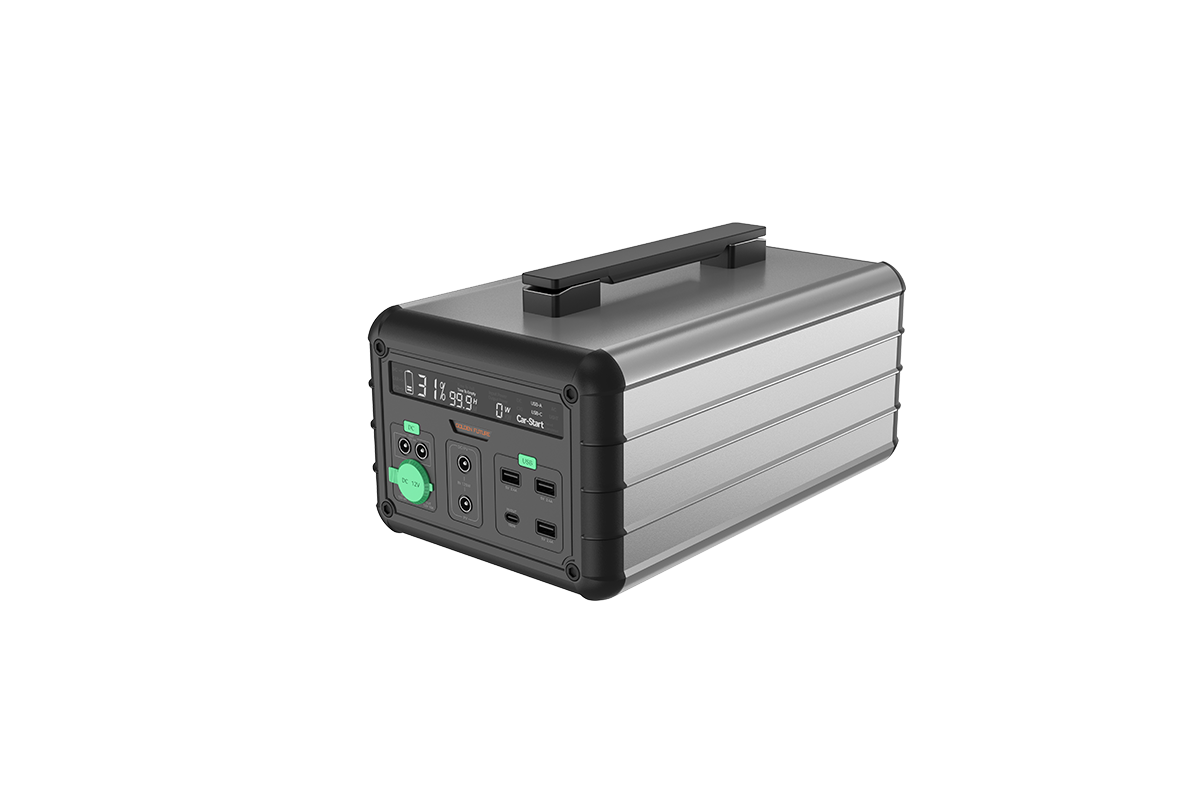
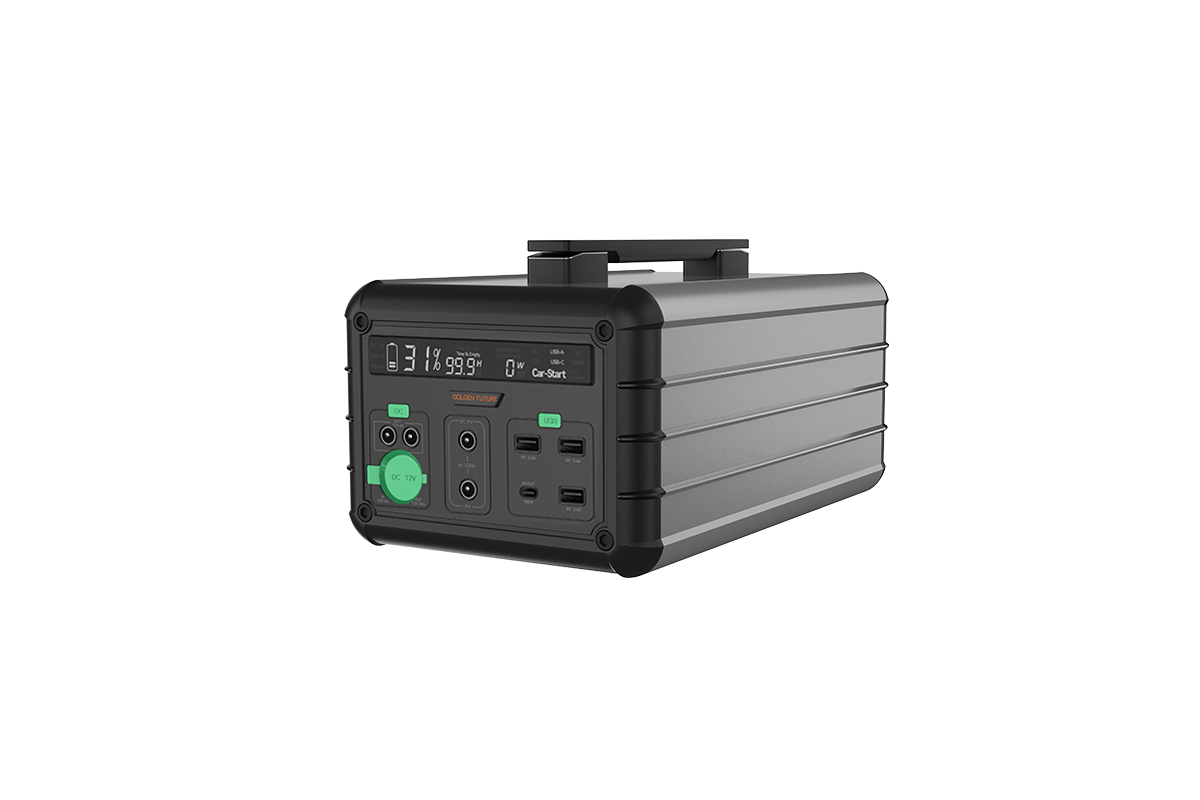
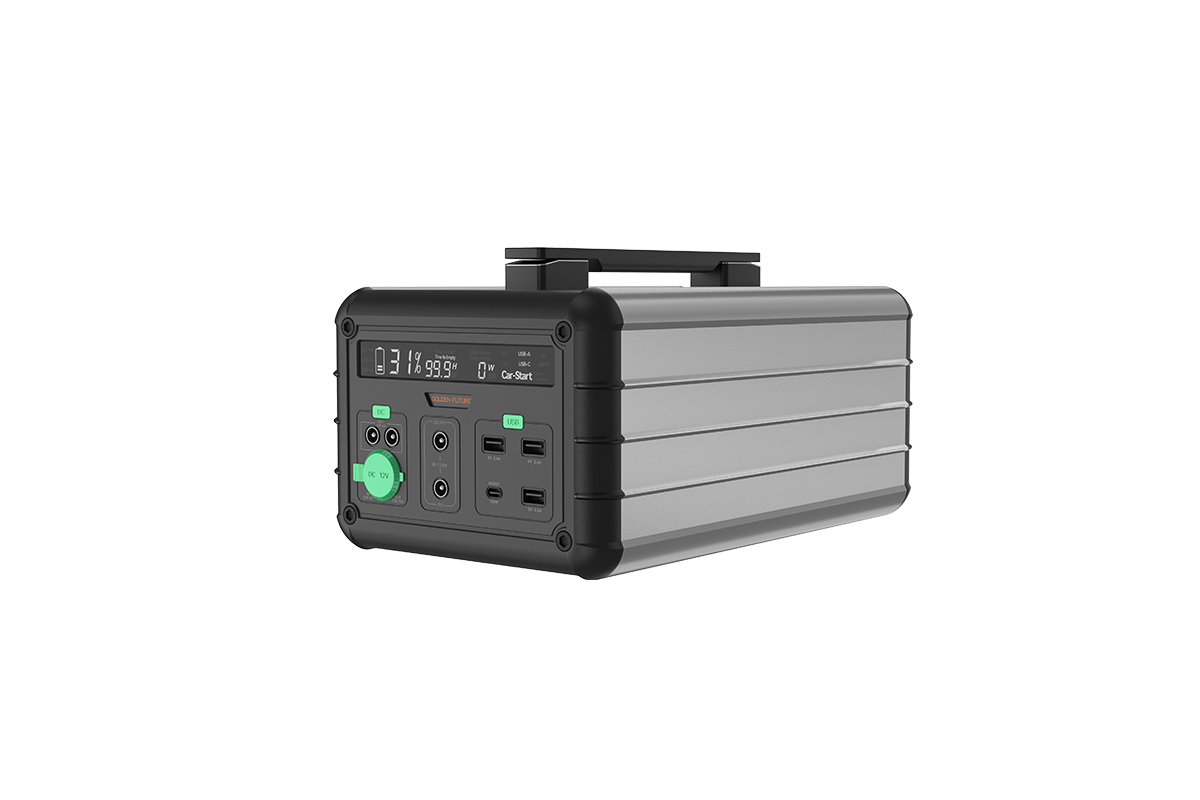
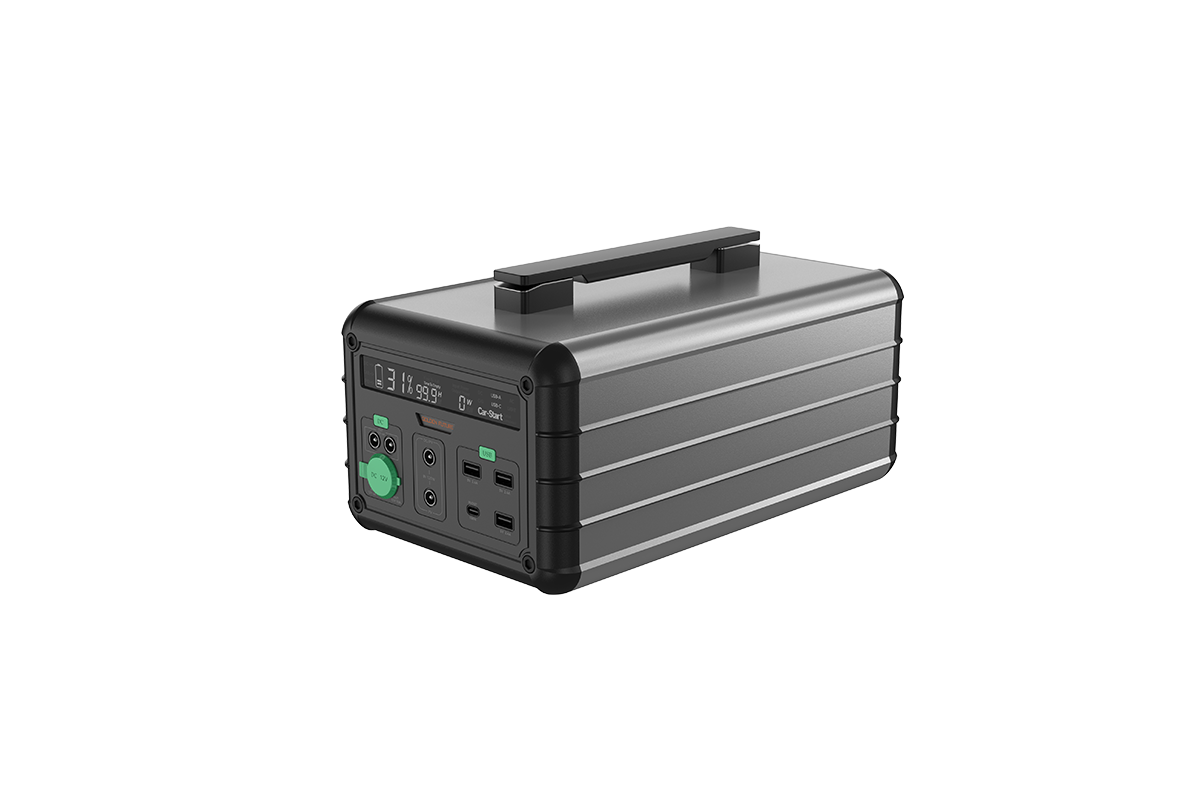
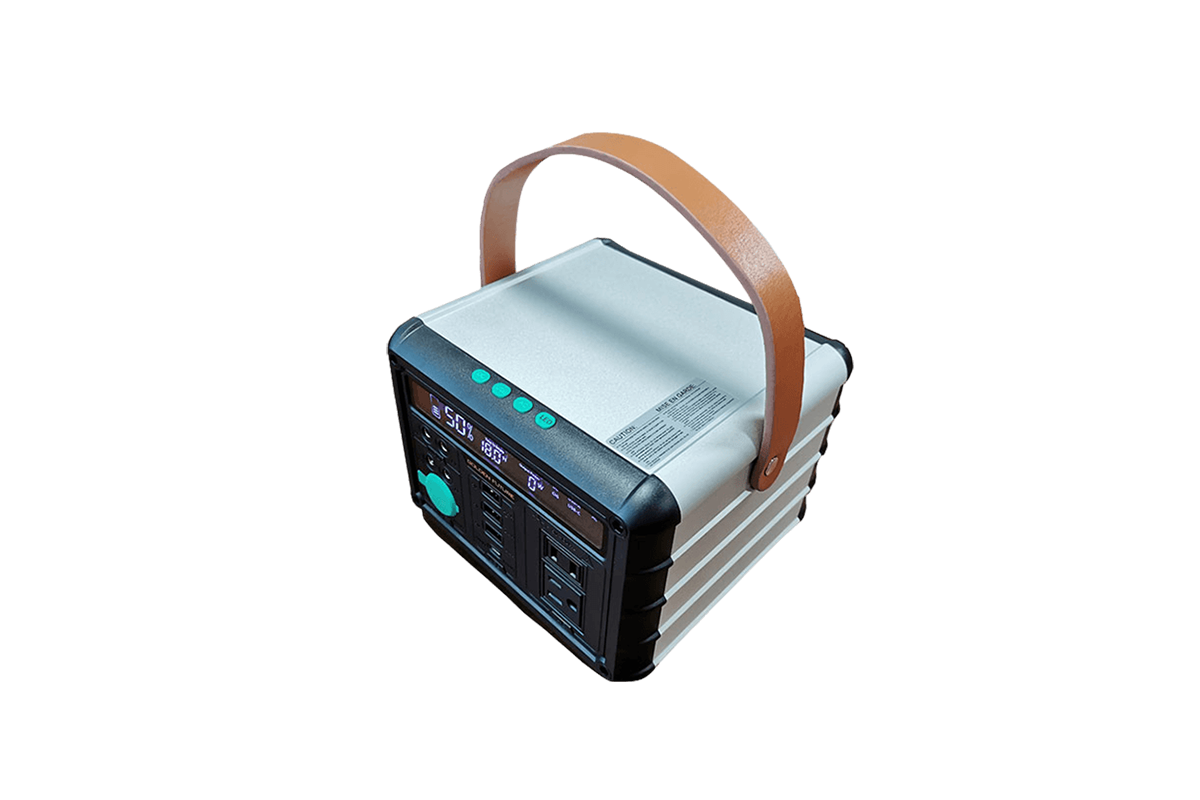
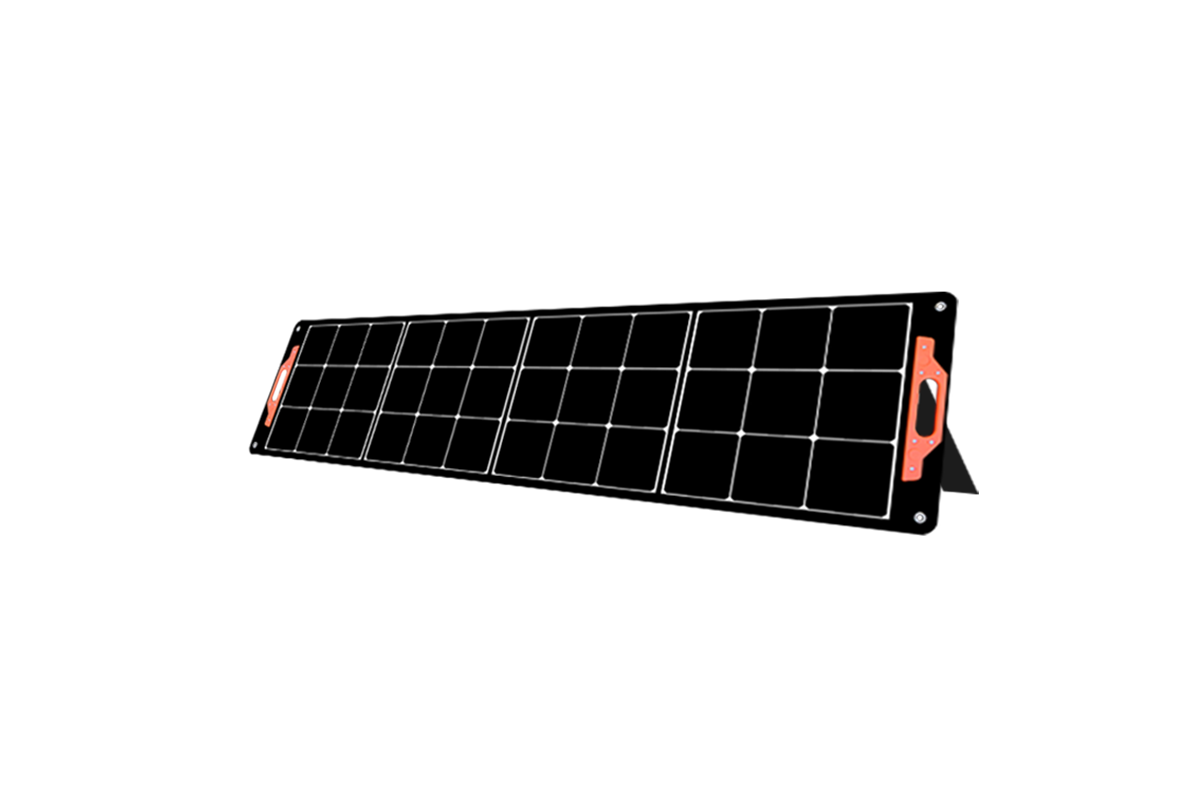
Economical energy storage integrated equipment is designed to provide cost-effective power solutions for budget-conscious users, small businesses, and emerging markets, balancing affordability with core performance requirements. These devices leverage cost-optimized components, simplified designs, and standardized production processes to reduce upfront costs while maintaining reliability. Lead-acid batteries and low-cost LiFePO4 cells are commonly used, with cycle life ranging from 1000-2500 cycles (to 80% capacity), suitable for applications with moderate usage intensity such as small commercial establishments, rural electrification, and backup power for small-scale electronics.
Modular and compact designs minimize material and manufacturing costs, with air-cooling systems replacing more expensive liquid-cooling solutions for low to mid-capacity units (below 100 kWh). Standardized interfaces and pre-integrated components reduce installation complexity, allowing for plug-and-play deployment and lowering labor costs. For example, economical commercial cabinets often feature fixed configurations (e.g., 50 kWh-100 kWh) with simplified control systems, eliminating unnecessary advanced features while retaining essential functions like peak shaving and basic BMS protection.
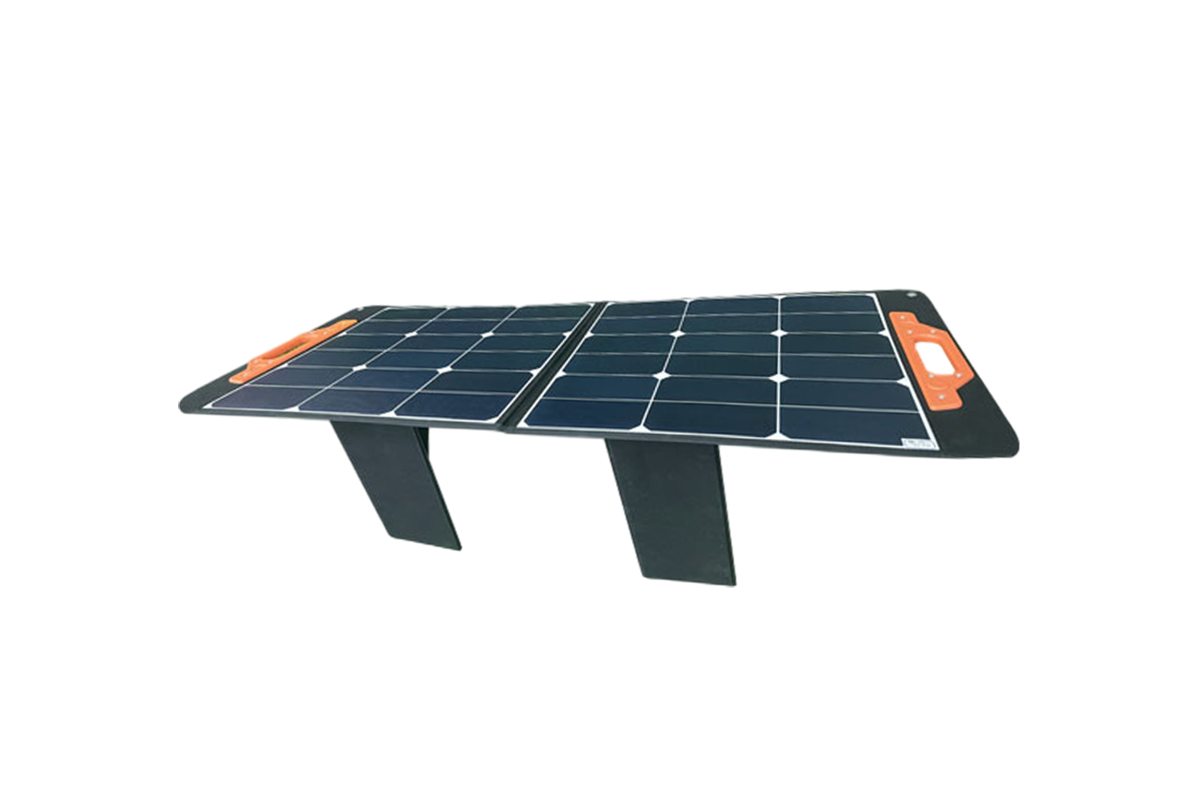
Second-life batteries and hybrid energy storage technologies are key enablers of economical solutions. Repurposed electric vehicle batteries, which still retain 70-80% of their original capacity, are used in stationary storage applications, reducing battery costs by 30-50% compared to new cells. Hybrid systems combining LiFePO4 batteries with sodium-ion or lead-acid batteries further optimize costs, using high-performance cells for peak demand and low-cost cells for base load storage. In sun-rich regions, integrated PV-storage economical systems are 15% cheaper than diesel backups, providing long-term cost savings through renewable energy utilization.
Policy support and market competition also contribute to the affordability of these systems. Government incentives for renewable energy integration, particularly in emerging markets, and increased competition among manufacturers have driven down prices by 15-20% in recent years. Economical units typically offer shorter warranties (2-3 years) compared to premium products but maintain core safety features such as overcharge, over-discharge, and short-circuit protection. For small businesses and rural communities, these solutions provide access to reliable energy storage without the prohibitive costs of high-end systems, supporting energy resilience and sustainable development.




 59911926@qq.com/sales@goldenfuturehk.com
 13316809242 / 15816897019
 Inquiry
 Home >