





Time:2026-03-10 Views:1
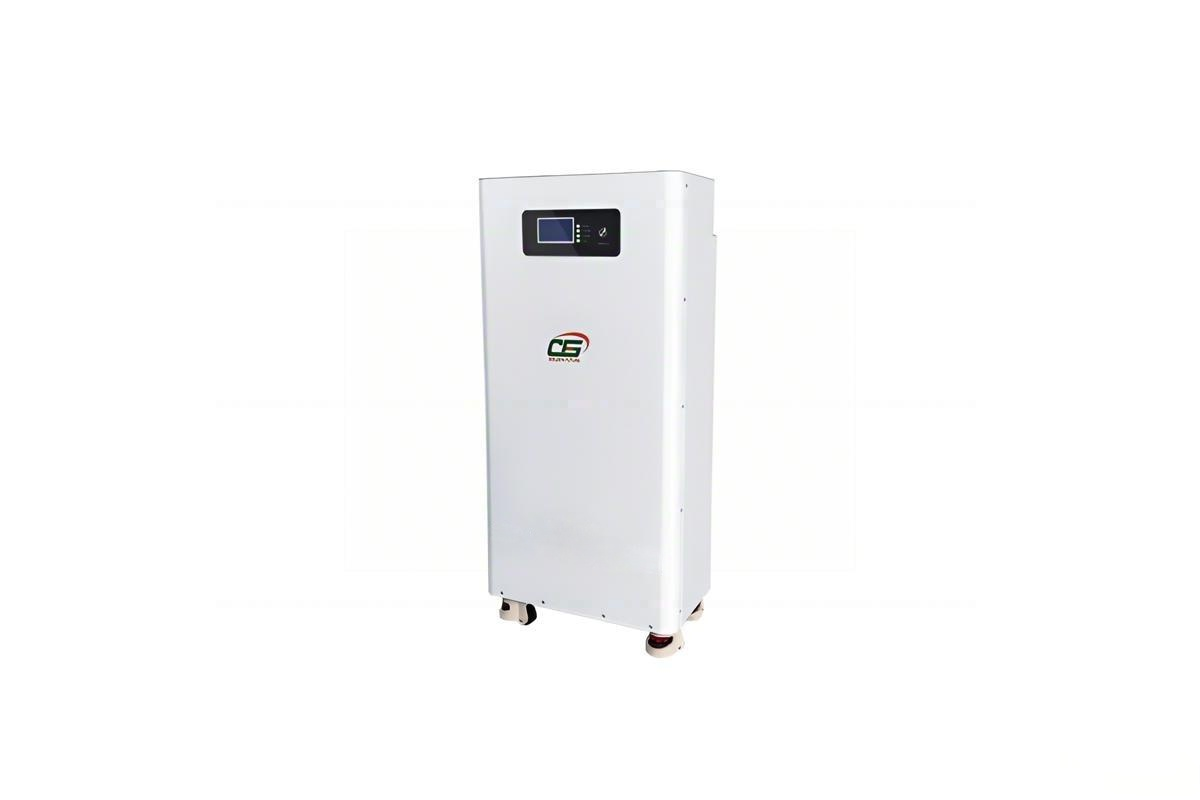
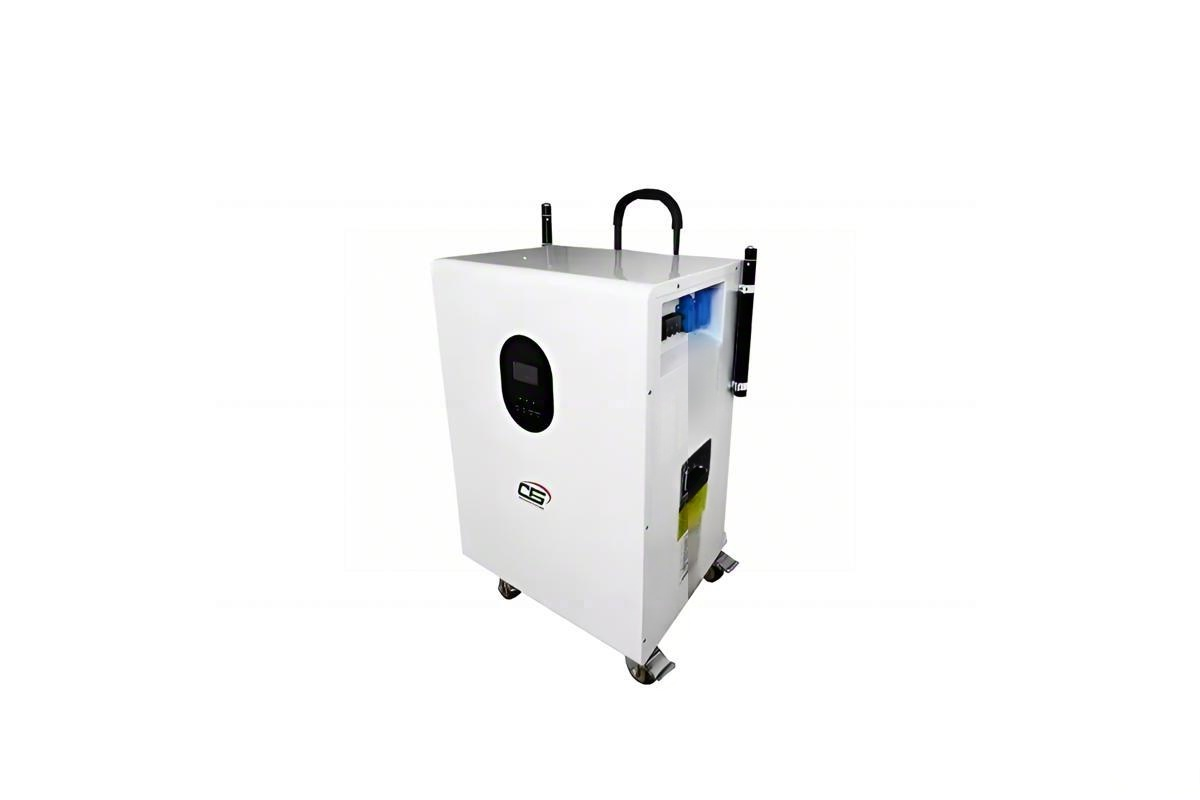
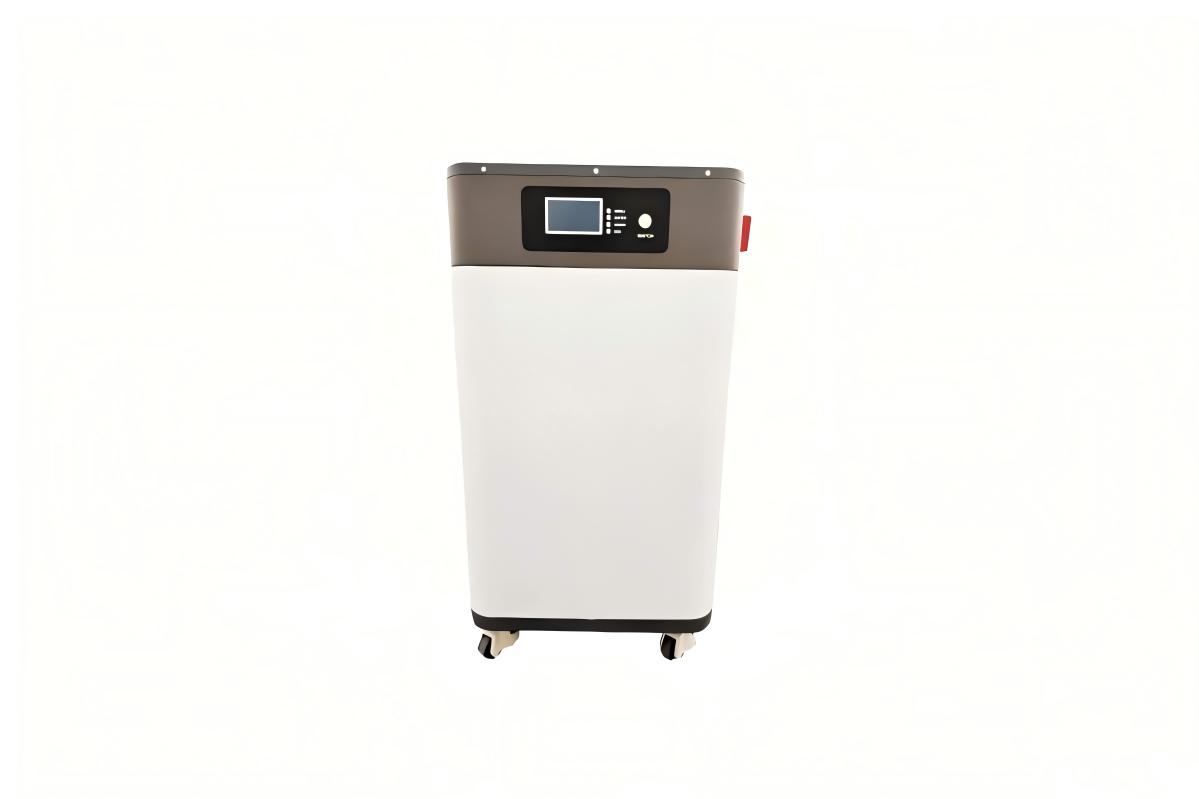
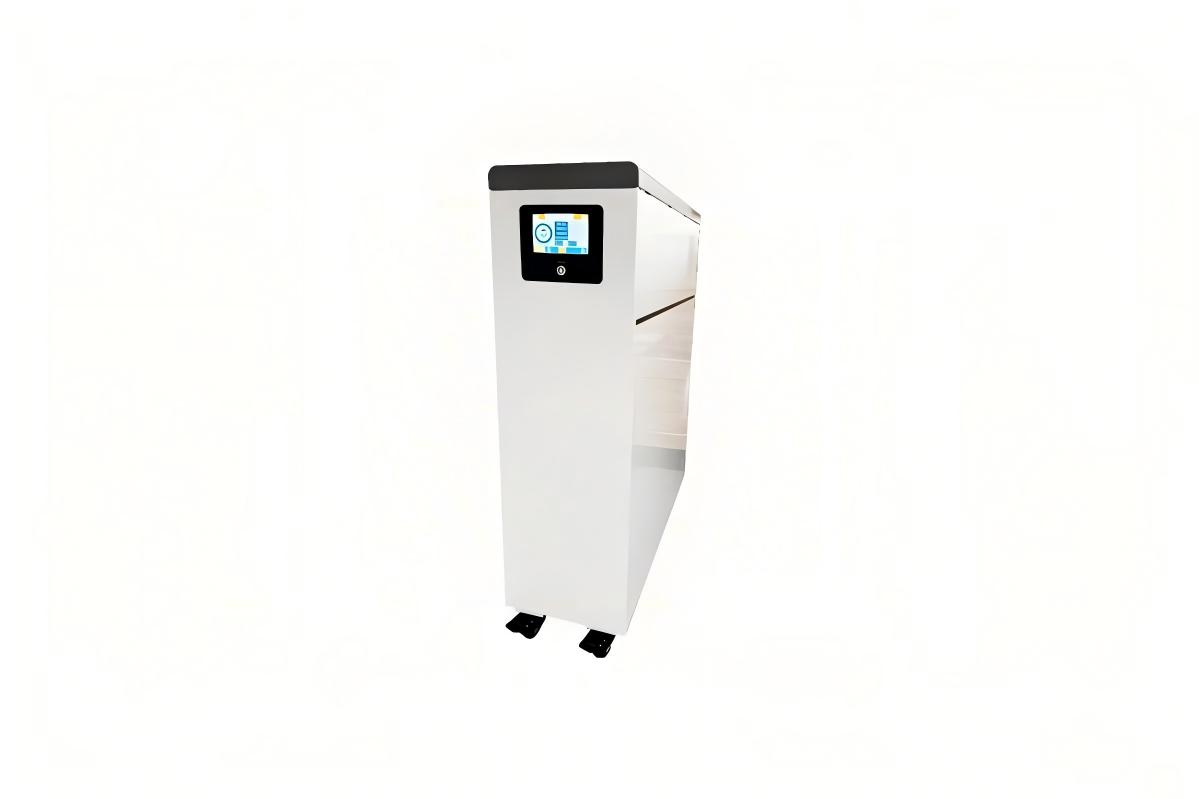
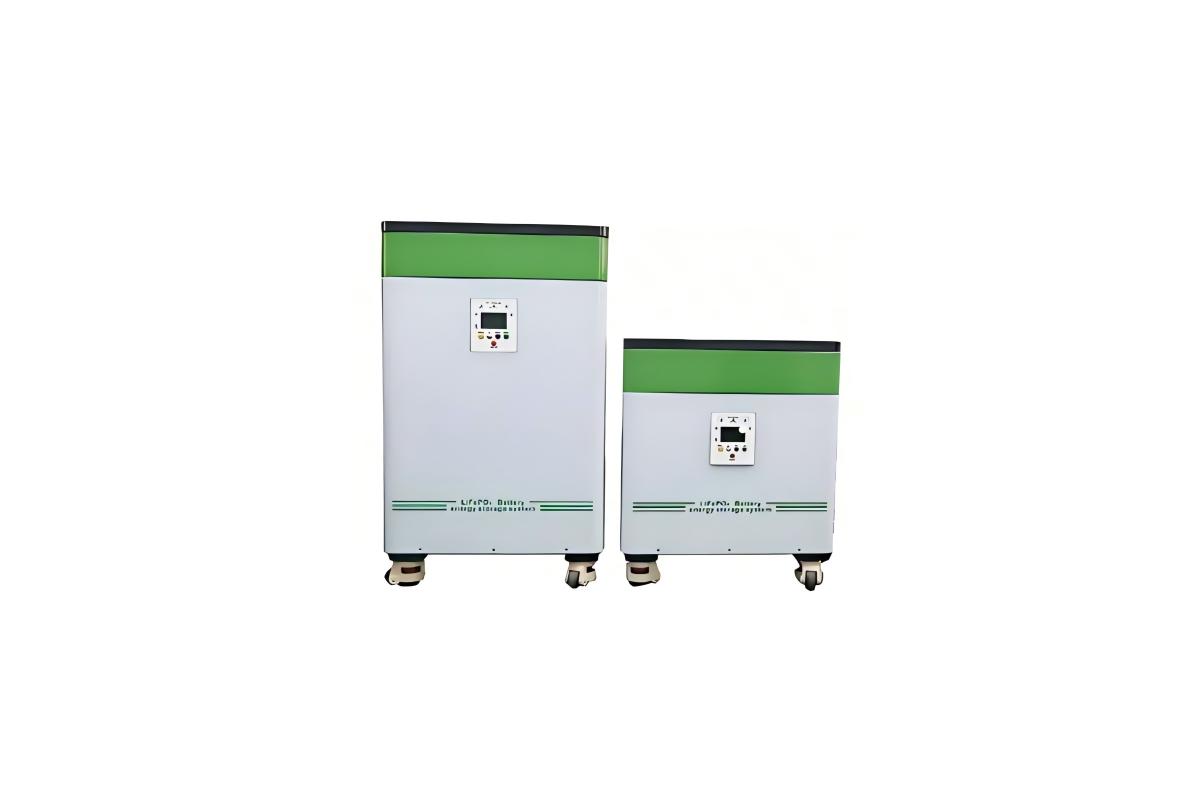
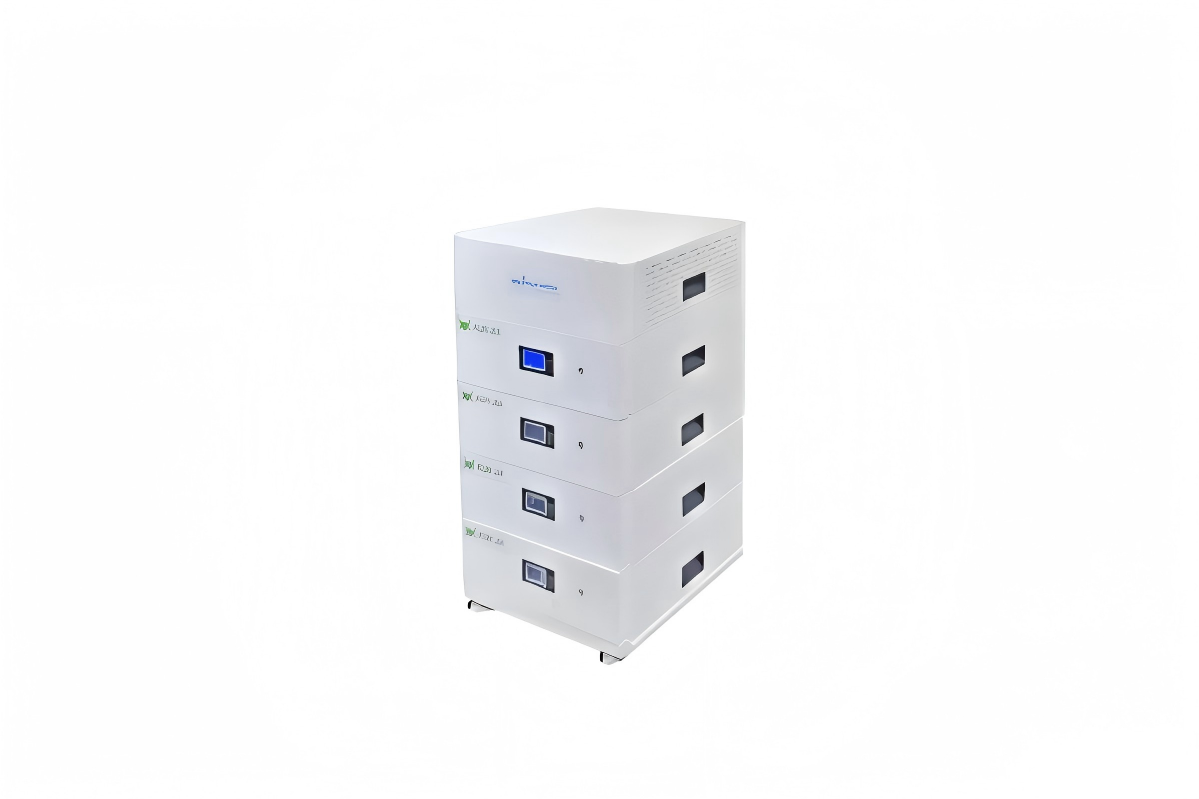
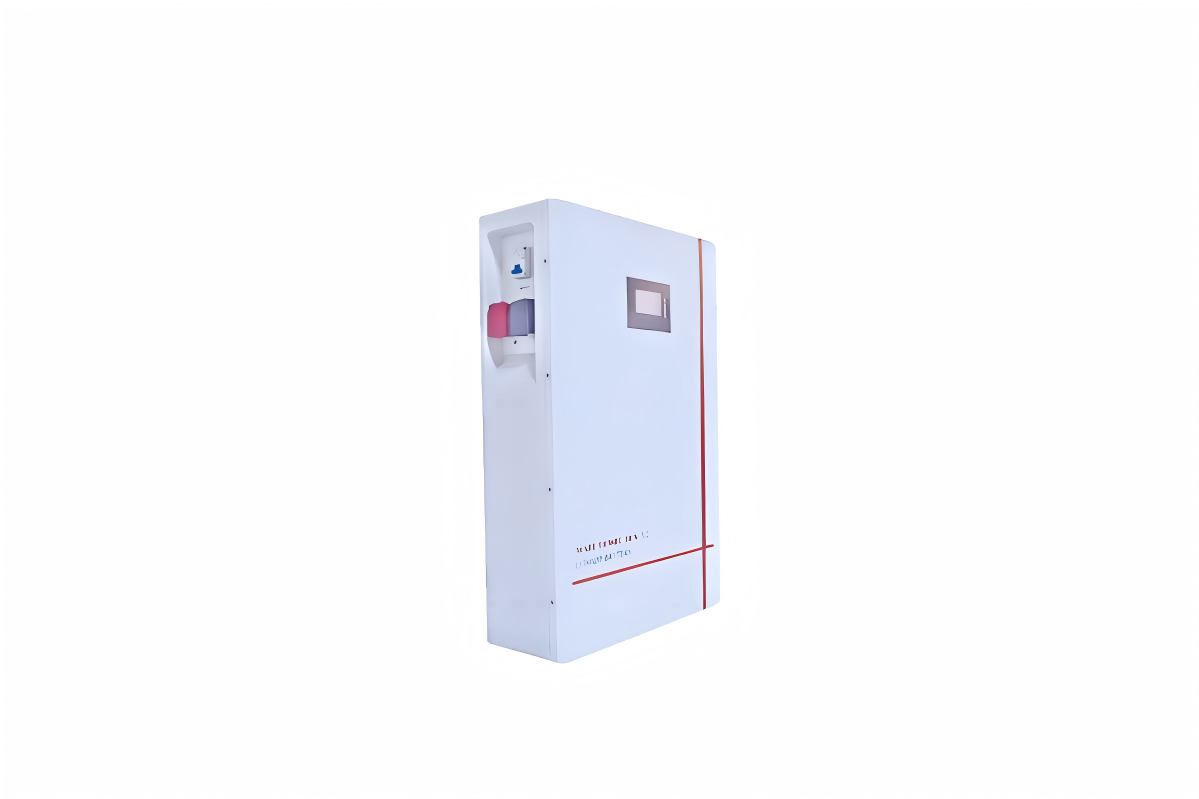
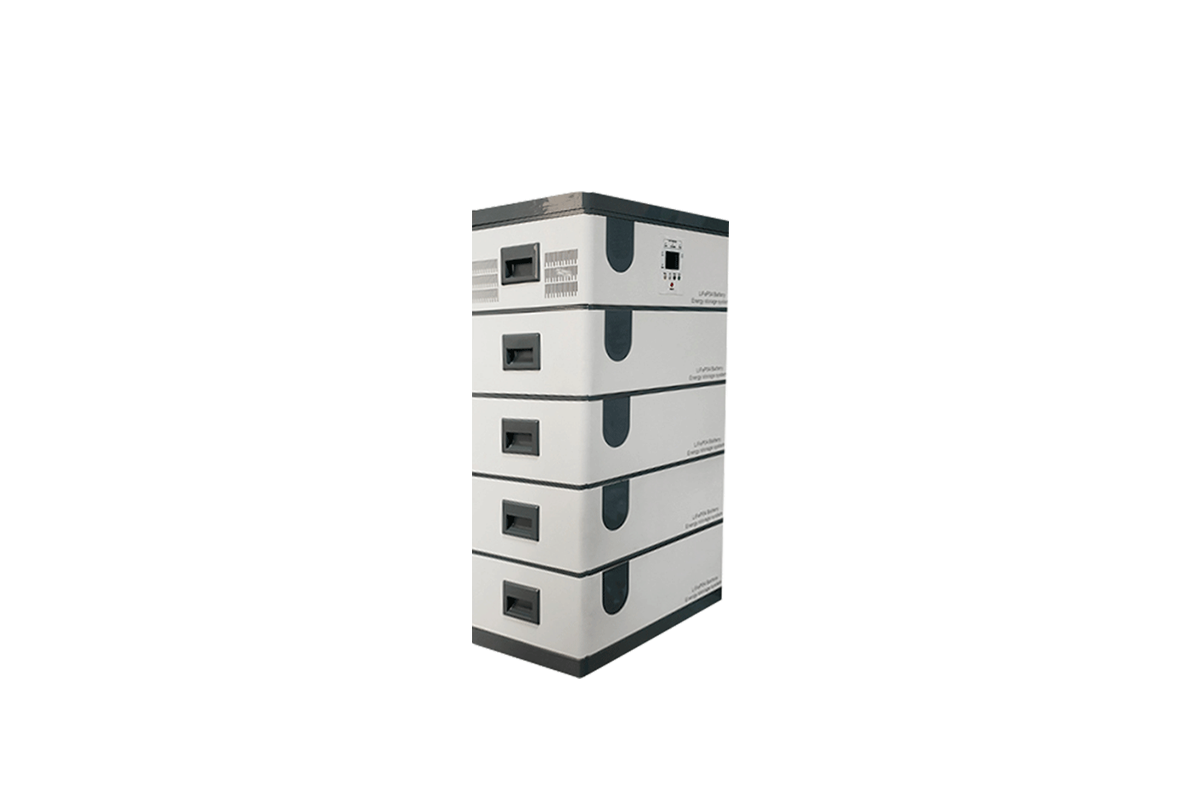
The cost of energy storage integrated systems is influenced by a complex interplay of component costs, technical specifications, scale, and market factors, with significant variations across application scenarios and system capacities. Battery modules represent the largest cost component, accounting for 50-60% of the total investment. Lithium iron phosphate (LiFePO4) batteries dominate the market due to their long cycle life (up to 15,000 cycles for commercial-grade cells) and safety advantages, with current prices averaging around $300 per kWh for large-scale commercial systems. However, emerging technologies like sodium-ion batteries are poised to reduce costs further, with projected prices below $0.4 per Wh by 2025, particularly suitable for low-cost commercial applications.
Power conversion systems (PCS), thermal management, and BMS contribute another 20-30% of total costs. High-efficiency liquid-cooling systems, essential for large commercial setups, add approximately 10% to the base cost but improve overall system efficiency and longevity, justifying the investment through reduced maintenance and replacement expenses. Installation and commissioning costs, though lower for pre-assembled modular systems, still account for 5-10% of the total, with factors like site preparation, grid connection fees, and local labor rates influencing regional variations. For example, a 2 MWh commercial storage project in Egypt’s Alexandria industrial zone had a total cost of $750,000, including $550,000 for battery modules, $150,000 for inverters and BMS, and $50,000 for installation.
Scale economies play a crucial role in cost reduction, with large-scale commercial and utility projects (above 100 MWh) achieving lower per-kWh costs due to bulk purchasing and simplified integration. Policy incentives, such as one-time subsidies of $0.1-$0.3 per Wh in some regions and tax breaks for renewable energy integration, further offset upfront costs. Long-term operational costs, including maintenance, monitoring, and battery replacement, should also be considered; however, advances in AI-driven predictive maintenance and long-cycle batteries have reduced these expenses, with commercial systems typically achieving investment payback periods of 5-7 years through peak shaving savings and grid service revenues. The ongoing decline in battery and component costs, coupled with technological advancements, is expected to drive further cost reductions in energy storage integrated systems over the next decade.




 59911926@qq.com/sales@goldenfuturehk.com
 13316809242 / 15816897019
 Inquiry
 Home >