





Time:2026-03-10 Views:1
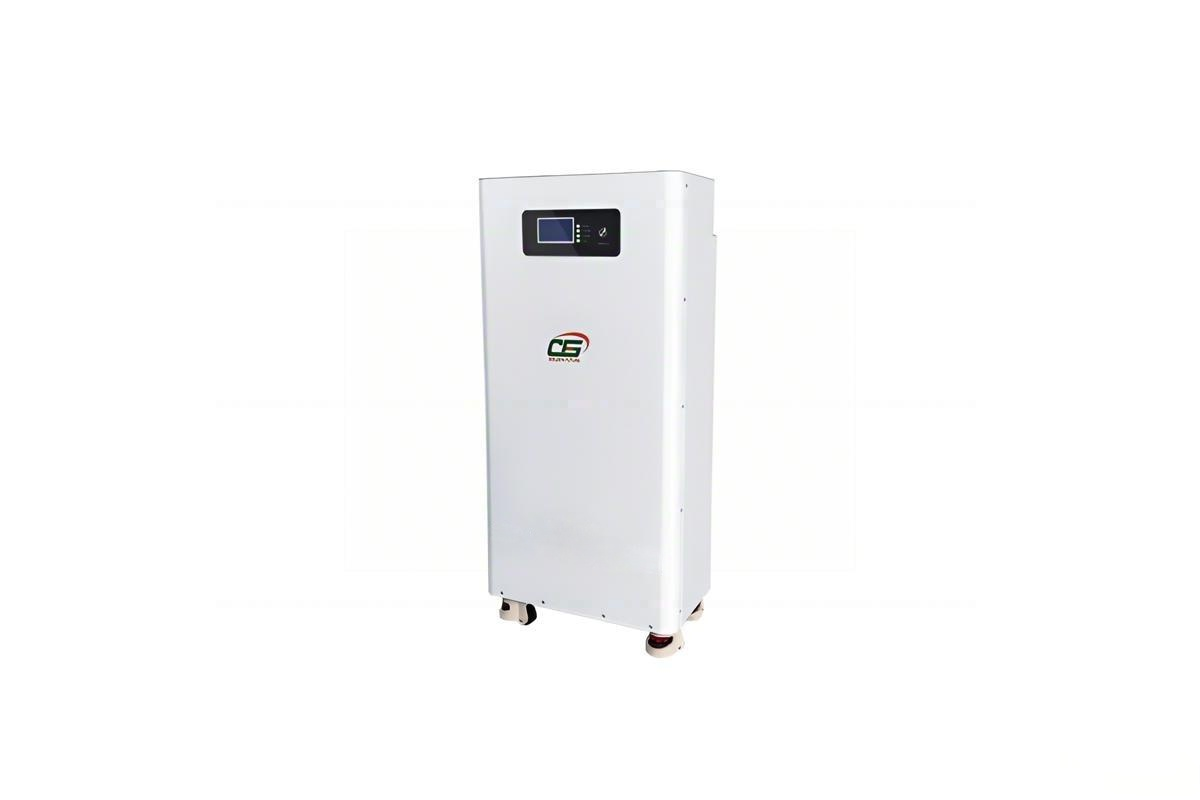
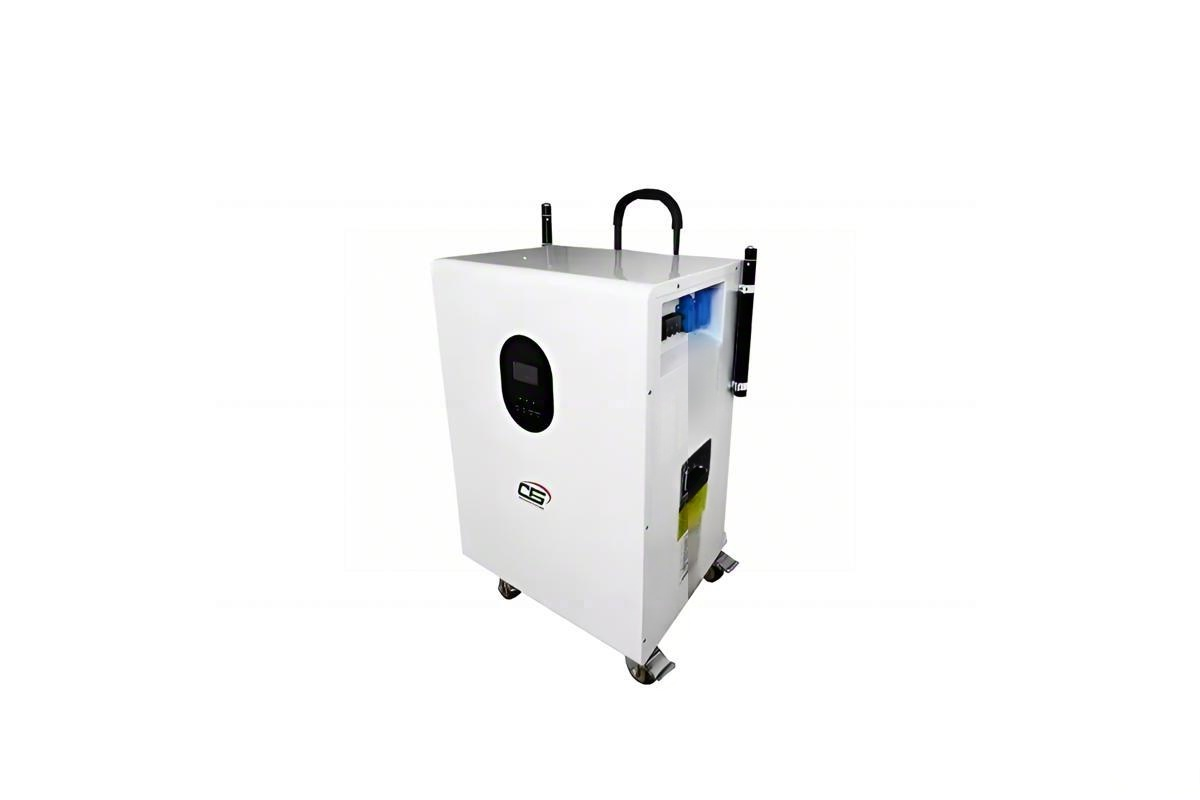
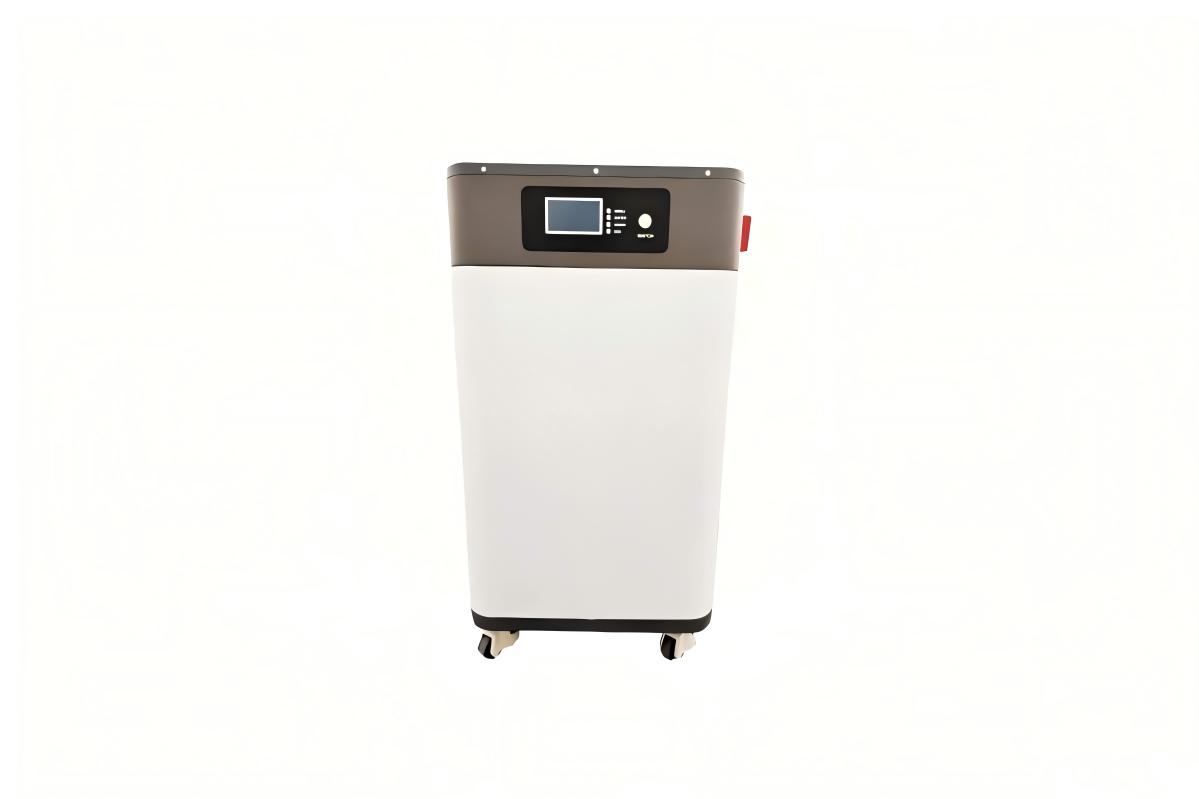
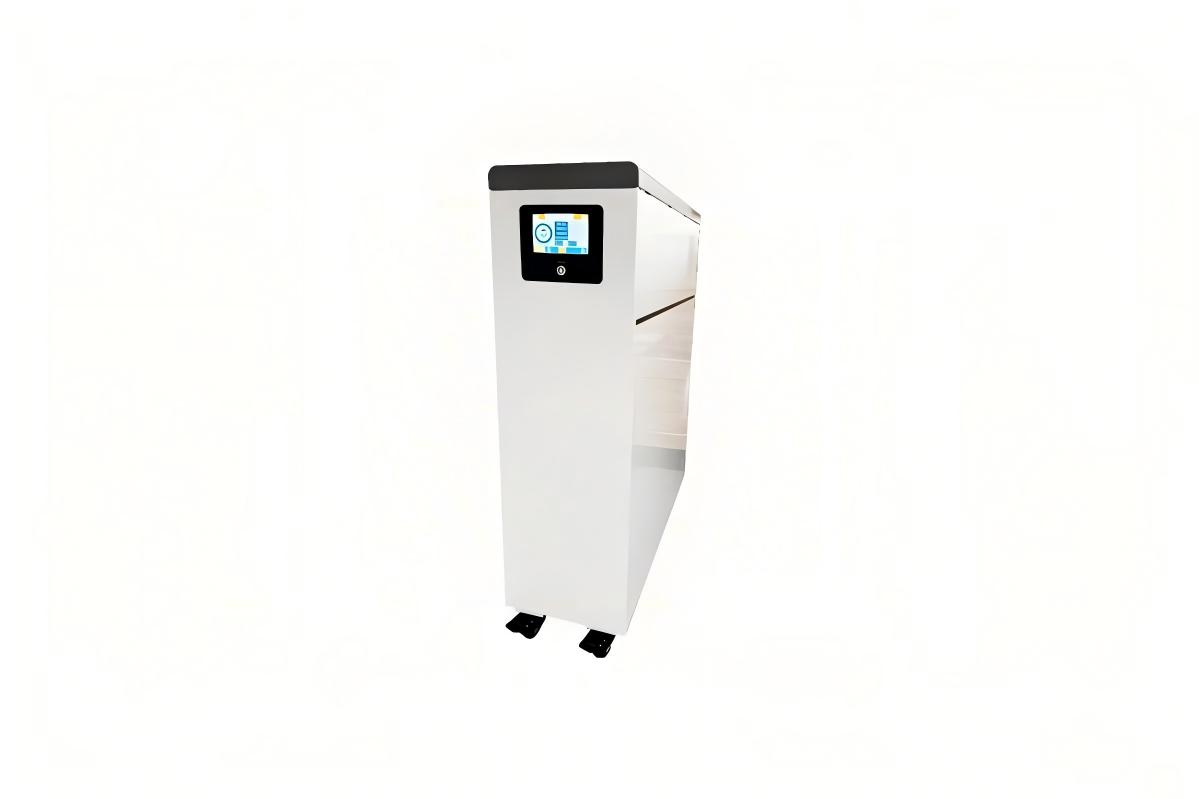
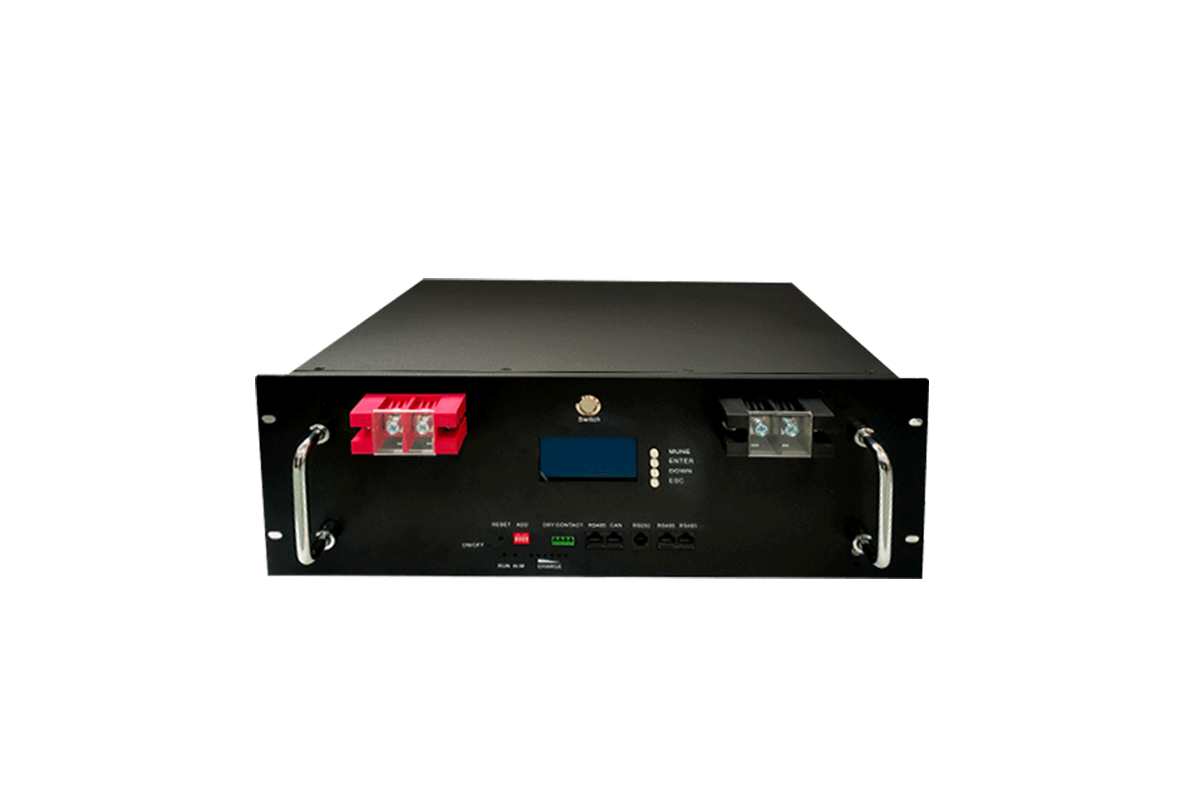
Commercial energy storage integrated solutions are comprehensive systems designed to address the diverse needs of industrial and commercial users, including peak shaving, load shifting, backup power, and renewable energy integration. These turnkey solutions combine battery modules, power conversion systems (PCS), thermal management, and intelligent control platforms into modular, pre-assembled cabinets, minimizing on-site installation time and operational complexity. Liquid-cooling technology is widely adopted in commercial systems to maintain a temperature difference within 3°C, ensuring stable performance and extending battery life even in high-demand industrial environments with ambient temperatures ranging from -20°C to 55°C.
Scalability and flexibility are central to commercial solutions, with modular designs supporting parallel connection of multiple cabinets to achieve capacities from hundreds of kWh to several MWh. For example, TWS Group’s ProeM315 outdoor liquid-cooling cabinet offers configurable energy outputs from 209 kWh to 419 kWh per unit, adaptable to commercial and industrial use, PV+storage combinations, microgrids, and seamless switching between grid-connected and off-grid operation. Advanced power conversion systems, such as Hitachi Energy’s liquid-cooled high-power density PCS, enable efficient energy conversion with enhanced grid stability, critical for integrating intermittent renewable energy sources like solar and wind into commercial power systems.
Intelligent energy management platforms, powered by artificial intelligence (AI) and digital twin technology, optimize the economic and operational performance of commercial solutions. These platforms predict energy demand, coordinate with grid services, and participate in demand response programs, allowing users to reduce peak demand charges and generate revenue through energy arbitrage in spot markets. AI-driven predictive maintenance and remote diagnostics further enhance system reliability, with real-time monitoring of battery health, thermal conditions, and grid parameters to identify potential faults before they impact operations. Shared energy storage models, where multiple commercial users co-invest in and share storage facilities, are also gaining traction, reducing individual investment costs and improving asset utilization.
Application scenarios for commercial solutions continue to expand, including data centers, 5G base stations, manufacturing facilities, and “光储充换检” (PV-storage-charging-swapping-inspection) integrated stations supporting electric vehicle fleets. These solutions not only enhance energy resilience by providing backup power during grid outages but also support decarbonization goals by maximizing the utilization of renewable energy, reducing reliance on fossil fuels, and lowering carbon emissions. Policy support, such as government subsidies for renewable integration and demand response programs, further drives the adoption of commercial energy storage systems globally.




 59911926@qq.com/sales@goldenfuturehk.com
 13316809242 / 15816897019
 Inquiry
 Home >