





Time:2026-10-09 Views:287
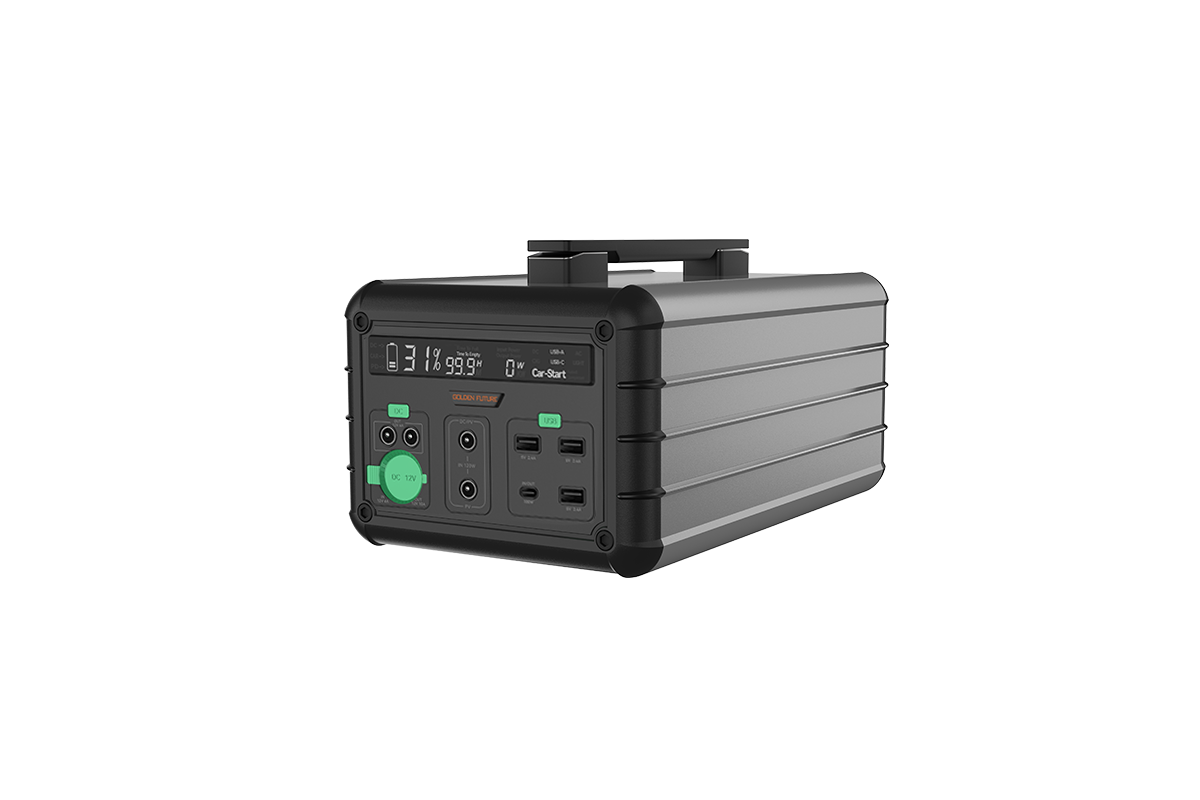
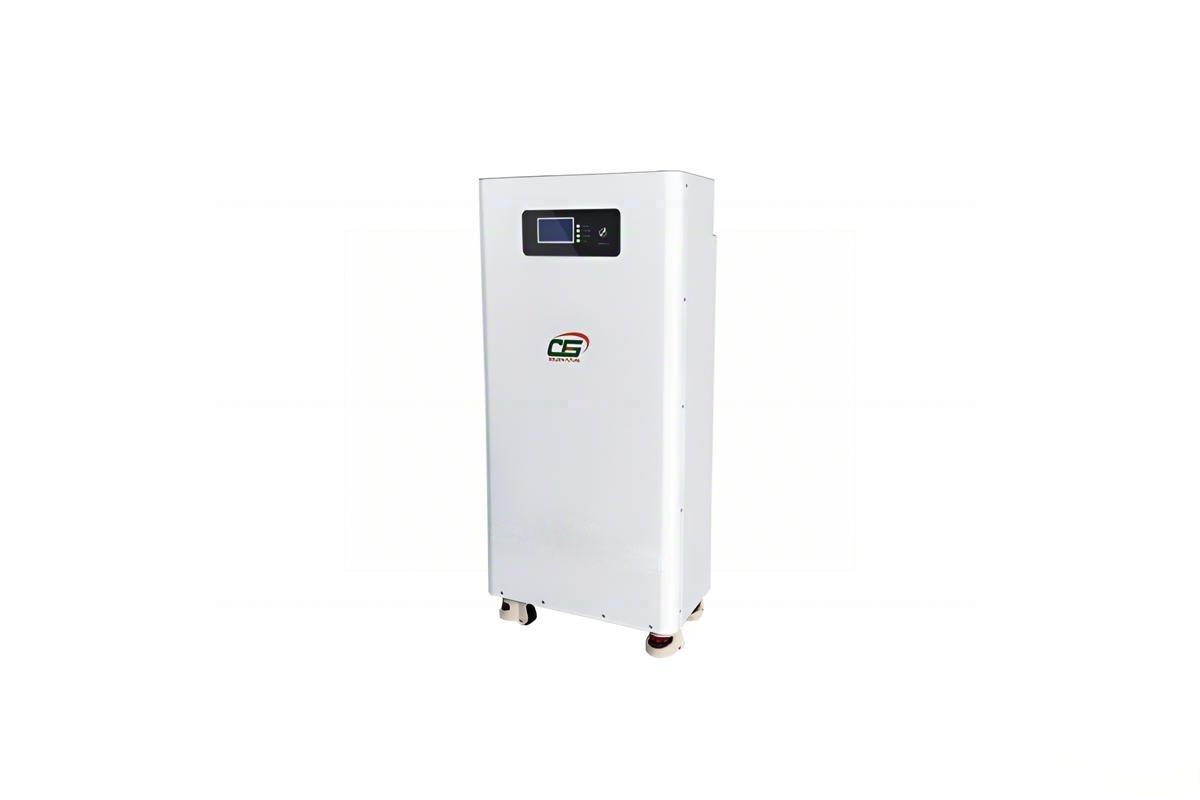
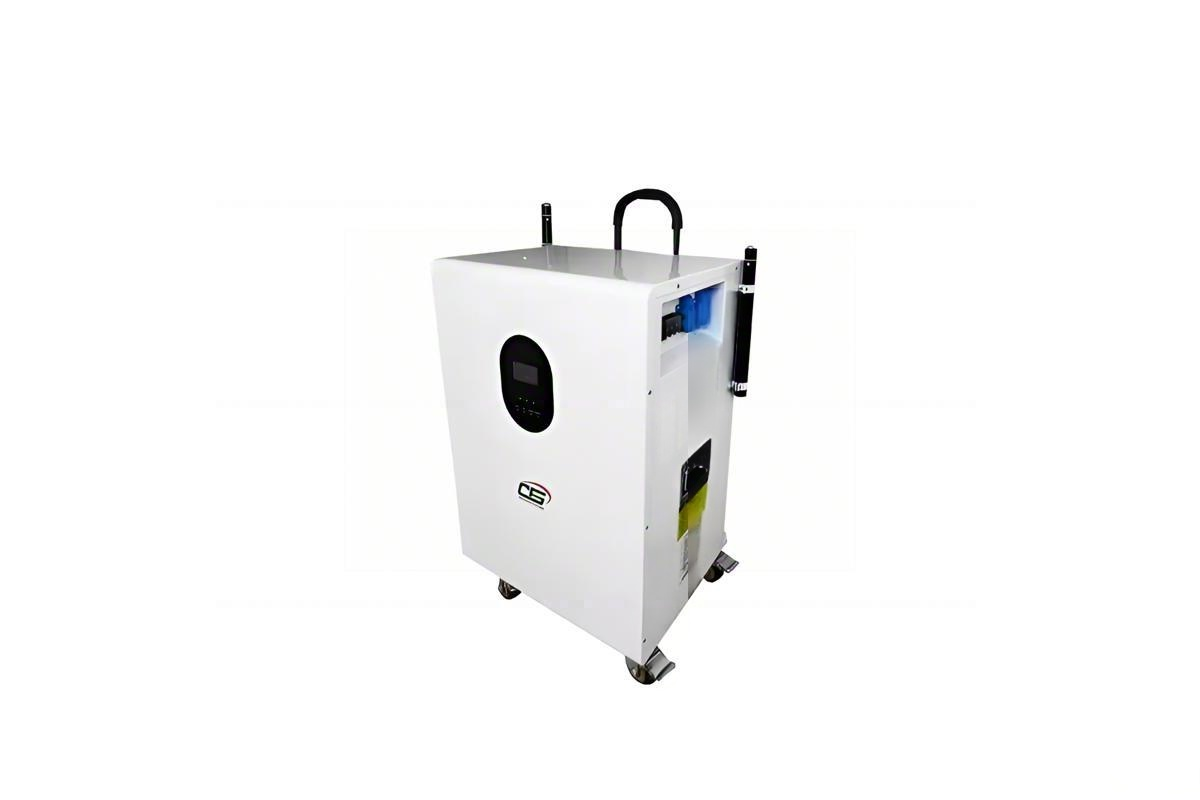
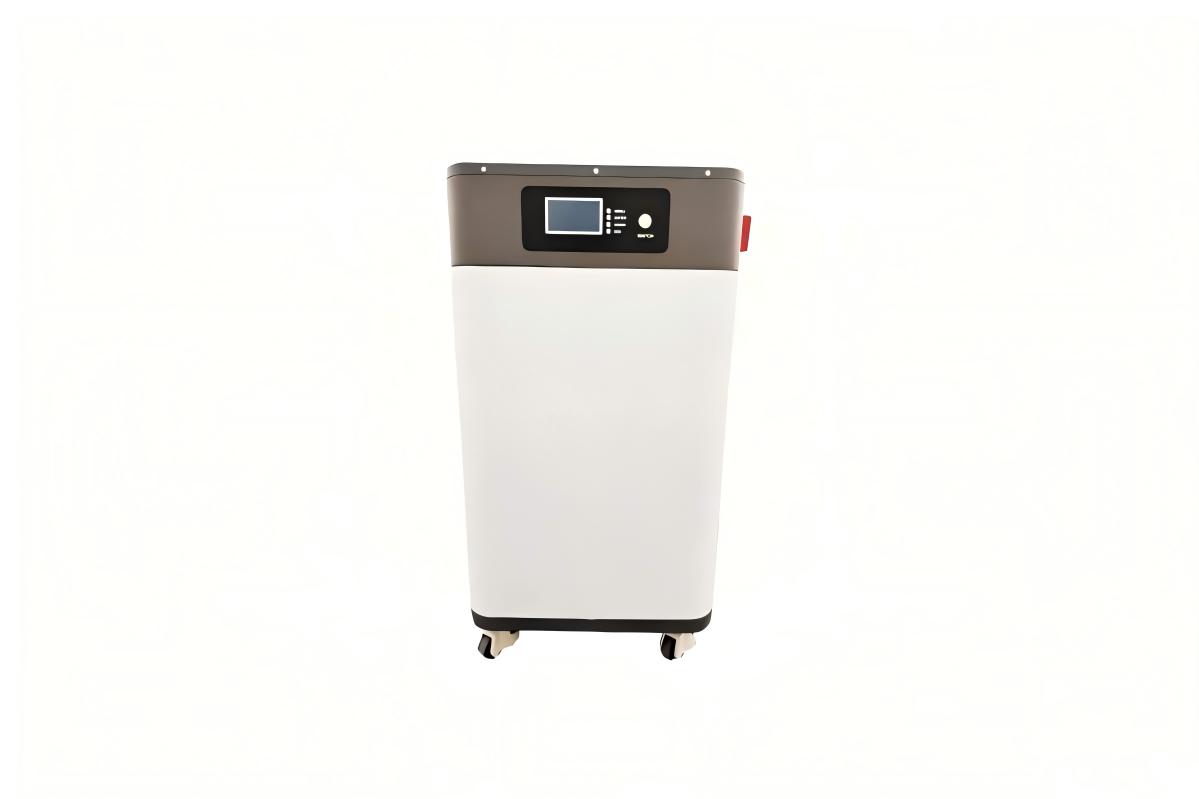
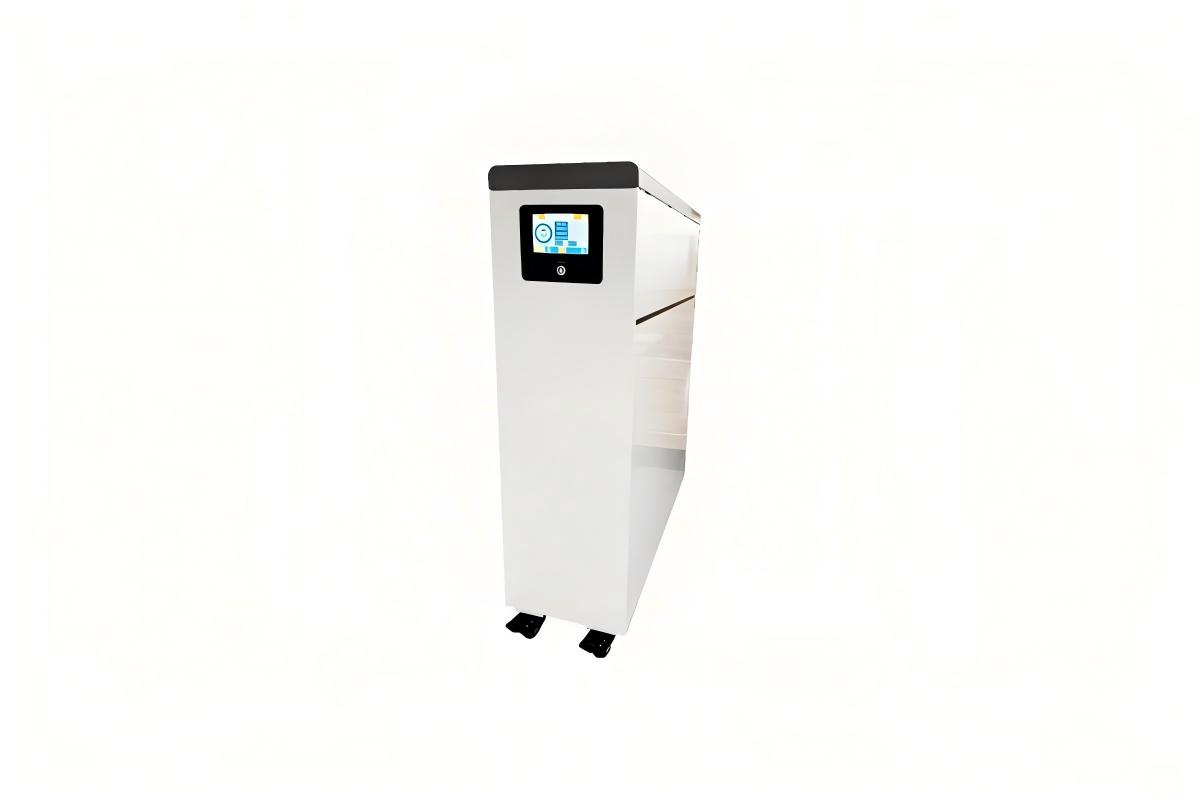
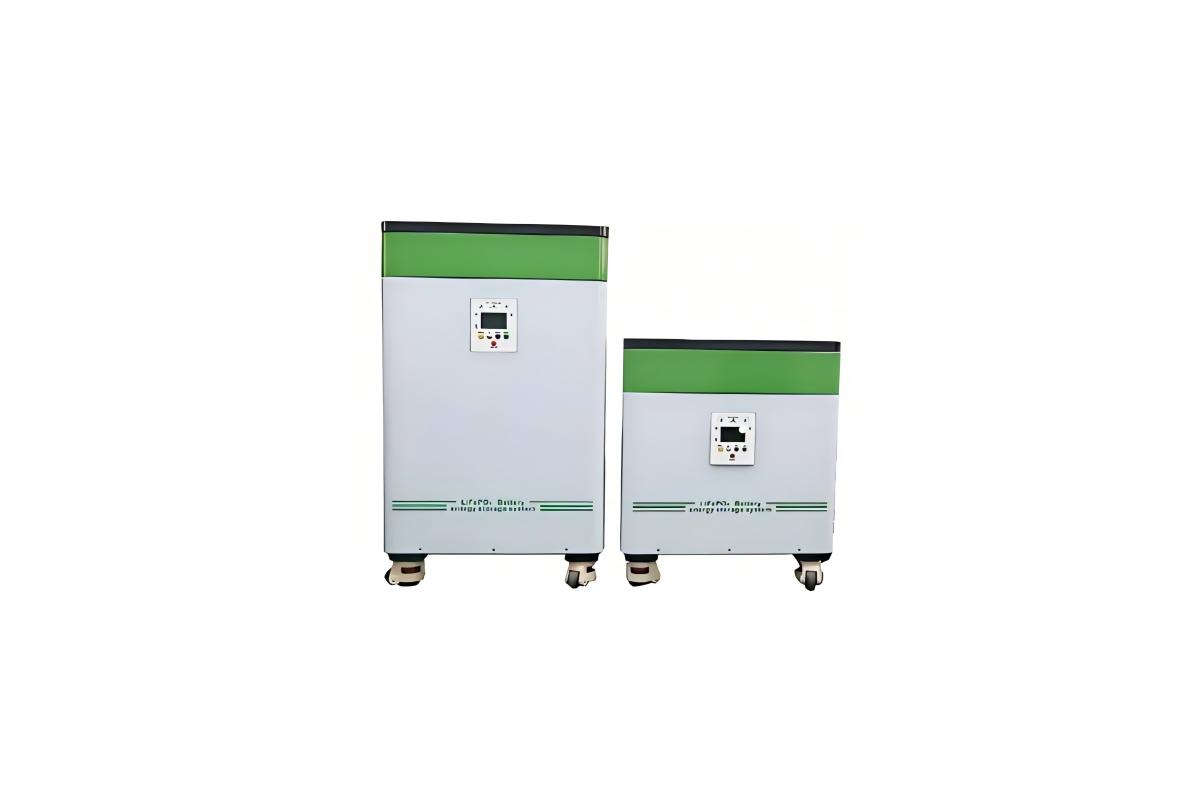
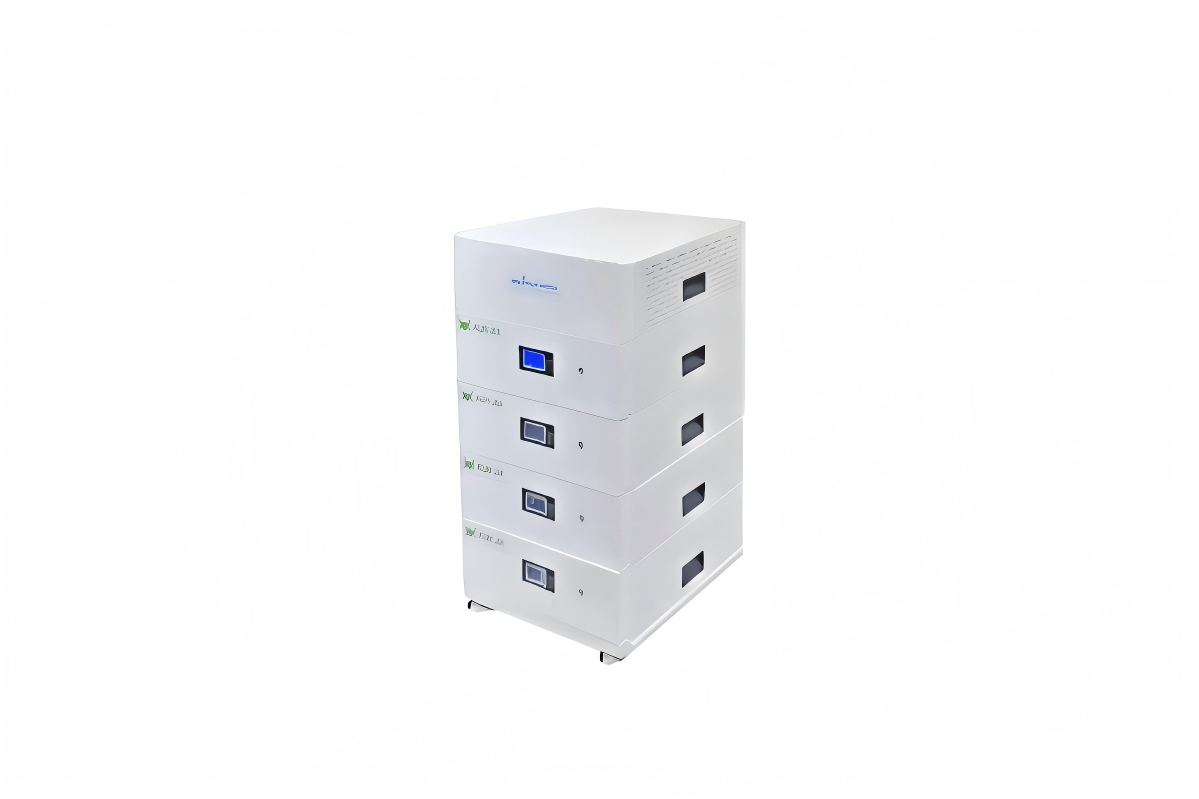
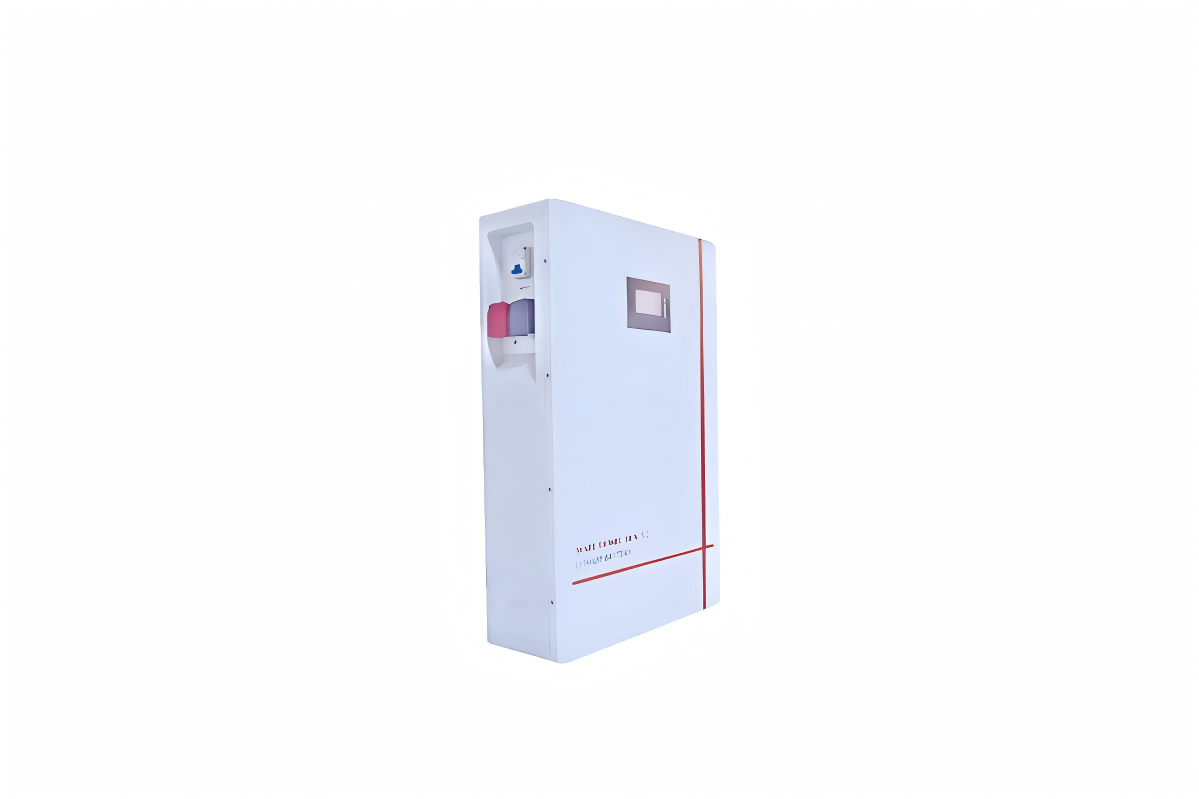
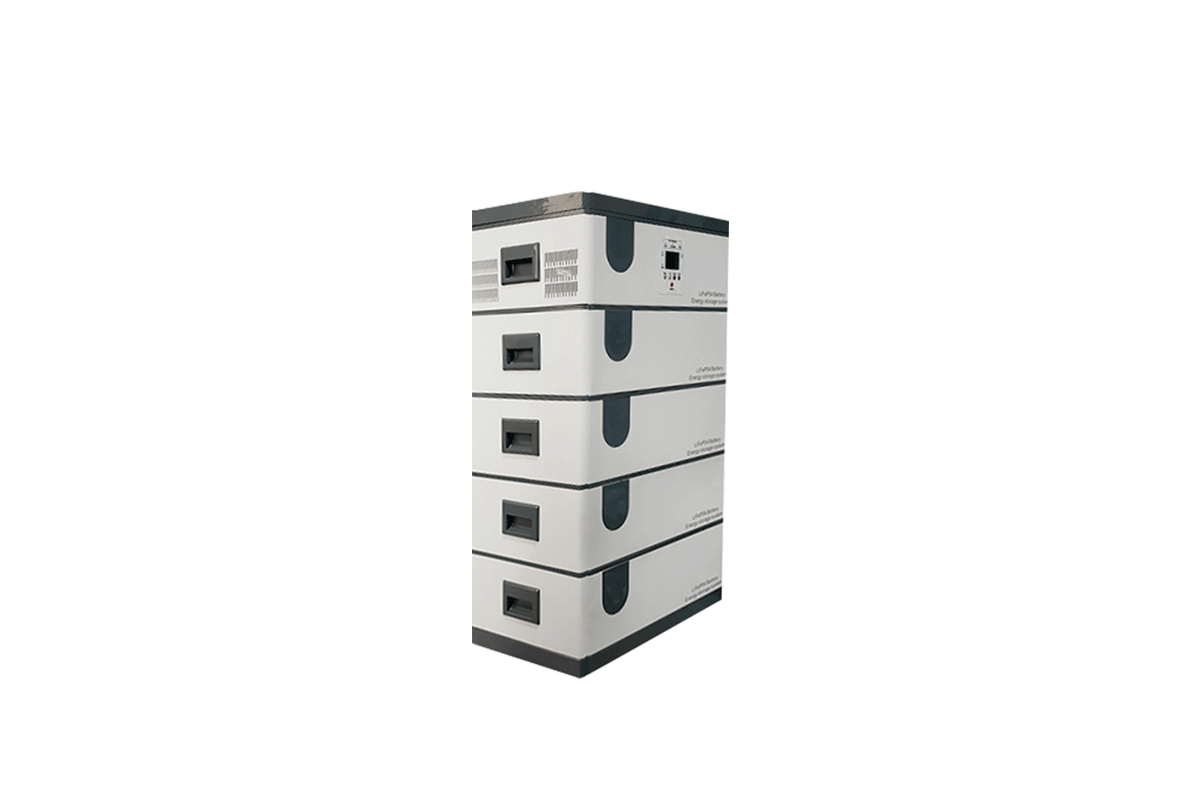
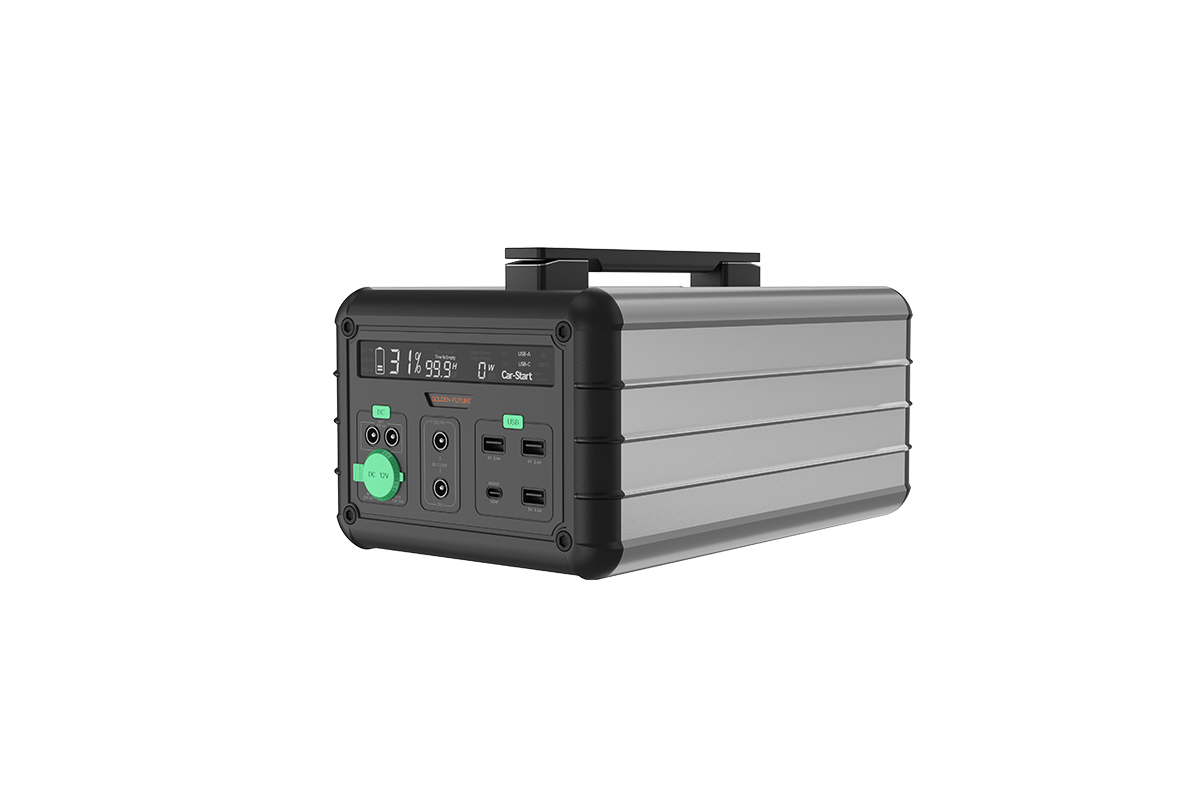
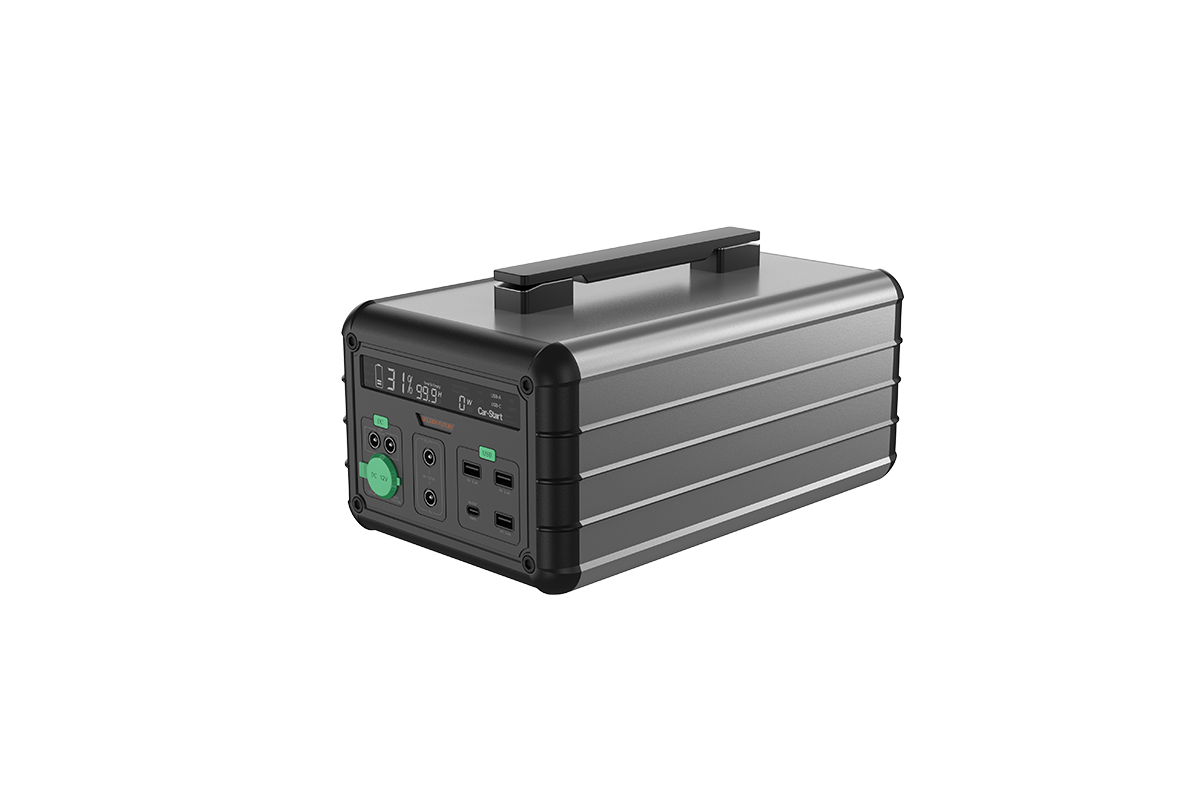
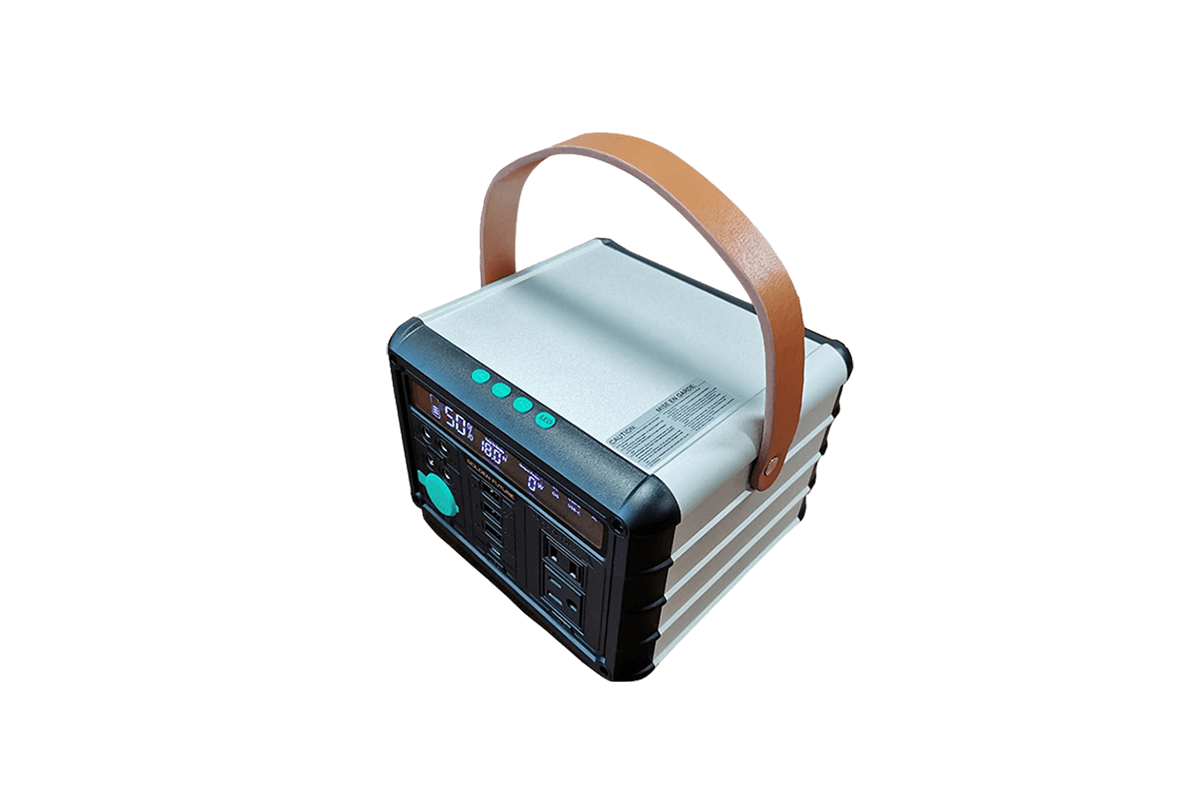
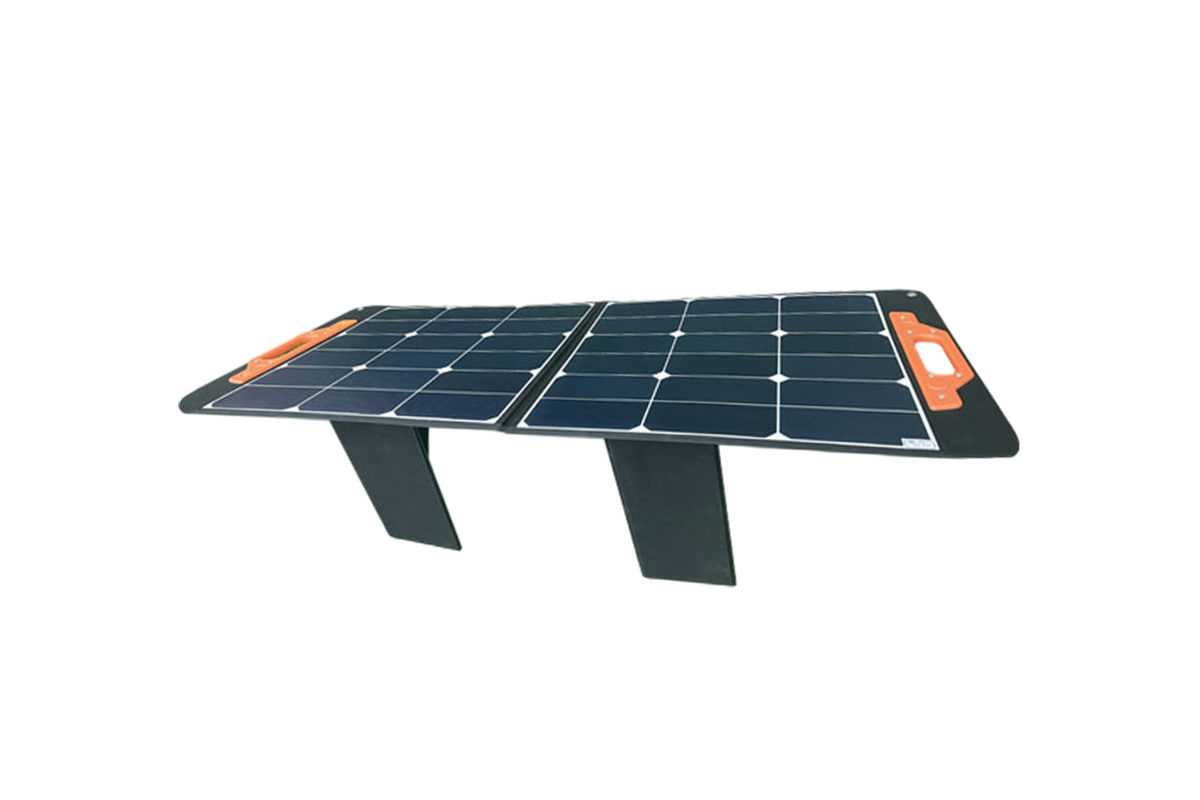
Household energy storage equipment is a core component of residential new energy power systems, supporting peak shaving, emergency power supply, and photovoltaic power storage functions. Scientific and standardized daily maintenance can effectively delay equipment aging, reduce fault rates, extend service life, and ensure stable and safe operation throughout the equipment lifecycle. Different from industrial energy storage systems, household ESS has compact structure, unattended long-term operation characteristics, and higher requirements for daily maintenance refinement, covering regular inspection, performance testing, environmental maintenance, and fault prevention.
Daily and periodic appearance and environmental maintenance is the foundation of household energy storage equipment management. Household energy storage devices are usually installed in balconies, garages, or equipment rooms, and are susceptible to moisture, dust, and temperature changes. Users need to regularly clean the equipment surface and ventilation channels to prevent dust accumulation from affecting heat dissipation and causing overheating faults. It is necessary to ensure the installation environment is dry and ventilated, avoiding long-term exposure to direct sunlight, rain erosion, or high-temperature and humid environments. Regularly check equipment shell integrity, wiring firmness, and grounding connection reliability to prevent loose wiring, shell damage, and poor grounding safety hazards. Monthly visual inspection and quarterly environmental adaptation check are recommended for daily maintenance.
Regular performance testing and calibration maintenance ensure stable power storage and output capacity of household ESS. Users and maintenance personnel need to conduct quarterly battery performance testing, including measuring cell voltage consistency, battery internal resistance, and actual charge-discharge capacity, to eliminate aging and faulty cells in a timely manner. Conduct semi-annual insulation testing and annual withstand voltage testing to verify system electrical safety performance and prevent leakage and insulation breakdown faults. In addition, regular calibration of inverter output parameters and BMS system data is required to ensure accurate charge-discharge control, overcharge and over-discharge protection, and temperature protection functions are effective, avoiding system control logic errors caused by long-term operation drift.
Fault prevention, seasonal maintenance, and professional overhaul are key links to prolong equipment service life. In thunderstorm seasons, reinforce lightning protection system inspection, check SPD working status and grounding resistance to improve lightning surge resistance of household energy storage equipment. In high-temperature summer and low-temperature winter, adjust system charge-discharge power reasonably according to environmental temperature to avoid overheating damage or low-temperature capacity attenuation. It is recommended to conduct a full professional overhaul every two years, including disassembly cleaning, line aging inspection, component performance detection, and system software upgrade. Timely replacement of aging accessories and faulty components can effectively reduce sudden failure risks, ensuring household energy storage equipment provides stable and reliable clean power support for residential electricity consumption for a long time.




 59911926@qq.com/sales@goldenfuturehk.com
 13316809242 / 15816897019
 Inquiry
 Home >
